
Zhong Guo Huan Jing Bao

Search documents
扮靓城市应少些“一次性景观”
Zhong Guo Huan Jing Bao· 2025-09-12 00:30
Core Viewpoint - The article highlights the issue of temporary flower boxes in urban micro-renovation projects, which often face management and maintenance challenges after their initial installation, leading to waste and visual pollution [1] Group 1: Management Issues - Temporary flower boxes frequently become neglected after construction acceptance, turning into "abandoned children" along the roadside [1] - Lack of allocated maintenance funds results in flowers wilting and being replaced by weeds, with some boxes being misused as trash receptacles [1] - The unclear responsibility for cleaning and maintaining these installations contributes to their neglect, as they do not fit neatly into existing maintenance categories [1] Group 2: Resource Waste and Visual Pollution - The mismanagement of temporary flower boxes leads to resource waste and creates "visual pollution" in urban environments [1] - The practice of treating these installations as one-time projects should not become a standard approach in urban micro-renovation bidding and implementation [1] Group 3: Recommendations for Improvement - Urban landscape management should move away from a "one-time" model, focusing on both aesthetic enhancement and resource efficiency [1] - Future project designs and bidding processes must include thorough considerations for post-installation maintenance to avoid superficial compliance and ensure long-term sustainability [1]
“十四五”收官在即,多省党政“一把手”调研部署生态环保工作释放哪些信号?
Zhong Guo Huan Jing Bao· 2025-09-11 23:19
Core Insights - Recent focus by provincial party and government leaders on ecological environment protection indicates a strong commitment to addressing pollution issues and fulfilling the "14th Five-Year Plan" goals [1][2][4] - The urgency to identify and tackle shortcomings in pollution prevention efforts is emphasized, with leaders taking proactive measures to ensure accountability and effective implementation [2][3] Group 1: Leadership Actions - Provincial leaders are conducting collective discussions, evaluations, and on-site inspections to reinforce responsibilities at all levels [1][2] - Specific actions include the rapid response of local officials to pollution issues, such as multiple inspections and direct accountability measures [2][3] Group 2: Strategic Focus Areas - Key areas of concern include air pollution control and addressing feedback from central ecological inspections, highlighting the need for targeted remediation efforts [1][2] - The emphasis on problem-oriented approaches reflects a commitment to overcoming existing challenges in pollution control [1][2] Group 3: Future Planning - Successful completion of current tasks is crucial for informing the next "15th Five-Year Plan," ensuring that future strategies are based on real experiences and identified gaps [4] - The need for systematic summarization of current challenges and successful practices is highlighted to enhance the scientific basis for future ecological policies [4]
持续深化“五个转型” 引领磷化工绿色变革
Zhong Guo Huan Jing Bao· 2025-09-11 06:13
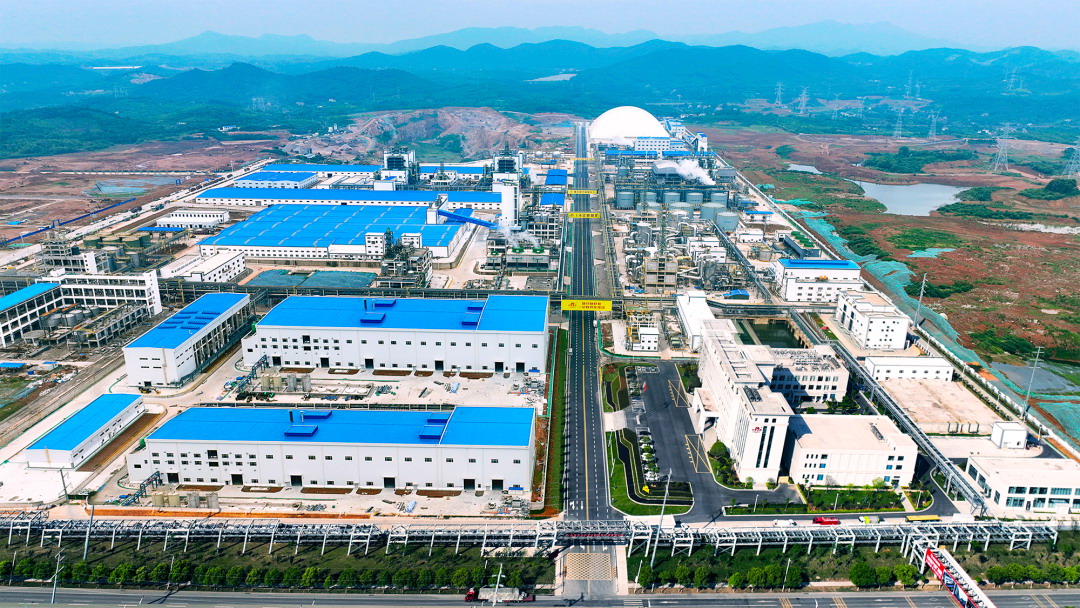
Core Viewpoint - The company, Songzi Stanley, is committed to ecological priority and green development, investing 6 billion yuan to create a global leading green development demonstration base for the phosphate chemical industry, focusing on resource efficiency and environmental friendliness through technological innovation, circular economy, and intelligent manufacturing [1]. Group 1: Innovation and Low-Carbon Development - Songzi Stanley emphasizes technological innovation as the core engine for green transformation, establishing a new energy system centered on clean steam, which has led to a reduction in carbon emissions intensity across processes [2]. - The company invested 6 million yuan in a project to retrofit steam heat exchangers in multi-element physiological fertilizers, significantly reducing overall energy consumption and responding positively to coal's clean and efficient utilization and dual carbon goals [2]. - An investment of over 40 million yuan was made to implement a low-temperature high-catalytic activity flue gas desulfurization system in sulfuric acid production, achieving ultra-low emissions and significantly improving production efficiency while ensuring compliance with environmental standards [2]. Group 2: Circular Economy and Resource Efficiency - Songzi Stanley introduced the concept of "phosphorus resource lifecycle management," creating a complete circular economy industrial chain from phosphate rock to building materials [3]. - The company invested 8 million yuan in a modern wastewater treatment plant using advanced membrane technology, capable of processing 200 m³/h, which ensures 100% resource utilization of phosphogypsum leachate and high-phosphorus wastewater [3]. - The wastewater treatment facility operates with low costs and high automation, effectively recovering phosphorus, fluorine, and water resources, embodying the principle of "limited resources, infinite circulation" [3][4]. Group 3: Strategic Collaboration and High-Quality Development - Songzi Stanley integrates its development into national strategic layouts, actively promoting the use of new energy vehicles, achieving an 80% usage rate of electric-powered transport vehicles in logistics [5]. - The use of new energy trucks can reduce carbon dioxide emissions by approximately 20 tons annually per vehicle, while also saving significant fuel costs, demonstrating a dual benefit of pollution reduction and economic efficiency [5]. - The company aims to deepen its transformation across five dimensions, including transitioning from traditional manufacturing to intelligent manufacturing and from resource consumption to circular utilization, contributing to the construction of a beautiful China [5].

抓好党的创新理论宣讲,切实提升执法效能
Zhong Guo Huan Jing Bao· 2025-09-11 03:12
Core Viewpoint - The integration of the Party's innovative theories, especially Xi Jinping's ecological civilization thought, into the entire process of ecological environment law enforcement is essential for enhancing enforcement effectiveness, addressing complex challenges, building social consensus, and developing a competent workforce [1][2][3]. Group 1: Strengthening Ideological Foundation - The Party's innovative theories provide fundamental guidance for ecological environment law enforcement, ensuring that enforcement work aligns with the correct political direction and maintains ecological safety [1]. Group 2: Enhancing Enforcement Effectiveness - The systematic and complex nature of ecological issues requires the application of the Party's innovative theories, which serve as a "golden key" to resolve enforcement challenges. This includes using systematic thinking to trace pollution sources, legal thinking to ensure procedural compliance, and problem-oriented thinking to identify violations [2]. Group 3: Building Public Trust - The enforcement of ecological laws is closely related to public interest and can attract social attention. Theoretical dissemination is crucial for explaining enforcement actions, addressing public concerns, and promoting understanding of the enforcement's role in safeguarding health and ecological security [2]. Group 4: Promoting Source Governance - Effective ecological governance relies on source prevention and multi-party collaboration. The Party's theories advocate for a shared responsibility model, encouraging enterprises and the public to engage in environmental protection and compliance with regulations [3]. Group 5: Developing a Competent Enforcement Team - A strong enforcement team is essential for implementing theories and fulfilling responsibilities. Theoretical education should be integrated into enforcement work to enhance the team's capabilities in understanding regulations, communication, and problem-solving, particularly for younger enforcers [3].
深圳:执督察利剑 护绿水青山 促绿色发展
Zhong Guo Huan Jing Bao· 2025-09-11 01:34
Core Viewpoint - Shenzhen has achieved significant progress in ecological environment protection over the past decade, completing 100% of its rectification tasks on time, which has become a driving force for high-quality development in the city [2][3][4]. Group 1: Political Commitment and Governance - The Shenzhen municipal government emphasizes that ecological environment protection is a mandatory task, with the mayor and party secretary leading the efforts [3]. - A high-level ecological environment protection committee has been established to oversee and implement rectification tasks, ensuring accountability across various government levels [3]. - The city has created a responsibility transmission system, breaking down 14 rectification tasks into 38 specific measures, assigning clear responsibilities to city departments and district leaders [3][4]. Group 2: Technological Innovation - Shenzhen is utilizing satellite remote sensing technology to proactively identify ecological issues, enhancing the efficiency of problem detection by 3 to 5 times compared to traditional methods [5][6]. - The integration of remote sensing and deep learning algorithms allows for real-time monitoring and verification of rectification efforts, preventing false rectifications [5][6]. Group 3: Environmental Management Achievements - The city has successfully addressed 36 tasks and 838 cases from the first round of central environmental protection inspections, with ongoing progress in the second round [4]. - Shenzhen has achieved a 100% waste disposal rate for household waste, with a recycling rate exceeding 49% and a daily harmless treatment capacity of 32,000 tons [8]. - Water quality management has resulted in a 100% excellent rate for surface water quality, with significant improvements in river and coastal water bodies [9]. Group 4: Economic Development and Green Initiatives - The city's air quality index (AQI) compliance rate reached 95.5%, with PM2.5 levels dropping to 16 micrograms per cubic meter, positioning Shenzhen as a leader among large cities [10]. - Shenzhen has initiated various climate financing projects, with a total financing amount of 29.4 billion yuan, and has become a national model for carbon market transactions [10]. - The proportion of clean energy installations has exceeded 80%, and the penetration rate of new energy vehicles has reached 76.9% [10]. Group 5: Ecological Space and Urban Development - The establishment of the International Mangrove Center and the implementation of ecological corridor projects have enhanced urban ecological networks [11]. - The number of parks in Shenzhen has increased significantly, contributing to a more sustainable urban environment [11]. - The city aims to continue improving its ecological environment while promoting economic development, demonstrating that ecological protection and economic growth are not mutually exclusive [11].
渭南以攻坚行动践行“蓝天之约”
Zhong Guo Huan Jing Bao· 2025-09-11 00:50
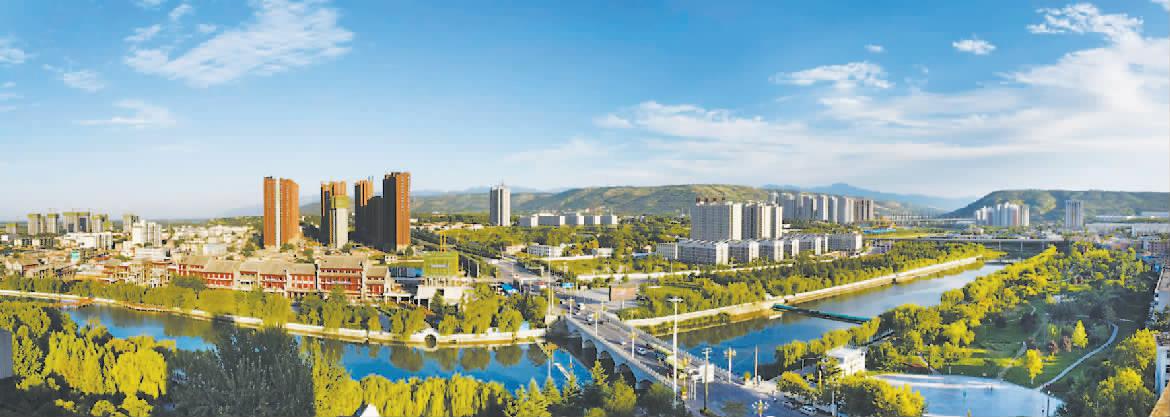
Group 1 - The core viewpoint emphasizes the commitment of Weinan City to improve air quality through concrete actions and technological advancements, showcasing a significant reduction in pollution levels and an increase in good air quality days [2][10] - In 2024, Weinan's urban air quality index reached 4.541, with 118 good air quality days recorded by June 30, an increase of 9 days year-on-year, and a notable decrease in six pollutants [2][4] - The implementation of an upgraded environmental access control system at enterprises has effectively reduced emissions from vehicles, with 193 companies completing the system installation and 94 connected to the city-level monitoring platform [3][4] Group 2 - Weinan City has established 119 air monitoring stations, achieving full coverage, and has utilized advanced technologies such as satellite remote sensing and radar for effective pollution control [4][8] - The city has seen a 5.2% improvement in average ozone concentration, with a reduction of 12 days of ozone exceedance during the summer prevention period [4][8] - The promotion of straw utilization in agriculture has transformed waste into economic benefits, processing over 30,000 tons of straw annually and creating job opportunities for over 3,000 local women [6][7] Group 3 - Weinan's industrial and energy sectors are undergoing a green transformation, with 26 national and provincial-level green factories established, and a significant reduction in coal consumption by 152.7 million tons [8][9] - The city has implemented energy-saving renovations in 18 enterprises, with 10 achieving energy efficiency certification, and has eliminated 2,244 old diesel trucks, achieving 93.34% of its target [8][9] - The transition from administrative-driven pollution control to a more participatory approach has increased public awareness and involvement in environmental governance [10][11]
新老朋友齐聚“7号馆” 2025服贸会环境服务展开幕
Zhong Guo Huan Jing Bao· 2025-09-10 09:15
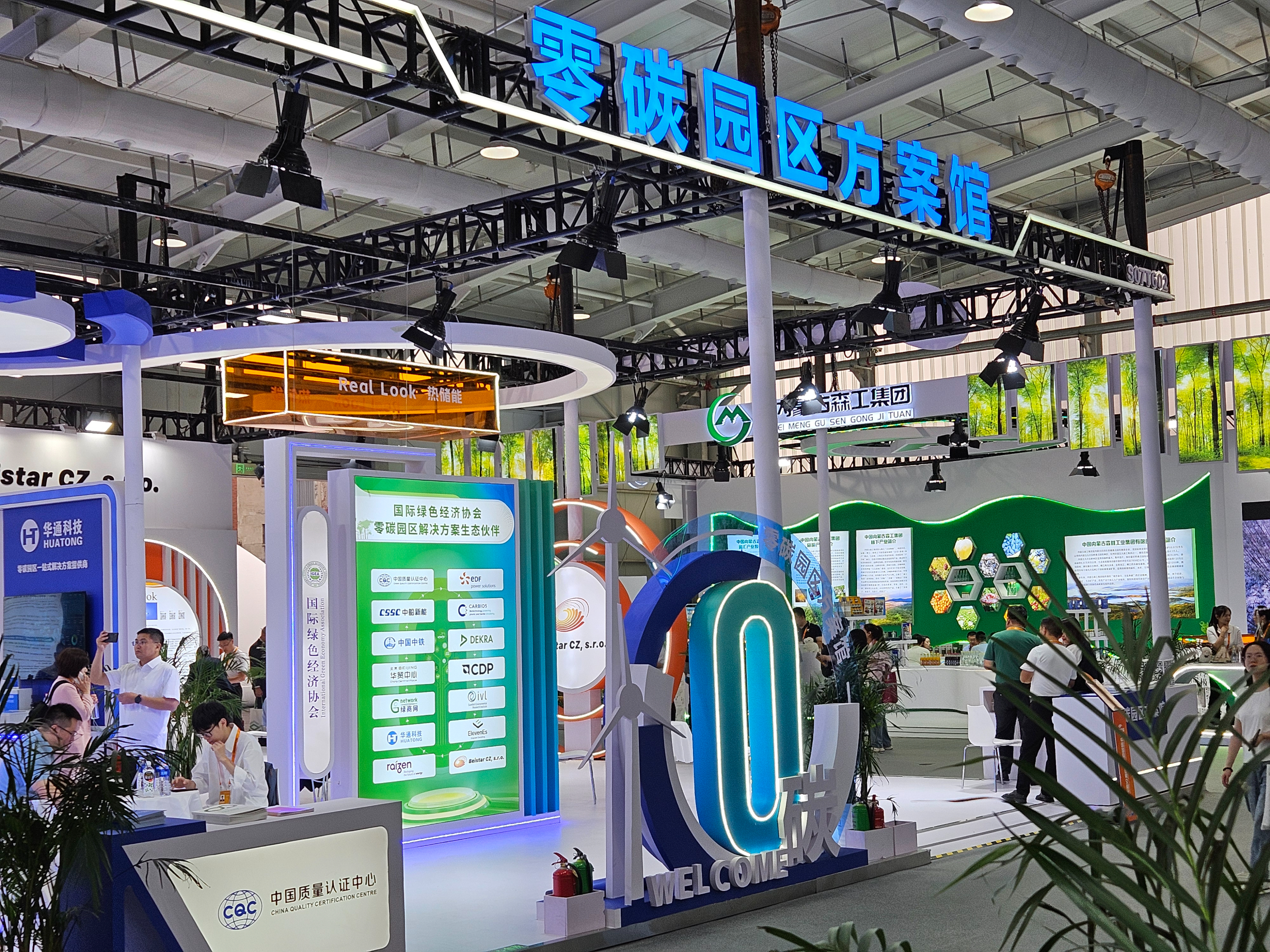
水务智慧管理、资源循环利用、生态修复治理、低碳技术应用……走进首钢园7号展馆,记者在2025年中国国际服务贸易交易会环境服务专题展内,看到了 围绕今年服贸会重点打造的"北京服务"系列成果展,近30项代表性创新成果参展。 在这其中,朝阳环境集团作为服贸会环境服务专题展的老朋友,今年带来了北京市首个AI智慧焚烧系统。记者在现场了解到,这套全链路AI智慧焚烧系统 融合大小模型,构建了多模态自适应感知、多变量超前预测及多系统协同控制三大核心引擎,攻克了行业长期存在的技术顽疾。 "我们这次集中展示了园区在规划建设、技术研发、项目投资、建设运营、低碳理念宣传教育等方面的成熟经验。服贸会期间,我们还将联合多个机构共同 发起'可持续发展解决方案中国生态伙伴联盟'。"北京朝阳环境集团李思儆在现场向记者作了简单的介绍。 此次服贸会中,环境服务专题重点打造两大行业集群和一个特色展馆,覆盖水务科技,城市运行保障、零碳发展等领域。其中,"水务科技"展区通过系统化 布局滨水空间、数智水务、健康水业及水利水电工程建设四大方向,展示涉水新技术、新方法、新设备,呈现科技创新与水务业务相融合的进展与亮 点。"城市运行保障领域行业企业集群"以"安 ...
企业清洁生产为替代修复提供新思路
Zhong Guo Huan Jing Bao· 2025-09-10 05:43
Core Insights - A specialized equipment manufacturing company in Suzhou, Jiangsu Province, faced environmental damage due to non-compliance with pollution discharge regulations, resulting in a financial impact of approximately 14,000 yuan [1] - The company opted for a clean production approach as a remedial measure, achieving both pollution prevention and economic benefits [1] - The implementation of clean production led to significant resource savings, including an estimated annual reduction of 22 cubic meters of water and 41,000 kilowatt-hours of electricity, translating to cost savings of hundreds of thousands of yuan annually [1] - The annual reduction in carbon dioxide emissions is projected to be around 18 tons, aligning with both environmental and economic goals [1] Industry Developments - In 2024, the Suzhou Ecological Environment Bureau introduced a trial method for implementing clean production as an alternative remediation in ecological damage compensation, integrating clean production concepts into the compensation system [2] - This approach aims to fundamentally reduce pollutant generation and emissions, facilitating corporate transformation and enhancing clean production levels [2] - The ecological environment department is tasked with ensuring that only suitable companies are eligible for this alternative remediation, with strict oversight on those lacking the willingness or capability to implement clean production [2] - Support policies and expert assistance are to be provided for companies with insufficient funding and technical capabilities to ensure effective clean production modifications [2]
淳安“国储林”模式出圈!项目期内林业总产值可突破330亿元,绿水青山这样变金山银山
Zhong Guo Huan Jing Bao· 2025-09-10 03:12
国家储备林建设作为践行绿水青山就是金山银山理念的重要举措,不仅有助于保障国家木材安全,还能 满足人民对优质生态产品的需求,推动生态优势转化为经济优势。 作为浙江省唯一的特别生态功能区,淳安县深入践行绿水青山就是金山银山理念,以国家储备林项目为 抓手,探索生态产品价值转化新路径,通过深耕林下经济、创新共富机制、开发碳汇资源等举措,推动 林业全产业链升级,构建了淳安国储林价值转化的"三位一体"体系,积累了丰富经验。 淳安国储林建设的探索与实践 将体制机制创新作为激活要素动能的核心抓手。一是深化集体林权改革,推动林地规模化整合。通 过"县—乡—村三级收储网络",推动林地规模化整合,既解决"林地从哪里来"的难题,又增加村民收 入。淳安国储林一期共有33.41万亩林地流转,其中白马村人均月增收近800元。二是完善四方共治机 制,凝聚多元协同合力。政府提供政策引导与监管,国企主导规模化经营,村集体统筹林地整合,农户 通过"四金"(租金、薪金、股金、现金)深度参与,构建"政府—企业—村集体—农户"权责清晰的共治 格局。三是创新多元融资机制,突破资金制约瓶颈。构建"中央引导+地方配套+社会参与"的融资体 系,在中央引导资金( ...
“零污染礼炮”来了,科技让绚烂烟火与清新空气同在
Zhong Guo Huan Jing Bao· 2025-09-10 01:48
从科技角度看,只要是在"听响"的场景里,都可以应用电击发、少装药、破膜控流的技术。传统爆竹类 产品已经在进行相应的改进了,例如在配方端采用低烟或无烟发射药,甚至可以用压缩气体替代火药, 在减轻异味的同时,实现有声无渣。 9月3日,纪念中国人民抗日战争暨世界反法西斯战争胜利80周年大会在80响礼炮的轰鸣声中拉开帷幕。 今年的礼炮很特殊,应用的技术首次在重大纪念活动中亮相,能够实现"零污染",即礼炮鸣放后没有固 态外抛物,装药量更小,声音柔和却又充满力量。在礼炮鸣响的蓝天里,科学技术与传统文化完成了一 次精彩交融。 我国目前的礼炮技术主要采用高低压室结构和二次破膜的发声原理。电击发之后,先引燃高压室发射 药,高压室产生大量高温高压火药气体,达到一定压力后冲破高压室金属膜片,再经挡板上的限流孔进 入低压室,点燃低压室发射药,当火药燃气达到一定压力后,冲破低压室的金属膜片,形成第二次破 膜。最后,火药燃气进入炮膛并高速流动,形成响声和火光。 根据媒体对礼炮研制者、中国工业兵器集团内蒙古第一机械集团北方机械公司项目总师裴卫栋的专访, 礼炮做到"零污染",主要是将装药量控制在极小范畴,内部仅设一层轻薄薄膜。当火药燃尽时, ...