Jing Ji Wang

Search documents
六一前夕,青海建设堂小学净饮设备正式启用
Jing Ji Wang· 2025-05-30 09:38
青海省海东市循化撒拉族自治县尕楞藏族乡建设堂小学,地处海拔 3000多米的青藏高原边缘。这 里山谷相间,地形复杂,信息堵塞,交通不便。常年来,全校169名师生的水源主要依靠坡上村庄,水 压过低导致水流细、水流慢。喝热水只得依靠老旧的煤炉、电锅炉。 2025年5月中旬,建设堂小学的资助人在上海的一场活动中,偶遇董明珠,向她说起学校孩子们的 饮水困境。 董明珠看着手机上孩子们排队接水的照片,决定帮助学校提高饮水条件。 3000公里,格力,接力 100℃热水和55℃温开水两档选择,皆能秒出热水,孩子们和学校的教职工不仅能喝上安全健康的 热水,还能满足刷牙、洗脸等生活用水需求。 六一前夕,净饮设备正式启用。孩子们欣喜地围绕着净饮机,稚嫩的眼神对这两个大家伙充满了好 奇。 从县里到建设堂小学大约还有50公里,一路上翻山越岭、弯急坡陡,为了确保机器安全运输,在原 有的包装基础上,安装队长郭师傅又找了几块木板制成一个防撞的保护套,套在设备外围,以确保安 全。 滚烫的热水,是爱的温度 设备调试过程中,由于学校所处位置的水压实在太低,设备始终无法稳定。听闻这一消息,格力总 部又立即从兰州协调了一位技术骨干赶往现场,青海市循化县 ...

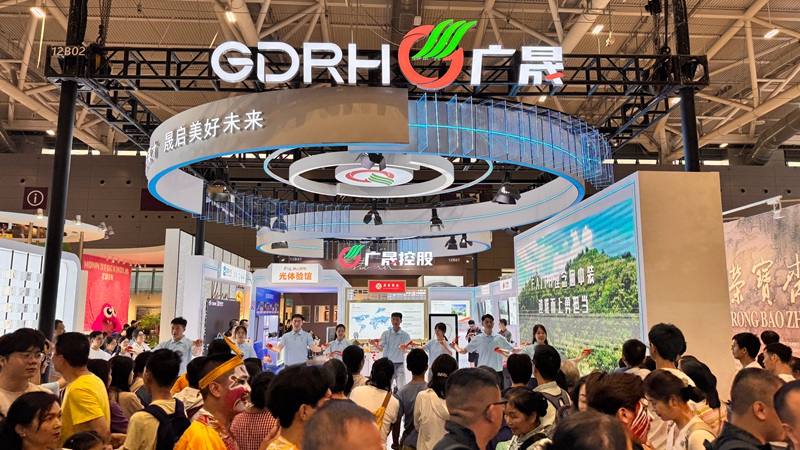
广晟控股集团亮相文博会展示文化与产业融合发展成果
Jing Ji Wang· 2025-05-30 08:09
Core Viewpoint - Guangsheng Holdings Group showcased its achievements in empowering high-quality development through cultural construction at the 21st China (Shenzhen) International Cultural Industries Fair, held from May 22 to 26 [1]. Group 1: Exhibition Highlights - The exhibition design cleverly incorporated Lingnan traditional cultural elements and was divided into multiple thematic areas, including cultural achievements display, interactive experiences, and product showcases [2]. - The interactive experience area highlighted traditional craftsmanship, such as the hand-crafted silverwork from Guangdong Gold Group and the full-scene lighting technology from Foshan Lighting, allowing visitors to experience the integration of culture and technology through VR [4]. - The product display area featured innovative products from various subsidiaries, including Lingnan cultural gold jewelry, automotive-grade electronic products, a 130-inch ultra-high-definition display, high-performance composite metal materials, signature Cantonese snacks from Huameida Hotel, and cultural creative products from Guangsheng Culture [4]. Group 2: Corporate Philosophy - Guangsheng Holdings Group emphasizes the importance of corporate culture and the implementation of its FAITH management philosophy, which stands for Focus, Actions, Innovation, Technology, and Human-oriented [6]. - The FAITH philosophy is rooted in the reflection on the original mission of state-owned enterprises and combines problem-oriented and goal-oriented approaches to reform and development [6]. - The company aims to continue promoting the deep integration of culture and technology to inject new momentum and vitality into its high-quality development [6].

启福科技昌江生产基地落成 沪赣共建智慧照明项目
Jing Ji Wang· 2025-05-30 07:49
Group 1 - The inauguration of Qifu Technology's Changjiang production base in Jingdezhen marks a significant milestone in the smart green lighting industry, attended by over 200 industry elites [1] - The Changjiang base signifies a new phase in technology research and industrial layout, establishing a benchmark for green intelligent manufacturing with full-spectrum eye-protecting lighting and AI ultra-energy-saving technologies [1][2] - Qifu Technology has accelerated the construction of a new energy-saving industry ecosystem, promoting the intelligent and low-carbon transformation of traditional lighting, with core products covering over 10 provinces and installing more than 300,000 energy-saving lamps, achieving an energy-saving rate exceeding 80% [1] Group 2 - The Changjiang base is expected to produce 6 million ultra-energy-saving lamps annually, with a production capacity of 800 million yuan, serving as a manufacturing service center for Central and North China [2] - The project integrates Shanghai's IoT technology with Jingdezhen's cultural heritage, creating a new model of "technology + culture + ecology" to support the development of a low-carbon cultural tourism demonstration area [2] - Future plans include deepening the "specialized, refined, distinctive, and innovative" construction, integrating energy-saving technology with energy management, and attracting high-end talent to build a regional energy-saving technology industry cluster [2]
长安银行精准滴灌民营科创企业
Jing Ji Wang· 2025-05-30 07:49
Group 1 - Shaanxi Biochemical Industry Technology Innovation Platform Co., Ltd. (referred to as "Shaanxi Biochemical") and its parent company Huason Shengbang are making significant advancements in the fields of biopharmaceutical intermediates, raw materials, and health food ingredients [1] - In 2021, a core team of five, led by Chairman Weng Jing and General Manager Li Pumin, initiated a "second entrepreneurship" to tackle "bottleneck" technologies, establishing a complete chain from basic research to industrialization [1] - The projects on resveratrol and rhodiola glycosides have been selected as key new product development projects in Shaanxi Province for 2024, indicating a breakthrough in natural product extraction technology [1] Group 2 - Chang'an Bank's financial support has been crucial for the growth trajectory of Huason Shengbang, with a fixed asset loan of 100 million yuan granted on September 20, 2024, specifically for the construction of a research center and procurement of high-end R&D equipment [1] - Chang'an Bank has developed a comprehensive service system covering nearly 40 products through its "Chang'an V+" microfinance brand, with a balance of 47.1 billion yuan in inclusive micro-enterprise loans and 170,000 loan accounts by the end of 2024 [1] - The case of Huason Shengbang reflects Chang'an Bank's deep logic in serving the private economy, having established a "three-special mechanism" to address the characteristics of sci-tech enterprises, providing not only funding but also value-added services such as industry analysis and policy connection [2]
《2024年中国互联网保险消费者洞察报告》:消费者线上购险率比肩线下
Jing Ji Wang· 2025-05-29 09:33
Core Insights - The 2024 China Internet Insurance Consumer Insight Report indicates a significant shift towards online insurance purchasing, with online purchase rates rising from 73% in 2023 to 78% in 2024, while offline rates decreased from 85% to 79% [1] - The report highlights the increasing penetration of inclusive insurance across various demographics, with rising online purchase rates observed among different age groups, city tiers, and income levels [1] - The report emphasizes the importance of embracing digital transformation in the insurance industry, advocating for a new ecosystem that integrates insurance, technology, and services [1] Consumer Spending and Trends - Nearly 60% of consumers are expected to spend over 8,000 yuan annually on insurance in 2024, showing a significant increase compared to 2023 [2] - Over 76% of consumers plan to adjust their insurance configurations in the next two years, indicating a growing recognition of the importance of insurance [2] - The report notes that 60% of consumers intend to upgrade their existing insurance products, while approximately 57% are using insurance for wealth management [2] Industry Evaluation - The report has been positively received by industry leaders, with the China Insurance Society's president praising its in-depth analysis of internet consumers' characteristics and behaviors [3] - The report provides valuable insights into consumer needs and trends, which can guide the high-quality development of the internet insurance sector [3]
2025年是中国发展关键节点
Jing Ji Wang· 2025-05-29 08:53
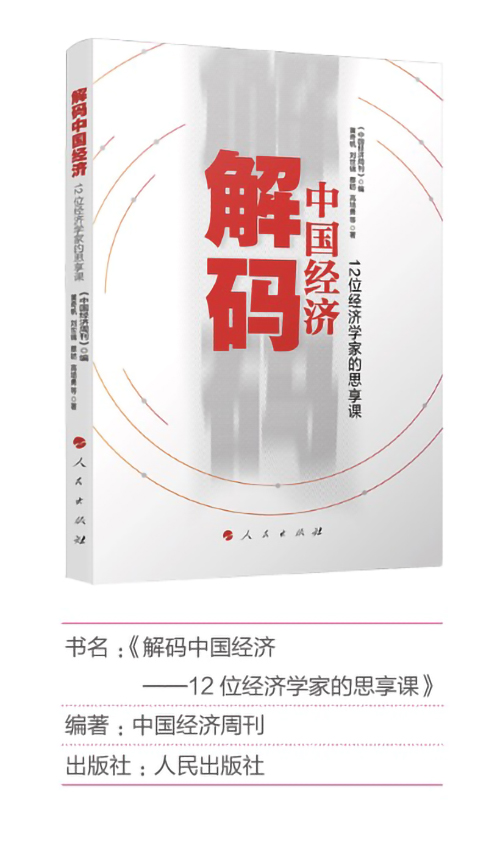
编者按: 中国经济前景光明,信心在哪里?底气在哪里?活力在哪里?《解码中国经济 ——12 位经济学家的思享 课》一书由《中国经济周刊》编写,特邀黄奇帆、刘世锦、董煜等 12 位著名经济学家,深入解读中国经 济未来走势。 2025 年是 " 十五五 " 规划编制的谋划之年。书中对今年这个关键节点的重要意义进行了解读。在作者看 来,五年规划和体制改革之间的深度互动,是中国发展奇迹的重要秘诀。以下内容为书籍节选,内容有 删减。 为什么2025年是关键节点 对于中长期发展,2025年是一个关键时间节点。 2025年是"十五五"规划编制年,既要实现"十四五"规划的收官,也要谋划好下一个五年的发展。 文 | 董煜 "十五五"规划 (2026—2030年)是我国迈向2035年基本实现社会主义现代化目标的关键五年规划。 一方面,2024年中国国内生产总值(GDP)站上130万亿元人民币的新台阶,2025年是"十四五"规划收 官之年,同时也是"十五五"规划的谋划之年;另一方面,全球经济格局正在经历深刻变革,数字化浪潮 汹涌澎湃。外部环境变化带来的不利影响加深,新旧动能转换的压力持续,中国经济大船更需顶风破浪 前行。 要为高质量 ...
宁德时代 将广泛融入全球资本市场
Jing Ji Wang· 2025-05-29 08:26
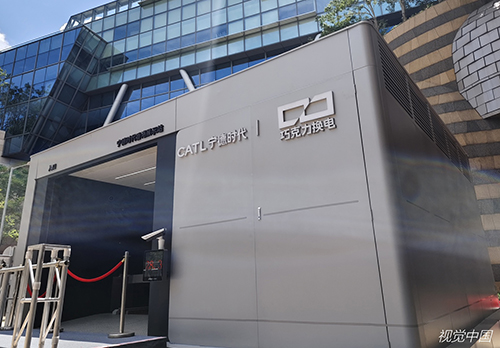
Core Viewpoint - CATL raised approximately 32.885 billion RMB (35.657 billion HKD) through its listing on the Hong Kong Stock Exchange, with the funds primarily allocated for its factory operations in Hungary, indicating a strategic shift towards global capital markets amid slowing domestic growth [1][4]. Group 1: IPO and Market Context - CATL's IPO process was notably swift, taking only 128 days from filing to completion, which is faster than many other companies [3]. - The company is facing a 9.7% year-on-year decline in revenue for 2024, marking its first revenue drop since its 2018 listing, with its "power battery system" segment experiencing an 11.29% decrease [4]. Group 2: Domestic Challenges and International Expansion - The domestic market for CATL is becoming increasingly competitive, leading to a decline in its market share, which fell below 40% as competitors like BYD and others gained ground [4][5]. - The company is focusing on overseas markets as a key growth area, particularly in the U.S. and Europe, where local battery manufacturers are still developing [5]. Group 3: Funding and Project Allocation - The funds raised from the Hong Kong listing will primarily support the construction of CATL's factory in Hungary, with 90% of the proceeds directed towards the first and second phases of the project, which has a total planned capacity of 100 GWh [6]. - The total investment for the Hungarian project is estimated to be under 7.3 billion euros, with CATL having already invested approximately 700 million euros by the end of 2024 [6]. Group 4: Competitive Landscape and Investor Support - Other Chinese battery suppliers, such as EVE Energy and Sunwoda, are also establishing operations in Hungary, indicating a competitive landscape in the European market [7]. - CATL's Hong Kong listing attracted a diverse group of cornerstone investors, including traditional energy giants and sovereign wealth funds from 15 different countries, highlighting strong institutional support [7][8].

多地发布购房补贴新政
Jing Ji Wang· 2025-05-29 08:16
Group 1 - Recent housing subsidy policies have been announced in multiple cities, including Hefei, Taizhou, Foshan, Lanzhou, and Wuhan, aimed at stimulating the housing market and supporting specific demographics [1][4][5] - Hefei's policy will provide subsidies for new home purchases from May 15, 2025, to May 14, 2026, while Taizhou's policy includes various categories such as "multi-child purchase" and "military purchase" with a maximum subsidy of 2% of the total purchase price [1][2] - Wuhan's policy specifically targets families with two or more children, offering subsidies of 60,000 yuan and 120,000 yuan for purchasing new homes, while also supporting improved housing needs [1][5] Group 2 - Taizhou's subsidy structure includes specific amounts based on the total purchase price, with up to 80,000 yuan for homes priced at 4 million yuan or more, and 30,000 yuan for homes priced at 1.2 million yuan or more [2][3] - The subsidy for "multi-child purchase" in Taizhou is set at 1.5% to 2% of the total purchase price, while similar support is provided for military personnel and returning residents [3] - Foshan's talent housing policies include substantial subsidies for top-tier talent, with up to 10 million yuan for first-class talent and 6 million yuan for second-class talent [4]
让地方政府在经济发展中更积极主动
Jing Ji Wang· 2025-05-29 08:14
Group 1 - The target of achieving a GDP growth of around 5% by 2025 is considered challenging yet attainable, with recent government measures aimed at stabilizing expectations and promoting consumption [1] - Local governments have historically played a proactive role in economic development, driven by a strong motivation to increase GDP, which is a key indicator of local progress [3] - The traditional model of relying on local government economic functions for growth faces challenges, necessitating a transformation in the approach to local government economic development [4] Group 2 - There is a need to reshape the motivation mechanism for local governments in economic development, addressing past issues through measures such as anti-corruption and accountability [4] - A balanced approach to the incentives and constraints for local government officials is essential, as an asymmetrical system may distort their behavior [5] - Local governments have been crucial in the modernization of industries over the past 40 years, and their role remains vital in the current context of industrial transformation and modernization [5]
美元“平衡”与“强势”难以持续
Jing Ji Wang· 2025-05-29 08:14
Core Viewpoint - The article discusses the persistent trade deficit of the United States since the early 1970s, highlighting its implications for the U.S. economy, the sustainability of the dollar, and potential strategies for China to mitigate external economic pressures [1][3]. Group 1: U.S. Trade Deficit and Debt - The U.S. has maintained a significant trade deficit, which has led to a current account deficit and a rise in net foreign debt relative to GDP, indicating a declining ability to service this debt [1][4]. - As of 2024, the U.S. overseas net debt reached $26 trillion, exceeding 90% of its GDP, which raises concerns about the sustainability of U.S. debt obligations [7][8]. - The U.S. has experienced a historical average current account deficit to GDP ratio of around 2% since 2008, despite a rising overseas net debt to GDP ratio [4][8]. Group 2: Foreign Investment and Dollar Demand - Foreign investors' willingness to hold U.S. assets, particularly government bonds, is expected to decline due to rising overseas net debt, which undermines confidence in the U.S. ability to meet its debt obligations [7][9]. - The demand for U.S. dollar assets is influenced by the dollar's status as a reserve currency, with approximately 57%-59% of global official foreign exchange reserves held in dollars as of 2024 [5][6]. - The U.S. government's tariff policies and potential dollar depreciation are likely to further diminish foreign investors' interest in U.S. assets, leading to increased inflation and reduced purchasing power of the dollar [9][10]. Group 3: China's Economic Strategy - China is advised to gradually reduce its holdings of U.S. Treasury bonds while expanding domestic demand to offset negative impacts from external economic factors [1][12]. - The country should aim for a balance in its current account, potentially allowing for a trade deficit in certain periods to convert excess dollar reserves into tangible resources [13][14]. - Structural adjustments in China's economy are necessary to reduce reliance on exports and enhance domestic consumption, which may be accelerated by external pressures such as U.S. tariffs [15][16].