Jing Ji Wang

Search documents
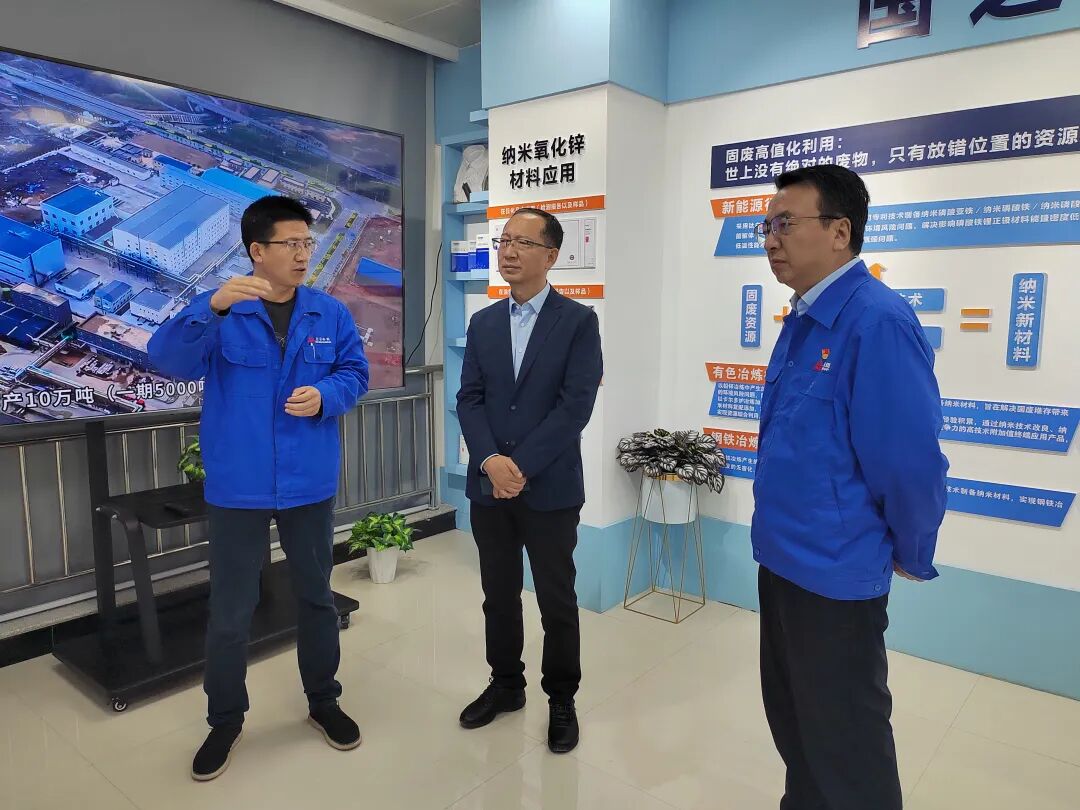
金川集团党委常委、副总经理、金川集团铜贵股份有限公司党委书记、董事长邢晓钟一行到兰石中科参观交流
Jing Ji Wang· 2025-09-23 09:25
Core Viewpoint - The visit by Jinchuan Group's leadership to Lanshi Zhongke highlights the ongoing collaboration and mutual trust between the two companies, focusing on advancements in nanomaterials and resource recycling technologies [1][3]. Group 1: Company Collaboration - Jinchuan Group and Lanshi Zhongke have established a solid foundation of mutual trust and collaboration through previous research partnerships, which has led to significant results in industrial trial projects [3]. - Both companies have reached multiple agreements to strengthen strategic cooperation, particularly in the areas of technology research and raw material supply [3]. Group 2: Technological Advancements - Lanshi Zhongke showcased its core technologies related to nanomaterials and the progress of technology transfer during the visit, emphasizing its innovative approaches in high-value utilization of non-ferrous metallurgy solid waste [3]. - Jinchuan Group's leadership praised Lanshi Zhongke's achievements in integrating nanomaterials technology with resource recycling, indicating a commitment to further joint efforts in these fields [3]. Group 3: Future Directions - The collaboration aims to expand the application of new materials in high-end equipment manufacturing, contributing to the enhancement of the industrial chain's value [3]. - Lanshi Zhongke expressed gratitude for Jinchuan Group's long-term support and aims to accelerate the transformation of scientific achievements into productive forces through continued joint efforts [3].

奥士康加速布局AI算力领域,高阶HDI产品实现规模化交付
Jing Ji Wang· 2025-09-23 09:25
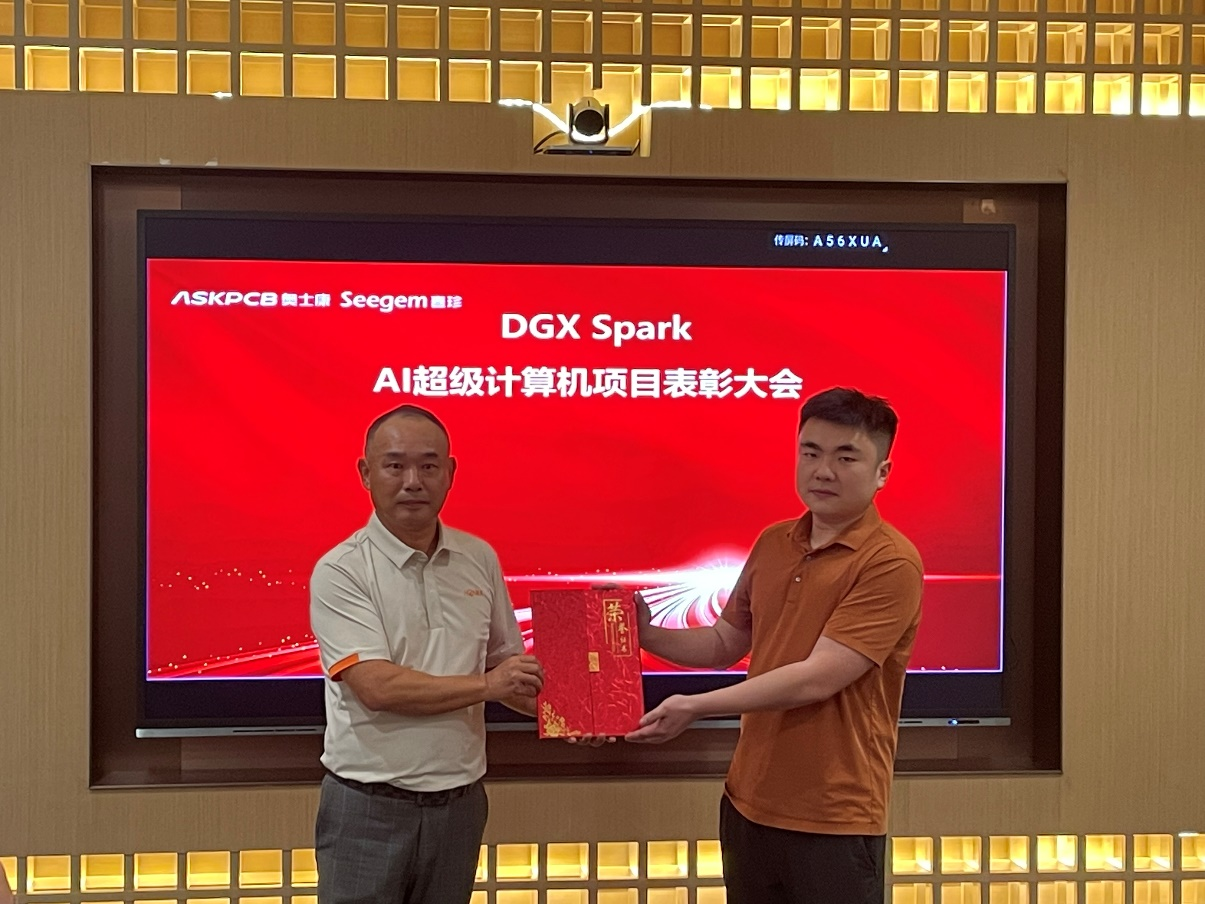
Core Insights - The company held a recognition event for the DGX Spark AI supercomputer project, highlighting the contributions of core teams in customer development, product research, engineering design, and mass production [1] - The DGX Spark AI supercomputer demands extreme performance, reliability, and stability from PCB technology, which the company has addressed through advanced interconnect technology, high-frequency materials, and innovative packaging techniques [1][3] - The company has established a complete AI computing infrastructure solution, demonstrating its capability to handle high-end AI computing projects from technology development to mass production [3] Technology and Production Capabilities - The company has achieved a four-layer HDI mass production capability and has successfully developed six-layer HDI technology for small batch supply, catering to high-end market demands such as AI servers and high-performance computers [3] - The company’s advancements in signal integrity optimization, thermal management, and multilayer wiring design have led to a perfect balance of high precision, stability, and efficiency in its products [1][3] Market Position and Future Outlook - The demand for AI computing power is experiencing explosive growth due to the emergence of large models like DeepSeek, positioning the company as a key supplier of high-end PCB products essential for AI supercomputers [3] - The company is expected to expand its high-end production capacity as it deepens its technological investments and industry layout in the AI computing sector, supported by the release of production capacity in Thailand and the implementation of convertible bond projects [3]
达能科学营养赋能健康老龄化
Jing Ji Wang· 2025-09-23 09:25
Core Insights - Danone China upgraded the "Danone Nutrition Week" during the 17th National Nutrition Science Conference, focusing on "Nutrition Empowerment, Building a Healthy China Dream" to promote scientific communication and public participation [1][2] - The conference featured a forum on "Nutrition and Healthy Longevity," attended by over 200 nutrition and medical experts, emphasizing the importance of early nutritional intervention for public health and longevity [1] - The National Center for Food Safety Risk Assessment highlighted Danone's significant contributions to nutrition science in China through research funding and public education [1] Group 1 - Danone and the Chinese Nutrition Society launched the "2025 China Nutrition Society-Danone Dietary Nutrition Research Fund," focusing on "Nutrition and Aging" to support innovative research in gut health, muscle loss, and cognitive function [2] - Since its establishment, the fund has supported over 300 research projects with a total funding exceeding 53 million yuan, becoming a key driver in China's nutrition research field [2] - The President of the Chinese Nutrition Society praised Danone's long-term commitment to supporting nutrition science in China, emphasizing its role in advancing scientific research and societal progress [2] Group 2 - Danone's President for North Asia and Oceania stated the company's mission is to bring health to as many people as possible through food, integrating research innovation with local needs [3] - The company aims to enhance public awareness of nutrition and health through the "Danone Nutrition Week," supporting the "Healthy China" strategy and contributing to healthy aging [3]


货拉拉被约谈
Jing Ji Wang· 2025-09-23 08:26
Core Viewpoint - The market regulatory authority has urged Huolala to strictly comply with the Anti-Monopoly Law of the People's Republic of China and to implement compliance responsibilities, ensuring fair market competition and protecting the rights of truck drivers and consumers [1] Group 1 - The regulatory body has emphasized the need for Huolala to standardize its business practices and participate fairly in market competition [1] - The authority has called for the promotion of fair, just, and transparent platform rules and algorithms within the industry [1] - The initiative aims to foster a healthy and regulated development of the industry [1]
始祖鸟咋成了“失足鸟”
Jing Ji Wang· 2025-09-23 03:44
Group 1 - The outdoor brand Arc'teryx recently gained widespread attention through an art performance called "Ascension" by artist Cai Guoqiang at an altitude of 5,500 meters in the Himalayas, which sparked significant online discussion [1][3] - The event, intended to enhance the brand's image, faced backlash due to concerns about environmental impact, contradicting the brand's established "respect for nature" ethos [3][5] - Other outdoor brands quickly distanced themselves from Arc'teryx, emphasizing their commitment to environmental preservation and sustainable practices [5] Group 2 - Arc'teryx has historically focused on high-end consumer markets, successfully marketing itself as a premium outdoor brand, with products priced significantly higher than competitors [5][6] - Recent years have seen a decline in Arc'teryx's reputation, with over 3,000 complaints related to product quality on consumer platforms, highlighting issues such as poor durability and manufacturing defects [6][8] - The recent fireworks incident is viewed as a misstep that underscores a broader industry issue: prioritizing marketing and brand image over product quality can lead to long-term damage to brand reputation [8]

我国高水平对外开放步伐加快
Jing Ji Wang· 2025-09-23 03:40
本报记者 马嘉 "过去一年,我们有7款产品及适应症在中国获批,充分体现了中国医药审评环境对创新成果落地的支 持。"安斯泰来中国区总裁赵萍谈起公司创新药物在中国获批的经历时,语气中仍带着惊喜。她的感 慨,道出了众多外资企业在中国发展的共同心声。 负面清单持续缩减 "我母亲用的胃癌药,从前完全依赖进口,价格高、渠道少。如今,她用上了刚在国内上市的创新药, 疗效相当,医保覆盖后家庭负担大大减轻。"北京市民张女士向记者表示。 这是中国药品审评审批制度深化改革的卓有成效,更是中国推进高水平对外开放、持续缩减外资准入负 面清单的生动实践。根据国家药监局数据,"十四五"期间,国家药监局共批准创新药210个,保持加速 增长态势。我国在创新药管线、临床试验项目数量上均位居世界前列,医药创新保持强劲势头。这种效 率的提升,得益于中国持续扩大开放、深化"放管服"改革的坚定决心。 对此,赵萍深有体会:"过去5年,我们亲眼见证了中国医药监管环境的优化进程。药品审评审批速度明 显加快,与国际接轨的程度不断提高。中国的医药创新环境持续改善,加速药物审批审评制度改革极大 鼓舞了创新药企业,安斯泰来既是见证者,也是获益者。" "十四五"规划纲 ...
2025秋季搜狐视频播主大会举办,关注流热度拉满精彩互动
Jing Ji Wang· 2025-09-22 10:43
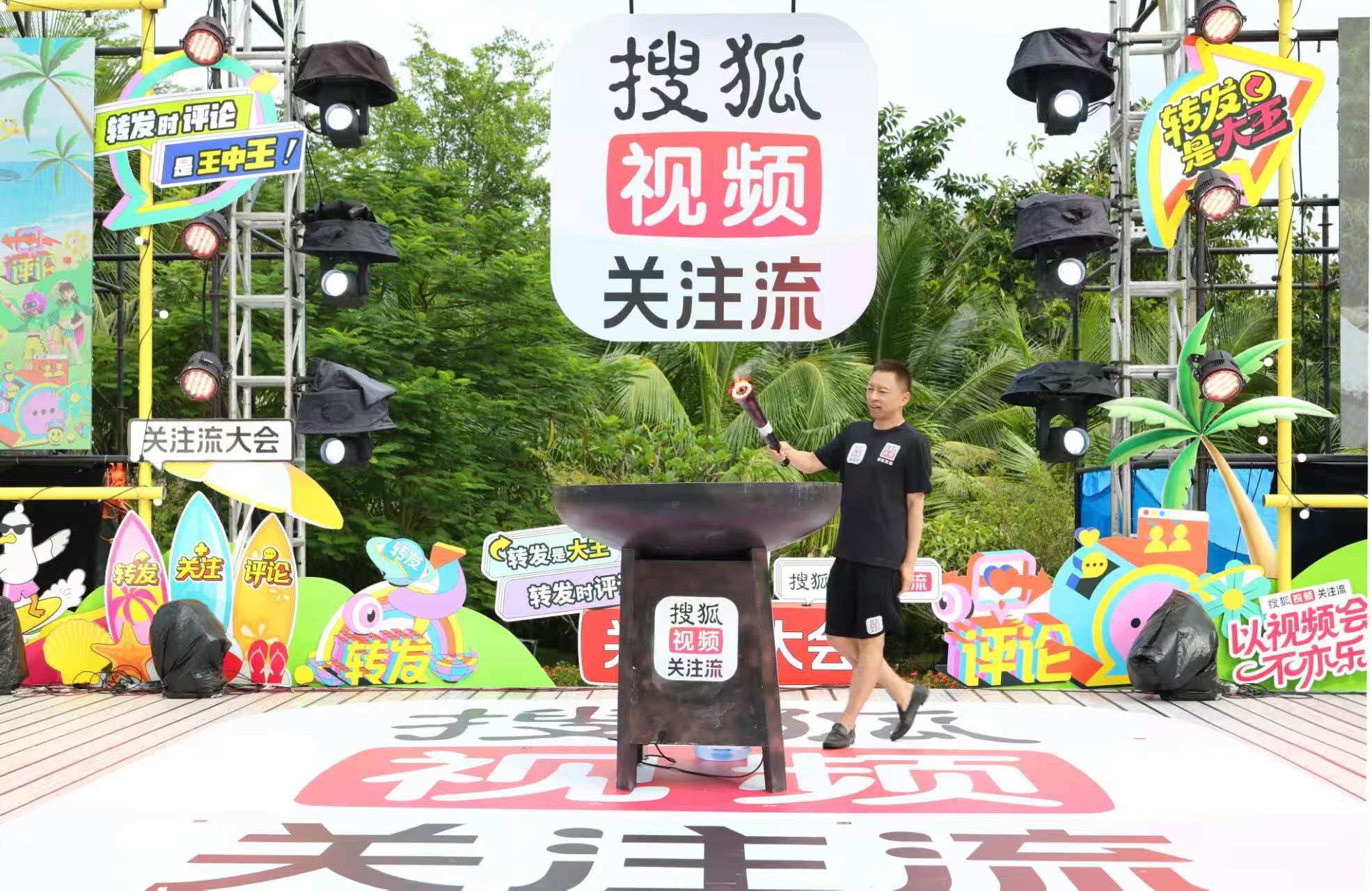
Core Insights - The 2025 Autumn Sohu Video Broadcaster Conference was held in Sanya, emphasizing the importance of social interaction through video content [1][3] - The event featured various interactive zones, including dance, culture, and science, showcasing a diverse range of activities and performances [1][3][5] - Sohu's founder, Zhang Chaoyang, highlighted the evolution of social interaction from early platforms to the current focus on individual creator value within the "Attention Flow" model [3][6] Event Highlights - The conference included continuous live streaming and a variety of social activities such as open mic sessions and cultural sharing, enhancing the overall experience [3] - Numerous celebrities and guests participated, celebrating creators in fields like science and music, and providing recognition and support [5] - The event showcased performances that included traditional dance and music, creating an engaging atmosphere for attendees [5] Industry Impact - The Sohu Video Broadcaster Conference has evolved into a leading social event in the industry, reflecting the growing influence of the "Attention Flow" platform [6] - The platform is positioned as a new type of social media, demonstrating its ability to attract and engage users through innovative content creation [6]

江淮汽车闪耀2025世界制造业大会
Jing Ji Wang· 2025-09-22 10:37
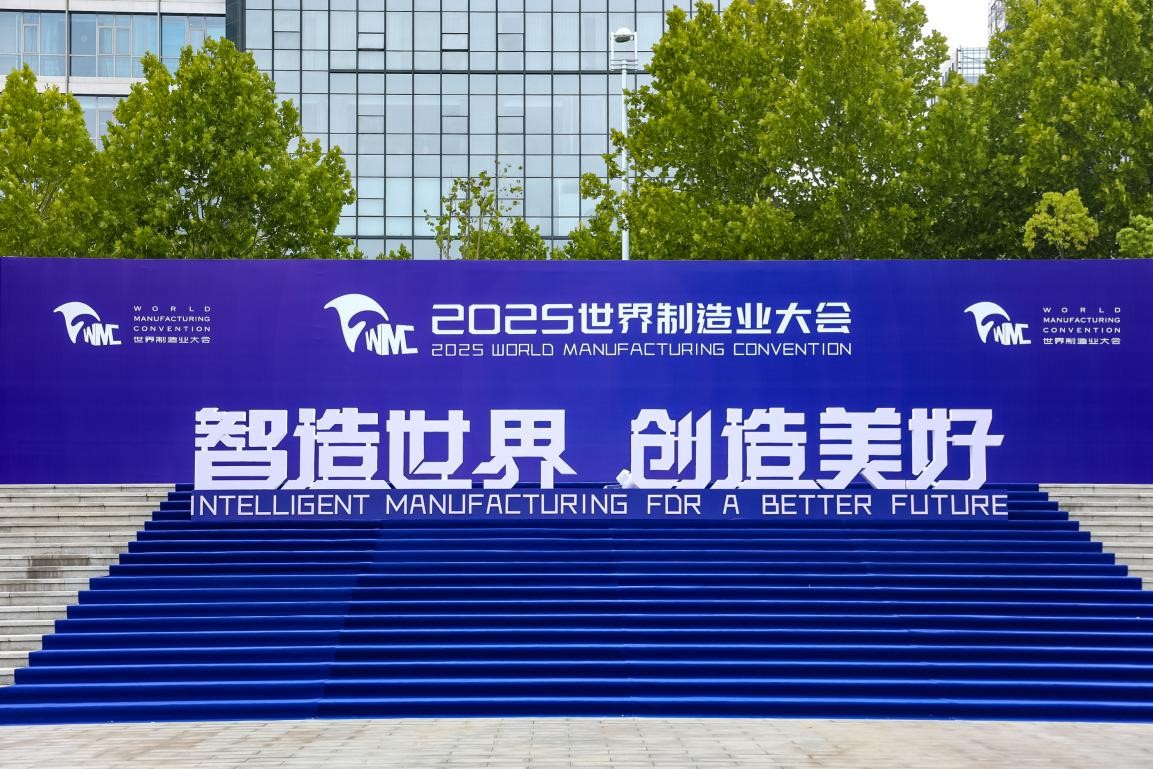
Core Viewpoint - The 2025 World Manufacturing Conference in Hefei, Anhui, showcased China's manufacturing achievements, with Jianghuai Automobile prominently participating by presenting its luxury electric vehicle, the Zun Jie S800, and the hybrid MPV, Rui Feng RF8, highlighting advancements in smart manufacturing, green travel, and industry chain collaboration [1][12] Group 1: Jianghuai Automobile's Innovations - The Zun Jie S800, developed in collaboration with Huawei, is produced at the Zun Jie Super Factory, which is the first 5G full-link automotive manufacturing base in Anhui, utilizing over 1800 intelligent robots for fully automated and digital production [3][4] - The factory has been recognized as a national-level intelligent manufacturing benchmark enterprise, establishing a new standard for high-end automotive smart manufacturing in China [4] - The Zun Jie S800 features advanced technologies such as the HUAWEI ADS 4.0 driver assistance system and an 800V high-voltage architecture, redefining luxury standards in safety, comfort, and performance [4][6] Group 2: Market Performance and Industry Collaboration - Since its launch, the Zun Jie S800 has garnered significant attention, achieving over 14,000 pre-orders within 109 days, marking a breakthrough for Chinese brands in the ultra-luxury smart electric vehicle sector [6] - Jianghuai Automobile has formed a "Quality Alliance" with 235 top global supply chain partners, with 93 located in Anhui, enhancing the development of smart connectivity and precision manufacturing [6][10] - The company aims to empower the entire industry chain through product innovation, contributing to high-quality regional economic development and the transformation of the automotive industry [6][12] Group 3: Rui Feng RF8 and Service Excellence - The Rui Feng RF8, a plug-in hybrid MPV, was showcased as the official vehicle for the conference, emphasizing its spacious design and advanced features, including a 1.5TGDI + 3DHT hybrid system with a total range of 1250 km [8][10] - Jianghuai Automobile has provided over 300 vehicles for the World Manufacturing Conference since its inception in 2018, achieving a goal of "zero accidents, zero errors" in service quality [10] - The company continues to be recognized for its product and service capabilities, reinforcing its role as a trusted partner in the global manufacturing service sector [10][12]

传祺向往S9乾崑正式上市,22.99万起
Jing Ji Wang· 2025-09-22 10:37
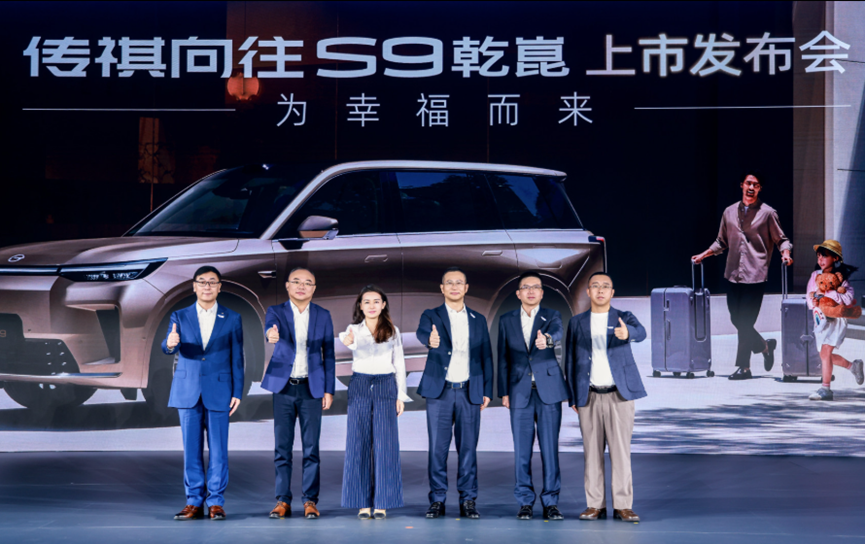
Core Viewpoint - The GAC Trumpchi Xiangwang S9 Qiankun is positioned as the "king" of Chinese hybrid SUVs in the 220,000 RMB price range, emphasizing safety, comfort, and quality for family travel [1][12][13] Pricing and Market Position - The starting price for the Xiangwang S9 Qiankun is set at 229,900 RMB, with options for five or six seats to cater to different consumer needs [3] - The vehicle comes with six substantial launch packages valued at over 40,000 RMB, enhancing its market appeal [3] Safety Features - The Xiangwang S9 Qiankun is equipped with the Huawei Qiankun Intelligent Driving ADS 4 Max system, featuring 29 sensing units for enhanced safety and risk prediction [6] - It includes a robust safety structure with a submarine pressure cabin design and high-strength steel, surpassing national safety standards [7] - The vehicle's battery features a ten-layer safety protection system, ensuring a safe driving experience with a pure electric range of 252 km, the longest in its class [7] Comfort and Interior Design - The vehicle is designed as a "mobile first-class cabin," featuring high-quality materials such as North American black walnut and Nappa leather for a luxurious feel [8] - It includes advanced features like an 18-point SPA-level massage seat and a 17.3-inch entertainment screen for rear passengers, enhancing the travel experience for families [9][10] Quality Assurance and Manufacturing - GAC Trumpchi emphasizes long-term quality, adhering to strict development processes and extensive testing, with over 1,000 test vehicles covering more than 13 million kilometers [12] - The company operates a state-of-the-art manufacturing facility that integrates advanced technologies and precision standards, ensuring high-quality production [12] Brand Reputation - GAC Trumpchi has consistently ranked high in quality assessments, achieving the top position in the Chinese new car quality rankings for eight consecutive years [13] - The brand boasts a 57.29% three-year resale value rate, leading among domestic brands, reflecting strong consumer trust and satisfaction [13]

欧莱雅携手松美术馆聚焦青年美育项目
Jing Ji Wang· 2025-09-22 10:37
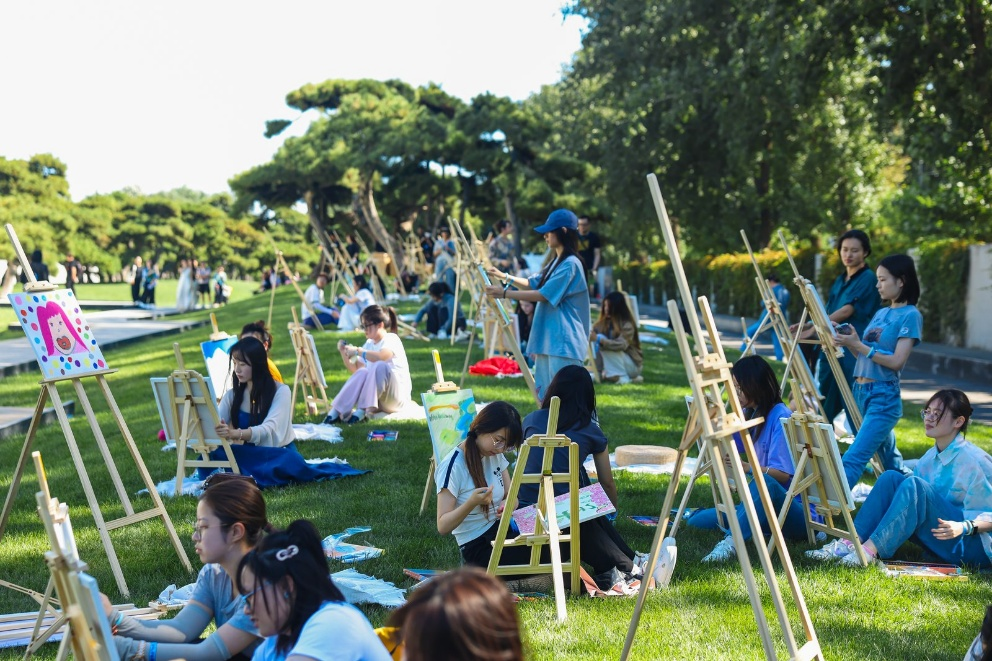
近日,欧莱雅中国携手松美术馆举办的"美之道・读者与作者" 沉浸式青年美育项目在北京正式启动。 "美之道・读者与作者"活动中由资深艺评人鞠白玉主持,邀请到艺术家张晓刚、策展人崔灿灿、欧莱雅北亚及中国公共事务总裁兰珍珍、读书博 主都靓展开跨界对谈。四位嘉宾从各自的专业领域出发,围绕着"美的启迪""美的升华""美的共生"展开,探讨"美"在绘画、策展、文学与生活中 的多重呈现,以及在全球化与个人身份认同的交汇点,如何找到并表达独特的文化之美。 "美之道沙龙"现场。嘉宾从左至右:资深艺评人鞠白玉、艺术家张晓刚、欧莱雅北亚及中国公共事务总裁兰珍珍、读书博主都靓、策展人崔灿灿 松美术馆执行馆长李克非表示:"松美术馆专注中国当代艺术的传播和美育,和欧莱雅对于'美之道'的系统思考,以及积极连接大众、传播美的 实践是高度契合的。此次与欧莱雅、张晓刚先生的合作,正是一次各方发挥各自优势的绝佳实践。我们期待通过这样的携手,能让更多人走进艺 术、感受美的力量,让美真正融入大众生活,推动美育不断向前。" 欧莱雅相关负责人表示,此次"美之道・读者与作者"沉浸式美育体验,是欧莱雅中国"美之道"系列实践的关键一环。此前,欧莱雅集团已携手中 国 ...