Zhong Guo Zhi Liang Xin Wen Wang

Search documents
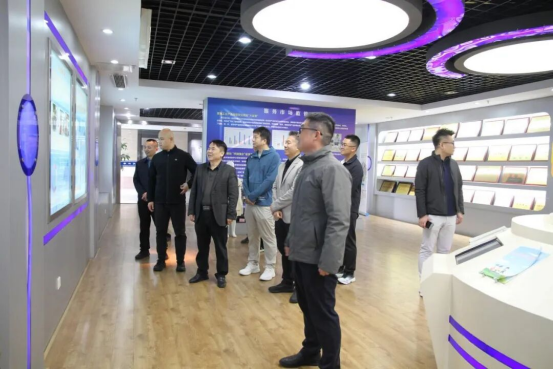
安踏集团副总裁李苏一行赴福建省纤检中心考察交流 深化战略合作共促产业高质量发展
Zhong Guo Zhi Liang Xin Wen Wang· 2025-12-15 08:55
中国质量新闻网讯 近日,安踏集团副总裁李苏率领集团质量核心管理团队赴福建省纤检中心(以下简称"中心")考察 交流,省纤检中心党委书记、主任曾耀传及相关部门负责人出席活动。双方围绕进一步强化战略合作开展深入洽谈,就 拓展合作领域、提升协作层次达成多项共识,为推动体育用品产业高质量发展奠定坚实基础。 考察期间,安踏集团一行首先走进中心实验室,重点参观了纤维成分、化学、微生物、物理性能、羽绒、箱包、鞋类等 多个专业实验室,详细了解中心在检验检测技术研发、智能化设备应用及科研创新等方面的丰硕成果。针对安踏集团关 注的新材料测试、功能性评价等行业共性技术难题,中心技术人员进行了重点拆解与专业讲解,直观展现了中心雄厚的 技术实力与高效的服务能力,为双方后续深度协作搭建了技术认知桥梁。 据悉,此次考察交流取得丰硕成果,双方就持续深化战略伙伴关系达成高度共识。双方均表示,未来将进一步加强常态 化交流沟通,积极探索在科技创新、标准制修订、质量升级等领域的合作实践,加快推进具体项目对接落地,以协同发 力之势共赴高质量发展之路,为提升我国体育用品产业核心竞争力注入更强动力。(王逸欣) 在随后召开的座谈会上,双方聚焦新方法新设备研发 ...


湖北省咸宁市市场监督管理局食品安全监督抽检信息公示(2025年第20期)
Zhong Guo Zhi Liang Xin Wen Wang· 2025-12-15 08:55
Overall Situation - The food safety supervision and sampling inspection conducted by the Xianning Market Supervision Administration involved 100 batches of meat products and edible agricultural products, with 89 batches passing and 11 batches failing the tests [3][4][5]. Meat Products - A total of 50 batches of meat products were tested, including various types such as marinated meat, cooked dried meat, and cured meat, with only 1 batch failing the inspection [3]. - The non-compliant product was a dried duck leg sold by a supermarket, which had a peroxide value of 3.7g/100g, exceeding the standard limit of 1.5g/100g [3][6]. Agricultural Products - Among the 50 batches of edible agricultural products, 10 batches were found to be non-compliant, primarily consisting of fruits [3][4]. - Specific failures included multiple batches of longan fruit with sulfur dioxide residue levels exceeding the standard limit of 0.05g/kg, with the highest recorded at 0.204g/kg [4][5][6]. Regulatory Actions - The Xianning Market Supervision Administration has mandated the immediate recall, sealing, and removal of the non-compliant products from the market, and further investigations into the producers of these products are underway [3][6][7].

陕西省宝鸡市市场监督管理局关于20批次食品合格情况的通告(2025年第10号)
Zhong Guo Zhi Liang Xin Wen Wang· 2025-12-15 08:53
Core Points - The Baoji Administration for Market Regulation announced that all 20 batches of food samples tested, including beverages, alcoholic drinks, and edible agricultural products, were found to be compliant with safety standards [3]. Group 1: Food Safety Compliance - The announcement is part of the 2025 food safety initiative "You Choose, We Test," which aims to enhance food safety monitoring in the region [3]. - The tested samples included various types of beverages and food products, all of which passed the safety inspections [3]. Group 2: Sample Details - The samples tested included products from well-known companies such as Shandong Nairun Dairy Co., Ltd., and Nongfu Spring (Shaanxi) Honghe Valley Beverage Co., Ltd. [3]. - Specific products tested included flavored tea drinks, craft beers, and various edible agricultural products, all of which were sourced from local convenience stores in Baoji [3].
青海省海西州依托“三力”推进盐湖产业高质量发展
Zhong Guo Zhi Liang Xin Wen Wang· 2025-12-15 08:37
Core Insights - The article highlights the efforts of Haixi Prefecture in Qinghai Province to develop a high-quality salt lake chemical industry by establishing a robust quality infrastructure system focused on measurement, standards, certification, and testing [1][2]. Group 1: Quality Infrastructure Development - Haixi Prefecture has enhanced its technical support by improving the quality system for salt lake chemicals, increasing the number of legal metrology verification institutions to 19 and public measurement standards to 30 [1]. - A comprehensive standard system for the salt lake chemical industry has been established, encompassing over 800 standards, with a product compliance rate of 93.8% based on more than 1,000 annual reports issued by the testing center [1]. Group 2: Service and Industry Chain Enhancement - The market regulatory bureau has strengthened service capabilities by promoting quality-driven enterprise and chain development, leading to the formulation of 68 shared technical standards and customized services for key enterprises [2]. - The overall competitiveness of the industry chain has significantly improved, with a steady increase in market share, focusing on the potassium, lithium, sodium, and magnesium sectors [2]. Group 3: Platform Development and Talent Cultivation - Haixi Prefecture has expanded its service platform, successfully applying for a national quality infrastructure integrated service base pilot project, becoming one of 14 national-level pilots [2]. - The establishment of chief quality officer roles in 45 enterprises, with 64 appointed officers, and the development of local standards and new testing methods demonstrate a commitment to enhancing quality management [2]. Group 4: Future Directions - The next steps involve further integrating the quality infrastructure system to support the construction of a world-class salt lake industry base, ensuring sustained high-quality development [3].
山西省临汾市洪洞县市场监督管理局2025年食品安全监督抽检信息公告(第十二期)
Zhong Guo Zhi Liang Xin Wen Wang· 2025-12-15 08:15
Core Viewpoint - The article reports on the results of a food safety inspection conducted by the Hongtong County Market Supervision Administration, revealing that out of 251 batches tested, 249 were compliant while 2 were found to be non-compliant, prompting legal actions against the non-compliant products [3]. Group 1: Inspection Results - A total of 251 batches of food products were inspected, covering 20 major food categories including biscuits, beverages, and meat products [3]. - Out of the 251 batches, 249 were deemed compliant with national food safety standards, resulting in a compliance rate of approximately 99.2% [3]. - The inspection identified 2 batches of non-compliant products, which have been addressed according to relevant laws and regulations [3]. Group 2: Consumer Guidance - Consumers are encouraged to report any non-compliant food products they encounter in the market by calling the complaint hotline 12315 [3].
广西桂林市场监管局创新知识产权保护机制助力本土制造扬帆出海
Zhong Guo Zhi Liang Xin Wen Wang· 2025-12-15 08:09
Core Viewpoint - The article highlights the proactive measures taken by Guilin Sanjin Pharmaceutical and local authorities to address intellectual property (IP) disputes faced by companies venturing into overseas markets, transforming challenges into opportunities for international competitiveness [1][3]. Group 1: Mechanisms for IP Protection - Guilin City has established six IP protection assistance stations to create a collaborative protection framework, allowing companies to receive quick and professional guidance on overseas IP issues [3]. - Since 2025, 175 IP disputes have been successfully resolved before litigation, with an average mediation period reduced to 53 days [3]. Group 2: Tailored Services for Companies - The Guilin market regulatory bureau has provided over 200 instances of IP "fast track" services to companies, with 35 new key enterprises added to the database since 2025 [4]. - For Guilin Sanjin Pharmaceutical, a combination protection strategy involving copyright and trade secrets was developed, resulting in the company holding over 200 registered trademarks [4]. - Guilin Sanjin's successful appeal against the misclassification of its PCT patent as "abnormal" preserved its valuable patent assets, leading to 29 PCT international patents and 94 domestic invention patent applications [4]. Group 3: Risk Prevention and Early Warning - Guilin has established a pre-warning mechanism for overseas IP disputes, providing 37 notifications on trademark registration and 140 on PCT patent expiration risks to key enterprises [6]. - During international exhibitions, expert teams are deployed to assist 94 participating companies with pre-exhibition IP dispute checks and risk notifications [6].

中国汽车市场一周行业信息快报——2025年12月第3期
Zhong Guo Zhi Liang Xin Wen Wang· 2025-12-15 08:04
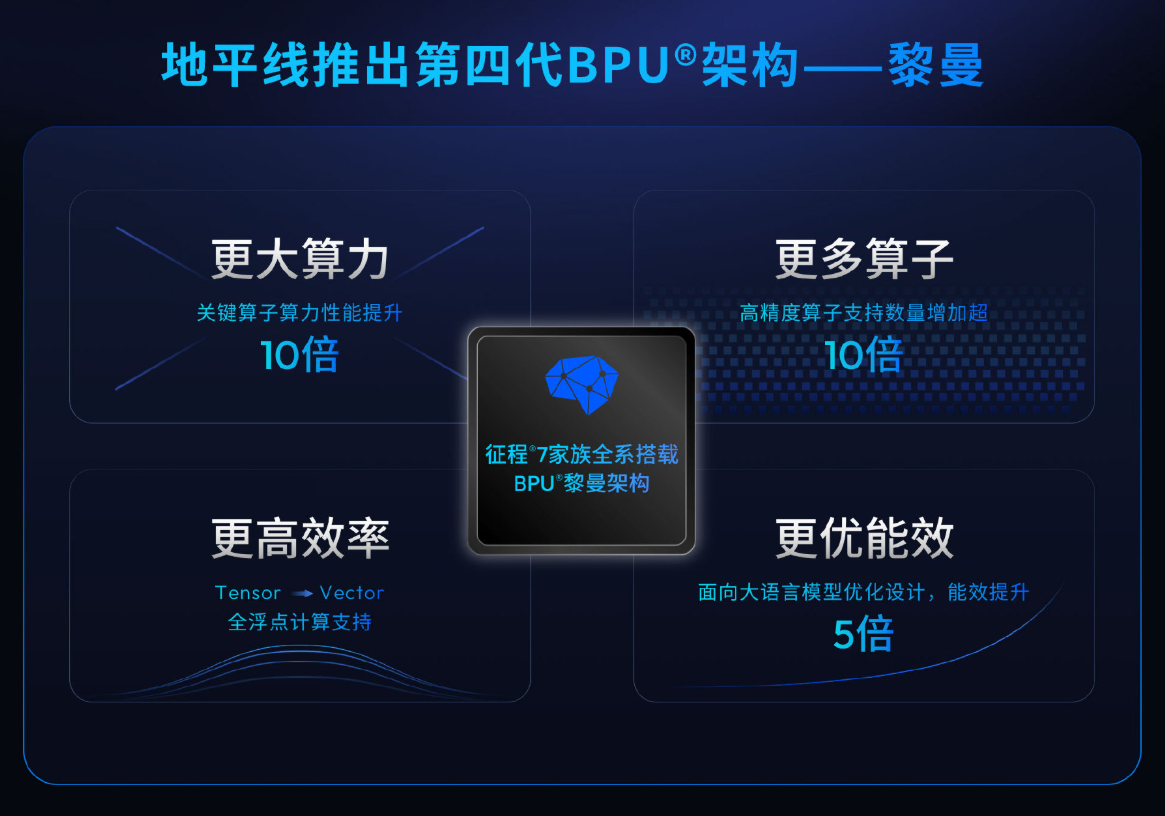
2025年12月第二周:中汽协和税务局数据显示,新能源汽车市场亮眼表现,针对新能源汽车电池风险问题,市场监管总局推出"双失控"防控体系,同时还针 对汽车市场销售乱象进行了新规的意见征集。此外还有鸿蒙智行"五界"合作、吉利安全中心亮相等行业动态。 国家税务总局:1至11月新能源乘用车销售收入同比增长19.1% 12月8日,国家税务总局总经济师、新闻发言人荣海楼表示,发票数据显示,今年1至11月,新能源汽车消费持续向好,市场活跃度持续走强,1至11月,新 能源乘用车销售收入同比增长19.1%。 地平线征程7家族将全系搭载BPU黎曼架构 12月8日,地平线创始人兼CEO余凯在2025地平线技术生态大会上透露,正在酝酿中的地平线征程7家族将全系搭载地平线第四代BPU架构——黎曼架构。 该架构具有更大算力、更高算子、更高效率及更高性能等特点,其中关键算子算力性能较上一代BPU架构提升十倍。 市场监管总局组织建设新能源汽车"双失控"风险防控技术体系 12月8日,市场监管总局表示,针对新能源汽车热失控和速度失控构成的"双失控"行业痛点,市场监管总局组织国内优势科研力量,通过"双失控"事故深度 调查与缺陷判定技术研发,结合" ...

重庆市涪陵区市场监管局开展榨菜生产企业质量专项检查
Zhong Guo Zhi Liang Xin Wen Wang· 2025-12-15 08:03
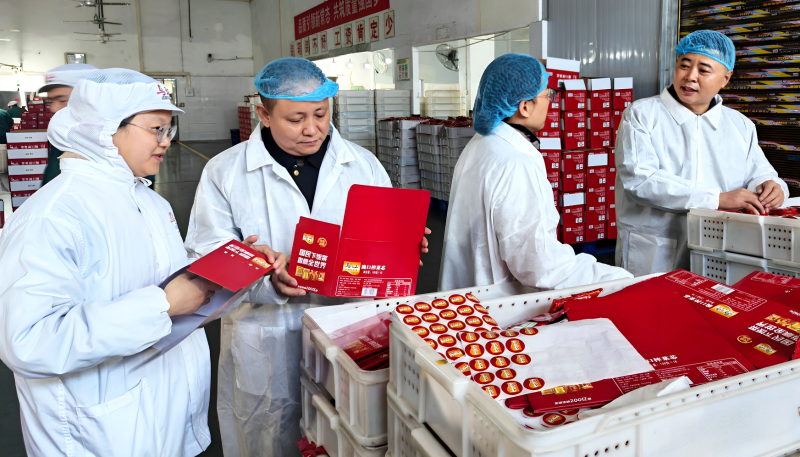
Group 1 - The core focus of the article is the ongoing quality inspection of pickled vegetable production companies in Fuling District, aimed at enhancing food safety and maintaining the reputation of the "Fuling Pickled Vegetables" brand [1][3]. - The inspection is guided by complaints and feedback, targeting food safety issues, and aims to ensure that production management systems are effectively implemented, raw material channels are verified, production processes are controlled, and sample retention inspections are conducted properly [3]. - Fuling's pickled vegetable industry is significant, with 160,000 households and over 600,000 farmers involved in cultivation, 43 production companies, and over 200 registered trademarks, including four recognized as famous Chinese trademarks [3]. Group 2 - In 2024, the planting area for the main raw material (cabbage head) is projected to reach 740,300 acres, with an expected output of 1.866 million tons, and a finished product sales volume of 550,000 tons, resulting in an annual industry output value of 15.545 billion yuan [3]. - The recent inspection involved checking all 43 pickled vegetable production companies, leading to the urging of three companies to improve their quality safety management systems and the identification of one company that was ordered to rectify food safety hazards [3][4]. - The Fuling District Market Supervision Administration plans to strengthen regulatory enforcement, ensuring that production companies fulfill their responsibilities regarding quality and food safety, while adhering to pickled vegetable quality standards [4].
将质量命题写进一城的万家灯火
Zhong Guo Zhi Liang Xin Wen Wang· 2025-12-15 07:48
转自:中国质量报 将质量命题写进一城的万家灯火 质量是企业安身立命的根本,是穿越市场周期、赢得长期信任的核心密码。 在江苏永钢集团的生产车间里,一套新投入运行的低倍数字化检测系统正高速运转,精准捕捉钢材内部 结构的细微瑕疵。"过去这项检测全靠老师傅的经验,不仅效率低,还存在一致性差的问题。"永钢集团 检测中心主任余超介绍说。转变,始于一笔20万元的政府质量攻关引导资金。这笔"种子资金"成功撬动 企业投入超200万元用于研发,新系统彻底解决了行业痛点,累计为企业创效5300万元,实现"四两拨千 斤"的倍增效应。 张家港众辉医用塑料科技有限公司通过导入卓越绩效管理体系,眼药水瓶良品率从80%跃升至96%,每 年节约成本53万元;矩阵光电在"中小企业卓越成长"项目支持下攻关新型霍尔电流传感芯片,关键指标 达到国际先进水平;千里马袜业在"质量管家"服务护航下顺利跨越国际贸易门槛,内销额同比增长 20%。这些企业的成长轨迹,印证了张家港市坚持"以质取胜"系统化培育经营主体的成功实践。 近年来,张家港市持续深化"质量第一"战略,构建以《质量强县建设实施方案》为总纲的"1+N"政策体 系,大力推广卓越绩效模式等先进质量管理 ...
辽宁省抚顺市市场监督管理局普通食品抽检信息公告(2025年第9期)
Zhong Guo Zhi Liang Xin Wen Wang· 2025-12-15 07:37
不合格信息 根据《中华人民共和国食品安全法》及《2025年抚顺市食品安全监督抽检实施方案》有关规定,现将抚顺市市场监督管理局在流通环节和餐饮环节监督抽检 信息予以公布。 本次公布共计98批次,抽检区域为饭店、大型商超、超市、生鲜超市、干调店、速冻食品商行、粮油商行、商贸公司,抽样品种涉及餐饮食品、茶叶及相关 制品、炒货食品及坚果制品、淀粉及淀粉制品、调味品、豆制品、糕点、罐头、酒类、肉制品、乳制品、食糖、食用油、油脂及其制品、蔬菜制品、水果制 品、水产制品、糖果制品、速冻食品等18类食品,其中92批次食品抽检合格,6批次食品抽检不合格。 附:合格信息 | 序 | 标称生产企业名称 | 标称生产企业地址 | 被抽样单位名称 | 被抽样单 位所在省 | 食品名称 | 规格型号 | 生产日 期/批 | 备 | | --- | --- | --- | --- | --- | --- | --- | --- | --- | | 号 | | | | | | | | 注 | | | | | | 份 | | | 号 | | | 1 青岛雀巢有限公司 | | 青岛莱西市威海西路 | 抚顺市新抚区瑞达超市 | 辽宁 | 雀巢鹰唛 ...