
Hu Xiu

Search documents
苹果印度厂哥月薪1200元,印度版iPhone却比国行版贵2000元?
Hu Xiu· 2025-09-23 13:19
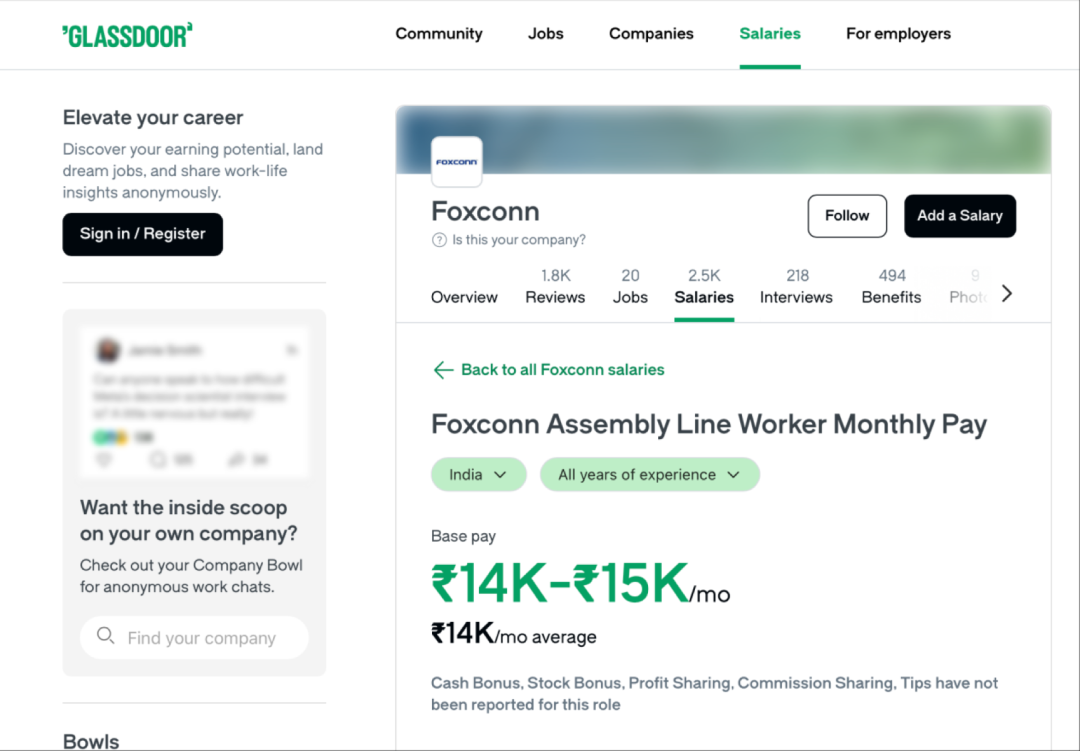
Group 1 - The core viewpoint of the article highlights the contrasting consumer behavior and supply chain dynamics between China and India regarding the iPhone 17 launch, with India experiencing a surge in demand despite higher prices compared to China [1][2][3] - In India, the local production of the iPhone 17 series marks a significant milestone, with five factories involved in assembly, including Tata Group and Foxconn [4][5] - The labor cost in India is significantly lower, with Foxconn assembly line workers earning approximately 1,127 to 1,208 RMB per month, which is about 7 to 8 times lower than their counterparts in China during peak production periods [6][13] Group 2 - Despite lower labor costs, the retail prices of iPhones in India are higher than in China, with the iPhone 17 standard version priced at approximately 6,678 RMB, which is about 700 RMB more than the Chinese version [18][19] - The higher costs in India are attributed to the need to import critical components, which still predominantly come from China, Japan, and South Korea, leading to overall production costs being 5% to 10% higher than in China [20][22] - The article discusses the broader implications of Apple's supply chain adjustments, indicating a shift towards internationalization and the challenges faced by Chinese companies in adapting to this trend [32][33]


淘宝出海,不想卷全托管了
Hu Xiu· 2025-09-23 13:13
Core Insights - Alibaba's Taobao is accelerating its international expansion, particularly targeting domestic merchants with no prior overseas experience, through a "one-click overseas" model [2][39] - The company has seen a significant increase in new users, with a year-on-year growth rate exceeding 200% since April [2][7] - Key challenges include breaking into non-Chinese user markets and ensuring reliable fulfillment services for a vast array of products [3][6] Business Model - Taobao's overseas strategy is not a full-service model; merchants retain pricing, operational control, and user assets [39] - The platform charges merchants a commission of 4% to 10%, which covers logistics, marketing, payment processing, and return guarantees [46][49] - The model aims to minimize upfront costs and risks for merchants, allowing them to use existing inventory without needing to stock overseas [42][49] Growth Strategy - The "Global Growth Plan" was initiated after recognizing a critical turning point in Taobao's overseas capabilities, particularly in logistics and user experience [5][6] - The focus is on the apparel sector initially, with plans to expand to other categories like electronics and home goods before the upcoming Double Eleven shopping festival [11][12] - Over 1 million merchants have signed up for the overseas program within approximately 10 months [12][15] Competitive Landscape - Taobao's competitive edge lies in its existing merchant ecosystem and the ability to offer a diverse range of products while ensuring fulfillment certainty [16][17] - The platform's logistics network is open and collaborates with various service providers to maintain service standards [21][23] - Taobao's primary market focus is on regions with significant Chinese communities, differentiating it from competitors like AliExpress [36][38] Organizational Synergy - The integration of different departments within Alibaba has led to a more cohesive approach to supporting merchants in both domestic and international markets [25][26] - Performance metrics are shared between domestic and international teams to ensure alignment in goals and execution [31][32] - The collaborative model emphasizes shared objectives, enhancing operational efficiency and reducing internal competition [33][34]


消失的跆拳道培训
Hu Xiu· 2025-09-23 13:06
本文来自微信公众号:体育产业生态圈 (ID:ECO-SPORTS),作者:殷陈萱,头图来自:AI生成 千禧年代的中式梦核里,总有开在街头巷尾的跆拳道馆。 曾几何时,在中国二、三线城市的一个十字路口,就能看到好几家跆拳道培训机构。而如今,它们中的 一些早已关门谢客,另一些玻璃窗户上也贴上了"散打""拳击"的招生广告,只有少数,还在坚守着纯粹 意义上的跆拳道教学。 不同于课外兴趣班选择集中于舞蹈和跆拳道的时代,如今,摆在家长们眼前的是五花八门的体育项目。 在社会集体追忆"经济上行期"时,跆拳道这项曾经风靡一时的体育培训"顶流",也面临着生存与转型的 重塑。 怎么活下去?是跆拳道馆直面的问题,也是其他体育培训行业必将面对的问题。 一、跆拳道的"经济上行期" 回看来时路,跆拳道在中国大众市场的兴起,既得益于项目本身,也赶上了天时、地利与人和。 起源于朝鲜半岛的跆拳道,不仅在训练上有着系统的段位、级位体系,也有着成熟的竞赛规则和礼仪文 化,特别适合全球化传播。 1988年汉城奥运会上,跆拳道作为表演项目首登世界舞台。同样是在这一时期,借着中韩建交的东风, 跆拳道在国内开启了系统化的推广。 1995年,中国跆拳道协会正式 ...
谁在喂养美国的毒瘾?药企的止痛片,还是美军的自产自销?
Hu Xiu· 2025-09-23 13:00
费城街头的"僵尸"景象大家都看到过吧,但很少有人会将这触目惊心的景象与曾自诩"世界警察"的那群 人联系在一起。谁能想到目前这种毒品乱象竟是一场从战场蔓延至街头的丧尸危机,如果要溯源,根据 资料可以溯源到英国殖民北美的时候,远比鸦片战争更早。 ...
格斗宗师
Hu Xiu· 2025-09-23 12:53
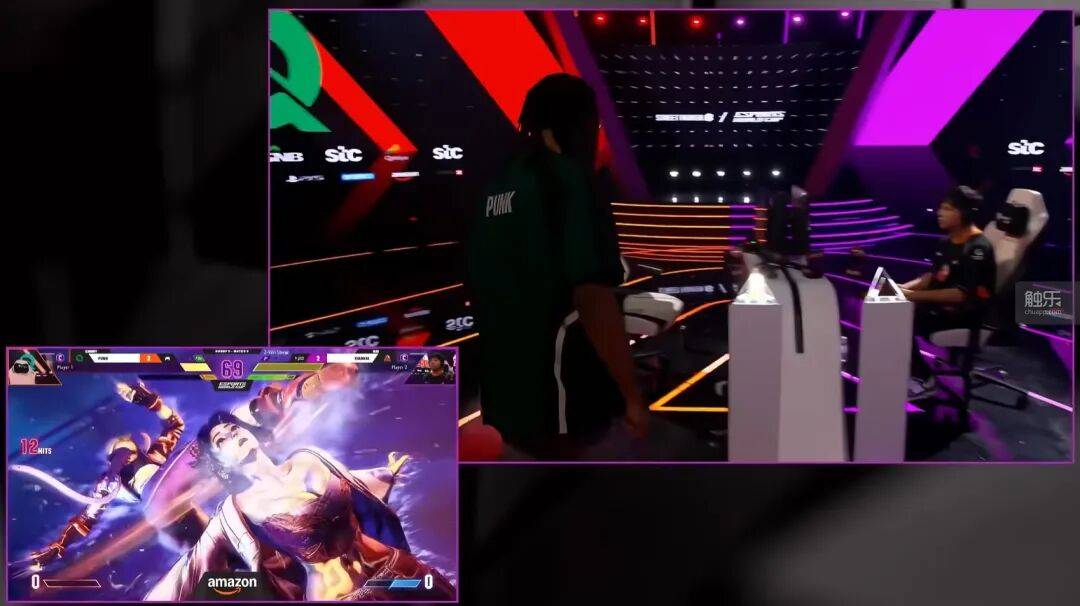
Core Viewpoint - The article highlights the journey and mindset of a seasoned esports player known as "Kid," emphasizing his resilience, dedication, and ability to adapt in the competitive landscape of fighting games, particularly in the context of the Esport World Cup. Group 1: Background and Identity - The name "Kid" symbolizes not just youth but a history of growth and perseverance in the esports arena, having achieved significant milestones from a young age [2][3]. - The player has been a dominant figure in the fighting game community since winning his first world championship at the age of 12, showcasing a long-standing commitment to the craft [27][28]. Group 2: Competitive Landscape - The 2025 Esport World Cup features a challenging group for "Kid," including top competitors from Japan and the USA, indicating a highly competitive environment [4][5]. - The unpredictability of fighting games adds to the tension, as even top players can face unexpected outcomes based on match dynamics [6][8]. Group 3: Psychological Resilience - "Kid" reflects on his childhood experiences that instilled a strong competitive spirit, emphasizing the importance of mental fortitude in high-pressure situations [12][16]. - The article discusses how psychological factors can significantly impact performance, with "Kid" maintaining focus and composure during critical moments of matches [17][23]. Group 4: Training and Adaptation - Despite being 36, "Kid" maintains his competitive edge through rigorous training and a disciplined lifestyle, countering the notion that age diminishes performance in esports [24][25]. - The player adapts his strategies based on opponents' habits and game mechanics, demonstrating a deep understanding of the evolving nature of competitive play [39][41]. Group 5: Legacy and Future - "Kid" expresses admiration for the new generation of players, recognizing their potential and the opportunities available to them, while also asserting his determination to remain competitive [50][51]. - The narrative suggests a transition in the esports landscape, where established players like "Kid" face emerging talents, highlighting the cyclical nature of competition in the industry [48][49].
具身智能:泡沫破灭的另一种表达叫技术收敛
Hu Xiu· 2025-09-23 12:53
Group 1 - The conversation highlights the increasing popularity of robotics, with significant attendance at events like WAIC, indicating a growing interest in the field [2][11] - There is a notable difference between domestic and international teams in robotics, with international teams focusing more on research and algorithms, while domestic teams emphasize hardware and differentiation [3][4] - The perception of tactile sensors has shifted, with current robotic hands being expected to include tactile feedback, as relying solely on vision is now seen as insufficient [6][8] Group 2 - The decline in the demand for high precision in tactile sensors has led to a reduction in costs, as the industry recognizes that human touch is not as precise as previously thought [9][31] - The concept of "bubble bursting" in the industry is viewed positively, as it may lead to technological convergence and closer alignment between hardware and market needs [11][13] - The development of humanoid robots is still in its early stages, with current capabilities estimated between levels L1.5 to L2, and future advancements are anticipated [18][19] Group 3 - The potential applications of robotics are diverse, with industrial settings being more suitable for immediate deployment compared to household or service robots [21][22] - Military applications for robotics are seen as having significant potential due to lower algorithmic requirements and the ability to perform tasks that may not be feasible for traditional robots [24] - The industry is currently focused on balancing cost and efficiency, with a consensus emerging around reducing costs while maintaining functionality [31][32] Group 4 - The challenges of data collection and model training for robotic systems are highlighted, with current methods lacking generalization capabilities [26][28] - The exploration of new training methods, such as imitation learning, is underway, aiming to improve the adaptability of robotic systems [36][37] - The hardware landscape remains fragmented, with ongoing debates about the best configurations and designs for robotic systems, impacting data accumulation and development speed [30]

为什么公司业务再好,你买的股票也可能一跌到底?
Hu Xiu· 2025-09-23 12:34
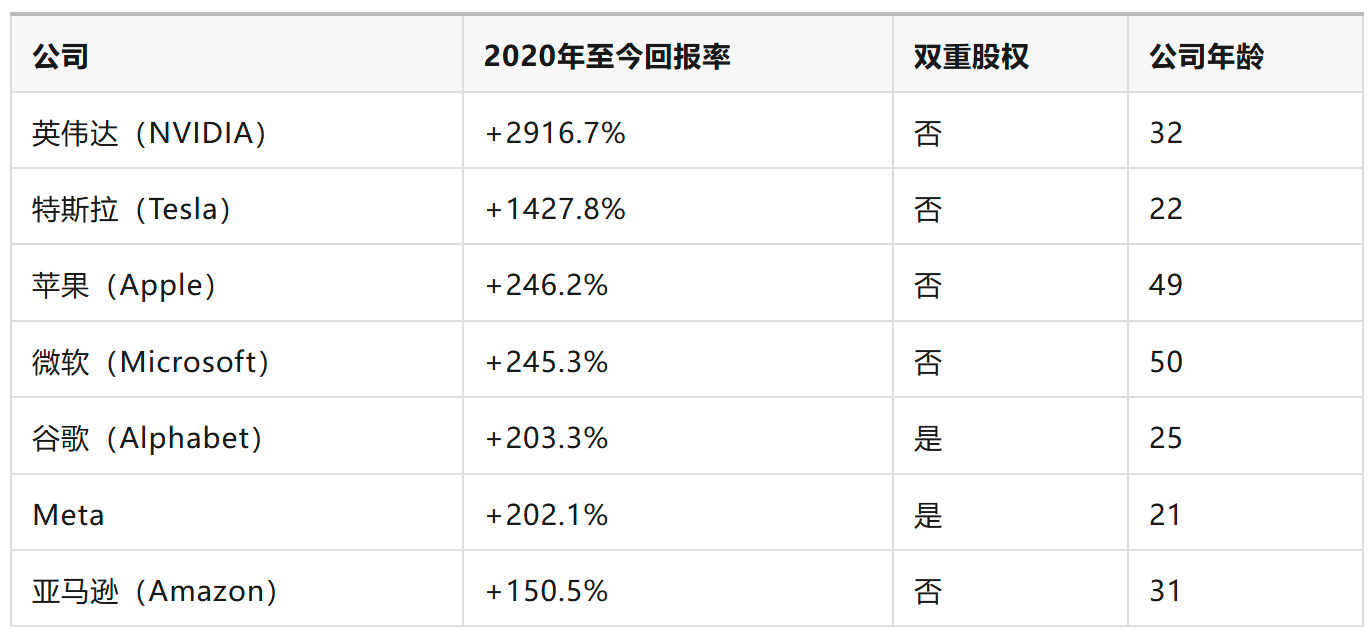
Core Insights - The article discusses the imbalance of power and information between management and shareholders in modern corporations, highlighting the challenges faced by retail investors in influencing corporate governance [3][4][6]. Group 1: Management vs. Shareholders - Middle management in internet companies often prioritizes hiring to increase their influence and job security, while the costs are borne by the company [1][2]. - Shareholders (top management) fund the business but rely on reports from managers to monitor their performance, creating a disconnect in accountability [2][4]. - The separation of ownership and control leads to managers being more informed about the company's operations than shareholders, which can result in misaligned interests [3][4]. Group 2: Governance Structure - The concept of corporate governance structure is crucial for investors to ensure that management does not misuse funds and returns profits to shareholders [4][6]. - Many investors, including professionals, lack knowledge about corporate governance, which is often categorized under management studies rather than investment studies [5][6]. Group 3: Retail Investor Dilemma - Retail investors face a core dilemma as they lack control over companies due to dispersed ownership, becoming passive capital providers [7][8]. - Managers can act in their own interests even with minimal or no equity ownership, often prioritizing personal benefits over shareholder value [8][9]. Group 4: Cash Flow and Decision-Making - There can be a divergence in interests when companies generate free cash flow, with investors wanting dividends while managers may prefer reinvestment to expand their power [13][15]. - The "free cash flow hypothesis" suggests that excess cash can lead to poor investment decisions by management, as seen in historical cases like the oil crisis [17][18]. Group 5: Dual-Class Share Structures - The rise of dual-class share structures in internet companies has concentrated decision-making power among founders and management, often at the expense of shareholder rights [22][23]. - Companies like Snap have issued shares with no voting rights for public investors, limiting their influence over corporate decisions [23][24]. Group 6: Case Studies - Examples like Bilibili and WeWork illustrate how management can prioritize personal gain over shareholder returns, leading to significant losses for investors [27][29]. - The performance of companies with dual-class structures has been poor, with many unable to recover their historical highs, while companies like NetEase and Ctrip, which do not have such structures, have fared better [35][36]. Group 7: Investor Strategies - Investors need to focus on corporate governance and the distribution of power within companies to ensure their interests are protected [42][43]. - Strategies such as avoiding companies with complex governance structures and recognizing the importance of shareholder rights can lead to better investment outcomes [42][45].


为什么“经常庆功,就能成功”?
Hu Xiu· 2025-09-23 12:01
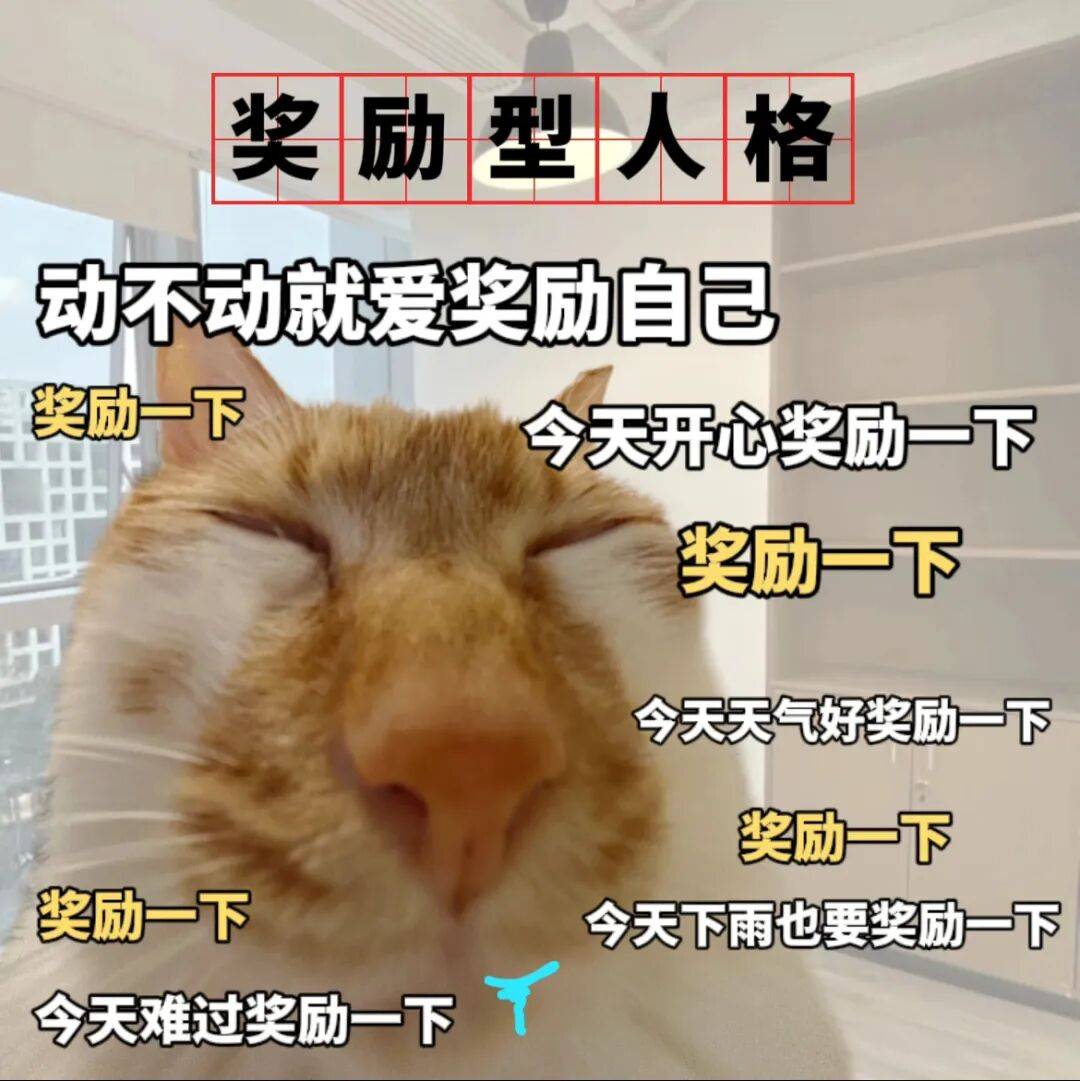
Core Insights - The article discusses the concept of "self-rewarding personality," emphasizing the importance of self-reward as a means of maintaining motivation and achieving goals in a challenging social environment [4][7]. Group 1: Self-Rewarding Personality - Self-rewarding personality is characterized by the tendency to motivate oneself through rewards, whether for small tasks or significant achievements [4]. - The article highlights a cultural difference in self-rewarding behaviors, noting that East Asian individuals often do not celebrate personal achievements due to cultural norms that emphasize humility and collective success [8][9]. - Research indicates that East Asian individuals tend to focus on self-improvement rather than self-enhancement, making it difficult for them to feel deserving of self-rewards [10]. Group 2: Psychological Mechanisms - The reliance on external rewards can lead to a decline in intrinsic motivation, a phenomenon known as the "overjustification effect," where external incentives diminish the enjoyment of an activity [14][15]. - Self-rewarding can transform the perception of tasks from "must-do" to "choose-to-do," enhancing intrinsic motivation and personal agency [17][19]. - The brain's reward circuitry, particularly involving dopamine, plays a crucial role in how rewards influence behavior and emotional states, suggesting that self-rewards can help manage stress and improve psychological resilience [20][22]. Group 3: Effective Self-Reward Strategies - The article suggests that self-rewards should focus on the effort and process rather than just the outcomes, promoting a healthier mindset towards achievements [25][27]. - Immediate rewards following small victories are emphasized as crucial for reinforcing positive behavior and maintaining motivation [29][32]. - A tiered reward system is recommended, where the scale of rewards matches the effort put in, ensuring that individuals remain motivated over the long term [37].
从纸醉金迷到现实残酷,泡沫破灭后日本大学生是怎么渡过的?
Hu Xiu· 2025-09-23 12:01
日本泡沫经济时代,大学生们过着纸醉金迷的生活,随手签下高级餐厅、名牌服饰、黄金地段租房,享 受着无忧就业和高薪待遇。泡沫破灭后,企业收缩,岗位骤减,大学生就业率暴跌,学历瞬间贬值,毕 业即失业,甚至背上沉重学贷,今天就来聊聊泡沫破灭后的日本大学生。 ...
市场的误解,政策增量不在货币,在财政
Hu Xiu· 2025-09-23 11:55
本篇评级为★★★,主要围绕以下内容展开: 1、市场惊险"过山车",误解背后的政策逻辑 2、资金力量,遇阻但未回撤 如有疑问请以音频内容为准,添加妙投小虎哥微信miaotou515,入群有机会与董小姐进一步交流。 新闻解读评级说明:五星重磅,四星重要,三星级以下大家选择听。 每天10分钟拆解新闻背后的逻辑。大家好,今天是2025年的9月23号星期二,我是董小姐。 今天,A股玩了一把"心跳":早盘高开,旋即跳水,弱势一路延续到下午两点半才小幅反抽,但弹升幅 度有限,盘面弥漫着一股不安全感。我们就沿着大逻辑,只回答一个问题——当前市场的"安全系数"究 竟高不高? 本文为妙投付费内容,上述仅为摘要,购买本专栏即可解锁完整内容。新用户可免费领本专栏7天阅读 体验机会,在妙投APP-我的-权益兑换 输入"妙投888"即可领取。 1、市场惊险"过山车",误解背后的政策逻辑 ...