
Hu Xiu

Search documents
资金出现哪些新信号?
Hu Xiu· 2026-01-11 10:40
Group 1 - The A-share market saw a significant surge with the Shanghai Composite Index breaking the 4100-point mark, indicating a strong market momentum [3] - The trading volume exceeded 3.1 trillion yuan, which is a critical threshold that may attract more follow-up capital into the market [3] - Financing balances have rapidly increased, with some brokerage firms reporting that their margin trading quotas have been fully utilized, indicating strong demand for leveraged investments [3] Group 2 - A substantial amount of capital, approximately 30 trillion yuan, is expected to be "unlocked" in 2026 as funds currently held in fixed deposits mature, which could lead to increased investments in the stock market [3] - The potential inflow of funds into the A-share market is likely to rise, as the stock market currently outperforms other asset classes [3] - The adjustment of export tax rebates for solar and battery sectors may impact the grid sector, although specific effects are yet to be fully assessed [5]
扎推港股IPO,一场阳谋
Hu Xiu· 2026-01-11 09:06
Core Viewpoint - The surge of IPOs in the Hong Kong stock market at the beginning of 2026, particularly in sectors like AI and biotech, reflects a strategic move by companies to secure funding amid high cash burn rates and favorable listing conditions in Hong Kong [1][3][20]. Group 1: IPO Trends and Market Dynamics - The Hong Kong IPO market has seen significant activity with companies like Wallen Technology and others in the hard tech sector listing, indicating a strong interest in capital raising [1][2]. - The return of "thousand times subscription" phenomena with companies like Zhipu and MiniMax suggests a renewed investor enthusiasm for tech IPOs [2]. - The listing environment in Hong Kong is more favorable due to lower regulatory hurdles compared to other exchanges like the STAR Market and the Beijing Stock Exchange [7][8]. Group 2: Financial Pressures and R&D Costs - Many of the listed companies are facing substantial losses, with Wallen reporting a loss of 1.6 billion and Zhipu 2.36 billion in the first half of 2025, highlighting the financial pressures driving them to seek public funding [5][6]. - The high R&D expenditure rates, such as Zhipu's monthly spending of 266 million, indicate the intense cash requirements of AI companies [5][6]. Group 3: Strategic Considerations for Listing - Companies prefer Hong Kong for its international appeal and the ability to attract foreign investment, especially from USD funds, which are more familiar with the business development model prevalent in biotech [10][13]. - The presence of VIE structures and foreign investment considerations make Hong Kong a more attractive listing venue compared to A-shares, where regulatory processes can be cumbersome [10][11]. Group 4: Macro-Economic Implications - The influx of IPOs in Hong Kong is seen as a strategic maneuver in the broader context of Sino-US financial dynamics, with Hong Kong serving as a financial buffer against US dollar dominance [20][22]. - The shift of capital from US markets to Hong Kong reflects a changing landscape where international capital is increasingly looking to invest in Chinese assets through Hong Kong [22][23]. - The diversification of industries listed on the Hong Kong exchange, moving away from traditional sectors like finance and real estate, is expected to enhance its attractiveness to global investors [23].
这个美股半年涨幅1000%,A股竞争者是谁? | 0108
Hu Xiu· 2026-01-08 14:57
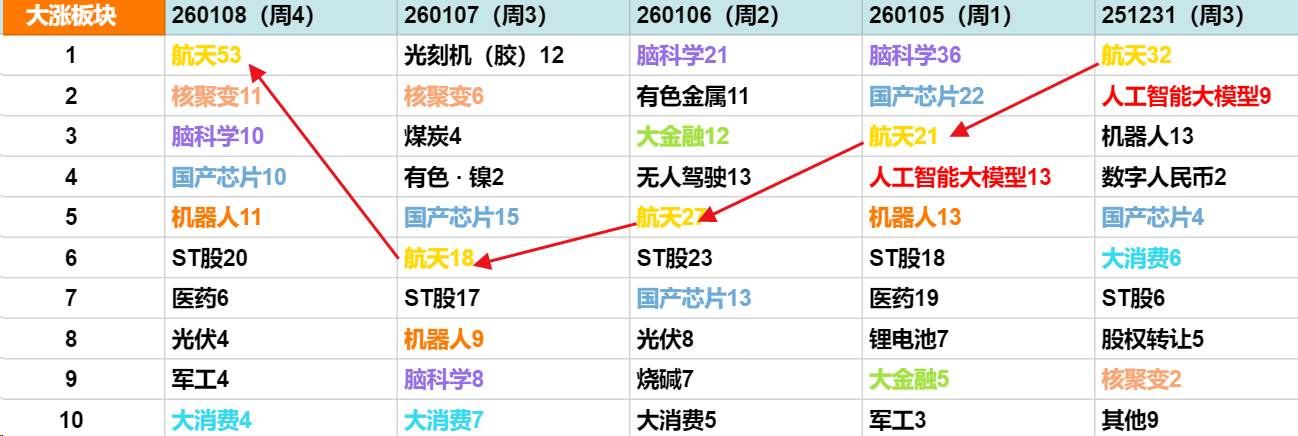
Market Observation - The Shanghai Composite Index experienced narrow fluctuations on January 8, with the ChiNext Index dropping over 1% during the session. The total trading volume in the Shanghai and Shenzhen markets was 2.8 trillion yuan, a decrease of 53.8 billion yuan compared to the previous trading day, marking the fourth consecutive day of trading volume exceeding 2.5 trillion yuan. By the close, the Shanghai Composite Index fell by 0.07%, the Shenzhen Component Index by 0.51%, and the ChiNext Index by 0.82% [1]. Sector Performance - The commercial aerospace sector has seen a resurgence, highlighted by the recent groundbreaking of a large liquid rocket assembly and recovery reuse base by Arrow Yuan Technology in Qiantang. This marks the establishment of China's first offshore recovery reusable rocket production base and the launch of the first stainless steel rocket super factory [2]. Commodity Market Dynamics - Experts warn that investors are now living in a new era of geopolitical risk, which has increasingly influenced commodity pricing mechanisms. The ongoing conflicts, from Ukraine to Venezuela, have impacted the prices of oil, gold, copper, and other commodities. Oxford Economics noted that geopolitical risks are becoming a persistent pricing factor rather than a temporary shock, with markets now incorporating a fixed risk premium reflecting supply chain vulnerabilities and resource nationalism [3][4]. Investment Opportunities - For those considering commodity investments, it is suggested to look into non-ferrous metal ETFs, which include top holdings such as Northern Rare Earth, Luoyang Molybdenum, and China Aluminum, among others. The report indicates that the non-ferrous metal sector is expected to benefit from the ongoing geopolitical tensions and supply chain issues [4][5][6]. Commercial Aerospace Insights - The commercial aerospace sector is characterized by a focus on energy technology companies linked to the growth of satellite solar cells. Perovskite solar cells, particularly flexible and ultra-thin variants, are seen as a promising alternative to traditional materials due to their lightweight, low-cost, and high conversion efficiency, aligning with the needs of large-scale low-orbit satellite constellations [10][13]. Yunnan Zinc Industry's Position - Yunnan Zinc Industry is a significant player in the indium phosphide (InP) sector, with its subsidiary, Yunnan Xinyao Semiconductor Materials, focusing on expanding production capacity to meet the growing demand in the industry. The company has reported a substantial increase in orders and revenue, particularly in the context of AI and data center applications [33][35][38].







市场走到什么阶段了?
Hu Xiu· 2026-01-08 11:10
Group 1 - The market experienced a slight pullback, raising concerns among investors about whether three disruptive factors could change the market direction [3] - The first disruptive factor is the central bank's operation of 1.1 trillion yuan in the open market, which is significant and involves a buyout reverse repurchase. This action has reduced the probability of expected policy measures such as reserve requirement ratio (RRR) cuts and interest rate reductions, leading to some disappointment in the market [3] - The second factor is the depreciation of the RMB, which has reached approximately 6.99, potentially indicating obstacles in the capital inflow process [4] - The third factor is an article published in the People's Daily by a writer typically representing the highest level of authority, which cautions local governments to tailor their economic initiatives to actual conditions, discouraging one-size-fits-all approaches and superficial projects. This statement may dampen the enthusiasm for aggressive local investment, causing concerns among investors about the expected strength of policy measures [4]
AI for Science,有什么亮点?| 0107
Hu Xiu· 2026-01-07 13:15
Market Analysis - The semiconductor sector experienced significant gains, with the Shanghai Composite Index slightly rising by 0.05% and the Shenzhen Component Index increasing by 0.06% on January 7, marking a 14-day consecutive rise [1] - The total trading volume in the Shanghai and Shenzhen markets reached 2.85 trillion yuan, an increase of 476 billion yuan compared to the previous trading day, with trading volumes exceeding 2.8 trillion yuan for two consecutive days [1] Semiconductor Industry Developments - China initiated an anti-dumping investigation into imported dichlorodihydrosilane from Japan, a move aimed at safeguarding the semiconductor materials supply chain [7] - The investigation is expected to benefit domestic companies by improving market competition and reducing reliance on Japanese imports, particularly in the photolithography materials sector [8] AI for Science - AI for Science (AI4S) represents a new paradigm in scientific research, utilizing AI to accelerate scientific discoveries and redefine traditional research methodologies [9] - The integration of AI in scientific research enhances efficiency, allowing for significant reductions in research timelines and improved predictive capabilities [10] Company-Specific Developments - PIANO, a custom home furnishing company, underwent a control change with the semiconductor investment firm Chuxin Group acquiring a controlling stake for approximately 839 million yuan [21] - The new control by Chuxin Group, led by a prominent figure in semiconductor investments, reflects the challenges faced by traditional home furnishing companies amid a declining real estate market [22][25] Tungsten Industry Insights - Xianglu Tungsten Industry has established a complete industrial chain in tungsten, from mining to deep processing, and is focusing on the production of photovoltaic tungsten wire, which has seen significant market interest [30][33] - The company reported a substantial increase in revenue and net profit, driven by rising demand for hard alloys and the successful launch of its photovoltaic tungsten wire products [35][38]

战略资源品再占风口,持续性如何?
Hu Xiu· 2026-01-07 11:29
Group 1 - Strategic resources are once again in the spotlight due to the Chinese government's sudden export restrictions on Japan, particularly affecting dual-use items that can be utilized in both military and civilian applications [3] - The export ban is expected to significantly impact Japan's electronics industry, which heavily relies on China's rare earth materials, especially heavy rare earths, crucial for Japan's automotive, semiconductor, and consumer electronics sectors [3][4] - The immediate market reaction saw significant stock price increases in sectors related to photoresists, advanced packaging, and rare earth permanent magnets, with leading stocks in rare earths rising over 5% [4] Group 2 - The Chinese government's export restrictions are a direct response to recent provocative statements from Japanese officials, indicating that the ban targets a critical vulnerability in Japan's supply chain [3][4] - The potential disruption in supply could lead to increased prices for rare earth materials and may adversely affect the financial performance of leading companies in the sector [4]
中国平安,熬过来了
Hu Xiu· 2026-01-07 10:19
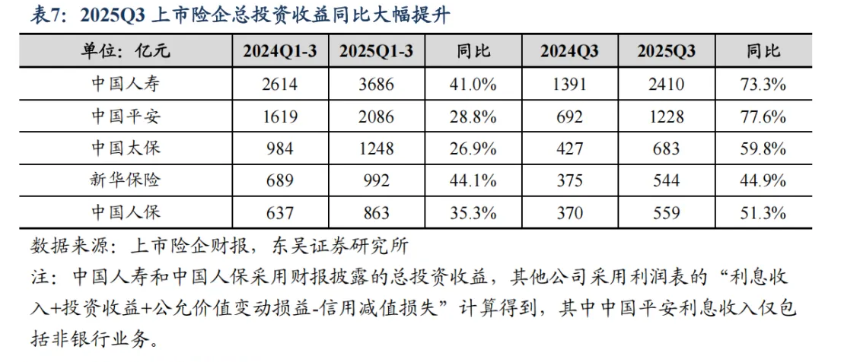
Core Viewpoint - China Ping An's stock price has surged above 70 yuan, reaching a market capitalization of over 1.3 trillion yuan, marking a new high since March 2021 and a 160% increase from its low in October 2022 [1][3]. Stock Performance - The stock price of China Ping An has shown significant recovery, nearing its historical high of 82.60 yuan, with a 25% increase in the fourth quarter of 2025 compared to the third quarter [1][4]. - Morgan Stanley has included China Ping An in its core recommendation list, raising the target price for A-shares from 70 yuan to 85 yuan [5]. Market Sentiment - Despite ongoing disputes with Huaxia Happiness, the stock continues to rise, indicating strong market support and investor confidence [6][7]. - The A-share market has seen substantial inflows, with nearly 100 billion yuan invested in the CSI A500 ETF, of which China Ping An is a significant component [7]. Fundamental Changes - The insurance sector, represented by companies like China Ping An, has outperformed traditional industries such as liquor, which face declining demand [8][9]. - China Ping An has focused on enhancing its core financial and healthcare services, shifting away from loss-making technology ventures [10][11]. Investment Strategy - The company has increased its investments in stable, high-dividend stocks, particularly in the banking sector, while reducing exposure to real estate [12][26]. - China Ping An's investment strategy emphasizes a balanced approach with a focus on fixed income, equities, and alternative assets, including gold [22][26]. Financial Performance - In the first three quarters of 2025, China Ping An reported a net profit of 1,328.56 million yuan, with an 11.47% growth rate, the lowest among major insurers [18]. - The company has improved its investment performance, with a non-annualized comprehensive investment return of 5.4% and a net investment return of 2.8% [21]. Premium Growth - China Ping An has demonstrated strong growth in both life and property insurance premiums, with a 11.7% increase in insurance business revenue in the first three quarters of 2025 [28]. - The company has successfully enhanced its distribution channels, particularly through the bancassurance model, which has seen a 171% increase in new business value [30]. Competitive Position - China Ping An is recognized as one of the most competitive companies in the insurance sector, with strong capabilities in product development, distribution, and technology application [37]. - However, it faces challenges in maintaining a competitive edge over other leading insurers, as its performance does not significantly exceed industry averages [38]. Future Outlook - The stock price of China Ping An may continue to rise, driven by market sentiment and the overall performance of the insurance sector, but it may not achieve independent growth due to reliance on broader market trends [41][42]. - The company is well-positioned to benefit from the aging population and increasing demand for insurance products, although growth rates may stabilize at moderate levels [36].

黄仁勋在2026CES上的发言,创新和增量在哪里?|0106
Hu Xiu· 2026-01-06 16:24
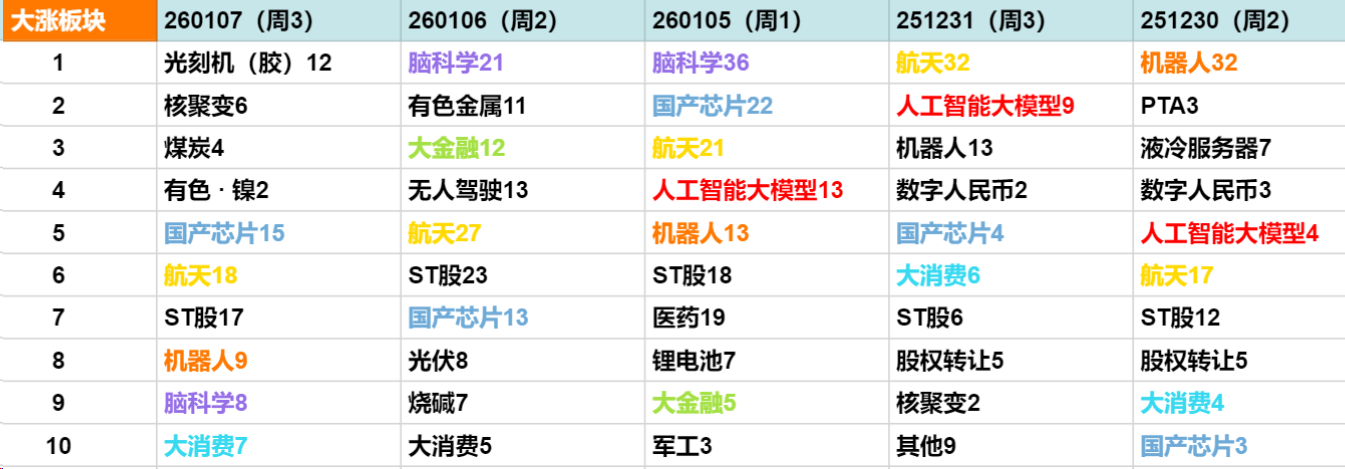
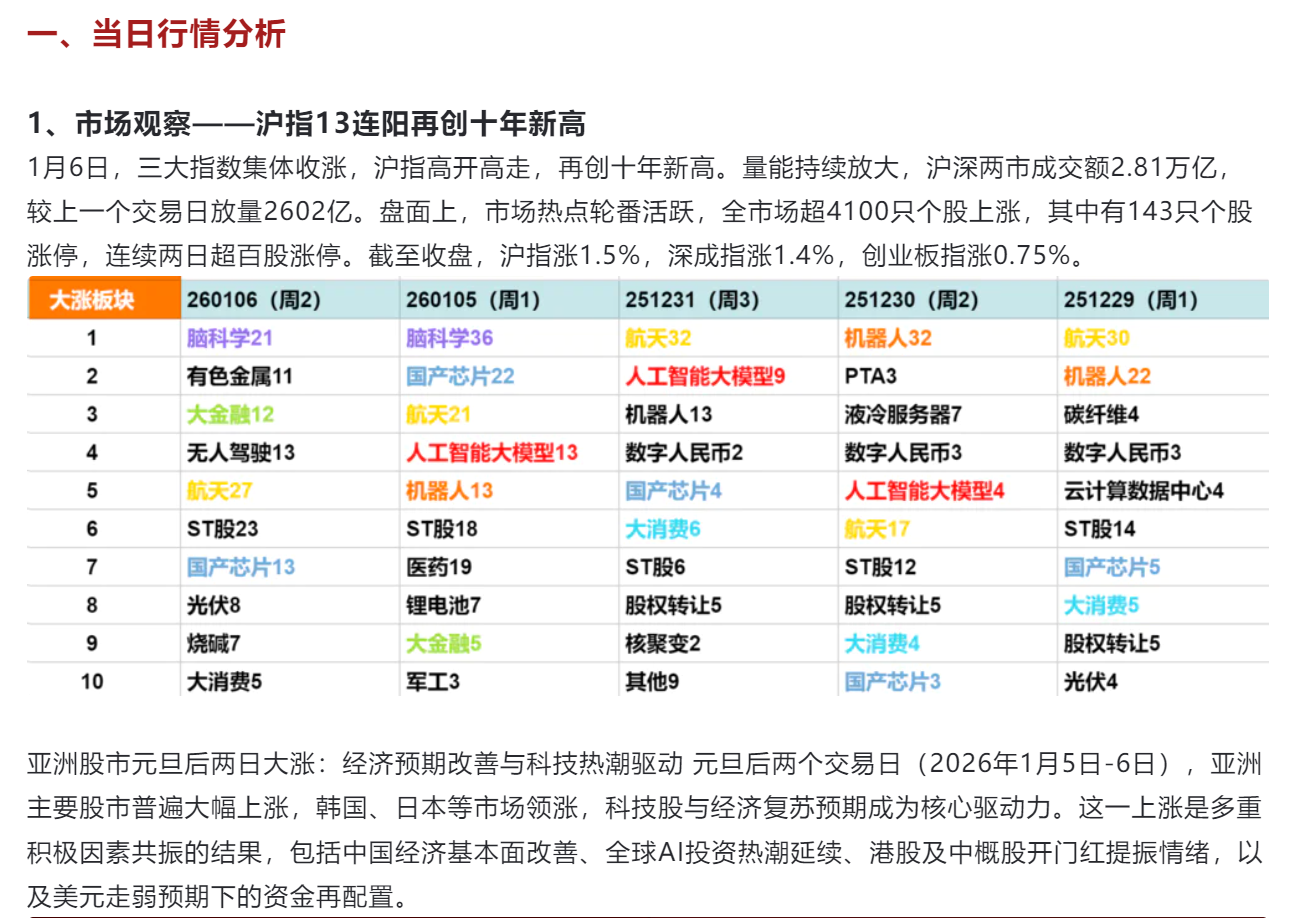
Market Overview - The Shanghai Composite Index achieved a 13-day consecutive rise, reaching a ten-year high on January 6, with a closing increase of 1.5% [1] - The total trading volume in the Shanghai and Shenzhen markets was 260.2 billion, indicating a significant increase in market activity [1] - Over 4,100 stocks in the market rose, with more than 100 stocks hitting the daily limit for two consecutive days [1] Sector Performance - Major sectors that saw significant gains included brain science, non-ferrous metals, and large financial institutions, with respective increases of 21, 11, and 12 stocks [2] - The technology sector, particularly AI and robotics, continued to drive market enthusiasm, with notable performances from companies like Samsung Electronics and TSMC [4][5] Global Market Trends - Asian stock markets experienced substantial gains post-New Year, driven by improved economic expectations and a surge in technology stocks [2] - The KOSPI index in South Korea rose by 5.65%, while Japan's Nikkei 225 increased by 4.33%, reflecting a broader regional trend of recovery [5] Investment Shifts - A significant amount of fixed-term deposits, approximately 32 trillion yuan, is set to mature in 2026, leading to a "deposit migration" phenomenon as investors seek higher returns [6] - Insurance products, particularly dividend insurance, are becoming attractive alternatives for low-risk investors, contributing to a surge in the insurance sector's stock prices [6] Policy Developments - A new policy encouraging large state-owned insurance companies to increase their investments in A-shares is expected to inject thousands of billions into the stock market annually [7] - This policy aims to channel a portion of new insurance premiums into the stock market, providing a crucial source of incremental capital [7] Technological Innovations - At CES 2026, advancements in AI and robotics were highlighted, including the introduction of a household humanoid robot named Neo, which signifies a new era in home automation [8] - The launch of a mass-producible all-solid-state battery by Donut Lab was announced, showcasing significant improvements in energy density and charging speed compared to traditional lithium-ion batteries [10] AI Developments - NVIDIA's CEO Huang Renxun announced breakthroughs in AI technology, emphasizing the transition from digital intelligence to physical AI, supported by new hardware architectures and memory storage solutions [11][12] - The introduction of the Rubin GPU, which significantly enhances processing capabilities and reduces inference costs, marks a pivotal advancement in AI computing [13][20] Industry Applications - The emergence of GPU-native databases is transforming data processing in AI applications, allowing for more efficient handling of high-concurrency requests [26][28] - Companies like Demingli are focusing on full-stack self-research capabilities, enhancing their competitive edge in the storage market through proprietary technology [30][33] Aerospace and Navigation - The company Hezhong Shizhuang is actively participating in the commercial aerospace sector, leveraging its high-precision positioning technology for rocket recovery and satellite applications [34][36] - Their self-developed chips and systems are crucial for providing real-time precise positioning in complex environments, enhancing the reliability of aerospace operations [36]
黄仁勋在2026CES上的发言,创新和增量在哪里?| 0106
Hu Xiu· 2026-01-06 14:49
Group 1 - The three major indices collectively rose, with the Shanghai Composite Index reaching a ten-year high [1] - The trading volume in the Shanghai and Shenzhen markets increased significantly, with a total turnover of 2.81 trillion yuan, an increase of 260.2 billion yuan compared to the previous trading day [1] - Over 4,100 stocks in the market experienced gains, with 143 stocks hitting the daily limit up, marking the second consecutive day with over a hundred stocks reaching this limit [1] Group 2 - By the close of trading, the Shanghai Composite Index rose by 1.5%, the Shenzhen Component Index increased by 1.4%, and the ChiNext Index gained 0.75% [1]
全年来看,一季度或许胜率最高
Hu Xiu· 2026-01-06 11:41
Group 1 - The core viewpoint is that market momentum is building, with the first quarter potentially having the highest winning rate for the entire year [3] - The domestic market continues to show a "good start" trend, with trading volume in the Shanghai and Shenzhen markets reaching 2.8 trillion yuan, a new high for the period [3] - If trading volume surpasses the symbolic 3 trillion yuan in the coming days, it may attract more individual investors, leading to increased market liquidity [3] Group 2 - There is notable interest from overseas funds, as evidenced by the appreciation of the RMB to 6.97, indicating a return of capital to Chinese assets [3] - The Hong Kong market has also performed well recently, suggesting that the upward momentum is supported by diverse sources of capital, including significant overseas fund inflows [3] - Institutional funds are repositioning for 2026, with a growing consensus that the technology sector may become the main focus in the first quarter [3] Group 3 - The focus on artificial intelligence is shifting towards downstream applications, indicating a trend in the industry [4] - There are several new signals emerging from policy developments that could impact the market [4]