Hu Xiu

Search documents
我们正在被“AI屎”喂饱?
Hu Xiu· 2025-09-18 01:57
Group 1 - The emergence of AIGC (AI-Generated Content) has significantly impacted the content creation landscape, particularly in the self-media sector, leading to an influx of creators and a surge in content volume [1][6][8] - AIGC has lowered the barriers to content creation, resulting in increased competition and a more saturated market, which has intensified the struggle for user attention and engagement [6][8][10] - The quality of content has not improved with the rise of AIGC; instead, it has led to a proliferation of homogeneous, fragmented, and low-quality content, making it harder for users to find valuable information [9][10][13] Group 2 - AIGC content is characterized by its suitability for explanatory, descriptive, and summarizing purposes, aligning with user needs for knowledge rather than opinion [14][16][18] - While AIGC can efficiently generate routine content, it often lacks creativity and depth, necessitating significant editing for high-quality outputs [25][30][32] Group 3 - AIGC poses risks of dependency and cognitive laziness among users, potentially diminishing their creative and critical thinking abilities over time [27][30][31] - The reliance on AIGC may lead to a homogenization of writing styles, stripping away individual expression and unique perspectives [32][33] Group 4 - Content creators can compete with AIGC by leveraging their unique strengths, such as innovative viewpoints, clear communication, comprehensive analysis, accuracy, and timeliness [36][37][39][40] - The ongoing evolution of AIGC may eventually challenge these advantages, necessitating continuous adaptation by human creators [42] Group 5 - AIGC's rapid content generation capabilities threaten the motivation and engagement of human creators, as AI can produce high-quality outputs in a fraction of the time [43] - The rise of AIGC in video content creation has also lowered production barriers, but the depth and narrative quality of such content remain concerns [45][47] Group 6 - The legal and ethical implications of AIGC, particularly regarding copyright and the potential infringement on original creators' rights, are significant issues that need addressing [48] - The societal impact of AIGC-generated content may lead to a decline in overall cultural appreciation and critical engagement, reflecting broader trends in consumer behavior [47][49]
又一家AI公司,惹怒好莱坞
Hu Xiu· 2025-09-18 01:45
Core Viewpoint - The lawsuit filed by Disney, Universal Pictures, and Warner Bros. against MiniMax highlights the growing tensions between Hollywood and AI companies over copyright infringement, particularly regarding the use of iconic intellectual property in AI-generated content [1][4][13]. Group 1: Lawsuit Details - The lawsuit accuses MiniMax's "Hailuo AI" of large-scale intellectual property infringement, with a 119-page complaint supported by 58 pieces of evidence [1]. - The core allegations focus on three stages of infringement: the training phase, where copyrighted content was illegally scraped; the generation phase, where highly similar content was produced; and the promotion phase, which encouraged infringement [6][7][9]. - MiniMax is accused of using unauthorized copyrighted works for training its AI model, resulting in outputs that closely resemble original characters and scenes [10][11]. Group 2: Industry Context - This lawsuit is part of a broader trend where Hollywood is increasingly taking legal action against AI companies, as seen in previous cases against Midjourney [4][13]. - The legal landscape is evolving, with potential for settlements that could set precedents for future AI copyright disputes [4][12]. - The ongoing disputes reflect a shift in the industry from unregulated data scraping to more structured partnerships, as seen with OpenAI's agreements with news organizations [26][27]. Group 3: Implications for AI Companies - The current legal challenges indicate that AI companies may need to adopt more robust copyright compliance measures to avoid litigation [23][28]. - The industry is moving towards a model where AI companies will increasingly engage in paid data collaborations with copyright holders to mitigate infringement risks [26][27]. - The outcome of these lawsuits could accelerate the maturation of the AI copyright licensing market, leading to a more defined framework for AI-generated content [29].


猫咪竟会因委屈而流眼泪?
Hu Xiu· 2025-09-18 01:13
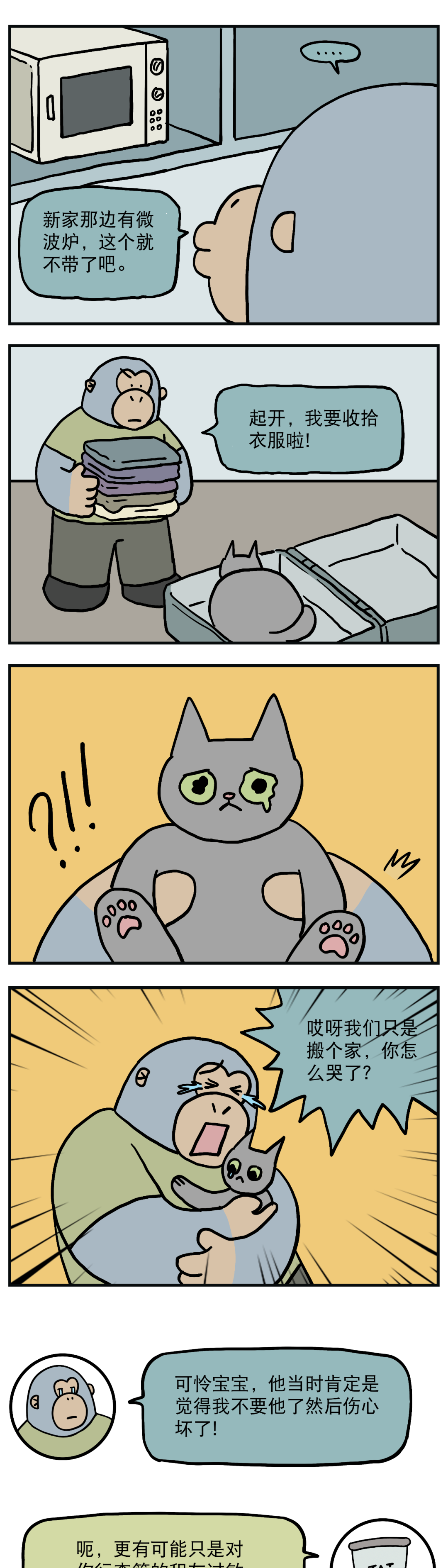
本文来自微信公众号:极简史,作者:飞鱼符,绘制:罐,监制:饿发,题图来自:AI生成 8/ My 00 l 哎呀我们只是 搬个家,你怎么买了? 9 . 可怜宝宝,他当时肯定是 G 觉得我不要他了然后伤心 坏了! 呢,更有可能只是对 ILI - 1-4 FL 7 c 你行学相的积火以致 7 …… 喂,干嘛这么铁石 G 心肠啦! 因为猫咪流泪与 0 情感无关。 从生理结构上讲,猫跟人类的泪腺系统的确很 类似,有泪腺、泪囊、鼻泪管等核心部件,其 中泪腺主要负责分泌泪液+润滑眼球的成分。 泪腺 泪腺 - 泪道 泪道 泪蔓 > 泪小管 皇泪管 泪蔓 泪小管 鼻泪管 别低头,别 猫通过眨眼. 眨眼,眼泪 这些泪液就均 会掉。 匀铺展在眼球 表面,形成泪 膜, 最终经由 鼻泪管流入鼻 腔。 但是这一系列过程是持续且自动的,与人类的情 感性流泪并不同。 你怎么也哭了!你也不想让这个 角色下线是吗?! 你想多了 我就是眼睛 不大舒服。 -些人类心理学家将流泪分为反射性流泪(如眼 睛被强光照射、进入异物等)和情感性流泪(如 十七山 | 米日ս dl In 一次出 v V V D T F 芯17、 己情绪而流眼泪的物种。 情感性流泪 ...

奥迪的一次“关键反击”
Hu Xiu· 2025-09-18 01:13
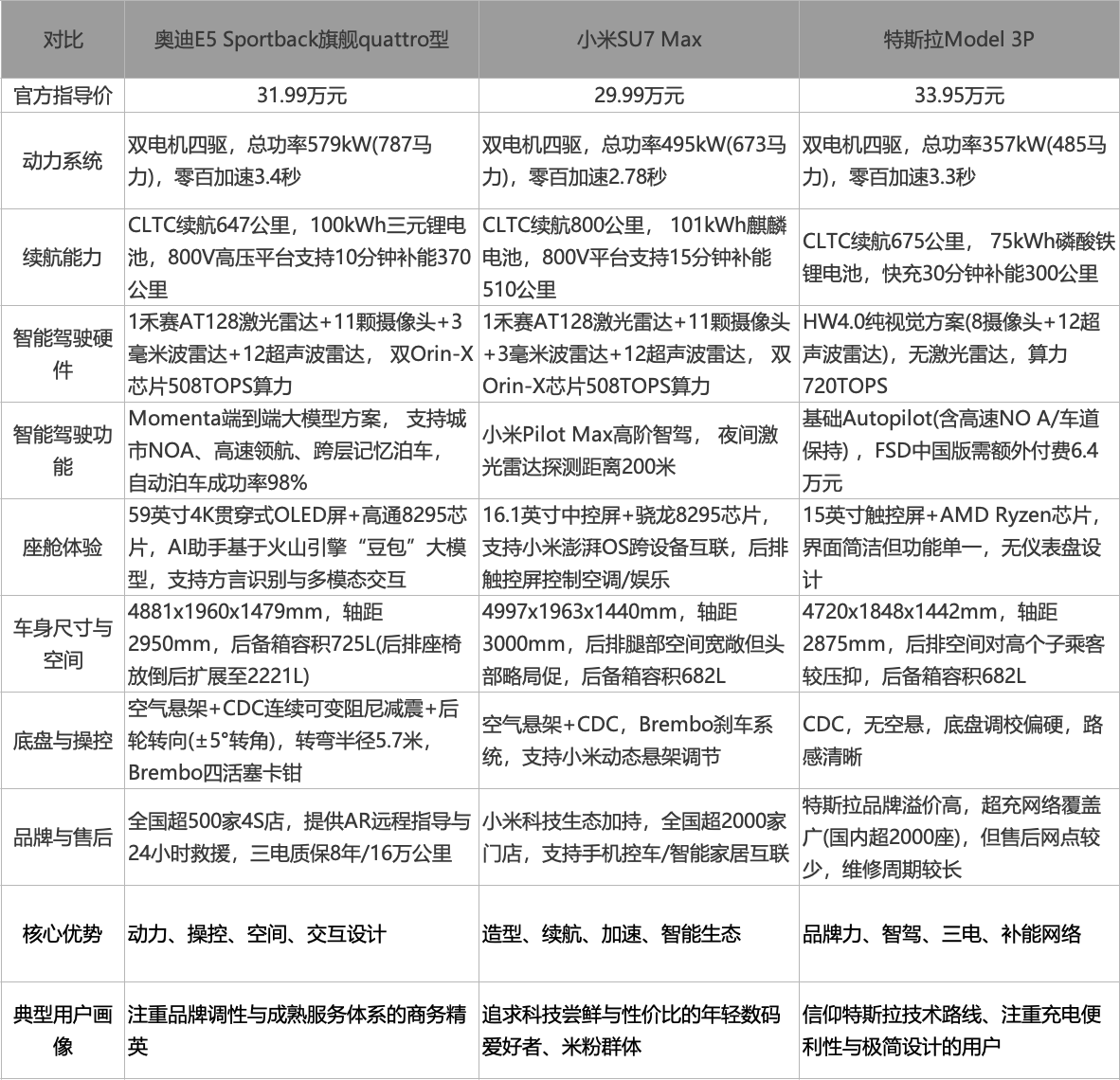
Core Viewpoint - The Audi E5 Sportsback is considered a significant product launch in the Chinese automotive market, reflecting key trends and strategies in the industry [1][5]. Group 1: Product Performance - The Audi E5 Sportsback received over 10,000 pre-orders within 30 minutes of its launch, indicating strong market demand [4]. - Approximately 60% of the initial orders were for models equipped with the quattro all-wheel-drive system, showcasing the product's appeal [4]. - The E5 Sportsback's color choice, with 35% opting for the popular "Morning Purple," highlights its attractiveness to consumers [4]. Group 2: Strategic Innovations - Audi's approach with the E5 Sportsback includes localizing technology, innovating brand strategy, and disruptive pricing [6]. - The vehicle features the renowned quattro technology, developed from decades of experience in chassis development and driving dynamics [6]. - Audi has introduced a new branding strategy by using the "AUDI" letter brand instead of the traditional four-ring logo, aiming to attract a new generation of consumers [6][8]. Group 3: Market Context - The pricing of the E5 Sportsback ranges from 235,900 to 319,900 yuan, strategically positioned to compete with major price segments of new domestic brands [8]. - The E5 Sportsback is seen as a response to the evolving demands of Chinese consumers who seek a combination of intelligence, performance, price, and brand strategy [9]. Group 4: Industry Trends - Audi's performance in the Chinese market has been challenged, with only 7,564 new energy vehicles registered in the first half of the year, while the luxury electric vehicle market penetration has surpassed 40% [11]. - Traditional luxury brands have struggled to keep pace with the electric transformation, as key technologies are dominated by Chinese companies [12]. - The shift from "overseas technology + local production" to "joint development + local innovation" is becoming essential for traditional luxury brands to thrive in China [13][16]. Group 5: Collaborative Efforts - Collaborations with Chinese companies like Huawei and Ningde Times are becoming common, as they provide essential technology and innovation for traditional luxury brands [14]. - The trend of deep integration with the Chinese automotive industry is seen as crucial for survival in the largest automotive market globally [16].
今年黄金周,没人坐大巴出境游了?
Hu Xiu· 2025-09-18 01:00
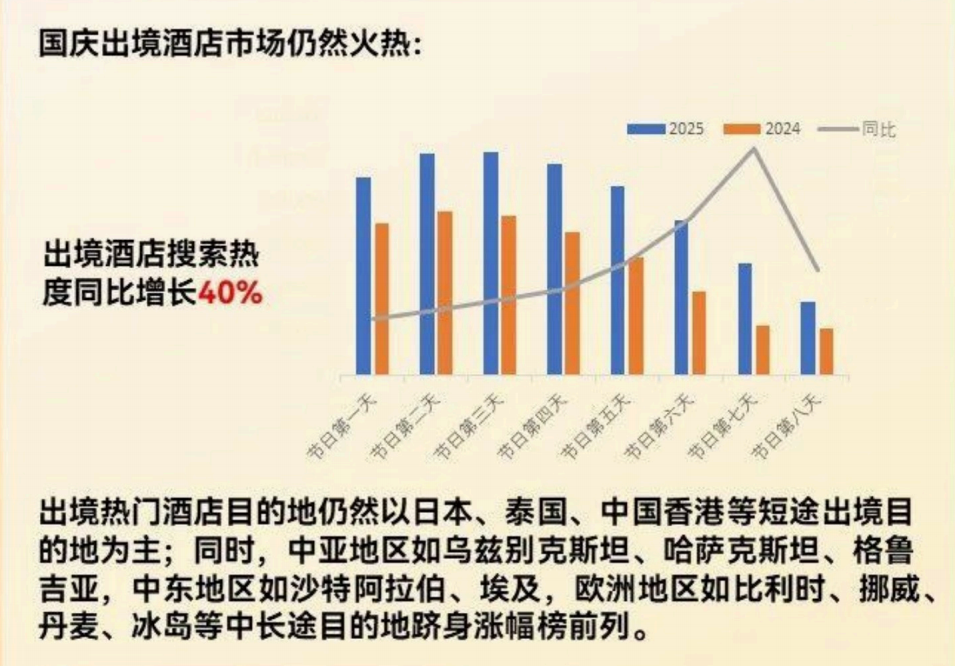
Group 1 - The core sentiment among outbound tour operators during the National Day holiday is one of significant decline in customer interest, with many reporting extremely low booking numbers compared to previous years [1][5][6] - Operators like Xiao Wei from a well-known travel agency in Yunnan reported only 18 participants for the entire holiday, a stark contrast to previous years where bookings were robust [6][10] - The traditional large bus tour model is facing challenges as the target demographic has been over-consumed or lacks the financial capability to participate, leading to a decline in interest for these types of tours [9][10] Group 2 - Despite a general increase in travel interest, as indicated by a 16% rise in flight bookings and a 40% increase in hotel search interest for outbound travel, large bus tours are not benefiting from this trend [11][12][15] - The shift in traveler preferences towards smaller, more personalized travel experiences is evident, as younger and middle-class travelers seek deeper engagement rather than the superficial experiences offered by traditional bus tours [17][32] - The travel industry is witnessing a transformation where the demand for group tours is declining, and the preference for independent travel and customized experiences is on the rise [36][41] Group 3 - The travel agency sector is experiencing a shift from being comprehensive trip planners to providing specific services, indicating a loss of traditional value in the eyes of consumers [40][49] - The trend towards smaller, boutique, and customized tours is accelerating, with some agencies successfully pivoting away from large group tours to meet changing consumer demands [44][50] - The future of outbound travel agencies will depend on their ability to adapt to fragmented travel needs and provide tailored solutions, or risk being left behind as consumer preferences evolve [51][52]
美国孤立主义背后的种族因素
Hu Xiu· 2025-09-18 00:47
Core Viewpoint - The article discusses the historical roots of American isolationism, emphasizing its connections to political, cultural, and racial factors, and how these elements have shaped the U.S. foreign policy over time [1][20]. Political Factors - Early American leaders, such as Washington and Adams, advocated for a cautious foreign policy due to the nation's geographical isolation and vulnerability as a new country [1]. - The founding fathers believed that democracy was ill-suited for handling foreign relations, leading to a preference for isolationism [1][4]. Cultural Values - Many early immigrants viewed America as a "city upon a hill," a chosen nation that should maintain distance from "corrupt cultures" of the world, reinforcing the idea of a morally pure society [2]. - The concept of "American Creed" emerged, emphasizing political values like individual rights, freedom, and equality, which defined American identity beyond ethnic or racial lines [4]. Racial Factors - Racial homogeneity has been a significant aspect of American identity, with historical figures expressing concerns about incorporating non-white populations into the nation [3][6]. - Throughout the 19th century, American expansionism was often limited by racial considerations, as seen in debates over the annexation of territories with non-white populations [7][8]. Historical Context - The article highlights specific historical events, such as the Mexican-American War and the acquisition of Hawaii, to illustrate how racial attitudes influenced expansionist policies [8][11]. - The reluctance to annex territories like the Dominican Republic and the Philippines was rooted in fears of racial integration and the potential disruption of the American social fabric [9][14]. Conclusion - The article concludes that American isolationism is deeply intertwined with racial identity and societal homogeneity, suggesting that contemporary trends may reflect a resurgence of these historical sentiments [20].
阿里进入马云溢价时刻
Hu Xiu· 2025-09-18 00:40
Core Insights - Jack Ma has injected three powerful energies into Alibaba: entrepreneurial spirit, reduced policy sensitivity, and the ability to seize opportunity windows [1][3]. Group 1: Stock Performance - Since February, Alibaba's stock price has nearly doubled, with a significant surge of almost 40% following the recent quarterly report [2]. - Despite the stock price being only half of its historical peak, there is potential for recovery and even surpassing previous highs if the right path is followed and morale is restored [6]. Group 2: Impact of Jack Ma's Return - Jack Ma's return has revitalized Alibaba's ability to capture opportunities, with cloud services becoming a growth engine and local services directly competing with Meituan [5]. - The company is now approaching breakeven in its overseas business and is actively engaging in the AI sector [5]. Group 3: Opportunities in the Market - Alibaba has the potential to capitalize on four major opportunities in the Chinese internet and technology sectors: internationalization, new technologies including AI and fintech, globalization of the supply chain, and the transition of local services from infrastructure and user expansion to user value realization [3][4].

破产的中智行与出局的“中国自动驾驶第一人”
Hu Xiu· 2025-09-18 00:01
Core Points - The article discusses the downfall of Zhongzhixing, a once-prominent autonomous driving company, culminating in its bankruptcy due to inability to repay debts and significant financial liabilities [3][42]. - The narrative highlights the journey of its founder, Wang Jin, who was once a leading figure in the industry but faced numerous challenges and conflicts throughout his career [5][56]. Group 1: Company Overview - Zhongzhixing was founded by Wang Jin, who previously held significant positions at major tech companies, including Baidu, where he was the first general manager of the autonomous driving division [6][12]. - The company adopted a unique approach by focusing on "vehicle-road collaboration" technology instead of the more common "single-vehicle intelligence" strategy, believing it to be a path to surpass competitors like Waymo [25][56]. - In 2022, Zhongzhixing introduced the "Light Vehicle, Familiar Road" system, which aimed to reduce the computational power required in vehicles and relied heavily on roadside infrastructure [27][28]. Group 2: Financial Challenges - The company faced severe financial difficulties, leading to large-scale layoffs, unpaid wages, and project halts, ultimately resulting in a court ruling for bankruptcy in September 2025 due to an inability to pay a labor arbitration amount of 15,000 yuan [43][48]. - Despite having ongoing commercial projects that could cover operational costs, the company struggled with cash flow issues, leading to its eventual collapse [45][56]. Group 3: Leadership and Management Issues - Wang Jin's management style was characterized by a centralized decision-making approach, which alienated key stakeholders and led to the departure of several core team members [38][41]. - His idealistic belief in technology's ability to drive business success often clashed with the practical needs of the market, causing the company to miss critical opportunities for commercialization [55][56]. - The internal conflicts and Wang Jin's frequent exits from leadership roles contributed to the company's instability and eventual failure [52][56].

预制菜坐拥万亿市场,为什么我们还是难以接受?
Hu Xiu· 2025-09-18 00:01
预制菜市场规模已逼近5000亿,年增速高达33.8%,但多数人仍难以完全接受。真正让人纠结的不是预 制菜本身,而是"不透明",以及被当作现做菜售卖的欺骗感,消费者真正关心的也只是我们吃进肚子里 的到底是什么。 ...
被养老院劝退的老人
Hu Xiu· 2025-09-17 23:42
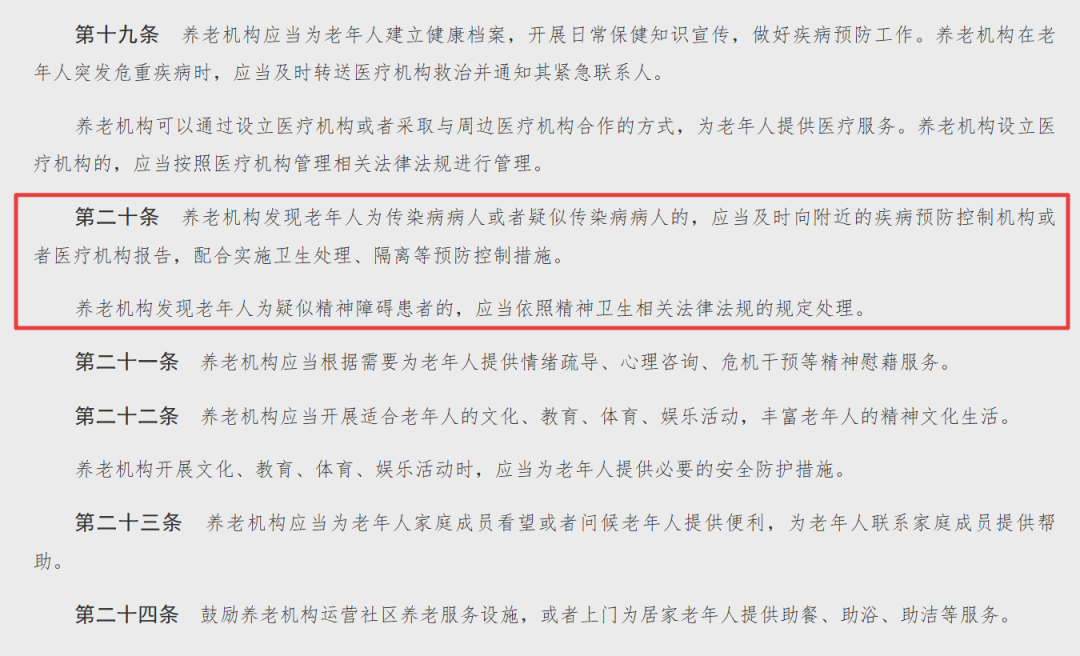
Core Viewpoint - The article discusses the challenges and realities faced by elderly individuals seeking admission to nursing homes, highlighting the strict policies and hidden requirements that can lead to rejection or withdrawal from these facilities [1][2][3]. Group 1: Management Guidelines - Nursing homes adhere to a strict "red line" policy, refusing admission to elderly individuals with infectious diseases unless they are fully cured [5][6]. - The Ministry of Civil Affairs' 2020 regulations mandate that nursing homes report any suspected infectious disease cases to health authorities for necessary preventive measures [6][7]. - Similar regulations apply to elderly individuals with mental disorders, where admission depends on the stability of their condition and the facility's capabilities [8][9]. Group 2: Implicit Requirements - Some elderly individuals may be "politely declined" admission due to the behavior and expectations of their family members [12][13]. - Families often view themselves as consumers, expecting nursing homes to take full responsibility for care without collaboration [14][15]. - Effective communication and cooperation between families and nursing homes are crucial for ensuring the safety and well-being of elderly residents [20][25]. Group 3: Responsible Withdrawal - Nursing homes may suggest transferring residents to specialized medical facilities if their health deteriorates beyond the institution's capacity to manage [27][28]. - Families may resist medical intervention for their elderly relatives due to concerns about costs or misunderstandings about treatment [31][34]. - The decision to "withdraw" a resident is often a responsible action aimed at protecting the health of all residents and maintaining the quality of care [35][36].