
Hu Xiu

Search documents
所有讨厌开会的人——终于等到救星了
Hu Xiu· 2025-10-17 00:04
Core Insights - The article discusses how AI has finally addressed the long-standing issue of meetings, suggesting that those who dislike meetings should pay attention to this development [1] Group 1 - AI technology is being leveraged to improve the efficiency and effectiveness of meetings, potentially transforming how organizations conduct them [1] - The article highlights the frustrations associated with traditional meetings, indicating a widespread sentiment among employees [1] - The solution provided by AI aims to streamline the meeting process, making it more productive and less time-consuming [1]
土耳其,竟然把“挪车”做出千万月流水
Hu Xiu· 2025-10-16 23:51
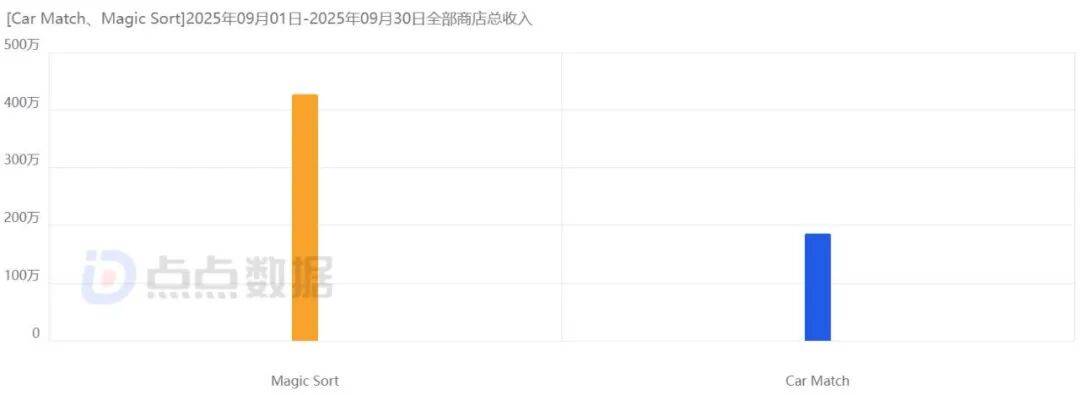
Core Insights - The article discusses the success of the mobile game "Car Match," which has achieved significant monthly revenue by innovatively combining the parking theme with puzzle mechanics, leading to a monthly revenue of approximately $2 million [3][21]. Group 1: Game Development and Strategy - "Car Match" has successfully integrated the parking theme with match-3 mechanics, resulting in a unique gameplay experience that resonates with players [11][22]. - The game's developers, Grand Games, have a strong background in the casual gaming industry, having previously co-founded Good Job Games, which has also produced successful titles [4][5]. - Grand Games employs a strategy of leveraging proven game mechanics and popular themes to reduce risk and enhance monetization potential [9][10]. Group 2: Financial Performance - "Car Match" has reported a recent 30-day revenue of $2.02 million, with a significant portion coming from iOS, indicating strong performance in the mobile gaming market [3][19]. - The game has shown promising retention metrics, outperforming competitors in the days following installation, particularly in the D7 to D90 retention rates [20]. Group 3: Gameplay Mechanics and User Experience - The game features a gradual difficulty curve, introducing new mechanics progressively to maintain player engagement and satisfaction [15][17]. - Visual innovations, such as cartoonish car designs with interactive elements, enhance the user experience and contribute to the game's appeal [12][22]. - Regular in-game events and activities are implemented to sustain player interest and increase monetization opportunities [18][21].

年轻正当多穷游
Hu Xiu· 2025-10-16 23:44
Group 1 - The recent Golden Week saw a record high of 2.432 billion trips, equivalent to one-third of the global population traveling, with 888 million tourists and a total domestic spending of 809 billion CNY, an increase of 108.2 billion CNY compared to the same period last year [1] - The increase in tourism numbers is partly due to the holiday being extended to 8 days this year from 7 days last year, suggesting that the actual growth in tourism may not be as significant when adjusted for the additional day [2] - Despite the increase in tourist numbers, overall spending per person has decreased, with average daily spending at 113.88 CNY, down 12.98% from last year [2] Group 2 - The occupancy rates for certain high-end accommodations remain high at over 90%, but prices have decreased by more than 10% compared to last year, indicating a trend of "price for volume" [3][4] - The post-95 generation has emerged as the main demographic for travel, with a significant portion of bookings made by this age group, and a notable trend of independent travel among those born after 2005 [5] - Young travelers are increasingly adopting cost-saving measures, such as renting tents instead of booking hotels and seeking affordable dining options, reflecting a shift towards budget-conscious travel [6] Group 3 - The rise of "frugal travel" has sparked debates, with some criticizing it as a negative trend, while others see it as a reflection of changing values among younger generations [7][8] - The article highlights the contrast between traditional views on poverty and the current mindset of young travelers, who are more open to discussing and embracing budget travel [26][30] - The younger generation's approach to travel is seen as a potential source of hope for societal and national development, emphasizing the importance of understanding and supporting their choices [30][31]

新加坡国资告了蔚来:租电池是“财务注水”吗?
Hu Xiu· 2025-10-16 23:37
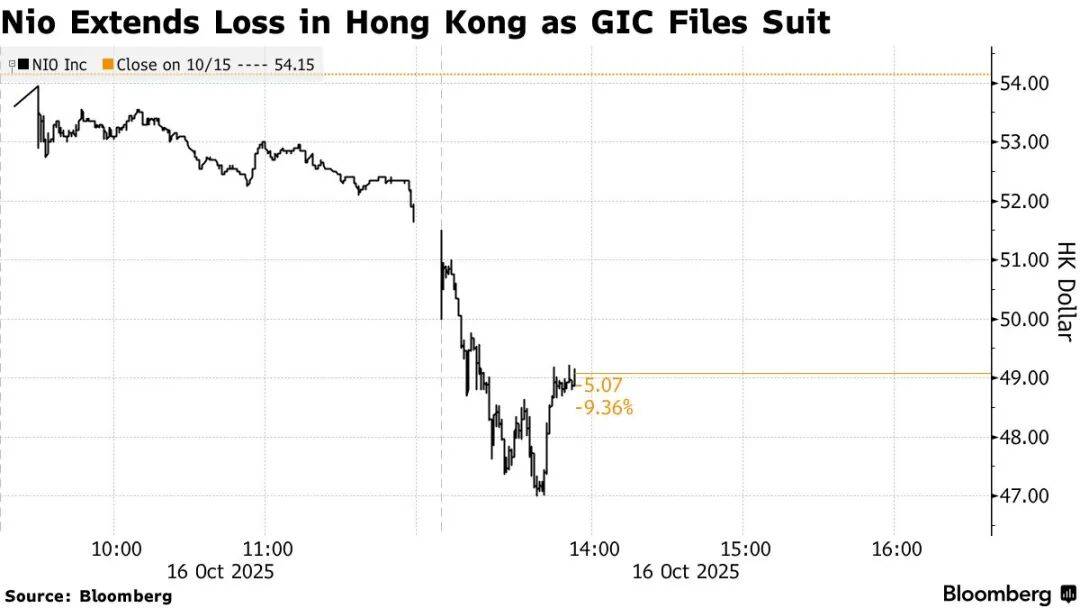
Core Viewpoint - NIO, a Chinese electric vehicle manufacturer, faces significant stock declines following a lawsuit from Singapore's Government Investment Corporation (GIC), which accuses the company of inflating revenue and profits through its Battery-as-a-Service (BaaS) model [2][3][8]. Group 1: Stock Performance - NIO's stock experienced a sharp decline, with Hong Kong shares dropping by 13%, Singapore shares down by 10.2%, and U.S. night trading falling over 10% [2][3]. Group 2: Lawsuit Details - GIC has filed a lawsuit in a U.S. court, alleging that NIO inflated its financial results, similar to previous accusations made by Grizzly Research in 2022 [7][8][12]. - The lawsuit centers around NIO's BaaS model, which allows customers to purchase vehicles without batteries, leading to concerns about the accuracy of reported revenues [21][22]. Group 3: BaaS Model Controversy - NIO's BaaS model has been criticized for potentially inflating financial data, with reports indicating that 10% of revenue and 95% of net profit in the first nine months of 2021 were attributed to this model [22]. - The establishment of Wuhan Weining, a company that purchases batteries from NIO and rents them to BaaS customers, has raised questions about the legitimacy of NIO's revenue recognition practices [24][28]. Group 4: Financial Implications - GIC's lawsuit claims that NIO's revenue surged from 2.85 billion yuan to 6.64 billion yuan in Q4 2020 due to these accounting practices, which contributed to a peak stock price of $62 [31]. - The lawsuit suggests that NIO's financial reporting may have misled investors, resulting in significant losses for GIC when the stock price subsequently fell [32]. Group 5: Previous Investigations - NIO has previously addressed these concerns, stating that its BaaS revenue recognition complies with GAAP standards, and independent investigations have not found substantial issues with its financial reporting [44][45]. - The ongoing legal situation is complicated by a prior collective lawsuit against NIO related to similar allegations, which is currently on hold pending the resolution of GIC's case [49].

如何利用特朗普谈判策略套利?
Hu Xiu· 2025-10-16 23:37
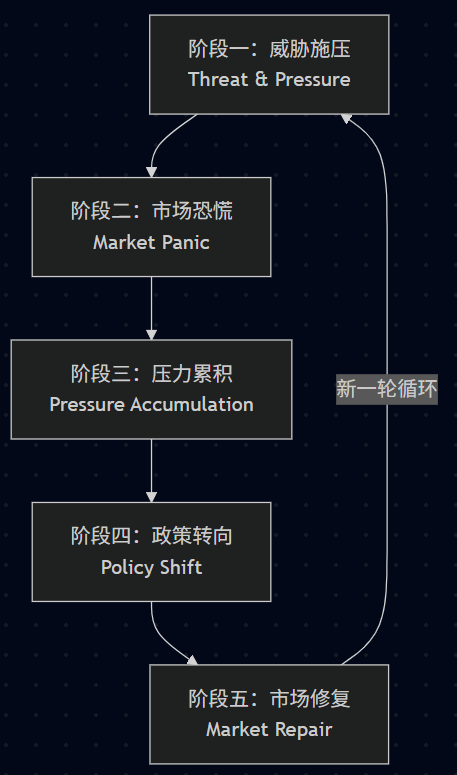
Group 1 - TACO trading, which stands for "Trump Always Chickens Out," is a policy arbitrage strategy based on predicting Trump's behavior of extreme pressure followed by compromise [2][3] - The essence of TACO trading is to capture and utilize market fluctuations caused by the classic "threat-compromise-repair" structure of policy, transforming highly uncertain political games into predictable financial returns [3][4] - The core assumption of TACO trading is that despite initially showing extreme hardline positions, the Trump administration will ultimately yield to more market-friendly stances when faced with significant pressures [4][5] Group 2 - TACO trading features a five-stage cycle: Threat & Pressure, Market Panic, Pressure Accumulation, Policy Shift, and Market Repair [10][11] - The first stage involves the Trump administration using tariff threats as negotiation leverage, while the second stage sees market panic leading to significant adjustments in risk assets [12][13] - The third stage accumulates pressure from declining stock markets and worsening economic data, leading to a policy shift in the fourth stage, where the administration releases signals to ease tensions [15][18] Group 3 - TACO trading has evolved from a simple 1.0 version focused on single tariff threats to a more complex 2.0 version that considers multiple dimensions of pressure [22][24] - TACO 2.0 requires simultaneous pressures from economic, political, and market factors to trigger a policy shift, with a more gradual adjustment process [25][32] - Key indicators for TACO 2.0 include non-farm employment data, unemployment rates, and market thresholds such as stock market corrections and bond yields [26][31] Group 4 - The effectiveness of TACO trading is currently facing three core risks: reduced internal and external constraints on the U.S., structural changes in China's economic fundamentals, and market path dependency creating a risk of inertia [47][48][51] - The U.S. has made progress in trade agreements with Europe and Japan, allowing for a longer maintenance of a hardline stance [48] - China's export dependence on the U.S. has decreased significantly, reducing the necessity for early compromise from the Chinese side [51][54]
6天前,全球又见证了一场“郁金香泡沫”的破裂
Hu Xiu· 2025-10-16 23:37
Core Viewpoint - The recent crash of the USDe stablecoin, which fell from $1 to $0.65 on Binance, raises questions about the stability of stablecoins in general, likening it to a "tulip bubble" collapse [1][6]. Summary by Sections USDe's Rise and Fall - USDe aimed to be a decentralized "synthetic dollar" not reliant on the banking system or dollar reserves, appealing to users in a fragmented crypto world [1]. - The high yields of USDe, reaching double digits in bull markets and up to 50% annualized in extreme conditions, attracted significant investment, leading to rapid growth in market capitalization [3][5]. - Following the passage of the U.S. "GENIUS Stablecoin Act," USDe's market cap surged, briefly surpassing other stablecoins like Dai [5]. Mechanism of USDe - USDe operates differently from centralized stablecoins, relying on market and algorithmic mechanisms for its stability rather than dollar reserves [8]. - Its stability mechanism involves a balance of collateral (ETH) and derivatives for hedging, which theoretically maintains its value around $1 [10]. - The introduction of "risk-free arbitrage" strategies during bull markets increased leverage, creating vulnerabilities that were exposed during market downturns [8][11]. Trigger for the Crash - The crash was triggered by a significant drop in Bitcoin and Ethereum prices, following comments from Trump about tariffs on Chinese imports, leading to a broader sell-off in risk assets [9]. - The market panic resulted in a liquidity crisis, exacerbated by the reliance of USDe on dynamic hedging mechanisms that failed under extreme volatility [11][12]. Market Structure and Implications - The crash primarily occurred on Binance, the largest derivatives market, where the rapid depletion of buy orders led to a sharp price drop [13]. - Other exchanges experienced limited price fluctuations due to more stable trading structures, indicating that the issue was more about market microstructure than a systemic failure of stablecoins [15][14]. Trust and Stability of Stablecoins - The incident highlights that the stability of algorithmic stablecoins like USDe is contingent on market liquidity rather than actual dollar reserves, making them vulnerable in unstable conditions [16]. - The article raises critical questions about the reliability of both algorithmic and reserve-backed stablecoins, emphasizing that trust is the fundamental underpinning of their value [22][24]. - Historical parallels are drawn to the collapse of the gold standard and the Bretton Woods system, illustrating that trust in the backing asset is crucial for stability [19][21].

打工人的三十岁,开始靠健身解决体态问题
Hu Xiu· 2025-10-16 23:31
Core Insights - The article highlights the increasing prevalence of posture-related issues among workers in their 30s, driven by sedentary lifestyles and the resulting physical discomfort [1][6][16] - There is a growing trend towards "posture anxiety," with various corrective products and fitness programs emerging to address these concerns [5][9][23] Group 1: Posture Issues and Trends - Common posture problems include rounded shoulders, hunching, and pelvic tilt, which are becoming more recognized among the workforce [17][18][21] - The popularity of "relaxation and stretching" courses among individuals aged 24-44 indicates a shift in fitness preferences towards pain management rather than traditional muscle building [2][4] - The rise of social media influencers and fitness coaches focusing on posture correction reflects a burgeoning market for posture improvement solutions [4][24] Group 2: Market Demand and Consumer Behavior - The massage industry is thriving, with over 16,000 massage establishments in Shanghai alone, catering to the demand for pain relief and relaxation [9][10] - Young consumers, particularly those born after 1985, are driving the sales of massage devices, indicating a shift in consumer spending towards health and wellness products [10][11] - The fitness industry is adapting to these needs, with gyms and trainers offering specialized programs aimed at correcting posture and alleviating pain [27][29] Group 3: Long-term Implications and Solutions - The article suggests that while exercise can help improve posture, long-term maintenance requires consistent effort and self-care [28][30] - It emphasizes the importance of recognizing that not all posture issues are severe, and some may not require immediate intervention [26][32] - The narrative around posture improvement is evolving, with a focus on balancing awareness of body mechanics and the potential for over-commercialization of posture-related concerns [32][33]
西方媒体集体点赞?中国“电力奇迹”让美国记者看傻了
Hu Xiu· 2025-10-16 23:18
Core Viewpoint - Western media collectively praises China's ultra-high voltage (UHV) transmission technology, highlighting its role in addressing the century-old challenge of uneven energy distribution [1] Group 1 - China's UHV technology is recognized as a significant achievement in solving energy distribution issues [1] - The media describes this development as a "power miracle" for China, emphasizing its innovative approach [1]
把12个AI凑到一起打工,它们竟然搞起“小团体”?
Hu Xiu· 2025-10-16 14:04
Core Insights - The presentation discusses the rise of large AI models and their implications for individuals and society, emphasizing the need for adaptation and understanding of these technologies [2][3][21]. Group 1: Evolution of AI - The journey of artificial intelligence has evolved from solving single-domain problems to the pursuit of general AI, which can address a wide range of issues [12][21]. - Significant milestones in AI history include IBM's Deep Blue defeating a chess champion in 1997, Google's AlphaGo defeating a Go champion in 2016, and the launch of ChatGPT by OpenAI in 2022, marking the beginning of the large model era [17][19][21]. Group 2: Capabilities of Large Models - Large models can interact using natural language, generate creative content, and even understand cultural references, showcasing their versatility [24][29]. - Experiments have shown that large models can perform well on standardized tests, with results indicating that they can surpass 90% of real test-takers in certain subjects [33][34]. Group 3: Impact on Work and Innovation - The emergence of large models is predicted to affect 80% of jobs in the U.S., with knowledge-intensive roles being the most susceptible to automation [55][56]. - The transition to AI-driven work environments may lead to the creation of new job opportunities, similar to how past technological advancements have reshaped labor markets [62]. Group 4: Recommendations for Adaptation - Individuals are encouraged to embrace large models, understanding their capabilities and limitations to leverage them effectively in various fields [72][74]. - Continuous learning and cross-disciplinary education are emphasized as essential strategies for thriving in an AI-driven future [79][81].

如何让大脑变得更聪明?
Hu Xiu· 2025-10-16 13:51
Core Points - The article discusses simple habits that can enhance brain efficiency and intelligence through effortless lifestyle changes [1][3]. Group 1: Music and Cognitive Function - Listening to upbeat music can stimulate the dorsolateral prefrontal cortex (DLPFC), which is crucial for working memory, planning, and decision-making [4][5]. - A study in 2022 found that just three minutes of listening to appropriate music can improve cognitive task performance [10]. - "Appropriate music" is defined as music that is enjoyable and has a rhythmic quality that encourages movement [6][8]. Group 2: Walking and Brain Health - Walking, especially at a brisk pace, can enhance cognitive abilities by increasing blood flow and oxygen to the brain [12][13]. - Fast walking is more beneficial than slow walking, as it promotes better brain function and reduces the negative effects of prolonged sitting [15][16]. Group 3: Language Learning - Learning a foreign language can optimize neural connections and enhance cognitive reserve, making the brain more resilient to aging and damage [21][22]. - Engaging in listening and speaking activities in a foreign language can further stimulate brain regions and improve cognitive function [23]. Group 4: Summarization and Cognitive Efficiency - Developing a habit of summarizing and synthesizing information can enhance neural efficiency, making cognitive processes more streamlined [24][25]. - This practice encourages the brain to simplify and optimize neural connections, leading to improved thinking abilities [27][28]. Group 5: Gaming and Brain Engagement - Playing games can serve as effective brain training, enhancing various cognitive functions such as hand-eye coordination and spatial awareness [29][30]. - Engaging in games that require active participation can maintain brain vitality and promote cognitive development [32][31]. Group 6: Social Interaction - Socializing is a powerful way to strengthen the prefrontal cortex, as it requires quick thinking, understanding, and communication [35][38]. - Activities that involve interaction, such as board games or team sports, can also enhance cognitive skills like attention and memory [39][40]. Group 7: Reading Fiction - Reading novels can simulate real-world interactions and environments, providing a training ground for the brain to adapt to different social situations [44][46]. - This form of engagement can enhance understanding and adaptability to various personalities and contexts, contributing to cognitive growth [48][50].