
Hu Xiu

Search documents
身为普通人,到底该如何提高生活与工作效率?
Hu Xiu· 2025-10-17 02:15
我今年36岁,研究生毕业第二年就生了娃,现在是工作的第八年。我的生活主要由以下几方面组成: 1.职场人,在一家规模不小的咨询公司做部门负责人; 2.海淀妈妈,养育一个三年级的孩子,平时和老公双职工独立带娃; 3.自媒体人,我有自己的微信、小红书、知乎账号,并且收益不错; 4.长期健身爱好者,每周至少三次规律训练。 除了以上,我的其他爱好是读书(纸质书为主)、听脱口秀、户外、攀岩、做做护肤和按摩、干家务和收纳。 下图是我家日常情况,打扫的和样板间似的。 在饮食上,我不怎么忌口,可乐、甜点、薯片,想吃就吃,因为吃这些开心;每顿饭只吃八分饱。从来不吃夜宵,一日三餐定时定量,从不挨饿,也不暴 饮暴食。 我坚持运动,60%是力量训练,剩下40%是自己喜欢的多类型的运动,比如攀岩、有氧、爬山、普拉提瑜伽等等选。 就连出差也是带着弹力绳和运动鞋。 这么多年,我基本从不熬夜,10:00上床,不带手机进卧室。我就是那个可以常年早睡的狠人。 晚10:00~早7:00,保证我充足的睡眠! 如果有急事忙,我会选择早起。比如5:00起来,干工作到7:00。 身为一个普通人,我在能力范围内,已经尽量做到家庭、工作、个人的平衡。并且目前看 ...


你愿意在国外一直生活,还是以后回国呢?
Hu Xiu· 2025-10-17 02:03
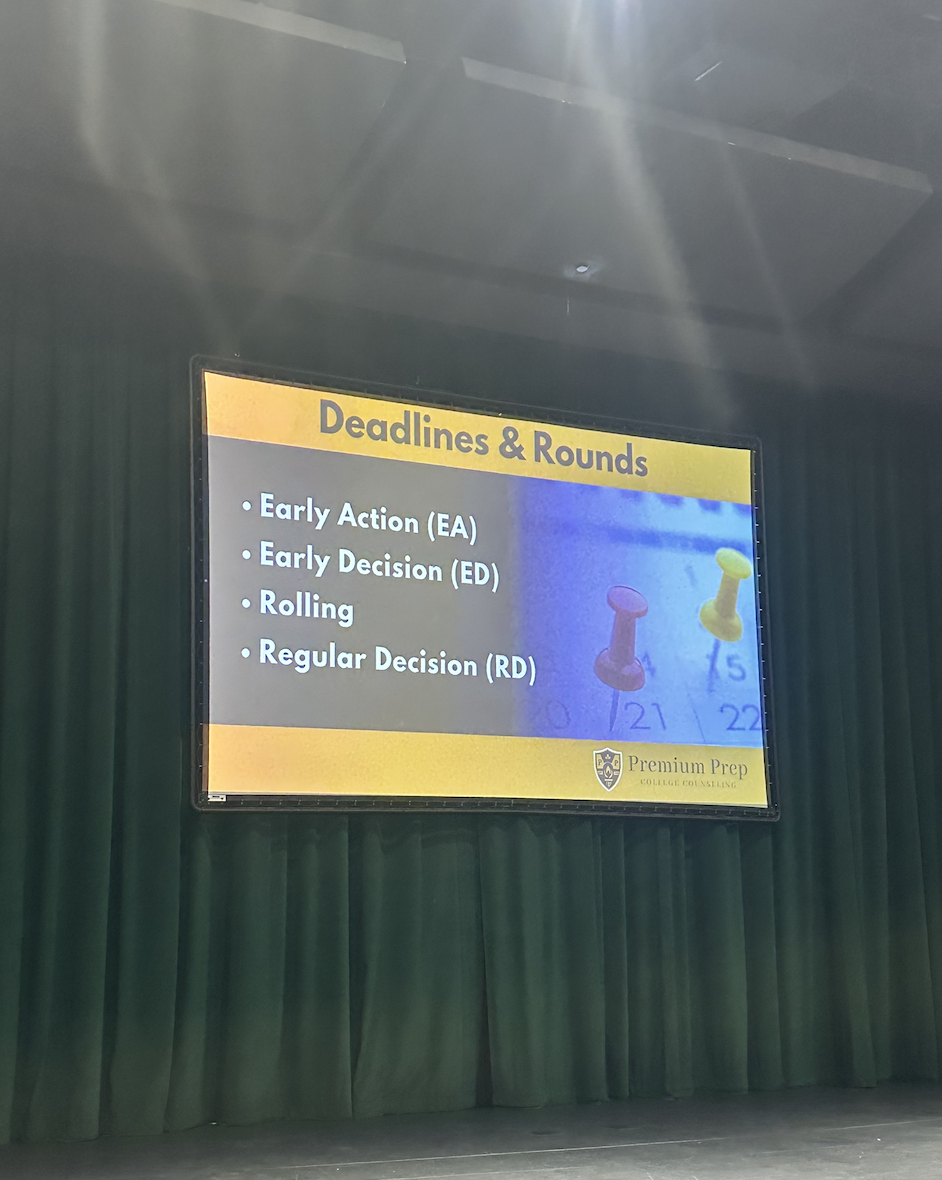
昨晚睡前,我和儿子聊了一个很久前就想问他的问题: 你愿意在国外一直生活还是以后想回国呢? 我解释说,当初妈妈带你出来读书,没有问过你将来到底想在外面闯荡还是想回国生活,因为你还小,不可能理性地回答这个问题;而且此前一直以父母 的意愿来安排你的路径,比如"妈妈希望你能有机会出去看看""成年之前就早点多一点不同文化的体验"之类,却没有站在你的立场上去了解你内心的真实 想法。 为什么突然想起要问他这个问题呢? 最近,出了新书《周易的野心》《周易有答案》系列的梁冬与李一诺的对话中,提到"诚实面对自己与他人"。梁冬认为,对自己和他人诚实意味着在重大 人生问题上,不能仅以单一视角作决定,尤其是在父母代表孩子作出出国读书等跨越性选择时,更应征求和包含孩子本人的意愿与真实感受。 实际上,一诺在多个访谈中也曾一再强调,养育是父母自我成长的过程,许多看似为孩子做的决定,其实往往是父母在寻找自己的安全感和价值投射。 在她与陈行甲、武志红等的对话中,她也多次提到,父母如果忽略了孩子的主体性,会让"好心"变成枷锁。 同理,我想到,是否出国读书之类的教育决策,如果只反映了父母的焦虑或比较心,则脱离了这种真实和诚实。 学校的升学宣讲 一 ...
GDP超日赶德,印度能否成为世界新老大?
Hu Xiu· 2025-10-17 01:56
Core Insights - India's economy has surpassed $4.19 trillion, officially becoming the world's fourth-largest economy, overtaking Japan [1] - Prior to 2000, India was ranked outside the top 10 in global GDP, but has rapidly ascended the ranks since 2017, surpassing several established economies [1] Economic Growth - The significant growth trajectory of India's economy is highlighted by its rise from a lower-ranking position to the fourth-largest in just eight years [1] - The transition reflects India's successful economic strategies and reforms that have contributed to its rapid development [1]
AI泡沫三问:怎么还不崩?
Hu Xiu· 2025-10-17 01:37
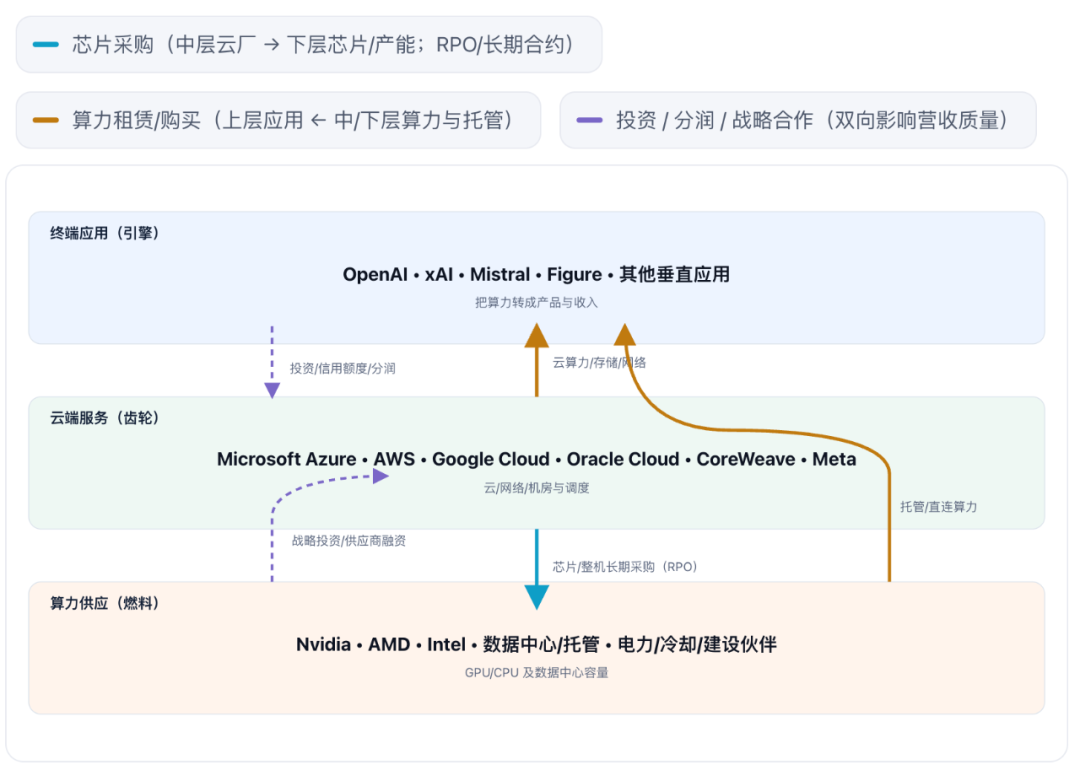
Core Viewpoint - The current narrative in the U.S. market revolves around the concepts of "bubbles," "crashes," and the anticipation of a potential collapse, particularly in relation to AI and private credit sectors [1][2][38]. Group 1: Bubble Identification - Identifying a bubble is challenging, but the aftermath reveals a recognizable pattern: new technologies ignite expectations, prices soar, and speculation ensues, leading to a "hot potato" scenario [3][4]. - The classic prelude to a crisis can be summarized in three categories: speculative bubbles driven by "hot potato" dynamics, misallocation of capital, and shadow banking that amplifies downturns [6][8]. Group 2: Key Questions for Analysis - Three critical questions to assess potential bubbles include: 1. Is the investment driven by the intent to sell to a "greater fool"? 2. Are funds being misallocated away from genuinely promising companies? 3. Is the current boom heavily reliant on debt, with creditors poised to withdraw support? [9][10]. Group 3: AI Sector Analysis - The AI sector is experiencing a surge in investment, with significant partnerships and funding among major players like OpenAI, Nvidia, and Oracle, raising concerns about the sustainability of this growth [14][28]. - The concept of "circular revenue" is prevalent, where companies invest in each other without real demand, leading to questions about the health of the underlying market [22][24]. - Evidence suggests that AI investments are crowding out funding for other sectors, with substantial capital expenditures projected in the AI infrastructure space [27][30]. Group 4: Debt and Leverage Concerns - The current AI boom may be underpinned by high leverage, particularly in shadow banking, which could exacerbate volatility during downturns [35][36]. - The complexity of contractual agreements in the AI ecosystem raises concerns about transparency and the true nature of demand, indicating potential risks if the market shifts [36][37]. Group 5: Conclusion on AI Bubble - Overall, the AI sector is viewed as a bubble, reminiscent of the internet boom in 2000, where the technology and long-term value are genuine, but a correction may be necessary [38].





国行iPhone Air首发实测:eSIM的坑我们帮你都踩了
Hu Xiu· 2025-10-17 01:37
Core Insights - The overall experience of activating eSIM for the domestic version of iPhone Air in China is not ideal due to initial operational challenges and policy restrictions, although the efficiency of the process is commendable [2][10]. Group 1: eSIM Activation Process - The process of converting a physical SIM to eSIM is similar to that of traditional SIM activation, requiring the submission of identification and old phone numbers [3]. - The writing process for eSIM takes less than 5 minutes, with additional time spent on introductions and signing agreements [4]. - Users can still use their physical SIM until the eSIM is activated, at which point the physical SIM will be deactivated [7]. Group 2: Regional Limitations - Despite announcements suggesting cross-regional activation, users found that eSIM conversion is not possible across provinces, requiring users to be in their number's registered area for activation [8][9]. - This limitation poses challenges for users in major cities who may not reside in their number's registered area [9]. Group 3: Roaming and External SIMs - The eSIM experience for international roaming remains unchanged compared to physical SIMs, with no noticeable differences [14]. - The domestic version of iPhone Air cannot activate eSIM services from foreign carriers, and the ability to activate foreign eSIMs while abroad is uncertain [15][17]. Group 4: Cost and Package Changes - There are no additional fees for converting from a physical SIM to eSIM, although some users reported a temporary charge that was refunded [20][21]. - Existing packages can be retained without changes or additional fees when switching to eSIM [22]. Group 5: eSIM Migration - Users must visit a service center to migrate eSIM to a new device or revert to a physical SIM, which requires identity verification [26]. - Each migration counts against the monthly limit of five card replacements per user [27]. Group 6: User Experience and Staff Training - The activation and migration process for eSIM in China is perceived to be more cumbersome compared to experiences with overseas carriers [30]. - Staff training for eSIM services has been rushed due to the sudden launch of the iPhone Air, leading to potential inefficiencies [32][33].


电磁弹射技术,如何让航母战力惊人飞跃?
Hu Xiu· 2025-10-17 00:44
Group 1 - The core message is that the successful launch and recovery of the J-15T, J-35, and KJ-600 aircraft from the Fujian aircraft carrier using electromagnetic catapult technology marks a significant advancement in China's naval capabilities [1][4][5] - The KJ-600, as China's first carrier-based fixed-wing early warning aircraft, enhances the long-range warning command chain, significantly extending air defense and strike capabilities [1][4] - The J-35, a fifth-generation stealth carrier-based fighter, is designed to secure air superiority for carrier strike groups, while the J-15T has improved flight platform, avionics, and weapon systems, allowing for enhanced operational flexibility [1][5] Group 2 - The introduction of electromagnetic catapult technology allows for more efficient launch and recovery of aircraft, ensuring that the early warning system remains operational [3][5] - Compared to traditional steam catapults, electromagnetic systems offer advantages such as precise thrust adjustment, lower maintenance costs, and shorter reset times, thereby increasing aircraft sortie rates [5][31] - The J-35 has become the world's first stealth carrier-based fighter to complete electromagnetic catapult launches, showcasing China's technological advancements in naval aviation [5][31] Group 3 - The electromagnetic catapult system has a higher energy utilization efficiency of around 60%, significantly surpassing the 4% to 6% efficiency of steam catapults, making it a more economical choice for aircraft launch [31][34] - The system's compact design occupies less space on the carrier, allowing for simultaneous takeoff and landing operations, which enhances operational efficiency [31][34] - The electromagnetic system's high controllability enables the launch of various aircraft types, as demonstrated by the successful launch of three different aircraft models from the Fujian carrier [31][34]

不是线上使我们生活低质,而是线下早已荒芜
Hu Xiu· 2025-10-17 00:30
Group 1 - The article discusses the proliferation of low-quality content on social media, suggesting it reflects the low quality of offline life, and questions whether this trend will continue if offline conditions do not improve [1][2][3] - The need for low-quality online content stems from a lack of quality in offline experiences, as illustrated by the example of a security guard in a poor working environment and elderly relatives consuming short videos for companionship [2][3] - The essence of competition in content creation is about making individuals feel "confirmed in their existence," highlighting the importance of real-life connections over virtual interactions [4][6] Group 2 - The article contrasts the temporary satisfaction provided by online content with the deeper emotional connections that can only be achieved through real-life interactions, emphasizing that social media cannot replace genuine relationships [6][7] - It categorizes individuals into three groups: content consumers seeking better spiritual lives, online content providers creating a safety net, and those offering real-life experiences that provide tangible connections [8][9][10] - The discussion concludes with the notion that as technology evolves, the definition of "existence" is being redefined, emphasizing the importance of being a genuine human in a world increasingly influenced by AI [11][12]
日本“万达”,为何能年入千亿日元?
Hu Xiu· 2025-10-17 00:23
Core Insights - UR (Urban Renaissance Agency) is a significant player in Japan's rental housing market, owning 730,000 rental units across the country, which represents only 3%-4% of the total rental population in Japan [1][2][3] - UR operates as a government-backed entity, providing stable cash flow through its extensive property management and urban renewal initiatives [3][13][14] - The agency's unique position allows it to leverage government support and a stable operational model, differentiating it from private rental companies [17][24][25] Group 1: UR's Business Model - UR is a semi-official organization under the supervision of the Ministry of Land, Infrastructure, Transport and Tourism, focusing on urban renewal and rental housing [13][10] - The properties managed by UR are primarily apartments, with a significant cost advantage of 20%-30% lower than private rentals in the same area, and no additional fees such as key money or renewal fees [12][30] - UR's operational strategy includes regular renovations every 15-25 years, ensuring the quality and longevity of its housing stock [11][27] Group 2: Market Position and Competition - UR's ability to acquire land and manage properties gives it a competitive edge over private developers, as it can undertake urban renewal projects without the same financial pressures [18][21] - The agency's focus on long-term stability and community integration allows it to maintain a low vacancy rate of approximately 3%-4%, significantly lower than the private rental market [30][25] - UR's role in the housing market is comparable to major real estate companies in China, such as Wanda and Vanke, highlighting its importance in Japanese society [5][6][17] Group 3: Societal Impact - UR plays a crucial role in addressing Japan's aging population and housing needs, offering affordable housing options that cater to various demographics, including families and elderly residents [11][45][59] - The agency's initiatives, such as the "near living" discount for families, promote intergenerational living and community cohesion [45][60] - UR's influence extends beyond housing, contributing to urban planning and social stability in Japan, which is increasingly relevant as the country faces demographic challenges [58][62][64]

“300万预算,1000元中标”:医院超低价采购被叫停
Hu Xiu· 2025-10-17 00:17
Core Viewpoint - The incident involving Jiangxi University of Traditional Chinese Medicine's procurement of a biochemical immunoassay analysis line at an unusually low price of 1,000 yuan against a budget of 3 million yuan highlights systemic issues in the medical equipment procurement process, particularly concerning "abnormally low bids" and the implications of government policies aimed at curbing such practices [1][2][3]. Group 1: Incident Overview - Jiangxi University of Traditional Chinese Medicine has suspended the procurement project and initiated an investigation following media reports of the low bid [1]. - The procurement project was publicly announced on September 4, with a budget of 3 million yuan and a maximum price of 1.6 million yuan, yet the winning bid was only 1,000 yuan [3][4]. - The incident has drawn attention from government bodies, the university, and the public, indicating a broader concern regarding procurement practices in the medical sector [2]. Group 2: Industry Context - The low bid is part of a troubling trend in the medical equipment industry, where suppliers often submit abnormally low bids to secure contracts, anticipating profits from subsequent sales of consumables [7][11]. - Similar incidents have been reported in other regions, with instances of extremely low bids for the same type of equipment, suggesting a widespread issue rather than isolated cases [6][4]. - The IVD (in vitro diagnostics) industry is experiencing significant pressure due to government policies aimed at reducing costs, leading to a competitive environment where companies resort to low pricing strategies to maintain market share [11][12]. Group 3: Government Response - The Chinese government has recognized the issue of "involutionary competition" in procurement practices and is taking steps to regulate and standardize bidding processes [12][13]. - Recent government reports have highlighted the need for audits and corrective actions regarding low-price bids, indicating a shift towards stricter oversight in procurement practices [13]. - The central government has set goals for 2025 to address these competitive practices, signaling a commitment to improving the market environment for medical procurement [12].

老板被抓、强制退市,600亿水果帝国崩了
Hu Xiu· 2025-10-17 00:10
Core Insights - The article discusses the rise and fall of Hong Jiu Fruit, once hailed as "China's first fruit stock," highlighting the lessons learned from its rapid decline [2][4][53] - It emphasizes the common pitfalls in the consumer industry that can lead to failure, particularly in the context of cash flow management, governance, market trends, and brand trust [14][47][52] Group 1: Company Overview - Hong Jiu Fruit was listed on the Hong Kong Stock Exchange in September 2022 with a market value of HKD 60 billion, claiming a significant share of the durian market in China [5][6] - The company reported a revenue of CNY 15.08 billion and a net profit of CNY 1.452 billion in 2022, with a staggering year-on-year profit increase of 405% [6] - However, within 18 months, the company faced suspension due to failure to disclose its 2023 annual report, leading to its eventual delisting in October 2025 [8][13] Group 2: Key Pitfalls - The first pitfall identified is a "self-destructive" cash flow model, where the company relied heavily on prepayments to suppliers while extending long payment terms to retailers, resulting in a cumulative cash outflow of CNY 4.06 billion from 2019 to 2022 [16][18] - The second pitfall is the lack of oversight due to family governance, where key positions were filled by relatives, allowing for unchecked financial decisions, such as the approval of CNY 3.42 billion in prepayments to shell companies [23][26] - The third pitfall involves misjudging market trends, as the company continued to focus on high-end imported fruits while consumer preferences shifted towards more affordable options, leading to unsustainable pricing strategies [32][34] - The fourth pitfall is the erosion of brand trust, as the founders engaged in questionable practices, including stock sell-offs and misleading communications with employees, ultimately damaging the company's reputation [40][42] Group 3: Lessons for the Industry - Companies in the consumer sector should prioritize cash flow management over rapid scaling, conducting regular cash flow stress tests to avoid financial crises [47][48] - It is crucial to establish robust governance structures early on, incorporating external oversight to prevent conflicts of interest and ensure accountability [50] - Staying attuned to consumer trends and market data is essential for adapting business strategies, as reliance on outdated perceptions can lead to significant losses [51][52]