
Hu Xiu

Search documents
在硅谷,我见过教育如何被算法改写
Hu Xiu· 2025-10-16 13:38
Core Insights - Education is evolving into a product that can be iterated upon, with a focus on quantification and efficiency in teaching methods [1][2][3] Group 1: Education as a Product - In Silicon Valley, education is treated like a product, with structured processes for course design, testing, and feedback [5][7] - Courses are developed in a systematic manner, akin to product launches, where every aspect is measurable and optimized [8][9] - The role of educators is shifting, with students being viewed as participants in a project rather than traditional learners [9][10] Group 2: The Collapse of Standard Answers - The traditional notion of education is challenged, as students are encouraged to think critically rather than seek singular correct answers [16][20] - The experience of learning is framed as a complex cultural issue rather than a straightforward personal choice [17][25] - The educational system often imposes a singular path, which can stifle creativity and critical thinking [21][22] Group 3: High Barriers in Education - The education sector is facing significant challenges, as seen during the upheaval in 2021 that affected many educational consulting firms [26][28] - The importance of emotional safety in education is highlighted, emphasizing that true learning occurs in a supportive environment [35][36] - The perception of educators as infallible can hinder their ability to connect with students and foster a safe learning space [37][39] Group 4: The Centrality of Human Presence - The significance of human interaction in education is underscored, with technology serving as a tool rather than a replacement for personal engagement [40][50] - The role of educators is to create environments where students feel seen and understood, which is essential for effective learning [39][67] - The future of education relies on educators who are willing to recognize and nurture the human aspects of learning [68]


一代官商的体制化死路:当世界首富遭遇民族英雄
Hu Xiu· 2025-10-16 13:18
Core Insights - The article discusses the historical significance of silver trade and its impact on China's economy and civilization, highlighting how China became the ultimate destination for global silver during the 16th to 18th centuries [2][5][6]. Group 1: Historical Context - The influx of silver into China was a result of Western colonial powers seeking to exchange their silver for Chinese goods, marking a significant trade imbalance [4][5]. - China's "silver standard" monetary system created a massive and stable demand for silver, making it the final destination for global silver [3][5]. Group 2: Economic Dynamics - China acted as both a "perfect consumer" and "ultimate producer," absorbing global silver and providing unparalleled luxury goods such as tea, porcelain, and silk, which the West could not match [3][4]. - The trade surplus generated from this dynamic was a reward for China's unified civilization and mature economic structure [5][7]. Group 3: Systemic Challenges - The reliance on silver trade led to a lack of urgency for internal reforms within the Qing government, creating a path dependency that hindered necessary changes [12][28]. - The eventual shift in trade dynamics, particularly after the Industrial Revolution, exposed the vulnerabilities of China's traditional agricultural and handicraft-based economy [13][29]. Group 4: Individual Narratives - The article highlights the contrasting fates of two historical figures: Wu Bingjian, the world's richest man, and Lin Zexu, a national hero, illustrating the tension between commercial interests and national sovereignty [20][21]. - Wu Bingjian's wealth was tied to the Qing dynasty's system, which ultimately became a trap, leading to his downfall as the system collapsed [10][28]. Group 5: Future Implications - The narrative suggests that a new governance system is needed to reconcile the interests of commercial capital and national sovereignty, which was not achievable in the 19th-century Qing dynasty [33].
韩国“偷文化”的报应,终于还是来了?
Hu Xiu· 2025-10-16 13:05
韩国偷文化的胆子,真是一年比一年肥。前段时间,电视剧《藏海传》刚在韩国刚放了个先导片,韩国 网友直接破防了,说剧里明朝服饰抄韩服。明朝1368年就有这款式,韩国这是穿越回去抄的? ...
中国第一个资源枯竭城市,现在什么情况了?
Hu Xiu· 2025-10-16 12:59
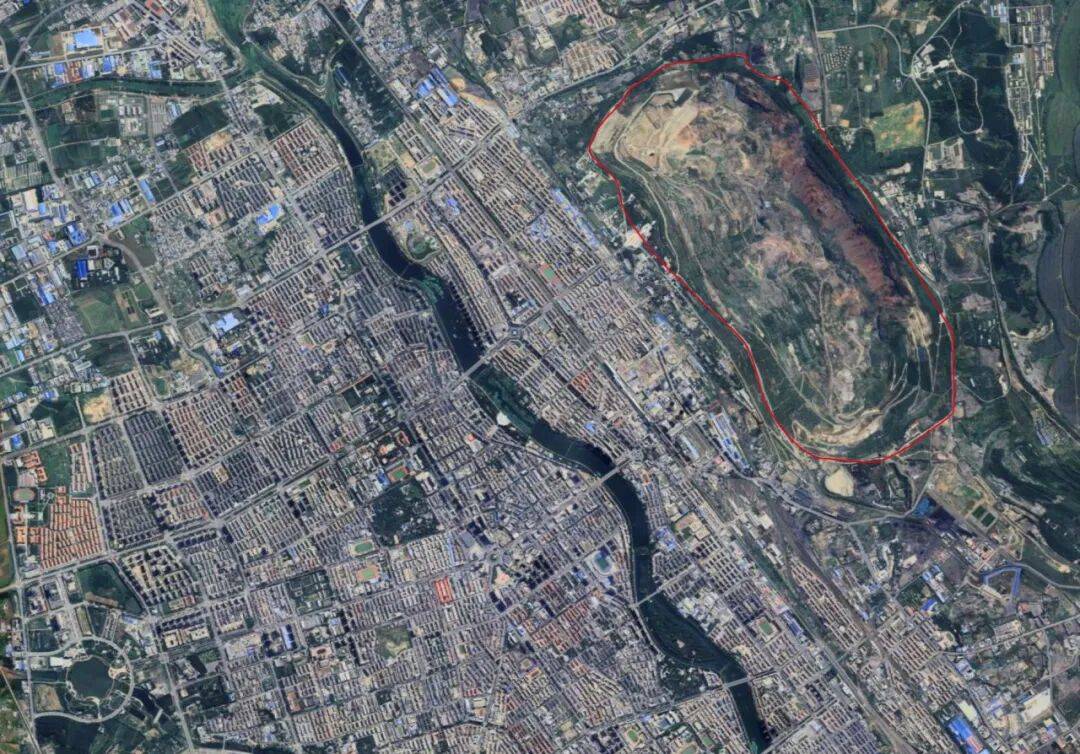
Core Insights - Fuxin City in Liaoning Province is recognized as China's first resource-depleted city, primarily due to its historical reliance on coal mining [7][11][23] - The Haizhou Open-Pit Mine is noted as the first large-scale modern open-pit coal mine in New China, measuring 4 kilometers in length, 2 kilometers in width, and 350 meters in depth [4][24] - Fuxin was designated as a pilot city for economic transformation due to resource depletion as early as 2001, prior to its inclusion in the first batch of resource-depleted cities in 2008 [15][23] Historical Context - Fuxin's history as a coal mining hub began in the late Qing Dynasty, leading to its development as a significant economic center [50] - The city has a rich cultural heritage, including Mongolian and Tibetan Buddhist influences, with notable sites such as the Wangfu and the Ruiying Temple [25][33][38] Current Status - Despite its classification as a resource-depleted city, Fuxin continues to develop, with a vibrant city center that contrasts with the typical image of such cities [63][67] - The local economy has diversified beyond coal, with remnants of its industrial past visible in areas like the Chengnan Industrial Park, which has seen better days [59][61] - Fuxin's nightlife and local businesses, such as the popular Xinhua Ice Cream shop, indicate a lively urban environment [64]
低调又神秘的电子黑板产业,可能比家长更焦虑
Hu Xiu· 2025-10-16 12:25
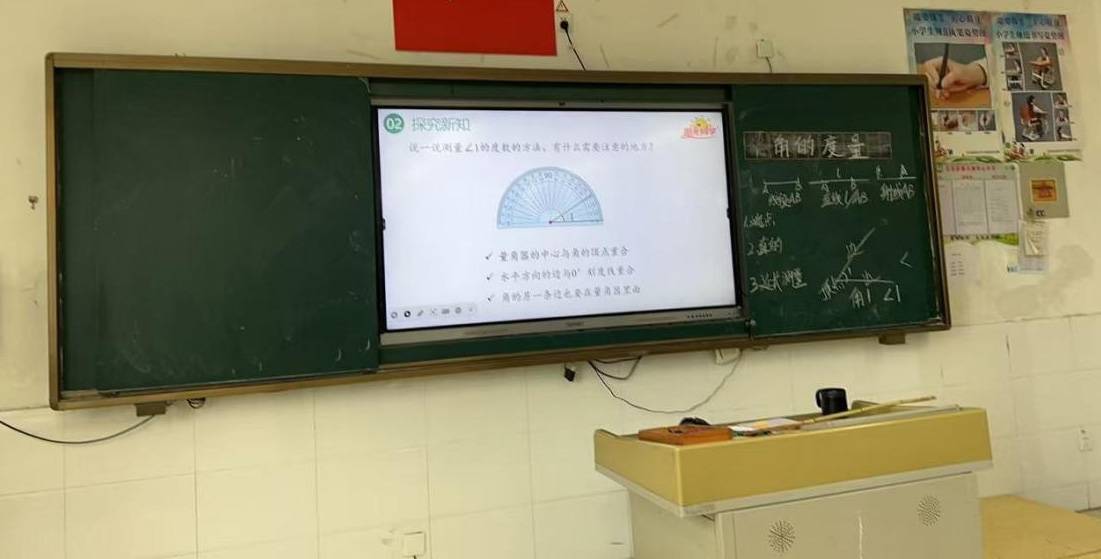
Core Viewpoint - The increasing prevalence of electronic blackboards in primary and secondary education has sparked concerns among parents regarding their impact on children's eyesight, despite official assurances that they do not directly affect vision [1][3][17]. Industry Overview - As of 2023, the multimedia classroom penetration rate in Chinese primary and secondary schools has exceeded 95% [1]. - The electronic blackboard industry is substantial but lacks comprehensive market size data; however, IDC projects the market to reach approximately 18.6 billion RMB in 2024, with a year-on-year growth of 12.3% [4]. - The education sector accounts for about 68% of the electronic whiteboard market, with the number of ordinary high schools increasing by 2.36% in 2023 [7][8]. Market Dynamics - Major players in the electronic blackboard market include traditional education equipment manufacturers like Seewo and Honghe, which hold a combined market share of 52%, while tech companies like Huawei and iFlytek are growing rapidly at 120% [5][22]. - The market is experiencing a shift as the number of schools is projected to decline due to falling birth rates, impacting future growth [14]. Financial Insights - Seewo's parent company reported a revenue of 10.565 billion RMB in the first half of 2025, with a 4.39% year-on-year increase, but net profit decreased by 19.66% [12][14]. - The education funding in China has seen a compound annual growth rate of 8.17% from 2015 to 2021, increasing from 3.6129 trillion RMB to 5.7874 trillion RMB [8]. Technological Advancements - The industry is moving towards "eye protection technology," with companies like Haier and iFlytek introducing innovations aimed at reducing eye strain [20][21]. - AI integration is becoming a key focus, with the global AI education market projected to grow from 5.18 billion USD in 2024 to 7.05 billion USD in 2025, indicating a significant opportunity for electronic blackboard companies [25][30]. Competitive Landscape - The competitive environment is evolving, with companies investing heavily in R&D; Seewo's parent company allocated 1.4 billion RMB for R&D in 2024, while iFlytek's R&D spending reached 4.58 billion RMB [23]. - The market is witnessing a shift from traditional players to tech companies leveraging AI, creating a new competitive dynamic [22][29].
特朗普关税大棒刚起,是如何被稀土管制按下去的?
Hu Xiu· 2025-10-16 12:05
Core Viewpoint - The recent decline in the U.S. stock market is described as a minor warning, suggesting that future actions will become increasingly severe until the U.S. fully recognizes the reality of the situation [1] Group 1 - The article indicates that a series of significant actions have been taken, implying a strategic intent from the East [1]
你“吃下”了多少化石燃料?
Hu Xiu· 2025-10-16 11:39
Core Insights - The food system is heavily reliant on fossil fuels, consuming at least 15% of the world's fossil fuels and 40% of petrochemical products, which are crucial derivatives of fossil fuels [1][2][3] Group 1: Fossil Fuel Consumption in Food Systems - Over 42% of fossil fuel consumption in the food system occurs during food processing and packaging, while nearly 38% is used in retail and kitchen cooking [3][5] - The food system consumes 40% of global petrochemical products, with 34% used for fertilizer production, highlighting the significant role of fossil fuels in agricultural inputs [5][8] Group 2: Nitrogen Fertilizer and Environmental Impact - Nitrogen fertilizer production is a major contributor to fossil fuel consumption, with its usage increasing by 800% since 1961, particularly in high-income countries [9][10] - The nitrogen fertilizer supply chain contributes to 2% of global greenhouse gas emissions, with 60% of emissions arising from the application of fertilizers in the field [9][10] Group 3: Energy Use in Food Processing - The food processing sector is energy-intensive, with 60% to 70% of its total energy consumption coming from heat generated by burning fossil fuels [19][23] - Ultra-processed foods, which are heavily reliant on fossil fuels, account for a significant portion of caloric intake in both high-income and low-income countries [19][23] Group 4: Plastic Use and Waste in Food Systems - The food system is a major consumer of plastics, with 74% of petrochemical products used in plastic and fertilizer production, and Asia being a significant contributor to global plastic packaging [23][24] - Less than 10% of plastics are recycled globally, with food packaging being one of the most challenging types to recycle due to contamination [25][26] Group 5: Recommendations for Reducing Fossil Fuel Dependency - The report suggests eight actions to reduce the food system's reliance on fossil fuels, including promoting ecological agriculture, reducing plastic production, and curbing ultra-processed food consumption [30]
当苹果AI开始赋能开发者,一张照片换来苹果设计大奖?
Hu Xiu· 2025-10-16 11:32
Core Insights - Tim Cook expressed optimism about Apple's potential to empower developers through AI technologies [1] - Capwords, a small team, developed a language learning app that became the first iOS application from China to win an Apple Design Award, showcasing the impact of Apple's tools on small developers [1] - The rapid advancement of edge AI technology suggests that the next significant AI application may be on the horizon [1]

日本——清退外国人,2025经管新政
Hu Xiu· 2025-10-16 11:00
如果你真的想来生活,能扛得住资金压力,愿意扎根、愿意面对日本的规矩——那目前也许是好事儿。 乱象出清,留下的才是真乘客。因为这艘大船,虽然关了后门,但前甲板,依旧灯火通明...... ...
机炒盖码饭,“收割”写字楼打工人
Hu Xiu· 2025-10-16 11:00
Core Insights - The rise of "盖码饭" (Gai Ma Fan) as a popular choice among workers in major cities like Beijing and Shenzhen has transformed it into a leading fast food option, particularly for takeout during lunch hours [1][2][6] Group 1: Market Dynamics - Gai Ma Fan has become a staple in the lunch options for workers, with brands like "霸碗" (Ba Wan) claiming over 1,000 stores nationwide and selling over 70 million servings annually [3][4][6] - The trend of Gai Ma Fan moving into shopping malls, with 60% of Ba Wan's locations in such venues, indicates a shift towards higher traffic and upgraded brand positioning [5][6] - The overall growth of Gai Ma Fan brands has been accelerated by capital investment and franchise expansion, leading to a rapid increase in brand numbers and store counts [6][7] Group 2: Consumer Preferences - Gai Ma Fan caters to the evolving consumer demand for fresh, healthy meals, contrasting with the declining popularity of traditional "盖浇饭" (Gai Jiao Fan) due to rising costs and changing tastes [9][10][11] - The appeal of Gai Ma Fan lies in its ability to provide freshly stir-fried meals without pre-packaged ingredients, which resonates with younger consumers seeking quality and flavor [12][14] - The combination of affordable pricing, generous portions, and customizable meal options makes Gai Ma Fan particularly attractive to workers [17][19] Group 3: Technological Integration - The integration of cooking robots in brands like Ba Wan has allowed for cost reduction and standardization, enabling faster service and consistent quality [24][25][26] - While the use of technology enhances efficiency, it has also led to mixed consumer perceptions regarding the authenticity and flavor of the meals, with some customers expressing concerns about the lack of personal touch [28][30][31] - The challenge for brands is to balance speed with maintaining a sense of warmth and flavor in their offerings, as consumer expectations evolve [32]