
Bei Ke Cai Jing

Search documents
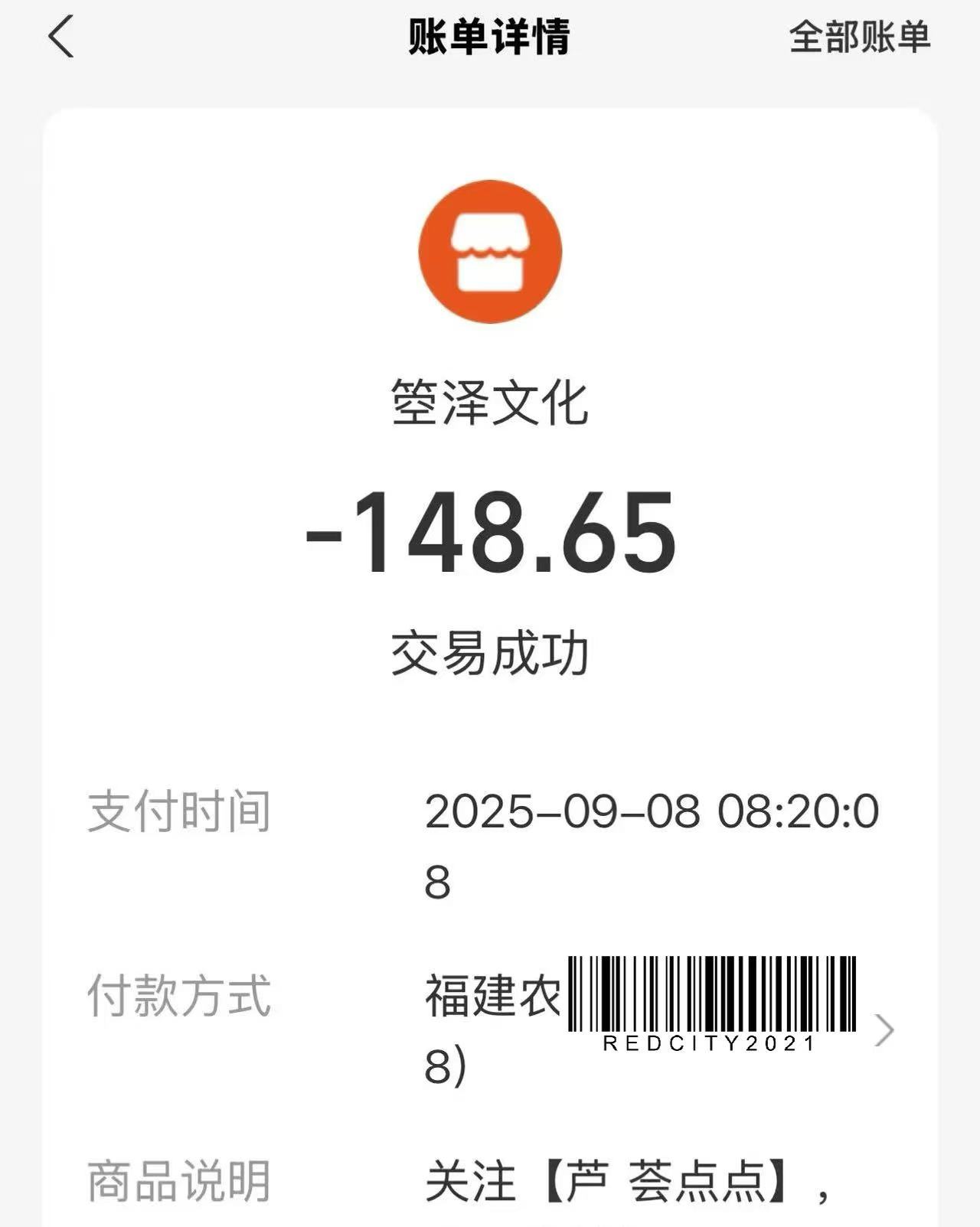
父母手机里的“幽灵扣款”:走路赚钱、免费会员、免密支付
Bei Ke Cai Jing· 2025-10-30 01:40
Core Points - The article highlights the issue of "ghost deductions" targeting the elderly, where they unknowingly authorize payments through misleading advertisements and pop-ups [2][3][28] - It emphasizes the lack of accountability and support for victims, as many face difficulties in filing complaints and obtaining refunds due to the elusive nature of the fraudsters [4][21][24] Group 1: Nature of the Fraud - The fraud often presents itself as enticing offers, such as "red envelopes" or "cash rewards," which lead to automatic deductions from the victims' accounts [3][15][28] - Victims, particularly the elderly, are misled into believing they are engaging in harmless activities, only to find their accounts debited without their consent [5][15][30] Group 2: Legal and Regulatory Concerns - Legal experts indicate that these practices violate multiple laws, including the Consumer Rights Protection Law and the Cybersecurity Law, highlighting the need for stricter enforcement [4][31][32] - The article discusses the responsibility of online platforms to monitor and manage the activities of merchants on their sites, suggesting that failure to do so could result in shared liability for fraudulent actions [33][34] Group 3: Recommendations for Prevention - Experts recommend that platforms implement robust monitoring systems to detect and block fraudulent activities, as well as establish clear complaint and refund processes for users [32][33] - There is a call for enhanced consumer education, particularly for the elderly, to help them recognize and avoid such scams [30][32]

北京人形机器人创新中心李春枝:具身智能正处在“商业爆发前期”
Bei Ke Cai Jing· 2025-10-30 01:02
Core Insights - The development of embodied intelligence is transitioning from "active" to "user-friendly," evolving from "function realization" to "intelligent usability" [1][2] - The key to breaking through lies in "generalized intelligence," enabling robots to understand, think, and adapt in uncertain environments and tasks [1] - The collaboration between the "big brain" (cognitive and decision-making center) and the "small brain" (precision control hub) is a crucial technological direction [1] Industry Trends - Embodied intelligence is moving from "exploratory demonstration" to "commercial implementation," indicating a pre-commercial explosion phase [2] - The value of technology must ultimately be reflected in the market, with humanoid robots becoming a choice for industries facing labor shortages, high repetition, high intensity, and high risk [2] - The Beijing Humanoid Robot Innovation Center has partnered with the China Electric Power Research Institute to develop robots capable of complex operations, showcasing real application exploration [2] Future Outlook - The next 3-5 years are seen as a critical window for humanoid robots to transition from "demonstrable feasibility" to "commercial reliability" [2] - The center has open-sourced its general robot platform "Embodied Tiangong" and the general embodied intelligence platform "Hui Si Kai Wu," aiming to convert technological leadership into industrial advancement [2] - The goal is to make cutting-edge technology a strong engine driving transformation and upgrading across various industries, forming a new economic growth point [2]

“百元神话”到跌破一元,阳光玫瑰产业路向何方?
Bei Ke Cai Jing· 2025-10-29 14:27
Core Insights - The price of "Sunshine Rose" grapes has plummeted from a high of over 100 yuan per pound to as low as 1 yuan per pound due to overproduction and declining quality [1][12][24] - The industry is experiencing a shift from quantity expansion to quality improvement, with potential for growth if producers focus on quality and branding [2][25] Price Trends - During the peak season from July to September, the purchase price for low-quality "Sunshine Rose" grapes dropped to as low as 0.5 to 1 yuan per pound in regions like Jiangxi, Hunan, and Hubei [3][12] - In late September, wholesale prices ranged from 3 to 7 yuan per pound, with some merchants struggling to sell due to oversupply [4][6][7] - The price decline has been drastic, with some areas reporting prices as low as 6 to 12 yuan per pound in 2023, leading to reduced farmer profits [18][24] Quality Concerns - Consumers have reported a significant decline in the taste and quality of "Sunshine Rose" grapes, with many stating that the grapes are no longer as sweet or aromatic as before [13][19] - The overemphasis on high yield has led to poor fruit quality, with many grapes becoming soft and lacking the signature crispness [20][21] - The market is flooded with low-quality grapes, causing a loss of consumer trust and a negative perception of the brand [22][23] Industry Dynamics - The rapid expansion of "Sunshine Rose" cultivation has led to a saturation of the market, with estimates suggesting that the planting area could exceed 2 million acres by 2025 [1][18] - Many farmers are now shifting to other grape varieties, such as "Nina Queen," as "Sunshine Rose" becomes less profitable [24][26] - The industry is undergoing a natural adjustment, with low-quality producers being phased out, allowing space for those who prioritize quality [2][24] Future Outlook - Experts suggest that the industry must focus on quality control and reduce planting areas in non-advantageous regions to stabilize prices and improve quality [25][26] - There is a call for standardized practices and better management to ensure that "Sunshine Rose" can regain its premium status in the market [24][25]

贴上“晴王”标签后涨价数倍,阳光玫瑰葡萄市场乱象调查
Bei Ke Cai Jing· 2025-10-29 14:27
Core Viewpoint - The article highlights the rampant counterfeit sales of "晴王" (Qing Wang) grapes in the Chinese market, which are actually domestic "阳光玫瑰" (Sunshine Rose) grapes, leading to significant price discrepancies and consumer confusion [2][3][10]. Group 1: Market Dynamics - The wholesale price of Sunshine Rose grapes ranges from 3 yuan to 7 yuan per jin, but when labeled as "晴王," the selling price can exceed double that amount [1][10]. - The planting area and production of Sunshine Rose grapes have surged in recent years, resulting in a significant drop in prices due to market oversupply [2][20]. - There is a notable price disparity based on the production area, with prices for Sunshine Rose grapes from Yunnan reaching over 10 yuan per jin, while those from Sichuan range from 5 yuan to 8 yuan per jin [11][12]. Group 2: Counterfeit and Misleading Practices - Many Sunshine Rose grapes are marketed under the "晴王" brand, despite the fact that Japan only exports apples and pears to China, making the so-called "imported晴王" a fabrication [3][10]. - Numerous online and offline markets are filled with various packaging of "晴王" grapes, misleading consumers into believing they are purchasing high-end imported fruit [6][9]. - Some merchants are selling "晴王" labels and packaging, indicating a thriving business around counterfeit branding [10]. Group 3: Quality and Consumer Perception - Experts indicate that the quality of grapes can vary significantly, and even within recognized high-quality regions like Yunnan, poor management can lead to subpar products [17][19]. - Consumers often cannot distinguish between different origins of Sunshine Rose grapes based solely on appearance and taste, leading to potential deception in the market [17][19]. - The article suggests that the rapid expansion of Sunshine Rose cultivation has led to quality issues, as many growers prioritize yield over proper management practices [20]. Group 4: Regulatory and Industry Recommendations - Experts recommend that regulatory bodies enhance oversight and promote industry self-discipline to combat the counterfeit market and improve product quality [4][21]. - There is a call for the establishment of grading standards for Sunshine Rose grapes to ensure quality and transparency in the market [21]. - The article emphasizes the need for better branding and protection of domestic agricultural products to foster a healthier market environment [21].

为何放一个月都没烂?“大果粒”一定好吗?阳光玫瑰这样选
Bei Ke Cai Jing· 2025-10-29 14:27
Core Viewpoint - The article discusses the rising popularity of the "Sunshine Rose" grape variety, originally from Japan, and addresses various controversies regarding its quality and cultivation practices, aiming to clarify misconceptions through seven key questions [1]. Group 1: Origin and Characteristics - The "Sunshine Rose" grape variety originated in Japan, developed through hybridization of "Aki Tsukushi 21" and "Shiran" and registered in March 2006, later introduced to China in 2009 [2]. - This grape is known for its sweet taste, crisp texture, rose fragrance, beautiful appearance, and resistance to cracking and transportation, making it popular among consumers [3]. Group 2: Market Authenticity - The "Qing Wang" grape, marketed in China, is a trademark registered in Japan but is not an authentic import due to current restrictions on Japanese grape imports, meaning all "Qing Wang" grapes in the market are counterfeit [4]. Group 3: Agricultural Practices - Claims that "Sunshine Rose" is produced using excessive pesticides are addressed, clarifying that typically only 5 to 10 pesticide applications are needed throughout its growth cycle, with no significant residue issues [5][6]. - The grape's long shelf life is attributed to its inherent hard texture and proper storage conditions, rather than chemical treatments [8]. Group 4: Sweetness and Quality Concerns - The sweetness of "Sunshine Rose," with sugar content around 20% to 26%, is a natural characteristic of the variety, enhanced by specific cultivation methods that create favorable temperature variations [9]. - The use of growth regulators, often referred to as "bulking agents," is explained as safe when used correctly, although improper use can affect the fruit's quality [10]. Group 5: Consumer Guidance - Despite concerns over declining quality due to increased production, high-quality "Sunshine Rose" grapes are still available from regions like Yunnan, Shandong, and Sichuan, where quality is prioritized [11]. - Consumers are advised to select grapes that are yellowish, aromatic, and uniformly shaped to ensure a better tasting experience [11].
欣旺达动力发布全固态电池,能量密度达400Wh/kg
Bei Ke Cai Jing· 2025-10-29 14:24
Core Insights - The core announcement is the launch of the "Xin·Bixiao" polymer all-solid-state battery by Xinwanda Power, which boasts an energy density of 400Wh/kg, marking a significant milestone in lithium battery technology [1][2]. Group 1: Product Development - Xinwanda Power has been developing solid-state batteries since 2015, with the first generation of semi-solid-state batteries achieving an energy density of 300Wh/kg in 2020 [1]. - The company plans to mass-produce the first generation of semi-solid-state aviation power batteries, "Xin·Yunxiao 1.0," in early 2025, with an energy density of 320Wh/kg [1]. - The second generation, "Xin·Yunxiao 2.0," is expected to be launched in mid-2025, with an energy density of 360Wh/kg [1]. Group 2: Performance and Testing - The "Xin·Bixiao" battery can achieve over 1200 cycles at a 20Ah cell under less than 1MPa of external pressure, demonstrating its longevity and reliability [2]. - The battery has successfully passed rigorous testing, including a 200℃ thermal chamber test, indicating its high safety standards [2].

科技+金融双向赋能!企业创新积分制、拨投结合激活新质生产力
Bei Ke Cai Jing· 2025-10-29 13:29
Group 1 - The core viewpoint emphasizes the need to strengthen the "technology-industry-finance" virtuous cycle to cultivate new productive forces [1] - The "enterprise innovation points system" is being promoted as a tool for evaluating and supporting enterprise financing, with a total credit limit of 224.2 billion yuan and loans issued amounting to 124.3 billion yuan as of April this year [4][6] - The Torch Center has been hosting the China Innovation and Entrepreneurship Competition since 2012, attracting over 350,000 participating enterprises and teams, with financing exceeding 1 trillion yuan from banks and venture capital institutions [7] Group 2 - The "拨投结合" mechanism supports leading and original projects through milestone-based financial support, allowing for equity conversion if market financing is achieved [9][12] - The Long Triangle National Technology Innovation Center has supported over 160 projects with an average investment of approximately 27 million yuan per project [10] - Hong Kong is positioned as a launch point for mainland enterprises going overseas, providing a favorable business environment and professional services to navigate international markets [13][15]

富士康部署人形机器人生产英伟达AI服务器
Bei Ke Cai Jing· 2025-10-29 13:18
Group 1 - Foxconn announced the deployment of humanoid robots at its Houston factory, which produces AI servers for Nvidia [1] - The company plans to expand its AI server production capacity in Texas, Wisconsin, and California to meet the growing demand [1]

长川科技:第三季度归母净利润同比增长207.60%
Bei Ke Cai Jing· 2025-10-29 12:24
Core Insights - The company reported a third-quarter revenue of 1.612 billion yuan, representing a year-on-year growth of 60.04% [1] - The net profit attributable to the parent company for the third quarter was 438 million yuan, showing a significant year-on-year increase of 207.60% [1] - For the first three quarters, the company achieved a revenue of 3.779 billion yuan, which is a 49.05% increase compared to the same period last year [1] - The net profit attributable to the parent company for the first three quarters reached 865 million yuan, reflecting a year-on-year growth of 142.14% [1]

永新光学:第三季度归母净利润同比增长5.08%
Bei Ke Cai Jing· 2025-10-29 12:24
Core Insights - Yongxin Optical reported a Q3 revenue of 233 million yuan, representing a year-on-year increase of 4.81% [1] - The net profit attributable to shareholders for Q3 was 42.73 million yuan, showing a year-on-year growth of 5.08% [1] - For the first three quarters, the total revenue reached 674 million yuan, with a year-on-year increase of 3.59% [1] - The net profit attributable to shareholders for the first three quarters was 151 million yuan, reflecting a year-on-year growth of 7.69% [1]
