投中网

Search documents
第十个“2万亿俱乐部”城市,谁先撞线?
投中网· 2025-12-23 06:46
Core Viewpoint - The article discusses the increasing number of trillion-yuan cities in China, highlighting the shift from a focus on scale expansion to quality improvement as cities aim for a GDP of 2 trillion yuan, which is seen as a critical milestone for regional economic development [5][6]. Group 1: Current Economic Landscape - As of 2024, China has 27 cities with a GDP exceeding 1 trillion yuan, with 9 cities surpassing 2 trillion yuan, indicating a significant economic concentration in major urban centers [5][8]. - The cities with GDP between 1 trillion and 2 trillion yuan include 18 cities, with Nanjing, Ningbo, Qingdao, Wuxi, Changsha, and Zhengzhou all targeting the 2 trillion yuan goal [5][13]. Group 2: Importance of the 2 Trillion Yuan Target - Achieving a GDP of 2 trillion yuan signifies a transformation in a city's economic capabilities, enhancing its industrial influence, resource aggregation, and innovation potential, which are crucial for regional development [6][11]. - The goal of reaching 2 trillion yuan is a key focus for the 14th Five-Year Plan, aiming to reshape China's regional economic landscape [6][4]. Group 3: Cities Approaching the 2 Trillion Yuan Mark - Nanjing is the closest to the 2 trillion yuan target, with a GDP of 18,500.81 billion yuan in 2024, and has a clear plan to achieve this goal by the end of the 14th Five-Year Plan [14][15]. - Other cities like Ningbo, Tianjin, and Qingdao are also aiming for the 2 trillion yuan milestone, with specific growth targets set for the coming years [16][17]. Group 4: Challenges Faced by Cities - Cities such as Tianjin and Qingdao face challenges related to high proportions of traditional industries and insufficient consumer vitality, which hinder their progress towards the 2 trillion yuan target [18][19]. - The article emphasizes the need for these cities to innovate and diversify their industrial bases to overcome these challenges and achieve sustainable growth [19].


这一单IPO,投资人回报超1000亿
投中网· 2025-12-23 06:46
Core Viewpoint - The article highlights the significant IPO of Medline, marking a major success for the PE industry after a prolonged period of IPO stagnation, with Medline's market capitalization reaching $54 billion on its debut [3][4]. Group 1: Medline's IPO and PE Industry Impact - Medline's IPO on December 18, 2025, saw a first-day surge of 41%, establishing it as the largest IPO in the U.S. since 2025 and the largest in the healthcare sector in nearly 14 years [3]. - The IPO is viewed as a critical test for the recent "IPO wave" in the U.S. stock market, with the potential to set a new record for PE-backed IPOs [4]. - The three PE firms involved in Medline's acquisition—Blackstone, Carlyle, and H&F—are expected to achieve returns of approximately two times their equity capital, netting over $17 billion (approximately 110 billion RMB) in profits [4]. Group 2: Medline's Historical Context and Business Model - Medline, a century-old family business, transitioned from a textile manufacturer to a leading medical supplies company, generating over $17 billion in annual sales [6][8]. - The company historically resisted external capital, opting for a family-owned model until the need for re-capitalization arose due to the family's inability to access their wealth [7][6]. - Medline's business model emphasizes vertical integration, controlling its own brands, manufacturing, distribution, and logistics, which has allowed it to maintain superior margins and rapid response to market demands [17]. Group 3: Financial Performance and Market Position - Medline's revenue grew from $17.5 billion in 2020 to $25.5 billion in 2024, with EBITDA increasing from an estimated $2 billion to $3.4 billion during the same period [18]. - The company boasts a customer retention rate of 98%, indicating strong demand stability for its products, which are essential in the healthcare sector [18]. - Despite market challenges, Medline's valuation has continued to rise, demonstrating the resilience of high-quality companies in various market conditions [19].

一家年轻奢牌,卖了206亿
投中网· 2025-12-22 07:56
Core Viewpoint - Sequoia Capital has successfully acquired a majority stake in the Italian luxury sneaker brand Golden Goose for approximately €2.5 billion (around ¥20.6 billion), marking the largest acquisition by a Chinese investment institution in Europe this year [3][4]. Group 1: Acquisition Details - The acquisition was completed in collaboration with Temasek and its wholly-owned asset management company, which participated as minority shareholders [3]. - This transaction signifies Sequoia China's increasing focus on high-end consumer brands, transitioning from financial investments to controlling stakes [3][4]. - Sequoia's recent acquisitions include a majority stake in the French designer brand AMI Paris in 2021 and a 60% stake in the Korean brand WE11DONE in early 2022 [3][4]. Group 2: Golden Goose Overview - Golden Goose, founded in 2000 by designers Francesca Rinaldo and Alessandro Gallo, is considered a relatively young luxury brand, having established itself in the sneaker market with its Super-Star line in 2007 [7][8]. - The brand is known for its unique craftsmanship, with each sneaker taking over four hours to produce by hand, and it emphasizes a worn-in aesthetic that appeals to consumers seeking individuality [8][9]. - Despite a general downturn in the luxury market, Golden Goose reported a 13% increase in sales to €342.1 million in the first half of the fiscal year, with direct sales channels growing by 19% [9]. Group 3: Ownership History - Golden Goose has changed ownership multiple times, starting with a 75% stake acquisition by DGPA SGR SpA in 2013 for €45 million, which led to a strategic shift towards a direct-to-consumer model [11]. - The brand was sold to Ergon Capital Partners III and Zignano Holding SpA in 2015, and then to The Carlyle Group in 2017 for approximately €430 million [12]. - In 2020, Carlyle sold Golden Goose to Permira for about €1.3 billion, and under Permira's ownership, the brand continued its international expansion, particularly in Asia and the U.S. [13]. Group 4: Financial Performance and Future Plans - Golden Goose's revenue reached €655 million in 2024, with an adjusted EBITDA of €227 million, indicating strong financial performance [13]. - The brand had plans for an IPO in Milan with an estimated valuation between €1.7 billion and €2.4 billion, but these plans were postponed due to market conditions [14]. - Following the IPO setback, Golden Goose sought new buyers, leading to the recent acquisition by Sequoia Capital, which reflects a doubling of the brand's valuation within five years under Permira's ownership [14].

销量腰斩,车企停产,美国电动车进入寒冬
投中网· 2025-12-22 07:56
Core Viewpoint - The cancellation of federal electric vehicle (EV) tax credits in the U.S. has led to a significant decline in EV sales, marking a downturn for the industry that heavily relied on government support [5][7][11]. Group 1: Impact of Policy Changes - The "One Big Beautiful Bill" enacted on October 1 ended the federal EV tax credit, which previously provided $7,500 for new electric vehicles and $4,000 for used ones, leading to a sharp decline in consumer demand [7][8]. - Following the end of the tax credit, EV sales in October plummeted by 30.3% year-over-year and 49% month-over-month, with only 91,000 units sold, resulting in a market penetration rate of 5.8% [8]. - November saw an even steeper decline, with sales dropping by 40% year-over-year to 76,000 units, further decreasing the penetration rate to 5.1% [8]. Group 2: Market Reactions and Adjustments - Traditional automakers are scaling back their electric vehicle ambitions, shifting focus to hybrid and traditional fuel vehicles due to the lack of consumer demand and profitability in the EV sector [19][20]. - Ford announced a $19.5 billion asset write-down, with $8.5 billion attributed to its EV division, and is halting production of its F-150 Lightning electric truck to focus on hybrid models [21][22]. - General Motors is also adjusting its electric vehicle strategy, postponing production timelines and reducing its electric vehicle output targets due to the changing regulatory environment [19][20]. Group 3: Comparison with China - The U.S. EV market is experiencing a stark contrast to China, where EV sales reached 11 million units last year, accounting for 40% growth, while the U.S. market saw only a 7% increase [12]. - The disparity in EV adoption is attributed to the U.S. government's inconsistent policies, which have created uncertainty for manufacturers and consumers alike [12][19]. - American consumers face significant barriers to EV adoption, including higher prices, lack of charging infrastructure, and concerns over vehicle depreciation and insurance costs [14][16].


百度风投,连续押注两家机器人丨投融周报
投中网· 2025-12-22 07:56
Focus Review - The hard technology sector is experiencing a surge in interest, particularly in humanoid robots and embodied intelligence, with companies like Shanghai RoboParty and JianZhi Robotics completing significant funding rounds [4][19] - In the health sector, innovative drug development for cancer remains a key focus, highlighted by Allink Biotherapeutics securing nearly $50 million in Series A funding [29] - The internet sector is seeing increased attention on industrial digitalization, with companies like YixinTong and ZhiJieYuanGang completing substantial financing rounds [5][36] Hard Technology - Shanghai RoboParty completed a new seed + round financing after raising $10 million in the previous month, with investments from SenseTime, Baidu Ventures, and others [4][10] - JianZhi Robotics has completed its third round of financing, totaling over 200 million yuan within four months of its establishment, with Baidu Ventures leading the seed round [19] - InKeSi announced nearly 200 million yuan in new financing, led by Huakong Fund and Shenzhen Capital Group [9] Health Sector - Allink Biotherapeutics successfully completed nearly $50 million in Series A follow-on financing, led by existing shareholder Junlian Capital and new investor Meituan Longzhu [29] - Kangyuan Bochuang announced the completion of its Series B financing round, raising nearly 250 million yuan, with participation from multiple well-known investors [30] - Zhuoyuan Technology completed a Series A1 financing round of 100 million yuan, led by Guokai Investment [31] Internet/Enterprise Services - YixinTong completed over 100 million yuan in Series B financing, led by a Fortune 500 company [36] - ZhiJieYuanGang secured 200 million yuan in Series A financing, with investments from Shandong Port Group and China Merchants Capital [37] - Cross-border Magic Cube completed several million yuan in Series A financing, led by existing shareholders [38]

国家十年前在深圳布的局,已成为硬科技投资的"引擎"
投中网· 2025-12-22 07:56
Core Viewpoint - The article emphasizes the significant role of Guozhong Capital, a state-level venture capital firm, in fostering hard technology companies in China over the past decade, focusing on strategic investments rather than speculative trends [3][10]. Group 1: Background and Establishment - Guozhong Capital was established in late 2015 following the launch of the National SME Development Fund, with an initial direct investment fund of 6 billion yuan, marking a significant entry into the venture capital space [3][7]. - The firm has managed three direct investment funds under the National SME Development Fund, investing a total of 16 billion yuan in 240 projects, including 146 specialized and innovative enterprises [3][16]. Group 2: Investment Strategy and Focus - Guozhong Capital's investment philosophy is characterized by a focus on hard technology sectors such as semiconductors, new energy, new materials, and biomedicine, avoiding trends like internet-based models [11][18]. - The firm has successfully supported companies like Huada Jiutian and Rongchang Biopharma, which have made significant advancements in their respective fields, contributing to China's self-sufficiency in critical technologies [11][15]. Group 3: Achievements and Impact - By 2025, Guozhong Capital's investments have led to the emergence of numerous "first" and "unique" companies in China, such as Huada Jiutian, which has disrupted the EDA software market previously dominated by foreign firms [12][14]. - The firm has achieved a high success rate, with one in four of its portfolio companies becoming national-level "little giants," demonstrating alignment with national industrial strategies [16]. Group 4: Future Outlook - The next decade is expected to focus on pioneering technologies like artificial intelligence and quantum computing, with Guozhong Capital positioned as a leader in navigating these emerging fields [21].
过去20年它比伯克希尔更会赚钱丨CV荐书
投中网· 2025-12-21 02:03
Core Viewpoint - The article introduces the book "The Path of Baillie Gifford Investment," which reveals the investment philosophy and core strategies of Baillie Gifford, a prominent investment firm known for its successful bets on companies like Tesla, Nvidia, Google, Amazon, and others [2][3]. Investment Philosophy - Baillie Gifford has a history of over 110 years, having navigated through various economic crises while consistently achieving significant returns by investing in high-growth companies [3]. - The firm emphasizes the importance of eliminating cognitive biases in investment decisions, which can hinder objective analysis and lead to poor outcomes [3][8]. Devil's Advocate Concept - The "Devil's Advocate" role is introduced as a tool to help investment teams eliminate cognitive biases and make objective decisions by challenging prevailing assumptions [5][9]. - This role has historical roots dating back to 1587, where it was used to ensure rigorous decision-making processes [5]. Cognitive Biases in Investment - Several cognitive biases are identified that can affect investment decisions, including: - Confirmation Bias: Investors tend to seek information that supports their beliefs while ignoring contradictory evidence [7]. - Availability Bias: Investors often rely on easily recalled information, which can lead to flawed reasoning [7]. - Framing Effect: The way information is presented can influence investor perceptions and decisions [7]. - Anchoring Effect: Initial reference points can unduly influence subsequent judgments [7]. - Herding Effect: Individuals may follow the majority opinion, compromising independent judgment [7]. Implementation of Devil's Advocate - The "Devil's Advocate" is integrated into Baillie Gifford's investment process, particularly during the research discussion phase before making investment decisions [9][10]. - This role is crucial for exposing flaws in reasoning and preventing groupthink, ultimately leading to better investment outcomes [9][10]. Case Study: Tesla Investment - In 2019, Baillie Gifford faced significant challenges with its Tesla investment, including regulatory scrutiny and financial difficulties [11]. - The "Devil's Advocate" assessment led to the conclusion that the reasons to retain Tesla shares outweighed the arguments for selling, resulting in a successful long-term investment as Tesla's stock surged in 2020 [11].


最高546亿市值的明星公司,破产了
投中网· 2025-12-21 02:03
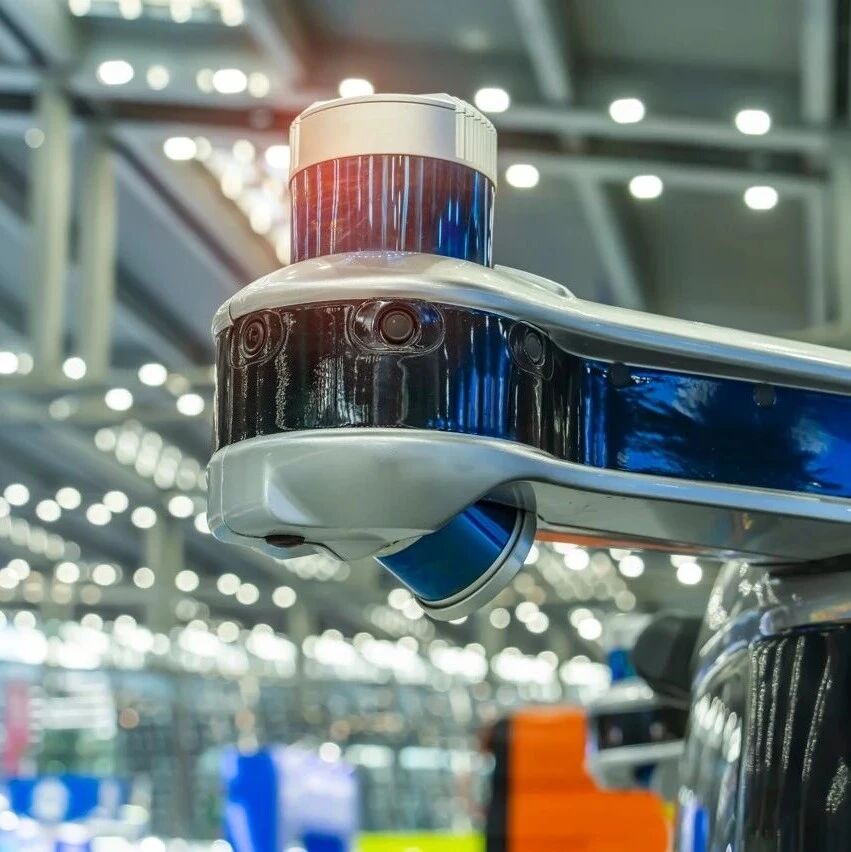
Core Viewpoint - The article discusses the downfall of Luminar, a prominent player in the lidar industry, highlighting its bankruptcy and the implications for the U.S. lidar market, which is now largely dominated by Chinese manufacturers [5][6][12]. Group 1: Company Overview - Luminar was founded by Austin Russell, who showcased exceptional talent from a young age and aimed to revolutionize the lidar market by significantly reducing costs [14][15]. - The company initially gained traction by lowering the price of lidar systems from $75,000 to $500, achieving a competitive edge in the market [15][16]. - Luminar went public via a SPAC in 2020, raising $600 million and reaching a market valuation of $7.8 billion on its first trading day [16]. Group 2: Financial Struggles - Luminar's financial health deteriorated, with debts ranging from $500 million to $1 billion and a cash position that could only sustain operations until Q1 2026 [5][9][10]. - The company faced operational challenges, including a negative operating profit margin of -283.7% as of Q3 2025, leading to significant losses [8][10]. - The termination of a key partnership with Volvo further exacerbated Luminar's financial woes, potentially reducing its market share from approximately 8-10% to below 1% [9][10]. Group 3: Market Dynamics - The lidar market is increasingly competitive, with Chinese manufacturers capturing 93% of the passenger vehicle lidar market, while U.S. companies like Luminar see their market shares decline [10][12]. - The shift towards "pure vision" solutions, exemplified by Tesla, has led to skepticism about the necessity of lidar technology, further squeezing Luminar's market position [10][12]. Group 4: Leadership and Strategic Moves - Luminar's leadership faced turmoil, with the CEO being dismissed amid ethical investigations and the CFO leaving the company [10][11]. - The company has initiated self-rescue measures, including the sale of its semiconductor subsidiary for $110 million and plans to sell its lidar business [11][12]. - Despite the challenges, Luminar aims to continue operations during the bankruptcy process, maintaining deliveries of its lidar hardware and software [11][12].
俞浩,带来了一种不同于财务并购的新解法
投中网· 2025-12-21 02:03
Core Viewpoint - The article discusses the ambition of Chinese manufacturing as exemplified by a recent acquisition deal worth 2.28 billion, highlighting the trend of startups acquiring listed companies to enhance their market position and operational capabilities [2][3]. Group 1: Acquisition Details - On December 17, 嘉美包装 (Jia Mei Packaging) resumed trading after a five-day suspension, with its stock price hitting the daily limit of 5.02 yuan per share, reflecting a 10.09% increase and a total market capitalization of approximately 4.796 billion yuan [6]. - The acquirer, 苏州逐越鸿智科技发展合伙企业 (Suzhou Zhuyue Hongzhi Technology Development Partnership), is controlled by 俞浩 (Yu Hao), who is also the founder of 追觅 (Zhuimi) [6][8]. - The acquisition involves a two-step process: a "share transfer" and a "tender offer," where Zhuyue Hongzhi will acquire 2.79 billion shares (29.90% of total shares) from the controlling shareholder, 中包香港 (China Packaging Hong Kong), for 1.243 billion yuan, avoiding mandatory tender offer obligations [7][8]. - Following the share transfer, 中包香港 will relinquish voting rights on its remaining shares, ensuring control transfer, while Zhuyue Hongzhi plans to make a tender offer for an additional 2.33 billion shares (25% of total shares) for up to 1.039 billion yuan [9]. - If successful, Zhuyue Hongzhi will hold 54.90% of 嘉美包装, achieving absolute control and enabling a complete board restructuring [9]. Group 2: Strategic Rationale - 嘉美包装 is a leading player in the food packaging sector, and the acquisition price reflects the long-standing undervaluation of traditional manufacturing assets in the A-share market [11][12]. - The article emphasizes the need for a re-evaluation of existing assets in the manufacturing sector, particularly as traditional manufacturing faces challenges in achieving high returns on equity (ROE) and profit margins [11][12]. - The acquisition aims to integrate advanced technologies and operational efficiencies into 嘉美包装, leveraging 俞浩's expertise in high-end technology and global market competition to enhance the company's capabilities [14][15]. - The ultimate goal of the acquisition is to transform undervalued manufacturing assets into a platform of capabilities, thereby improving efficiency and redefining market perceptions of these assets [15].

LP周报丨深圳国资联手,189亿超级科创基金诞生
投中网· 2025-12-20 07:03
Core Insights - Shenzhen has established a new fund, the Shenzhen Guochuang Yingke Innovation Investment Partnership, with a total scale of 18.901 billion yuan, primarily funded by state-owned enterprises [5][11]. - The fund's structure is entirely state-owned, which is rare for large-scale funds focusing on early-stage hard technology projects, reflecting Shenzhen's aggressive policy support for innovation [5][6]. - Recent policy initiatives in Shenzhen encourage state-owned funds to take risks and invest boldly in innovative projects, with specific measures to support investment failures without penalizing overall performance [5][6]. Fund Establishments - The Zhejiang Province Science and Technology New Industry Equity Investment Partnership has been established with a total investment of 10.103 billion yuan, focusing on private equity and venture capital [12]. - The Jiangsu Agricultural Modern Biotechnology Industry Investment Fund has been set up with a total scale of 1 billion yuan, targeting modern agriculture and biomedicine [14]. - The Chongqing Changyu Xinheng Private Equity Fund has been established with a scale of 1.002 billion yuan, focusing on the automotive industry and related investments [16]. Investment Dynamics - Qiji Investment has successfully completed the first closing of its second RMB fund, raising 900 million yuan, focusing on healthcare and life sciences [8][9]. - The Guangdong Yuecai Gongrong Artificial Intelligence and Robotics Industry Fund has been established with a total investment of 2 billion yuan, aiming to support the AI sector [18]. - The Hubei Provincial Aerospace Digital Industry Fund has been jointly established with a total scale of 1 billion yuan, focusing on hard technology and low-altitude industries [19]. New Fund Highlights - The Beijing Beigong Science and Technology Innovation Fund has been established with a scale of 300 million yuan, focusing on technology-driven industries [26]. - The Ningbo Saizhi Embodied Intelligence Fund has been set up with a first closing of 830 million yuan, targeting AI and embodied intelligence sectors [25]. - The Jiangsu Agricultural Modern Biotechnology Industry Investment Fund aims to enhance agricultural modernization and food security through investments in biotechnology [14]. GP Recruitment - The Hainan Aerospace Star Arrow Manufacturing Fund and the Hainan Aerospace High-Quality Development Industry Fund are seeking GP partners, with target scales of 3 billion yuan and 1 billion yuan respectively [35]. - The Beijing Chaoyang Aerospace Industry Sub-Fund is also recruiting GP partners, focusing on commercial aerospace and satellite technology [36].