母基金研究中心

Search documents
这支国家级母基金要设二期了
母基金研究中心· 2025-07-19 02:18
Core Viewpoint - The establishment of the second phase of the National SME Development Fund aims to attract more social capital for early, small, long-term investments in hard technology, addressing the financing challenges faced by innovative SMEs [1][4][10]. Summary by Sections National SME Development Fund - The National SME Development Fund, initiated in 2020, has a registered capital of 35.7 billion and aims to solve long-term equity financing issues for innovative SMEs, with a total scale exceeding 1 trillion [1][2]. - Currently, 46 sub-funds have been established under this fund, with a total scale exceeding 1.2 trillion and investments in over 1,800 projects [2]. Market Dynamics and Trends - The National SME Development Fund serves as a market-oriented mother fund, providing vital liquidity and support to the equity investment industry, which is currently facing fundraising difficulties [3]. - The establishment of new national-level mother funds is anticipated, with the National Development and Reform Commission planning to set up a National Venture Capital Guidance Fund to strengthen innovative enterprises [3]. Investment Strategies - The investment focus has shifted towards early-stage, small-scale, long-term, and hard technology investments, which have become mainstream consensus among mother funds and venture capital [5]. - The number of angel mother funds has surged, with over 30 established and a total scale exceeding 80 billion, reflecting a high degree of marketization [5][6]. Long-term Investment and Patient Capital - Many newly established mother funds and direct investment funds have extended durations of 15-20 years, indicating a trend towards patient capital that can endure market cycles [7][8]. - The concept of "patient capital" emphasizes stability and long-term support, which is crucial for adapting to the lengthy and uncertain cycles of technological innovation [7][8]. Support for Hard Technology - Private equity funds have historically provided significant financial support for technological innovation, with a notable participation rate in the listings of major stock exchanges [9]. - The upcoming second phase of the National SME Development Fund is expected to further invigorate the equity investment sector and support private investment funds in related fields [10].


习近平:上项目,一说就是几样:人工智能、算力、新能源汽车
母基金研究中心· 2025-07-18 12:03
Core Viewpoint - The article emphasizes the need for a structured approach to industrial development and investment attraction, highlighting the shift from traditional methods to more regulated and effective strategies in response to recent policy changes [1][4][6]. Group 1: National Policy and Market Development - The Central Urban Work Conference highlighted key industries such as artificial intelligence, computing power, and new energy vehicles for national development [1]. - The meeting outlined the basic requirements for advancing a unified national market, which includes "five unifications and one openness" [2]. - The implementation of the Fair Competition Review Regulations has led to a more standardized approach to local investment attraction since August of last year [3]. Group 2: Changes in Investment Attraction Strategies - The traditional "tax incentives" and "reward subsidies" models for attracting investment are being phased out, giving rise to the "fund investment" model [4]. - Local governments are increasingly emphasizing the linkage between investment and attraction, establishing specialized investment funds to support this [4][6]. - There is a growing trend of "homogenization" in investment fields, which is counterproductive to building a unified national market [5]. Group 3: Regional Practices and Innovations - Guangdong Province has introduced measures to integrate capital market development into its investment attraction performance evaluation, reflecting a shift towards nurturing local industries [7]. - The focus is expected to shift from attracting external projects to cultivating local production industries, tailored to regional advantages [7][8]. - The rise of merger and acquisition (M&A) as a new strategy for investment attraction is noted, with local governments exploring opportunities to acquire listed companies [9][10][11]. Group 4: Future Outlook - The emphasis on not establishing government investment funds solely for attracting investment indicates a significant shift in strategy, impacting the current "fund investment" model [6]. - The need for transparency and regulation in investment attraction is expected to increase, following the Central Financial Committee's call for improved practices [12].

这个市一口气设立三支百亿引导基金
母基金研究中心· 2025-07-18 12:03
Core Insights - The article discusses the recent developments in China's mother fund industry, highlighting a total management scale of 272.34 billion yuan, with investments focused on green low-carbon, marine economy, and high-end equipment manufacturing [1][2]. Group 1: Fund Establishments - Shandong: Three guiding funds, each with a scale of 10 billion yuan, were established in Qingdao [3][4]. - Jiangsu: A new industrial special fund with a scale of 155 billion yuan has been officially launched [7][17]. - Inner Mongolia: The first national-level sub-fund has been established with a scale of 1.6 billion yuan [18]. - Yunnan: The Yunnan Province Advanced Manufacturing Equity Investment Mother Fund has been set up with a scale of 50.08 million yuan [23][24]. - Guangdong: The Guangdong-Huizhou Industrial Investment Mother Fund has been established with a total scale of 1 billion yuan [25][26]. - Henan: The Jiyuan Industrial Mother Fund is set to be established [33]. - Shaanxi: The total scale of the Shaanxi Provincial Government Investment Guiding Fund has surpassed 100 billion yuan [34]. Group 2: Fund Characteristics and Focus Areas - Jiangsu's third batch of industrial special funds focuses on strategic emerging industries such as new energy, integrated circuits, and green technology [17][18]. - The national small and medium-sized enterprise development fund aims to support advanced manufacturing, information technology, and life sciences sectors [18]. - The Yunnan fund aims to enhance the competitiveness of the manufacturing sector and promote the development of strategic emerging industries [24]. - The Guangdong fund focuses on attracting key enterprises to enhance local economic development [26]. Group 3: Strategic Collaborations - Jiangsu's cooperation with China Chengtong Holdings Group aims to establish a 10 billion yuan fund to support technological innovation and industrial upgrades [19][22]. - The collaboration between Zhejiang Securities and the government of Huizhou City aims to deepen industry development and enhance investment efficiency [25][26]. - The establishment of the 明月湖科创基金丛林 in Chongqing aims to integrate innovation, industry, and capital to foster a new production capacity [37][38].


今年,投资人都去浙江找钱
母基金研究中心· 2025-07-17 08:49
Core Viewpoint - Zhejiang province has become a focal point for VC/PE fundraising in 2023, with active provincial and municipal mother funds driving investment initiatives [1][5][10]. Fundraising Dynamics - The Zhejiang provincial mother fund has been actively soliciting sub-fund management institutions for its second and third phases, while the "4+1" special fund group is accelerating its investment activities [2][4]. - Municipalities in Zhejiang, such as Hangzhou, Huzhou, and Wenzhou, are also launching substantial mother funds, with Hangzhou's three major mother funds totaling over 1 trillion yuan [4][5]. Investment Strategy - The "4+1" special fund model targets four trillion-yuan industrial clusters, including new-generation information technology and high-end equipment, alongside a specialized mother fund for "specialized, refined, unique, and innovative" enterprises [6][7]. - By April 2025, the fund group had invested in 279 projects, with total investments reaching approximately 270.69 million yuan, leveraging a total project investment of over 1881.94 million yuan [7]. Innovation in Fund Management - The Zhejiang provincial mother fund emphasizes early, small, long-term, and hard technology investments, with a total subscription scale of 11 billion yuan across three phases [8][9]. - The fund's focus includes strategic areas such as artificial intelligence and advanced manufacturing, with specific sub-funds established for various technological sectors [9]. Policy Environment - The Zhejiang government has introduced new policies to enhance the quality of government investment funds, aligning with national guidelines to promote high-quality development [12][13]. - The new regulations allow for longer fund durations, reflecting a commitment to "patient capital" that can endure through economic cycles [15][16]. Operational Flexibility - The new policies grant fund managers greater autonomy in market operations, reducing administrative interference in daily management and investment decisions [17][18]. - The emphasis on performance evaluation and risk tolerance aims to foster a supportive environment for government investment funds [17][18]. Future Outlook - The absence of specific regulations on management fees in the new guidelines is seen as a positive development, promoting a market-driven approach to fund management [19][20]. - The implementation of these policies is expected to lead to a more standardized, market-oriented, and professional development of mother funds in Zhejiang [21].

有LP说:只和国资GP合作
母基金研究中心· 2025-07-16 08:55
Core Viewpoint - The investment landscape is increasingly favoring state-owned general partners (GPs) over private GPs, leading to a significant shift in the private equity market dynamics in China [2][4][10]. Group 1: Market Trends - Since last year, there has been a noticeable trend where limited partners (LPs) prefer to collaborate primarily with state-owned GPs due to their better performance and compliance assurance [2][3]. - The number of newly established private equity and venture capital funds in 2024 has decreased by 44.1% compared to the same period in 2023, with a total of 4,143 funds established [5]. - The total fundraising amount for newly registered funds in 2024 was approximately 41.21 billion yuan, representing a nearly 40% decline year-on-year [5]. Group 2: Fund Management and Competition - The number of private equity fund managers has decreased significantly, with 928 institutions being deregistered in 2024, which is about eight times the number of new registrations [6]. - The dominance of state-owned funds is evident, with over 90% of the mother fund industry being state-owned, and nearly 80% of government-guided funds [6][7]. - The competition for fundraising among private GPs has intensified, making it increasingly difficult for them to secure capital [4][10]. Group 3: Investment Environment - Many projects are now more inclined to accept investments from state-owned entities due to their financial backing and resource advantages [3]. - The current market environment has led to a situation where private GPs are struggling with fundraising, investment, and exit strategies, often resulting in a "zero exit" scenario for many institutions [10][11]. - The introduction of the "technology board" for bond markets aims to alleviate fundraising difficulties for private equity firms, allowing them to issue technology innovation bonds [12][13]. Group 4: Future Outlook - The issuance of technology innovation bonds has seen a rapid increase, with several equity investment institutions announcing bond issuances totaling over 20 billion yuan [15]. - There is hope that more patient capital will support private GPs in nurturing innovative enterprises, positioning them as a strategic force in the development of new productive forces in China [16].

这个省母基金跑出“加速度”
母基金研究中心· 2025-07-16 08:55
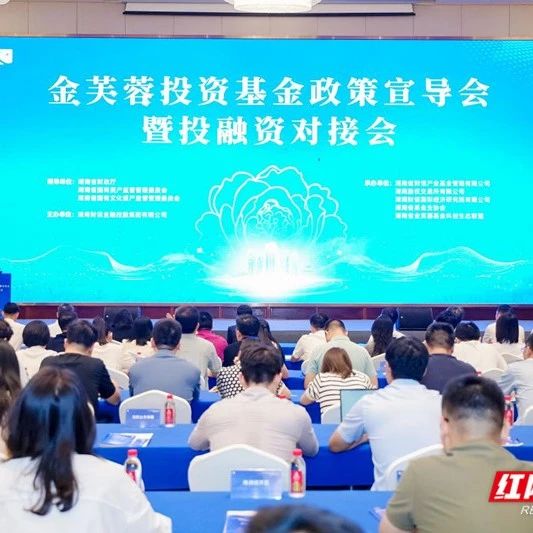
Core Viewpoint - The article discusses the establishment and progress of the Jin Furong Investment Fund in Hunan Province, highlighting its operational framework, investment achievements, and future initiatives aimed at fostering economic development and innovation in the region [2][3][4]. Fund Structure and Investment Progress - The Jin Furong Investment Fund is structured under a "1+5+N" framework, focusing on five key areas: industrial guidance, technological innovation, infrastructure, social development, and other categories [4]. - The fund has seen a steady expansion, with the provincial government approving the establishment of 12 sub-funds, including those focused on small and medium enterprises, digital industries, and health sectors [4]. - By the first half of 2025, the fund had made investment decisions on 225 projects, amounting to 3.98 billion yuan, with significant contributions from the industrial guidance and technological innovation sub-funds [5]. Digital Transformation and Efficiency - The article emphasizes the launch of the Jin Furong Investment Fund's digital management platform, which aims to enhance operational efficiency and decision-making through integrated data management and intelligent risk control [8][9]. - This platform is expected to streamline the fundraising and project matching processes, significantly improving the efficiency of sub-fund applications and evaluations [9]. Collaborative Ecosystem Development - The establishment of the Hunan Jin Furong Fund Science and Technology Innovation Ecosystem Alliance aims to foster collaboration among universities, research institutions, and industry leaders to create a robust "technology + finance" ecosystem [10]. - The fund is also initiating a public welfare program to support university startups with free consulting services and training camps for selected high-tech projects [12]. Future Directions - The Jin Furong Investment Fund plans to strengthen policy guidance and enhance collaboration across government, industry, academia, and finance to create a comprehensive fund matrix that supports enterprises throughout their lifecycle [13].
50亿,这支省级先进制造业母基金设立
母基金研究中心· 2025-07-15 08:47
Group 1 - The article discusses the establishment of a three-tier government investment fund system in Yunnan Province, which includes a provincial guiding fund, key industry mother funds, and sub-funds to support high-quality development of key industries [1][2] - The Yunnan Provincial Advanced Manufacturing Equity Investment Mother Fund has been registered with a scale of 5.008 billion yuan, focusing on private equity investments, investment management, and asset management [1] - The next steps involve the Yunnan Financial Holdings Group facilitating the registration of the manufacturing mother fund with the Asset Management Association of China, aiming to enhance the competitiveness of the industrial and information technology sectors [2] Group 2 - The article mentions the upcoming Fourth Davos Global Mother Fund Summit and the launch of the 2025 Mother Fund Research Center's special ranking evaluation [4] - It also highlights the 2024 China Mother Fund Panorama Report, indicating ongoing research and analysis in the mother fund sector [4]

有GP已经在用共享办公了
母基金研究中心· 2025-07-15 08:47
Core Viewpoint - Many small and medium-sized General Partners (GPs) are adopting cost-saving measures such as shared office spaces and reducing staff to survive in a challenging investment environment [1][2][3][4][5]. Cost-Saving Measures - Several GPs have transitioned to shared office spaces to cut costs, indicating that survival is prioritized over maintaining a traditional office setup [1][2]. - The trend of using shared offices is common among small GPs, with many reporting that their business operations have not been significantly affected [2][3]. - Some firms have even eliminated internships, which are typically low-cost positions, highlighting the severity of cost-cutting measures [4][5][6]. Staff Reductions and Salary Adjustments - Interns have been let go across various departments, reflecting a broader trend of reducing personnel costs [5][6]. - Many firms have implemented salary cuts and layoffs, with over half of employees experiencing pay reductions due to the challenging market conditions [8][10]. - The concept of "survival of the fittest" is evident, as firms are adopting performance-based evaluations leading to layoffs of the lowest performers [10][11]. Market Challenges - The year 2025 is seen as a critical year for many GPs, with difficulties in fundraising, investing, and exiting investments becoming increasingly common [9]. - Many firms have drastically reduced travel expenses, opting for online meetings whenever possible, and have set lower standards for travel accommodations [9]. - The emergence of "zombie funds" is noted, where funds are unable to raise new capital or exit investments, leading to a tightening of budgets and operations [9]. Talent and Strategy Shifts - A significant restructuring is occurring within GPs, with many young investment professionals being let go while firms seek to hire individuals with industry-specific backgrounds [15][16]. - The current environment is described as a "hell mode" for new entrants in the investment field, as they face challenges in gaining experience and resources [16]. - The investment landscape is evolving, with firms needing to adapt their strategies and personnel to navigate the downturn effectively [16].

创投圈正在经历一场信任危机
母基金研究中心· 2025-07-14 08:46
Core Viewpoint - The trust crisis in the venture capital industry is intensifying, with increasing scrutiny on management fees and the relationship between General Partners (GPs) and Limited Partners (LPs) [1][5]. Management Fees - Recent regulations in various regions have changed the management fee structure for GPs, shifting from a traditional 2% of committed capital to a model based on actual investment amounts, which is expected to lower overall management fees [2][3]. - The new fee structures require GPs to demonstrate value through successful project investments rather than relying solely on management fees for income [2][4]. - The evolving management fee landscape reflects heightened expectations from LPs, who are increasingly implementing performance assessments to hold GPs accountable [2][4]. Trust and Relationship Dynamics - The relationship between LPs and GPs is crucial, with management fees intended to cover operational costs rather than serve as the primary income source for GPs [4]. - There is a growing concern about the sustainability of GPs that depend solely on management fees, as the industry moves towards greater professionalism and standardization [4][5]. Buyback Issues - The buyback and "betting" issues have become prominent in the primary market, particularly as many startups face pressure to execute buybacks amid a downturn in the capital market [6][7]. - The current wave of buybacks is seen as a systemic issue, exacerbated by market volatility and historical practices, necessitating collaborative solutions among all stakeholders [12][13]. - Legislative efforts in regions like Hunan and Shandong are encouraging the relaxation or elimination of mandatory buyback clauses, aiming to foster a healthier investment environment [9][10][13]. Future Outlook - The industry is urged to maintain rationality and foster mutual understanding among all parties involved, with a focus on long-term economic growth and the development of new productive forces [14]. - There is a call for improved incentive mechanisms within government investment funds to promote long-term capital investment and rebuild trust between LPs, GPs, and startups [14].

GP开始为“过错”买单
母基金研究中心· 2025-07-13 08:42
Core Viewpoint - The article discusses the significant shift in the venture capital industry in China, where litigation has become a necessary tool for investment firms to recover funds from failing projects, reflecting deeper issues within the industry [5][8][31]. Group 1: Industry Changes - The venture capital industry is experiencing a transformation as many funds reach maturity with disappointing returns, leading to increased tensions between Limited Partners (LPs) and General Partners (GPs) [6][20]. - The entry of state-owned LPs has changed the rules of the game, enforcing stricter definitions of "state asset loss" and requiring clear accountability for every investment [7][21]. - A significant number of projects are now entering liquidation phases, revealing numerous "zombie" projects that do not yield high returns for investment firms [4][6]. Group 2: Litigation as a Tool - Litigation has become a common method for GPs to recover investments, with a notable increase in lawsuits related to investment disputes [9][14]. - In 2023, a leading venture capital firm initiated 38 litigation cases, with a 69% increase in disputes compared to the previous year [14][15]. - The trend of buyback agreements has become standard, with many companies failing to meet these agreements, triggering legal actions [15][16]. Group 3: Legal and Operational Challenges - Many investment firms are now facing legal repercussions for their past management practices, as they are held accountable for the performance of their investments [31][32]. - The lack of thorough due diligence and post-investment management has led to significant vulnerabilities within the industry [7][32]. - Legal complexities arise from poorly defined contractual terms, making it difficult for firms to pursue claims effectively [39][41]. Group 4: The Role of State-Owned Enterprises - State-owned enterprises are increasingly dominant in the LP structure, accounting for approximately 88.8% of contributions, with government funding making up 52.5% of that [20][21]. - The stringent requirements from state-owned LPs have led to a culture where GPs must pursue legal action to demonstrate compliance and accountability [27][30]. Group 5: Future Outlook - The article suggests that the current crisis could serve as a turning point for the industry, pushing firms to adopt more rigorous investment processes and legal safeguards [8][37]. - There is a growing recognition that the venture capital industry must evolve from a zero-sum game mentality to a more collaborative approach that emphasizes long-term growth and stability [79].