母基金研究中心

Search documents
这家银行的千亿科创基金群启航了
母基金研究中心· 2025-06-14 09:09
Core Viewpoint - China Construction Bank (CCB) is launching a 100 billion yuan technology innovation fund cluster to support national technology innovation strategies and enhance financial services in the technology sector [1][4]. Group 1: Fund Structure and Objectives - CCB's equity investment management subsidiary, Jianxin Equity Investment, is responsible for managing the national strategic emerging industry development fund, known as the "War New Fund," which aims for a target scale of 300 billion yuan [2]. - The War New Fund focuses on eight key areas: new generation information technology, high-end equipment, new materials, biotechnology, new energy vehicles, renewable energy, energy conservation and environmental protection, and digital creativity [3]. Group 2: Role of Banking in Private Equity - Bank funds are becoming increasingly important participants in China's private equity investment landscape, with banks being the largest financial institutions in the country [5]. - Recent policy changes have encouraged banks to invest in venture capital and private equity funds, removing previous barriers to entry [6][7][8]. Group 3: Regional Developments in Shanghai - Shanghai is actively promoting venture capital and private equity, with significant fund launches such as the 500 billion yuan Shanghai Industrial Transformation Upgrade Fund and the China Pacific Insurance's 500 billion yuan fund [9][10]. - The city has a strong track record in private equity, particularly in the mother fund sector, with over 40 mother funds and a leading position in managed fund scale [10][11].


今年,GP的员工正在“大换血”
母基金研究中心· 2025-06-13 09:28
Core Viewpoint - The investment industry is undergoing significant personnel changes and structural adjustments due to the current economic downturn, with many firms prioritizing cost control and maximizing efficiency over traditional hiring practices [1][4][10]. Group 1: Personnel Changes - Many General Partners (GPs) are experiencing a "great reshuffle," with firms laying off a significant portion of young investors and traditional business background investors, while hiring those with industry or hard technology backgrounds [1]. - The current environment is described as a "hell mode" for young investors, who are struggling to gain practical experience and resources due to hiring freezes and layoffs [1]. - Investment firms are prioritizing retaining employees with core resources during layoffs, indicating a shift towards a more experienced workforce [1]. Group 2: Departmental Adjustments - New departments, such as those focused on investment attraction and return landing, are being established, but their relevance is being questioned due to recent policy changes that impact the fundraising landscape [2][3]. - The introduction of national guidelines discouraging the establishment of government investment funds for the purpose of attracting investment has led to significant changes in departmental structures within investment firms [2][4]. - The pressure to meet return requirements is expected to decrease, allowing GPs to focus more on independent investment decisions rather than being influenced by local government demands [4]. Group 3: Market Conditions - The current year, 2025, is seen as a critical period for many mid-sized and smaller GPs, facing challenges in fundraising, investment, and exit strategies [4][5]. - The emergence of "zombie funds" indicates that many firms are unable to raise new funds or achieve exits, leading to widespread cost-cutting measures such as layoffs and salary reductions [5]. - The investment community has shifted its expectations, with a focus on achieving modest returns rather than unrealistic high returns, reflecting a more cautious approach to investment [9][10].

100亿,这支国家级母基金落地
母基金研究中心· 2025-06-13 09:28
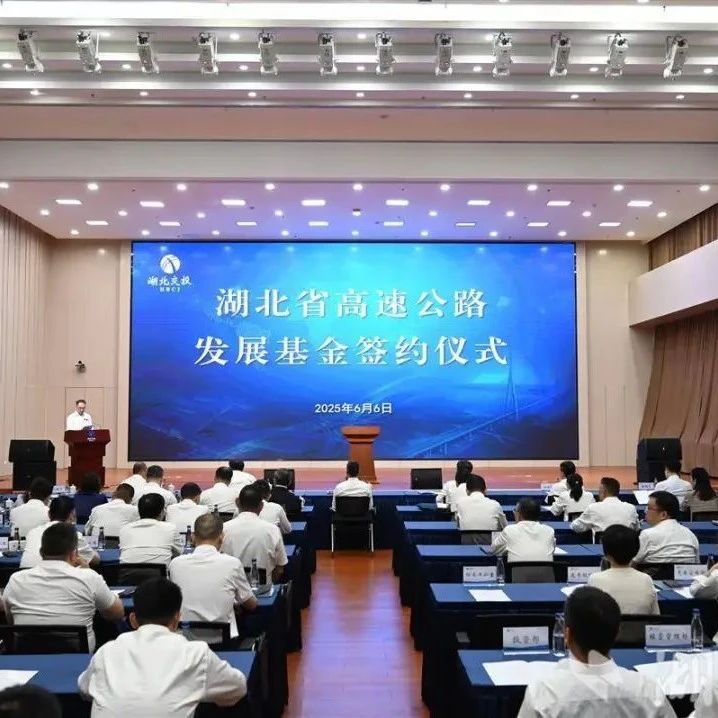
Summary of Key Points Core Viewpoint The article discusses the recent developments in China's mother fund industry, highlighting the establishment of various funds across different provinces, with a total management scale of 1,445.88 billion yuan, focusing on sectors such as new materials, biomedicine, and future industries [1]. Group 1: National Developments - A national-level mother fund with a total commitment of 10 billion yuan has been established, with contributions from various partners including the Ministry of Finance and listed companies [4][6]. - The National SME Development Fund has completed the establishment of its seventh batch of sub-funds, totaling four sub-funds aimed at supporting small and medium enterprises [10][12]. Group 2: Provincial Developments - In Hubei, a 1,000 billion yuan highway development fund has been signed, with a mother fund of 300 billion yuan aimed at infrastructure investment [7][9]. - Jiangsu has seen the establishment of multiple funds, including a 5 billion yuan angel investment fund and an 85 billion yuan strategic emerging industry fund [13][14]. - A 100 billion yuan fund has been registered in Wuhan's Jiangxia District, focusing on the semiconductor industry [15][16]. - Shandong has increased its provincial fund's contribution to angel funds to 40%, aiming to support private enterprises [17][18]. Group 3: Specific Fund Initiatives - The Heilongjiang province is seeking general partners for its 5 billion yuan entrepreneurship investment fund, targeting strategic emerging industries [19]. - A 30.01 billion yuan high-quality industrial development fund has been established in Jiujiang, focusing on private equity investments [21]. - The Lhasa city has launched a 1.5 billion yuan mother fund, emphasizing cultural tourism and digital economy investments [29][31]. - The Hangzhou Qianjiang Century City Industrial Development Fund is seeking fund managers for its 3 billion yuan fund, focusing on innovative industries [32][33].
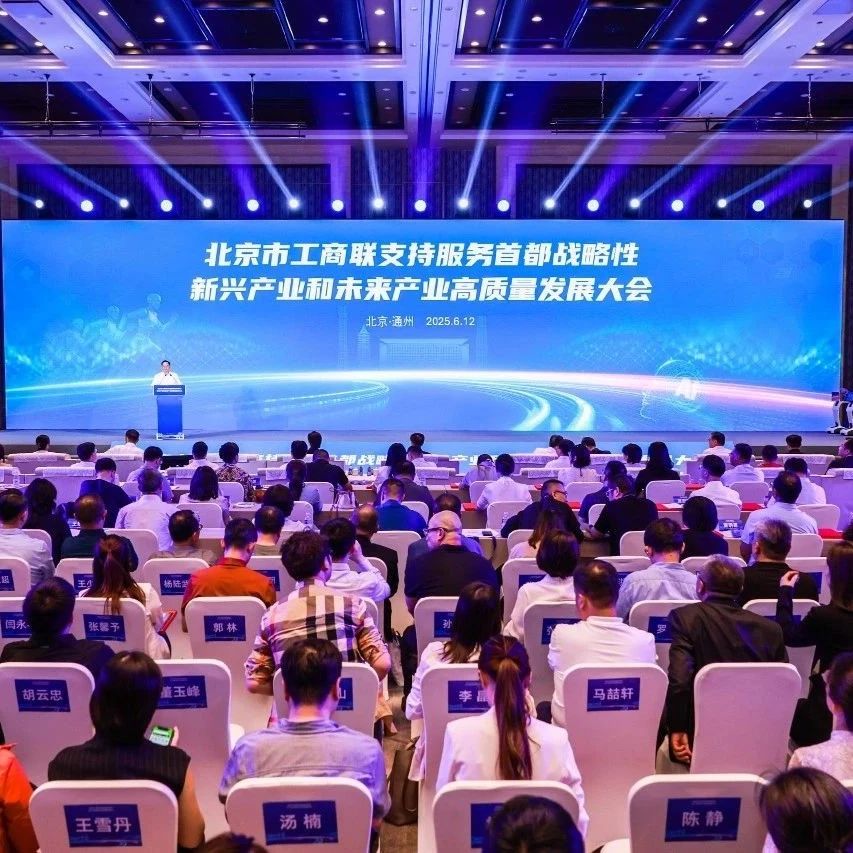
唐劲草会长获聘北京市工商联投融资专委会副主任
母基金研究中心· 2025-06-12 09:23
Core Viewpoint - The article discusses the high-quality development of strategic emerging industries and future industries in Beijing, emphasizing the importance of supporting these sectors in alignment with national policies and directives from the leadership [2]. Group 1: Conference Overview - The conference was held to implement the spirit of Xi Jinping's speech at the private enterprise symposium and to promote the development of new productive forces and a modern industrial system [2]. - Key leaders, including the Vice Chairman of the All-China Federation of Industry and Commerce and the Chairman of the Beijing Municipal Political Consultative Conference, attended and spoke at the event [2][6]. Group 2: Establishment of Specialized Committees - The Beijing Federation of Industry and Commerce announced the establishment of a "4+1" specialized committee system, focusing on four industries: artificial intelligence, pharmaceutical health, embodied intelligence, and new energy materials, along with a financing committee [7]. - The committee appointments included various leaders from financial institutions and investment firms, highlighting a collaborative approach to industry development [9]. Group 3: Financing Committee Objectives - The Financing Committee aims to leverage the resources and influence of its member units to create a cooperative investment and financing ecosystem, facilitating information sharing and resource integration [11].
我,项目的投资人董事,被连带限高了
母基金研究中心· 2025-06-12 09:23
Core Viewpoint - The article discusses the increasing responsibilities and risks associated with being a director in investment projects, particularly in light of recent legal changes and the rising issues surrounding buyback agreements in the venture capital (VC) industry [2][5][12]. Group 1: Legal Changes and Responsibilities - The new Company Law, effective from the second half of last year, has heightened the responsibilities of company directors, leading to unexpected legal consequences for many investors [2][3]. - Directors are now more likely to face legal actions related to buyback issues, which were previously overlooked during economic upswings [4][7]. Group 2: Buyback Issues - The article highlights a significant increase in buyback-related lawsuits, with over 90% of projects facing buyback claims involving founders as defendants [7][8]. - Many venture capitalists are now exploring flexible solutions to manage buyback obligations, including negotiating alternative agreements with founders [6][10]. Group 3: Systemic Problems in the VC Industry - The current wave of buyback demands is characterized as a systemic issue, influenced by market fluctuations and historical practices, necessitating collaborative solutions rather than blaming individual parties [12][13]. - The pressure from limited partners (LPs) on general partners (GPs) to resolve investment failures has intensified, leading to a cycle of litigation and forced liquidations [8][11]. Group 4: Legislative and Practical Responses - Some regions, like Hunan, are taking legislative steps to encourage investment without mandatory buyback clauses, aiming to alleviate the pressure on startups [6][13]. - The VC industry is witnessing a shift towards more transparent negotiations and better investment conditions, as some firms choose to forgo buyback clauses altogether [6][10].

母基金赋能产业发展的新打法
母基金研究中心· 2025-06-11 01:46
Group 1 - The private equity investment market is facing both challenges and opportunities, with the mother fund industry needing to find ways to navigate these challenges and achieve stable growth through cycles [1] - In 2024, the China International Science and Technology Promotion Association's Mother Fund Branch and the Mother Fund Research Center will hold seven seminars in various cities to promote collaboration and healthy development within the private equity industry [1] - The first seminar in 2025 was successfully held in Shenzhen on March 26, focusing on the future trends of the mother fund industry post the "State Council Document No. 1" [1] Group 2 - The upcoming seminar in Chengdu on June 26, 2025, will explore how to better leverage the synergy between mother funds and sub-funds to empower industrial development [2][4] - The agenda for the Chengdu seminar includes a series of activities such as leadership speeches, thematic sharing, and introductions to various mother fund institutions [4] Group 3 - The 2025 Mother Fund Research Center's special ranking evaluation has officially begun, including the announcement of the 2025 40U40 Outstanding Young Investors list and the 2024 China Mother Fund Panorama Report [8]

这个省出台新规:严控新设基金
母基金研究中心· 2025-06-11 01:46
Core Viewpoint - The implementation opinions from Gansu Province emphasize the need for high-quality development of government investment funds, aligning with the national guidelines issued earlier this year, indicating a tightening of new fund establishment across all levels of government [1][2][3]. Summary by Sections Government Investment Fund Management - The Gansu implementation opinions require all levels of financial departments to manage government investment funds uniformly, strictly controlling the establishment of new funds and promoting the optimization and integration of existing funds [1]. - The document reflects a broader trend where many regions are tightening their policies on new government investment funds in response to national directives [1][2]. Impact on Fund Establishment - The enthusiasm for establishing new government investment funds has decreased, influenced by the national guideline that prohibits setting up funds for the purpose of attracting investment [2][3]. - In the first quarter of 2024, the scale of newly initiated mother funds was 238.7 billion, while in the first quarter of this year, it dropped to 146.2 billion, marking a decline of 38.75% [3]. Changes in Investment Strategy - The national guideline has significantly impacted the previously popular "fund attraction" model, leading to a transformation in local government strategies for investment and fund establishment [3][4]. - Many local governments are now focusing on nurturing local industries rather than attracting external projects, indicating a shift in the investment landscape [5]. Future Policy Developments - Multiple regions are revising their government investment fund policies in accordance with the national guidelines, with new policies expected to be released throughout the year [6].

12.6亿美元,腾讯音乐要收购喜马拉雅了
母基金研究中心· 2025-06-11 01:46
Core Viewpoint - Tencent Music has announced a merger agreement with Ximalaya, which will make Ximalaya a wholly-owned subsidiary after the transaction closes [1][5]. Group 1: Transaction Details - The transaction involves the cancellation of equity securities held by Ximalaya's shareholders and employee stock plan participants in exchange for $1.26 billion in cash and Tencent Music shares [2][5]. - Tencent Music will issue Class A common stock not exceeding 5.1986% of the total shares outstanding as of five business days before the transaction closes, along with an additional issuance of up to 0.37% of total shares to founding shareholders post-transaction [5]. - The completion of the transaction is subject to regulatory approvals and other closing conditions [5]. Group 2: Market Reaction - Following the announcement, Tencent Music's stock surged over 11% in pre-market trading, and by the end of the trading day, it had increased by 2.43% in Hong Kong [4]. Group 3: Ximalaya's Future Plans - Ximalaya will undergo a restructuring of certain existing businesses related to the transaction, while maintaining its brand, product independence, core management team, and strategic direction [6]. - Ximalaya has committed to fulfilling all contracts with partners and ensuring customer rights are protected [6]. - The company aims to embrace AI to lead industry transformation [7]. Group 4: Tencent Music's Market Position - Tencent Music is the largest online music platform in China, holding approximately 70% market share, and has developed a comprehensive music entertainment ecosystem [8]. - In Q1, Tencent Music reported total revenue of 7.36 billion yuan, a year-on-year increase of 8.7%, with adjusted net profit rising by 22.8% to 2.23 billion yuan [8]. - Online music service revenue grew by 15.9% to 5.80 billion yuan, with the number of paying users increasing by 8.3% to 12.29 million [8].

15.75亿,这家CVC收购了A股上市公司
母基金研究中心· 2025-06-11 01:46
Group 1 - The core viewpoint of the article highlights the acquisition of Honghe Technology by Hefei Ruicheng Private Equity Fund Management Co., which plans to invest 1.575 billion yuan to acquire a 25% stake and gain control of the company, marking the first CVC-led acquisition following the "Six Opinions on Deepening the Reform of Mergers and Acquisitions of Listed Companies" [1] - Hefei Ruicheng will establish a merger fund as the transaction entity, backed by Wuhu Chery Capital Management Co., which is associated with Chery Holdings and Chery Automobile, indicating strong support from quality resources [1] - The focus of Hefei Ruicheng's investment strategy is on strategic emerging industries such as new energy vehicles and intelligent connected vehicles, which could enhance the asset quality and governance of Honghe Technology [1] Group 2 - Honghe Technology is a leading company in the educational smart interactive panel market, currently exhibiting good operational and financial conditions with ample cash flow, but faces limitations in industry growth potential [2] - The introduction of resource-rich industrial capital could assist Honghe Technology in transforming and exploring new growth avenues, potentially leading to significant development for the company [2]

退出利好:允许大湾区的港股企业回深A上市
母基金研究中心· 2025-06-10 14:36
Group 1 - The article discusses the implementation of comprehensive reform pilot programs in Shenzhen, emphasizing the need for innovation and openness in economic development [1][2] - It highlights the importance of integrating financial services with the real economy, particularly through support for technology-driven enterprises and green finance initiatives [1][6] - The document outlines a framework for enhancing collaboration between education, technology, and talent development, aiming to foster high-quality human resources [4][5] Group 2 - The reform proposals include establishing a robust mechanism for financing technology enterprises, including credit systems and intellectual property securitization [1][6] - There is a focus on creating a conducive environment for emerging industries, including artificial intelligence and drone management, to drive economic growth [6][8] - The article emphasizes the need for a more open economic system, facilitating trade and investment, and improving the flow of goods and services [8][9] Group 3 - The document stresses the importance of enhancing governance models to ensure effective implementation of reforms, including legal and regulatory adjustments [10][12] - It calls for a systematic approach to evaluating and promoting successful reform experiences, ensuring that effective practices are replicated [12][13] - The article outlines the necessity of strengthening the leadership role of the Party in guiding the reform processes [12][13]