36氪

Search documents
掘金「微醺」社交经济,精酿品牌「TAGSIU」获近千万Pre-A轮融资|早起看早期
36氪· 2025-09-04 23:57
Core Insights - TAGSIU, a craft beer brand, has completed nearly 10 million Pre-A round financing, aimed at expanding its store chain, retail channels, and supply chain development [1] - The craft beer market in China reached 148.78 billion RMB in 2023, doubling since 2018, and is expected to exceed 180 billion RMB by 2027, with a compound annual growth rate of over 8% [6] Company Overview - Founded in 2020, TAGSIU combines offline store experiences with retail channel layouts, targeting urban consumers seeking personalized and social drinking experiences [1] - The brand has transitioned from large dining taverns to smaller pubs to enhance operational efficiency and scalability [5] Investment and Supply Chain - The investment from Guangdong Cool Mouse Brewery enhances TAGSIU's supply chain capabilities, allowing for high-quality imported ingredients and unique brewing processes [6] - Cool Mouse Brewery, one of the largest in South China, plans to expand its production capacity significantly by 2025 [5] Market Strategy - TAGSIU focuses on expanding its retail presence through partnerships with convenience stores and supermarkets, making craft beer more accessible to a broader audience [8] - The brand employs a competitive pricing strategy, with products available at low prices, such as 9.9 RMB for two bottles, to attract price-sensitive consumers [8] Consumer Engagement - TAGSIU engages with younger consumers through various events and collaborations, establishing itself as a cultural brand in the craft beer space [14] - The brand's direct interaction with consumers aids in real-time feedback for product development, enhancing its ability to innovate [15] Future Outlook - TAGSIU aims to continue expanding its store network and retail channels while focusing on product innovation and supply chain efficiency [17] - The company acknowledges challenges in organizational capacity and channel management but remains optimistic about overcoming these hurdles [17]


8点1氪:特朗普回应“已去世”传言;361度回应与张水华解约;阿玛尼创始人乔治·阿玛尼去世,享年91岁
36氪· 2025-09-04 23:57
Group 1 - Trump responded to rumors of his death, labeling them as "fake news" and emphasized his active weekend [4] - ByteDance denied rumors regarding the separation of its chip business, stating that the business entity remains unchanged [6] - 361 Degrees announced the termination of its contract with marathon runner Zhang Shuihua during a live stream [5] Group 2 - Giorgio Armani, the founder of the luxury brand Armani, passed away at the age of 91 [5] - Agricultural Bank of China surpassed Industrial and Commercial Bank of China in total market value, becoming the new "universe bank" [8][10] - Huawei's smartwatch shipments surpassed Apple's for the first time, marking a significant milestone in the wearable technology market [10] Group 3 - NIO confirmed its collaboration with McLaren, contributing to its technology service revenue [10] - Xiaomi plans to expand its home appliance and new retail business overseas, with a goal of launching its automotive products internationally by 2027 [10] - The price of gold jewelry in China has risen to 1,060 yuan per gram, reflecting a trend in the precious metals market [13][14] Group 4 - WeRide launched its Robotaxi GXR for 24-hour unmanned commercial operation in Guangzhou [20] - Meta is set to release a new type of smart glasses priced around $800, indicating a shift in its product strategy [23] - OpenAI plans to launch an AI-powered employment platform by 2026, aiming to connect businesses with skilled candidates [23]





连亏多年的卓翼科技,向罗马仕追讨上亿元
36氪· 2025-09-04 13:10
Core Viewpoint - The article discusses the ongoing legal disputes and financial challenges faced by Zhuoyue Technology and its suppliers, particularly in light of the recent issues surrounding the Romoss brand power banks, which have led to significant financial implications for the involved companies [4][5]. Group 1: Legal and Financial Implications - Zhuoyue Technology's subsidiary has initiated legal proceedings against Romoss for contract disputes, claiming over 136 million yuan in unpaid debts, which includes product payments and other associated costs [6][7]. - The financial strain on Zhuoyue Technology is evident, as the amount owed by Romoss represents 16.07% of Zhuoyue's accounts receivable as of June 2025, indicating a substantial impact on the company's revenue [7]. - Another company, Chuangyitong, has also reported a credit impairment loss of 11.01 million yuan due to unpaid debts from Romoss, suggesting that the financial troubles are widespread among suppliers [4][8]. Group 2: Company Performance and Challenges - Zhuoyue Technology has been in a state of continuous loss since 2020, with revenue declining from 3.041 billion yuan in 2020 to 1.548 billion yuan in 2023, nearly halving over three years [10]. - The company's net losses have exceeded 1.6 billion yuan over the past five and a half years, with unrecouped losses reaching 1.4 billion yuan as of 2024 [10]. - Despite a slight reduction in losses in the first half of 2025, the company continues to face challenges such as insufficient orders and high fixed costs, which hinder profitability [10][11]. Group 3: Strategic Initiatives - To address its financial difficulties, Zhuoyue Technology is focusing on developing new customers and products, as well as expanding into new business areas, including cross-border e-commerce [11][12]. - The company has reported a turnaround in its international business, achieving a gross margin of 30.27% in the first half of 2025, significantly higher than the domestic gross margin of 3.06% [12].


流量之后,数码行业的增长密码或许在「心智」
36氪· 2025-09-04 13:10
Core Viewpoint - The digital industry is shifting from a focus on visibility to a focus on memorability, emphasizing the importance of establishing a strong mental anchor in consumers' minds to drive long-term growth [3][6][28]. Group 1: Industry Dynamics - The digital industry is characterized by rapid performance improvements, aesthetic iterations, and algorithm updates, leading to a highly competitive and saturated market [3][6]. - As hardware differences diminish, the competition is increasingly centered on cognitive shortcuts that consumers use to make decisions, such as memorable product labels [7][29]. - The traditional correlation between brand exposure and sales is weakening; now, the position a brand occupies in consumers' minds is crucial for sustained growth [6][28]. Group 2: Mental Framework - The mental framework for brand positioning consists of three layers: product cognition (functional recognition), scenario cognition (usage context), and brand cognition (emotional and identity recognition) [11][13]. - Successful brands leverage this three-layer mental framework to create memorable associations, which can lead to higher price premiums and stronger repurchase intentions [14][16]. Group 3: AI's Role in Marketing - AI is transforming the marketing landscape by enabling more precise targeting and understanding of consumer motivations, thus facilitating effective communication [20][21]. - Brands that engage in mental construction on platforms like Douyin (TikTok) experience faster asset accumulation and greater business growth compared to those that do not [16][27]. - AI-driven marketing strategies allow brands to measure and track their mental positioning, providing insights into the relationship between mental construction and actual sales [25][26]. Group 4: Case Studies and Results - Xiaomi's use of the three-layer mental strategy resulted in a 233% increase in orders and a 155% rise in search popularity, demonstrating the effectiveness of mental positioning [14]. - The collaboration between brands and platforms like Douyin has led to significant increases in brand awareness and sales, as seen in the case of LiberLive and Xiaomi [21][23]. Group 5: Future Implications - The digital industry's marketing logic is undergoing an irreversible shift, where long-term cognitive accumulation is more valuable than short-term traffic spikes [28][29]. - The competitive edge will increasingly depend on how well brands can establish and maintain mental associations in consumers' minds, rather than just leading in technical specifications [30].
开学了,儿童指纹水杯爆单了
36氪· 2025-09-04 13:10
Core Viewpoint - The rise of fingerprint-locked children's water bottles reflects the growing parenting anxiety in China, driven by safety concerns and social media influence [6][12][22]. Group 1: Market Dynamics - The popularity of fingerprint water bottles surged rapidly, with significant discussions on social media platforms like Xiaohongshu, leading to increased sales and media coverage during the back-to-school season [8][14]. - The average price range for these fingerprint water bottles is between 200 to 400 yuan, with some models exceeding 1,000 yuan, while traditional non-fingerprint models are priced below 200 yuan [11][12]. - The potential market for fingerprint water bottles is substantial, with an estimated 32 billion yuan market created by the 2024 first-grade student population of 16.17 million, and a total market potential of over 100 billion yuan when considering all students [14]. Group 2: Consumer Behavior and Concerns - Parents perceive fingerprint water bottles as a solution to prevent misusage and ensure their children's drinking safety, despite concerns about the practicality and reliability of the technology [11][19]. - The emergence of these products has sparked debates about whether they represent a genuine need or are simply a marketing ploy exploiting parental anxiety [15][16]. - The concept of fingerprint water bottles is not new, having first appeared in 2022, but recent incidents of poisoning in schools have heightened awareness and demand for such products [19][20]. Group 3: Psychological Factors - The marketing strategies employed by companies capitalize on parental fears and the desire to provide the best for their children, leading to a phenomenon referred to as "parenting anxiety tax" [27][33]. - The tendency of parents to compare their children with others contributes to this anxiety, driving them to invest in products that appear beneficial, regardless of their actual necessity [31][32]. - The lack of scientific guidance in parenting leads to confusion and susceptibility to marketing tactics, resulting in increased consumer spending on products like fingerprint water bottles [33].

跌近15%!寒王遇「茅台魔咒」,这只是开始?
36氪· 2025-09-04 13:10
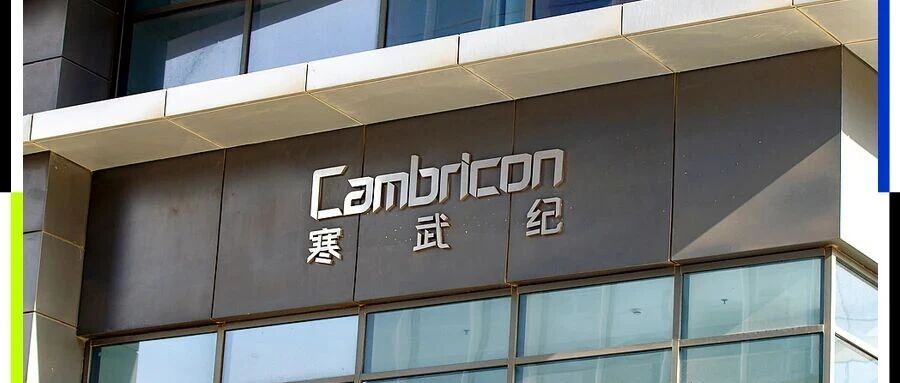
Core Viewpoint - The article discusses the phenomenon known as the "Moutai Curse," which suggests that companies whose stock prices exceed that of Moutai tend to experience a decline thereafter. The latest challenger to this curse is Cambricon, whose stock price surged tenfold over the past year, briefly surpassing Moutai before experiencing a significant drop [4][5]. Group 1: Historical Context - Over the past eight years, no company has surpassed Moutai's stock price until Cambricon. Historically, 14 companies have exceeded Moutai's price, primarily around 2015, a period marked by a bull market and the impending burst of the mobile internet bubble [5][6]. - A review of the stock performance of these 14 companies after surpassing Moutai shows that half of them began to decline within a month, with many experiencing significant drops within a year [9][10]. Group 2: Performance Analysis - Among the 14 companies, only China Shipbuilding and Yanghe Brewery maintained an upward trend for a year after exceeding Moutai's price. The average price-to-earnings (PE) ratio for these companies was 232, while Cambricon's PE ratio reached an extreme 514 [9][13][16]. - The article highlights that the stock price surges of these companies were often driven by speculative bubbles without solid fundamental support, leading to inevitable declines when market enthusiasm waned [15][16]. Group 3: Current Market Conditions - Cambricon's recent stock performance mirrors the patterns observed in previous instances of the "Moutai Curse," with its stock price peaking at 1,465 yuan before dropping significantly. As of September 4, Cambricon's stock closed at 1,202 yuan, reflecting a 14.45% decline [17]. - The current market environment differs from 2015, with risks stemming more from external factors such as geopolitical tensions and global economic downturns, rather than internal leverage issues [17].
万字说透稳定币:新基建还是新风险?
36氪· 2025-09-04 10:38
Core Viewpoint - The article discusses the rapid growth and significance of stablecoins in the financial landscape, highlighting their potential as a new payment tool and their role in cross-border transactions, while also addressing the associated risks and regulatory developments [4][5][21]. Summary by Sections What is "Stablecoin"? - Stablecoins are digital currencies designed to maintain a stable value, typically pegged to fiat currencies like the US dollar or euro. They provide a solution to the volatility of cryptocurrencies, allowing for smoother transactions and capital flow [7][8]. - There are four main types of stablecoins: fiat-collateralized, crypto-collateralized, algorithmic, and commodity-collateralized. Fiat-collateralized stablecoins dominate the market, accounting for 97.4% of the total market cap [8][9]. Market Overview - As of early 2025, the total market cap of stablecoins surged from under $2 billion in 2019 to over $250 billion, with a compound annual growth rate exceeding 100%. The trading volume of stablecoins reached tens of trillions of dollars in 2024, surpassing the combined transaction volume of Visa and Mastercard [5][11]. - The leading stablecoin, USDT, has a market cap exceeding $167 billion, representing about 60% of the total market. USDC follows with a market cap of around $67 billion, accounting for approximately 24% [11][12]. Profit Model and Value of Stablecoins - The primary profit source for fiat-collateralized stablecoins is the "reserve interest margin," where funds exchanged for stablecoins are invested in low-risk assets, generating significant interest income. For instance, Tether's holdings in US Treasuries exceed $100 billion, yielding nearly $400 million monthly in interest [15][16]. - Stablecoins serve as a core liquidity mechanism in the crypto market, facilitate low-cost cross-border payments, and are increasingly integrated into mainstream payment systems [18]. Regulatory Landscape - The regulatory environment for stablecoins has become clearer, with various countries implementing frameworks to govern their use. The US has introduced the GENIUS Act, while the EU has established the MiCA regulation, both aiming to enhance compliance and transparency [21][25]. - Hong Kong has also introduced strict regulations for stablecoins, emphasizing user identification and transparency, which may lead to a more controlled stablecoin ecosystem [26][27]. Future Trends and Opportunities - The demand for stablecoins is expected to grow due to macroeconomic uncertainties and rising interest rates, which enhance their appeal as a stable asset [21][23]. - Companies are increasingly exploring stablecoins for cross-border transactions, financial management, and innovative business models, leveraging their efficiency and programmability [42][44]. Risks and Challenges - Despite their advantages, stablecoins face systemic risks, including price decoupling, governance issues, and regulatory uncertainties. The potential for a "run" on stablecoins during crises poses significant challenges [46][48]. - The lack of transparency and governance in some stablecoin projects can lead to trust issues among users, as seen in past controversies surrounding USDT [49]. Regional Developments - Hong Kong is positioning itself as a leading hub for stablecoin innovation, with plans for various types of stablecoins, including a Hong Kong dollar stablecoin and offshore RMB stablecoin [36][37]. - In contrast, mainland China remains cautious about stablecoins, focusing on the development of its digital currency while observing international trends [27][39].


从形态突破到生态跃迁:华为三折叠的「鸿蒙时刻」
36氪· 2025-09-04 10:33
Core Viewpoint - Huawei is the only company making significant advancements in the three-fold smartphone market, establishing itself as a leader in this unique segment with the launch of the Mate XTs Master Edition, which enhances user experience through PC-level applications and ecosystem integration [2][32]. Market Position and Performance - Huawei's first-generation Mate XT achieved nearly 500,000 units in sales within a year, demonstrating its dominance in the three-fold market, where no other competitors have successfully launched similar products [5][32]. - Huawei holds a 75% market share in the three-fold segment, as reported by IDC, and has established a product matrix that includes dual-fold, three-fold, and wide-fold devices, with total shipments exceeding 10 million units [5][38]. Technological Innovations - The Mate XTs Master Edition incorporates powerful PC capabilities into a mobile device, allowing it to serve as a "pocket PC" that meets diverse user needs, from information consumption to mobile office tasks [4][11]. - The device features a 10.2-inch large screen and supports a "free multi-window" mode, enabling users to run multiple applications simultaneously, akin to a desktop experience [13][15]. Ecosystem Development - Huawei's ecosystem, built on the HarmonyOS, allows seamless integration across devices, enhancing user experience by providing a unified operating environment for smartphones, tablets, PCs, and other devices [28][35]. - The introduction of the M-Pen 3 further expands the device's functionality, enabling efficient note-taking and information management, thus enhancing productivity [23][25]. User Experience and Application - The Mate XTs Master Edition is designed to provide a desktop-level experience in a mobile format, allowing users to perform complex tasks without switching applications, thereby improving workflow efficiency [21][30]. - Applications have been optimized for the large screen, enhancing user engagement in entertainment and productivity scenarios, making the device a versatile tool for various tasks [30][31].

卖出千万台数字手绘屏、营收数亿,深圳老牌硬件公司杀入小众赛道|Insight全球
36氪· 2025-09-04 10:33
Core Viewpoint - XPPen has established itself as a significant player in the global digital drawing tablet market, focusing on high-quality, cost-effective products tailored for professional creators, and is experiencing substantial growth in a niche market that is evolving towards enhanced user experience and mobile creativity [4][5][8]. Company Overview - Founded in 2005, XPPen specializes in digital writing products, leveraging technologies such as EMR electromagnetic induction and X3 smart chips to offer a range of drawing tablets and digital pens [5][6]. - XPPen has achieved over 10 million units sold globally and generates annual revenues in the hundreds of millions, ranking second in global market share for digital drawing tablets [19][27]. Market Dynamics - The global digital drawing tablet market, previously dominated by Wacom, is projected to grow from $1.58 billion in 2023 to $2.43 billion by 2027, with a compound annual growth rate (CAGR) of 11.2% [8]. - The core user base consists of professional illustrators, animators, and industrial designers, representing about 12 million individuals globally, which is only 0.3% of internet users [7][8]. Product Development and Innovation - XPPen's products are designed to meet the increasing demands for precision and performance from professional creators, focusing on features like color accuracy and pressure sensitivity [8][21]. - The company has developed proprietary technology to enhance the user experience, including a specialized chip for pen interaction that minimizes latency and improves signal stability [16][17]. User Experience and Market Strategy - XPPen aims to provide a seamless and intelligent user experience, integrating AI technology to understand user intent and enhance creative workflows [22][24]. - The company is also focusing on regional customization of products to cater to different market preferences, ensuring that design and functionality align with user expectations in various regions [24][28]. Distribution and Market Reach - XPPen products are available in 163 countries, with a strong presence in Asia-Pacific markets and ongoing expansion into Europe and North America [19][25]. - The company has established overseas warehouses and partnerships with major e-commerce platforms to ensure efficient supply chain management and customer service [25].

这个国家的中产,买爆中国电动汽车
36氪· 2025-09-04 10:33
Core Viewpoint - The article highlights the rapid adoption of electric vehicles (EVs) in Nepal, primarily driven by Chinese manufacturers, which has led to a significant shift in the automotive market from traditional fuel vehicles to electric options [6][19]. Group 1: Market Dynamics - In Nepal, 76% of new car sales are electric, a dramatic increase from nearly zero five years ago, with Chinese brands dominating the market [7][10]. - Currently, 4 out of every 5 new electric vehicles in Nepal are labeled "Made in China," indicating a strong presence of Chinese manufacturers [6][19]. - The local middle class shows a strong inclination to purchase electric vehicles, with 99% of current fuel vehicle owners likely to switch to electric in the near future [14][19]. Group 2: Economic Factors - The cost of operating electric vehicles is significantly lower than that of traditional fuel vehicles, with monthly fuel costs for fuel vehicles around 10,000 Nepalese Rupees compared to less than 2,000 for electric vehicles [10][12]. - The price of electric vehicles is approximately 16% lower than comparable fuel vehicles due to favorable tax policies, with electric vehicles facing a tax rate of 10% to 30% compared to over 200% for fuel vehicles [18][19]. Group 3: Government Support - The Nepalese government aims for electric vehicles to account for 25% of private car sales by 2025 and 90% by 2030, alongside policies mandating the scrapping of fuel vehicles over 20 years old [19][20]. - Incentives such as tax reductions for new electric vehicle assembly plants are in place, including a 40% income tax reduction for six years [38][39]. Group 4: Competitive Landscape - Chinese brands like BYD and others have established a strong foothold in the Nepalese market, with BYD projected to capture over 25% market share by 2024 [24]. - The article notes that while some Chinese brands have successfully entered the market, others like Geely and NIO have been slower to respond to the opportunities in Nepal [32][34]. Group 5: Challenges and Opportunities - Despite the growth potential, challenges remain, including the need for improved after-sales service and maintenance networks for electric vehicles [35]. - Local industry experts suggest that Chinese manufacturers should consider strategies to target the second-hand market and commercial sectors to maximize their market presence [31].