36氪

Search documents
科大讯飞又一亿级产品:讯飞听见的SaaS突围,错身AI办公赛道的细分胜利
36氪· 2026-02-12 13:35
2月初的互联网圈,被一场久违的红包雨重新点燃。 讯飞听见用户破亿, 大模型赋能SaaS实现稳健增长。 但另类的选择,换来了扎实的商业回报。2025年财报数据显示,讯飞听见APP连续三年毛利增长超60%,新增用户年续订率超过50%,常年稳居各大应用商 城语音转写品类榜首。这组数据背后,是SaaS模式的核心价值体现:以付费筛选精准用户,以技术服务提升用户留存,形成了"技术迭代-付费转化-留存复 购"的正向循环,这也是SaaS产品区别于工具类产品的核心竞争力——不是追求短期流量峰值,而是沉淀长期可复用的用户价值与稳定现金流。 赛道竞争从未温和。 疫情加速了协同办公SaaS的全面市场化,飞书、钉钉、腾讯会议等巨头纷纷在核心功能中内嵌语音转写模块,凭借平台生态优势分流用户;与此同时,贴合 中国用户硬件付费习惯的录音卡片等硬件产品,也在争抢语音转写的细分市场,形成"软件内嵌+硬件切入"的双重竞争格局。但讯飞听见的表现,向行业提 出了新疑问:用户是否会为了一个转录纪要功能,去选择一款全家福产品? 协同办公平台的核心诉求是协同,语音转写只是其众多附加功能之一,难以做到场景深耕与技术极致;而录音卡片等硬件产品,核心优势在于独立 ...



美的集团2月12日全情报分析报告:「达飞集团与美的集团达成合作」对股价有积极影响
36氪· 2026-02-12 13:35
以下文章来源于36氪企业舆情报告 ,作者36氪 36氪企业舆情报告 . 舆情大数据,帮你看清市场全貌、看懂涨跌原因。 成交额:15.05亿;总市值:6064.71亿 较过去一年的平均收盘价 +0.07% ;较过去一年的日均交易量 -0.99% 美的集团 公司日报 来源| 36氪企业全情报(ID:EV36kr) 美的集团2月12日缩量上涨0.14% 79.80 +0.11 +0.14% 昨日收盘价79.69;当日收盘价:79.80 当日开盘价79.46;交易量18.88万手 换手率0.28%;缩量幅度0.60% 3日涨幅 +2.86% ;5日涨幅 +5.93% 战略合作影响 (利好) : 达飞集团与美的集团的战略合作将提升美的在全球市场的运输效率和供应链韧性,这可能会增强投资者对美的全球竞争力的信 心,从而对股价产生积极影响。 业务拓展影响 (利好) : 合作涉及运输量提升和全球业务拓展,这表明美的正在积极扩大其全球业务,可能会增加收入和市场份额,对股价构成利好。 "达飞集团与美的集团达成合作"舆情分析 2026年2月10日,达飞集团与美的集团正式签署战略合作备忘录,美的集团副总裁赵磊等出席,达飞集团航运执行副 ...

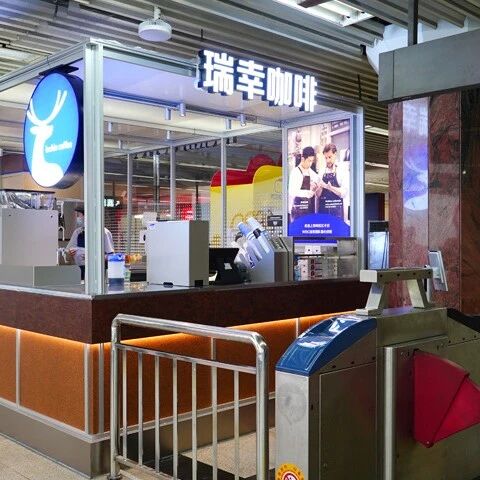
「半小时200单」,蜜雪冰城、瑞幸头部品牌「杀入」地铁站
36氪· 2026-02-12 10:18
Core Insights - The article discusses the increasing trend of beverage brands, particularly coffee and tea, establishing outlets in subway stations, highlighting the convenience for commuters and the potential for high sales volume [4][22][24]. Group 1: Market Trends - Numerous beverage brands, including Luckin Coffee and Manner, are rapidly entering subway stations, with Luckin planning to open at least 30 stores in Suzhou by 2026 and 200 stores in Tianjin over the next three years [6][14]. - Subway coffee shops can achieve significant sales, with reports indicating that some locations can sell up to 200 cups in just half an hour during peak hours [8][27]. - The consumer demographic in subway stations primarily consists of white-collar workers aged 25 to 40, who have strong purchasing power and a preference for instant gratification [32]. Group 2: Competitive Landscape - As price wars cool down, convenience is becoming a key competitive factor, with brands focusing on high-traffic locations to capture commuter demand [36][37]. - The number of tea and coffee shops in China has reached approximately 400,000 and 220,000 respectively, leading to intense competition in traditional retail spaces [43]. - Subway commercial spaces are seen as a new frontier for brands, offering lower rent and less competition compared to saturated urban retail areas [46]. Group 3: Strategic Insights - Brands are increasingly recognizing the value of subway stations as stable and predictable consumer touchpoints, allowing for seamless integration into commuters' routines [48][50]. - Recent policy changes in cities like Tianjin are facilitating the establishment of commercial outlets in subway systems, further enhancing the attractiveness of these locations for beverage brands [51]. - The evolution of consumer convenience is shifting from mere accessibility to creating seamless experiences along daily commuting routes, emphasizing the importance of convenience in beverage retail [53][54].


年销10亿仍然破产,自嗨锅营销窟窿有多大?
36氪· 2026-02-12 10:18
Core Viewpoint - The article discusses the decline of the once-popular self-heating hot pot brand "自嗨锅" (Self-Heating Pot), highlighting its financial struggles, consumer dissatisfaction, and the competitive landscape of the ready-to-eat food market [5][10][40]. Financial Performance - At its peak, 自嗨锅 achieved a valuation of 7.5 billion and annual sales of 1 billion, but it has faced significant losses, with a net profit of -1.51 billion in 2020 and over 3 billion in losses in 2021 [7][14][15]. - In 2022, the company reduced marketing expenses to below 30 million, resulting in a slight recovery in gross profit margin and net profit, which reached 1.99 million [16][18]. - Despite a revenue drop of 17.34% in 2022, the company managed to improve its gross profit margin to 33.47% [18]. Consumer Sentiment - Consumer feedback has shifted negatively, with many expressing dissatisfaction over the taste and quality of the products, leading to a perception of high prices for low-quality offerings [22][25][26]. - Social media is filled with complaints about the product's taste and quality, with consumers noting that the self-heating mechanism poses safety risks [31][22]. Market Dynamics - The self-heating hot pot market is shrinking, with competitors like 卫龙 and 海底捞 also scaling back their offerings due to changing consumer preferences [35][36]. - The rise of pre-prepared meals and the convenience of delivery services have further eroded the unique selling proposition of self-heating hot pots [37][40]. Brand Strategy and Positioning - 自嗨锅's marketing strategy heavily relied on celebrity endorsements and social media, but it failed to innovate or adapt to changing consumer tastes, leading to a loss of relevance [11][40]. - The brand's attempts to diversify its product line have not resonated with consumers, and its pricing strategy has not effectively positioned it against cheaper alternatives [26][28]. Future Outlook - The one-person meal market continues to grow, with projections indicating a market size of 1.8 trillion by 2025, but 自嗨锅 has not capitalized on this trend effectively [38][40]. - The company faces significant challenges in regaining market share and consumer trust, as it struggles to differentiate itself in a crowded and competitive landscape [40][41].

东北第一霸总,给员工发40亿红包
36氪· 2026-02-12 10:18
Core Viewpoint - Fangda Group is recognized for its generous employee benefits and significant wealth accumulation by its leader, Fang Wei, who has established a unique corporate welfare system while aggressively pursuing mergers and acquisitions in various industries [8][10][57]. Employee Welfare - Over the past decade, Fangda Group has distributed nearly 4 billion yuan in cash bonuses to employees, showcasing a commitment to employee welfare [4][7]. - The company has implemented a comprehensive welfare system that includes medical assistance, major illness relief, scholarships, pensions, and filial piety funds, creating a family-like support network for its 130,000 employees [12][14]. - Notable welfare initiatives include providing cars to employees and significant charitable contributions exceeding 5.5 billion yuan, reflecting the company's commitment to both employee and social welfare [20][21]. Business Strategy - Fang Wei's wealth has increased significantly, with his net worth rising to 52.5 billion yuan in 2025, up from 40.5 billion yuan in 2024, indicating successful business operations [9][10]. - The company's growth strategy heavily relies on acquiring state-owned enterprises, with a focus on turning around struggling assets through a model of "merger and turnaround" [22][30]. - Fangda Group has successfully executed multiple acquisitions, including significant stakes in companies across various sectors such as steel, pharmaceuticals, and aviation, demonstrating a strategic approach to capitalizing on market opportunities [30][33]. Recent Developments - In 2025, Fangda Group entered a strategic partnership with CATL to focus on zero-carbon initiatives and plans to invest 5 billion yuan in a healthcare project in Sanya, indicating a shift towards the health and renewable energy sectors [49]. - Despite a recent failed attempt to acquire the troubled Sunwoda Group, Fangda Group continues to seek new opportunities in the market, reflecting its ongoing ambition to expand into new industries [40][47]. - The company has also engaged in real estate investments, acquiring properties to bolster its asset portfolio amid economic pressures [50][51]. Conclusion - Fangda Group exemplifies a dual approach of generous employee benefits and aggressive market strategies, positioning itself as a significant player in China's private enterprise landscape while navigating the complexities of capital expansion and social responsibility [57].
2026医疗展望:百家公司港股排队,医疗板块能否再创「神话」
36氪· 2026-02-12 10:18
Core Viewpoint - The medical sector is experiencing both "explosive growth" and "cooling" simultaneously, with over 100 medical companies queued for IPOs in Hong Kong, while tightening IPO policies are anticipated [4][5]. Group 1: IPO Trends and Market Dynamics - The performance of new drug IPOs in 2026 is expected to be significantly differentiated, with over 400 companies currently in the queue for IPOs in Hong Kong [8]. - Investors are becoming more mature and demanding higher standards for IPO projects, focusing on companies with successful overseas BD cases and clear product sales expectations [8][9]. - Many companies are considering Pre-IPO financing to hedge against tightening regulations and market risks, with valuations typically in the range of $300 million to $500 million [9][10]. Group 2: BD Transactions and Market Sentiment - The enthusiasm for BD transactions from multinational corporations (MNCs) towards Chinese new drug assets remains high, with China accounting for 50% of global BD transaction volume last year [12]. - However, the perception of Chinese new drugs as "value for money" is diminishing, leading to a potential slowdown in the growth rate of BD transactions [12][13]. - The focus of BD transactions is shifting from oncology to autoimmune and cardiovascular treatments, with a growing interest in complementary pipelines [14][15]. Group 3: AI in Drug Development and Healthcare - AI-driven pharmaceutical companies are gaining traction, with significant funding and BD opportunities expected in 2026, although the market is becoming increasingly competitive [20][21]. - The application of AI in consumer medical devices and digital therapies is anticipated to unlock new opportunities, particularly in home healthcare products [23][24]. - AI's role in enhancing clinical decision-making and patient management is expected to revolutionize healthcare delivery, making medical information more accessible [24][25]. Group 4: Medical Device Market Outlook - The investment landscape for innovative medical devices is currently at a low point but is expected to gradually improve, with structural investment opportunities emerging [33][34]. - The challenges of international expansion for medical devices are greater than for new drugs, but there are signs of improvement as leading Chinese manufacturers enhance their product capabilities [37][38]. - The future of medical device exports is shifting towards local production and direct sales networks, moving away from simple product exports [38][39].

「吉美瑞生」获3.5亿C轮融资,干细胞疗法已落地乐城「先行先试」|早起看早期
36氪· 2026-02-12 00:00
Core Viewpoint - Regend Therapeutics Limited has completed a C round financing of 350 million RMB, with funds aimed at advancing clinical applications of stem/progenitor cell products [3][8]. Group 1: Company Overview - Regend Therapeutics, founded in 2015, focuses on regenerative medicine using progenitor cells for organ repair and enhancement [3][4]. - The company is led by founder Zuo Wei, a PhD in cell biology from Tsinghua University, and CEO Zhang Ting, a PhD in biology from Tsinghua University [3]. Group 2: Product Pipeline - The core pipeline includes REGEND001 (autologous lung progenitor cells) and REGEND003 (autologous kidney progenitor cells), both of which are in clinical stages targeting chronic obstructive pulmonary disease (COPD), idiopathic pulmonary fibrosis (IPF), and chronic kidney disease (CKD) [4][6]. - REGEND001 aims to regenerate healthy alveoli to improve lung function, with significant improvements observed in clinical trials compared to control groups [6][7]. - REGEND003, targeting diabetic kidney disease (DKD), utilizes a non-invasive method to obtain kidney progenitor cells from urine, showing promising preclinical results [7]. Group 3: Clinical Trials and Milestones - REGEND001 is set to initiate Phase 3 clinical trials in China in 2026 for COPD and IPF, with ongoing discussions with regulatory authorities [6]. - The product has already been approved for clinical transformation in the Boao Lecheng International Medical Tourism Pilot Zone, with over 140 treatments completed since May [7]. Group 4: Investment and Strategic Plans - The completion of the C round financing will support clinical advancement, international strategy, commercialization, and talent acquisition [8]. - The company plans to establish at least two regional production centers across China to enhance production capacity for clinical products [8]. Group 5: Investor Perspectives - Investors view Regend Therapeutics as a leading innovator in the regenerative medicine sector, with significant clinical progress and a strong competitive advantage [8][9]. - The company’s advancements in progenitor cell technology and successful clinical trials for COPD and IPF have garnered positive investor sentiment [9].

排队3小时,又一表演型餐饮爆火
36氪· 2026-02-12 00:00
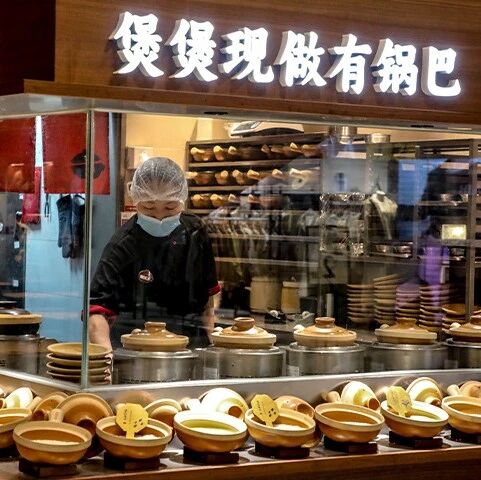
以下文章来源于餐企老板内参 ,作者戴丽芬 餐企老板内参 . 餐饮头部新媒体平台!精准覆盖数百万餐饮产业高质量读者;财经作家吴晓波、源码资本等投资;业务涵盖媒体传播、峰会、培训、游学餐访、中餐出 海、"餐里眼"大数据、"72餐"供应链平台、行研报告等…(更多资讯服务下载:餐饮老板内参APP) 板前模式,不只是餐饮表演。 文 | 戴丽芬 来源| 餐饮老板内参(ID:cylbnc) 封面来源 | IC Photo 快餐、火锅、烧烤... 在广州番禺天河城,仅一个商场内就出现了3家板前模式的餐厅,包括日料店半藏、天妇罗专门店博多天妇罗泰,以及台湾菜简餐品牌小然同学。 半藏番禺天河城店,摄图:内参君 近期,煲仔饭品牌煲仔皇也将不少门店都改造为板前模式。 内参君探店了煲仔皇中华广场店看到,有2个U形的餐台,中间是操作间,2位员工穿梭在其中作业,从煮米、加料,到蒸煮、出锅,全流程都在顾客眼前 完成。消费者环坐台前,既是用餐,也是全程观看与监督。门店仍保留一间小型厨房,负责食材的清洗、切配等基础工作,再将半成品送至前场烹饪。 煲仔皇创始人薛国巍透露,品牌计划在未来一年半内,将全国200多家门店逐步完成板前化改造。 餐饮 正在 ...
8点1氪:胖东来创始人于东来宣布年后退休,账号改名“傻坏蛋”;华住会被消协约谈;缅甸出现新诈骗园区,距KK园区五公里
36氪· 2026-02-12 00:00
Group 1 - Founder of Fat Donglai, Yu Donglai, announced his retirement after the New Year, transitioning to an advisory role, with the decision-making now led by the Fat Donglai decision-making committee [3] - Yu Donglai, born in 1966, has gradually handed over operational responsibilities since June 2023, focusing on life philosophy and planning to step down as general manager by 2025 [3][4] - Yu revealed his health issues, including a history of cancer surgeries and ongoing health challenges, which influenced his decision to retire [4] Group 2 - Xiaomi Group's stock rose over 5% following the announcement of the new generation SU7 expected to launch in April [7] - Apple plans to maintain the same starting prices for the iPhone 18 Pro series as the iPhone 17 Pro series, despite rising component costs, by negotiating better supply chain deals [8][9] - Chery's QQ model is being revived after 12 years, with plans to position it as a Chinese equivalent to MINI, aiming to leverage its historical success in the market [9] Group 3 - Yonghui Supermarket's CEO issued an apology for straying from the company's founding principles, acknowledging past failures and outlining future adjustments after a projected net loss of 2.14 billion yuan for 2025 [10] - Coca-Cola reported a 2% revenue growth for 2025, with a net profit increase of 23%, exceeding market expectations [22] - In contrast, Innotech's 2025 net profit fell by 40.84%, highlighting challenges faced by the company [23]

Seedance2.0:AI视频第一阶段的比赛,结束了
36氪· 2026-02-12 00:00
以下文章来源于极客公园 ,作者金光浩 这两天,AI视频圈被偷摸摸上线的Seedance2.0刷屏了。 在AI视频领域颇有影响力的博主海辛,在即刻分享了自己对它的观点: 「Seedance2.0是我26年来最大的震撼」、「我觉得它碾压Sora2」。 真的如此吗?一点都不夸张。 这是它做出来的视频,一句话音画同出,几乎无限逼近于影院里看到的电影。 极客公园 . 用极客视角,追踪你最不可错过的科技圈。欢迎同步关注极客公园视频号 「 AI春运 」 ,开始了。 文 | 金光浩 编辑 | 靖宇 来源| 极客公园(ID:geekpark) 封面来源 | IC Photo 虚拟科幻眼镜幻想视频|视频来源:Seedance2.0飞书文档 字节自己在飞书里发了一份产品介绍文档,标题只有几个字,但意味重大: 视频Seedance2.0正式上线!Kill the game(杀死比赛)。 我在2月7号下午看到了这份文档,出于好奇点进去想快速扫一遍,结果一看就到了晚上。文档右上角显示的同时在线人数, 从下午两点到晚上十二点,几 乎没有掉到300人以下 。我凌晨四点关掉页面的时候,还有90多人同时在线读文档呢(可能是周日的缘故?)。 2月 ...