半导体行业观察

Search documents
魏哲家和刘德音,同获“罗伯特•诺伊斯奖”
半导体行业观察· 2025-07-29 01:14
Core Viewpoint - The article highlights the recognition of Dr. C.C. Wei and Dr. Mark Liu, leaders of TSMC, as the joint recipients of the 2025 Robert N. Noyce Award for their significant contributions to the semiconductor industry [2][4]. Group 1: Award Announcement - The Semiconductor Industry Association (SIA) announced that Dr. C.C. Wei and Dr. Mark Liu will receive the Robert N. Noyce Award in 2025 [2]. - The award ceremony will take place on November 20, 2025, in San Jose, California [2]. Group 2: Contributions to the Industry - Dr. Wei and Dr. Liu are recognized for reshaping the modern semiconductor ecosystem and revolutionizing chip manufacturing technology [4]. - Under their leadership, TSMC has become the largest chip foundry globally and a cornerstone of the semiconductor supply chain [4]. - TSMC has developed numerous groundbreaking technologies that have transformed computing performance, energy efficiency, and the global supply chain [4]. Group 3: Leadership Background - Dr. C.C. Wei has held various leadership roles at TSMC since joining in 1998, including CEO and President [5]. - Dr. Mark Liu has also served in multiple executive positions at TSMC, contributing to its growth and innovation [6]. - Both leaders emphasize the collective effort of their teams and the importance of innovation in the semiconductor field [5][6].



中美芯片战的意外赢家
半导体行业观察· 2025-07-29 01:14
Core Viewpoint - The article discusses how the U.S.-China trade tensions, particularly the tariffs imposed by former President Trump, have created opportunities for Vietnam to establish itself in the global semiconductor industry, with a focus on local production and reducing reliance on China [3][6]. Group 1: Market Dynamics - The demand for semiconductor components in Vietnam has surged due to preemptive orders from clients before tariffs took effect, with companies like Fab-9 reporting a 20% increase in orders following Trump's tariff threats [3]. - Vietnam's semiconductor strategy aims to establish a domestic manufacturing plant, 100 chip design companies, and 10 packaging factories by 2030 [3]. Group 2: Investment and Infrastructure - VSAP Lab is investing $72 million to build an advanced semiconductor packaging laboratory in Da Nang, with a designed annual output of 10 million units [4]. - The Vietnamese government is promoting high-tech manufacturing, with state-owned Viettel pursuing similar technological advancements [5]. Group 3: Challenges and Comparisons - Despite the growth potential, Vietnam faces challenges similar to Malaysia, which has not developed a globally influential semiconductor company despite having a robust ecosystem for over 50 years [9]. - The article highlights the need for Vietnam to reform its incentive mechanisms to support local startups and attract technical talent to compete globally [9]. Group 4: Regional Developments - Other provinces in Vietnam are becoming key nodes in the semiconductor manufacturing ambitions, with companies like Vietnam Wafer Company expanding facilities to produce ultra-pure quartz for wafers [10]. - FPT and CT Semiconductor are constructing Vietnam's first wholly-owned assembly, testing, and packaging factory [10].



涉中国客户,Cadence认罪,支付1.4亿美元罚款
半导体行业观察· 2025-07-29 01:14
Core Viewpoint - Cadence Design Systems has agreed to plead guilty and pay over $140 million to resolve charges related to unlawful export of sensitive semiconductor design technology to a restricted university in China [2][3]. Group 1: Criminal Charges and Penalties - Cadence has been charged with conspiracy to violate export control laws and has agreed to pay nearly $118 million in criminal fines as part of a plea agreement with the U.S. Department of Justice [2]. - In addition to the criminal charges, Cadence has reached a civil settlement with the U.S. Department of Commerce, agreeing to pay over $95 million in civil fines [3]. - The total amount Cadence will pay, after coordination between the Department of Justice and the Department of Commerce, exceeds $140 million in criminal and civil penalties [3]. Group 2: Compliance and Responsibility - Cadence has acknowledged its responsibility for illegally exporting sensitive semiconductor design tools to a restricted university in China and has implemented a robust export compliance program to prevent further illegal dissemination of U.S. technology [3]. - The U.S. authorities emphasized the importance of protecting advanced technology knowledge to safeguard national security, particularly in Silicon Valley, which is a hub for breakthrough innovations [3].
这项技术将助力氮化镓突破
半导体行业观察· 2025-07-29 01:14
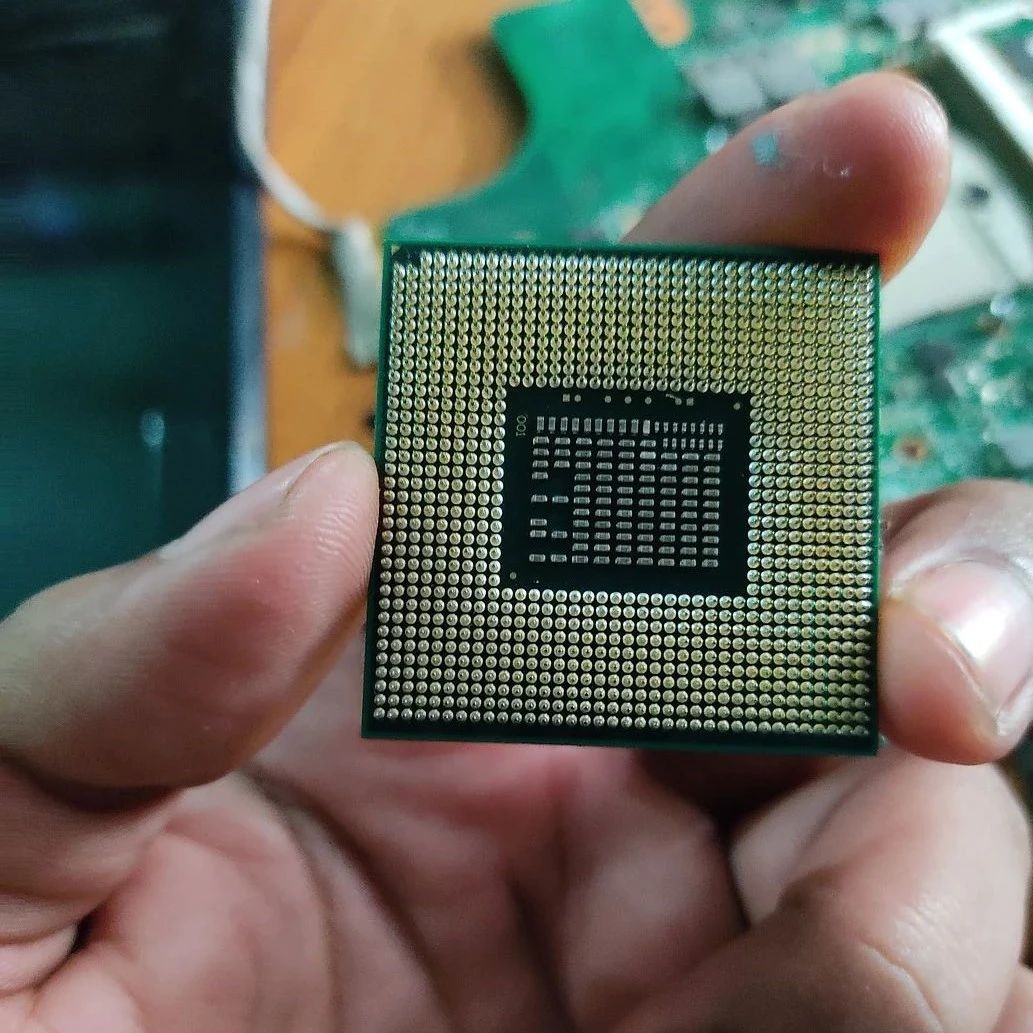
Core Viewpoint - The integration of a unique electronic material with negative capacitance can help GaN transistors overcome performance limitations, potentially expanding its application beyond previous expectations [2][4]. Group 1: Negative Capacitance and GaN Transistors - Researchers from California have demonstrated that negative capacitance can help GaN transistors avoid the physical trade-offs typically required between "on" and "off" states [2]. - GaN-based electronic devices are crucial for powering 5G base stations and compact power adapters for mobile phones, facing challenges in achieving higher frequencies and power [2]. - The introduction of a dielectric layer in GaN devices can prevent energy waste when the device is off, but it also limits current flow when the device is on, affecting performance [3]. Group 2: HZO Material and Its Benefits - A special coating made of hafnium oxide and zirconium oxide, known as HZO, has been tested on GaN devices to replace traditional dielectrics [3]. - HZO is a ferroelectric material that maintains an internal electric field even without external voltage, which can enhance gate control and increase conduction current in transistors [4]. - The thickness of HZO can help suppress leakage current when the device is off, thus saving energy [4]. Group 3: Future Research and Industry Collaboration - The research team is seeking industry collaboration to test the negative capacitance effect in more advanced GaN RF transistors [6]. - The breakthrough observed in the lab needs to be validated in real-world applications to assess its effectiveness [6]. - The research indicates potential for advancing power electronics and telecommunications equipment towards higher power levels, with plans to explore this effect in other semiconductor materials [7].
湾芯展2025“十个大招”构建半导体展会新生态
半导体行业观察· 2025-07-29 01:14
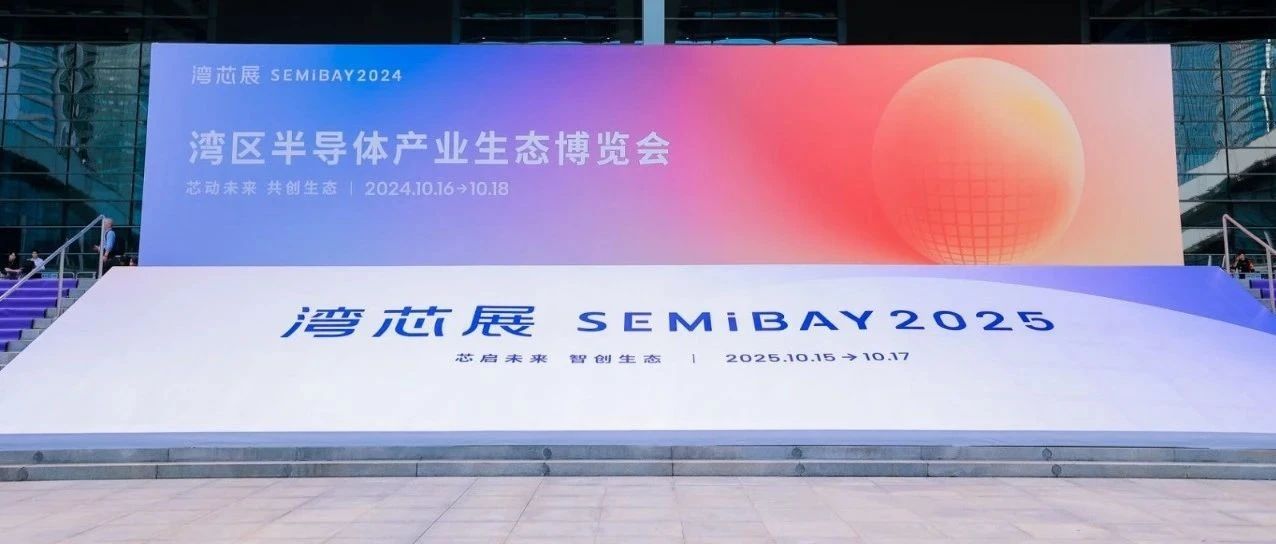
Core Viewpoint - The 2025 Bay Semiconductor Exhibition aims to transform the traditional exhibition model into a collaborative hub for the semiconductor industry, focusing on technological breakthroughs, resource integration, and ecosystem construction to meet the deep needs of the industry chain [1] Group 1: Exhibition Overview - The 2025 Bay Semiconductor Exhibition will cover an area of 60,000 square meters, featuring over 600 leading companies from the semiconductor industry, and is expected to attract more than 60,000 professional visitors [2] - The previous exhibition received high praise from major media outlets, gathering 400 companies and attracting 68,000 visitors, with 22 forums held and over 1.06 million online interactions [2] Group 2: Industry Participation - The exhibition will feature top international and domestic companies, including ASML, AMAT, and KLA, creating a one-stop platform for showcasing and exchanging ideas within the semiconductor industry [7] - The event will facilitate precise matchmaking between equipment, materials companies, and wafer fabs through targeted meetings in six major cities [10] Group 3: Audience Engagement - The exhibition is expected to gather over 60,000 professional attendees and will host specialized promotional and capacity matching events to connect supply and demand effectively [12] - VIP buyers will be invited for tailored business negotiations and matching services to enhance collaboration opportunities [12] Group 4: Knowledge Sharing - The exhibition will host high-level strategic closed-door meetings with top executives to discuss industry trends and provide strategic guidance for future development [14] - The 9th International Advanced Lithography Technology Symposium will coincide with the exhibition, focusing on the latest breakthroughs in lithography technology [16] Group 5: Ecosystem Support - The Shenzhen Semiconductor and Integrated Circuit Industry Alliance will leverage its 1,400 member units to create a comprehensive ecosystem that supports business development and resource integration for the exhibition [18] Group 6: Thematic Focus - The exhibition will feature four thematic areas: IC design, wafer manufacturing, advanced packaging, and compound semiconductors, showcasing cutting-edge technologies and innovations across the semiconductor value chain [22] Group 7: Awards and Recognition - The "Bay Semiconductor Award" will be presented to recognize outstanding companies, technological innovations, and exemplary individuals within the semiconductor industry [25] Group 8: Additional Activities - The exhibition will include over 20 concurrent events, focusing on key topics such as IC design, wafer manufacturing, and artificial intelligence, featuring industry leaders and experts sharing insights [29]
图像传感器,中国市场份额飙升
半导体行业观察· 2025-07-29 01:14
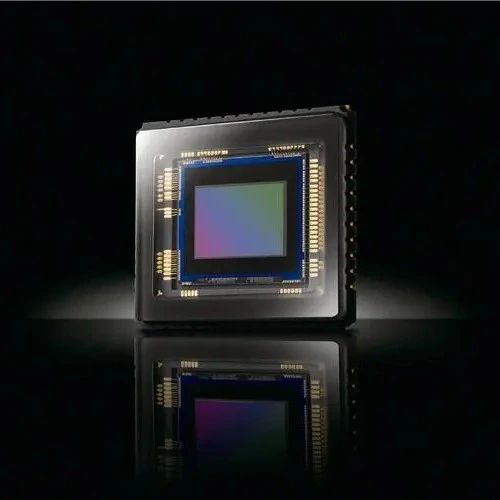
Core Insights - The CMOS image sensor (CIS) market is expected to experience strong growth in 2024, driven by the rebound in smartphone demand and needs in security, defense, aerospace, and consumer electronics. Revenue is projected to grow by 6.4% in 2024, following a 2.3% increase in 2023, with a compound annual growth rate (CAGR) of 4.4% from 2024 to 2030 [1][4]. Market Trends - The market volume is anticipated to rise from 7 billion units to 9 billion units by 2030, with mobile, security, and automotive applications being the primary growth drivers [1]. - The average selling price (ASP) remains stable above $3, supported by high-end features in mobile and automotive sectors [1]. - Wafer production is expected to grow by 8.9% in 2024, with a steady increase projected until 2030 [1]. Competitive Landscape - Chinese company Smartsens leads the market with a significant year-on-year growth of 105.7%, expanding into mobile and automotive sectors. Sony's market share has also increased by nearly 50%, while SK Hynix has reduced its focus on CIS, concentrating on memory products [4]. - Companies like ON Semiconductor, Teledyne, and STMicroelectronics have seen revenue declines due to slowdowns in industrial and medical markets, as well as reduced design orders in consumer electronics [4]. - Despite trade tensions, the CIS sector remains resilient due to the adoption of mature nodes, with domestic demand and government support bolstering production in China [4]. Technological Innovations - The CIS industry is evolving through innovations that enhance performance, integration, and sensing capabilities, including higher signal-to-noise ratios, improved low-light sensitivity, compact designs, and lower power consumption [7]. - Sony's three-layer stacked sensors are being adopted in mainstream smartphones, marking a shift towards intelligent sensing rather than just resolution [7]. - Advances in 22nm logic stacking technology aim for ultra-low power consumption and expanded computational capabilities, with FDSOI technology expected to be utilized for neuromorphic sensing [7]. Future Projections - By 2030, global CIS wafer capacity is projected to meet demand with a capacity of 638k wpm and a utilization rate of 72% [4]. - The industry is witnessing a transition towards multi-stacking architectures, with BSI (Backside Illumination) technology leading the way [8].


H20库存仅有90万颗,中国需求180万颗
半导体行业观察· 2025-07-29 01:14
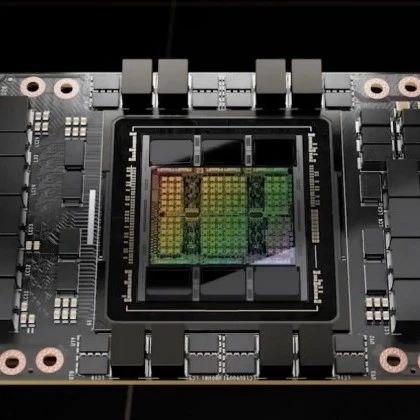
Core Viewpoint - The article discusses the easing of export controls on NVIDIA's H20 GPU to China, highlighting the ongoing demand for AI GPUs in the Chinese market and the potential impact on NVIDIA's inventory and sales strategy [3][4]. Group 1: NVIDIA's H20 GPU and Market Demand - The U.S. has relaxed strict export controls on NVIDIA's H20 GPU designed for the Chinese market, which is part of a broader compromise related to China's rare earth magnet export restrictions [3]. - NVIDIA claims to have received assurances from U.S. officials to obtain necessary authorizations to resume H20 GPU sales to China [4]. - Jefferies estimates that NVIDIA currently has between 600,000 to 900,000 H20 GPUs in inventory, while the demand in China is around 1.8 million units [4]. Group 2: Capital Expenditure Projections - Jefferies has raised its forecast for AI capital expenditure in China by 40% this year to $108 billion, and increased the 2025-2030 forecast by 28% to $806 billion [5]. Group 3: Repair Market for NVIDIA GPUs in China - Due to U.S. sanctions limiting NVIDIA GPU supply, repair shops in China are thriving, focusing on older models like H100 and A100 GPUs [6][7]. - Repair costs for GPUs can reach up to $2,400, with some shops repairing around 500 chips monthly [7]. - Despite the sanctions, the demand for NVIDIA's GPUs remains high in China, as local alternatives like Huawei's products are limited [7].

又一颗芯片,要吊打英伟达
半导体行业观察· 2025-07-29 01:14
Core Viewpoint - The article discusses the emergence of Positron AI as a significant player in the semiconductor industry, focusing on its innovative chip architecture aimed at reshaping the AI hardware landscape and reducing reliance on industry giants like Nvidia [1][2]. Company Overview - Positron AI was co-founded in 2023 by CTO Thomas Sohmers and Chief Scientist Edward Kmett, with Mitesh Agrawal as CEO, aiming to scale commercial operations [3]. - The company has successfully launched its first product, Atlas, within 18 months using only $12.5 million in seed funding, and has secured early enterprise customers [3][5]. Funding and Product Development - Positron AI recently completed an oversubscribed $51.6 million Series A funding round, bringing its total funding for the year to over $75 million [2]. - The new funding will support the deployment of the first-generation product Atlas and accelerate the launch of the second-generation product in 2026 [2][7]. Product Features and Performance - Atlas is designed to operate with a power consumption of 2000 watts, delivering approximately 280 tokens per user per second, significantly outperforming Nvidia's DGX H200, which consumes 5900 watts for only 180 tokens [11][12]. - The current version of Atlas is a 4U system utilizing four FPGAs, designed for seamless integration with existing models from platforms like HuggingFace [12]. Technical Innovations - Positron AI's architecture boasts over 90% memory bandwidth utilization, compared to approximately 30% for GPUs, and reduces power consumption by 66% per inference rack [6]. - The company is developing custom ASICs to enhance performance, power efficiency, and deployment scale, with plans for the next-generation product to feature 2 TB of memory per chip [15][17]. Market Position and Future Outlook - Positron AI aims to provide vendor freedom and faster inference speeds for enterprises and research teams, allowing them to run popular open-source large language models (LLMs) at a lower total cost of ownership [5]. - The company is positioned at the center of the debate on the future of AI infrastructure, with its ability to deliver on its promises potentially influencing how AI is built and financed in the coming years [18].
WiFi 8,巨头怎么看?
半导体行业观察· 2025-07-28 01:32
Core Viewpoint - Wi-Fi 8 represents a significant evolution in wireless technology, focusing on ultra-high reliability and user experience rather than just speed, with the final standard expected to be released in 2028 [1][2][39]. Group 1: Wi-Fi 8 Development and Features - Wi-Fi 8 is currently in the early definition phase, with a complex development process involving discussions and regulatory approvals [2]. - The new standard aims to enhance connectivity, efficiency, and reliability, particularly in challenging environments with high congestion and interference [5][6]. - Key performance improvements include at least a 25% increase in throughput, a 25% reduction in latency at the 95th percentile, and a 25% decrease in packet loss, especially during roaming between access points [7][10]. Group 2: Market Trends and Economic Impact - By 2024, cumulative shipments of Wi-Fi devices are expected to reach 45.9 billion, with an annual shipment of 4.1 billion devices, reflecting a growth of approximately 7% [35]. - The global economic value provided by Wi-Fi is projected to reach $4.3 trillion in 2024, increasing to $4.9 trillion by 2025, with significant contributions from the U.S. and EU [35][36]. - The demand for high-performance wireless networks is driven by the proliferation of IoT, AR, VR, and AI applications, necessitating advancements in Wi-Fi technology [35][39]. Group 3: Wi-Fi 8's Role in Various Environments - Wi-Fi 8 is expected to empower smart mobile workspaces in enterprises, providing reliable connectivity for critical applications like industrial automation and robotics [20]. - In home environments, Wi-Fi 8 will support immersive applications and seamless connectivity, even in high-density settings [20]. - Public spaces such as airports and stadiums will benefit from Wi-Fi 8's ability to provide uninterrupted access to services, enhancing user experience during peak times [21]. Group 4: Technical Innovations - Wi-Fi 8 introduces several key innovations, including seamless roaming across multiple access points, improved edge coverage, and smarter coordination in dense deployments [16][17]. - Enhanced coexistence features will allow devices with multiple radios to operate more efficiently, minimizing interruptions [17]. - Dynamic sub-channel operation (DSO) is expected to significantly improve throughput, with potential increases of over 20% in various use cases [72][75]. Group 5: Future Outlook - The IEEE 802.11bn standardization process is progressing steadily, with a consensus on most aspects, aiming to lay a solid foundation for Wi-Fi 8 [23]. - The anticipated launch of Wi-Fi 8 products is expected to occur in late 2027, ahead of the final standard approval [40][39]. - China's advancements in wireless technology and broadband connectivity are positioning it as a key player in the evolution of Wi-Fi standards, with significant user demand for high-speed connections [79].

三星晶圆代工,签下1183亿元大单
半导体行业观察· 2025-07-28 01:32
Core Viewpoint - Samsung Electronics has signed a semiconductor foundry contract worth 22.7648 trillion KRW (approximately 118.3 billion RMB) with an international giant, with the contract period ending on December 31, 2033, but details remain confidential [2]. Group 1: Samsung's Foundry Performance - Samsung's foundry revenue for Q1 2025 was $2.89 billion, a decline of 11.3% from the previous quarter, with market share dropping from 8.1% to 7.7% [3][5]. - The decline in Samsung's foundry business is attributed to limited exposure to China's consumer subsidy plans and restrictions on advanced nodes imposed by the U.S. [6]. - Samsung is at risk of being surpassed by SMIC, which has seen a revenue increase of 1.8% to $2.25 billion, raising its market share from 5.5% to 6% [6][7]. Group 2: Future Prospects and Strategies - Samsung remains optimistic about regaining market position with the upcoming 2nm process technology, planning to integrate the 2nm Exynos 2600 chip into the Galaxy S26 series [7][11]. - The company is enhancing its manufacturing processes to achieve faster and more powerful computing capabilities, aiming to secure orders from major global tech companies [8]. - Samsung's foundry is currently producing NVIDIA's T239 chip using its 8nm process, which is expected to generate over $1.2 billion in sales due to the popularity of the Nintendo Switch 2 [10]. Group 3: Technological Advancements - Samsung plans to utilize its 1c process technology for DRAM production, which is expected to differentiate its HBM4 chips from competitors [9]. - The company is also adopting 2nm and Gate-All-Around technologies to compete for orders from Qualcomm and NVIDIA for next-generation application processors [12]. - Analysts are optimistic about Samsung's third-quarter profit outlook, with projected operating profit for the DS division reaching 4.61 trillion KRW, a year-on-year increase of 19.43% [12].