半导体行业观察

Search documents
从“单点突破”到“全域智能”:智现未来以全栈AI引领国产半导体工业软件新浪潮
半导体行业观察· 2026-03-30 01:07
Core Viewpoint - The semiconductor industry is rapidly evolving towards intelligence and autonomy, with the deep integration of AI and industrial software driving the upgrade of semiconductor manufacturing [1] Group 1: Company Overview - Zhixian Future is the first domestic provider of fully localized industrial software for 12-inch wafer fabs, focusing on advanced semiconductor manufacturing with an integrated solution of "full-stack AI + engineering intelligence" [2] Group 2: Technology and Solutions - The core advantages of Zhixian Future's industrial software AI solutions address three major pain points in wafer fabs: system complexity, rigid rules, and high reliance on engineer experience [3] - The full-stack AI product matrix includes key modules such as FabSyn FDC for intelligent monitoring, FabSyn YES for real-time defect tracking, and FabSyn APC for lithography process optimization, all aimed at enhancing production efficiency and yield [4][5] Group 3: Competitive Advantages - The full-domain AI matrix solution offers advantages in synergy, completeness, and scalability, enabling real-time monitoring and predictive analytics across various production scenarios [6] Group 4: Industry Development and Future Plans - The domestic semiconductor industrial software sector is transitioning from "shortboard supplementation" to "differentiated competition and systematic breakthroughs," with Zhixian Future planning to enhance AI and industrial software integration, expand product offerings, and deepen ecosystem collaboration [9][11]

存储不再是周期性产业
半导体行业观察· 2026-03-30 01:07
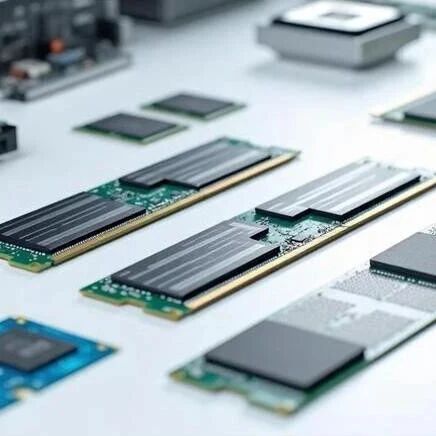
Core Viewpoint - The memory industry is not in a "super cycle" but is undergoing a structural transformation that allows for sustained higher value rather than cyclical fluctuations [3][7]. Group 1: Market Dynamics - The traditional memory industry followed a predictable cyclical pattern where slight oversupply led to price crashes, followed by reduced investment and eventual recovery [5]. - Major players in the memory market have shifted focus from aggressive capacity expansion to profitability, capital efficiency, and customer structure due to past experiences with oversupply and price drops [5][6]. - The demand for High Bandwidth Memory (HBM) is complex and requires strategic supply management, making long-term contracts essential for stability rather than just sales tools [6][7]. Group 2: HBM Market Requirements - To purchase HBM from SK Hynix, companies must meet three criteria: access to TSMC's advanced packaging capacity, the ability to operate large-scale data centers, and sufficient funding [9][11]. - The actual buyer pool for HBM has narrowed to large-scale data centers and companies like NVIDIA, Microsoft, Google, Amazon, and Meta, which can meet the necessary infrastructure and financial requirements [11][12]. Group 3: Structural Changes in the Industry - The memory industry is transitioning from a commodity-focused business to a solution-oriented business, with a greater emphasis on custom design and collaboration with clients [13][15]. - The construction of large data centers requires a comprehensive approach involving not just DRAM but also GPUs, HBM, packaging, networking, SSDs, and power infrastructure, fundamentally changing the supply chain dynamics [16][20]. - The demand for memory driven by AI data centers is no longer cyclical but is tied to long-term infrastructure investments by major companies, altering the nature of price fluctuations in the memory market [19][20].

铜缆,再被看好!
半导体行业观察· 2026-03-30 01:07
Core Viewpoint - The article discusses the ongoing relevance of copper cables in the data center infrastructure, particularly in the context of AI and high-performance computing, despite the rise of optical technologies like CPO (Co-Packaged Optics) [1][29]. Industry Shift - Broadcom's CEO Hock Tan indicated that customers may continue using Direct Attach Copper (DAC) cables even as they transition to 400G SerDes by 2028, highlighting the cost and power consumption advantages of copper over fiber [3]. - NVIDIA's CEO Jensen Huang acknowledged the importance of both copper and fiber, suggesting that the widespread adoption of optical solutions may be delayed until 2028 [4]. - Analysts from Bank of America noted that while optical technologies dominate in scale-out scenarios, significant adoption in scale-up applications is not expected until 2026 or 2027, extending the lifespan of copper cables [4]. Copper Cable Differentiation - Copper cables are not a uniform technology but a continuously evolving group, with DAC being the most basic form, offering low power consumption and cost advantages [6]. - Active Electrical Cables (AEC) have emerged to extend the effective transmission distance of copper cables, with capabilities of up to 7 meters for 100G speeds, significantly improving their utility in data centers [7][8]. AEC Market Dynamics - Credo Technology dominates the AEC market with an estimated 88% share, offering various AEC products tailored for different data center scenarios [10]. - The AEC market is projected to grow significantly, with estimates suggesting it could reach $1 billion by 2028, driven by the increasing complexity of GPU servers [11]. TE Connectivity's Role - TE Connectivity is redefining copper cable technology through innovative connector designs and active backplane solutions, emphasizing the importance of copper as a foundational technology rather than a temporary solution [13][14]. Optical Technology Developments - The LPO (Linear Pluggable Optics) technology aims to reduce power consumption by eliminating DSP chips, achieving significant efficiency improvements [16]. - NPO (Near-Package Optics) serves as a transitional technology between traditional optics and CPO, offering operational flexibility [17]. Copper Cable Evolution - The ongoing advancements in semiconductor process nodes are driving the evolution of copper cables, with companies like Credo moving towards smaller nodes to reduce costs and power consumption [22]. - Broadcom's Co-Packaged Copper solutions are designed to integrate closely with chip packaging, enhancing performance while maintaining cost advantages [22]. Scale-Up vs. Scale-Out - The distinction between scale-up (vertical expansion) and scale-out (horizontal expansion) is crucial, with copper cables being particularly suited for scale-up scenarios where low latency and high bandwidth density are essential [24]. - Marvell's perspective aligns with the idea that CPO will have limited deployment in scale-up scenarios, reinforcing the coexistence of copper and optical technologies [25]. New Industry Landscape - The shift towards AEC has redefined the value chain in the copper cable industry, with Retimer chip manufacturers becoming central to competitive dynamics [27]. - Major data center operators are now prioritizing reliability and signal integrity in their copper cable selections, indicating a shift from passive to intelligent network infrastructure [28].



补上“最后一块短板”:镭神西安切入封装设备核心赛道
半导体行业观察· 2026-03-30 01:07
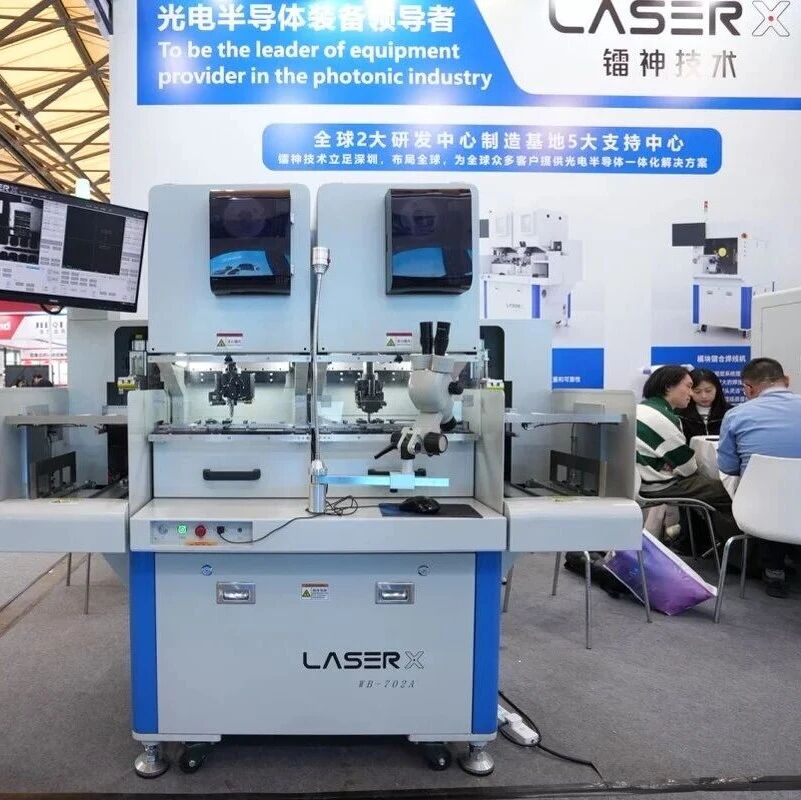
Core Viewpoint - The semiconductor packaging and testing industry in China is positioned as a leader globally, but faces significant challenges, particularly in the area of wire bonding machines, which remain a critical equipment yet to be domestically replaced [1][4][5]. Group 1: Market Overview - The global wire bonding machine market is projected to grow from approximately $900 million in 2024 to nearly $1.9 billion by 2032, maintaining a compound annual growth rate (CAGR) of around 10% [4]. - Wire bonding technology accounts for over 50% of the market share in the entire packaging interconnection technology system, indicating its critical role in traditional packaging scenarios [4]. Group 2: Challenges in Domestic Replacement - Wire bonding machines are characterized as "experience-driven" systems, making them difficult to replicate quickly through simple R&D investments [5]. - The market is highly concentrated, with leading manufacturers possessing extensive process databases and customer collaboration experience, creating strong path dependencies that hinder new entrants [5]. - The direct impact of wire bonding machines on yield and reliability makes customers conservative in equipment selection, raising the barriers for domestic replacements [5]. Group 3: Domestic Development and Opportunities - Recent growth in the domestic electric vehicle and power semiconductor sectors has created a window for domestic replacement of wire bonding machines [6]. - The shift in customer mindset from cautious observation to proactive adoption of domestic equipment is driven by the need to mitigate supply chain risks and optimize cost structures [6]. - Companies like Raystar Technology are entering the semiconductor packaging equipment market, leveraging their experience in optical communication equipment [7]. Group 4: Raystar Technology's Strategy - Raystar Technology plans to expand its production capacity significantly, aiming for over 1,000 units per year by April 2026, enhancing its delivery and process validation capabilities [7]. - The company is strategically located in Xi'an, benefiting from a rich ecosystem of talent and technology in the semiconductor packaging field [7]. - Raystar's approach includes targeting high-reliability applications and gradually penetrating the high-end market through two core products: WB-701A and WB-702A wire bonding machines [10][12]. Group 5: Technological Advancements - The WB-701A is designed for complex interconnections in automotive-grade power modules, while the WB-702A focuses on efficiency and stability for traditional power semiconductor devices [10][12]. - Both machines utilize real-time data collection and analysis to enhance quality management and yield stability [14]. - Raystar's commitment to in-house development of key technologies positions it to adapt quickly to changing market demands and maintain a competitive edge [15]. Group 6: Future Outlook - The company is not only focused on domestic replacement but is also actively pursuing advancements in next-generation packaging technologies, such as hybrid and flip-chip bonding [17][18]. - The integration of advanced packaging techniques alongside traditional wire bonding is expected to create a complementary technological landscape, ensuring long-term coexistence [17]. - Raystar's goal is to evolve from merely adapting to processes to driving the evolution of equipment in line with technological advancements [18].
英伟达PC芯片,即将推出
半导体行业观察· 2026-03-30 01:07
Core Viewpoint - NVIDIA is preparing to launch its dedicated laptop chips for the consumer market, marking its entry into a space traditionally dominated by Intel and AMD, aiming to challenge the long-standing dominance of x86 architecture chips [1][2] Group 1: Market Opportunity - The laptop market sees annual sales of 150 million units, with NVIDIA primarily focusing on gaming and workstation markets that typically use discrete graphics cards, while currently lacking presence in the integrated CPU and GPU market [1] - The concept of "AI PC" presents a significant opportunity for NVIDIA, as CPU manufacturers are rebranding products around AI capabilities, allowing NVIDIA to capitalize on this trend by releasing consumer chips [2][3] - By integrating AI capabilities into consumer devices, NVIDIA aims to capture a substantial share of the emerging edge AI market, which is projected to reach a valuation of $160 billion by 2030 [3] Group 2: Product Development - NVIDIA is expected to release two SoCs, codenamed "N1X" and "N1," with the former being the more powerful variant, as indicated by benchmark tests [5] - The upcoming SoCs will utilize ARM architecture, leveraging NVIDIA's existing collaboration with ARM in enterprise data center processors, which is a strategic move for the consumer market [6] - The N1X chip is anticipated to feature a 20-core cluster with a base frequency of 2.81GHz and a boost frequency of 4GHz, along with an onboard RTX GPU based on the Blackwell architecture [7] Group 3: Supply Chain and Market Entry - NVIDIA's collaboration with MediaTek for the development of laptop chips is not unexpected, as both companies have previously worked together in the automotive sector [4] - Supply chain constraints, particularly in DRAM and TSMC's production capacity, may hinder NVIDIA's ability to scale its laptop SoCs effectively [10] - Major manufacturers like Dell and Lenovo are preparing for NVIDIA's upcoming laptop chips, indicating strong interest in the products, with expected pricing for the N1X laptops ranging from $1,500 to $2,000 depending on configuration [11]
六大芯片公司,集体涨价
半导体行业观察· 2026-03-30 01:07
Group 1: Price Increases in IC Design - The semiconductor industry is experiencing rising production costs, leading to price increases from major IC design companies such as Silan, Ailite, Lianying, Tianyu, Ruiding, and Duntai, with some products seeing price hikes of up to 20% [1] - Silan plans to raise the price of its driver ICs by 15% starting April 1, citing increased costs in wafer manufacturing and packaging due to rising prices of precious metals and labor [1] - Ailite also announced a price increase of 15% to 20% for its driver ICs, effective April 1, due to significant increases in raw material costs since Q3 of the previous year [1] Group 2: Market Reactions and Strategies - Lianying has not commented on the rumors of price increases for its timing control ICs, but acknowledged facing cost pressures and is exploring various strategies to improve gross margins, including reducing gold usage and adjusting product mixes [2] - Tianyu is expected to follow suit with price increases for timing control ICs, adjusting based on individual customer situations [2] - Ruiding is also considering price hikes for its timing control IC products, citing rising costs from upstream suppliers and ongoing negotiations with customers to share the increased costs [2] Group 3: Memory Market Dynamics - The memory market, particularly for DDR4, is showing strong price momentum, with contract prices expected to rise by 40% to 50% in Q2, reaching $22 to $25, and potentially hitting $30 in the second half of the year [6] - Factors supporting the continued strength in DDR4 prices include limited supply growth and strategic investments from major players like Nanya and Winbond, which are adapting their production capacities [6][7] - The introduction of Google's TurboQuant technology is expected to lower memory costs per task, potentially stimulating overall demand without suppressing the need for memory [5]
一文看懂博通的光布局
半导体行业观察· 2026-03-29 01:46
Core Insights - Broadcom announced a series of significant developments at the recent Optical Fiber Communication (OFC) exhibition, focusing on AI infrastructure solutions designed for Gigawatt-scale AI clusters, including advanced products like the 3.5D XPU and 102.4T Ethernet switch [1][2] - The company aims to standardize optical communication technologies through the establishment of the Optical Computing Interconnect Multi-Source Agreement (OCI MSA), collaborating with major semiconductor and cloud service providers [3][4] Product Announcements - Broadcom introduced the industry's first 400G/lane optical DSP solution, Taurus, which can be paired with its 400G EML and PD, enabling cost-effective and low-power 1.6T transceivers [2] - Additional products showcased include the Tomahawk 6 Ethernet switch, 800G NIC, and modular multi-dimensional XPU platform, which combines 2.5D technology with 3D-IC integration for enhanced performance and efficiency [2] OCI MSA Initiative - The OCI MSA aims to create an open standard for next-generation AI infrastructure, facilitating a robust multi-vendor ecosystem and transitioning network architecture from electrical to optical solutions [3] - Key participants in the OCI MSA include AMD, NVIDIA, Meta, Microsoft, and OpenAI, focusing on compatibility between different processors and interconnect protocols on the same optical infrastructure [3][4] Technical Specifications - The OCI will define a common physical layer based on NRZ modulation and wavelength division multiplexing (WDM) for short-distance optical interconnects within AI cabinets and scale-up clusters, initially supporting a configuration of 4 wavelengths at 50Gb/s [4] - Future developments aim to increase transmission capacity to over 3.2Tb/s per fiber, supporting various optical integration forms, including pluggable optics and co-packaged optics [4]

神一般的贝尔实验室,凭啥成功?
半导体行业观察· 2026-03-29 01:46
Core Viewpoint - Bell Labs has been a pivotal institution in modern technology, producing foundational innovations that have significantly influenced various aspects of contemporary life and the global economy since its establishment in 1925 [1][2]. Group 1: Achievements and Innovations - Bell Labs has created numerous groundbreaking technologies, including the transistor, mobile networks, communication satellites, early lasers, solar energy, digital imaging, digital transmission, transatlantic telephone cables, the UNIX operating system, and the C++ programming language [2]. - The lab has approximately 30,000 patents and has been awarded 11 Nobel Prizes, although these metrics may not fully capture its innovative capacity [3]. Group 2: Innovation Environment - The lab's success can be attributed to its "environmental advantages," where researchers were tasked with solving complex problems related to communication networks [4][5]. - Funding played a crucial role, with Bell Labs benefiting from a substantial budget and the ability to invest heavily in R&D, allowing for the acquisition of advanced equipment and hiring top talent [7]. Group 3: Management and Strategy - The management approach at Bell Labs emphasized long-term thinking and the ability to tackle complex technical challenges without the pressure of competition, which allowed for sustained innovation over decades [7][8]. - The lab's structure facilitated collaboration among diverse experts, fostering an environment where innovative ideas could emerge from interdisciplinary interactions [12]. Group 4: Historical Context and Opportunities - Bell Labs was established during a time when modern communication technology was just beginning, and its collaboration with the military during WWII provided additional impetus for innovation [10][11]. - The foresight of leaders like Mervin Kelly allowed the lab to attract top scientists during the Great Depression, which laid the groundwork for future technological advancements [11]. Group 5: Legacy and Lessons - The decline of AT&T's monopoly led to a reduction in Bell Labs' resources, highlighting the unpredictability of technological progress and the challenges faced by even the most innovative organizations [15]. - The lab's success underscores the importance of aligning research with practical applications and commercial viability, as its innovations were aimed at improving communication systems [16].
万亿美金芯时代提前到来,STCO承载英伟达“极限协同”下的物理重压?
半导体行业观察· 2026-03-29 01:46
Core Insights - The article discusses the significant transformation in the semiconductor industry driven by AI computing power, predicting that the "trillion-dollar chip era" may arrive by the end of 2026, ahead of the previously expected 2030 timeline [4][5] - Three major trends are identified: the rise of AI computing power, a storage revolution, and technology-driven industrial upgrades [5][6] Group 1: AI Computing Power - By 2026, global spending on AI infrastructure is expected to reach $450 billion, with inference computing power surpassing 70% for the first time, leading to strong demand for GPUs, HBM, and high-speed network chips [5][6] - The industry is experiencing a shift from "pursuing process miniaturization" to "pursuing system integration" as the demand for inference computing power increases [4][5] Group 2: Storage Revolution - Storage is becoming a core strategic resource for AI infrastructure, with global storage output projected to exceed wafer foundry output for the first time, marking it as the primary growth driver in the semiconductor sector [5] Group 3: Technology-Driven Industrial Upgrades - As the 2nm and below process approaches physical limits, advanced packaging is becoming strategically important, driving industry upgrades through a dual focus on "advanced processes + advanced packaging" [5][6] - The need for a new "operating system" to manage the complexities of the transition from chips to data centers is emphasized, as traditional methods are insufficient to meet the demands of AI [6][8] Group 4: System-Level Design - The concept of "Extreme Co-design" is emerging as a new paradigm in AI hardware development, shifting the focus from efficiency to survival as the industry faces unprecedented complexity [8][9] - The traditional EDA tools are becoming inadequate, necessitating a new approach called STCO (System Technology Co-Optimization) to address the industry's challenges [11][13] Group 5: STCO Strategy - STCO aims to redefine the design perspective from "IC" to "System," focusing on system interconnectivity rather than just individual chips [13] - The core value of STCO lies in "virtual rehearsal," allowing for costly physical trial-and-error to be shifted to virtual spaces, ensuring designs are correct on the first attempt [14] - EDA vendors are evolving from mere tool providers to becoming ecological platforms that connect chip design, wafer manufacturing, packaging testing, and system vendors [15] Group 6: Conclusion - The article concludes that mastering system-level design capabilities will be crucial for companies to establish a solid physical foundation for the AI era, as the industry transitions from "single chip" to "computing factories" [17][18]
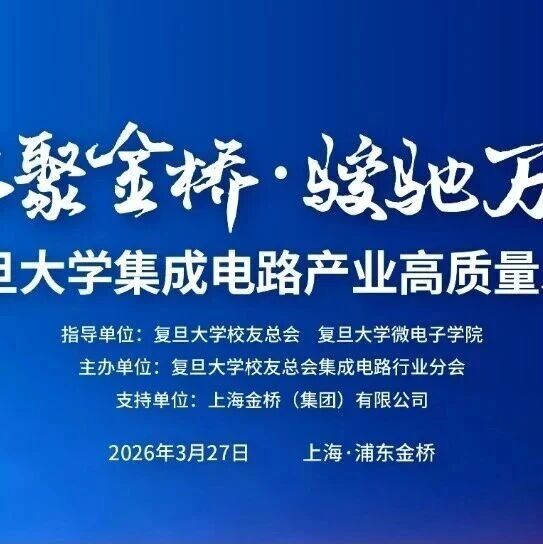
芯聚金桥·骏驰万里|2026复旦大学集成电路产业高质量发展大会在金桥装备小镇圆满举行
半导体行业观察· 2026-03-29 01:46
Core Viewpoint - The "2026 Fudan University Integrated Circuit Industry High-Quality Development Conference" emphasizes the importance of integrated circuits as a strategic and foundational industry for achieving high-level technological self-reliance and strength in China [2][7]. Group 1: Conference Overview - The conference was held in Shanghai's Pudong Jin Qiao Equipment Town, featuring over 300 alumni from the industry and investment sectors, highlighting the collaborative efforts between Fudan University and the integrated circuit industry [2][5]. - The event included the unveiling of the Fudan University Microelectronics Institute Jin Qiao Equipment Town training base and the awarding of leaders in high-quality incubators for integrated circuit equipment components [2][15]. Group 2: Government and Institutional Support - Pudong New District's Deputy District Chief Li Hui noted that Shanghai has formed a complete industrial ecosystem around three leading industries, with Jin Qiao Equipment Town being a key player in building a modern industrial system [5]. - Fudan University Vice President Jiang Yugang emphasized the university's commitment to contributing to the high-quality development of the industry through collaboration in key technology breakthroughs and talent cultivation [7]. Group 3: Industry Challenges and Opportunities - Cao Jianlin, Chairman of the Jihua Laboratory, discussed the challenges in high-end equipment manufacturing, particularly the "bottleneck" issues in integrated circuit equipment, and the need for stable collaboration among key teams [14]. - The conference highlighted the importance of integrating AI technology into the EDA industry, with companies like Huada Jiutian focusing on full-process layouts and addressing new application demands in automotive electronics and AI computing chips [28]. Group 4: Talent Development and Collaboration - The Jin Qiao Equipment Town training base aims to create a comprehensive talent cultivation model that connects classroom learning, practical training, and employment opportunities, thereby enhancing students' practical skills [17]. - The alumni association plans to build a platform for collaboration and resource sharing to support the high-quality development of the national integrated circuit industry [10][21]. Group 5: Industry Insights and Innovations - Industry leaders shared insights on the development of semiconductor equipment and materials, with companies like Jiangfeng Electronics and Yingu Semiconductor discussing their growth trajectories and technological advancements [31][36]. - The roundtable discussions focused on AI empowerment and financial support for the integrated circuit industry, emphasizing the need for long-term investment strategies in key areas such as high-end equipment and core components [41].