国芯网

Search documents
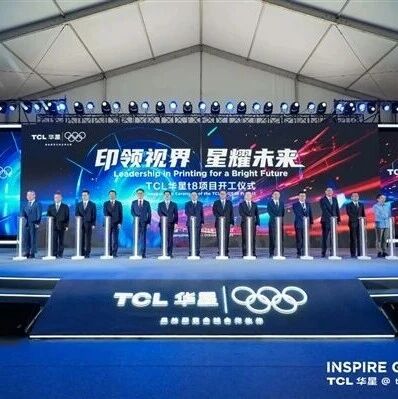
总投资295亿!TCL华星t8项目正式开工!
国芯网· 2025-10-21 13:06
Core Viewpoint - The article highlights the launch of the T8 project by TCL Huaxing, which aims to boost the domestic semiconductor industry and establish a comprehensive ecosystem for printed OLED technology in Guangzhou [1][3]. Group 1: Project Overview - The T8 project is a collaboration between TCL Huaxing, the Guangzhou Municipal Government, and the Guangzhou Economic and Technological Development Zone Management Committee, with a total investment of approximately RMB 29.5 billion [1][3]. - This project will be the world's first large-scale production line for G8.6 generation printed OLED technology, designed to process about 22,500 glass substrates (2290mm x 2620mm) per month [4]. Group 2: Industry Impact - The T8 project is expected to accelerate the establishment of a cluster of upstream and downstream enterprises involved in key materials, core equipment, and components for printed OLED technology, thereby creating a complete industry chain ecosystem covering "materials - equipment - panels - terminals" [3][4]. - Printed OLED products will initially be applied in medium-sized fields such as displays, laptops, and tablets [5].


长鑫存储IPO!
国芯网· 2025-10-21 13:06
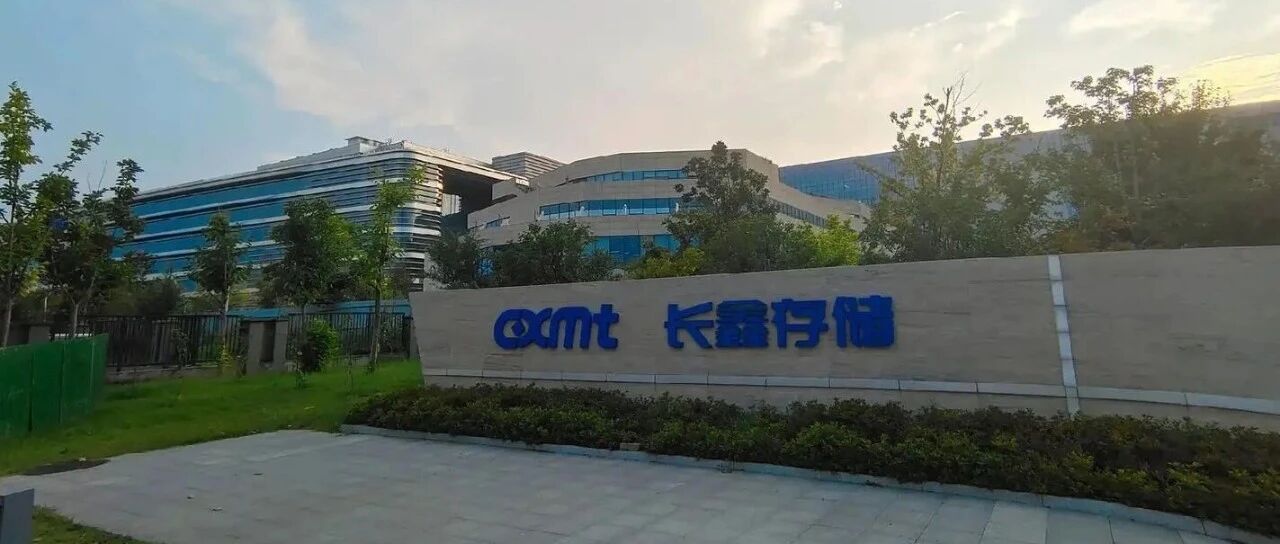
Core Viewpoint - The article discusses the upcoming IPO of Changxin Storage, a leading Chinese memory chip manufacturer, aiming for a valuation of up to 300 billion RMB and plans to raise 20 to 40 billion RMB through the offering [2][4]. Group 1: IPO Plans - Changxin Storage plans to conduct its IPO in Shanghai as early as the first quarter of next year, with a target valuation of 300 billion RMB [2]. - The company aims to raise between 20 billion to 40 billion RMB through this IPO, with the prospect of releasing the prospectus to investors as soon as November [4]. - Changxin Technology, the parent company of Changxin Storage, completed its IPO counseling work, with a registered capital of 60.19 billion RMB and a pre-IPO valuation of approximately 140 billion RMB as of March 2024 [5]. Group 2: Production and Market Position - Changxin Storage is constructing an HBM backend packaging plant in Shanghai, with an initial monthly production target of about 30,000 wafers, which is roughly one-fifth of South Korea's SK Hynix's output [4]. - The company aims to start mass production of the fourth generation high-bandwidth memory (HBM3) chips by 2026, positioning itself as a strategic player in the global DRAM market, which has been dominated by Japanese, Korean, and American firms [4].
特朗普:美政府投资英特尔获巨额收益!
国芯网· 2025-10-21 13:06
Core Viewpoint - The article discusses the challenges and opportunities faced by Intel in the semiconductor industry, highlighting its recent financial struggles and the impact of government investments. Group 1: Financial Performance - Trump stated that the U.S. government's investment in Intel has yielded returns of $40 billion [2] - Despite significant investments, Intel has faced losses of nearly $19 billion last year and an additional $3.7 billion in the first half of this year [5] - The company's stock price was below its book value when SoftBank and the U.S. government acquired shares, indicating that its asset value exceeds market valuation [4] Group 2: Market Position and Competition - Intel remains the largest supplier of CPUs in data centers and telecommunications, significantly outpacing competitors [4] - The company has made notable progress in 5G, cloud computing, and high-performance computing (HPC), but has lagged in artificial intelligence (AI) [4] - In recent years, the AI boom has benefited competitors like Nvidia and AMD, while Intel has fallen behind [5] Group 3: Strategic Changes - In response to ongoing challenges, Intel's CEO has initiated large-scale cost-cutting measures, with employee numbers expected to decrease by 25% to around 75,000 by the end of the year [5] - Intel's influence in the foundry market is still limited, with major clients primarily being AWS, Microsoft, and U.S. defense projects [4]


半导体精品公众号推荐!
国芯网· 2025-10-21 13:06
Core Viewpoint - The article emphasizes the importance of revitalizing the domestic semiconductor industry and suggests that in the era of information explosion, efficient information acquisition is crucial [1]. Group 1: Industry Insights - The article highlights the need for semiconductor professionals to focus on five specific WeChat public accounts to stay updated on industry trends and technologies [1]. - It mentions that the semiconductor industry has a significant following, with one public account having 500,000 industry professionals subscribed [5]. Group 2: Community Engagement - The article promotes the establishment of a community for semiconductor professionals, with a mention of a WeChat group that has 80,000 members, which is open for free access [12]. - It provides a step-by-step guide for joining the community, emphasizing the ease of access through the WeChat public account [13][15].
美光重金挖角三星工程师!
国芯网· 2025-10-20 12:29
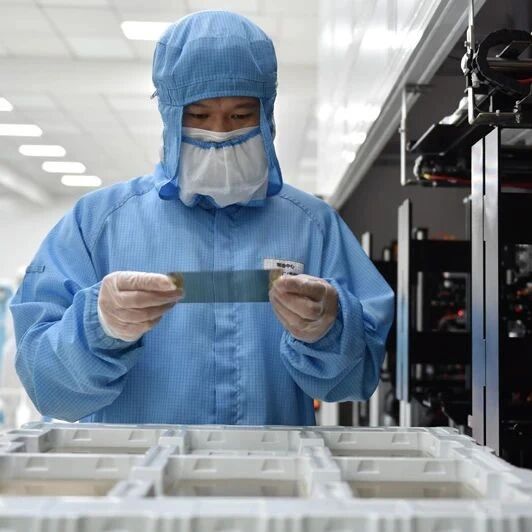
Core Viewpoint - Micron is aggressively recruiting South Korean semiconductor engineers, particularly from competitors Samsung Electronics and SK Hynix, to enhance its capabilities in HBM production and advanced packaging technology [2][4]. Group 1: Recruitment Strategy - Micron is utilizing LinkedIn to contact and recruit experienced engineers from South Korean companies to work at its largest DRAM production base in Taichung, Taiwan [4]. - The recruitment focus is on positions related to HBM and advanced packaging technology, aiming to quickly address capacity shortages in HBM production [4]. - To attract top talent, Micron is offering highly competitive salaries, with senior management positions potentially reaching up to 200 million KRW (approximately 1 million RMB) annually, including bonuses [4]. Group 2: Broader Recruitment Efforts - In addition to targeting South Korean semiconductor engineers, Micron is also inviting employees from foreign semiconductor equipment and display companies that have operations in South Korea [4].

英伟达中国市场份额从95%降至0%!
国芯网· 2025-10-20 12:29
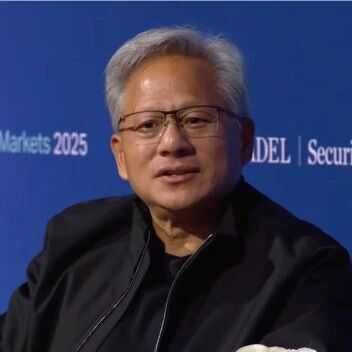
Core Viewpoint - The article discusses the significant impact of U.S. export controls on NVIDIA's market share in China, highlighting the potential consequences for both American companies and the Chinese AI market [1][3]. Group 1: NVIDIA's Market Position - NVIDIA's market share in high-end chips in China has plummeted from 95% to 0% due to U.S. export restrictions [1][3]. - The company has completely exited the Chinese market and is hopeful for policy adjustments to allow a return [3]. Group 2: Financial Impact - In Q2 of fiscal year 2026, NVIDIA reported revenues of $46.743 billion, with $2.769 billion coming from the Chinese market, a decline of nearly $900 million compared to $3.667 billion in Q2 of fiscal year 2025 [3][4]. Group 3: AI Market Insights - Huang Renxun stated that the Chinese AI market could reach approximately $50 billion in the next two to three years, indicating a significant opportunity for American companies [4]. - He emphasized that China possesses about 50% of the world's AI researchers and has a strong focus on AI development [3][5]. Group 4: Long-term Consequences - Huang Renxun warned that the absence from the Chinese market could lead to unpredictable but likely negative long-term consequences for American companies [5]. - He described China as a unique market with unparalleled vitality, innovation, and growth potential in the AI sector [5].

半导体精品公众号推荐!
国芯网· 2025-10-20 12:29
Core Viewpoint - The article emphasizes the importance of revitalizing the domestic semiconductor industry and suggests that in the era of information explosion, efficient information acquisition is crucial [1]. Group 1: Information Acquisition - In the fragmented information age, it is essential to focus on high-quality information sources to gain valuable insights [1]. - The article recommends that semiconductor professionals should follow five specific WeChat public accounts to stay updated on industry trends and technologies [1]. Group 2: Recommended WeChat Accounts - "半导体技术天地" focuses on semiconductor industry technology and expert explanations [3]. - "全球电子市场" is the leading WeChat platform in the semiconductor industry, with 500,000 industry professionals already following it [5]. - "半导体行业圈" serves as a community for semiconductor professionals [7]. - "半导体产业联盟" represents a network for the entire semiconductor industry chain [9]. - The article mentions a WeChat group with 80,000 members that is open for free access [12].
收入归零!美光宣布退出!
国芯网· 2025-10-20 12:29
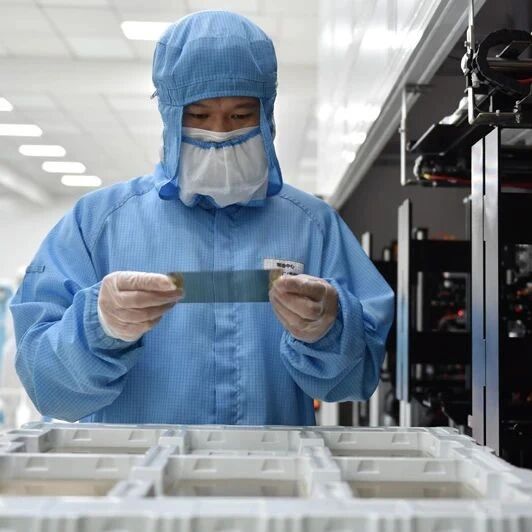
Core Viewpoint - Micron Technology has announced its exit from the data center server chip business in China, while still maintaining its presence in the automotive and smartphone sectors within the Chinese market [3]. Group 1: Business Impact - Micron's revenue from mainland China was approximately $3.4 billion, accounting for 12% of its global revenue [3]. - The exit specifically pertains to server chips, with DRAM being a critical component in data center servers, especially for AI and high-performance computing [3]. - Micron, along with Samsung and SK Hynix, dominates over 90% of the global DRAM market share, highlighting its significant market presence [3]. Group 2: Financial Performance - For the fourth quarter of fiscal year 2025, Micron reported revenues of $11.32 billion, a 46% increase year-over-year [4]. - The total revenue for fiscal year 2025 reached $37.378 billion, with the cloud storage business (CMBU) generating $4.543 billion, reflecting a 213.5% year-over-year growth [4]. - High Bandwidth Memory (HBM), used for AI data processing, is one of Micron's most profitable products, indicating a strong focus on high-value offerings [4].
安世半导体员工“上四休三”!
国芯网· 2025-10-20 12:29
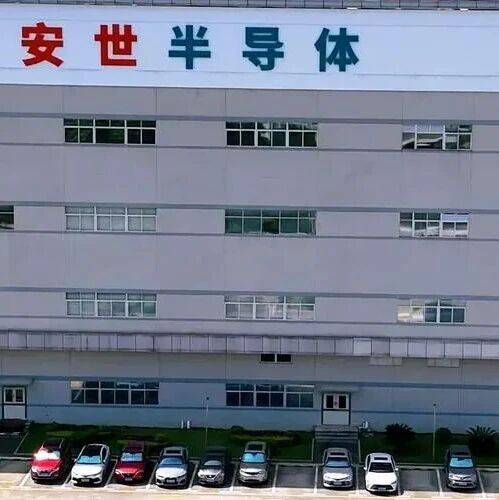
Core Viewpoint - The semiconductor industry in China is facing significant challenges due to government interventions and supply chain disruptions, particularly affecting Anshi Semiconductor's operations in Dongguan, which is critical for global packaging tasks [1][3]. Group 1: Impact of Government Intervention - Anshi Semiconductor's Dongguan factory has restricted shipments following intervention from the Dutch government, leading to a reduction in working hours for some positions [1][3]. - The factory, which handles 70% of global packaging tasks, is experiencing a shortage of raw materials, with current inventory only sufficient until the end of December [3]. Group 2: Operational Adjustments - Due to material shortages and staffing issues, Anshi Semiconductor will adjust work schedules to "four days on, three days off," reducing overtime from 70-80 hours per month to 40-50 hours [4]. - The company has been operating at full order capacity this year, but raw material issues are hindering production efficiency [4]. Group 3: Corporate Developments - On October 12, it was announced that Anshi Semiconductor's assets and intellectual property were frozen for one year due to Dutch government directives, impacting its operational autonomy [3]. - Some foreign executives at Anshi Semiconductor have requested to transfer their shares, and the CEO appointed by the parent company, Wentai Technology, has been suspended [3].

重塑话语权:新时达硬核技术为中国半导体制造打通自主可控关键链路
国芯网· 2025-10-17 04:39
Core Viewpoint - The semiconductor industry is crucial for national technology security and competitiveness, with a focus on achieving self-sufficiency in key equipment and components to overcome reliance on foreign imports [2]. Group 1: Industry Challenges and Policy Support - The Chinese semiconductor manufacturing sector has historically been dependent on imported equipment, with international firms holding over 90% of the market share, creating significant technological and market barriers [2]. - Recent government policies have aimed to boost domestic production capabilities, particularly in critical areas of the semiconductor supply chain [2]. Group 2: Technological Advancements - New Times has launched a self-developed series of semiconductor robots, establishing the first Class 1 cleanroom in the industry, which signifies a complete domestic production loop from design to mass production [2][7]. - The semiconductor robots have achieved ISO Class 2 cleanroom standards and have received certifications from TÜV SEMI and the Shanghai National Robot Testing and Evaluation Center, indicating that their core performance metrics meet international advanced levels [4]. Group 3: Cleanroom and Control Technology - New Times has built a Class 1 cleanroom production line in Shanghai, ensuring that all aspects of product assembly, equipment debugging, and factory testing meet wafer fabrication standards [7]. - The company has developed the SDC420/SDC620 series low-voltage direct-drive controllers, which integrate motion control and servo drive, achieving high precision positioning of ±0.05 mm, essential for wafer handling [7]. Group 4: Product Applications and Market Penetration - The semiconductor robots cover a wide range of applications, including wafer manufacturing, packaging, testing, and general logistics, with a product matrix consisting of eight series and dozens of models [11][12]. - Successful implementations of these robots in major semiconductor manufacturers like SMIC and Huazhong University of Science and Technology demonstrate their market viability and the accelerating maturity of the domestic semiconductor equipment ecosystem [17]. Group 5: Strategic Positioning and Future Outlook - New Times is positioned as a benchmark for domestic semiconductor robot technology, leveraging its advantages in cleanroom compatibility, vacuum adaptability, and integrated control technology to drive the localization of critical equipment [19]. - The advancements made by New Times not only represent milestones for the company but also contribute significantly to China's shift from a manufacturing powerhouse to a manufacturing stronghold, enhancing its position in the global semiconductor supply chain [20].