日经中文网

Search documents
日欧要合作完善稀土供应链
日经中文网· 2025-07-18 02:39
最近,双方已在事务层面达成协议,并将在配合7月23日的首脑会谈发布的成果文件草案中加 入了相关内容。双方将建立"竞争力联盟"关系,共同推进重要矿物供应链的完善。 双方此前已经出台了由日本经济产业相、外相以及负责贸易事务的欧盟委员会委员谢夫乔维 奇参与的磋商框架。此次将在此基础上增加主管产业战略的欧盟委员会执行副主席塞茹尔 内。 日本与欧盟计划启动由外交和经济部长参加的磋商机制"经济版2+2"。双方已在事务层面达成 协议。围绕稀土等重要矿物的采购,为了摆脱对中国的依赖,双方将探讨开展官民合作业 务…… 日本与欧盟(EU)计划启动由外交和经济部长参加的磋商机制"经济版2+2"。围绕稀土等重 要矿物的采购,为了摆脱对中国的依赖,双方将探讨开展官民合作业务。 日本经济新闻(中文版:日经中文网)辻隆史 布鲁塞尔、马场加奈 版权声明:日本经济新闻社版权所有,未经授权不得转载或部分复制,违者必究。 日经中文网 https://cn.nikkei.com 塞茹尔内负责欧盟重要矿物的稳定采购计划,正在格陵兰岛及非洲寻找开发机会。双方将磋 商日本企业能否参与欧盟的项目,并在今年夏天之后汇总具体的合作项目。 ...


1~6月访日游客数以最快速度突破2000万人
日经中文网· 2025-07-17 06:55
Core Viewpoint - The number of tourists visiting Japan from January to June has rapidly exceeded 20 million, marking a significant recovery in the tourism sector post-pandemic [1] Group 1: Tourist Statistics - The total number of visitors to Japan in the first half of the year reached over 20 million, showcasing a strong rebound in tourism [1] - This figure represents a substantial increase compared to previous years, indicating a robust recovery trend in the travel industry [1] Group 2: Economic Impact - The influx of tourists is expected to positively impact various sectors, including hospitality, retail, and transportation, contributing to overall economic growth [1] - Increased tourist activity is likely to lead to higher consumer spending, further stimulating the economy [1]

员工被扣风险让日企对中国业务变谨慎
日经中文网· 2025-07-17 06:55
Group 1 - Japanese companies are increasingly cautious about investing in China due to the risk of employee detentions, with at least 17 Japanese nationals detained in the past decade [1][2] - Following the detention of an employee from Astellas Pharma in March 2023, Japanese firms have implemented emergency measures, including avoiding unnecessary business trips to China [1][2] - The attitude of Japanese companies has shifted from "blind fear" to "rational vigilance," as they develop self-protection strategies for employees traveling to China [1][2] Group 2 - Since the implementation of China's Anti-Espionage Law in 2014, the scrutiny of foreigners has intensified, leading to a significant decline in direct investment from Japan to China, with net investment dropping by 63% over three years [2] - A survey by the Japan External Trade Organization (JETRO) in 2024 revealed that only 33% of Japanese companies are considering expanding or starting new businesses in China, the lowest level since 2013 [2] Group 3 - Concerns about safety in China have risen among Japanese nationals, with a notable decline in the number of Japanese residents in China, falling below 100,000 for the first time in 20 years [3] - Incidents involving foreign nationals, including the detention of employees from Mintz Group and a South Korean individual, highlight ongoing risks for expatriates in China [3]


日本6月对美出口额连续3个月下降
日经中文网· 2025-07-17 06:55
Core Viewpoint - Japan's trade dynamics with the US and China are significantly influenced by tariff policies, leading to a mixed performance in export volumes and values, particularly in the automotive sector [1][2][3]. Group 1: Trade Statistics - In June, Japan's exports to the US decreased by 11.4%, totaling 1.7071 trillion yen, marking a continuous decline for three months [1][2]. - The overall export value for Japan in June fell by 0.5% year-on-year to 9.1625 trillion yen, with a notable decrease in exports to China by 4.7% [1][2]. - For the first half of the year, Japan's trade balance showed a deficit of 2.2158 trillion yen, which is a 34.2% reduction compared to the previous year [2]. Group 2: Automotive Sector Insights - In June, Japan's automotive export volume to the US increased by 3.4%, but the export value dropped by 26.7%, indicating a shift towards lower-priced models to mitigate tariff impacts [2]. - The overall export volume of Japanese automobiles grew by 4.4% in the first half of the year, while the export value decreased by 4.5% [3]. Group 3: Import Dynamics - Japan's total imports in June reached 9.0095 trillion yen, reflecting a 0.2% increase, marking the first rise in three months [2]. - The import value of crude oil decreased by 11.5%, with a slight decline in import volume by 0.8% [2].

你不知道的美国(17)哈佛也依赖的大牌说客
日经中文网· 2025-07-17 06:55
Core Viewpoint - Traditional lobbying methods have become ineffective under the Trump administration, which emphasizes grassroots voices and social media influencers over established lobbying networks [1][11]. Group 1: Changes in Lobbying Dynamics - The Trump administration has led to a significant turnover in regulatory agency leadership, disrupting established relationships that companies previously relied on [1][8]. - Companies are now competing to engage lobbyists who have insider knowledge of the Trump administration, particularly those who held key positions during his first term [1][3]. Group 2: Notable Lobbying Firms - Ballard Partners, founded by Brian Ballard, is a prominent lobbying firm known for its close ties to Trump and Republican leaders, having opened a Washington office in 2017 [3]. - The firm's lobbying revenue surged over threefold in Q1 2025 compared to the previous year, reaching approximately $14 million (about 2 billion yen) [3]. Group 3: Clientele and Demand for Lobbying Services - Ballard Partners' client list includes major companies like Palantir Technologies, Disney, and Mitsubishi Corporation, indicating a diverse range of industries seeking lobbying support [5]. - Institutions like Harvard University and Nippon Steel have engaged Ballard for lobbying services, reflecting a growing demand from entities facing political challenges [6]. Group 4: The Nature of Effective Lobbying - Successful lobbying now requires establishing connections with winning political factions, as highlighted by Wendy Lee from Johns Hopkins University [8]. - The narrative that resonates with Trump is crucial; for instance, concerns about tariffs affecting his supporter base were pivotal in influencing policy decisions [11]. Group 5: Challenges and Limitations - Despite the potential for lobbying firms to influence policy, Trump has expressed disdain for being manipulated by lobbyists, indicating a complex relationship between politicians and lobbyists [9][10]. - The political landscape remains volatile, with companies eager to influence policy due to the significant impact of Trump's policies on their operations [12].

英伟达与中国正实现双赢
日经中文网· 2025-07-17 03:31
首次参展"中国国际供应链促进博览会"的英伟达的展位(7月16日,北京市) "中国的开源AI是推动全球进步的催化剂",英伟达CEO黄仁勋在中国链博会的开幕式上发表 演讲,称赞了中国AI的发展。能重获中国市场需求对英伟达而言是业绩提升的推动因素。一方 面,中国也考虑在充分利用其产品的同时加快自主AI半导体的开发…… 黄仁勋当天并未穿着标志性的皮夹克,而是换上了中国传统服装登台发言,营造出友好的氛 围。关于此次博览会,他在演讲中特意用中文说道:"这充分体现了中国对创新的支持,并致 力于共建繁荣未来"。 英伟达在会场内的展位展出了该公司销售的个人用小型AI计算机等产品。还公开了中国企业使 用该公司的芯片制造的机器人以及驾驶辅助系统的控制设备等,并宣传称对中国的尖端技术 提供了支撑。 美国半导体大企业英伟达明确展现出重视中国市场的姿态。该公司首次参展了7月16日在北京 举行的中国国际供应链促进博览会(链博会),最近还决定重启专门面向中国设计开发的人 工智能(AI)用半导体芯片的供货。中国力争成为"AI强国",但先进半导体的开发进展仍显 迟缓,在吸引英伟达的同时也在加紧促进相关产业的振兴。 "中国的开源AI是推动全球进步 ...


比亚迪挑战日本圣域“轻”(下)
日经中文网· 2025-07-17 03:31
Core Viewpoint - BYD is aggressively expanding its presence in the Japanese commercial vehicle market, leveraging its experience and production advantages to challenge local competitors, particularly in the light-duty electric vehicle (EV) segment. Group 1: Market Entry and Strategy - BYD entered the Japanese market in 2005 and established a local subsidiary, acquiring technology through the purchase of a major Japanese automotive mold company in 2010 [3]. - The company plans to enter the Japanese truck market by 2026, focusing on light-duty vehicles, which are classified as micro and small in Japan [4]. - BYD aims to become the leading importer of vehicles in Japan, with a strong emphasis on commercial vehicles, particularly light-duty trucks [5]. Group 2: Sales Performance and Market Dynamics - BYD's global sales of commercial vehicles surged to 27,726 units from January to May, a sixfold increase compared to the same period last year [5]. - The company is responding to intense competition in the Chinese automotive market by reducing prices, such as cutting the price of its small EV "Seagull" by 20% [5][6]. - In May 2023, BYD's new car sales reached 382,476 units, reflecting a 15% year-on-year growth, although the growth rate has slowed since March 2024 [6]. Group 3: Competitive Landscape - Japanese automakers have launched fewer than 20 EV models, indicating a lag in the EV market compared to BYD [7]. - Major Japanese companies are developing their own light-duty commercial EVs, with plans to launch by 2025, highlighting the competitive pressure BYD will face [8]. - The success of BYD in Japan could set a precedent for expansion into other global markets, particularly if it can overcome local safety and performance expectations [8].


FT中文网精选:新进入英国的吉利,手握几张好牌
日经中文网· 2025-07-17 03:31
Core Viewpoint - Geely is set to launch its brand in the UK with the electric SUV EX5, marking a significant step in its expansion into European markets, where it has previously established a presence through brands like Volvo and Polestar [4]. Group 1 - Geely's announcement to introduce its brand in the UK is part of a broader strategy to enhance its visibility in Europe, where it has been operating through various subsidiaries for years [4]. - The EX5 electric SUV will be the first model launched under the Geely brand in the UK, indicating a focus on electric vehicles in its product lineup [4]. - Despite Geely's established presence in Europe through other brands, the Geely brand itself remains relatively unknown to European consumers, highlighting a challenge in brand recognition [4].


华为4年多来重回中国智能手机出货量榜首
日经中文网· 2025-07-17 03:31
Core Viewpoint - The Chinese smartphone market is experiencing a decline in shipments, with a total of 69 million units shipped in Q2 2023, marking a 4% year-on-year decrease, the first negative growth in six quarters [1][2]. Group 1: Market Overview - In Q2 2023, Huawei led the market with 12.5 million units shipped, reclaiming the top position for the first time in over four years due to the impact of U.S. sanctions on smartphone production and sales [1]. - Vivo and OPPO followed closely behind Huawei, while Xiaomi ranked fourth with a 3% increase in shipments, making it the only major brand to see growth during this period [1]. - Apple ranked fifth, facing continued pressure from Chinese competitors, and adjusted the prices of iPhone 16 and iPhone 16 Pro to fall within the range of government subsidies, which helped mitigate the decline in shipments [2]. Group 2: Government Policies and Market Dynamics - The Chinese government has been issuing subsidies for old-for-new exchanges, but the effectiveness of these measures is diminishing due to confusion in implementation at the local government level [1]. - Smartphone manufacturers are strategically reducing shipments and managing inventory levels, utilizing promotional events like the 6.18 sales to facilitate inventory clearance [1]. - IDC forecasts that the Chinese smartphone market will remain sluggish until the second half of 2025, citing a challenging economic environment and low consumer confidence as key factors [2].

6月亚洲赴美集装箱运量降9%,中国出发降24%
日经中文网· 2025-07-17 03:31
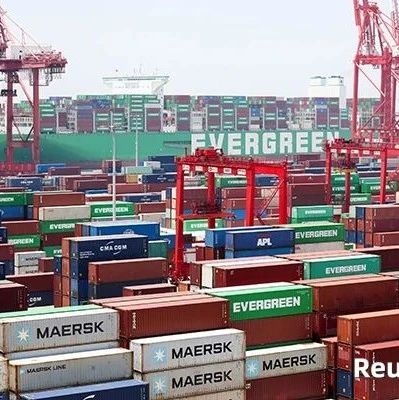
Core Insights - The volume of shipments departing from China has decreased by 24% year-on-year, while Southeast Asian countries such as Vietnam, Thailand, and Malaysia have seen significant increases in shipping volumes, with growth rates of 57%, 22%, and 96% respectively [1] - The overall shipping volume from Asia to the United States has dropped by 9% in June, totaling 1,540,998 TEUs (twenty-foot equivalent units) [1] - The decline in shipments from China is attributed to the high tariff policies implemented by the Trump administration, leading to a sustained decrease in shipping volumes for two consecutive months [1] - In contrast, Japan's shipping volume has decreased by 14% [1] Product Category Analysis - Among the top 10 product categories, 7 have experienced a year-on-year decline in shipping volumes, including furniture (-12%), plastics (-5%), machinery (-15%), automotive-related products (-22%), and steel products (-12%) [1] - Conversely, rubber products (tires) have increased by 14%, while clothing and footwear have seen growth rates of 6% and 1% respectively [2] Trade Relations Impact - Following the reduction of additional tariffs between the U.S. and China on May 14, there has been a slight recovery in shipping volumes from China, although they have not yet reached the levels of the previous year [2] - Many industry experts believe that the shipping volumes from China have failed to maintain the momentum gained after the U.S.-China agreement [2]