盐财经

Search documents
中年男人最爱的酒,年轻女孩正在抢断货
盐财经· 2026-01-20 09:37
Core Viewpoint - The article discusses the rising popularity of Chinese health wine, Jinjiu, particularly among young women, transforming it into a trendy social drink and a new form of "national whiskey" [2][4][10]. Group 1: Market Trends and Consumer Behavior - Jinjiu has gained traction on social media, with many young women sharing their experiences and creative cocktail recipes, leading to a significant increase in its consumer base [3][4][12]. - The brand has successfully attracted approximately 9 million new young users in the past two years, with 4 million being female consumers, indicating a shift in its target demographic [9][28]. - The price point of Jinjiu, with a 125ml bottle costing only 16 yuan, makes it accessible to a wide audience, contributing to its popularity [6][10]. Group 2: Sales Performance and Growth - In the first half of 2025, sales of Jinjiu exceeded 5 billion yuan, marking a year-on-year growth of over 50%, showcasing its strong market performance amidst a challenging industry environment [26][39]. - The company anticipates an overall sales growth of about 10% for 2025, projecting revenues to surpass 13.5 billion yuan, driven by the influx of new consumers [36][28]. Group 3: Marketing Strategies - Jinjiu's marketing strategy includes forming a dedicated content marketing team to engage with younger audiences on social media platforms, which has helped reshape its brand image [24][26]. - The brand has also capitalized on the trend of health-conscious consumption, aligning with national health strategies, which has opened new market opportunities for health-oriented alcoholic beverages [28][39]. Group 4: Industry Context - The health wine sector is projected to reach a market size of approximately 487.1 billion yuan by 2024, significantly smaller than the white wine market, which is expected to approach 8.1 trillion yuan [36]. - The overall alcohol industry is facing challenges, with many companies experiencing declining sales and profits, making Jinjiu's success particularly noteworthy [39][40].


BBA,势败如山倒
盐财经· 2026-01-18 09:17
Core Viewpoint - The traditional luxury car brands BBA (Benz, BMW, Audi) experienced significant sales declines in China in 2025, indicating a structural loss in the face of the rising dominance of domestic electric vehicle brands and changing consumer preferences [6][10][11]. Group 1: Sales Performance - In 2025, Benz, BMW, and Audi's sales in China were 57.5 million, 62.55 million, and 61.7 million units respectively, representing declines of 19%, 12.5%, and 5% year-on-year [10][11]. - The collective decline of BBA is not a short-term fluctuation but a reflection of the structural challenges posed by the rapid growth of the new energy vehicle market, which saw a penetration rate nearing 60% in 2025 [11][12]. Group 2: Market Dynamics - The market share of domestic brands rose to 65% in 2025, while retail sales of fuel vehicles plummeted by 30%, impacting BBA's traditional stronghold [11][12]. - The loyalty of BBA customers has significantly decreased, with less than 18% of previous BBA buyers indicating they would repurchase from the same brand [15][16]. Group 3: Competitive Landscape - New energy vehicle brands like AITO, Li Auto, Tesla, and Xiaomi are capturing a significant portion of the market, with a high percentage of their new customers coming from BBA [16]. - BBA's attempts to maintain market share through price reductions and new model launches may not be sufficient to reverse the trend, as consumer preferences shift towards new energy and smart vehicle technologies [13][20]. Group 4: Future Strategies - In 2026, Audi plans to launch new models on the PPE electric platform, while Benz aims to introduce 15 new vehicles, focusing on enhancing local technological capabilities [17][20]. - BMW's upcoming iX3 model, set to launch in late 2026, will feature advanced electric drive systems and local AI functionalities, which will be crucial for its competitiveness in the new energy market [19][20].
贾国龙,好糊涂
盐财经· 2026-01-18 09:17
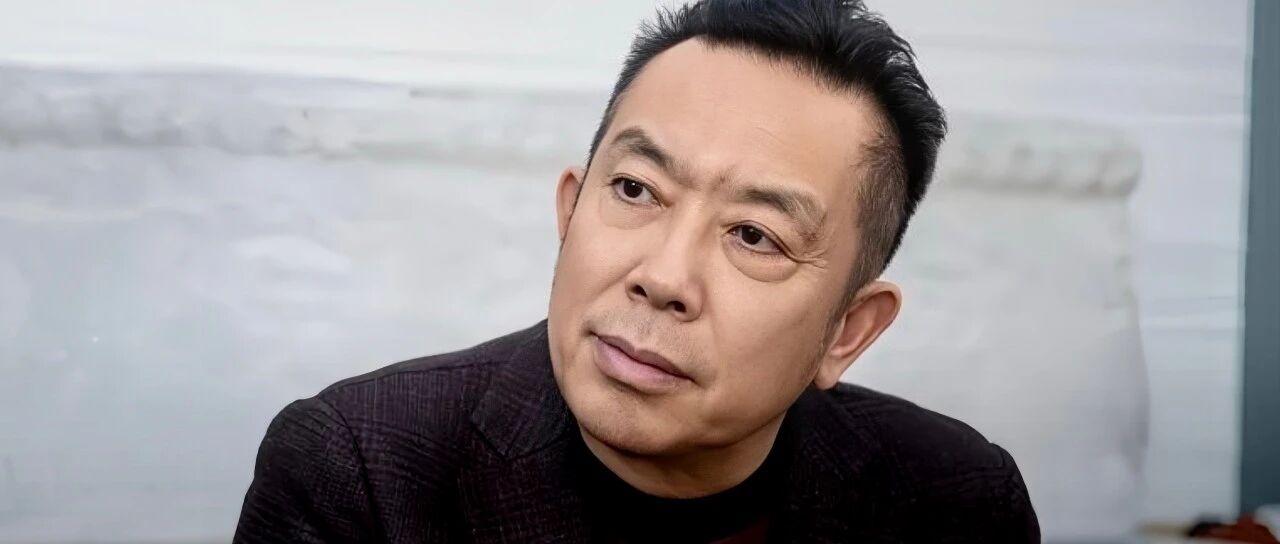
Core Viewpoint - The article discusses the absurdity and complexity of the public relations crisis faced by Xibei, highlighting the impact of social media and consumer expectations on business operations and reputation management [2][10][36]. Group 1: Timeline of Events - The controversy began on September 10, 2025, when Luo Yonghao criticized Xibei on Weibo for using pre-prepared dishes, leading to a series of escalating responses from Xibei's founder, Jia Guolong [12][14]. - Over the course of 125 days, Xibei underwent a complete public relations cycle, including denial, legal threats, media investigations, and ultimately, an apology and menu adjustments [4][10]. - By January 2026, Xibei closed 102 stores, accounting for approximately 30% of its total locations, affecting around 4,000 employees [5][7]. Group 2: Consumer Expectations and Trust - Consumers were primarily concerned with the value they received for the price paid, expecting fresh and made-to-order meals, which contrasted sharply with the discovery of frozen and pre-prepared ingredients [24][30]. - The initial response from Xibei focused on defending its practices rather than addressing consumer emotions, leading to a disconnect between the company's narrative and consumer expectations [26][36]. - The crisis highlighted a significant gap in communication, where Xibei's explanations about food preparation did not resonate with consumer concerns about trust and value [20][26]. Group 3: Leadership and Decision-Making - Jia Guolong's centralized decision-making style, while effective during rapid expansion, became a liability in managing public relations, leading to inconsistent messaging and reactive rather than strategic responses [31][35]. - The article suggests that the traditional authoritative approach of Jia Guolong is less effective in today's environment, where transparency and consumer engagement are paramount [36][37]. - The ongoing conflict with Luo Yonghao serves as a reflection of broader challenges faced by older entrepreneurs in adapting to new consumer expectations and communication dynamics [36].
我们,新年招人了!
盐财经· 2026-01-17 03:58
Core Viewpoint - The article discusses the cyclical nature of modern work environments, where individuals both outside and inside the workforce have conflicting desires and challenges, highlighting the struggle for personal fulfillment and the impact of societal structures on individual happiness [3][4][10]. Group 1 - Individuals outside the workforce seek entry for three main reasons: to improve their circumstances, to achieve a better lifestyle, or due to a lack of alternative job opportunities [4][5]. - Those within the workforce wish to escape for reasons such as higher salaries, the desire for a more respectable position, or simply because they have not found other employment [4][5]. - The article emphasizes that many workers feel like mere tools in a system where their contributions do not correlate with personal happiness, leading to a sense of disillusionment [11][12]. Group 2 - The text reflects on the historical and ongoing nature of this struggle, suggesting that while it is a persistent issue, there is hope for a future where human development and freedom are prioritized [8][16]. - It critiques the current state of labor, where individuals are often reduced to functional components within a larger machine, diminishing their autonomy and personal agency [11][12]. - The article advocates for a work environment that respects individual needs and fosters a sense of community and warmth among colleagues, countering the prevalent culture of alienation [16][20]. Group 3 - The company aims to create a supportive workplace with benefits such as comprehensive insurance, a culturally enriching environment, and a commitment to recognizing individual contributions [21][22]. - It emphasizes the importance of personal growth and fulfillment, stating that the right fit for the company will lead to happiness and success for employees [22][23]. - The article concludes with a call for a more humane approach to work, where respect and care for individuals are central to the organizational culture [16][20].

宝能姚振华实名举报
盐财经· 2026-01-17 03:58
Core Viewpoint - The auction of the Qoros Automotive factory in Changshu has drawn attention after the chairman of Baoneng Group, Yao Zhenhua, claimed that the assets valued at 8 billion yuan are being "sold off cheaply" at a starting price of 860 million yuan, with no bidders participating in the auction [2][4]. Group 1: Auction Details - The second auction of the Qoros Automotive factory took place with 60,000 viewers but only one registration, resulting in no bids. The starting price was set at 859.6 million yuan, requiring a deposit of 171.9 million yuan, with a minimum bid increment of 1 million yuan [5]. - The factory's assessed value was approximately 1.5 billion yuan, significantly lower than the claimed value of 8 billion yuan by Yao Zhenhua [6][10]. Group 2: Financial Background - Since Baoneng Group took control of Qoros Automotive in late 2017, it has invested around 26 billion yuan from 2018 to 2025, including 2.5 billion yuan during a liquidity crisis in the second half of 2021 to maintain operations and core R&D [7]. - Qoros Automotive requires an additional investment of about 2 billion yuan to resume production within 10 months, despite facing significant financial challenges, including over 35 billion yuan in frozen equity and more than 7.6 billion yuan in total execution amounts [8]. Group 3: Asset Valuation Discrepancies - The valuation report from Suzhou Tianyuan Land and Real Estate Appraisal Co. indicated that the factory's land and buildings were valued at approximately 1.16 billion yuan, while equipment and facilities were valued at around 376 million yuan, totaling about 1.54 billion yuan [10][12]. - The valuation method used was the cost approach, which does not consider future earnings and only accounts for land and construction costs, excluding brand value and production qualifications [12][13].

直线大跳水,白银暴跌
盐财经· 2026-01-15 09:39
Core Viewpoint - The article discusses the recent significant drop in silver prices, which fell by 7% to below $88 per ounce, alongside a slight decline in gold prices, which dropped to approximately $4600 per ounce. This volatility is attributed to changes in market conditions and regulatory adjustments in futures trading [2][4]. Group 1: Market Movements - On January 15, silver experienced a sharp decline, with a drop of 7% to a price of $87.956 per ounce, following a previous closing price of $93.136 per ounce [2][3]. - Gold prices also fell, with a decrease of 0.64%, settling at $4597.063 per ounce after reaching a high of $4632.743 per ounce [4]. Group 2: Regulatory Changes - The CME Group announced changes to the margin calculation for futures contracts on precious metals, shifting from a fixed dollar amount to a percentage of the contract's nominal value, aimed at cooling down the rising prices of gold, silver, platinum, and palladium [6]. Group 3: Market Analysis - Analysts from Dongfang Jincheng noted that the rise in silver prices is driven by two main factors: lower-than-expected CPI data in the U.S. and increasing concerns about the independence and stability of the Federal Reserve, leading to a flight to precious metals for safety [6]. - Ping An Securities highlighted that uncertainties from the U.S. government and ongoing debt issues are expected to weaken the dollar's credibility, which may continue to support silver's monetary attributes and demand from the manufacturing sector [6]. - Industrial properties of silver are expected to enhance its price elasticity, especially during economic upturns or periods of loose fiscal and monetary policies, as noted by Industrial Securities [7].

张小泉出问题了,开始贱卖迈巴赫
盐财经· 2026-01-15 09:39
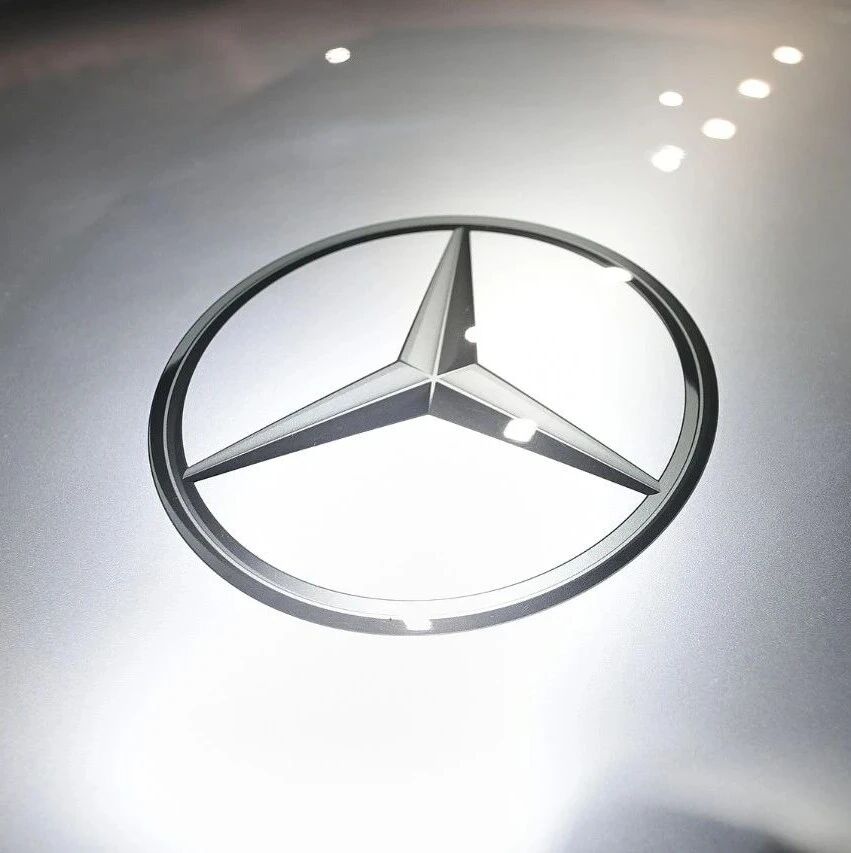
Core Viewpoint - The article discusses the financial struggles and capital dynamics of Zhang Xiaoqian, a historic Chinese knife and scissors brand, highlighting the impact of its controlling shareholder, Fuchun Holdings, and the recent auction of a luxury car as a symbol of its debt crisis [2][5][15]. Group 1: Debt Crisis and Capital Dynamics - Fuchun Holdings, the controlling shareholder of Zhang Xiaoqian, is facing significant debt issues, with total liabilities reaching 8.089 billion yuan by January 2026 [15]. - The auction of a Mercedes-Benz Maybach, initially listed at 600,000 yuan and eventually sold for 303,300 yuan, reflects the financial distress of Fuchun Holdings [3][5]. - Zhang Xiaoqian has been used as a key asset for financing, with high levels of share pledges contributing to a fragile debt structure [12][14]. Group 2: Operational Challenges and Brand Trust - The company has seen a decline in net profit from 41.51 million yuan in 2022 to 25.12 million yuan in 2023, indicating ongoing operational challenges [14]. - The "Garlic Crushing Incident" in 2022 highlighted a disconnect between product quality and consumer expectations, damaging the brand's reputation [19][20]. - Over 70% of Zhang Xiaoqian's products are produced through ODM, raising concerns about quality control and reliance on external manufacturers [25]. Group 3: New Shareholder and Market Strategy - White Rabbit Group, a leading MCN agency, acquired a 3.5 billion yuan stake in Zhang Xiaoqian, aiming to leverage its marketing capabilities to alleviate debt pressures [32][33]. - The company's sales during the 2025 Double Eleven shopping festival reached 140 million yuan, showing initial success in utilizing new marketing strategies [33]. - However, the reliance on short-term marketing tactics without addressing fundamental issues like R&D investment and product quality may jeopardize long-term brand integrity [36][39].
携程涉嫌垄断被立案调查
盐财经· 2026-01-14 09:39
Group 1 - The market regulator has initiated an investigation into Ctrip Group for suspected monopolistic behavior, specifically for abusing its dominant market position [2] - The investigation is based on prior checks and is conducted under the Anti-Monopoly Law of the People's Republic of China [2] - This action reflects ongoing scrutiny of major companies in the travel and tourism sector regarding competitive practices [2]

王思聪,杀进医美
盐财经· 2026-01-14 09:39
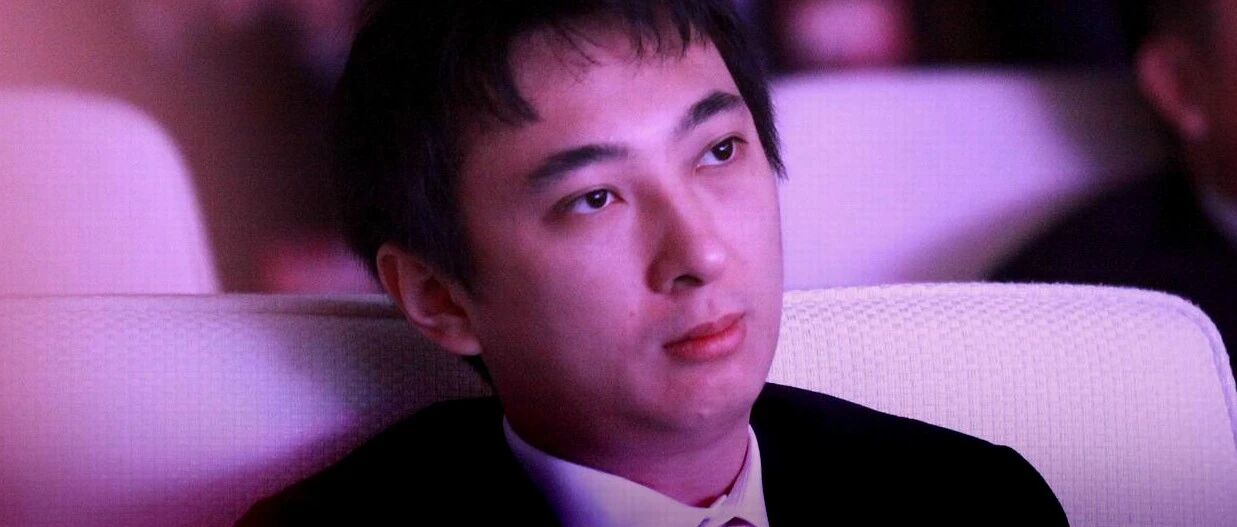
Core Viewpoint - Wang Sicong is quietly executing a strategic "divestment" and "rebirth" of his business assets, moving away from his previous ventures in the entertainment industry towards new opportunities in the medical beauty sector [2][4]. Group 1: Business Divestment - Beijing Pusi Investment Co., Ltd., wholly owned by Wang Sicong, had its 8% stake in Shanghai Maijie Culture announced for judicial auction, with a starting price of only 10.75 thousand yuan, while the assessed value was negative at -166.62 thousand yuan [2][3][10]. - The auction reflects a typical "cut loss" strategy, aiming to alleviate Wang Sicong's personal debt pressure by shedding underperforming assets [10][11]. - The Maijie Culture project, once valued at over 250 billion yuan, faced significant operational challenges leading to its decline, including layoffs and store closures [8][10]. Group 2: New Business Ventures - Concurrently with the auction, a new entity, Beijing Ningyue Medical Beauty Clinic, was registered, with Wang Sicong indirectly holding shares through Pusi Capital [11][12]. - This new venture is seen as a "shell rebirth," allowing Wang to distance himself from past liabilities while entering the medical beauty market [11][12]. - The medical beauty industry presents both opportunities and challenges, with Wang Sicong leveraging his celebrity connections to reduce customer acquisition costs significantly [15][18]. Group 3: Industry Challenges - The medical beauty sector has become increasingly competitive, with a significant number of companies shutting down, indicating a saturated market [22][28]. - The industry faces a "customer acquisition death spiral," where rising costs for customer acquisition threaten profit margins, with current costs reaching 800-1200 yuan per customer [26][28]. - Wang Sicong's previous failures in the medical beauty space highlight the need for a shift from a marketing-heavy approach to a focus on operational efficiency and quality [19][28].
追觅俞浩叫板黄仁勋、马斯克
盐财经· 2026-01-13 09:08
Core Viewpoint - The founder and CEO of Pursuit Technology, Yu Hao, aims to create the world's first trillion-dollar company ecosystem, projecting a significant increase in company value compared to current market leaders like Nvidia and Tesla [2]. Group 1: Company Overview - Pursuit Technology was founded in 2017 and initially operated as an OEM for Xiaomi, producing vacuum cleaners and robotic cleaners. It has since developed its own brand and is now recognized as one of the "Four Little Dragons" in the cleaning appliance industry alongside Ecovacs, Roborock, and Yunji [3][4]. - The company has expanded its business into major appliances, drones, and is venturing into the automotive sector, planning to launch a luxury electric vehicle by 2027 [4]. Group 2: Recent Developments - Pursuit Technology is in the process of acquiring a controlling stake in Jia Mei Packaging (002969.SZ) through its controlled entity, Zhuyue Hongzhi Technology Development Partnership, aiming to hold approximately 54.90% of the shares [2][3]. - The acquisition involves a total investment of approximately 2.282 billion yuan, with a share transfer price set at 4.45 yuan per share [3]. Group 3: Financial and Market Position - Yu Hao's wealth is estimated at 8.5 billion yuan, placing him among the top 1000 in the 2025 Hurun Rich List [3]. - Pursuit Technology's products are available in over 100 countries and regions, with more than 6,000 physical retail locations and services provided to over 30 million households [4].