盐财经

Search documents
俞敏洪,悄悄盯上你的爸妈
盐财经· 2026-02-02 10:11
据官方介绍,老人可免费领取0元线上课或体验 19.9 元的线下课程。目前,线下活动和线下体验课已经 开启报名,涵盖手机摄影、八段锦、舞蹈形体、帆布包DIY等丰富品类,但每个校区名额有限。 | 新车方文格图题 | | | | | | --- | --- | --- | --- | --- | | 线下体验课及活动日历 | | | | | | 类别 主题 3月时间段 | | | 具体目期 | 限制人数 | | 手机摄影 线下体验课 | 19.9元 | 每周四上午 13: 30-15: 00 | 3月5日 3月12日 | 色期体验课 | | 9: 30-11: 00 | | | | | | 19.97 | | | 3月19日 | | | 每周四下午 | | | | | | 2017 | | | 3月26日 | | | | | | | 12人 | | 八段锦 | 19.9元 | 每周同上午 | 3月6日 3月13日 | | | 9: 30-11: 00 | | | 3月20日 3月27日 | | | 077 | | | | | | 拍摄妇女写真 线下聚会活动 | 19.9元 19.97 | | 3月6日 3月13日 ...



金价、银价崩盘暴跌,有珠宝城成交降至冰点
盐财经· 2026-01-31 09:37
Core Viewpoint - The market experienced a significant sell-off in precious metals, particularly gold and silver, following the nomination of Kevin Warsh as the Federal Reserve Chairman, which heightened hawkish expectations [2][10]. Group 1: Market Reaction - Gold prices saw their largest drop in 40 years, with spot gold falling over 12% to a low of $4682 per ounce, closing down 9.25% at $4880 per ounce [2]. - Silver experienced a historic intraday drop of over 36%, reaching a low of $74.28 per ounce, and closing down 26.42% at $85.259 per ounce [3]. Group 2: Domestic Gold Jewelry Prices - Domestic gold jewelry prices fluctuated significantly, with brands like Chow Sang Sang reporting a drop from 1708 RMB per gram to 1543 RMB per gram, a decrease of 140 RMB in one night [5]. - Other brands, such as Lao Feng Xiang and Lao Miao, also reported substantial price drops of 170 RMB and 144 RMB respectively [5]. Group 3: Market Sentiment and Trading Behavior - The sharp decline in gold prices led to a cautious market sentiment, with many traders unsure about pricing and discounts, resulting in a significant drop in transaction volumes [7]. - Analysts suggested that ordinary investors should avoid speculative investments and maintain a balanced approach to their investment portfolios [8]. Group 4: Causes of the Price Drop - The sell-off was attributed to profit-taking after a long period of price increases, the announcement of the Fed Chairman nominee, and a cascading effect from leveraged positions in the market [10]. - The expectation of a hawkish stance from Warsh contributed to a stabilization of the dollar, which inversely affected gold and silver prices [10]. Group 5: Impact of Margin Requirements - Major exchanges increased margin requirements for gold futures, adding pressure on leveraged traders and triggering a cycle of forced selling as prices fell [11]. - The combination of stop-loss orders being triggered and the need for additional margin payments created a negative feedback loop, exacerbating the price decline [11]. Group 6: Changes in Banking Policies - Major banks, including China Construction Bank and Industrial and Commercial Bank of China, announced adjustments to their gold accumulation business, raising the minimum investment amount and implementing limits on transactions during non-trading days [23][24].

中国商界大佬,都在做这件事
盐财经· 2026-01-31 09:37
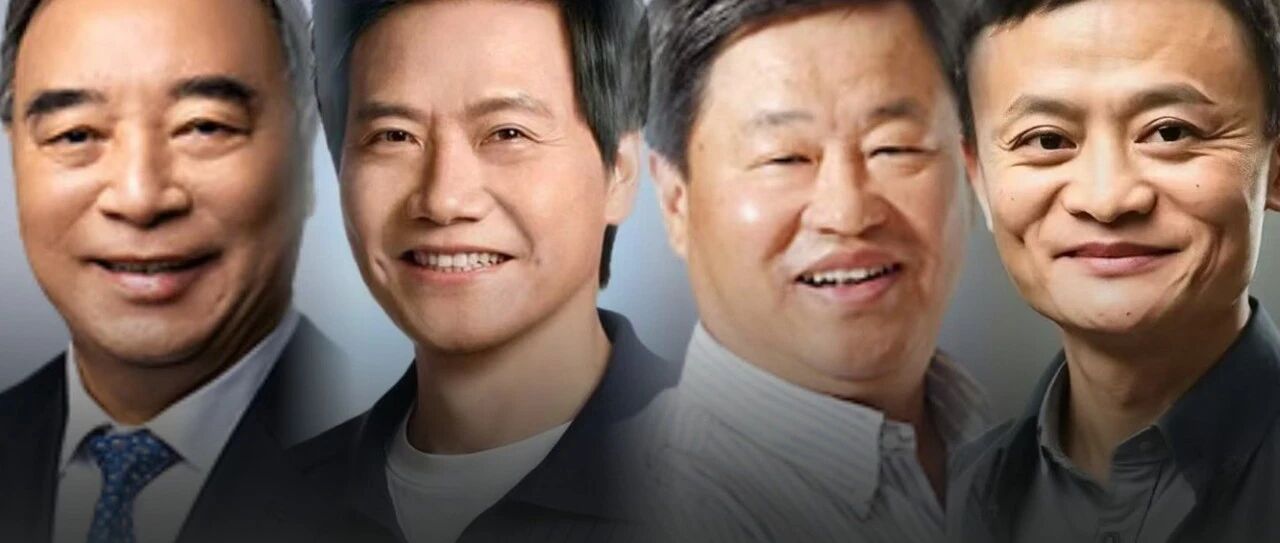
Core Viewpoint - The article emphasizes the critical role of reading in the lives of successful entrepreneurs, highlighting how it serves various functions throughout their careers and contributes to their personal and professional development [3][4]. Group 1: Importance of Reading for Entrepreneurs - Entrepreneurs in China often come from humble beginnings and have a strong desire to learn, using books as essential tools for self-education [6][9]. - Ren Zhengfei, founder of Huawei, exemplifies this by self-studying law to resolve business issues, which later influenced Huawei's legal strategies [7][9]. - Reading is not merely a leisure activity for entrepreneurs; it is a means to address survival challenges and enhance their business acumen [9][10]. Group 2: Influence of Specific Books - Song Zhiping, a notable entrepreneur, frequently recommends Peter Drucker's "Innovation and Entrepreneurship," viewing innovation as fundamental to entrepreneurial spirit [10][12]. - During Song's leadership at China National Building Material Group, the company achieved significant revenue growth, emphasizing the need for continuous innovation [12][13]. - Entrepreneurs like Lei Jun and Jack Ma have shared how specific books inspired their entrepreneurial journeys, shaping their visions and ambitions [19][21]. Group 3: Transition from Wealth to Cultural Appreciation - As entrepreneurs accumulate wealth, they face the challenge of enhancing their public image and social reputation, prompting a shift from materialism to a focus on cultural and aesthetic pursuits [25][27]. - The concept of "useless books" is introduced, suggesting that reading literature that may not have immediate practical applications can profoundly shape one's character and worldview [27][28]. - Entrepreneurs increasingly recognize the value of reading diverse materials to break free from conventional thinking and expand their understanding of the world [28][30].
爆雷了,事关黄金,投资者取不出钱
盐财经· 2026-01-29 10:30
Core Viewpoint - The article discusses the recent collapse of the "Jie Wo Rui" platform, which was involved in gold trading and recovery, leading to significant financial losses for investors amid a booming gold market [4][12][41]. Group 1: Company Background - Jie Wo Rui was established in 2014 as a jewelry company specializing in gold recovery and trading, initially operating as a physical store before launching an online platform [13][15]. - The platform allowed users to buy and recover gold, gaining popularity through promotional activities and a user-friendly interface [16][19]. Group 2: Investor Experience - Many investors, including young individuals and stay-at-home parents, were drawn to the platform due to its perceived reliability and attractive promotional offers [6][12]. - The platform's operations included a "zero processing fee" promotion, which attracted a significant number of users, particularly women, who found the offers appealing [19][20]. Group 3: Risky Practices - Jie Wo Rui introduced high-risk investment options, such as "empty order pricing," allowing users to speculate on gold prices with minimal initial deposits, leading to a leverage ratio of up to 40 times [24][28]. - The platform's lack of physical gold delivery and reliance on speculative trading created a high-risk environment, ultimately resulting in a liquidity crisis when many users attempted to withdraw funds simultaneously [34][36]. Group 4: Regulatory Response - Following the platform's collapse, local authorities initiated investigations and established communication with affected investors, with reported losses exceeding 130 billion yuan across multiple provinces [6][39]. - The company proposed two repayment options to investors, but these did not include any compensation for gold sent to the platform, raising concerns about the legality of their operations [35][36].

飞天茅台价格全线上涨
盐财经· 2026-01-29 10:30
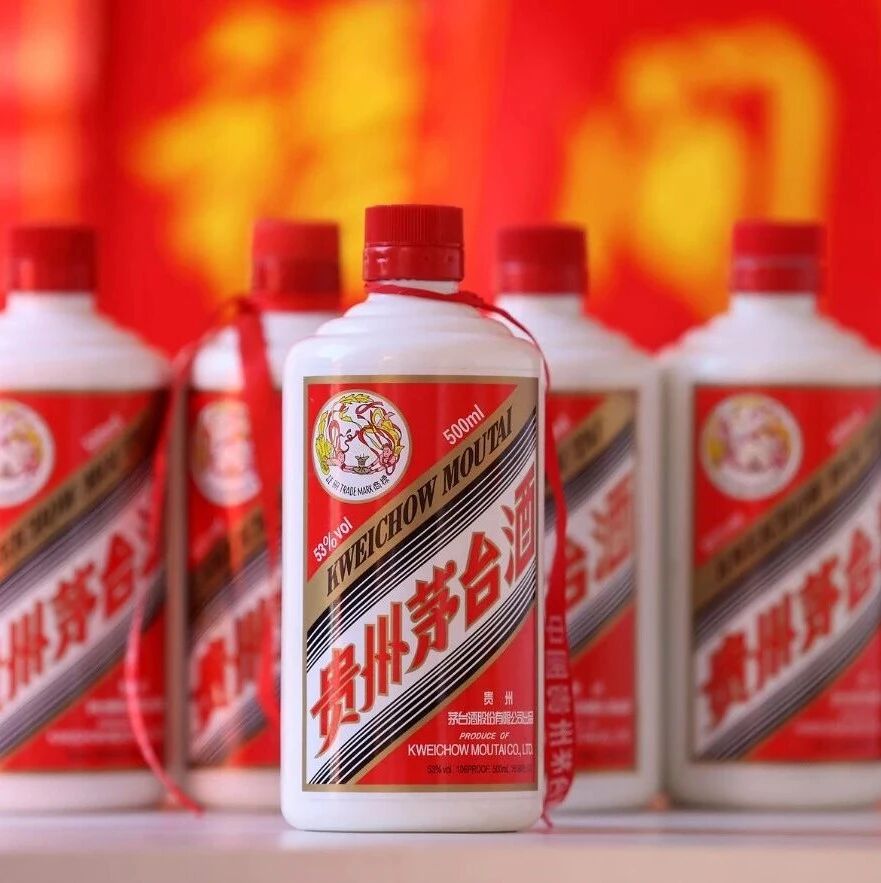
Core Viewpoint - The price of Moutai's Feitian continues to rise, with the 25-year Feitian scattered bottle price returning to the 1600 yuan mark, driven by seasonal demand and the company's policy interventions to stabilize prices [1][2][4]. Price Trends - As of January 28, 2026, the wholesale prices for various Moutai products have increased, with the 26-year Feitian original box priced at 1590 yuan (up 35 yuan), and the scattered bottle at 1570 yuan (up 20 yuan) [2]. - The 25-year Feitian original box is now at 1600 yuan (up 35 yuan), while the scattered bottle is at 1580 yuan (up 20 yuan) [2]. - The 24-year and 23-year Feitian products also saw price increases, indicating a general upward trend in Moutai pricing [2]. Market Dynamics - The price increase is attributed to Moutai's proactive measures to control supply and stabilize prices, alongside heightened demand during the festive season [4]. - There is a notable shortage of the Moutai horse (马茅) product, which has seen a price increase of 400 yuan over three days due to market speculation following a packaging error [3]. - Retail prices for Feitian Moutai have risen to around 1700 yuan per bottle, with significant sales volumes reported by distributors [3]. Consumer Behavior - Distributors indicate that demand is high due to the upcoming holiday season, with some products already in short supply [3]. - Consumers are advised to purchase promptly due to anticipated further price increases as the holiday approaches [3]. Stock Market Performance - Despite the rising prices of Moutai products, the stock price of Kweichow Moutai (600519.SH) has been underperforming, with a decline of 3.88% year-to-date and a notable drop of over 6% during a nine-day losing streak [5][7]. - Analysts suggest that the white liquor industry may stabilize and recover, with potential opportunities for bottom-fishing in the market [6].

新刊出炉,我们在直播间等你
盐财经· 2026-01-28 13:30
Core Viewpoint - The article emphasizes the importance of regional coordinated development as an intrinsic requirement of Chinese-style modernization and a strategic support for promoting high-quality development, highlighting the new practices and dynamics of the traditional "Eastern support for Western" collaboration model [4]. Group 1: Regional Development Insights - The magazine features in-depth explorations in regions such as Tibet, Ningxia, Guizhou, and Guangxi, showcasing the real and vivid development visions and livelihood dynamics across different areas as part of the national strategy [4]. - Understanding the ongoing developments and the responsibilities behind the "New Mountain-Sea Relationship" is deemed crucial for contemporary society [4]. Group 2: Live Broadcast Highlights - The live broadcast scheduled for January 29 at 19:00 aims to present the powerful narrative of China's development and the responsibilities involved [4]. - Participants in the live session will have the opportunity to interact with hosts, ask questions, and potentially win exclusive prizes, including magazine subscriptions at limited-time discounts and multiple lottery draws for new issues [6].

从支付到健康,蚂蚁的下一站
盐财经· 2026-01-28 10:29
Core Insights - Ant Group is shifting its focus from financial services to health management, aiming to address both wealth and health concerns of the public, as articulated by CEO Han Xinyi [3][6] - The company is investing heavily in its health AI assistant "Afu," which aims to provide comprehensive health management services, indicating a strategic pivot towards the health sector [6][19] Group 1: Strategic Shift to Health - Ant Group's decision to enter the health sector is driven by a combination of technological advancements, societal needs, and its corporate DNA, marking a significant strategic choice for the next decade [2][3] - The health sector is seen as a vast market with long-tail demands that have not been effectively digitized, contrasting with previous internet healthcare models that focused narrowly on selling medications [8][10] Group 2: Market Dynamics and Demand - There is a strong policy push from the government to integrate AI into healthcare, with multiple initiatives aimed at enhancing health services through technology [10] - Health is identified as a fundamental need that persists through economic cycles, with increasing public anxiety about health management, particularly in the context of uneven healthcare resource distribution [10][12] Group 3: Technological Advancements - The rise of AI technology is expected to enhance traditional healthcare services, making them more efficient and personalized, which aligns with Ant Group's strategy to leverage its technological capabilities in a specialized field [12][19] - Over a thousand doctors have already created AI avatars on Afu, indicating a proactive approach to enhancing healthcare delivery and expanding service capacity [12] Group 4: Investment and Commitment - Ant Group is committing substantial financial resources to the health sector, with projected annual investments reaching "tens of billions" in 2024 and 2025, reflecting a serious commitment to succeed in this domain [15][16] - The company views its health initiative as a critical component of its identity in the AI era, aiming to replicate its successful financial service model in the healthcare space [16][18] Group 5: Future Vision and Ecosystem - Afu is designed to evolve into an open health data and service ecosystem, integrating with various health monitoring devices to provide continuous health management services [19] - The ultimate goal is to create a comprehensive health service platform that not only addresses immediate health concerns but also builds long-term user trust and engagement [18][19] Group 6: Competitive Landscape - The health sector is becoming increasingly competitive, with major tech companies like Amazon and Anthropic also entering the AI health space, indicating a broader industry trend towards digital health solutions [23][24] - Ant Group's strategic investments and innovations are positioned to capitalize on this trend, suggesting a well-defined roadmap for future growth in the health sector [24]

马云,最新发声
盐财经· 2026-01-28 10:29
Group 1 - The core viewpoint of the article emphasizes that AI presents both challenges and opportunities for rural education, suggesting a shift in focus from competition with AI to teaching children how to effectively utilize AI [2] - The future of education in the AI era should prioritize creativity and unique thinking over rote memorization, encouraging students to ask diverse and meaningful questions rather than providing identical answers [3] - The responsibility of technology is highlighted as not merely replacing humans but enhancing human understanding and service, with a focus on making life more meaningful for ordinary people [3] Group 2 - The CEO of Alibaba Cloud, Wu Yongming, shares a similar perspective, indicating that AI will evolve into a new collaborative model, enhancing human capabilities significantly [3] - Wu outlines a three-phase evolution towards Artificial Superintelligence (ASI), starting with the emergence of intelligence, followed by autonomous action, and culminating in self-iteration where AI surpasses human capabilities [4] - Alibaba is investing heavily in AI infrastructure, with plans to increase its computing power significantly by 2032, indicating a tenfold increase in energy consumption for global data centers compared to 2022 [4]

理想,被逼,再创业
盐财经· 2026-01-27 10:46
Core Viewpoint - Li Auto has experienced a stark contrast in performance over the past year, with a significant decline in its core automotive business while simultaneously reigniting its investment in humanoid robot development, indicating a strategic pivot towards AI and robotics despite current challenges in vehicle sales and profitability [2][3][10]. Group 1: Financial Performance - In 2025, Li Auto's total vehicle deliveries reached 406,000 units, representing a year-on-year decline of approximately 19%, failing to meet its adjusted annual sales target [2]. - The company recorded a net loss of 624 million yuan in a single quarter for the first time after eleven consecutive profitable quarters, primarily due to a recall of about 11,000 units of its flagship model MEGA, which negatively impacted its gross margin [9][11]. - The gross margin for the third quarter of 2025 fell to 16.3%, with a marginal improvement to 20.4% when excluding the recall impact, indicating a weakening financial position [9]. Group 2: Strategic Shift - Despite facing pressure in its core automotive business, Li Auto has decided to restart its humanoid robot project, which requires substantial investment, showcasing a willingness to explore future technologies [3][10]. - Li Auto's founder, Li Xiang, has articulated a vision for the company to become a leading AI enterprise by 2030, emphasizing the importance of AI and robotics in its long-term strategy [21][24]. - The company is positioning itself to redefine vehicles as "embodied intelligent robots," indicating a shift in product definition and a focus on advanced AI capabilities [18][26]. Group 3: Competitive Landscape - Li Auto faces intensified competition from tech giants like Xiaomi and Huawei, which have entered the automotive sector, disrupting traditional business models and increasing market pressure [13][15]. - The company has acknowledged underestimating the competitive threat posed by these new entrants, which have redefined industry standards and accelerated product development cycles [13]. - The shift towards electric vehicles has diminished the relative advantage of Li Auto's range-extended electric vehicle technology, placing the company in a challenging position as it navigates a rapidly evolving market [15][19]. Group 4: Organizational Challenges - Li Xiang has reflected on the difficulties of transitioning to a professional management system, which has slowed the company's response to market changes and contributed to operational inefficiencies [31][36]. - The company is attempting to revert to a more agile, entrepreneurial approach in response to the pressures faced in its core business and the need for rapid innovation in AI and robotics [39]. - Li Auto's strategic pivot towards humanoid robots is seen as a critical move to regain competitive advantage and re-engage its workforce in a more dynamic and innovative environment [39].


马化腾春节将发10亿现金
盐财经· 2026-01-27 10:46
Core Viewpoint - Tencent is leveraging its AI assistant "Yuanbao" to enhance social interactions and is launching a significant cash giveaway of 1 billion yuan during the Spring Festival, aiming to replicate the success of its previous WeChat red envelope campaign [2][6]. Group 1: AI Strategy and Development - Tencent's Chairman, Ma Huateng, emphasized that 2025 will be a pivotal year for AI, with the company focusing heavily on AI investments while maintaining a steady approach in other sectors like community group buying and food delivery [2]. - The company is restructuring its AI team to attract top talent, including PhD graduates, to enhance its AI capabilities [2]. - Tencent's TEG (Technology Engineering Group) and CSIG (Cloud and Smart Industry Group) are identified as the main drivers of the company's AI initiatives, integrating large models and AI products into a cohesive strategy [3]. Group 2: New Features and User Engagement - The new "Yuanbao Pai" social feature allows users to create or join groups, fundamentally rethinking social interactions by integrating AI as an active participant rather than a mere tool [4]. - Users will have access to various social activities within "Yuanbao Pai," such as chatting, watching movies, and listening to music together, enhancing user engagement [4]. - Tencent aims to deepen the integration of AI within its existing platforms like WeChat and QQ, enhancing user experience through features like one-click webpage summaries and smart replies [4]. Group 3: Historical Context and Market Impact - Tencent's previous success with the 2015 Spring Festival red envelope campaign, which distributed 5 billion yuan, significantly boosted user engagement and payment habits [5]. - The current 1 billion yuan initiative during the Spring Festival is seen as a strategic move to accelerate Tencent's AI development and strengthen its position in the social media landscape [6].