硬AI

Search documents
市场最大“黑天鹅”:AI资本支出放缓,三大“巨雷”会是美股噩梦
硬AI· 2025-09-26 13:30
Core Viewpoint - Barclays highlights that a slowdown in data center capital expenditure could pose a significant systemic risk to the U.S. stock market, particularly affecting the S&P 500 index's earnings and valuations [2][3]. Group 1: Risks Identified - The report identifies three major risks that could trigger a crisis: the potential overbuilding of computing facilities due to AI model efficiency improvements, physical limitations from power shortages, and financing pressures when capital expenditure growth exceeds cash flow generation [5][15]. Group 2: AI Investment Landscape - Despite a robust foundation for AI investments, the report notes that demand for computing power continues to outstrip supply, with a projected annual growth of 30% in capital expenditure [4]. - Approximately 10% of companies in the S&P 1500 index mentioned efficiency gains from AI in their earnings reports [4]. Group 3: Technical and Physical Risks - The rapid efficiency improvements of AI models may lead to overbuilding of existing computing facilities, reminiscent of the "dark fiber" situation during the dot-com bubble [6][9]. - The report warns that data centers are significant power consumers, with projections indicating that by 2028, their electricity usage could account for 12% of the total U.S. electricity consumption, nearly tripling from 2023 levels [13]. - The expansion of the power grid is unable to keep pace with demand, leading to rising electricity prices in certain regions, which could force data centers to slow down investments due to power availability issues [14]. Group 4: Financial Risks - Although tech giants' operating cash flow currently covers capital expenditures, the gap is narrowing, raising concerns about reliance on external financing if capital expenditures continue to exceed internal cash generation [16]. - The report estimates that AI-related investments contribute approximately 1 percentage point to the projected 1.4% GDP growth in the U.S. for the first half of 2025, indicating the critical role of AI investment in economic growth [19]. Group 5: Impact of Capital Expenditure Decline - A hypothetical 20% decline in data center capital expenditure over the next two years could lead to a 3-4% decline in S&P 500 earnings per share (EPS) and a 10-13% compression in valuations [21][22]. - Industries directly benefiting from AI infrastructure could see average price-to-earnings (P/E) ratio compressions of 15-20% [24].


用大模型帮助投资!研究机构:到2029年AI投顾规模将增长600%
硬AI· 2025-09-26 13:30
Group 1 - The core viewpoint of the article is that the AI investment advisory market is expected to grow significantly, with a projected increase from $61.75 billion in 2023 to nearly $471 billion by 2029, representing a growth of over 600% [2][3] - Currently, about 10% of retail investors are using chatbots for stock selection, and half of the surveyed individuals are open to trying it [4][6] - An experiment reported by Finder indicated that a portfolio selected by ChatGPT achieved a remarkable return of 55%, outperforming mainstream funds in the UK market [4][6] Group 2 - Former UBS analyst Jeremy Leung mentioned that he now uses ChatGPT to guide his investment portfolio, stating that even simple tools can replicate many of his previous workflows [6][7] - Industry experts have raised warnings about the risks associated with using general AI models, emphasizing that they may misquote data and overly rely on existing narratives [6][7] - Leung cautioned that chatbots cannot access data behind paywalls, potentially missing critical analytical information [7] Group 3 - To achieve optimal results, users must provide detailed instructions to the AI, such as specifying the context or using reliable sources like SEC filings [9] - There is a concern that if investors become too complacent after easy gains from AI, they may struggle to respond effectively during market crises or downturns [9]
“可灵2.5 Turbo”高性能、低成本!高盛:快手处于AI视频全球顶尖水平
硬AI· 2025-09-25 06:00
Core Viewpoint - Kuaishou's "Keling AI 2.5 Turbo" model achieves nearly 30% cost reduction while maintaining top performance, establishing its leading position in the global AI video generation field [2][3]. Group 1: Performance and Cost Efficiency - The Keling AI 2.5 Turbo model shows significant improvements in text response, dynamic effects, style consistency, and aesthetic quality, enhancing controllability, stability, and consistency in video generation [3][10]. - In high-quality mode (1080p), the cost to generate a 5-second video is only 25 points, nearly 30% cheaper than the previous version 2.1 [3][10]. - User preference rates for Keling 2.5 are notably high, with 69% preferring it over Veo3 fast, and 57% over Seendance 1.0 mini [9][8]. Group 2: Market Potential and Revenue Growth - The AI video generation industry is still in its early stages, with rapid market growth expected, disrupting traditional advertising and short film production models [12]. - Keling AI's technological advancements lay the groundwork for applications in various fields, including film, short dramas, gaming, animation, and advertising, broadening its revenue sources [12]. - Projected annual revenue for Keling AI is expected to grow from $154 million in 2025 to $365 million by 2027, with growth rates of 62% in 2026 and 46% in 2027 [12].

阿里会新增多少资本开支?大摩“每年增3GW",瑞银“1-2GW",而每1GW约等于1000亿人民币资本投入
硬AI· 2025-09-25 02:18
Core Viewpoint - Alibaba Cloud is expected to experience significant growth in data center capacity, with annual additions projected to exceed 3 GW from 2026 to 2032, which is comparable to the entire Chinese market's expected growth in 2025 [2][6][9]. Investment and Capacity Expansion - Morgan Stanley estimates that Alibaba Cloud will add over 3 GW of data center capacity annually from 2026 to 2032, equating to the total expected growth of the Chinese market in 2025 [2][6]. - UBS predicts that Alibaba Cloud's investment intensity and sustainability guidance exceed market expectations, estimating annual capital expenditures of 100 billion to 200 billion RMB due to the anticipated 1-2 GW annual capacity growth [4][9][10]. - The total data center capacity of Alibaba Cloud in 2022 was approximately 1.5 GW, with projections indicating a tenfold increase to 15 GW by 2032, necessitating an average annual net increase of at least 1-2 GW [9]. Market Implications - The anticipated growth in Alibaba Cloud's capacity and investment is expected to provide sustained growth momentum for data center operators and infrastructure suppliers [3][7]. - The report emphasizes that Alibaba Cloud's capital expenditures alone could support the growth of the data center industry for years to come [7]. - UBS's analysis suggests that the projected capital expenditures significantly surpass current market expectations, addressing concerns about the sustainability of AI capital expenditure cycles and the intensity of spending by large-scale vendors [10].

从设备联网到空间觉醒,AI能力驱动天猫精灵全屋智能3.0重构“家的体验”
硬AI· 2025-09-25 02:18
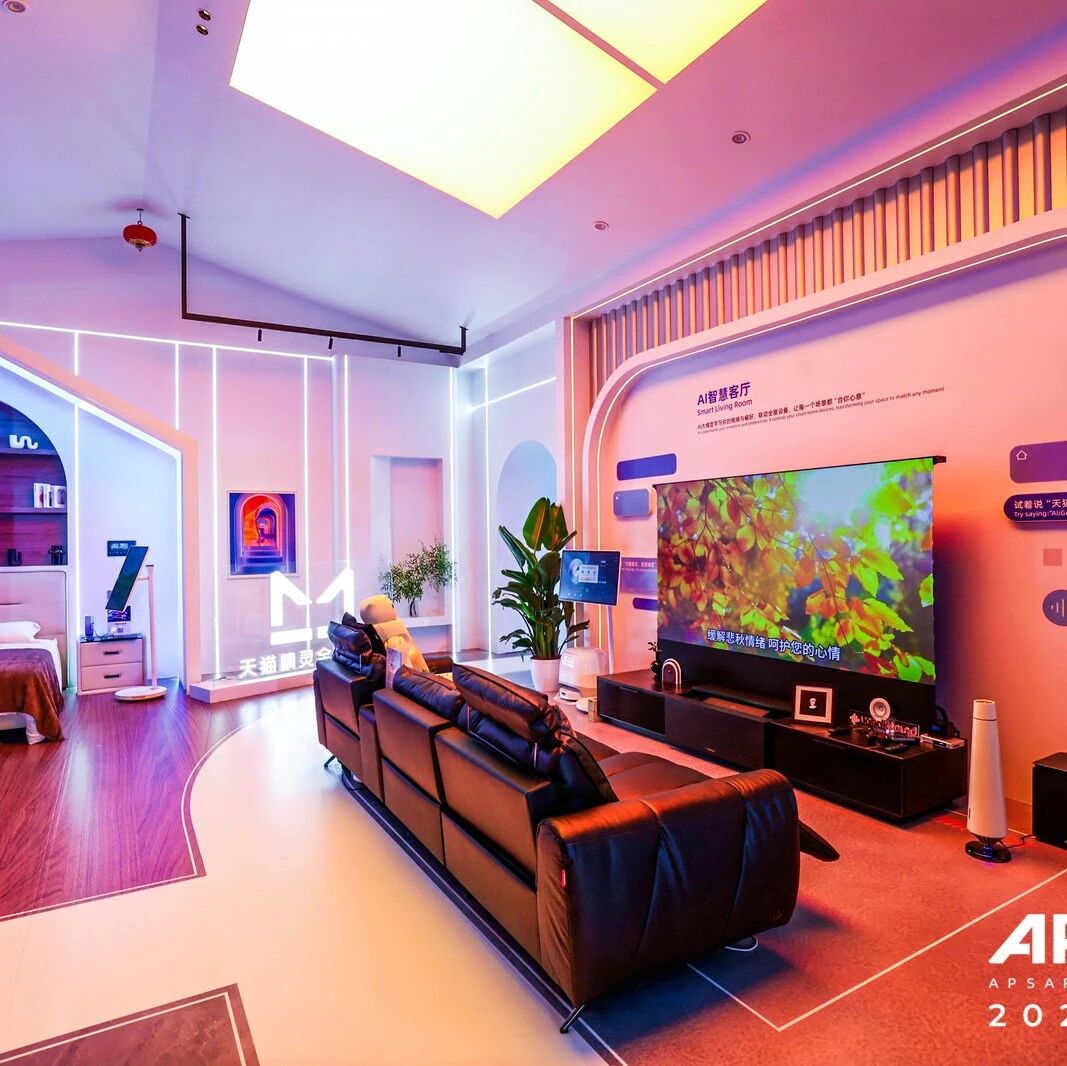
Core Viewpoint - Alibaba's Tmall Genie Smart Home 3.0 marks a significant shift from device connectivity to "spatial intelligence," enabling homes to possess sensing and cognitive capabilities [3][14]. Group 1: Strategic Upgrade - Tmall Genie announced a comprehensive upgrade to its "spatial intelligence" strategy, focusing on three core capabilities: spatial perception, spatial understanding, and ecological service [6]. - Spatial perception involves a distributed spatial network host acting as a "nerve center," integrating AI sensors to create a network that allows for proactive responses to environmental changes [6]. - Spatial understanding leverages Alibaba's Tongyi model to develop a HomeAgent that learns family habits, enabling anticipatory actions without explicit commands [6][10]. - Ecological service is enhanced through partnerships with top brands, allowing seamless multi-device collaboration for various scenarios [6]. Group 2: Technological Breakthroughs - The new Kunlun T20S distributed spatial network host supports WiFi 7, enabling rapid scene control and local data processing for enhanced user experience [8]. - AI spatial sensors can cover large areas (up to 64 square meters) and track multiple individuals simultaneously, facilitating dynamic lighting and environmental adjustments [10]. - The system evolves from rule-based scenes to a HomeAgent that automatically adjusts settings based on environmental changes and user habits, eliminating manual configurations [10]. Group 3: Ecosystem Expansion - By 2025, Tmall Genie has expanded its ecosystem to include leading companies across various industries, establishing over 70 flagship experience stores in key markets [11]. - The establishment of the "Genie Future Home Spatial Intelligence Designer Alliance" aims to provide comprehensive solutions from technology implementation to aesthetic design [11]. Group 4: Conceptual Shift - Tmall Genie 3.0 is positioned as an "active service partner" rather than a passive tool, transforming homes into intelligent entities that understand and respond to user needs [14].
英特尔寻求苹果投资合作,股价一度大涨8%
硬AI· 2025-09-25 02:18
Core Viewpoint - Intel is seeking investment from Apple as part of its recovery plan, with discussions on closer collaboration, although negotiations are in early stages and may not lead to an agreement [2][4]. Group 1: Intel's Investment and Collaboration Efforts - Intel has approached Apple for potential investment, which is part of its strategy to revive its business [2]. - Besides Apple, Intel is also in talks with other companies for possible investment and collaboration, continuing its recent trend of securing funding [3]. - Nvidia recently announced a $5 billion investment in Intel to collaborate in the PC and data center chip sectors, while SoftBank also invested $2 billion in Intel [3]. Group 2: Market Reaction and Stock Performance - Following the news of potential collaboration with Apple, Intel's stock price surged by 8% to $31.70 before closing with a 6.41% increase, and continued to rise in after-hours trading [3][4]. - The market generally believes that even if Apple invests in Intel, it is unlikely to revert to using Intel processors in its devices [4]. Group 3: Government Involvement and Industry Context - In August, the U.S. government acquired approximately 10% of Intel's shares through a non-traditional deal, facilitated by the Trump administration [6]. - Intel is viewed as a crucial player in revitalizing domestic chip manufacturing capabilities in the U.S., especially under the current administration's focus on boosting local production [7].



美光电话会:2025财年资本支出将大幅增长,继续集中在HBM上,先进制程供应紧张
硬AI· 2025-09-25 02:18
Core Viewpoint - Micron expects significant growth in capital expenditures for fiscal year 2025, projecting that capital spending will reach approximately 35% of revenue, primarily driven by investments in new wafer fabs and HBM technology [3][4][27]. Group 1: Financial Performance - In the fourth fiscal quarter, Micron reported revenue of approximately $7.8 billion, a 14% quarter-over-quarter increase and a 93% year-over-year increase [29]. - For fiscal year 2024, total revenue reached $25.1 billion, representing a 62% year-over-year growth [29]. - The fourth quarter's DRAM revenue was $5.3 billion, a 93% year-over-year increase, accounting for 69% of total revenue [29]. Group 2: HBM Market Outlook - Micron achieved hundreds of millions in HBM revenue for fiscal year 2024 and anticipates tens of billions in HBM revenue for fiscal year 2025 [5][17]. - The total addressable market (TAM) for HBM is expected to grow from approximately $4 billion in 2023 to over $25 billion by 2025, with HBM's market share projected to increase from 1.5% to around 6% [5][17]. - Micron's HBM3E solutions are gaining traction among customers, with strong demand anticipated for high-capacity D5 and LP5 solutions [17][19]. Group 3: Supply and Demand Dynamics - The supply of advanced processes is currently very tight due to reduced capital expenditures in 2022 and 2023, leading to a significant decline in wafer capacity from peak levels [6][26]. - The industry expects DRAM demand growth of approximately 15% for fiscal year 2024, with similar growth anticipated for fiscal year 2025 [5][26]. - The PC market is projected to see stable growth, with an expected increase in shipments driven by the launch of next-generation AI PCs and the transition to Windows 12 [6][21]. Group 4: Capital Expenditure Strategy - Micron's capital expenditures for fiscal year 2024 were $8.1 billion, with expectations for a substantial increase in fiscal year 2025, primarily focused on HBM investments [4][27]. - The company plans to maintain strict control over capital expenditures to ensure alignment with industry demand while focusing on improving profitability [27][38]. - Investments in new facilities in Idaho and New York are aimed at supporting long-term DRAM demand, although they will not contribute to supply in the near term [27].


直击阿里2025云栖大会!吴泳铭:资本开支会在3800亿基础上,增加更多的投入
硬AI· 2025-09-24 03:03
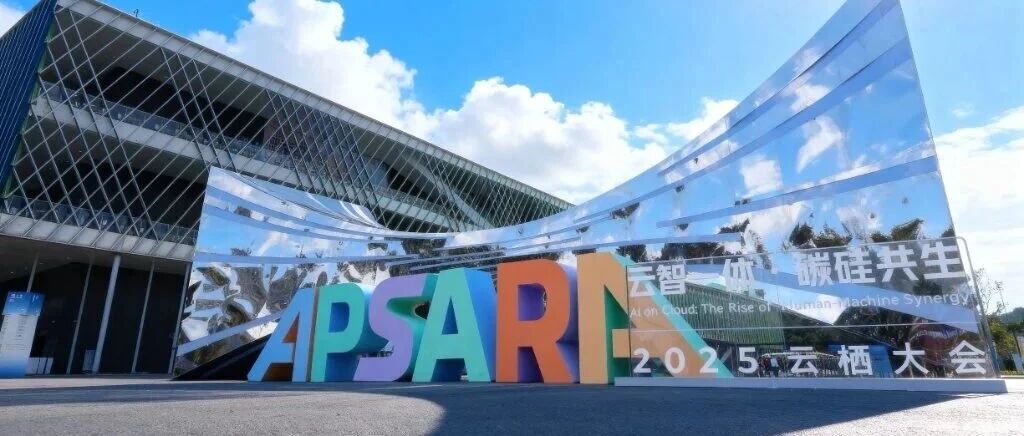
新模型、Agent(智能体)应用等AI软件产品及AI服务器等基础设施硬件或是看点。阿里巴巴CEO吴泳铭表示,大模型是 下一代操作系统。AI Cloud是下一代计算机。未来全世界或只会有5-6个超级云计算平台。 作者 | 龙 玥 编辑 | 硬 AI 9月24日,阿里巴巴2025云栖大会在杭州正式开幕。 本次大会将于24日至26日举行三天,以"云智一体·碳硅共生"为主题,设置 三大主论坛"云栖前瞻""云栖技 术""无法计算的价值",共同探讨AI、云计算与产业应用的最新趋势。 硬·AI 新模型、Agent(智能体)应用等AI软件产品及AI服务器等基础设施硬件或是看点。上证报记者获悉,阿 里云将展示超大规模集群、分布式训练、推理加速等能力,并首次展出单柜支持144个计算节点的高密度 AI服务器和新一代高性能网络架构HPN8.0。 阿里巴巴CEO吴泳铭发表主旨演讲称, 资本开支会在3800亿基础上,增加更多的投入。通义千问的目标 是打造AI时代的安卓系统。大模型是下一代操作系统。AI Cloud是下一代计算机。未来全世界或只会有5- 6个超级云计算平台。 01 吴泳铭: ASI才是开始 大模型将是下一代的操作系统 大会 ...
英伟达最大手笔投资承诺!砸1000亿美元助OpenAI建10GW数据中心
硬AI· 2025-09-23 01:49
首个1GW容量英伟达系统计划明年下半年上线,采用Vera Rubin平台。黄仁勋称,10GW相当于多达500万GPU,等于 英伟达今年的总出货量,是去年两倍。Altman称,接下来几个月里,大家应该对OpenAI抱有很大期望。他将英伟达和微 软都称为OpenAI的"被动"投资者和"最重要的合作伙伴"。盘初曾跌超1%的英伟达股价迅速转涨,午盘曾涨超4%,收涨近 4%创历史新高。 投资OpenAI大规模部署数据中心的消息公布后,周一盘初曾跌1.1%的英伟达股价迅速转涨并在美股午盘 之初拉升,午盘涨幅曾扩大到4%以上,刷新日高时涨4.5%,收涨逾3.9%,创收盘历史新高,盘后小幅回 落。 01 "巨大"项目10GW相当于多达500万GPU 硬·AI 作者 | 李 丹 编辑 | 硬 AI 英伟达为科技企业的人工智能(AI)基础设施建设狂潮又添了一把火。 美东时间9月22日周一,英伟达与OpenAI宣布,签署意向书确立达成战略合作,OpenAI将借此利用英伟 达的系统打造和部署至少10千兆瓦(GW)的AI数据中心,使用数百万块英伟达的图形处理器(GPU)训 练和部署OpenAI的下一代AI模型。 为支持上述里程碑式的战 ...

希捷科技、西部数据领涨美股!AI外溢还是泡沫迹象?
硬AI· 2025-09-23 01:49
Core Viewpoint - The article discusses the remarkable stock performance of traditional hardware companies in the context of the AI boom, questioning whether this is a genuine reflection of the AI infrastructure investment or a sign of an impending market bubble [1][2]. Group 1: Stock Performance of Traditional Hardware Companies - Seagate Technology has surged by 156%, becoming the best-performing stock in the S&P 500, while Western Digital and Micron Technology have seen increases of 137% and 93%, respectively [2][4]. - These storage device manufacturers are benefiting from substantial investments by large tech companies in AI infrastructure, with hundreds of billions allocated annually for semiconductors, networking equipment, and data center power [4][5]. - Despite the stock price increases, the valuations of these companies remain relatively reasonable, with Western Digital's price-to-earnings (P/E) ratio below 6, and Seagate and Micron around 10, compared to the S&P 500's expected P/E of 23 [4][5]. Group 2: Market Sentiment and Analysis - There is a divide on Wall Street regarding this phenomenon; bulls see it as a spillover effect of AI computing demand, while bears warn it may indicate a stock market bubble [2][6]. - Analysts have raised target prices for Seagate, with Benchmark Co. setting a target of $250, indicating a potential upside of over 13% from its recent closing price [5]. - The rapid stock price increases have outpaced analyst expectations, with Seagate trading over 20% above the average target price, Western Digital over 10%, and Micron slightly above expectations [7][8]. Group 3: Broader Market Trends - The AI wave has also driven stock price surges in other traditional industries, such as Vistra Corp, which has risen 53%, and Broadcom, which has reached a market cap of $1.6 trillion [9]. - Oracle has become the tenth largest company in the S&P 500 due to demand for cloud computing services, experiencing a 36% single-day surge following its earnings report [9][10]. - Concerns are raised about the potential overvaluation of AI-related products, with warnings that any rapidly rising asset could become a cautionary tale [10].