集思录

Search documents
17日投资提示:嘉美包装变更为逐越鸿智,17日复牌
集思录· 2025-12-16 13:57
Group 1 - The article discusses the valuation of silver and highlights the importance of understanding fund holdings, indicating that there may have been missed investment opportunities worth billions [2][3] - It mentions the acquisition of a controlling stake in Jiamei Packaging by Zhuyue Hongzhi for approximately 2.282 billion yuan, with plans to acquire 25% of the company’s shares through a combination of agreement transfer and partial tender offer [3] - The article provides details on various convertible bonds, including their current prices, redemption prices, last trading dates, and conversion values, indicating a focus on the performance and market dynamics of these financial instruments [6][8] Group 2 - The article emphasizes the need for better classification of investment products, suggesting that categorizing gold, silver, and other commodities under A-share commodity funds may be more appropriate [3] - It lists several convertible bonds that are not subject to price adjustments, indicating stability in their pricing and potential investment attractiveness [3][6] - The article also includes a brief overview of the Jiamei Packaging acquisition, noting the significant shareholding commitments from major shareholders, which could impact the company's future governance and strategic direction [3]


16日投资提示:蓝帆转债下修不到底
集思录· 2025-12-15 13:57
Core Viewpoint - The article discusses recent announcements regarding convertible bonds, highlighting adjustments and redemption statuses for various bonds, which may impact investment strategies in the convertible bond market [1][2][3]. Group 1: Convertible Bond Announcements - 蓝帆转债 (Blue Fan Convertible Bond) has announced a downward adjustment of less than 0.5 yuan [1][3]. - 华医转债 (Hua Yi Convertible Bond) will not be forcibly redeemed [1][3]. - 巨星转债 (Giant Star Convertible Bond) will not undergo any downward adjustment [2][3]. Group 2: Key Data on Convertible Bonds - 中能转债 (Zhong Neng Convertible Bond) has a current price of 168.200 yuan, with a strong redemption price of 100.010 yuan, and a remaining scale of 0.025 billion yuan [5]. - 立中转债 (Li Zhong Convertible Bond) is priced at 118.260 yuan, with a strong redemption price of 100.390 yuan, and a remaining scale of 0.205 billion yuan [5]. - Z豫光转 (Z Yu Guang Convertible Bond) is currently at 181.919 yuan, with a strong redemption price of 100.106 yuan, and a remaining scale of 0.208 billion yuan [5]. - 中旗转债 (Zhong Qi Convertible Bond) has a current price of 303.000 yuan, with a strong redemption price of 100.805 yuan, and a remaining scale of 0.527 billion yuan [5]. - 楚天转债 (Chu Tian Convertible Bond) is priced at 112.797 yuan, with a strong redemption price of 100.450 yuan, and a remaining scale of 1.671 billion yuan [5].
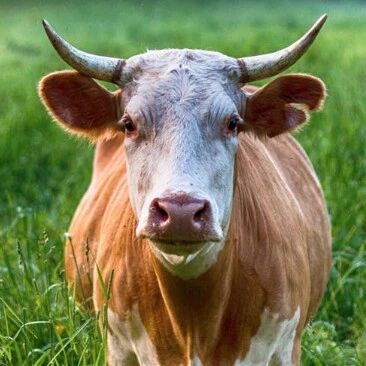
美国长久期国债收益率为何居高不下
集思录· 2025-12-15 13:57
1.节衣缩食慢慢减少国债规模,会带来大萧条,且政客选票制度不允许 我查了下2020年,才0.6%年化,为啥现在4.18%降不下来呢,美国都降息4次了, 请指教! 2. 长期大幅通货膨胀减少实际国债价值 西楼 3. 政府总破产,耍赖不归还国债了 现在美国连支付国债利息都要再发国债支付,连本带利总金额已经突破38万亿美元了,将来 只有三条路可选: 韦168 美国多次降息只有短期国债利息下降,长期和超长期国债收益率并没有下降。也就是资金认 为长期美国还会通胀,长期国债无法低利率发行。换种说法就是:降低利率长期国债卖不出 去。如果美联储强行买入长债企图压低长期利率,结果市场美元会变得更多,助推通胀.... nirvana1982 我买了近40%仓位美债,国内美债QDII收益也就1.2%,跟火鸡差不多,搞不清楚发生啥了, 但反正跟国内债基也差不多,也没啥懊悔的 猫消灭人类 我认为和汇率有关系,国债收益率上升,是看空本币汇率。 长期国债的最大风险,是汇率。 量化投资先锋 美国国债问题源于美国联邦政府的收入长期低于支出,产生大量赤字,被迫借债。 2024年,美国联邦政府的财政收入总金额为4.918万亿美元,财政支出总金额为 ...

日本股市没想到过去10年回报还行
集思录· 2025-12-14 14:17
Core Viewpoint - The article discusses the performance of the Japanese stock market and its relationship with the country's economic growth, highlighting the disparity between stock market returns and GDP growth rates [2][3]. Group 1: Japanese Stock Market Performance - The annualized return of the Japanese stock market over the past 10 years is approximately 7.8% [2]. - Major companies mentioned include Toyota with a market cap of over 2 trillion RMB and a PE ratio of 8.67, Fast Retailing with a market cap of 800 billion RMB and a PE of 39, and others like SoftBank, Mitsubishi, Sony, Hitachi, and Nintendo [2]. - The article notes that the performance of the stock market may not directly correlate with domestic economic growth, as many large companies operate internationally [6][11]. Group 2: Economic Growth Data - Japan's GDP growth rates from 2020 to 2023 show fluctuations: -4.3% in 2020, +2.1% in 2021, +1.0% in 2022, and +1.9% in 2023 [2]. - IMF forecasts for 2024 and 2025 predict GDP growth rates of 0.7% and 0.5%, respectively, citing factors like insufficient domestic demand and an aging population [2][4]. Group 3: Global Economic Context - Japan's share of the global GDP has significantly decreased from 17.7% in 1995 to an estimated 3.6% in 2024, indicating a substantial decline in its economic influence [3][4]. - The article suggests that the stock market's performance may not be a reliable indicator of the overall economy, as evidenced by the contrasting trends in GDP and stock market returns [3][10]. Group 4: Investment Strategies - The article mentions that the Bank of Japan has been actively buying Japanese stocks for over 15 years, contributing to market liquidity [12]. - Notable investors like Warren Buffett have shown interest in Japanese companies, focusing on valuation, fundamentals, and shareholder return mechanisms [7].



15日投资提示:欧派家居拟增持5000万元-1亿元股份
集思录· 2025-12-14 14:17
蓝帆医疗:公司子公司拟4亿元收购实控人持有淄博宏达热电80%股权 公司的控股子公司山东蓝帆健康科技有限公司(以下简称"山东健康科技")拟以自有资金4亿元收购李振平先生、上海朗晖企业发展有限公 司(以下简称"上海朗晖")持有的淄博宏达热电有限公司(以下简称"宏达热电"或"目标公司")80%股权 维尔利:公司就工业环境机器人解决方案与Primech Holdings签署战略合作框架协议 欧派家居:控股股东之一致行动人拟增持5000万元-1亿元股份 中环环保:拟变更公司证券简称为"中赋科技" 英搏转债:强赎 博俊转债:不强赎 健信超导:沪深新股【申购】 | | | 近期转债重要公告 | | | | --- | --- | --- | --- | --- | | 转债代码 | 转债名称 | 类型 | 日期 | 公告 | | 123249 | 英搏转债 | 强陵 | 2025-12-13 | 公告 | | 127069 | 小熊转债 | 不下修 | 2025-12-13 | 公告 | | 128119 | 龙大转债 | 不下修 | 2025-12-13 | 公告 | | 127062 | 垒知转债 | 不下修 | 20 ...

本周热点:茅台1400了,要不要买一手?
集思录· 2025-12-12 12:58
如果只能买一只票,你会买什么 https://www.jisilu.cn/question/515773 这周有几个有瑕疵的债开始下跌 跌错了吗? 我看没有 退休规划:50岁之前攒够3000万 https://www.jisilu.cn/question/515910 这次真的不一样了 https://www.jisilu.cn/question/515847 特别提示 本文不构成任何投资建议,仅为信息分享。任何因本文导致的投资行为发生的亏损,本公众 号及作者概不承担任何责任。 集思录(www.jisilu.cn)是一个以数据为本的投资理财社区,专注于新股、可转债、债券、封闭 基金等数据服务。我们的理念是在保证本金安全的前提下,使资产获得稳健增长。 搜索公众号"jisilu8"添加我们 快捷查询: 茅台1400了,要不要买一手? https://www.jisilu.cn/question/515887 关注集思录微信 ...

今年菜价都翻倍了,菜比肉贵时代正式开启?
集思录· 2025-12-12 12:58
Core Viewpoint - The article discusses the significant increase in vegetable prices compared to previous years, indicating a trend of inflation in food prices, particularly vegetables, while some meat and fruit prices have decreased or remained stable [1][3]. Price Changes in Vegetables - Vegetable prices have increased dramatically, with items like cabbage now costing around 1-2 yuan per jin, compared to just a few dimes in previous years [1]. - Many vegetables have seen price increases of at least 50% compared to last year [3]. Price Changes in Fruits - Fruit prices have generally decreased, with strawberries available for under 5 yuan, cherries around 10 yuan, and grapes below 3 yuan [2]. - Citrus fruits like oranges are also affordable, with prices around 5 yuan for three jin [2]. Price Changes in Meat and Eggs - Pork prices have reached new lows, with prices for various cuts dropping below 10 yuan per jin [2][3]. - Chicken prices have seen fluctuations, with some cuts now priced above 20 yuan per jin, which is an increase from previous years [3]. - Egg prices have varied throughout the year, with current prices around 2.6 to 2.9 yuan per egg [2]. Regional Price Variations - There are notable regional differences in vegetable prices, with some areas experiencing higher prices than city centers [2]. - In Shenzhen, for example, prices for basic vegetables like lettuce and tomatoes are significantly higher, with lettuce costing around 6 yuan and tomatoes 7 yuan [8]. Supply Chain Factors - The article mentions that continuous rainfall in the autumn has severely impacted vegetable production in northern regions, leading to supply shortages and higher prices [5].

这次真的不一样?
集思录· 2025-12-11 14:11
那为什么我觉得这次股市的发展会与以往都不一样呢?我觉得还是逃不开一个字"人",有句话叫一个人 走得快,但是一群人走得远,而人最大的关注点无非是"利",由此可得,我们需要把更多的人的"利"绑 在一起,唯有这样大家才会力往一处使,即所谓的利益共同体。在这里也想分享一下近期读的一篇公众 号"破晓笔记"写的关于人与人之间关系的文章,该篇文章较长,结论就是人与人的关系可以分为协作和 对抗关系,只要协作多了,自然群体的发展水平就高了。 再回到开头所提到的各项政策,我觉得就是针对把更多的人的利捆绑在一起,然后以加强其协作能力。 只要绑定的人的利够多,我觉得这个事情成功的可能性就越大,因为他已经输不起了,好比现在的美 股,所以我认为现在的A股和以往不一样。 虎啸今生 资本市场的分配属于财富的再分配,该轮分配可以起到缩小贫富差距的作用 ... 这句完全是谬论。 优游涵泳 小散别自己加戏,就是来赌场参赌的。 又是一年岁末年初,政策面消息频出,比如公募基金有关管理办法、保险业风险因子调整以 及证监会领导关于券商公司杠杆的发言,再结合前几年的个人养老金制度推出,上述这些我 把他们归结为战术层面。 战略层面的我认为其实就一点社会发展的 ...

12日投资提示:宏川转债提议下修
集思录· 2025-12-11 14:11
Group 1 - Company Jiutian Pharmaceutical plans to invest no more than 400 million yuan to acquire the patent and technology for the small molecule analgesic drug YJ2301 from Suzhou Yuanju [1] - The last trading day for Jian Gong Convertible Bond is set for December 16, 2025 [1] - The proportion of convertible bonds held by Youmeili Investment Management in Wanfu Convertible Bond has reached 20%, with a total of 1,230,467 bonds held as of December 11, 2025, accounting for 20.51% of the total issuance [1] Group 2 - Shengxun Convertible Bond will not undergo a downward adjustment [2] - New stocks from Xihua Technology and Tianmo Measurement are available for subscription [2] - The listing of Ruike Convertible Bond has been confirmed [2] Group 3 - Various convertible bonds are listed with their current prices, redemption prices, last trading days, last conversion days, conversion values, remaining scales, and the proportion of convertible bonds to the underlying stocks [5][7]

11日投资提示:锦浪转02提议下修
集思录· 2025-12-10 14:14
Group 1 - Tian Nai Technology's shareholders plan to reduce their holdings by no more than 2.5% of the company's shares [1] - Yu Xing Co., Ltd. shareholders intend to reduce their holdings by no more than 1% of the company's shares [1] - The controlling shareholder of Blue Sky Gas, Blue Sky Group, has had 4.33% of the company's shares judicially frozen [1] Group 2 - Jinlang's convertible bond proposal is to adjust downwards [1] - Several convertible bonds including Yinwei, Dier, and Qixiang will not be adjusted [1][2] - Dingjie convertible bond will be available for subscription on December 15 [1] Group 3 - Various convertible bonds have been listed with their current prices, redemption prices, last trading dates, last conversion dates, conversion values, remaining scales, and the proportion of convertible bonds to the underlying stocks [4][6]