生物世界

Search documents
Cell:多佐剂新抗原疫苗,在癌症患者中激发强效免疫
生物世界· 2025-07-12 01:26
Core Viewpoint - The personalized neoantigen vaccine developed by Dana-Farber Cancer Institute shows significant potential in inducing strong immunity in melanoma patients, although its immunogenicity still requires enhancement [1][2]. Group 1 - The study published in the journal Cell highlights the development of a multi-adjuvant personalized neoantigen vaccine that effectively stimulates immunity in melanoma patients [1][2]. - The research involved testing a long peptide vaccine on 10 melanoma patients, utilizing two adjuvants, Montanide and poly-ICLC, in conjunction with local injection of Ipilimumab and systemic use of Nivolumab [4]. - Among the 9 patients who completed vaccination, the personalized vaccines induced ex vivo T cell responses targeting most neoantigens, with 6 patients generating ex vivo CD8+ T cell responses [5]. Group 2 - Key findings of the study include the ability of most neoantigens to induce ex vivo T cell responses, including CD8+ cell responses [8]. - The vaccine induced dynamic changes in myeloid cell populations at the injection site [8]. - The neoantigen vaccination reshaped the T cell receptor repertoire specific to tumors beyond anti-PD-1 treatment, revealing vaccine-specific tumor-infiltrating lymphocytes (TIL) through TCR reconstruction and antigen screening [8].


复旦×上海交大合作最新Science论文:首次进行小胶质细胞替换临床治疗,成功阻断致命脑疾病进展
生物世界· 2025-07-12 01:26
Core Viewpoint - The study presents a novel microglia replacement therapy that effectively halts the progression of the lethal brain disease ALSP in both mice and humans, demonstrating clinical feasibility and long-term efficacy [3][9]. Group 1: Disease Background - Microglia are crucial immune cells in the central nervous system, and their dysfunction can lead to various CNS diseases. CSF1R mutations are linked to congenital microglial deficiency and ALSP, a severe condition with an average survival of only 3 years post-onset in China [2][5]. Group 2: Research Development - The research team developed a microglia replacement strategy, termed MISTER, which replaces pathogenic microglia with wild-type cells to potentially treat ALSP. This strategy was inspired by earlier findings and aimed to address the limitations of previous mouse models [6][7]. Group 3: Experimental Findings - The study utilized two newly generated mouse models that accurately replicate key features of human ALSP, including reduced microglial numbers and cognitive decline. The replacement of mutant microglia with wild-type cells significantly improved neurological function and halted disease progression [7][9]. Group 4: Clinical Application - In a clinical trial involving 8 ALSP patients, the microglia replacement therapy showed promising results, with increased brain glucose metabolism and stable cognitive function over a 24-month follow-up period. This marks the first systematic validation of microglia replacement in human patients [8][9]. Group 5: Implications for Future Research - The findings support the potential of microglia replacement strategies not only for ALSP but also for other CNS diseases associated with microglial dysfunction, indicating a broader therapeutic application [9].

中国科学技术大学发表最新Nature论文
生物世界· 2025-07-11 23:11
Core Viewpoint - The article discusses a groundbreaking research published in Nature that introduces a new method for synthesizing deuterated acids and bases using bipolar membranes, which overcomes traditional production challenges and significantly reduces costs [2][3]. Group 1: Research Innovation - The research team utilized bipolar membranes (BPM) to efficiently dissociate heavy water (D₂O), revealing that deuteron (D⁺) migration rates can exceed those of protons (H⁺), challenging the long-held belief that heavy water dissociation is slow [2][4]. - The study demonstrated that the generation rate of deuterated ions (D⁺/OD⁻) is approximately 1.25 times that of protons (H⁺/OH⁻), attributed to lower co-ion leakage and dehydration barriers for deuterons compared to protons [4][5]. Group 2: Production Efficiency - The new technology allows for the production of deuterated sulfuric acid (D₂SO₄) at a concentration of 2.75 mol/L and deuterated potassium hydroxide (KOD) at 5.82 mol/L, with performance comparable to commercial products [4]. - The average production cost of deuterated acids and bases using this bipolar membrane technology is about 20% of that of traditional methods, with a production capacity of 3 tons per year, paving the way for industrial-scale manufacturing [5].

中国学者连发4篇Cell论文,登上Cell期刊封面
生物世界· 2025-07-11 08:40
Core Insights - A significant collaborative research effort involving over 300 scientists from more than 30 institutions has published 10 papers on brain mapping in top-tier journals such as Cell and its sub-journals [2][3] Group 1: Research Findings - The studies reveal various cell types and their connections in the brains of mice and primates, with a notable cover image depicting a macaque gazing at a starry universe, symbolizing the brain's complexity [5] - The first multimodal atlas of the macaque claustrum has been created, identifying 48 cell types through single-nucleus RNA sequencing, highlighting the unique cell types in macaques compared to other species [6][7] - The research integrates single-cell transcriptomics, spatial data, and connectivity analysis, providing a comprehensive understanding of the claustrum's role as an "information hub" in the brain [8] Group 2: Methodological Innovations - A new high-speed imaging technique has been developed for whole-mouse peripheral nerves at subcellular resolution, allowing for unprecedented 3D mapping of the peripheral nervous system [16][20] - This technique enables the visualization of sensory and motor projections, revealing intricate structural features and pathways of the vagus nerve [20][21] Group 3: Implications for Future Research - The identification of cell type-specific enhancers in the macaque brain offers new tools for monitoring and manipulating neuronal activity, advancing the understanding of primate brain structure and cognitive principles [24][28] - The advancements in brain mapping technologies are expected to facilitate research into brain diseases and inspire developments in artificial intelligence systems [30]

中国科学技术大学最新Cell论文,登上Nature头条,首次实现小鼠全身神经系统微米级高清成像
生物世界· 2025-07-11 03:41
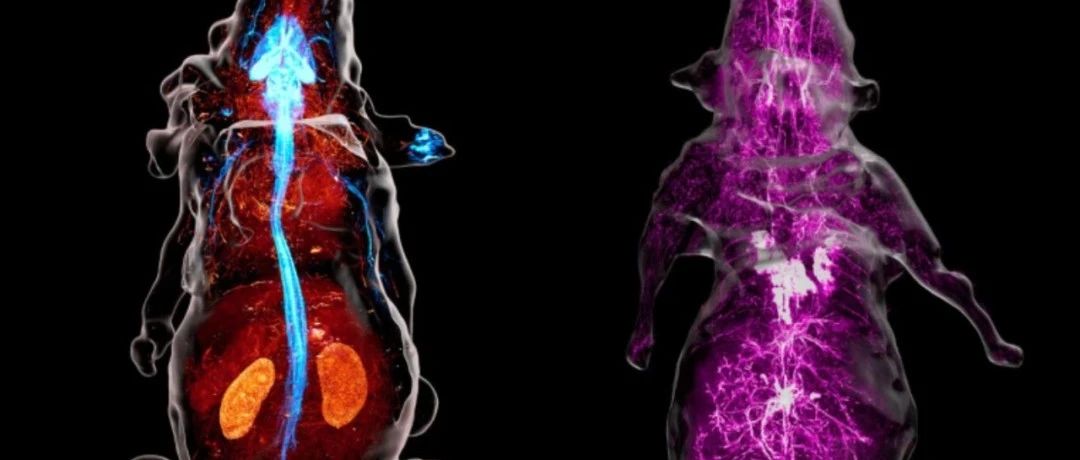
Core Viewpoint - The article discusses a groundbreaking study that developed a high-speed 3D imaging technology for mapping the peripheral nervous system (PNS) in mice, significantly enhancing the understanding of its complex structure and functions [4][10]. Group 1: Technological Advancements - The research team from the University of Science and Technology of China introduced a novel imaging technique called blockface-VISoR, achieving subcellular resolution in whole-mouse imaging within 40 hours, which is several times faster than existing methods [4][10]. - This technology allows for the visualization of nerve pathways and connections in the PNS, which has been challenging due to the complexity and size of the mammalian body [3][10]. Group 2: Research Findings - The study successfully created a detailed peripheral nerve map, revealing intricate structures such as spinal motor and sensory nerves, visceral sympathetic nerves, and their interactions with various non-neural tissues and organs [13][21]. - The research utilized multiple labeling techniques, including fluorescent, immuno, and viral markers, to visualize different types of nerves, providing unprecedented insights into the PNS [12][19]. Group 3: Implications and Future Directions - The findings from this research are expected to facilitate a better understanding of the regulatory networks of the peripheral nervous system and the mechanisms of related diseases [4][10]. - The research team plans to share the image datasets online and is working on a platform for researchers to explore these data, which may offer new insights even to professional anatomists [22].
创国产新药出海预付款纪录,百利天恒双抗ADC临床试验结果登上Nature Medicine
生物世界· 2025-07-11 03:41
Core Viewpoint - Esophageal squamous cell carcinoma (ESCC) is a significant cause of cancer-related mortality, with current treatments showing limited long-term survival rates, necessitating the development of new therapeutic strategies [2][3]. Group 1: Current Treatment Landscape - Immune checkpoint inhibitors combined with platinum-based chemotherapy are standard treatments for advanced ESCC, but only 10%-20% of patients achieve long-term survival due to drug resistance [2]. - Second-line treatment with Irinotecan has limited efficacy, with an objective response rate (ORR) not exceeding 10% [2]. Group 2: New Treatment Development - A bispecific antibody-drug conjugate (ADC) targeting EGFR and HER3, named BL-B01D1, has been developed by Sichuan BaiLi TianHeng Pharmaceutical Co., Ltd., marking the first clinical trial of this type of drug globally [7]. - The drug is designed to connect a bispecific antibody with a topoisomerase I inhibitor via a cleavable linker [7]. Group 3: Clinical Trial Results - The phase 1b trial of BL-B01D1 involved 82 previously treated ESCC patients, showing an overall confirmed objective response rate (cORR) of 29.3% and a disease control rate of 79.2% at a dose of 2.5 mg/kg [10]. - The trial established a recommended dose for phase 2 trials at 2.5 mg/kg, administered every three weeks, with a 63.3% incidence of grade 3 treatment-related adverse events [12]. Group 4: Collaboration and Future Directions - The collaboration with Bristol-Myers Squibb (BMS) is notable, with a total deal value of up to $8.4 billion, including an $800 million upfront payment, setting a record for domestic innovative drugs [9]. - The research team has initiated phase 3 clinical trials based on the promising results of BL-B01D1 [13].


中国农业科学院发表最新Nature论文
生物世界· 2025-07-11 03:41
Core Viewpoint - The article discusses the advancements in single-cell technology and its application in understanding the cellular composition and molecular mechanisms driving cell heterogeneity in plants, particularly focusing on rice as a major crop [2][5]. Group 1: Research Findings - A recent study published in Nature presents a single-cell multi-omics atlas of rice, detailing the chromatin accessibility and RNA expression of 116,564 cells from eight major rice organs [3][6]. - The research identified 54 cell types and described new cellular states, such as a "transitional state" in floral meristem, providing insights into the functional cellular composition of rice at the tissue level [6]. - Key regulatory hubs identified include RSR1, F3H, and LTPL120, which play significant roles in root development, carbon-nitrogen metabolism, and potential plant architecture optimization [6]. Group 2: Technological Contributions - The research team developed the Rice-SCMR, the first intelligent visualization platform for rice single-cell multi-omics, which allows for gene expression and chromatin accessibility searches across 56 annotated cell types [7][10]. - The platform integrates gene regulatory networks, disturbance simulation predictions, and three-dimensional precise localization of GWAS-associated traits, facilitating intelligent design linking genes, cell types, and traits [10]. Group 3: Implications for Agriculture - This study not only provides a unique single-cell multi-omics resource for rice but also enhances the understanding of cell type functions and their potential molecular programs, which could have significant implications for agricultural research and crop improvement [7].

中国科学院发表最新Cell论文
生物世界· 2025-07-11 00:10
Core Viewpoint - The article discusses a groundbreaking study that establishes a set of tools for cell type-specific targeting and manipulation of neuronal activity in the primate brain, which is crucial for understanding brain structure, cognition, and diseases [3][4]. Group 1: Research Findings - The research team identified a large number of enhancers that drive gene expression in specific cell types within the macaque brain through single-cell RNA and ATAC sequencing [4]. - These enhancers were successfully used in adeno-associated virus (AAV) vectors to target various excitatory and inhibitory neuron subtypes, as well as glial cell subtypes in the macaque brain [4][6]. - The study highlights evolutionary differences in brain cis-regulatory elements (CRE), as some enhancers in macaques are conserved across species, while layer-specific enhancers do not mark neurons in mice [4]. Group 2: Methodology and Tools - The research utilized a dual-enhancer orthogonal approach to enhance targeting precision [6]. - A comprehensive toolkit for cell type-specific enhancers-AAV was developed for primate studies, enabling specific manipulation and monitoring of neuronal activity in the macaque visual cortex [6][8]. - The study validated these enhancers-AAV by monitoring and manipulating the activity of the macaque visual cortex, providing valuable tools for dissecting primate neural circuit functions [8].

中国科学院连发4篇论文,登上Nature封面
生物世界· 2025-07-10 09:44
Core Viewpoint - The article discusses the significant findings from China's Chang'e-6 mission, which successfully returned basalt samples from the Moon's far side, revealing new insights into its geological history and evolution [2][3]. Group 1: Research Findings - The Chang'e-6 mission returned basalt samples that are approximately 2.8 billion years old, indicating volcanic activity on the Moon's far side over a span of more than 1.4 billion years [8]. - The research published in Nature includes four key studies that explore lunar volcanism, magnetic field dynamics, water content in the lunar mantle, and the source of the basalt samples [4][10][13][15]. - The studies reveal that the Moon's far side has a significantly lower water content in its mantle compared to the near side, indicating a dichotomy in water distribution [13]. Group 2: Specific Studies - The first study identifies volcanic activity on the Moon's far side around 2.8 billion years ago, consistent with crater-counting age models established for the near side [8]. - The second study uncovers evidence of a rebound in the Moon's magnetic field strength approximately 2.8 billion years ago, suggesting fluctuations rather than a steady decline [10]. - The third study estimates that the far side's mantle is potentially drier than the near side, contributing to the understanding of the Moon's internal water distribution [13]. - The fourth study indicates that the basalt samples originate from an ultra-depleted mantle source, possibly due to large impact events affecting the Moon's deep layers [15][16].

华人学者一天发表了12篇Nature论文
生物世界· 2025-07-10 07:04
Core Insights - The article highlights the significant contributions of Chinese scholars to the international academic community, particularly in the prestigious journal Nature, with 12 out of 26 papers published on July 9, 2025, being authored by Chinese researchers [2][4][6][11][13][14][16][18][20][22][25]. Group 1: Research Contributions - A total of 26 papers were published in Nature on July 9, 2025, with a notable representation from Chinese scholars [2][4]. - The research topics cover a wide range of fields, including biotechnology, environmental science, and quantum physics, showcasing the diverse expertise of Chinese researchers [6][11][14][16][20][22][25]. - Specific papers include studies on the dynamics of the hippocampus in bats, a multi-omics atlas of rice, and the disassembly of tau fibrils in Alzheimer's disease, indicating a strong focus on both fundamental and applied research [4][6][11]. Group 2: Notable Authors and Institutions - Key contributors include researchers from prestigious institutions such as the Chinese Academy of Agricultural Sciences, Fudan University, and the University of California, Berkeley, reflecting the collaborative nature of modern scientific research [4][11][14][20]. - The involvement of multiple authors in each paper highlights the trend of interdisciplinary collaboration in scientific research, which is essential for addressing complex global challenges [2][6][11][18].