生物世界

Search documents
运动还能遗传?南京大学张辰宇/陈熹等揭开运动能力的遗传密码:父亲爱运动,竟能促进孩子的耐力和代谢健康
生物世界· 2025-10-07 04:30
Core Insights - The article discusses the emerging evidence that parental lifestyle, particularly exercise habits, can influence the health characteristics of their offspring in a non-DNA manner, suggesting that the benefits of exercise may be "written" into the life scripts of future generations [2][9]. Research Findings - A study published in Cell Metabolism reveals that sperm microRNAs can serve as carriers of epigenetic information, transmitting "exercise capacity and metabolic health" from exercising fathers to their offspring, providing direct molecular evidence for the hypothesis that "exercise can be inherited" [3][11]. - The research team established a long-term endurance exercise model in mice, showing that exercise significantly reshaped the expression profile of sperm microRNAs, with several related to mitochondrial metabolism, muscle development, and energy utilization being significantly upregulated [6][11]. - Offspring of exercising male mice exhibited enhanced endurance and metabolic health in adulthood, with increased skeletal muscle mitochondrial activity and a higher proportion of oxidative muscle fibers, indicating that paternal exercise initiates a "reprogramming" of gene expression networks in the offspring at fertilization [6][11]. Mechanistic Insights - To validate the causal role of this "RNA inheritance" mechanism, the research team injected sperm microRNAs from exercising and non-exercising male mice into normal fertilized eggs, demonstrating that only the offspring from the exercising group exhibited enhanced endurance and metabolic traits without altering DNA sequences [7][11]. - The study identifies that exercise training and overexpression of muscle PGC-1α reshape sperm microRNAs, which directly inhibit the function of the nuclear receptor co-repressor 1 (NCoR1) during early embryonic development, promoting mitochondrial biogenesis and oxidative metabolism [7][11]. Implications - The findings establish a causal relationship between paternal exercise, sperm microRNAs, and embryonic NCoR1 in the transgenerational transmission of exercise-induced phenotypes and metabolic adaptations, expanding the understanding of how lifestyle influences future generations [11][12]. - This research not only provides molecular evidence for how lifestyle can affect the next generation but also opens new avenues for developing intergenerational health promotion strategies based on exercise-induced epigenetic reprogramming [11][12].


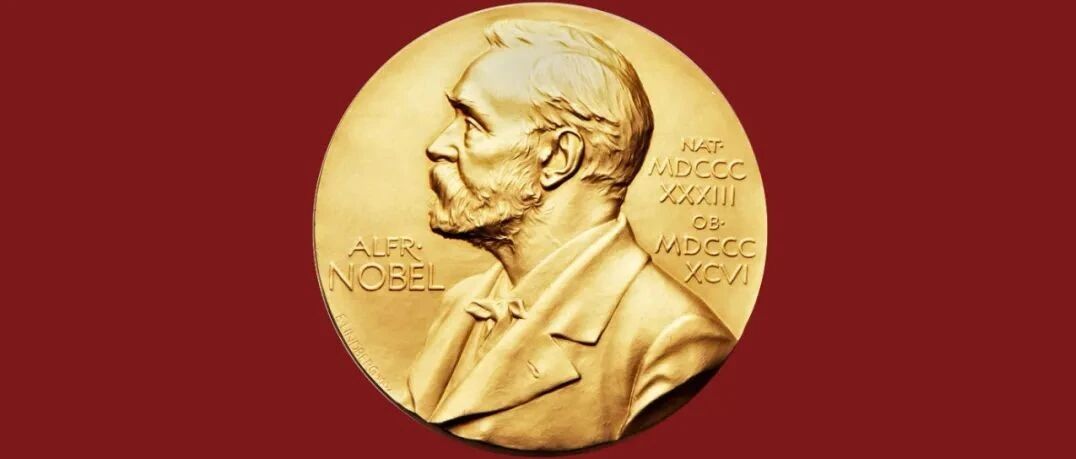
2025年诺贝尔奖生理学或医学奖,为何授予这三位科学家?
生物世界· 2025-10-07 01:03
Core Viewpoint - The article discusses the groundbreaking discoveries by Mary Brunkow, Fred Ramsdell, and Shimon Sakaguchi, who were awarded the 2025 Nobel Prize in Physiology or Medicine for their work on regulatory T cells (Treg cells) and their role in peripheral immune tolerance, significantly enhancing the understanding of immune regulation and its implications for autoimmune diseases and cancer [3][11][19]. Group 1: Key Discoveries - The researchers identified and defined CD4+ CD25+ FOXP3+ regulatory T cells (Treg cells) and their critical role in controlling self-reactive responses, leading to the establishment of a new field of study in immune tolerance [3][11][19]. - Shimon Sakaguchi made the first key discovery in 1995, demonstrating that immune tolerance is more complex than previously thought, revealing a previously unknown T cell type that protects against autoimmune diseases [11][14]. - In 2001, Brunkow and Ramsdell discovered a gene mutation in specific mouse strains that made them prone to autoimmune diseases, naming the gene Foxp3, which is also linked to a severe autoimmune disease in humans known as IPEX syndrome [14][18]. Group 2: Implications and Future Directions - The findings of these researchers have opened new avenues in the treatment of cancer and autoimmune diseases, with potential to improve organ transplant success rates, as therapies based on their discoveries are currently in clinical trials [19][20]. - There are over 200 clinical trials involving Treg cells aimed at treating common diseases such as asthma, inflammatory bowel disease, and skin-related conditions, or improving organ transplant outcomes [23]. - The achievements of Brunkow, Ramsdell, and Sakaguchi highlight the importance of scientific perseverance and the integration of clinical observations with basic research, paving the way for enhanced understanding and therapeutic applications of Treg cells [24].
Nature:饮食+药物,治疗儿童致命脑肿瘤
生物世界· 2025-10-07 01:03
撰文丨王聪 编辑丨王多鱼 排版丨水成文 神经母细胞瘤 ( Neuroblastoma ) 是一种源自分化停滞的神经嵴细胞的高度致命的儿童肿瘤,约占儿童癌症相关死亡的 15%。 目前,神经母细胞瘤的治疗方 法包括手术、高强度化疗结合干细胞移植、放疗和免疫治疗。尽管采取了多种干预措施,但高危神经母细胞瘤的存活率仍然很低,而且幸存下来的儿童可能会经 历治疗带来的长期副作用。 因此,科学家们一直在努力寻找毒性更低、更精准、更有效的治疗方案。 和所有癌症一样, 神经母细胞瘤 的生长由从血液循环中获取或在局部生物合成的代谢物提供能量。 神经母细胞瘤依赖于局部 多胺生物合成 ,2023 年,美国 FDA 批准了 二氟甲基鸟氨酸 (DFMO) 用于治疗 高危神经母细胞瘤,其通过抑制多胺生物合成的限速酶 —— 鸟氨酸脱羧酶 (ODC) ,来发挥治疗作用。 2025 年 9 月 24 日,苏黎世大学、宾夕法尼亚儿童医院及普林斯顿大学的研究人员合作,在国际顶尖学术期刊 Nature 上发表了题为: Reprogramming neuroblastoma by diet-enhanced polyamine depletion 的研 ...

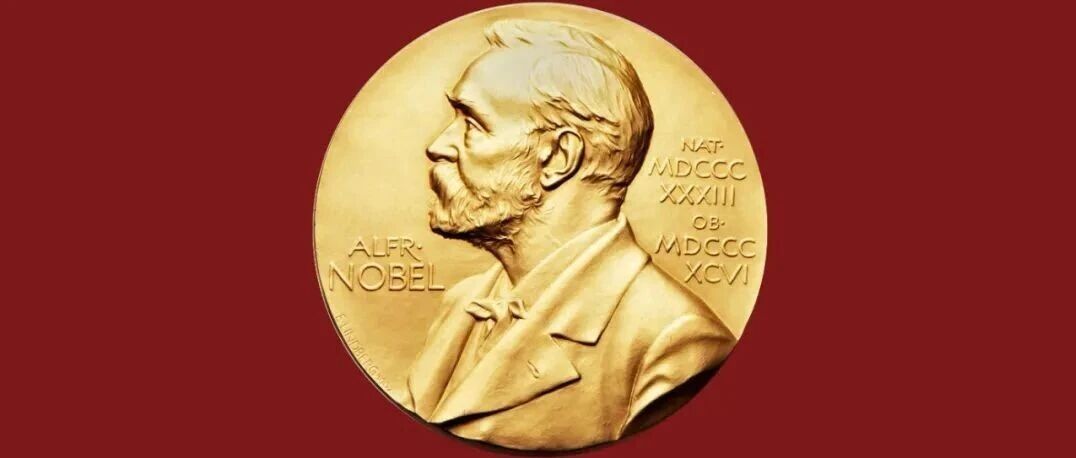
2025年诺贝尔生理学或医学奖揭晓,三位科学家因外周免疫耐受研究获奖
生物世界· 2025-10-06 09:45
Core Points - The 2025 Nobel Prize in Physiology or Medicine was awarded to Mary Brunkow, Fred Ramsdell, and Shimon Sakaguchi for their discoveries concerning peripheral immune tolerance [3][6] - The discovery of regulatory T cells (Treg) has laid the foundation for new research areas, potentially leading to treatments for autoimmune diseases, improved cancer therapies, and prevention of severe complications after stem cell transplants [6] Summary by Sections Recent Nobel Prize Winners - The 2024 Nobel Prize in Physiology or Medicine was awarded to Victor Ambros and Gary Ruvkun for their discovery of microRNA and its role in post-transcriptional gene regulation [13] - The 2022 Nobel Prize was awarded to Svante Pääbo for his discoveries in extinct human genomes and human evolution [19] - The 2020 Nobel Prize was awarded to Harvey J. Alter, Michael Houghton, and Charles M. Rice for their discovery of the hepatitis C virus [23] - The 2019 Nobel Prize was awarded to William G. Kaelin Jr, Sir Peter J. Ratcliffe, and Gregg L. Semenza for their discoveries on how cells sense and adapt to oxygen supply [24] - The 2018 Nobel Prize was awarded to James P. Allison and Tasuku Honjo for their contributions to cancer therapy through negative immune regulation [25] - The 2017 Nobel Prize was awarded to Jeffrey C Hall, Michael Rosbash, and Michael W. Young for their discoveries of the molecular mechanisms controlling circadian rhythms [29] - The 2016 Nobel Prize was awarded to Yoshinori Ohsumi for his discoveries of mechanisms for autophagy [31] - The 2015 Nobel Prize was awarded to William C. Campbell, Satoshi Ōmura, and Tu Youyou for their discoveries of new therapies for parasitic diseases and malaria [33] Impactful Medical Discoveries - The Nobel Prize website lists three transformative medical discoveries: HIV, mRNA vaccines, and Helicobacter pylori [7] - The discovery of HIV by Françoise Barré-Sinoussi and Luc Montagnier fundamentally improved treatment methods for AIDS patients [8] - The development of mRNA vaccines by Katalin Karikó and Drew Weissman contributed significantly to the rapid vaccine development during the COVID-19 pandemic [9] - The discovery by Barry Marshall and Robin Warren that stomach ulcers are caused by the bacterium Helicobacter pylori changed the understanding of this condition [10] Trends in Nobel Prizes - Since the 21st century, advancements in biology and medicine have led to a significant number of Nobel Prizes in Chemistry being awarded to biologists, highlighting the interdisciplinary nature of modern scientific research [37]
Nature子刊:浙江大学方向前/赵玥绮/唐睿康/刘昭明团队开发抗衰老的时空自适应纳米疗法
生物世界· 2025-10-06 09:45
Core Insights - The article discusses a new research study that addresses the impaired cellular behavior during the healing process in the elderly, focusing on the role of pro-inflammatory macrophages and aging stem cells in tissue regeneration [2][6]. Group 1: Research Findings - A research team from Zhejiang University and affiliated hospitals developed a spatiotemporal-adaptive nanotherapeutic system that utilizes a glucose-modified mixed membrane delivery strategy to precisely regulate metabolic reprogramming [3][6]. - The system employs NAD+ loaded ZIF-8 nanoparticles (NZM) to target pro-inflammatory macrophages during the inflammatory phase, triggering the release of NAD+ and inducing an anti-inflammatory transition [6]. - In the repair phase, the system restores NAD+ levels in aging stem cells, promoting tissue regeneration [6]. Group 2: Implications and Applications - The study demonstrates that the NAD+ can reprogram dysfunctional cells, effectively reshaping the multicellular regenerative microenvironment [6]. - The proposed strategy has shown to restore bone regeneration capabilities in osteoporotic mice and accelerate skin wound healing [6][7]. - This research connects cellular metabolism, nanomedicine, and regenerative therapy, offering a promising and translatable new strategy for precise clinical interventions [7].

Nature:想要做出颠覆性研究?多吸纳新手研究人员
生物世界· 2025-10-06 09:45
Core Insights - The article discusses the phenomenon of "Beginner's Charm," highlighting that research teams with a higher proportion of novice researchers tend to produce more disruptive and innovative scientific papers [4][14]. - It emphasizes the importance of including novice researchers in scientific teams to enhance creativity and challenge established theories [12][14]. Group 1: Research Findings - A study published on arXiv analyzed over 28 million papers from 1971 to 2021 across 146 disciplines, revealing that teams with a higher ratio of novices often achieve greater systematic disruption and innovation in their research [7][12]. - The research found a positive correlation between the number of novice authors and the disruptive score of a paper, with the highest scores observed when the entire team consisted of novices [8][12]. - Novice researchers are less committed to established hypotheses, allowing them to explore new ideas and experimental methods more freely [4][12]. Group 2: Implications for Scientific Collaboration - The study suggests that novice researchers tend to reference a broader range of non-traditional works, leading to more atypical combinations and innovations [13]. - The presence of novices in a team can provide fresh perspectives, as they are not burdened by the established frameworks that experienced researchers might have [13][14]. - The findings encourage senior scientists to integrate more novices into their research teams to foster a more innovative and disruptive research environment [14].

2025年诺贝尔生理学或医学奖终极预测——GLP-1,CAR-T、cGAS、光遗传,还是相分离?
生物世界· 2025-10-06 02:00
Group 1 - The Nobel Prize in Physiology or Medicine will be announced on October 6, 2025, with a focus on significant discoveries in the field [2] - The article predicts five major candidates for this year's award, with GLP-1 discovery and related drug development being a prominent contender [3][4] - GLP-1 drugs, such as semaglutide, have shown effectiveness in managing diabetes, obesity, and other health conditions, marking a significant advancement in weight management [4][9] Group 2 - CAR-T cell therapy, a groundbreaking cancer treatment utilizing genetically modified T cells, has gained FDA approval for multiple therapies since 2017 [10][11] - Key figures in CAR-T research, including Carl June, Michel Sadelain, and Steven Rosenberg, are likely candidates for the Nobel Prize due to their contributions to the field [12] Group 3 - The cGAS-STING pathway, discovered by Chinese scientist Zhijian James Chen, has been recognized with multiple prestigious awards, making him a strong candidate for the Nobel Prize [14][15][20] - Chen's work elucidates how DNA triggers immune responses, which is crucial for understanding various diseases [16][18] Group 4 - Optogenetics, a technique developed by Karl Deisseroth, allows precise control of neuronal activity using light, revolutionizing neuroscience research [21][26] - Deisseroth, along with other contributors like Peter Hegemann and Gero Miesenböck, is a likely recipient of the Nobel Prize for their foundational work in this area [23][29] Group 5 - The phenomenon of phase separation in biological molecules is gaining attention, with recent awards recognizing its significance in cellular organization and function [30][32] - Key researchers in this field, including Anthony Hyman and Clifford Brangwynne, have made substantial contributions that could lead to a Nobel Prize recognition [30][34]
Nature头条:如何才能科学地睡个好觉?做到这三点至关重要
生物世界· 2025-10-04 04:05
Core Insights - The article discusses the growing global issue of sleep deprivation and the emergence of a $100 billion sleep aid market, while cautioning that many advertised solutions may not be effective [3] - It emphasizes the importance of circadian rhythm science in improving sleep quality and overall health [4] Group 1: Circadian Rhythm Science - Over the past 50 years, circadian rhythm science has revealed a network of biological clocks in the human body that require regular calibration from sunlight and daily routines to function optimally [7] - Disruption of circadian rhythms can lead to cognitive decline, emotional instability, and increased risks of various health issues, including diabetes and heart disease [7] - Key recommendations for improving sleep include distinguishing between light and dark, maintaining regular meal times, and keeping consistent sleep schedules [7] Group 2: Light Exposure - Bright light exposure during the day is crucial for synchronizing circadian rhythms and promoting melatonin production at night, which is essential for sleep [8][9] - The intensity and timing of light exposure are critical; natural sunlight can be significantly brighter than typical household lighting, which is insufficient for regulating biological clocks [8] - Studies indicate that increased daytime light exposure correlates with better sleep quality, while inadequate light during the day and excessive light at night can shorten lifespan [9][10] Group 3: Meal Timing and Quality - Meal timing is closely linked to circadian rhythms; the body is more adapted to process calories during the day, and late-night eating can disrupt biological clocks and sleep [11] - The quality of food consumed also affects sleep; diets high in sugar and saturated fats can lead to poor sleep quality, while plant-based foods may improve sleep [12] - It is recommended to have dinner at least three hours before bedtime and to avoid snacking or sugary drinks afterward [11][12] Group 4: Sleep Timing and Consistency - Aligning sleep schedules with individual biological clocks is crucial for maximizing sleep benefits; irregular sleep patterns can lead to higher mortality risks [14] - Many individuals rely on alarms to wake up, indicating a misalignment with their natural circadian rhythms, which can lead to cumulative sleep deprivation [14] - Consistent sleep and meal times can help stabilize circadian rhythms, but flexibility is necessary for those with irregular schedules, such as shift workers [15]

Nature Genetics:陈万泽团队开发单细胞转录因子测序技术,剖析转录因子剂量对细胞重编程异质性的影响
生物世界· 2025-10-04 04:05
Core Viewpoint - The article discusses the development of scTF-seq technology, which enables dose-sensitive large-scale gene perturbation single-cell genomics, revealing complex, nonlinear effects of gene dosage on cell fate regulation [4][11]. Group 1: Technology Development - The scTF-seq technology was developed by a collaboration between the Shenzhen Institute of Advanced Technology and the Swiss Federal Institute of Technology in Lausanne, allowing for systematic analysis of gene dosage effects in cell reprogramming [4][16]. - This technology utilizes the inherent noise of the Tet-on promoter and differences in expression activity based on the integration sites of retroviral genomes, achieving a wide dosage distribution of transgenes [9]. Group 2: Gene Dosage Effects - The study found that gene dosage has complex, nonlinear effects on cell fate, exemplified by KLF4 driving different gene expression patterns related to bone formation, cell structure assembly, or epithelial development at varying doses [11]. - Gene dosage effects are closely linked to other cellular processes, such as the cell cycle, with specific genes like CEBPA and PPARG promoting cell cycle exit and fat differentiation at high doses [13]. Group 3: Multi-gene Interactions - In combinatorial perturbation experiments, the interactions between different transcription factors depend not only on the gene combinations but also significantly on gene dosage, exhibiting reversible synergistic or antagonistic effects [15]. - The research highlights that gene dosage shapes the interaction patterns between genes and cellular processes, as well as the cooperative and competitive relationships among multiple genes [15].

Nature子刊:邓攀团队提出AI框架——CellNavi,为细胞研究装上“导航仪”
生物世界· 2025-10-04 04:05
Core Viewpoint - The article discusses the development of CellNavi, an AI framework designed to map and manipulate cell fate, addressing a long-standing challenge in cell biology and potentially transforming regenerative medicine, cancer research, and drug development [2][3][12]. Group 1: Introduction to Cell Fate and Plasticity - The concept of "developmental landscape" introduced by Conrad Waddington illustrates that cell fate is not unidirectional and can be altered, leading to the exploration of how to control this fate [2]. - Advances in stem cell research and reprogramming experiments have shown that cells can be pushed back to higher states or redirected to new paths, raising the question of whether we can map and manipulate this fate [2]. Group 2: The Need for Systematic Tools - Traditional methods in cell biology rely on large-scale experiments to identify candidate genes, which is inefficient and may overlook critical factors [3]. - There is a pressing need for systematic tools that can accurately locate cell states and predict regulatory measures to guide them toward target states [3]. Group 3: CellNavi Framework - CellNavi utilizes deep learning to capture low-dimensional manifolds of cell states, acting as a "navigation tool" for researchers to identify key factors driving cell state transitions [3][5]. - The framework integrates large-scale single-cell transcriptomic sequencing and CRISPR perturbation data to create a system that maps and navigates cell states [5]. Group 4: Functionality of CellNavi - CellNavi predicts driving genes for transitions between given starting and target cell states, ranking them based on their influence [7][8]. - It combines static single-cell data with dynamic predictions, allowing for the identification of genes that can induce significant changes in cell states [8]. Group 5: Experimental Validation and Performance - Experimental results indicate that CellNavi outperforms traditional algorithms in various benchmark tasks, demonstrating its ability to identify key factors even when gene expression levels do not show significant changes [9][11]. - The framework has shown potential in drug mechanism elucidation, revealing different effects of HDAC inhibitors on downstream pathways despite targeting the same molecular entities [11]. Group 6: Future Directions and Research Paradigms - CellNavi represents a new research paradigm, enabling the extraction of systematic knowledge from complex data and transforming abstract developmental landscapes into actionable navigation maps [12]. - Future research may focus on integrating genomics, spatial omics, and epigenetics to enhance the model's accuracy and interpretability, establishing a tighter feedback loop with experimental validation [13].