机器人大讲堂

Search documents
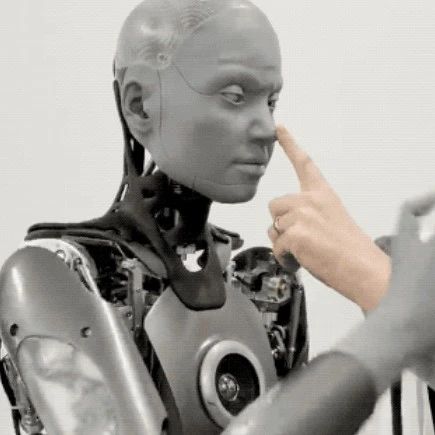
人形机器人“发疯”警报:1.8米巨物安全失控,新安全设计亟待出台
机器人大讲堂· 2025-06-14 04:27
Core Viewpoint - The article highlights the inherent risks associated with humanoid robots, particularly their physical instability and safety challenges when interacting with humans in various environments [2][3][4]. Group 1: Safety Challenges - Humanoid robots like Digit face significant safety risks due to their human-like form, which can lead to physical instability and potential accidents [2]. - In the event of a technical failure, humanoid robots pose a danger not only to themselves but also to nearby humans, especially in sensitive areas where human interaction occurs [3]. - The dynamic performance of humanoid robots necessitates a reevaluation of safety strategies as they become more capable and human-like [4]. Group 2: Emotional and Psychological Risks - Beyond physical risks, humanoid robots may create psychological challenges, particularly for vulnerable groups such as the elderly and children, if they fail to provide a sense of safety [10]. - The tendency for humans to anthropomorphize robots can lead to overestimating their capabilities and underestimating their risks, creating a gap between user expectations and actual performance [12]. - The mismatch between a robot's appearance and its functionality can lead to disappointment and mistrust among users, especially in caregiving scenarios [10][12]. Group 3: Regulatory and Standardization Needs - There is a pressing need for new safety standards and protocols to govern the deployment of humanoid robots in sensitive environments like healthcare and elder care [12][16]. - Experts suggest that humanoid robots should be classified based on their capabilities and intended use rather than their human-like appearance, to better manage safety expectations [15]. - The establishment of universal safety standards is crucial for the healthy development of the humanoid robotics industry, despite the challenges in creating such standards [16][18]. Group 4: Future Directions - The article emphasizes the importance of iterative testing and gradual integration of humanoid robots into real-world environments to identify common characteristics and safety protocols [13]. - Companies are encouraged to innovate safety mechanisms, such as implementing smoother shutdown processes to prevent accidents during emergencies [15]. - The overarching goal is to create a clear and reliable safety framework that can adapt to various scenarios while ensuring public trust in humanoid robots [22].

剑桥Science子刊新作:颠覆传感器堆砌,用一块水凝胶实现172万触觉通道
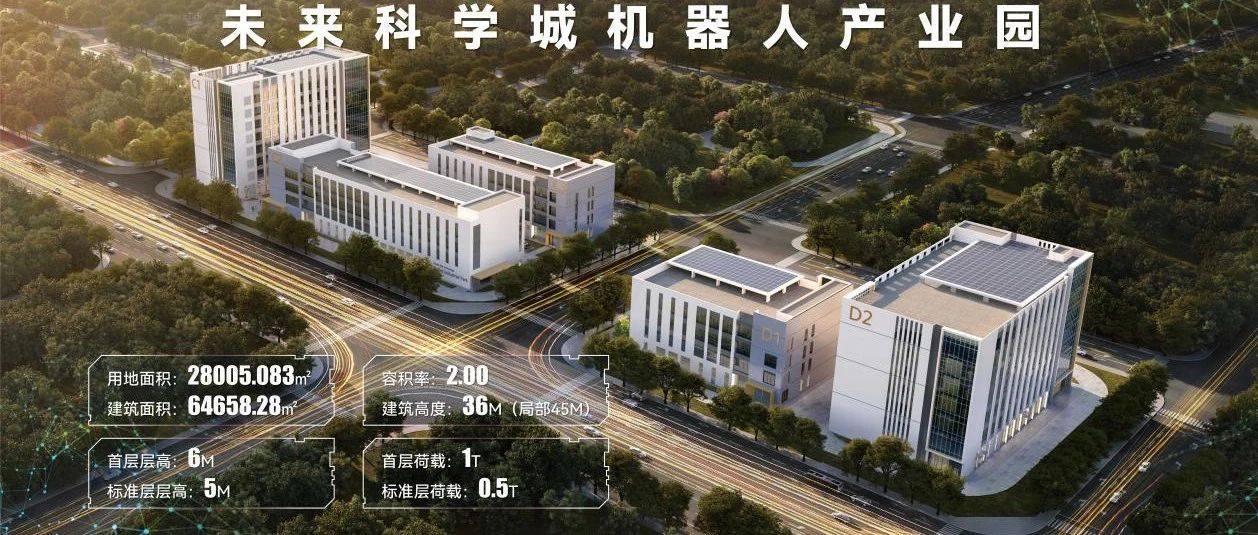
机器人大讲堂· 2025-06-14 04:27
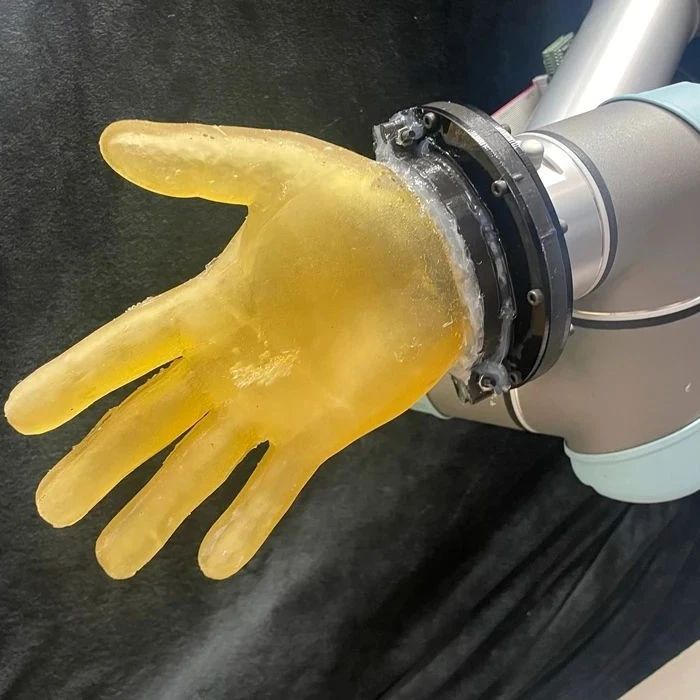
Core Viewpoint - The research from the Cambridge University team presents a novel approach to robotic tactile sensing using a gelatin-based hydrogel, which functions as a giant sensor with 1.72 million information channels, eliminating the need for multiple sensors [1][19]. Group 1: Research Methodology - The hydrogel is designed as a continuous sensing field, with only 32 electrodes placed at the edges, allowing for the monitoring of 863,040 different current paths through electrical impedance tomography (EIT) [2][6]. - The system can simultaneously identify six types of stimuli: human touch, contact with conductive objects, pressure from insulating objects, localized heating, damage, and multi-point touch [2][6]. Group 2: Performance and Accuracy - A complete robotic hand made of hydrogel was created, achieving a positioning accuracy of 25mm even at the fingertips, which are far from the electrodes [3][19]. - The system demonstrated an average positioning error of 24.7mm during tests with 1,080 random touch points, and using only the ten optimal configurations, the error could be controlled within 40mm [18]. Group 3: Data Processing and Analysis - The research team utilized a data-driven configuration selection method, achieving a frame rate of 33kHz when monitoring specific configurations, compared to 0.02Hz when monitoring all channels [10][17]. - Principal Component Analysis (PCA) was employed to generate "fingerprint maps" for each stimulus type, indicating distinct electrical field change patterns for different stimuli [12]. Group 4: Material and Design Innovations - The study highlights the limitations of traditional electronic skin, such as complex manufacturing and susceptibility to damage, and proposes a simpler design paradigm that enhances robustness through information redundancy [19][20]. - The manufacturing process for the hydrogel hand involved 3D printing and molding techniques, demonstrating the feasibility of creating complex 3D shapes for tactile sensing [14].
Science Robotics最新封面!软体机器人给植物"无痛打针",成功率超91%!
机器人大讲堂· 2025-06-13 15:27
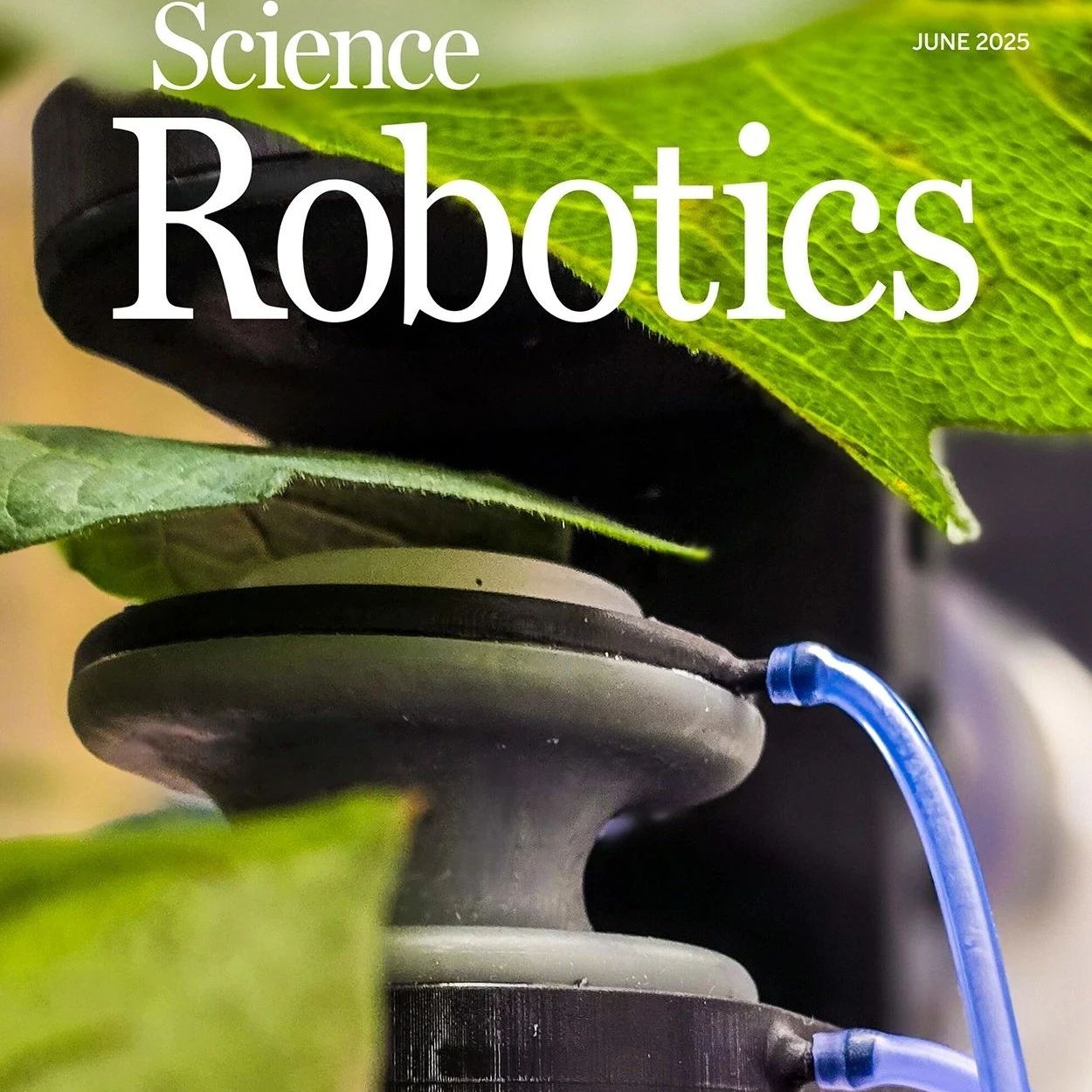
Core Viewpoint - Cornell University's scientists have developed a soft robot designed to inject substances into plant leaves, significantly improving the precision and reducing damage compared to traditional methods [1][2][12]. Group 1: Challenges in Plant Injection - Traditional methods for injecting substances into plant leaves are inefficient and often cause significant damage, with injury rates reaching up to 113.8% [6][7]. - The leaf's defense mechanisms, such as small stomatal openings and hydrophobic surfaces, complicate the injection process [6][5]. Group 2: Soft Robot Design - The soft robot features a sandglass-shaped actuator that generates substantial force while minimizing lateral expansion, allowing for effective injection without causing excessive movement [10][11]. - The robot can exert a force of 168.47 ± 5.34 Newtons (approximately equivalent to 17 kg) and can extend 43.55 ± 3.1 mm, showcasing impressive performance in the field of soft actuators [11]. Group 3: Injection Method and Success Rate - The "stamping" injection method allows for a gentle application of liquid into the leaf, achieving an injection success rate of over 91% and significantly reducing damage to the plant [11][12]. - The injection area is 12 times larger than traditional methods, with damage rates as low as 3.6% for sunflower leaves and zero damage for cotton leaves [11][12]. Group 4: Innovative Applications - The AquaDust nanosensor can be injected into leaves to monitor water levels in real-time, providing a non-destructive method for assessing plant hydration [16][17]. - Genetic modification using Agrobacterium can be performed by injecting genes into leaves, allowing for visual tracking of gene expression through color changes [16][17]. Group 5: Future Implications for Agriculture - The research opens new avenues for soft robotics in agriculture, enabling precise care for individual plants and potentially revolutionizing agricultural practices [20][21]. - The cost of the device is approximately $155, which could decrease significantly with mass production, making it accessible for agricultural applications [20].
割草机器人升级进行时:速腾激光雷达为何成为全球"标配"?
机器人大讲堂· 2025-06-13 15:27
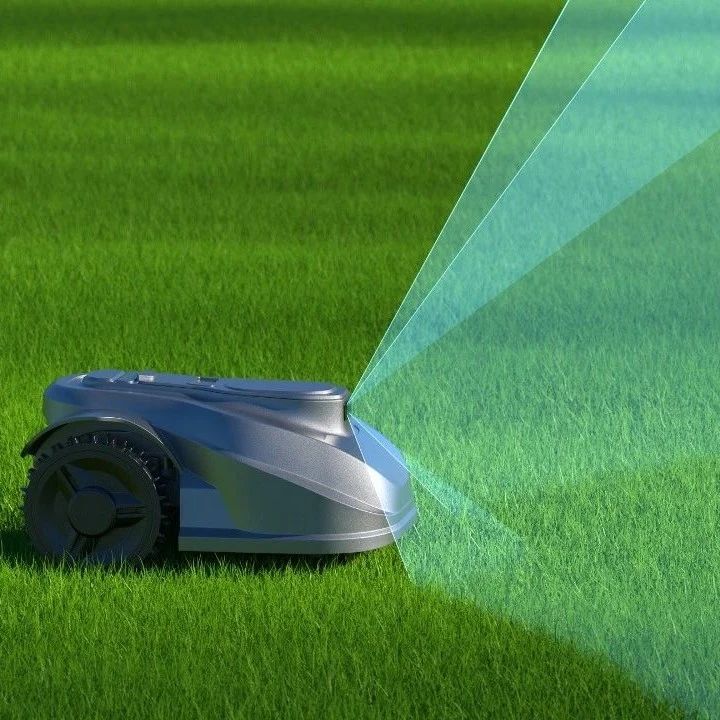
Core Insights - The article highlights the growing demand for lawn care in Europe and North America, driven by stricter environmental regulations and community standards, with a significant market potential for smart lawn mowers due to low penetration rates of less than 6% in North America and 10%-30% in Europe [1][3] - The global market for lawn mowers is projected to grow from $1.5 billion in 2021 to $2.6 billion by 2024, with a compound annual growth rate (CAGR) of 20%, and is expected to reach $4.04 billion by 2028 [1] Market Dynamics - Major companies like Ninebot, Mammotion, Ecovacs, and Roborock are increasing investments to compete in the smart lawn mower market, facing a critical decision on navigation technology [3] - Laser radar technology is emerging as the preferred navigation solution for next-generation lawn mowers due to its precision [3] Strategic Partnerships - RoboSense has formed a strategic partnership with Mammotion, securing an initial order of 1.2 million units over three years, indicating strong market confidence [4][5] - The collaboration aims to develop high-end smart lawn mower solutions utilizing RoboSense's advanced solid-state laser radar technology [5][7] Product Innovations - The Mammotion LUBA mini AWD LiDAR, featuring RoboSense's solid-state laser radar, was launched in April 2025, showcasing significant advancements in navigation precision and obstacle detection [7][9] - This product can detect over 99% of garden obstacles and reduce collision risks by 90%, enhancing mowing efficiency in complex environments [9] Competitive Advantages - RoboSense's leadership in the laser radar sector is attributed to its comprehensive technological advantages, including unique chip integration and high-performance products [12][15] - The E1R solid-state laser radar is noted for its compact size, high reliability, and suitability for outdoor applications, setting a new standard in the industry [15][16] Market Position - RoboSense has established a strong presence with over 2,800 robot clients globally, leading the market in automotive laser radar solutions [13][18] - Mammotion has successfully captured significant market share, with its products topping sales charts in major markets like Germany, France, and the USA [20]
快讯|摩根士丹利:中国在机器人竞赛中领先美国,LeCun世界模型V-JEPA 2发布,璧山区七塘镇AI机器人助力番茄采摘
机器人大讲堂· 2025-06-13 15:27
Group 1 - The article highlights the active preparation for intelligent elderly care service robot pilot projects in Hunan, with a focus on addressing user needs and product upgrades as the elderly population exceeds 22% by the end of 2023 [1] - The AI tomato-picking robots in Qitang Town, Banan District, demonstrate advancements in agricultural technology, with over 30,000 acres of tomato cultivation generating an annual output value exceeding 400 million [5] - Meta's release of the V-JEPA 2 world model, which utilizes over 1 million hours of internet video and image data for training, marks a significant advancement in robotics, enhancing action prediction and modeling capabilities [8] Group 2 - Morgan Stanley's report indicates that China leads the robotics competition over the U.S., attributing this to advantages in rare earth resources, policy incentives, and a robust education system with over 5 million students in related fields [9] - The second Xiong'an International Robot Competition showcased 182 entries, with 83 reaching the finals, emphasizing the focus on industrial, service, and special robots, and highlighting several innovative technologies [13]

普渡机器人第10万台产品下线:全球市占率第一商用服务机器人企业探厂纪实
机器人大讲堂· 2025-06-13 15:27
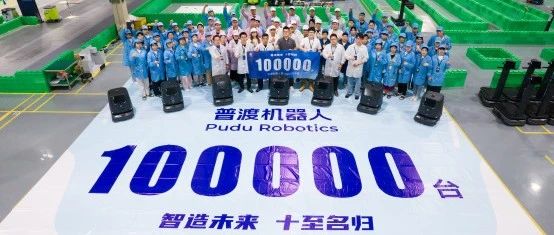
Core Viewpoint - Pudu Robotics has achieved a significant milestone by producing its 100,000th robot, marking a new stage in the commercialization of service robots globally [1][22]. Group 1: Product Matrix and Commercialization - Pudu Robotics has established a comprehensive product matrix covering service delivery, commercial cleaning, and industrial delivery, addressing common needs across ten industries [4][22]. - The latest product, the AI-powered cleaning robot PUDU CC1 Pro, represents a leap into the AI era for commercial cleaning robots [2][4]. - The company’s strong engineering capabilities and mature mass production processes have set a benchmark in the industry, enabling high-quality and stable delivery of diverse products [6][20]. Group 2: Multi-Form Factor Development - Pudu Robotics is the first in the industry to propose a future ecosystem comprising specialized, humanoid, and human-like robots, launching products like PUDU D7 and PUDU D9 [7][9]. - The introduction of the humanoid service robot Flash Arm has garnered significant attention, showcasing Pudu's ability to integrate multiple core technologies for versatile operations across various commercial scenarios [9][13]. Group 3: Global Expansion and Localization Strategy - The cat-shaped robot Bellabot has become a phenomenon in overseas markets, particularly in Japan, due to its design and interaction style, exemplifying Pudu's successful localization strategy [16][18]. - Pudu Robotics has achieved a 23% global market share, leading the industry and demonstrating its strong presence in over 60 countries, with more than 80% of revenue coming from international markets [22][23]. Group 4: Future Market Potential - The global service robot market is projected to reach $195 billion by 2035, with commercial service robots being a key growth driver [23].
李泽湘又投出了AI家庭具身机器人第一股?
机器人大讲堂· 2025-06-12 07:04
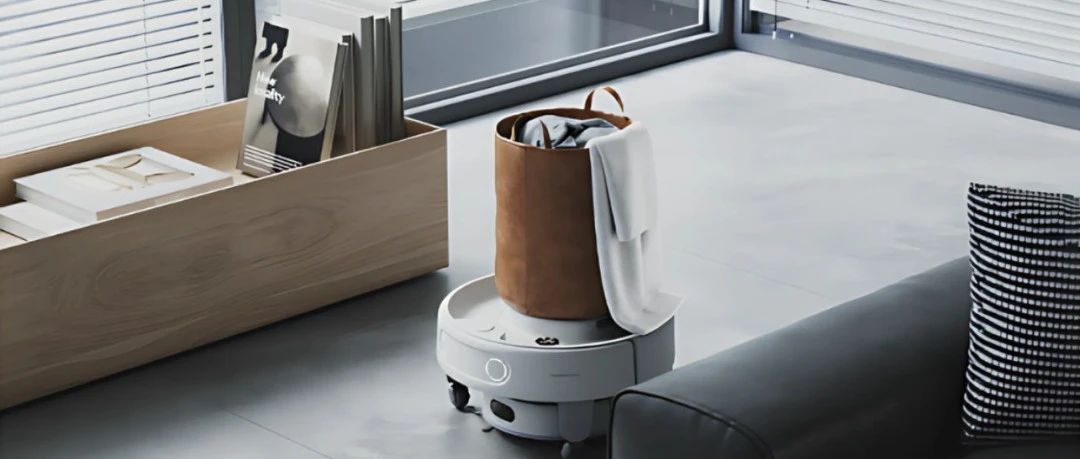
Core Viewpoint - The article discusses the upcoming IPO of Woan Robotics, a company specializing in AI embodied home robots, which aims to redefine the smart home landscape and potentially become the first publicly listed company in this sector [1][2]. Group 1: Company Overview - Woan Robotics was founded in 2015 by alumni from Harbin Institute of Technology and is backed by influential investor Li Zexiang [1]. - The company has achieved a remarkable 49% compound annual growth rate (CAGR) in revenue over three years [2]. Group 2: Market Position - Woan Robotics holds a leading position in the global AI embodied home robot market with an 11.9% market share, according to a Frost & Sullivan report [3]. - The company is the only player in the industry with a comprehensive product lineup covering all categories of home living scenarios [3]. Group 3: Product and Technology - The company's AI embodied home robots can autonomously learn and make complex decisions, enhancing their functionality beyond simple task execution [4]. - Woan Robotics has a diverse product matrix, including enhanced execution robots and enhanced mobile robots, with a high frequency of product launches [6][9]. - The company has invested significantly in R&D, with expenditures increasing from 61.76 million to 112 million yuan from 2022 to 2024, representing an average annual growth rate of 34.7% [16]. Group 4: Financial Performance - Revenue is projected to grow from 275 million yuan in 2022 to 610 million yuan in 2024, with a CAGR of 49.04% [13]. - Gross profit increased from 94.14 million yuan to 316 million yuan, with gross margin rising from 34.3% to 51.7% during the same period [13]. - The company has reduced its annual losses from 86.98 million yuan in 2022 to 3.07 million yuan in 2024 [14]. Group 5: Market Expansion - The largest market for Woan Robotics is Japan, accounting for 57.7% of revenue in 2024, followed by Europe and North America [11]. - The European market has shown a remarkable revenue CAGR of 68%, with single product gross margins exceeding 50% [12]. Group 6: Future Outlook - The global AI embodied home robot market is expected to grow from 2.2 billion yuan in 2022 to 5.9 billion yuan in 2024, with a CAGR of 63.7% [30]. - Woan Robotics predicts that the market could exceed 50 billion yuan by 2028 with the introduction of humanoid and mobile robots [31]. Group 7: Challenges and Risks - The company faces customer concentration risk, with 47.4% of revenue coming from its top five clients [34]. - There are concerns regarding the patent structure, as the proportion of invention patents is lower than that of industry leaders [35]. - Global operational challenges may arise due to reliance on a single distribution channel in Japan and cultural differences in Europe and North America [36].
英伟达、三星、软银抢投!估值飙升至45亿美元!这家企业什么来头?
机器人大讲堂· 2025-06-12 07:04
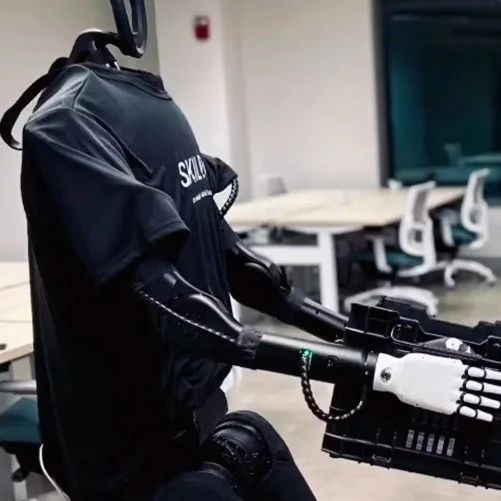
Core Viewpoint - The collaboration between Nvidia and Samsung in investing in Skild AI highlights the growing interest and potential in the embodied intelligence robotics sector, with Skild AI's valuation reaching approximately $4.5 billion after its Series B funding round [1][11][13]. Group 1: Investment and Valuation - Nvidia invested $25 million (approximately 180 million RMB) while Samsung contributed $10 million in Skild AI's Series B funding, which was led by SoftBank Group with a $100 million investment [1][2]. - Skild AI's valuation surged to about $4.5 billion following this funding round, reflecting significant growth from its previous valuation of over $1.5 billion after its Series A round, which raised $300 million [2][11]. Group 2: Company Background and Technology - Founded in 2023, Skild AI exemplifies a dual-driven model of capital and technology, aiming to innovate in the robotics field by developing a "general brain" for robots through its Skild Brain model [2][3]. - The company addresses the limitations of traditional robots, which are often restricted to pre-programmed tasks, by enabling robots to learn and adapt in real-world environments [3][4]. Group 3: Team and Expertise - Skild AI's core team includes co-founders Deepak Pathak and Abhinav Gupta, who have extensive experience in self-supervised robotics and adaptive learning, with over 25 years in the field and significant academic contributions [5][6]. - The team comprises experts from major tech companies like Meta, Tesla, Nvidia, and Google, as well as academic elites from institutions such as Stanford and UC Berkeley, providing a strong foundation for technological breakthroughs [8]. Group 4: Market Dynamics and Competition - Samsung's investment strategy appears to be more about maintaining a foothold in the robotics sector rather than making a significant bet on Skild AI's current solutions, as they aim to keep pace with local competitors like LG and Hanwha [9][10]. - The rise of Skild AI is indicative of a broader trend where major tech companies are increasingly investing in the robotics sector, recognizing the potential of embodied intelligence to transform industries [11][13].


快讯|“河南造”人形机器人线上开售,全球首个具身智能机器人4S店8月北京开放,南京举行智能机器人发展大会剑指“机器人之城”
机器人大讲堂· 2025-06-12 07:04
Group 1 - The humanoid robot "Xingzhe No. 2" developed by Zhongyu Intelligent Laboratory and Zhuoyide Robot was launched on June 9, priced at 169,800 yuan for the standard version and 249,800 yuan for the flagship version, featuring low energy consumption and wide application [1] - The world's first embodied intelligent robot 4S store will open in Beijing in August, showcasing nearly 30 robot brands and providing a one-stop service for sales, spare parts, after-sales service, and information feedback [2][4] - Chengdu Kanopu Robot Technology Co., Ltd. is expanding internationally, with its first overseas subsidiary in Malaysia achieving better-than-expected performance, promoting stable growth in the Southeast Asian market [5][7] Group 2 - Nanjing held the 2025 Intelligent Robot Development Conference on June 11, showcasing over 40 products from 29 companies and aiming for a core industry scale exceeding 10 billion yuan by 2027 [8][10] - The team at Segway Technology (Wuhan) Co., Ltd. is working on laser welding technology for humanoid robot skin, having applied for 35 patents and received 5 million yuan in investment [11][13]

百企汇聚成势!未来科学城崛起机器人产业高地
机器人大讲堂· 2025-06-12 07:04
Core Viewpoint - The article highlights the rapid development of the robotics industry in Changping, Beijing, emphasizing the establishment of a robust industrial ecosystem and supportive policies that foster innovation and production in humanoid robotics and other sectors [1][2][18]. Group 1: Humanoid Robotics Development - The first direct investment project of Beijing Future Star Science and Technology Venture Capital Fund, "Songyan Power," achieved significant recognition by winning second and third places in the world's first humanoid robot half marathon [1]. - By March 2025, Songyan Power entered the Changping Future Star Energy Valley Intelligent Manufacturing Industrial Park and launched the low-cost, high-performance N2 humanoid robot, achieving mass production capability within three months [1]. - As of June 2025, the order volume for the N2 robot exceeded 1,000 units, positioning Songyan Power as one of the few humanoid robot companies to achieve early mass production and delivery [1]. Group 2: Robotics Industry Cluster in Changping - Changping has established a robotics industry cluster with over 100 companies, showcasing a diversified and clustered development across various segments [2]. - The 2025 Changping District Government Work Report outlines a "1+5+1" industrial system focusing on humanoid robots and five key areas: medical health robots, household service robots, special robots, collaborative robots, and logistics robots [2]. - The district is developing a demonstration area for the integration of production and research in robotics, aiming to create an internationally leading robotics innovation base [2]. Group 3: Infrastructure and Support - The Beijing Robotics Industrial Park in Changping, covering approximately 2.8 hectares with a total construction area of about 64,600 square meters, is set to become a new landmark for industrial incubation [6][7]. - The park is designed to meet the production and research needs of robotics companies, featuring high ceilings, heavy load capacities, and specialized facilities [9]. - Changping has a solid foundation for the robotics industry, including supportive policies, research talent, and infrastructure, contributing to the rapid growth of the robotics sector [11]. Group 4: Policy Support and Innovation - Changping District has introduced multiple favorable policies to empower the robotics industry, including financial support for key technology innovations and public platform construction [12][14]. - The support measures include funding for collaborative projects, public platform construction, and incentives for small and medium-sized enterprises [13]. - The district aims to streamline the application process for robotics companies through online platforms, ensuring efficient service from registration to growth support [16]. Group 5: Application Scenarios and Future Prospects - Changping is opening up application scenarios in critical areas such as elderly care, medical assistance, and emergency rescue, driving the upgrade of traditional and modern service industries [17]. - The Future Science City is positioning itself as a national innovation hub for the robotics industry, with a focus on creating a complete ecosystem for technology incubation and market entry [18]. - The district is inviting global innovation forces to collaborate in building a smart future, emphasizing the integration of technology and real-world needs [18].