机器人大讲堂

Search documents
不止于跳舞: 全运会闭幕式唯一“人形舞团”鹿明机器人深耕具身全栈技术, 宇树、智元后的“新势力”跑出最快加速度
机器人大讲堂· 2025-11-25 09:18
11月21日晚,在深圳宝安欢乐剧场的聚光灯下,第十五届全国运动会闭幕式上演了一场融合科技与体育的跨 界盛宴。运动员入场环节中,来自深圳宝安区的企业鹿明机器人的AI迷你双足人形机器人Lumos"鹿小明"舞蹈 队惊艳登场,与苏炳添、马龙等 冠军选手 默契共舞。它们凭借精准的动作衔接与灵动的节奏把控,完成了全 运会闭幕式上唯一的人形机器人群体舞蹈表演。 这场短短两分钟的演出 , 体现了鹿明机器人优异的整机和运控性 能 , 同时也 是鹿明机器人技术实力的一次 集中展示。 成立仅一年多的鹿明,正以行业罕见的加速度,在具身智能这一新兴赛道中崭露头角。 在这样的行业背景下, "全栈技术能力"成为破局的关键。 具身智能本质上是一个融合硬件本体、感知系统、 运动控制、人工智能算法、场景应用的复杂工程。业内普遍认为,只有具备从底层硬件到上层算法的全链条研 发能力,才能真正解决产业痛点,成为赛道的"长期玩家"。而目前国内具备这种全栈能力的企业屈指可数,智 元机器人是行业公认的标杆,而鹿明机器人的快速崛起,正填补了"新势力"在全栈领域的空白。 ▍ 从赛场到舞台:技术实力的双重验证 鹿明机器人的 "出圈" , 并非偶然。 早在 202 ...


柔顺与施力控制:协作机器人在复杂任务中的核心优势 赋能智能制造ZEMIC与您同行
机器人大讲堂· 2025-11-25 09:18
Core Insights - Collaborative robots are becoming essential in precision tasks such as polishing, assembly, and medical surgeries due to their advanced compliance and force control capabilities [1][2]. Group 1: Transition from Position Control to Force Control - Traditional robots operate on a position control model, suitable for structured environments, while collaborative robots excel in unstructured tasks through compliance and force control [2]. - Key advantages of compliance and force control include dynamic path adjustment based on real-time contact force and the ability to apply constant or programmable force along specified axes for stable physical interaction [2]. Group 2: Core Technology for Compliance Control - High-precision six-dimensional force sensors are crucial for achieving true force control and compliant motion in collaborative robots [4]. - ZEMIC's six-axis force sensors are highlighted for their wide measurement range and reliability, making them ideal for complex force control applications in collaborative robots [4]. Group 3: Typical Application Scenarios and Sensor Recommendations - ZEMIC's six-dimensional force sensors serve as the "perception core" for collaborative robots, enabling them to perform compliant tasks across various scenarios [7]. - Specific applications include: - Consumer Electronics: Precision debonding with high accuracy and minimal force requirements [8]. - Furniture and Automotive Manufacturing: Curved surface painting [9]. - Medical Research: Biomechanical simulations [9]. - Home Appliances and Automotive Components: Precision assembly [9]. Group 4: Empowering Intelligent Manufacturing - ZEMIC's six-dimensional force sensors enhance the precision of polishing, optimize assembly quality, and enable compliant operations in medical devices, providing reliable force perception support for collaborative robot systems [10].

快讯|工信部公示人形机器人标准化技术委员会委员名单;迪士尼推出首款机器人角色奥拉夫;富士康、Intrinsic合作打造柔性机器人
机器人大讲堂· 2025-11-25 09:18
1、 工信部公示人形机器人标准化技术委员会委员名单,王兴兴、彭志辉在列 | 序号 | 姓名 | 委员会职务 | 工作单位 | | --- | --- | --- | --- | | 1 | 谢少锋 | 主任委员 | 工业和信息化部 | | 2 | 梁 靓 | 副主任委员兼秘书长 | 中国电子学会 | | 3 | 江 磊 | 副主任委员 | 人形机器人(上海)有限公司 | | র্ব | 態友军 | 副主任委员 | 北京人形机器人创新中心有限公司 | | 5 | 王兴兴 | 副主任委员 | 宇树科技股份有限公司 | | ୧ | 彭志辉 | 副主任委员 | 智元创新(上海)科技股份有限公司 | | 7 | 孙传兴 | 委员兼副秘书长 | 中国电子技术标准化研究院 | | 8 | 官慧琪 | 委员兼副秘书长 | 中国信息通信研究院 | | 9 | 王 敏 | 委员兼副秘书长 | 工业和信息化部电子第五研究所 | | 10 | 能 蒙 | 委员 | 浙江人形机器人创新中心有限公司 | | 11 | 丁 宁 | 委员 | 深圳市人工智能与机器人研究院 | | 12 | 刘传厚 | 委员 | 湖北人形机器人创新中心有限公 ...

全尺寸人形机器人Agile ONE来了!思灵机器人推进物理AI落地
机器人大讲堂· 2025-11-25 06:20
Core Viewpoint - Agile Robots, a leading provider of intelligent robotic solutions, has launched its full-sized humanoid robot, Agile ONE, which embodies the vision of Physical AI, capable of perceiving, understanding, and acting in the physical world [1][3]. Group 1: Company Background and Achievements - Founded in 2018, Agile Robots has approximately 2,500 employees and has seen its revenue multiply several times over the past four years, deploying over 20,000 robots globally, particularly in the automotive and consumer electronics sectors [3]. - The launch of Agile ONE is supported by a strong existing product portfolio, including Agile Hand, FR3 force-controlled robotic arm, and Diana 7 intelligent control robot [3]. Group 2: Key Advantages of Agile ONE - Agile ONE integrates three key advantages: a layered AI system trained on real-world data, dexterous hands derived from the German Aerospace Center (DLR), and a human-robot interaction philosophy based on trust [3][5]. - The layered approach to AI is structured as a "data pyramid," with a foundation of vast multimodal data, high-fidelity physical simulations, and extensive real-world interaction data from over 20,000 deployed robotic systems [5]. Group 3: Cognitive Architecture - Agile Robots employs a "three-layer brain" cognitive architecture, which includes slow thinking (strategic planning), fast thinking (dynamic response), and high-frequency control (instinctive manipulation) [5][6]. Group 4: Dexterous Manipulation Technology - The dexterous hand technology, developed over nearly two decades, allows for precise control and perception of force, enabling the robot to perform complex tasks such as manipulating small screws and operating tools [8][11]. - The integration of joint force sensors and fingertip tactile sensors provides the robot with advanced proprioceptive capabilities, addressing challenges in industrial automation that require human-like flexibility and judgment [8][11]. Group 5: Human-Robot Interaction and Safety - Agile Robots emphasizes that safety should be an inherent characteristic of the system rather than an add-on, aiming to create robots that are trustworthy and enjoyable to work alongside [9][10][14]. - The design of Agile ONE includes responsive features such as illuminated eye rings and proximity sensors to enhance communication and predictability in human-robot interactions [14]. Group 6: Market Potential and Strategic Vision - The humanoid robot market is projected to grow rapidly, with estimates suggesting a global market size of $38 billion by 2035 and the industrial robot solutions market reaching $51.8 billion by 2029 [15]. - Agile ONE is designed for structured industrial environments, focusing on tasks like material handling and precision operations, while its software platform, AgileCore, enables connectivity and data sharing among various robotic systems [15][17].

《2025中国机器人发展年刊》企业案例征集正在进行中!
机器人大讲堂· 2025-11-25 04:28
Core Viewpoint - The article emphasizes the rapid transformation of the robotics industry as a core driver of the new technological revolution and industrial change, highlighting significant growth and investment opportunities in various sectors of robotics, particularly humanoid robots, industrial robots, service robots, special robots, and medical robots [1][2]. Policy and Industry Development - The "14th Five-Year" plan has led to the establishment of 46 cities as pilot sites for new technology transformation, resulting in over 230 excellent smart factories and 1,260 5G factories, creating a fertile ground for robotics applications [1]. - The Chinese robotics industry has developed a complete industrial chain covering upstream key components, midstream manufacturing, and downstream integrated applications, showcasing significant achievements since the implementation of supportive policies [1]. Investment Trends - From January to October of this year, there have been over 470 investment events in the robotics sector, with total financing amounts reaching between 39.1 billion and 62.68 billion yuan, indicating strong market recognition of the long-term value of the robotics industry [1]. Future Outlook - The robotics industry is expected to maintain rapid growth, with trends towards increased intelligence, flexibility, collaboration, and humanization in technology [2]. - The industry chain will see more refined divisions, with platform-based and ecological enterprises becoming dominant players [2]. - China is projected to transition from "catching up" to "keeping pace" and eventually "leading" in global robotics competition, leveraging policy guidance, market advantages, and technological breakthroughs [2]. Annual Conference and Publications - The 6th China Robotics Industry Annual Conference is scheduled for December 18-19, 2025, in Hangzhou, aiming to provide a platform for in-depth discussions on high-quality development paths in the robotics industry [2]. - The "2025 China Robotics Development Yearbook" will be released during the conference, reflecting the industry's development trajectory and core trends, building on previous yearbooks [4][5]. Yearbook Structure - The yearbook will cover six main sections: policy, technology, industry, enterprises, finance, and trends, providing comprehensive insights into regional industry distribution, innovation scenarios, investment dynamics, and international competition [5][9]. - It will include case studies of outstanding enterprises in various fields, showcasing innovative applications in industrial manufacturing, healthcare, smart logistics, and home services [5].

松灵14999元七轴仿人臂来了!加量不加价,科研最优解
机器人大讲堂· 2025-11-25 00:00
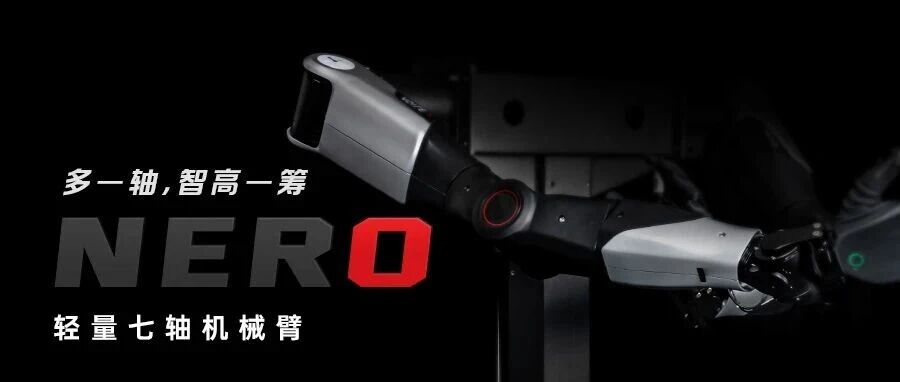
Core Insights - The article highlights the launch of the NERO lightweight 7-axis robot by Songling Robotics, which addresses the specific needs of research scenarios and represents a significant technological advancement in embodied intelligence hardware [1][3][12]. Group 1: Product Features and Innovations - NERO's lightweight design (4.8 kg) and high payload capacity (3 kg) allow for flexible deployment in various laboratory environments, enhancing space utilization and operational efficiency [4][10]. - The 7-axis configuration provides redundancy in degrees of freedom, enabling the robot to perform complex tasks in unstructured environments, such as biological sample handling and micro-device assembly [6][12]. - NERO achieves a balance between lightweight construction and rigidity, utilizing aluminum alloy and resin materials, which allows it to maintain stability while being easy to transport and set up [8][10]. Group 2: Market Positioning and Pricing - Priced at 14,999 yuan, NERO offers a cost-effective solution for research teams, making advanced robotic capabilities accessible to a broader range of users, including graduate students and interdisciplinary teams [12][13]. - The robot's specifications, including ±0.1 mm repeatability and low operational noise (below 60 dB), cater to the stringent requirements of scientific experiments, ensuring high precision and minimal disruption in laboratory settings [13][15]. Group 3: Strategic Implications and Future Directions - The introduction of NERO reflects a broader trend in the embodied intelligence hardware sector, emphasizing the integration of mobility and manipulation capabilities in robotic systems [16][20]. - Songling Robotics aims to create a comprehensive ecosystem that supports the transition from algorithm simulation to real-world deployment, enhancing the research capabilities of academic institutions and innovation centers [22][23]. - The company’s strategy includes developing an open hardware platform that facilitates programming and integration with existing research frameworks, thereby lowering barriers for researchers [18][20].
为啥机器人集体放弃“跑酷” 全去“叠衣服”了?
机器人大讲堂· 2025-11-24 15:00
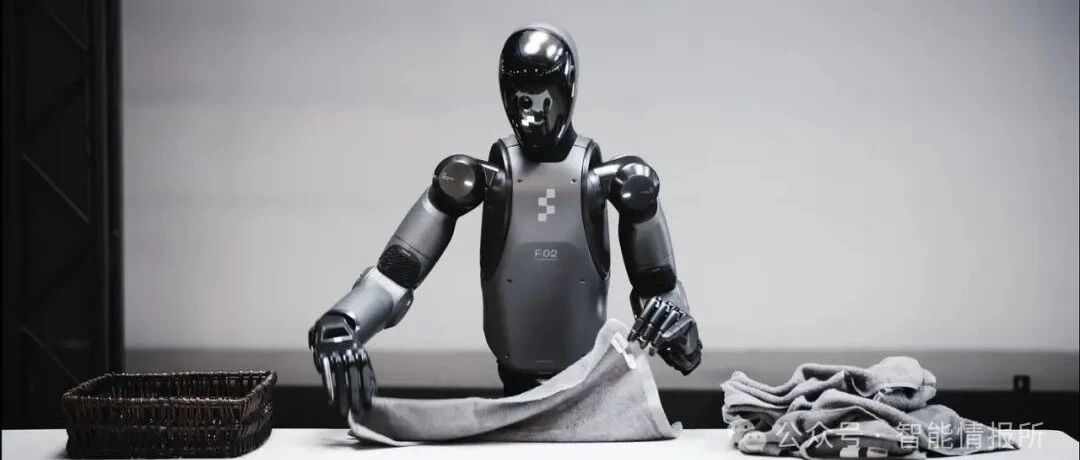
Core Viewpoint - The robotics industry has shifted focus from showcasing extreme capabilities, such as parkour and dancing, to addressing practical household tasks like folding clothes, indicating a maturation of the market and a response to real consumer needs [3][7][27]. Group 1: Industry Trends - The initial excitement around robotics was characterized by impressive demonstrations of movement and balance, which attracted capital and interest in the early stages of technology development [27]. - The current trend shows a significant pivot towards practical applications, with companies now prioritizing user needs over mere technical prowess [27][30]. - The emergence of clothing folding robots reflects a convergence of technological advancements and market demand, as the ability to fold clothes has become a more relatable and desirable function for consumers [9][15]. Group 2: Technological Advancements - Breakthroughs in robot learning technologies, such as diffusion models and zero-shot learning, have enabled robots to learn tasks like folding clothes from human demonstrations without extensive programming [13]. - The reduction in technical barriers has allowed startups to leverage pre-trained models to create functional demonstrations, making the technology more accessible [13][15]. - Despite advancements, current robotic demonstrations still reveal limitations in precision and adaptability, indicating that further improvements in algorithms and hardware are necessary [29][30]. Group 3: Market Demand and Consumer Expectations - There is a strong consumer desire for robots that can perform household tasks, with many willing to pay for solutions that alleviate mundane chores like folding clothes [15][26]. - The gap between what companies claim their robots can do and what consumers expect in terms of performance and reliability remains significant [24][26]. - Current demonstrations often fail to address the full scope of household tasks, focusing primarily on the folding action without integrating the entire process from retrieval to storage [24][30]. Group 4: Future Directions - The industry must continue to focus on practical applications and user needs to drive commercial viability, moving beyond mere technical demonstrations [30]. - As technology matures, there is potential for robots to expand their capabilities to include a wider range of household tasks, provided they remain aligned with consumer demands [29][30]. - The shift towards practical applications signifies a more rational approach to robotics, emphasizing the importance of solving real-world problems over showcasing extreme capabilities [30].
人形机器人浪潮下,电机行业迎来“质效革命”
机器人大讲堂· 2025-11-24 08:31
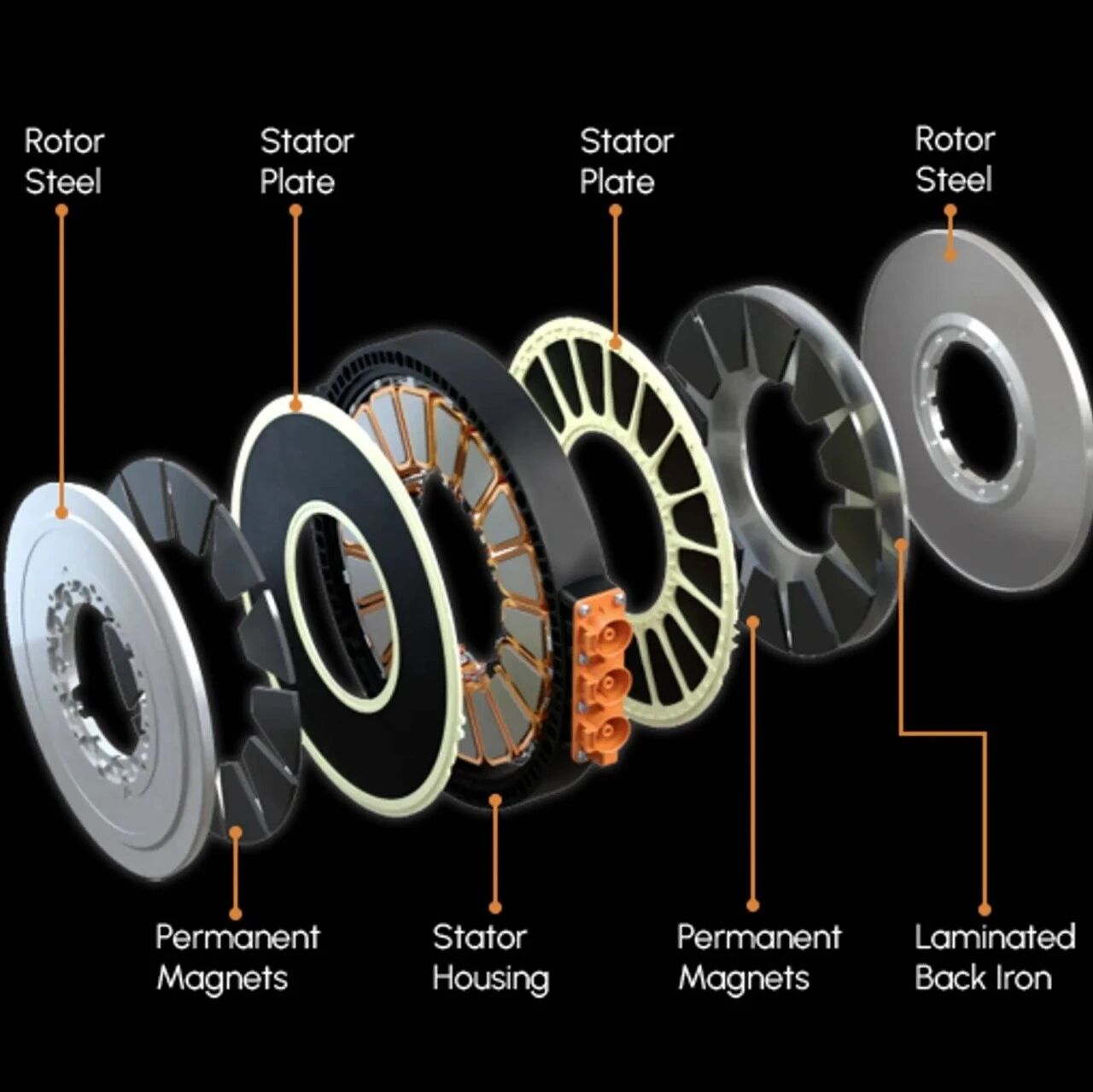
Core Insights - The development of humanoid robots is transitioning from science fiction to reality, driven by advancements in motor technology, which is crucial for precision movement and load capacity [1][12] - The electric motor, as the core of the drive system, faces increasing demands for performance and adaptability in dynamic environments, leading to a technological revolution in the motor industry [1][6] Group 1: Drive System and Motor Requirements - The drive system is essential for robot movement, categorized into hydraulic, pneumatic, and electric drives, with electric drives being the most prevalent due to their precision and adaptability [2] - Robots require five core capabilities from joint motors: modular design for heavy loads, overload capacity for short bursts, excellent dynamic response for precision, high reliability against shocks, and high power/torque density for lightweight designs [2][4] - Different actuator types (flexible, elastic, and direct drive) have distinct performance requirements, influencing motor design and performance [2][4] Group 2: Motor Types and Performance Metrics - Robot motors are classified into radial flux, axial flux, and hollow cup motors, each serving different applications based on size and performance [4] - Key performance indicators for high-performance motors include high torque density, low torque ripple, strong overload capacity, and excellent heat dissipation [4][12] - Current mainstream solutions struggle to meet these performance demands, indicating significant room for technological advancement [4] Group 3: Market Dynamics and Policy Support - The humanoid robot market is experiencing exponential growth, driving demand for electric drive systems [6] - Government policies are promoting the development of the motor industry, focusing on core technologies and component breakthroughs [6] - Challenges include high costs of motors and a lack of standardized performance testing, which affects product compatibility and increases maintenance costs [6] Group 4: Future Trends and Technological Integration - Future motor drive technologies will focus on precision, energy efficiency, and intelligence, fostering collaboration across the supply chain [8][9] - Innovations such as frame-less torque motors and hollow cup motors are expected to enhance performance and reduce costs [9][12] - The integration of AI algorithms and edge computing in motor systems will enable real-time decision-making, enhancing humanoid robot capabilities [9][12] Group 5: Industry Outlook - The motor industry is entering a golden development period, driven by the humanoid robot industry's growth and the shift from functional to performance-oriented designs [12][13] - Domestic companies are accelerating import substitution through cost-effective solutions and technological innovations, supported by favorable policies and market demand [12][13] - The combination of high precision, lightweight, and intelligent technologies will lead to significant improvements in both scale and quality within the motor industry [13]
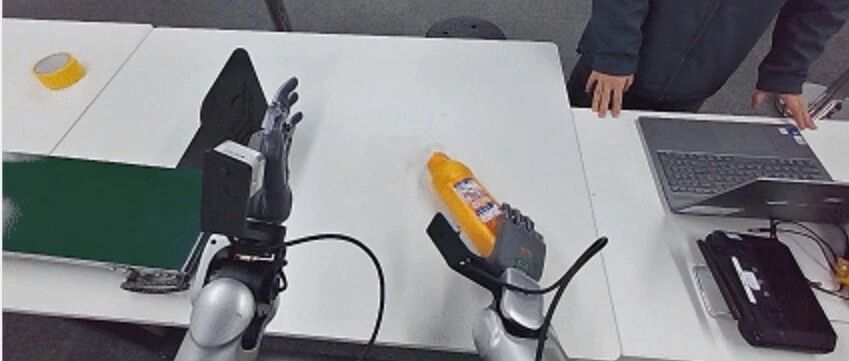
快讯|智元机器人正式推出灵心平台(LinkSoul);安徽出台智能机器人产业发展行动方案;广汽集团宣布其具身智能机器人计划
机器人大讲堂· 2025-11-24 08:31
Group 1 - The core viewpoint of the article highlights the rapid development and innovation in the robotics industry, particularly focusing on humanoid robots and intelligent systems [5][11][14]. - The launch of the LinkSoul platform by Zhiyuan Robotics allows users to customize robot features, including voice and behavior, enhancing user interaction [2]. - The Anhui provincial government has introduced an action plan aiming to cultivate over 10 leading domestic enterprises and achieve a total industry revenue of 100 billion yuan by 2027 [5]. Group 2 - GAC Group plans to initiate large-scale production of its embodied intelligent robots by 2027, with a target of exceeding 1 billion yuan in industry chain output by 2030 [8]. - The LET dataset, developed by the National Local Joint Innovation Center for Humanoid Robots and Leju Intelligent, aims to address the lack of real machine data in the field of embodied intelligence [11]. - Dongfeng Motor has unveiled several humanoid robots, including "Xiao Dong" and "Worker No. 2," which are designed for tasks such as customer reception and factory operations [14].



开源!国内规模最大的全尺寸人形机器人真机数据集!哪里值得关注
机器人大讲堂· 2025-11-24 08:31
Core Viewpoint - The LET dataset, the world's first full-size humanoid robot real-world operation dataset, addresses the critical shortage of high-quality, large-scale, standardized real-world operational data, which has been a significant barrier to the advancement of humanoid robots and embodied intelligence [1][5]. Group 1: Data Scarcity in Humanoid Robotics - Humanoid robot data is scarce due to the dual barriers of technology and cost, with the "Scaling Law" indicating that model performance improves significantly with increased data volume, model size, and computational power [3][4]. - Real-world data collection is costly, with traditional methods yielding only three to four valid data points per hour at a cost of nearly twenty yuan per data point, leading to annual costs approaching three hundred thousand yuan for manual collection [4]. Group 2: LET Dataset Release - The LET dataset, developed by Leju Intelligent and other institutions, is the largest open-source dataset of its kind in China, featuring over 60,000 minutes of real machine data collected from the "Kua Fu" humanoid robot [5][7]. - The dataset incorporates innovative technologies to ensure high data quality, achieving over 90% consistency and controlling timestamp errors within ten milliseconds, which enhances the robustness and transferability of models trained on this data [7]. Group 3: Comprehensive Scene Coverage - The LET dataset covers three core areas: industrial, commercial retail, and daily life, detailing six real-world operational scenarios and encompassing 31 key tasks and 117 atomic skills [8]. - This extensive coverage allows developers to quickly adapt to vertical industry needs, facilitating the transition from technology validation to large-scale application of embodied intelligence [8]. Group 4: Tools and Future Implications - To lower the usage threshold and accelerate technology transfer, the LET dataset provides a comprehensive toolchain for data conversion, model training, simulation testing, and real machine deployment, enabling developers to achieve "plug-and-play" functionality [10]. - The release of the LET dataset not only fills the gap in high-quality real machine data but also supports the scaling law for humanoid robots, fostering a virtuous cycle of data sharing, technological iteration, and application optimization [11].