GLP1减重宝典

Search documents
速递|全球首创!诺和诺德每周一次糖尿病治疗药物Kyinsu®获欧盟批准
GLP1减重宝典· 2025-11-29 03:32
Core Viewpoint - Novo Nordisk's Kyinsu® (IcoSema) has received EU approval, combining weekly insulin with GLP-1 receptor agonist for better management of type 2 diabetes in adults [4][6]. Group 1: Product Overview - Kyinsu® integrates Icodec insulin for sustained blood sugar control and Semaglutide for weight management [7]. - The product allows for a single weekly injection, simplifying treatment with a maximum dosage of 350 units of Icodec and 1.0 mg of Semaglutide [7]. - Clinical trials involving over 2,500 adult type 2 diabetes patients demonstrate Kyinsu®'s efficacy in reducing HbA1c levels and achieving significant weight loss with lower hypoglycemia rates compared to daily insulin regimens [7]. Group 2: Industry Impact - The weekly injection format of IcoSema addresses the common delay in insulin therapy initiation among type 2 diabetes patients, where about 50% delay treatment for over two years, increasing complication risks [6]. - The design of Kyinsu® aims to enhance patient adherence to treatment and offers a new option for personalized therapy [6].


重磅研究颠覆传统认知!美食愉悦感竟是体重管理关键因素?
GLP1减重宝典· 2025-11-29 03:32
Core Viewpoint - The recent research from the University of California, Berkeley, challenges the traditional belief that high-calorie foods are solely responsible for obesity, suggesting that the pleasure derived from eating can play a positive role in weight management [4][7]. Group 1: Research Findings - The study titled "Changes in neurotensin signalling drive hedonic devaluation in obesity" reveals that the enjoyment of food can help maintain energy balance, redefining the relationship between food pleasure and obesity [4][7]. - High-fat diets were shown to impair the brain's reward system, leading to reduced appetite for high-calorie foods in obese mice, despite weight gain [9][11]. - The research identified neurotensin (NTS) as a key player in this process, with high-fat diets significantly suppressing NTS expression, which is crucial for enhancing dopamine neuron activity during food enjoyment [11][12]. Group 2: Implications for Weight Management - Restoring NTS levels through dietary intervention or gene therapy resulted in obese mice regaining normal food responses, reducing overall food intake, and improving anxiety symptoms [12]. - The findings suggest a shift from traditional weight loss strategies focused on appetite suppression to approaches that enhance the brain's reward mechanisms related to food enjoyment, potentially leading to the development of "happy dieting" therapies [12]. - This research opens new avenues for addressing obesity and related metabolic disorders, emphasizing the intersection of neuroscience and nutrition [12].

替尔泊肽可实现显著减重并改善脂肪分布模式!对2型糖尿病患者体脂分布的影响
GLP1减重宝典· 2025-11-29 03:32
Core Viewpoint - The article discusses the significant impact of Tirzepatide on body fat distribution patterns after weight loss, highlighting its potential benefits for treating type 2 diabetes and obesity [2][3][13]. Group 1: Research Findings - A study published in "Diabetes Obesity Metabolism" reveals that Tirzepatide treatment leads to notable changes in visceral fat, subcutaneous fat, and liver fat levels in type 2 diabetes patients compared to a virtual control group [4][8]. - Patients treated with Tirzepatide experienced an average weight loss of 9.6 kg and a liver fat reduction of 8.09%, while those on insulin degludec gained an average of 3.2 kg with a liver fat reduction of only 3.38% [9][19]. - The study indicates that traditional weight loss treatments often fail to specifically target visceral and liver fat accumulation, which are linked to increased risks of complications such as cardiovascular diseases [13][14]. Group 2: Drug Information - Tirzepatide, developed by Eli Lilly, was approved by the FDA in July 2022 for the treatment of type 2 diabetes and is the first of its kind to target both GLP-1 and GIP receptors [15][17]. - The drug enhances insulin secretion and lowers glucagon levels in a glucose-dependent manner, contributing to its efficacy in managing blood sugar levels [15][19]. - In clinical trials, Tirzepatide demonstrated superior and consistent reductions in HbA1c levels compared to other diabetes medications, with reductions ranging from 1.7% to 2.4% depending on the dosage [20][21]. Group 3: Weight Loss and Lipid Effects - Although not primarily intended for weight loss, Tirzepatide resulted in significant weight reductions, with participants losing between 5 kg and 11 kg depending on the dosage [21]. - The drug also showed positive effects on lipid profiles, with the highest dosage leading to a 5.6% reduction in total cholesterol and a 22.5% reduction in triglycerides, indicating its potential role in reducing cardiovascular disease risk [21].
《内科学年鉴》权威解读:影响健康风险的核心在于脂肪分布,而非脂肪总量!
GLP1减重宝典· 2025-11-29 03:32
Core Viewpoint - The article emphasizes the importance of fat distribution over total fat amount in determining health risks, highlighting a new AI-based research approach that provides more accurate health risk assessments [5][7][10]. Research Highlights - Traditional health risk assessment tools like BMI are inadequate as they do not differentiate between fat and muscle or show fat distribution, leading to varying health risks among individuals with the same BMI [7]. - A study utilizing AI technology analyzed over 33,000 MRI scans from the UK Biobank, revealing that visceral fat around organs and intramuscular fat are closely linked to higher risks of diabetes and cardiovascular diseases, even when considering BMI and waist circumference [7][10]. - The study found that low muscle mass in men increases the risk of related health issues, a trend not observed in women, indicating potential gender differences in the impact of fat distribution and muscle quality on health risks [9]. Significance of the Research - The research demonstrates that AI can enhance the precision of health risk assessments by analyzing body scan images, identifying that fat around organs and within muscles poses greater health threats compared to fat in other areas [10]. - The findings suggest that widespread adoption of this AI technology could enable earlier identification of high-risk individuals and facilitate personalized prevention and management strategies for chronic diseases like diabetes and heart disease [10]. - This advancement not only offers a new tool for the medical community but also holds promise for improving public health management through more accurate risk assessments [10].

速递|恒瑞医药新机制减重药物获批临床!从GLP-1到多机制布局的完整策略
GLP1减重宝典· 2025-11-28 12:26
Core Viewpoint - The article highlights the competitive landscape of weight loss drugs in the pharmaceutical industry, focusing on Heng Rui Medicine's strategic investments in the "weight loss + metabolism" sector, particularly through its GLP-1 and multi-target drug development initiatives [2]. Group 1: Product Development and Clinical Trials - Heng Rui Medicine's SHR-2906 injection has received NMPA approval for clinical trials aimed at treating obesity, marking a significant step in its weight loss drug portfolio [2][3]. - HRS9531, a GLP-1/GIP dual receptor agonist developed by Heng Rui, shows promising clinical data with an average weight loss of approximately 19% over 48 weeks, alongside improvements in cardiovascular and metabolic indicators [5]. - The company has submitted a long-term weight management application for HRS9531, which is the closest product to commercialization in its pipeline [5]. Group 2: Diverse Product Matrix - Heng Rui is expanding its product matrix around the GLP-1 system, addressing various mechanisms and dosage forms to meet the needs of different weight loss populations [6]. - HRS-7535, an oral small molecule GLP-1 receptor agonist, is in late-stage clinical trials and aims to provide a more convenient administration method for long-term treatment [7]. - The company is also developing an oral version of HRS9531 to adapt to the evolving GLP-1 market, which is shifting from primarily injectable forms to a combination of injectables and oral medications [8]. Group 3: New Mechanism Exploration - Heng Rui is actively exploring new mechanisms beyond GLP-1, including patents for Apelin receptor agonists and Amylin analogs, which could represent the next generation of metabolic targets [10][11]. - These new mechanisms are still in early stages but are part of Heng Rui's long-term strategy for developing multi-pathway weight loss drugs [12]. Group 4: International Expansion and Financing - The establishment of NewCo (Kailera Therapeutics) in collaboration with overseas teams is a notable strategy for Heng Rui, valued at approximately $6 billion, which includes multiple GLP-1 pipelines [14]. - In 2025, Kailera completed a $500 million Series B financing round, enhancing Heng Rui's global clinical development capabilities for its GLP-1 products [14]. - Heng Rui's product lineup, including HRS9531, HRS-7535, and HRS-4729, has formed a "pyramid structure" from early to late-stage products, indicating a robust development strategy [15].


《自然》杂志:曾经肥胖,身体难“忘记”!科学家发现脂肪的表观遗传修饰减重后难以逆转,或解释反弹现象
GLP1减重宝典· 2025-11-28 12:26
Core Viewpoint - The article discusses a recent study published in *Nature* by a team from ETH Zurich, which reveals that the transcriptional changes in fat cells during obesity persist even two years after successful weight loss, indicating a phenomenon referred to as "fat memory" [7][11][22]. Group 1: Research Findings - The study analyzed fat tissue samples from participants who underwent weight loss surgery, showing that many differentially expressed genes (DEGs) during obesity remained dysregulated two years post-weight loss [11][13]. - In mouse experiments, previously obese mice exhibited a significantly enhanced ability to absorb sugars and fats, leading to faster weight regain when re-exposed to a high-fat diet [8][24]. - The research found that the longer the duration of obesity, the poorer the recovery of gene expression post-weight loss, suggesting that "fat memory" is influenced by the duration of obesity [21][25]. Group 2: Cellular and Molecular Mechanisms - Single-nucleus RNA sequencing revealed that the composition of cell types in the fat tissue did not change significantly between the time points, but many obesity-related DEGs remained altered [13][20]. - The study highlighted that the transcriptional dysregulation was most pronounced in adipocytes, adipocyte progenitor cells, and endothelial cells, with downregulation of fat metabolism pathways and upregulation of fibrosis and apoptosis-related pathways [14][20]. - The findings suggest that epigenetic changes account for 57-62% of downregulated DEGs and 68-75% of upregulated DEGs, indicating that epigenetic mechanisms play a crucial role in "fat memory" [22].
2025-2032年中国AI减肥赛道发展现状解析及投资风向深度展望
GLP1减重宝典· 2025-11-28 12:26
Core Viewpoint - The article emphasizes the urgent need for weight management in response to the rising obesity epidemic, highlighting the government's strategic initiatives and the emerging AI-driven weight loss market as key components for addressing this public health challenge [5][11][27]. Group 1: Obesity Statistics and Health Implications - Global obesity rates are alarming, with 650 million individuals affected in 2022, projected to reach 1 billion by 2025. In China, the number of obese individuals is expected to rise from 184 million in 2021 to 479 million by 2045 [6][9]. - Obesity is linked to numerous health issues, including diabetes, stroke, and heart disease, making it a significant public health concern. In 2019, cardiovascular disease deaths due to high BMI accounted for 11.98% of total deaths in China, with 765,000 deaths attributed to overweight or obesity [6][9]. Group 2: Government Initiatives and Policies - The "Healthy China 2030" initiative has prioritized obesity prevention as a national strategy since 2016. A three-year "Weight Management Year" action plan was announced in 2025 to promote healthy lifestyles and chronic disease prevention [11][27]. - Key policies include the implementation of a weight management action plan in June 2024, promoting awareness and skills for weight management, and guidelines for obesity diagnosis and treatment [13][27]. Group 3: AI in Weight Management - The weight loss market has surpassed 100 billion yuan, driven by policies and the integration of AI technology. AI is transforming weight management into a data-driven process, offering personalized weight loss solutions [5][15]. - Major fitness platforms are adopting AI for personalized diet plans and exercise regimens, utilizing technologies like computer vision for real-time feedback on exercise form [15][17]. Group 4: Future Outlook for AI Weight Management - The future of the AI weight loss industry is focused on precision, inclusivity, and sustainability, aiming to reshape the weight management landscape. Continuous data collection and user interaction are critical for the industry's growth [18][19]. - Reports indicate that the AI weight loss sector will provide insights into market dynamics, policy directions, and investment opportunities, aiding stakeholders in strategic decision-making [19][20].

增加司美格鲁肽剂量,带来意想不到的体重减轻效果
GLP1减重宝典· 2025-11-28 12:26
Core Insights - High-dose semaglutide is expected to receive approval earlier due to significant weight loss results in a large multinational clinical trial, showing an average weight reduction of approximately 19% over 72 weeks in non-diabetic adults, surpassing the effects of currently approved standard doses [2][4][6] Group 1: High-Dose Strategy - The strategy of using higher doses of semaglutide has emerged as a breakthrough direction for obesity treatment, particularly for patients who plateau at standard doses [4] - The study led by obesity management expert Sean Wharton from the University of Toronto indicates that increasing the dose may be a key strategy for patients struggling to progress on standard doses [4] Group 2: Weight Loss Results - In non-diabetic participants, the high dose (7.2 mg) resulted in an 18.7% weight loss compared to 15.6% for the standard dose (2.4 mg) and only 3.9% for the placebo group [6] - The proportion of participants achieving 20% and 25% weight loss goals significantly increased in the high-dose group [7] - Abdominal circumference decreased by 11.7 cm, indicating a reduction in visceral fat and associated health risks [8] Group 3: Diabetic Population Outcomes - In participants with type 2 diabetes, the high dose led to a 13.2% weight loss, while the placebo group only saw a 3.9% reduction [9] - Key blood sugar indicator HbA1c decreased by 1.5 percentage points, and abdominal circumference reduced by 6.5 cm, demonstrating significant metabolic benefits [10] Group 4: Safety Profile - The most common side effect reported was gastrointestinal discomfort, primarily occurring during the dose escalation phase, which tends to alleviate over time [11] - The incidence of gastrointestinal events in the non-diabetic group was 71% for the 7.2 mg dose, 61% for the 2.4 mg dose, and 43% for the placebo [11] - The overall safety profile aligns with existing GLP-1 medications, with low blood sugar risk remaining stable and not significantly increasing with higher doses [12] Group 5: Market and Clinical Implications - Current approved long-term obesity management doses in the U.S. remain at 2.4 mg, but the new data supports the "supra-standard dose" strategy, potentially offering new treatment options for patients who have plateaued on existing doses [14] - The study's long duration of 72 weeks, including 9 weeks of follow-up, provides a solid data foundation for long-term efficacy and stability [14] - The focus on abdominal circumference improvement is particularly relevant due to its strong correlation with cardiovascular events and diabetes risk [14] - Despite promising results, further research is needed on long-term maintenance effects, weight plateau, long-term side effects, and dose adjustments over years of treatment [15]
诺和诺德突袭 FDA!20%以上减重高剂量司美格鲁肽或将提前获批
GLP1减重宝典· 2025-11-27 14:44
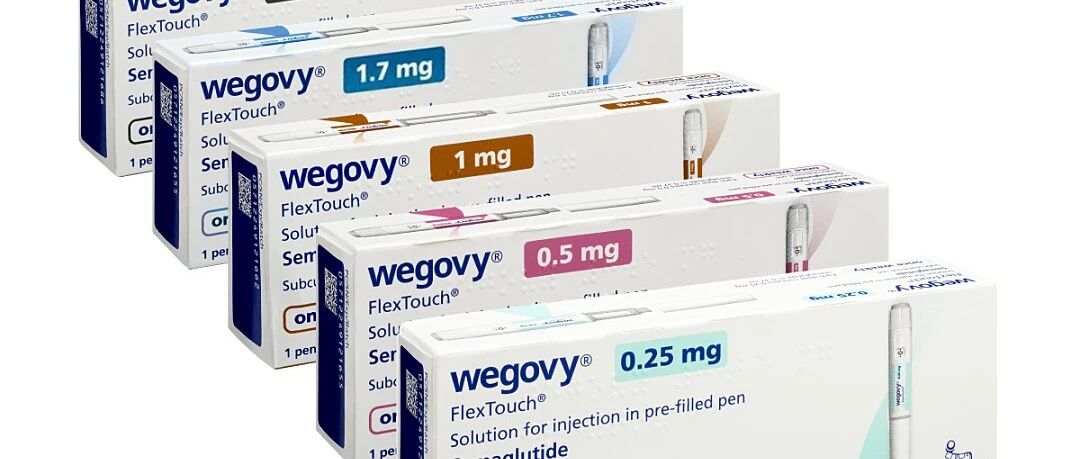
Core Viewpoint - Novo Nordisk is seeking accelerated review for a higher dose version of its obesity drug Wegovy (semaglutide) through the FDA's CNPV program, which could lead to approval within one to two months, coinciding with the review of its 25 mg oral semaglutide in Q4 [2][6]. Group 1: Drug Efficacy and Approval Process - The new 7.2 mg dose of semaglutide is expected to provide a more effective weight loss option, with clinical trial results showing an average weight loss of 20.7% over 72 weeks compared to 17.5% for the 2.4 mg group and 2.4% for the placebo group [2][3]. - In the 7.2 mg trial group, 33.2% of participants achieved at least a 25% weight loss, compared to 16.7% in the 2.4 mg group and 0% in the placebo group [3]. - The FDA has issued 15 CNPV designations to date, with Wegovy being among the second batch of drugs selected for this expedited review process [5]. Group 2: CNPV Controversy - Concerns regarding the CNPV program have been raised by lawmakers, questioning its potential to benefit pharmaceutical companies with close ties to the Trump administration and demanding transparency on the beneficiaries and review details [7][10]. - There are fears that the accelerated review process may undermine public trust in FDA decisions, especially in light of staffing cuts within the government [9]. - Reports indicate that the initial CNPV review process excluded the FDA team responsible for evaluations, leading to concerns about the legitimacy and pace of the decision-making [10].
中文名向钱学森致敬!Nature子刊(IF=50):上海交大团队打造AI+VR运动新系统,助力减重,更提升心理健康!
GLP1减重宝典· 2025-11-27 14:44
Core Insights - The article discusses the latest advancements in AI applications within the medical and health sectors, highlighting its potential to assist in disease diagnosis and treatment, including innovative methods such as using earwax to detect Parkinson's disease [3]. Group 1: AI in Weight Management - The Shanghai Jiao Tong University team published a study on June 23, 2025, in Nature Medicine, introducing the REVERIE system, an AI-based virtual reality sports system aimed at helping overweight adolescents lose weight through a randomized controlled trial [3][4]. - REVERIE combines deep reinforcement learning and Transformer architecture, featuring a virtual coach that provides personalized guidance, achieving metabolic effects comparable to real exercise while enhancing cognitive and motivational aspects [4][7]. - The study demonstrated that VR exercise is as effective as real exercise in fat reduction and metabolic improvement, while also significantly enhancing psychological health and cognitive abilities [7]. Group 2: AI in Precision Medicine - On July 14, 2025, a collaborative study by Imperial College London and Spanish scientists published in Nature Communications introduced AIDA, an AI-driven gastric inflammation diagnostic assistant that achieved a 94.1% eradication rate for Helicobacter pylori, surpassing traditional methods [8][11]. - AIDA integrates clinical, molecular, and imaging data to create a patient-centered decision-making system, facilitating personalized follow-up and treatment recommendations [11]. - The project involves collaboration among 15 European centers, ensuring compliance with scientific, ethical, and legal standards, thereby enhancing the tool's reliability [11]. Group 3: AI in Endoscopic Diagnosis - A study published on June 20, 2025, by Fudan University in Lancet Digital Health focused on an AI model for detecting nasopharyngeal carcinoma in endoscopic images, significantly improving diagnostic accuracy for ENT specialists [12][14]. - The AI model increased diagnostic accuracy from 83.4% to 91.2% and reduced the time taken to analyze images, demonstrating high clinical applicability [14][15]. - The model was trained on a large dataset from 42 hospitals across 24 provinces, showcasing its robustness and potential for widespread application in similar diagnostic scenarios [15]. Group 4: AI in Prognostic Modeling - On July 2, 2025, a team from University College London published a study in Lancet Digital Health validating a multimodal AI-derived prognostic model for advanced prostate cancer patients, utilizing data from four phase 3 clinical trials [16][18]. - The AI model, MMAI, demonstrated a significant correlation with prostate cancer-specific mortality rates, providing detailed stratification of patient risk levels [18]. - MMAI enhances the accuracy of prognostic assessments for advanced prostate cancer, offering a practical tool for patient management and treatment decision-making without requiring additional tests [18].