GLP1减重宝典

Search documents
国家重拳治理肥胖,AI智能减重迎来风口
GLP1减重宝典· 2025-12-02 06:30
Core Viewpoint - The article emphasizes the importance of weight management as a national strategy under the "Healthy China 2030" initiative, highlighting the launch of a three-year action plan to enhance public awareness and capabilities in weight management, aiming to prevent and control obesity [6][7][26]. Group 1: National Initiatives - In 2016, the "Healthy China 2030" plan included obesity prevention as a national strategy, with recent policies encouraging public engagement in weight management [6]. - The National Health Commission (NHC) announced the official start of the three-year "Weight Management Year" action plan during the 2024 National People's Congress, aiming to promote healthy lifestyles and strengthen chronic disease prevention [7][26]. - By 2026, the goal is to significantly enhance public awareness and skills in weight management, with an annual reduction of 10% in obesity rates [26]. Group 2: AI in Weight Management - AI is transforming weight management from an "experience-driven" approach to a "data-driven" one, allowing for more precise weight loss strategies through data analysis [9]. - AI applications in dietary management include personalized meal recommendations and intelligent calorie recognition, with tools like CaloScanAI analyzing food images to provide nutritional reports [10]. - In fitness, AI-driven systems can identify incorrect exercise postures and create personalized training plans, enhancing workout efficiency [10][11]. Group 3: Challenges and Limitations of AI - Despite its advantages, AI in weight management has limitations, such as insufficient real-time interaction with users, which can lead to ineffective adherence to plans [13][14]. - Users may struggle with overly restrictive diets or intense exercise regimens suggested by AI, highlighting the need for human trainers to provide support and adjustments based on individual responses [14]. Group 4: Future Directions for AI in Weight Management - The future of AI in weight management will focus on improving data collection and analysis capabilities, integrating wearable devices with fitness platforms for better user insights [16]. - Enhancements in AI interaction will aim to provide emotional support and motivation, moving beyond basic Q&A to a more engaging user experience [17]. - The shift in weight management philosophy from treating obesity to preventing it is expected, with AI playing a crucial role in personalized interventions and comprehensive health management solutions [17][18].


除饱腹感外,司美格鲁肽也会直接影响新陈代谢?
GLP1减重宝典· 2025-12-02 06:30
Core Insights - Recent research indicates that the mechanism of action for GLP-1 medications, such as semaglutide, is more complex than previously thought, as they appear to directly influence metabolism rather than solely suppress appetite [2][4][6]. Group 1: Mechanism of Action - GLP-1 medications were initially believed to primarily promote a feeling of fullness, leading to reduced food intake [3]. - A recent clinical trial showed that participants who took GLP-1 for 24 weeks not only lost weight but also experienced an increase in metabolic rate [4][10]. - The study found that the more weight participants lost, the greater the impact on their metabolism, particularly benefiting those with initially slower metabolic rates [5][12]. Group 2: Implications for Obesity Treatment - The research led by Professor Donal O'Shea suggests that the understanding of obesity treatment is evolving, indicating that it is more complex than simply eating less and exercising more [6][12]. - The findings provide scientific evidence that obesity treatment involves more than just lifestyle changes, highlighting the need for a deeper understanding of how these medications work [6][12]. Group 3: Characteristics of GLP-1 Medications - GLP-1 analogs are widely used for weight loss and were originally developed for treating type 2 diabetes due to their ability to improve insulin response to dietary sugars [8]. - These medications interact with satiety hormones, slowing digestion and prolonging feelings of fullness, but they also have side effects such as nausea and bloating [9]. - The study conducted at St. Vincent's University Hospital involved 30 participants and confirmed that GLP-1 medications also directly affect metabolic activity [9].

深夜肚子饿时的两难:到底该吃点东西,还是强忍到底?
GLP1减重宝典· 2025-12-01 04:21
Core Insights - The article discusses the health implications of going to bed hungry, highlighting that it can lead to an "energy crisis" in the body, affecting sleep quality and increasing cortisol levels, which may contribute to weight gain [6][7]. Group 1: Health Implications of Hunger - Going to bed hungry can trigger sympathetic nervous system responses, leading to increased heart rate and blood pressure, which negatively impacts sleep quality [6]. - Hunger increases cortisol secretion, a stress hormone that can lead to heightened appetite and fat accumulation, particularly in the abdominal area [6]. Group 2: Consequences of Poor Sleep and Eating Habits - A cycle can develop where hunger leads to poor sleep, resulting in fatigue and increased hunger the next day, which may lead to binge eating and deteriorating health [7]. - Eating late-night snacks, especially high-sugar and high-fat foods, can disrupt deep sleep and cause significant blood sugar fluctuations [9]. Group 3: Recommendations for Healthy Eating Before Sleep - To balance health and sleep, it is suggested to consume light, easily digestible foods if hungry, such as warm milk, unsweetened yogurt, oatmeal, bananas, or almonds [10]. - It is recommended to finish eating 1 to 2 hours before bedtime, with a portion size of 100-150 kilocalories to alleviate hunger without burdening the body or sleep [10].

速递|超替尔泊肽30倍!新口服三靶点减重药进行临床开发
GLP1减重宝典· 2025-12-01 04:21
Core Insights - The article highlights the clinical development of ASC37, a novel oral GLP-1R/GIPR/GCGR triagonist peptide by Gilead Sciences, showcasing its significant pharmacokinetic advantages over existing treatments [5][7]. Group 1: Drug Development - ASC37 has entered clinical development as of November 30, with a notable oral bioavailability of 4.2%, which is approximately 9 times, 30 times, and 60 times higher than semaglutide, tirzepatide, and retatrutide, respectively [5]. - The drug's development leverages Gilead's two core technology platforms: AI-assisted drug discovery and enhanced oral peptide delivery technology [5]. - In non-human primate studies, ASC37 demonstrated an average apparent half-life of about 56 hours, supporting once-daily or even less frequent dosing [7]. Group 2: Efficacy and Exposure - ASC37 exhibited a drug exposure level (measured by area under the curve) approximately 57 times greater than that of retatrutide, indicating a higher amount of active substance entering systemic circulation for enhanced efficacy [7]. - The drug's activity levels in activating GLP-1R, GIPR, and GCGR receptors were approximately 5 times, 4 times, and 4 times higher than retatrutide, respectively [5]. Group 3: Regulatory Plans - Gilead plans to submit a new drug clinical trial application for ASC37 to the FDA for obesity treatment in the second quarter of 2026 [7].

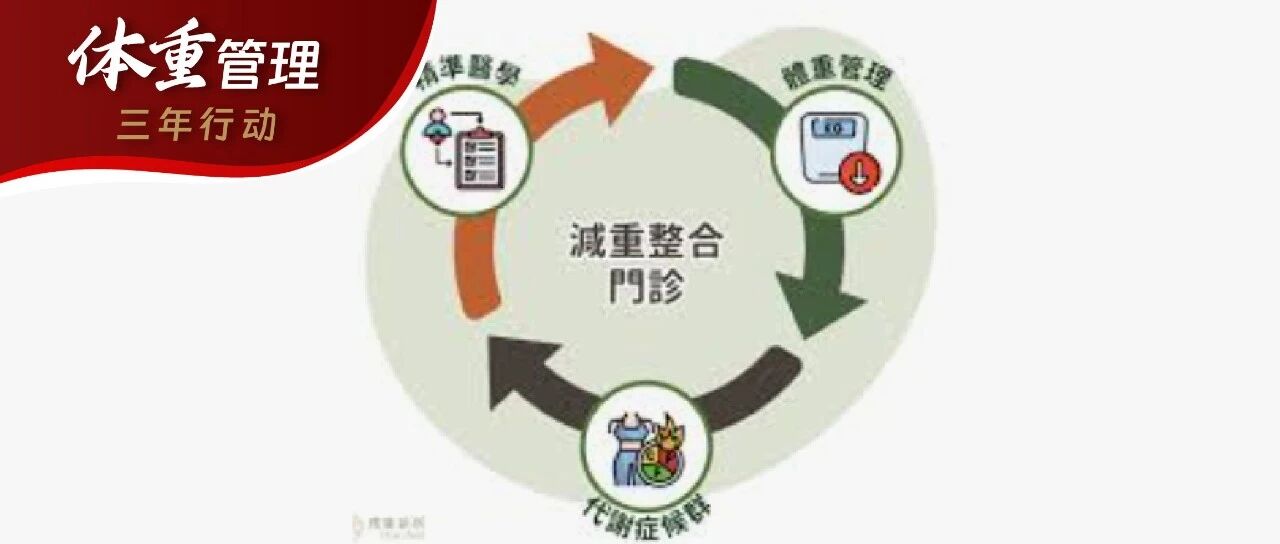
减重代谢门诊成为医院科室建设“新焦点”,多项政策协同推动体重管理服务体系升级
GLP1减重宝典· 2025-12-01 04:21
以下文章来源于体重管理三年行动 ,作者体重管理三年行动 体重管理三年行动 . 响应国家"健康中国2030"战略,落实"体重管理年"三年行动,本账号发布权威资讯 2025年4月,国家卫生健康委携手国家中医药局联合发布《关于做好健康体重管理门诊设置与管理工作的通知》,明确要求国家及省级综合医 院、儿童医院和中医医院,须在2025年6月底前基本实现体重管理门诊的全面覆盖。 这一政策的出台,正式拉开了全国医院体系体重管理门诊建设的序幕,充分展现了国家对日益严峻的超重与肥胖问题所采取的积极应对之策。 | 首页 | 工作动态 | 政策文件 | 关于我们 | 返回主站 > | | --- | --- | --- | --- | --- | | 政策文件 | | | | Q 影现在所在位置: 首页>欧贸文件 | | | 关于做好健康体重管理门诊设置与管理工作的通知 | | | | | | 发布时间:2025-04-11 来源: 西政司 | | | A A B | | | | | | 国卫办医政函(2025) 113号 | 肥胖困境:体重异常已经成为国民健康的重大隐患 目前,我国体重异常问题已演变为影响广泛的重大公共健康挑战。 ...
诺和诺德年内股价下跌43.10%!礼来替尔泊肽证明自己是真正的“减肥药之王”
GLP1减重宝典· 2025-12-01 04:21
整理 | GLP1减重宝典内容团队 ▍礼来:新晋"减肥药之王"的崛起 2025年第三季度,礼来报告替尔泊肽(糖尿病用Mounjaro+肥胖症用Zepbound)季度销售额突破100亿美元,进入全球最畅销药物之 列。截至2025年9月,礼来在美国GLP-1药物处方份额达到58%,诺和诺德为42%。替尔泊肽因显著优于司美格鲁肽的减重幅度与代谢 改善效果,被视为"下一代减肥药"的代表。 过去几年,GLP-1受体激动剂的代表药物——诺和诺德的司美格鲁肽(Ozempic/Wegovy)掀起全球减肥与糖尿病治疗热潮,推动公司 成 为 欧 洲 市 值 最 高 的 医 药 企 业 之 一 。 然 而 随 着 礼 来 的 加 入 , 行 业 格 局 迅 速 变 化 。 礼 来 的 双 靶 点 激 动 剂 替 尔 泊 肽 (Mounjaro/Zepbound)凭借更强的控糖与减重效果正在快速蚕食市场份额。在此背景下,诺和诺德股价近期出现明显回落,而礼来 则迎来新一轮估值上升。 ▍诺和诺德:昔日霸主的滑落 截至2025年底,诺和诺德股价显著下行,单日跌幅曾超过9%–12%。核心原因是其旗舰减肥与糖尿病药物需求不及预期,同时公司下 ...


速递|司美格鲁肽,或可减轻酒精带来的副作用?
GLP1减重宝典· 2025-11-30 13:49
Core Insights - The article discusses a recent study indicating that GLP-1 receptor agonists, popular weight loss medications, may not only reduce waist circumference and control blood sugar but also potentially diminish the effects of alcohol [5][8]. Summary by Sections What are GLP-1 Drugs? - GLP-1 drugs, such as Semaglutide (Ozempic and Wegovy) and Tirzepatide (Mounjaro), mimic natural hormones that regulate blood sugar and appetite [7]. Study Results - The study involved 20 obese adults, half of whom had taken GLP-1 drugs for at least four weeks. Participants consumed a measured amount of alcohol after fasting, aiming for a breath alcohol concentration of 0.08. Those on GLP-1 drugs reported feeling less intoxicated and experienced a delayed onset of alcohol effects due to slower gastric emptying [8]. - Participants taking GLP-1 drugs exhibited lower drinking desires, and nausea and blood sugar changes were similar between both groups, suggesting that reduced intoxication was not due to discomfort [8]. Limitations and Future Research Directions - The study is a small-scale preliminary trial without random assignment, focusing solely on obese patients. More research is needed to determine the drugs' effectiveness, long-term effects, and optimal dosages for blood sugar control and alcohol reduction [9]. - Experts caution that the findings do not establish causation and highlight the need for future studies to track overall alcohol consumption and drinking desires to assess potential compensatory behaviors [9]. Potential in Addiction Treatment - Emerging data suggest that GLP-1 drugs may play a role in addiction treatment, as GLP-1 receptors influence reward signals for food, alcohol, and nicotine. If validated in larger studies, these drugs could bridge endocrinology and behavioral health, shifting public focus from weight loss to broader medical applications [10].
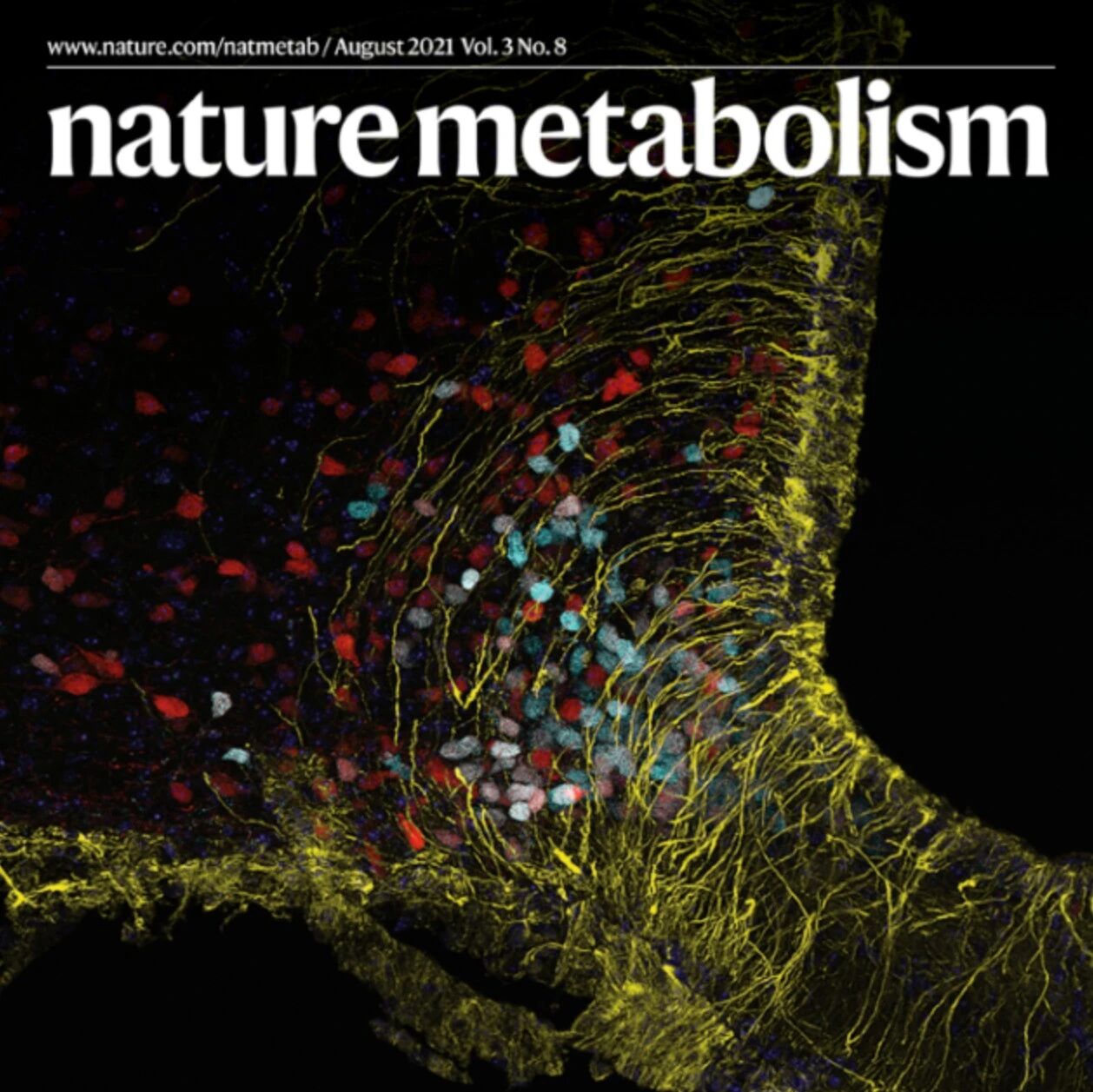
《自然·代谢》重磅发布:生酮饮食如何有效减重?复旦团队揭示肠道菌群与胆汁酸联手阻断能量吸收的全新机制
GLP1减重宝典· 2025-11-30 13:49
Core Viewpoint - The article discusses the rising popularity of the ketogenic diet and its mechanisms for weight loss, highlighting new research that reveals how this diet alters gut microbiota and affects bile acid levels, leading to reduced calorie absorption and potential therapeutic targets for obesity [6][15]. Group 1: Mechanisms of Ketogenic Diet - Traditional views suggest that the ketogenic diet induces ketone body production, prompting the body to use fat as an energy source. However, recent studies indicate that the weight loss mechanisms are more complex, including a significant increase in energy expenditure [7]. - Research from Fudan University reveals that the ketogenic diet alters specific gut microbiota, reducing bile salt hydrolase (BSH) levels, which leads to increased levels of taurodeoxycholic acid (TDCA) and taurocholic acid (TUDCA) in the bloodstream. These substances inhibit intestinal carbonic anhydrase 1 expression, directly blocking calorie absorption [7][11]. - A targeted metabolomics analysis of mice on a high-fat ketogenic diet showed a significant reduction in body weight and fasting blood glucose, with 22 metabolites elevated, including six bile acids. Notably, TDCA and TUDCA were found to play crucial roles in the weight loss mechanism [11][12]. Group 2: Clinical Observations and Implications - A clinical study involving over 400 participants confirmed that low plasma levels of TDCA and TUDCA correlate with high BMI and fasting blood glucose levels. Participants on a 12-week ketogenic diet lost an average of 5.27 kg, with significant increases in TDCA and TUDCA levels, aligning with findings from mouse experiments [8][14]. - The research supports the potential of TDCA and TUDCA as therapeutic targets for obesity and related metabolic diseases, providing a new perspective on the mechanisms of weight loss through the ketogenic diet [15]. - Further analysis of the gut environment in mice confirmed that changes in TDCA and TUDCA levels are closely related to gut microbiota, with gut microbiota transplants from ketogenic diet mice to recipient mice also resulting in weight loss [16].
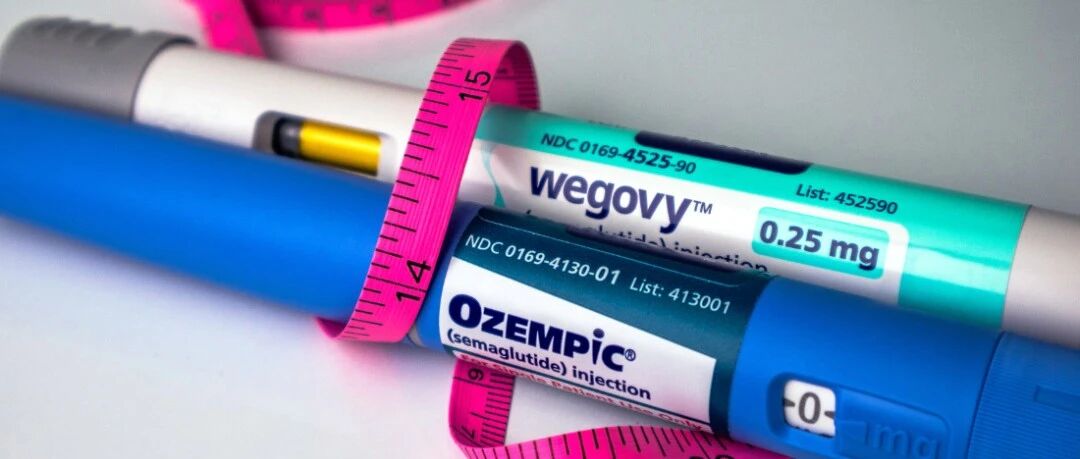
低剂量司美格鲁肽:既能显著减重,又能减少副作用
GLP1减重宝典· 2025-11-30 13:49
Core Insights - The article discusses the effectiveness of personalized dosing of semaglutide in preventing weight regain during weight loss programs, emphasizing the importance of lifestyle guidance alongside medication [4][6]. Group 1: Research Findings - A recent study presented at the European Obesity Congress (ECO) highlights the advantages of using personalized doses of semaglutide in weight loss plans [4]. - The study involved 2,246 individuals in Denmark, primarily women with an average age of 49 and an average BMI of 33.2, participating in a weight management program that included dietary advice, exercise, and psychological support [9]. - The average weight loss reported at week 64 was 14.8% (approximately 14.8 kg), and at week 76, it was 14.9% (approximately 14.9 kg) [12]. Group 2: Medication and Dosing - Semaglutide, a GLP-1 receptor agonist, mimics the action of the GLP-1 hormone to reduce appetite and increase satiety [5]. - The standard dosing protocol involves starting with a lower dose (0.25 mg weekly) and gradually increasing it, with a maximum dose of 2 mg for Ozempic and 2.4 mg for Wegovy [11]. - Patients in the study used approximately one-third of the standard treatment dose, with an average maximum dose of 0.77 mg [12]. Group 3: Patient Outcomes - All 68 patients who reported their weight at week 64 experienced a weight loss of over 5%, with 85.3% of them losing more than 10% of their baseline weight [13]. - The study suggests that combining medication with nutritional and exercise guidance can significantly reduce the likelihood of weight regain after stopping the medication [6].
肥胖挑战与减重新机遇:中国健康现状深度解析
GLP1减重宝典· 2025-11-30 13:49
Core Viewpoint - The article emphasizes the urgent need for a national initiative to combat obesity in China, highlighting the launch of a three-year "Weight Management Year" action plan in response to rising obesity rates and associated health risks [5][22]. Obesity Status - China is facing an unprecedented obesity crisis, with adult overweight rates reaching 34.3% and obesity rates at 16.4% as of 2018, marking increases of 50.4% and 130.9% respectively since 2002 [9]. - The obesity rates among children and adolescents are alarming, with overweight rates at 11.1% and obesity rates at 7.9% for ages 6-17, and a 10.4% obesity rate for children under 6 [9]. - Projections indicate that by 2030, adult overweight and obesity rates could exceed 70%, while rates for children and adolescents may reach 31.8%, particularly in rural areas [9]. Disease Burden Associated with Obesity - Obesity is a significant risk factor for various chronic diseases, including type 2 diabetes, cardiovascular diseases, and certain cancers [11]. - Individuals with obesity are 3 to 7 times more likely to develop diabetes compared to those with normal weight, with hypertension and hyperlipidemia rates being 2.8 times and 2.3 times higher, respectively [11]. - The economic burden of obesity-related healthcare costs exceeds 200 billion yuan annually, accounting for 12% of total chronic disease expenditures [13]. Weight Management Action Plan - The "Weight Management Year" initiative aims to enhance public awareness and skills related to weight management, targeting a 10% annual reduction in obesity rates by 2026 [22]. - By 2030, the plan seeks to establish a supportive environment for weight management, promote healthy lifestyles, and reduce the upward trend of overweight and obesity in the population [22].