GLP1减重宝典

Search documents
降低58.4斤!替尔泊肽减重效果超越胃部切除手术
GLP1减重宝典· 2025-08-05 10:19
Core Viewpoint - Tirzepatide has shown significant weight loss results in clinical trials, demonstrating its potential as an effective treatment for obesity and type 2 diabetes [4][6][9]. Group 1: Clinical Trial Results - The SURMOUNT-3 study reported an average weight loss of 21.1% at 72 weeks for patients treated with tirzepatide, with a total average weight loss of 26.6% (29.2 kg) at 84 weeks, compared to only 3.8% (4.1 kg) in the placebo group [9]. - In the SURMOUNT-CN trial, patients receiving 10 mg and 15 mg of tirzepatide experienced weight reductions of 14.4% and 19.9% respectively at 52 weeks, significantly outperforming the placebo group [10]. - The proportion of patients losing at least 5% of their body weight was 91.4% and 92.7% for the 10 mg and 15 mg groups, respectively, compared to 29.4% in the placebo group [10]. Group 2: Safety Profile - The overall safety profile of tirzepatide in the SURMOUNT studies was consistent with previous research, with the most common adverse effects being gastrointestinal in nature, mostly mild to moderate [9][11]. Group 3: Comparison with Surgical Options - Tirzepatide's weight loss efficacy is comparable to that of bariatric surgery, which has an average weight loss rate of 25.2% after one year for sleeve gastrectomy, the most common metabolic surgery [12].



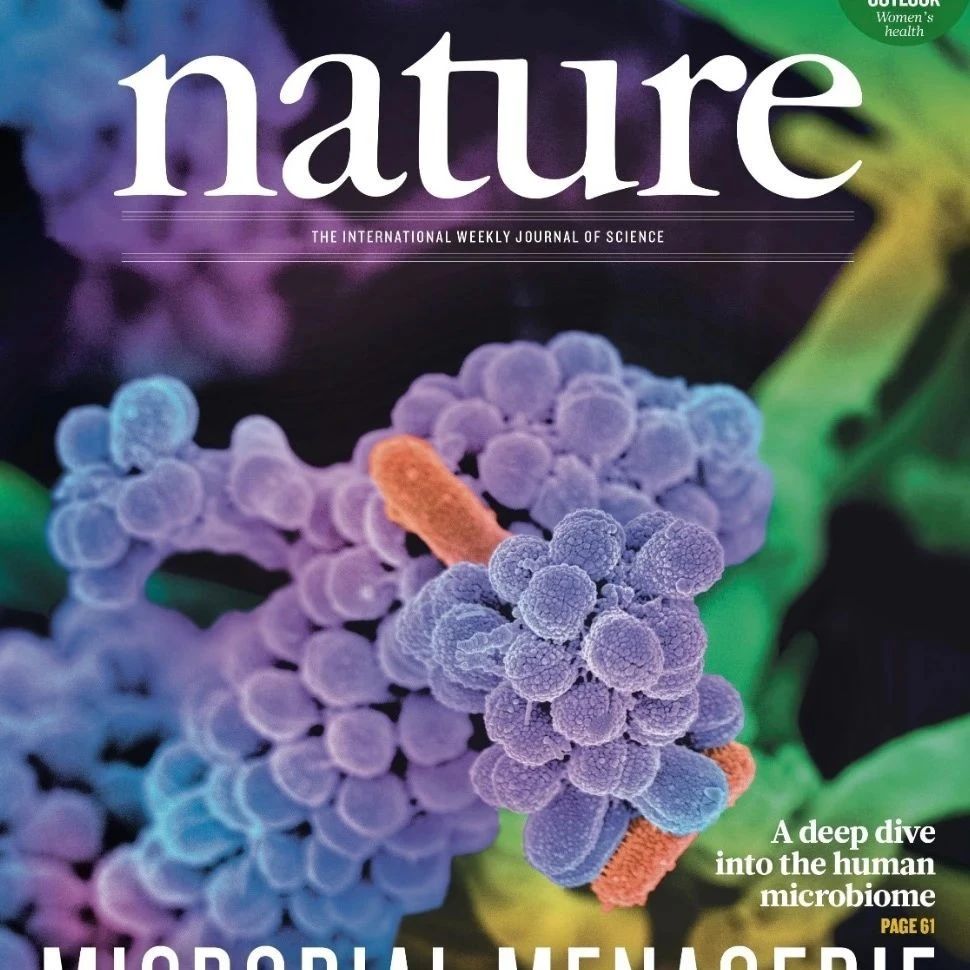
《Nature》权威发布减肥如何重塑你的脂肪生态系统?
GLP1减重宝典· 2025-08-05 10:19
Core Viewpoint - The article discusses the significant health risks associated with obesity, emphasizing that it is not merely an aesthetic issue but a precursor to various metabolic diseases. The research highlights the mechanisms of fat tissue remodeling during weight loss and its implications for metabolic health management [6][18]. Group 1: Fat Tissue Remodeling Overview - A comprehensive single-cell atlas of adipose tissue was constructed, analyzing 171,247 cells from 70 subjects, including 25 severely obese individuals. The study focused on subcutaneous abdominal fat, revealing abnormal immune cell aggregation and a decrease in mature adipocytes in obese individuals, which improved significantly after weight loss [8][10]. Group 2: Abnormal Activation of Macrophages - The proportion of macrophages in adipose tissue increased from 14% to 31% in obesity, particularly lipid-associated macrophages (LAMs). Weight loss reduced this proportion to 18%, with a decrease in inflammation-related gene expression, although some metabolic activation remained, indicating potential epigenetic memory [10][12]. Group 3: Adipocyte Renewal and Metabolic Adaptation - Eight types of mature adipocytes were identified, with "stress-type" and "fibrotic-type" cells increasing in obesity, while "lipid-synthesis-type" cells decreased. Weight loss effectively reduced the stress-type cells and restored lipid-synthesis-type cells, enhancing metabolic functions and insulin sensitivity [12][14]. Group 4: Reversal of Multi-Cellular "Stress" State - Various subtypes of adipose precursor cells (APCs) were identified, with an increase in "stress-type" APCs during obesity. Weight loss led to a reduction in these cells and downregulated hypoxia and anti-adipogenic signals, improving the overall adipose tissue environment [14][16]. Group 5: Weight Loss and Cellular Aging - Weight loss was shown to downregulate multiple cellular aging markers, reducing the aging characteristics in adipose, precursor, and vascular cells. The study indicated a shared network between stress and aging cells, which weight loss could effectively mitigate [16][18].
速递|银诺医药通过港交所上市聆讯!中信中金为联席保荐人
GLP1减重宝典· 2025-08-04 09:51
Core Viewpoint - The article highlights the progress and potential of Yinuo Pharmaceutical's candidate drug, Isupatide α, which is set to be the first domestically approved long-acting GLP-1 receptor agonist in China for the treatment of type 2 diabetes, with commercialization expected to begin in February 2025 [2][4]. Drug Pipeline and Milestones - Yinuo Pharmaceutical has established a pipeline of drugs targeting various indications, with Isupatide α's BLA for type 2 diabetes already accepted by the National Medical Products Administration (NMPA) in September 2023, and expected to receive market approval in the first half of 2025 [3][4]. - The company has also received FDA IND approval for a clinical trial targeting Metabolic Dysfunction-Associated Steatotic Liver Disease (MASH), with plans to conduct multi-center Phase IIa trials in both China and the U.S. [6]. - Five additional candidate drugs are in the preclinical stage and are preparing for IND submissions [6]. Market Outlook - The GLP-1 therapy market is projected to grow significantly, with the global market size expected to increase from $14.7 billion in 2024 to $33.8 billion by 2028. The Chinese market is anticipated to grow even faster, from 400 million RMB in 2024 to 20.7 billion RMB by 2028 [3][4]. Financial Overview - Yinuo Pharmaceutical's projected revenues for 2023 and 2024 are 16.85 million and 20.06 million RMB, respectively. Research and development expenditures are forecasted at 492 million and 100 million RMB, while administrative expenses are expected to be 256 million and 84.46 million RMB, leading to net losses of 733 million and 175 million RMB for the respective years [6].

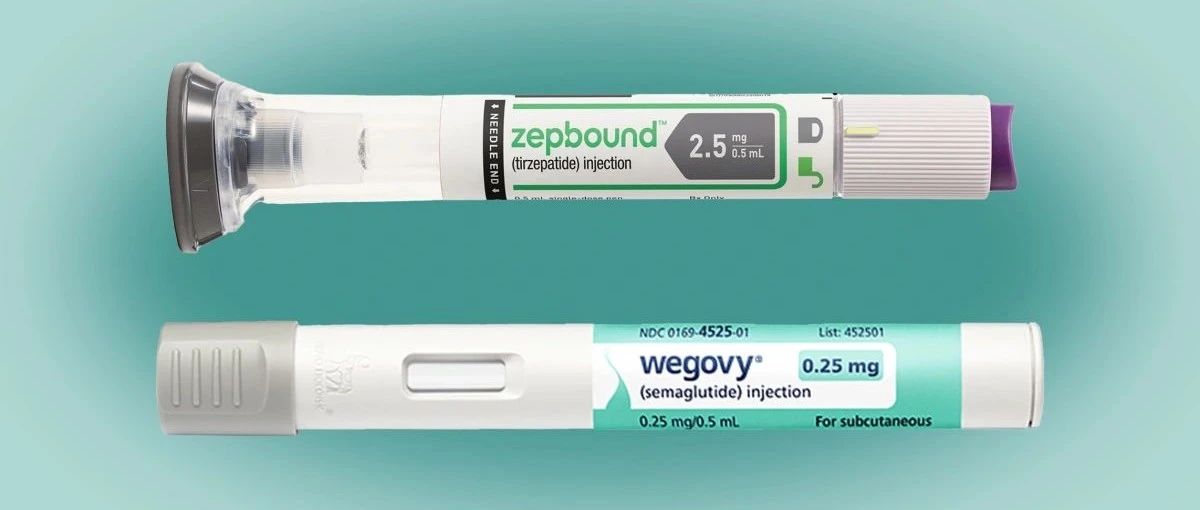
听说比司美格鲁肽更强的减肥神器替尔泊肽也上市了?
GLP1减重宝典· 2025-08-04 09:51
Core Viewpoint - Tirzepatide, developed by Eli Lilly, has shown significant potential in treating type 2 diabetes and obesity, receiving FDA approval for both indications in 2022 and 2023 respectively [4][5]. Mechanism of Action - Tirzepatide is a dual agonist that targets GLP-1 and GIP, enhancing insulin secretion and controlling blood sugar levels more effectively than single receptor agonists [6]. - The design of Tirzepatide improves GLP-1 activity, making its GIP activity approximately ten times that of GLP-1, leading to stronger glucose-lowering effects [6]. Efficacy Comparison - In the SURMOUNT-1 trial, patients treated with 15mg of Tirzepatide lost an average of 22.5% of their body weight, marking it as the first drug in phase 3 trials to show over 20% weight loss [9]. - In the SURMOUNT-3 trial, overweight or obese patients without diabetes lost an average of 26.6% of their body weight, setting a new record for weight loss efficacy [9]. - Compared to Semaglutide, Tirzepatide demonstrated superior weight loss results: 15.7% weight loss for diabetic patients versus 9.6% for Semaglutide, and 22.5% versus 15% for non-diabetic obese patients [9]. Long-term Effects - A study analyzing over 18,000 electronic health records showed that Tirzepatide outperformed Semaglutide in various weight loss metrics over a year [10]. - The study found that 81.8% of Tirzepatide patients achieved over 5% weight loss, compared to 66.5% for Semaglutide [11]. - After 12 months, Tirzepatide patients lost an average of 15.3% of their body weight, while Semaglutide patients lost 8.3% [13]. Safety Profile - Both Tirzepatide and Semaglutide share common side effects, primarily gastrointestinal issues, but Tirzepatide may offer better tolerability due to its dual action [15]. - Approximately 80% of Tirzepatide users reported at least one side effect, with 33% experiencing nausea compared to 44% for Semaglutide [15]. Production Capacity - Eli Lilly announced a $5.3 billion investment to increase production capacity for Tirzepatide, bringing total investment to $9 billion, addressing previous supply shortages [17]. - The approval of Tirzepatide and Semaglutide provides more options for patients seeking weight management, with Tirzepatide potentially offering better efficacy and tolerability [17].
Cell 子刊重磅揭示:早餐吃得丰盛,全天更易控饥饿,减肥变得更简单!
GLP1减重宝典· 2025-08-04 09:51
Core Viewpoint - The article emphasizes the importance of meal timing in weight loss, suggesting that a higher caloric intake at breakfast may lead to better appetite control and easier adherence to weight loss plans, despite similar weight loss results compared to a higher caloric intake at dinner [6][11][12]. Summary by Sections - **Study Overview**: A recent study published in *Cell Metabolism* involved 30 overweight or obese volunteers who followed two different meal timing plans for four weeks: one with a higher caloric intake at breakfast and the other with a higher intake at dinner [6][7]. - **Weight Loss Results**: Both dietary approaches resulted in an average weight loss of approximately 3.3 kg, indicating that the timing of caloric intake did not significantly affect weight loss outcomes [11]. - **Appetite Control**: Participants who consumed more calories at breakfast reported lower daily hunger levels and better appetite control, suggesting that a substantial breakfast may help mitigate feelings of hunger throughout the day [11][12]. - **Physiological Mechanisms**: A larger breakfast may slow gastric emptying and increase the secretion of satiety hormones while decreasing hunger hormone levels, which can help in appetite regulation [13][14]. - **Biological Clock Alignment**: The article notes that aligning meal timing with the body's biological clock may enhance weight loss effectiveness, as humans are naturally inclined to consume more energy during the day [15].

Nature子刊重磅!"过5不食"不仅减肥,更成代谢健康新利器
GLP1减重宝典· 2025-08-03 09:07
Core Insights - Time-restricted eating (TRE) is emerging as a significant health trend, supported by scientific research demonstrating its benefits beyond weight management, including metabolic health improvements [5][6][15]. Group 1: Research Findings on TRE - A study published in *Nature Medicine* analyzed the effects of different TRE patterns on metabolic health in 197 overweight or obese adults, revealing that the timing of eating significantly influences metabolic outcomes [8]. - The study categorized participants into four groups: control group, early TRE (eating window starts before 10 AM), late TRE (eating window starts after 1 PM), and self-selected TRE [8]. - Results indicated that early TRE showed superior benefits in reducing subcutaneous fat and lowering fasting and nighttime blood sugar levels compared to other groups [12][13]. Group 2: Specific Outcomes of TRE - Early TRE group exhibited a 5% greater reduction in subcutaneous fat compared to the control group, while late and self-selected TRE groups showed no significant changes [11]. - Fasting blood sugar levels decreased by 6 mg/dl in the early TRE group, outperforming the late and self-selected groups, which had reductions of 8 mg/dl and 5 mg/dl, respectively [12]. - Nighttime blood sugar levels dropped by 7 mg/dl in the early TRE group, significantly more than the reductions in the other groups [12]. Group 3: Implications for Personalized Diet Interventions - The findings suggest that the timing of food intake is crucial for optimizing metabolic health, with early TRE being particularly effective [13]. - The study emphasizes the need for personalized dietary interventions that consider individual preferences for eating windows to maximize health benefits [15]. - Despite the lack of significant impact on visceral fat, early TRE's effects on other health metrics highlight its potential as a safe and effective weight management strategy [15].

《自然·代谢》重磅:生酮饮食为何真能瘦?复旦科学家破解肠道微生物与胆汁酸协同阻断能量吸收新机制
GLP1减重宝典· 2025-08-03 09:07
Core Viewpoint - The article discusses the recent findings on the ketogenic diet, revealing its mechanisms for weight loss beyond traditional beliefs, particularly focusing on the role of specific bile acids and gut microbiota in reducing calorie absorption and promoting fat metabolism [6][7][15]. Group 1: Mechanisms of Ketogenic Diet - The ketogenic diet induces the production of ketone bodies, leading the body to utilize fat as an energy source, but recent studies show it also significantly increases energy expenditure [7]. - Research from Fudan University indicates that the ketogenic diet alters gut microbiota composition, reducing levels of bile salt hydrolase (BSH) and increasing levels of taurodeoxycholic acid (TDCA) and taurocholic acid (TUDCA), which inhibit calorie absorption [7][12]. - A clinical study involving over 400 participants confirmed that lower plasma levels of TDCA and TUDCA correlate with higher BMI and fasting blood glucose levels, suggesting these bile acids could be potential therapeutic targets for obesity [8][14]. Group 2: Experimental Findings - In a study with mice on a high-fat ketogenic diet (75.1% fat), significant weight loss and reduced fasting blood glucose were observed, alongside an increase in 22 metabolites, including six bile acids [11]. - The study found that TDCA and TUDCA significantly reduced body weight and improved glucose tolerance in normal diet mice, indicating their crucial role in the weight loss mechanism of the ketogenic diet [11][12]. - Analysis of gut microbiota revealed that specific strains, such as Lactobacillus murinus ASF361, significantly influence the levels of TDCA and TUDCA, thereby affecting weight and blood sugar levels [12][16]. Group 3: Clinical Implications - Participants in a 12-week ketogenic diet study lost an average of 5.27 kg, with significant increases in plasma TDCA and TUDCA levels, correlating with changes in BMI and fasting blood glucose [14]. - The findings support the potential of TDCA and TUDCA as therapeutic targets for obesity and related metabolic diseases, providing a new perspective on the mechanisms of weight loss through the ketogenic diet [15].
司美格鲁肽,如何发挥功效逆转脂肪肝?
GLP1减重宝典· 2025-08-03 09:07
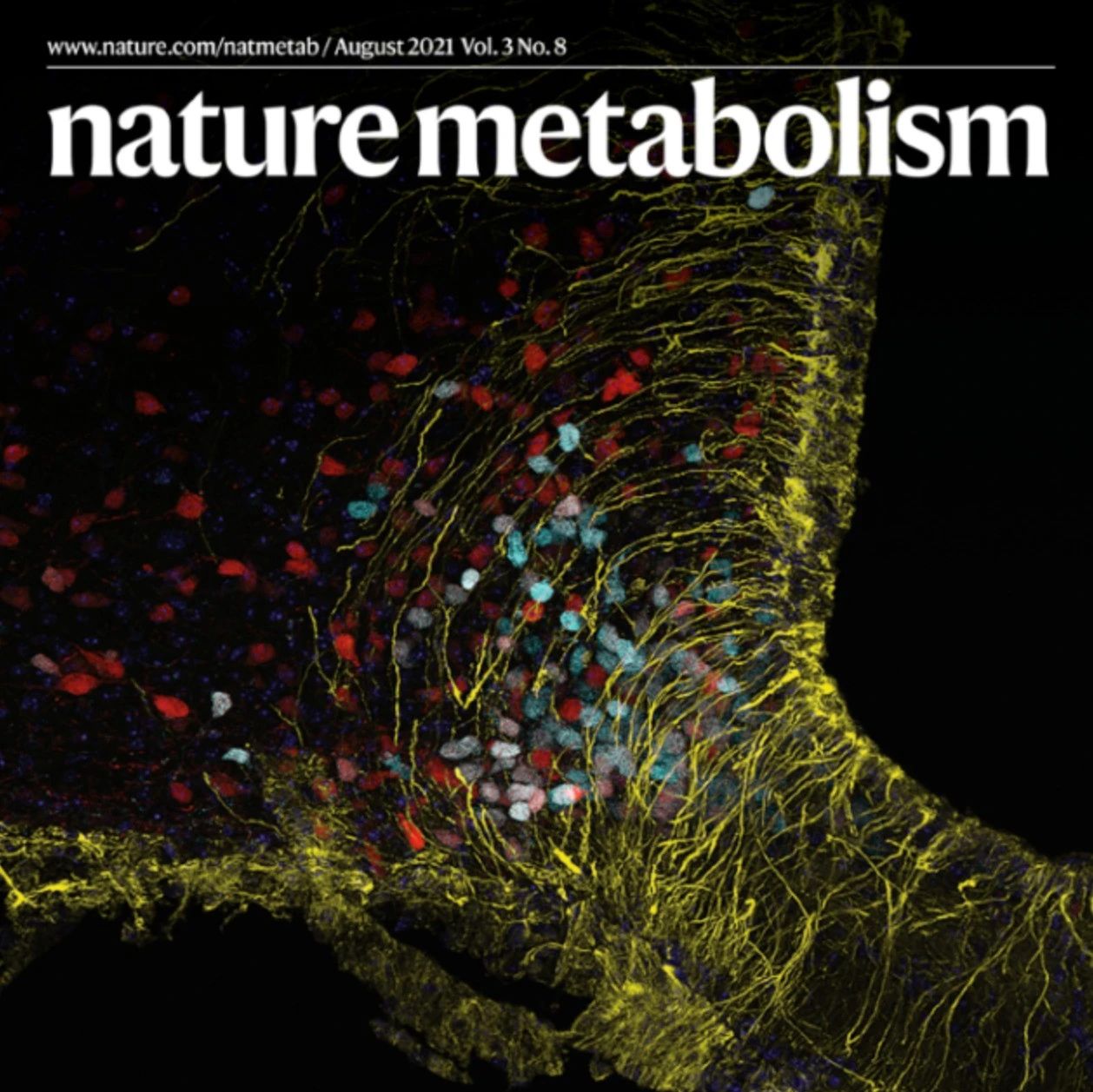
Core Viewpoint - The article discusses the significant role of GLP-1 receptor agonists, particularly semaglutide, in treating metabolic dysfunction-associated steatohepatitis (MASH) and its mechanisms beyond weight loss [6][12]. Group 1: Mechanism of Action - Semaglutide shows a strong effect on blood sugar control and weight loss, rapidly gaining recognition as a "miracle drug" for weight management [6]. - A recent study published in *Nature Medicine* reveals that semaglutide not only aids in weight loss but also has direct effects on liver tissue, indicating multiple pathways of action [6][12]. - Mediation analysis indicates that approximately 69.3% of the total effect on MASH relief can be attributed to weight loss, while the contribution to combating liver fibrosis drops to only 25.1%, suggesting other mechanisms are at play [7][12]. Group 2: Protein Analysis - The study identified 72 proteins associated with MASH relief and semaglutide treatment, many of which are linked to metabolic, fibrotic, or inflammatory pathways [9]. - In a separate cohort, these proteins were found to be abnormally expressed in MASH patients, and their levels normalized after semaglutide treatment, indicating a "reset" of pathological protein profiles [9][11]. Group 3: Animal Studies - Animal models demonstrated that semaglutide can inhibit fibrosis independently of weight loss, with significant reductions in liver fibrosis markers observed even in models that did not gain weight [10][11]. - The gene expression profiles in liver tissues showed downregulation of genes related to inflammation and collagen synthesis, confirming direct anti-fibrotic mechanisms [10][11]. Group 4: Future Implications - The research presents a comprehensive view of semaglutide's action against MASH, highlighting that while weight loss is a crucial mechanism, there are additional molecular effects that contribute to its efficacy [12][14]. - If future trials validate the predictive value of the identified protein markers, they could serve as dynamic biomarkers for early identification, personalized treatment, and efficacy monitoring in MASH patients [12][14].
7.28《体重管理诚信服务规范》全面宣贯,助力健康中国建设
GLP1减重宝典· 2025-08-02 08:33
Core Viewpoint - The article emphasizes the importance of weight management as a key strategy in China's "Healthy China 2030" initiative, highlighting the launch of a three-year action plan aimed at curbing the rising rates of overweight and obesity in the population [7][30]. Summary by Sections National Strategy and Action Plan - The "Weight Management Year" action plan aims to initially curb the rising trend of overweight and obesity by 2025 and establish a supportive environment for weight management by 2030. Current data indicates that over 50% of adults in China are overweight or obese, with related healthcare costs accounting for 12% of total medical expenditures [7][30]. Introduction of Standards - The introduction of the "Weight Management Integrity Service Specification" is a proactive response to national strategies and serves as an important guideline for industry self-regulation. This standard is based on existing national standards and aims to address trust issues and service irregularities within the industry [9]. Core Contents of the Standards - The four core components of the standards include: 1. Establishing an integrity service system that requires service providers to publicly declare their integrity and accept social supervision [12]. 2. Implementing comprehensive service norms covering service commitments, contract fulfillment, pricing transparency, and service content [13]. 3. Creating a dynamic management mechanism through a public information platform for weight management services [14]. 4. Ensuring that service personnel are certified and undergo regular professional training [15]. Industry Ecosystem Development - The establishment of a dual guarantee system combining standards and a code of conduct aims to drive high-quality development in the industry. This includes: 1. Building a self-regulation mechanism that encourages companies to integrate integrity standards into their daily operations [18]. 2. Enhancing the supervision system through a three-tiered regulatory framework involving self-regulation, industry oversight, and social evaluation [19]. 3. Improving service quality by setting clear service standards and establishing benchmarks for excellent service [20]. 4. Protecting consumer rights through a comprehensive system that ensures pre-emptive regulation, ongoing supervision, and post-event accountability [21]. Future Outlook - The "Standards + Code of Conduct" model is expected to be promoted nationwide by the end of 2026, aiming to create a modern governance structure characterized by government guidance, standard support, industry self-regulation, and social oversight. The industry is encouraged to transition from scale expansion to high-quality development, contributing to improved public health [23].

中国糖尿病死亡警示录重磅发布!40岁确诊恐减寿4年,心血管疾病成头号杀手
GLP1减重宝典· 2025-08-02 08:33
Core Viewpoint - The article highlights the alarming increase in diabetes prevalence in China, emphasizing its significant impact on mortality and life expectancy, particularly among specific demographics such as rural populations and younger individuals [5][8][12]. Summary by Sections Diabetes Prevalence and Impact - Diabetes incidence in China surged 17 times from 0.7% in 1980 to 12.4% in 2018, with over 140 million adult patients by 2021, projected to reach 174 million by 2045 [5]. - The proportion of prediabetic individuals has reached 38.1%, indicating a growing public health concern [5]. Mortality Risks Associated with Diabetes - A study published in "Diabetes Care" revealed that diabetes patients face a 61% higher risk of all-cause mortality and a 59% increased risk of death from cardiovascular diseases (CVD) compared to those with normal blood sugar levels [6][8]. - Even prediabetic individuals experience an 8% and 10% increase in all-cause and CVD mortality risks, respectively [6]. Life Expectancy Reduction - Diagnosis of diabetes at age 40 can reduce life expectancy by approximately 4.2 years for women and 4.3 years for men [8]. - Prediabetic individuals also face a reduction in life expectancy, averaging 0.7 years for those diagnosed at 40 [8]. Cardiovascular Disease Risks - Diabetes patients have a 59% increased risk of death from CVD, with rural patients facing a 75% higher risk compared to urban counterparts [12]. - Younger patients (under 65) are at a higher risk of CVD-related mortality than older patients, with a 89% increase compared to 42% for older groups [12]. Cancer and Other Health Risks - Diabetes patients show a 31% higher overall cancer mortality rate, with specific increases of 40% for lung cancer and 134% for liver cancer [13][14]. - The study emphasizes the need for targeted prevention strategies, especially in rural areas and among younger populations [14]. Recommendations for Action - Establishing a diabetes-CVD prevention and control system in rural areas is crucial [14]. - Clinical treatments should consider the patient's location and age to enhance effectiveness [14]. - There is a strong call for increased public awareness and early screening for blood sugar abnormalities to mitigate health risks [14].