digihuman(835670)

Search documents
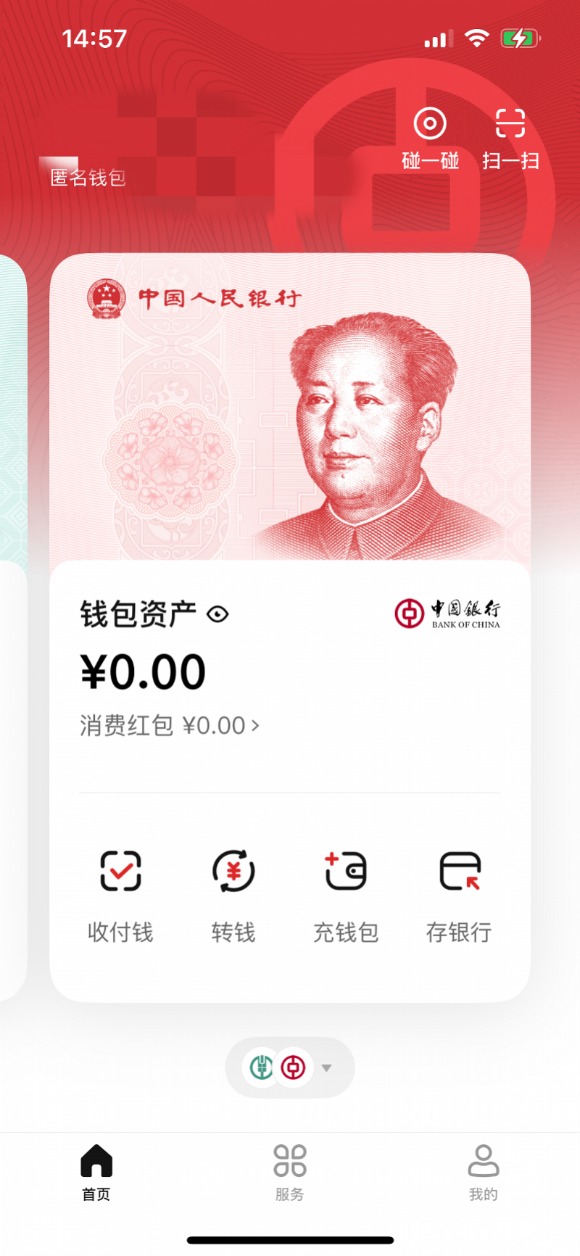
数字人民币迈入“2.0时代” 规模化普及再提速
Zheng Quan Ri Bao· 2026-01-09 16:47
Core Insights - The launch of the "Carbon Inclusive" service marks the beginning of the "2.0 era" for digital RMB, indicating a shift towards deeper ecosystem development and systematic operations [1][3] Group 1: Digital RMB 2.0 Era - The digital RMB app was upgraded to version 2.0 on January 2, 2026, and the "Carbon Inclusive" service was launched on January 8, 2026, focusing on green finance applications [1][2] - The "Carbon Inclusive" service allows users to earn carbon credits for low-carbon activities, which can be converted into digital RMB, enhancing user engagement and promoting sustainable behaviors [2][3] Group 2: Strategic Upgrades - The introduction of interest on real-name wallet balances signifies a transition from "digital cash" (M0) to "digital deposit currency" (M1), enhancing the value storage function of digital RMB [3] - The combination of the "Carbon Inclusive" program and interest-bearing wallets is seen as a dual engine driving the accelerated adoption of digital RMB, integrating it into daily life and green development [3] Group 3: Future Trends - The People's Bank of China has outlined a new management and service framework for digital RMB, set to be implemented on January 1, 2026, with significant transaction volumes already recorded [4][5] - Future trends for digital RMB include accelerated scaling, expanded application scenarios, enhanced cross-border payment capabilities, and improved regulatory frameworks, positioning it as a key infrastructure for global payments [5]

宇信科技:公司深度参与数字人民币全链条系统开发
Zheng Quan Ri Bao Wang· 2026-01-09 14:11
Core Viewpoint - Yuxin Technology (300674) is a leading financial technology solution provider in China, deeply involved in the development of the digital RMB system, covering the entire chain from issuance to operation and consumption [1] Group 1: Company Involvement in Digital RMB - The company has participated in the digital RMB system construction since its 1.0 phase, collaborating with major state-owned banks and small to medium-sized banks [1] - Yuxin Technology has developed a comprehensive system for the digital RMB, including front-end app functionality, middle-end systems, and back-end clearing processes, accumulating successful case studies in key payment areas [1] Group 2: Technical Capabilities and Project Experience - The company possesses complete project experience and technical reserves in the digital currency field, including cross-border applications, with mature practical capabilities in core areas such as smart contracts and account system integration [1] - Yuxin Technology is transitioning its marketing planning capabilities for banking financial products to the operation design and execution of digital RMB smart contracts, supporting operational institutions in achieving sustainable and assessable scenario innovations [1]

深圳:数字人民币预付模式签约商家破5700家,管理资金超51亿元
Bei Jing Shang Bao· 2026-01-09 13:02
Core Insights - The "Currency Bridge" initiative has facilitated over 24.8 billion yuan in business for enterprises going abroad, covering various application scenarios including goods trade, service trade, capital projects, supply chain, and bulk commodity transactions [1] - The number of merchants signed up for the digital yuan prepayment model has exceeded 5,700, serving over 2.8 million customers and managing funds exceeding 5.1 billion yuan [1] - The Shenzhen AI City Travel Card, which integrates hard wallet functions, was launched at the Jinbo Conference, marking the first time digital yuan hard wallet self-service terminals have been introduced at the APEC informal senior officials' meeting, providing a one-stop experience for "finance + culture tourism" and "finance + conferences" [1]
数字人民币“入表”与“出师”
Jing Ji Guan Cha Wang· 2026-01-09 12:19
Core Insights - Starting from January 1, 2026, digital renminbi (e-CNY) will begin to accrue interest, marking a significant shift in its functionality and regulatory status [1][2] - The introduction of interest on digital renminbi signifies its formal inclusion in the regulatory and banking asset framework, enhancing its credibility and usability in both domestic and international contexts [1][3] Group 1: Institutional Upgrades - The interest-bearing feature serves as an incentive mechanism, transitioning digital renminbi from a "cash-like" to a "deposit-like" asset, encouraging users to retain funds [2] - Digital renminbi's inclusion in the deposit insurance system provides a clear institutional backing for its safety, moving beyond mere verbal assurances [2] - The emergence of digital renminbi as a deposit-like asset will necessitate a re-evaluation of monetary statistics and reserve requirements, posing significant governance challenges [2] Group 2: Cross-Border Expansion - The cross-border strategy for digital renminbi relies on a combination of interfaces, rules, and scenarios, emphasizing the importance of clear settlement paths and compliance [3] - As of November 2025, digital renminbi has processed 3.48 billion transactions worth 16.7 trillion yuan, with a significant portion of cross-border payments facilitated through the mBridge project [3] - Despite the progress, the mBridge platform is not yet a viable alternative to the SWIFT system, indicating that its adoption will be gradual and context-specific [3][4] Group 3: Future Outlook - The digital renminbi is positioned to evolve into a systematic product that is replicable, governable, auditable, and accessible, moving beyond mere technological competition [5] - The internationalization of the renminbi is shifting from a theoretical discussion to a practical consideration for many institutions, as it becomes a credible infrastructure option [5] - The introduction of interest on digital renminbi represents a pivotal moment in its development, potentially transforming it into a fully functional currency with time-based incentives [6]
数字人民币升级,你的钱开始"躺赚"!精准支付上线,告别预付跑路
Sou Hu Cai Jing· 2026-01-09 11:17
Core Viewpoint - The introduction of interest on digital renminbi starting January 1, 2026, represents a significant transformation in financial security, banking motivation, and national financial strategy, beyond just earning interest on deposits [1]. Group 1: Digital Renminbi and Interest - Digital renminbi will officially enter the interest-bearing era, allowing users to earn interest on their balances, which shifts the perception of digital currency from "dead money" to an asset that generates income [13][15]. - The transition of digital renminbi from "central bank liabilities" to "bank deposits" enables banks to utilize these funds for lending, thus creating profit opportunities [15][17]. Group 2: Smart Contracts and Consumer Protection - The implementation of smart contracts addresses consumer concerns regarding prepayments, ensuring that funds are only released under specific conditions, thereby protecting users from potential business failures [5][9]. - Smart contracts can also facilitate targeted spending, allowing users to restrict how funds are used, which enhances financial management and reduces the risk of fraud, especially for vulnerable populations like the elderly [7][9]. Group 3: Financial Security and Transparency - The digital renminbi enhances financial security by being fully regulated and traceable, which helps prevent financial risks and ensures transparency in transactions [20]. - The system's design aims to provide a secure payment environment, safeguarding against issues that could arise from unregulated private payment platforms [18][20]. Group 4: International Implications - The digital renminbi, in conjunction with platforms like mBridge, offers a viable alternative to the traditional SWIFT system, potentially reducing reliance on the US dollar and enhancing the international influence of the renminbi [22][24]. - The growing adoption of the digital renminbi among countries along the Belt and Road Initiative signifies its strategic importance in global trade and finance [24][26].

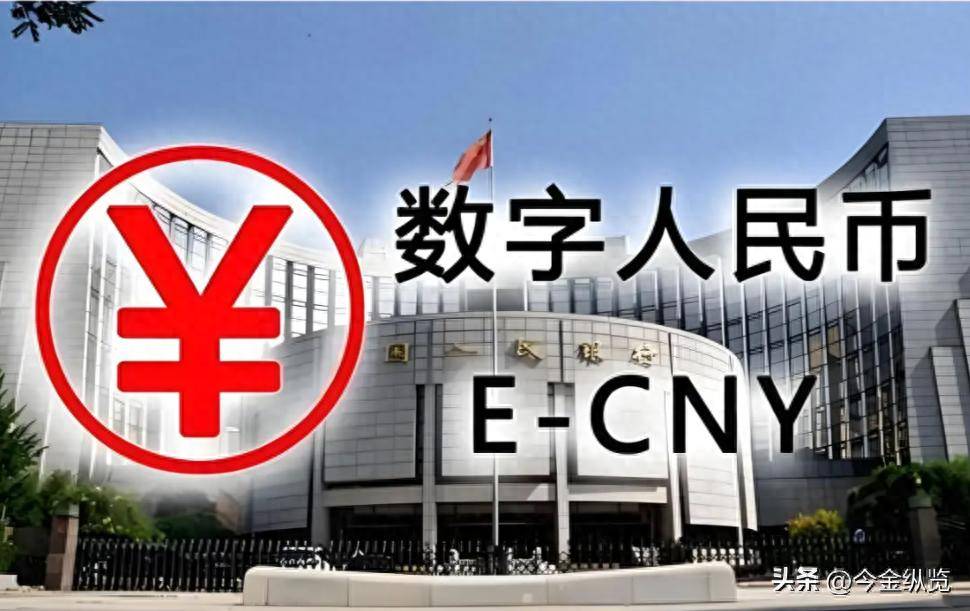
可计付利息!数字人民币升级2.0版影响几何?
Guo Ji Jin Rong Bao· 2026-01-09 10:00
Core Viewpoint - The transition of digital renminbi from cash-type 1.0 version to deposit currency-type 2.0 version will allow for interest payments on real-name digital renminbi wallet balances, aligning with bank demand deposit rates, thus enhancing its appeal and functionality in the financial system [1][8][12]. Group 1: Changes in Digital Renminbi - Starting January 1, 2026, real-name digital renminbi wallet balances will earn interest based on the bank's demand deposit rates, with interest calculated quarterly [1][8]. - The new deposit currency-type 2.0 version will include a "safety net" where commercial banks will manage digital renminbi wallets, ensuring customer security and compliance with regulations [8][9]. - The People's Bank of China has introduced a digital management service framework that emphasizes an "account system + currency string + smart contracts" approach to enhance the digital renminbi ecosystem [9][10]. Group 2: Impacts of the Transition - The shift to deposit currency-type 2.0 version positions China as a leader in central bank digital currency (CBDC) by allowing digital renminbi to integrate more easily into global interbank payment systems [12][13]. - The digital renminbi will improve data flow and information exchange, enhancing the precision and effectiveness of monetary policy transmission [12]. - The transition will provide users with cash-like convenience, such as offline payments and real-time settlements, while banks will gain asset-liability management rights, stimulating participation in the digital renminbi ecosystem [12][13]. Group 3: Recommendations for Future Development - It is suggested to expand the regulatory framework for digital renminbi, clarify its legal status, and broaden the pilot scope nationwide to encourage public participation [13]. - There is a call for accelerating the coverage of all scenarios and enhancing functional innovations to optimize the digital renminbi ecosystem [13].



数字人民币专题:应用场景空间广阔,2.0时代将加速发展
Xin Lang Cai Jing· 2026-01-09 09:01
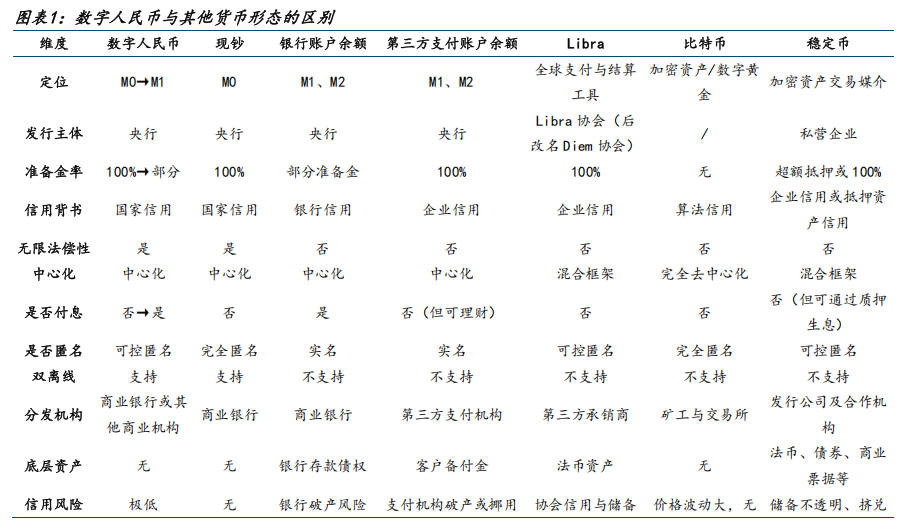
Development Overview - Digital Renminbi is a digital form of legal currency issued by the central bank, characterized by legal tender status, security, high convenience, and programmability [1] - As of November 2025, Digital Renminbi has processed a total of 3.48 billion transactions, with a cumulative transaction amount of 16.7 trillion yuan [1][24] - The dual-layer operational system involves the central bank issuing Digital Renminbi and designated operating institutions providing exchange and circulation services [1][19] Future Outlook - The necessity of developing sovereign digital currencies is highlighted due to risks posed by cryptocurrencies and global stablecoins [2] - Approximately 130 countries, accounting for 98% of the global economy, are exploring digital versions of their currencies, with many in advanced development stages [2][28] - Digital Renminbi is expected to enhance the efficiency of monetary policy transmission and support the internationalization of the Renminbi [2][26] Industry Chain - The issuance layer focuses on technologies such as digital encryption, network security, and identity authentication, which are crucial for ensuring transaction data integrity and user privacy [4] - The circulation layer requires banks and third-party payment institutions to upgrade their systems to accommodate Digital Renminbi [4] - The application layer involves upgrading payment terminals and digital wallets to facilitate the use of Digital Renminbi [4] Investment Recommendations - Digital Renminbi plays a significant role in promoting the internationalization of the Renminbi and has numerous application scenarios both domestically and internationally [4] - The demand for technological upgrades and software/hardware modifications across the issuance, circulation, and application layers presents opportunities for relevant technology and product providers [4]
新版数字人民币来了,有利息、无网也能付,推广还有哪些痛点
Sou Hu Cai Jing· 2026-01-09 08:45
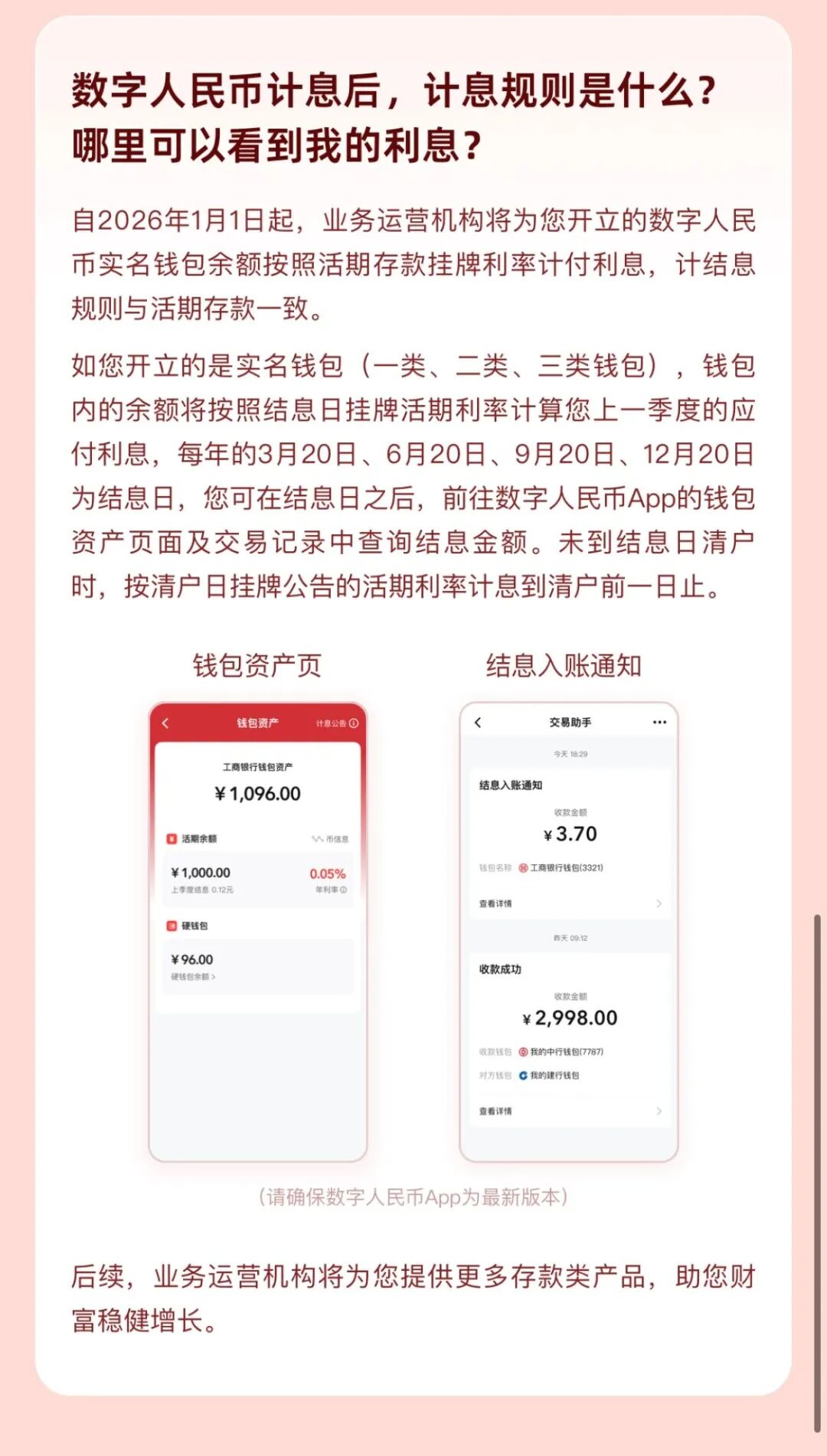
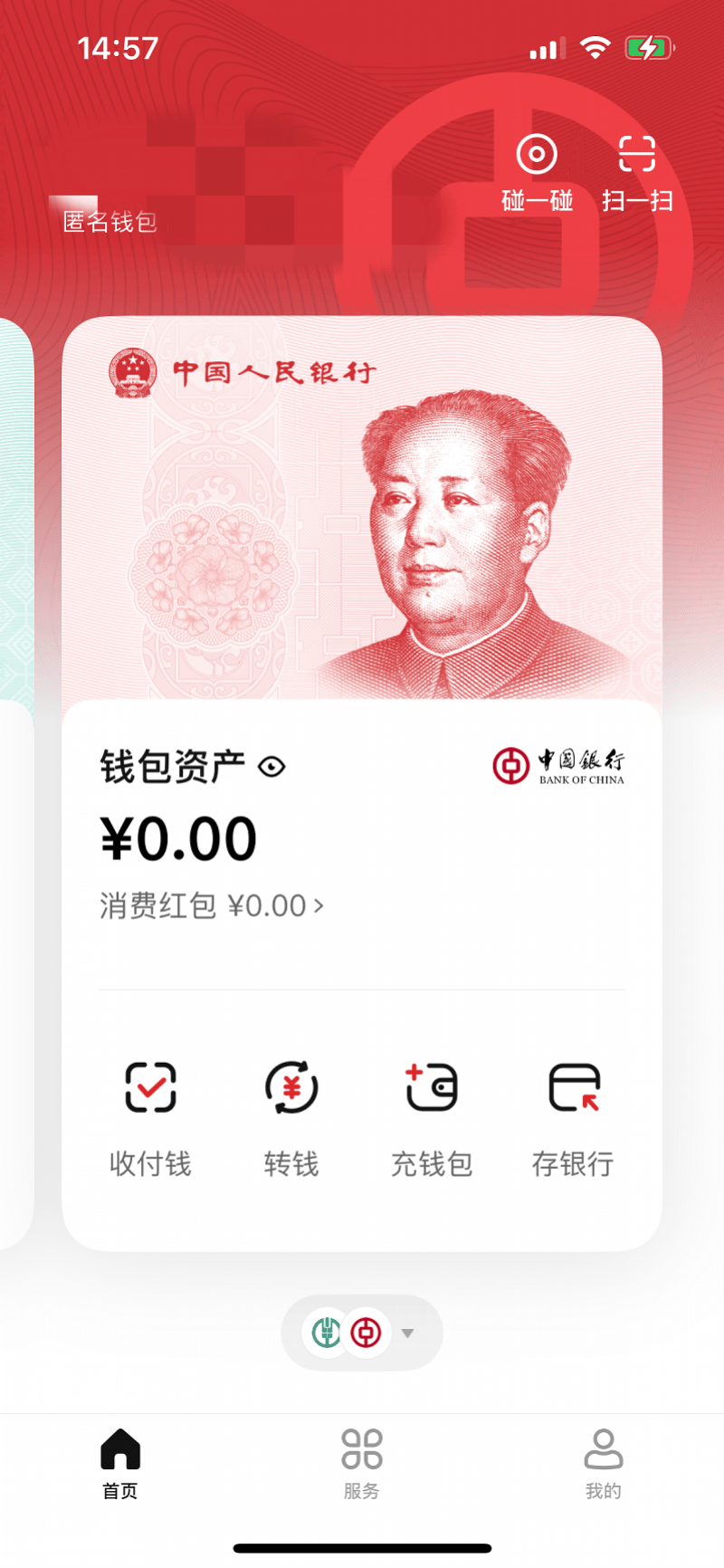
数字人民币2.0版本来了!日前中国人民银行发布《关于进一步加强数字人民币管理服务体系和相关金融基础设施 建设的行动方案》,称今年1月1日正式启动实施新一代数字人民币计量框架、管理体系、运行机制和生态体系。 数字人民币推行10年后,迈向"新纪元"。 值得一提的是,新版数字人民币不再局限于移动支付功能,而是能像活期存款一样计息,同时无需网络也能完成 支付。 正如一位银行工作人员所说:"由于微信、支付宝的用户黏性强,导致数字人民币一直没有得到全面推广。"那 么,这次升级换代后的数字人民币能否得到更进一步的推广? 新版数字人民币有何利好? 据权威消息,数字人民币是人民银行发行的数字形式的法定货币,由指定运营机构参与运营,以广义账户体系为 基础,支持银行账户松耦合功能,与实物人民币等价,具有价值特征和法偿性。 和数字人民币1.0版本相比,对于普通消费者,数字人民币2.0有以下几点优势:首先,数字人民币钱包余额能计付 利息。日前,中国工商银行、中国建设银行、中国农业银行、中国银行、中国邮政储蓄银行、交通银行、招商银 行、兴业银行、网商银行(支付宝)、微众银行(微信支付)。都宣称将开立在该行的数字人民币实名钱包(一类、二 ...
新版数字人民币来了 有利息、无网也能付 推广还有哪些痛点
Nan Fang Du Shi Bao· 2026-01-09 08:41
数字人民币2.0版本来了!日前中国人民银行发布《关于进一步加强数字人民币管理服务体系和相关金 融基础设施建设的行动方案》,称今年1月1日正式启动实施新一代数字人民币计量框架、管理体系、运 行机制和生态体系。数字人民币推行10年后,迈向"新纪元"。 值得一提的是,新版数字人民币不再局限于移动支付功能,而是能像活期存款一样计息,同时无需网络 也能完成支付。 正如一位银行工作人员所说:"由于微信、支付宝的用户黏性强,导致数字人民币一直没有得到全面推 广。"那么,这次升级换代后的数字人民币能否得到更进一步的推广? 新版数字人民币有何利好? 据权威消息,数字人民币是人民银行发行的数字形式的法定货币,由指定运营机构参与运营,以广义账 户体系为基础,支持银行账户松耦合功能,与实物人民币等价,具有价值特征和法偿性。 数字人民币在过去十年的试点、推广中取得了可圈可点的成绩,但至今没有得到全面推广和全民使用。 南都N视频记者了解到,堵点不在于技术,而在于社会公众和商业银行等主体意愿不足。 和数字人民币1.0版本相比,对于普通消费者,数字人民币2.0有以下几点优势:首先,数字人民币钱包 余额能计付利息。日前,中国工商银行、中国建设 ...
航旅纵横推出智能客服数字人“桂飞飞” 助力南宁机场智慧服务升级
Zhong Guo Min Hang Wang· 2026-01-09 06:43
Core Insights - The intelligent customer service digital human "Gui Fei Fei" developed by China Aviation Information Technology Co., Ltd. has been officially launched at Nanning Wuxu International Airport, enhancing service response accuracy and user experience through AI support [1][2]. Group 1: Technology and Innovation - The system covers various service scenarios including passenger inquiries, complaints, flight dynamics, boarding guidance, and lost and found, supporting multiple languages such as Chinese, English, Japanese, Korean, and several ASEAN languages for real-time interaction [2]. - "Gui Fei Fei" integrates real-time flight dynamics and business data, utilizing deep learning from a dedicated corpus to achieve high-precision understanding and responses in multiple languages, effectively addressing service bottlenecks caused by language differences and business complexity [2]. - The digital human creates an integrated service loop of "intelligent Q&A + precise guidance + self-service processing," significantly expanding the temporal and spatial coverage of airport services [2]. Group 2: Future Developments - The launch of "Gui Fei Fei" represents a significant achievement in applying vertical large models to smart airport construction, establishing a new paradigm of "large model + digital human" in the civil aviation sector [2]. - The company plans to continue deepening the innovative application of artificial intelligence technology in the civil aviation industry to provide more efficient and intelligent travel experiences, supporting the industry's digital transformation and intelligent upgrade [2].