
CHINA UNICOM(00762)

Search documents
港股概念追踪 | 卫星物联网商用试验正式启动!千亿市场规模可期(附概念股)
智通财经网· 2025-11-23 23:23
Core Insights - The commercial trial of satellite IoT services in China has officially started, aiming to enhance the satellite communication market and support emerging industries like commercial space and low-altitude economy [1] - The satellite IoT business will create significant demand for satellite launches, driving growth in the satellite manufacturing and rocket launch sectors [1][2] - The satellite communication market in China is projected to exceed 80 billion yuan in 2023, with an expected annual growth rate of approximately 15% from 2024 to 2029, potentially reaching around 200 billion yuan by 2029 [2] Industry Developments - The satellite IoT trial is part of a broader strategy to optimize business access and promote the development of the satellite communication industry, aligning with technological innovation and industrial transformation [1] - The integration of satellite IoT is expected to revolutionize various sectors, including agriculture, energy, emergency communication, and low-altitude economy applications [2] - The satellite IoT will enable real-time tracking and data transmission for low-altitude vehicles, addressing communication gaps in the low-altitude economy [3] Company Activities - China Telecom is actively promoting satellite internet development and has achieved significant technological breakthroughs, enabling mobile devices to connect directly to satellites [4] - China Mobile has received a license to operate satellite mobile communication services, enhancing applications in emergency communication and remote area connectivity [5] - China Unicom has successfully launched low-orbit satellites that support narrowband IoT communication, marking a significant step in China's satellite IoT capabilities [5]



中国启动卫星物联网商用试验,低空经济与商业航天站上新风口
Di Yi Cai Jing· 2025-11-23 13:13
Group 1 - The core viewpoint is that the launch of satellite IoT commercial trials is a key link connecting commercial aerospace and low-altitude economy, aiming to enhance service capabilities and establish a regulatory framework for emerging industries [1][2] - The Ministry of Industry and Information Technology (MIIT) announced the official start of satellite IoT commercial trials, which will last for two years, to stimulate market vitality and support the healthy development of new industries [1][4] - Satellite IoT is expected to enable real-time tracking and data transmission for low-altitude vehicles, addressing communication gaps in the low-altitude economy and fostering deep integration between commercial aerospace and low-altitude sectors [2][3] Group 2 - The satellite IoT business connects various IoT devices through satellite communication technology, providing wide-area IoT connectivity in regions where terrestrial networks are unavailable [3][4] - The MIIT has proposed 19 specific measures to promote the development of the satellite communication industry, including organizing satellite IoT commercial trials and expanding market access for private enterprises [4][5] - Major telecommunications companies like China Telecom, China Mobile, and China Unicom are actively expanding their satellite communication services, enhancing applications in emergency communication and remote area connectivity [5][6] Group 3 - The integration of satellite IoT technology is expected to attract more capital and resources into the low-altitude sector, promoting collaborative development across various industry segments such as drone manufacturing and airspace management [3][5] - The commercial trials are anticipated to create opportunities for upstream and downstream enterprises in the satellite IoT industry chain, leading to a more complete industrial ecosystem [2][5] - The MIIT aims to enhance the synergy between industrial internet and artificial intelligence, promoting the development of smart manufacturing and digital infrastructure [6][7]
中国为什么没有人工智能泡沫论?
Sou Hu Cai Jing· 2025-11-22 05:45
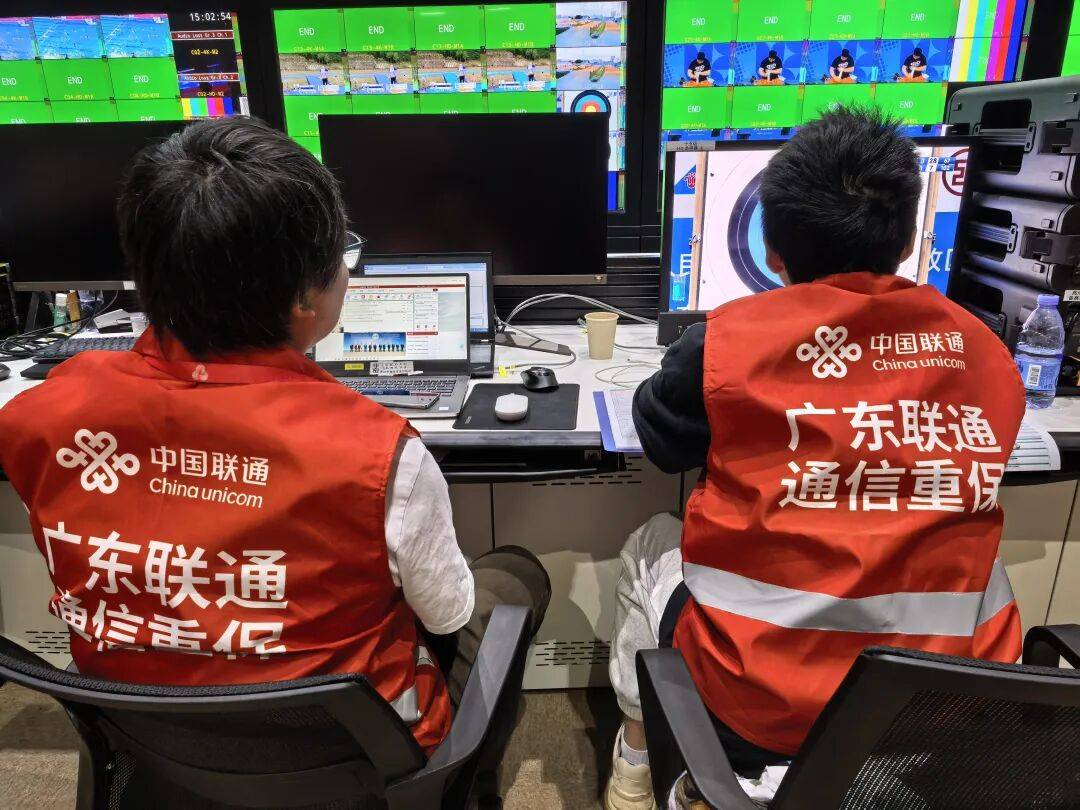
Core Viewpoint - The article discusses the contrasting perspectives on the artificial intelligence (AI) bubble in the United States and China, highlighting that while the U.S. faces skepticism and concerns about an AI bubble, China appears to be focused on practical applications and integration of AI into various sectors, minimizing the bubble discourse. Group 1: AI Bubble Concerns - In the U.S., there is a growing narrative around a serious AI bubble, especially following Nvidia's recent quarterly report which showed significant revenue growth but led to a sharp decline in stock price due to market skepticism about AI's sustainability [1] - Huang Renxun, CEO of Nvidia, expressed frustration that regardless of positive financial reports, the market questions Nvidia's role in the AI bubble, indicating a volatile perception of AI's future in the U.S. [1] Group 2: China's AI Development Model - China's approach to AI differs significantly from the U.S., with a focus on practical applications and collaboration between large internet companies and telecom operators like China Unicom, which actively participate in building AI infrastructure [2] - Chinese AI development emphasizes finding application scenarios and practical use cases from the outset, leading to a more grounded and less speculative environment compared to the U.S. [2][3] - Many AI computing centers in China have achieved a utilization rate of 70%, indicating effective deployment and integration of AI technologies into various industries [2] Group 3: Government and Industry Collaboration - The Chinese government plays a crucial role in promoting AI development by encouraging enterprises to focus on practical applications, which has led to a more comprehensive and integrated AI ecosystem [3] - Events like the recent sports competitions in China demonstrate the necessity of AI for managing large-scale operations, showcasing the immediate relevance and application of AI technologies in real-world scenarios [2]


2025中国5G+工业互联网大会在武汉开幕
Xin Lang Cai Jing· 2025-11-22 05:41
Core Viewpoint - The 2025 China 5G + Industrial Internet Conference was inaugurated in Wuhan, marking a significant step in the development of satellite IoT business trials, which will enhance the satellite communication market supply and support the growth of emerging industries such as commercial aerospace and low-altitude economy [1] Group 1 - The Ministry of Industry and Information Technology officially launched commercial trials for satellite IoT services during the conference [1] - The commercial trials aim to enrich the supply in the satellite communication market and support the safe and healthy development of new industries [1] - A cooperation memorandum was signed between the Hubei Provincial Government and major telecom companies including China Telecom, China Unicom, China Mobile, China Information Communication Technologies, and China Tower [1] Group 2 - The industrial and information technology departments of Jiangxi, Hubei, and Hunan provinces signed a memorandum for collaborative development of the industrial internet in the Yangtze River Middle Reaches urban agglomeration [1]

新华网:2025移动通信高质量发展论坛武汉举办 5G-A深耕与6G布局共绘产业新蓝图
Xin Hua Wang· 2025-11-22 04:00
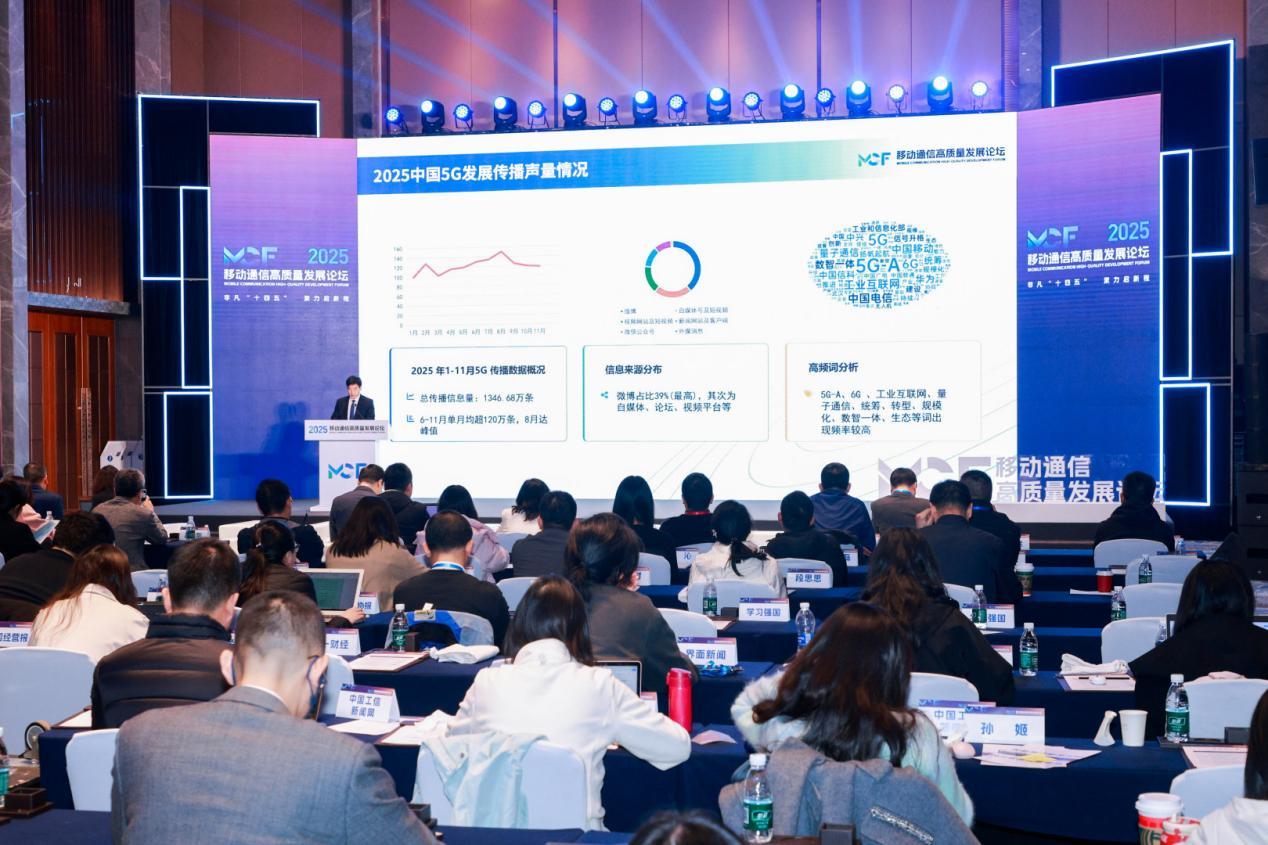
Core Insights - The 2025 Mobile Communication High-Quality Development Forum was held in Wuhan, focusing on 5G applications, 5G-A technology breakthroughs, 6G planning, and integrated network construction [2] - The forum highlighted the transition of China's 5G industry from "technology leadership" to "value empowerment" [2] Group 1: Technological Advancements - 5G-A and 6G are key focal points, with major telecom operators showcasing their technological innovations and breakthroughs [3] - China Mobile is advancing a "hexagonal" technology framework for 6G, focusing on ten innovation areas, including high-performance networks and integrated sensing [3] - China Telecom is conducting outdoor trials for millimeter-wave sensing and has established over 300 low-altitude sensing stations across 18 provinces [4] - China Unicom has achieved full commercial use of 5G-A, with download speeds reaching 5Gbps outdoors and 5.7Gbps indoors [4] Group 2: Industry Applications - 5G applications are now in a phase of large-scale deployment, significantly driving the digital transformation of various industries [6] - China Mobile has integrated 5G into industrial production, while China Unicom has served over 20,000 industry-specific clients with more than 50,000 large-scale application projects [6] - China Telecom's low-altitude economy and satellite internet initiatives are emerging as new growth areas, with direct satellite services covering 25 million mobile devices [6] Group 3: Communication and Public Perception - The "2025 China 5G Development Communication Power Analysis" report indicates a shift in public perception from technical parameters to actual value [8] - From January to November 2025, there were 13.47 million online news reports related to 5G development, with a peak in August [8] - Key provinces leading in 5G communication include Beijing, Shanghai, and Guangdong, with major telecom companies acting as core communicators of 5G value [8] Group 4: Emerging Trends - Five major trends in communication were identified, including the mainstreaming of application results and the economic and social value of large-scale deployments [9] - The integration of 5G with AI is creating a new paradigm for intelligent communication networks [9] - The forum emphasized the importance of collaboration among telecom operators and industry players to build a synergistic ecosystem for innovation and value creation [9]

河北联通深入开展“民有所呼我必有应”主题服务活动
Xin Hua She· 2025-11-21 08:46
Core Viewpoint - Hebei Unicom is actively implementing the "Responding to Public Needs" service initiative, focusing on enhancing customer service through thoughtful and practical measures, thereby building a strong communication bridge with the community [1] Group 1: Service Improvement Initiatives - Hebei Unicom has launched a "micro-transformation" initiative to enhance service quality in 28 pilot service centers in Shijiazhuang, introducing comfortable seating and standardized service boxes to address customer needs during wait times [2] - The service boxes are equipped with basic items like sewing kits and reading glasses, as well as emergency medical supplies in collaboration with local health centers, demonstrating a commitment to customer care [2] Group 2: Community Engagement and Education - A "micro-popularization" program is being conducted in rural areas to educate the elderly about digital safety, using localized and situational methods to bridge the digital divide [3] - Volunteers are providing training on recognizing scams and assisting seniors in installing anti-fraud applications, ensuring a dual layer of protection for their financial security [3] Group 3: Infrastructure and Safety Improvements - In Xingtai's Xiniu County, Hebei Unicom's team has coordinated resources to repair damaged road slopes, enhancing safety for local residents and addressing community concerns [4] - The company emphasizes practical actions in response to public needs, showcasing its commitment to community welfare through service upgrades and infrastructure improvements [4]
主题论坛预告丨中国联通护航企业出海主题论坛即将亮相2025全球数商大会
第一财经· 2025-11-21 07:31
Core Insights - The forum titled "Connecting the World, Linking the Global" will focus on strategies for Chinese enterprises to expand internationally, supported by China Unicom [1][2] - The event will feature discussions among global experts, government officials, industry representatives, and business leaders to explore effective pathways for overseas expansion and to build a diversified market landscape [2] Event Details - **Forum Theme**: "Connecting the World, Linking the Global" with a focus on China Unicom's support for enterprises going abroad [3] - **Date and Time**: November 26, 2025, from 9:00 AM to 11:55 AM [3] - **Location**: Shanghai International Conference Center, Hall I, 2727 Binjiang Avenue, Pudong New District, Shanghai [3] - **Organizers**: China United Network Communications Limited Shanghai Branch and China Unicom International Limited [3] - **Co-organizers**: Shanghai Data Group Co., Ltd. [3] - **Supporting Organizations**: Shanghai Digital Business Association, Shanghai Smart City Development Research Institute, Shanghai Digital Enterprises Going Abroad Service Association [3] Registration Information - The forum is open for registration to leaders of overseas enterprises, decision-makers in digital transformation, and industry researchers [3] - Attendees are encouraged to register promptly due to limited seating [5]
港股通红利ETF广发(520900)已经连续5周份额增长,近20日获1.5亿元资金净申购
Xin Lang Ji Jin· 2025-11-21 04:21
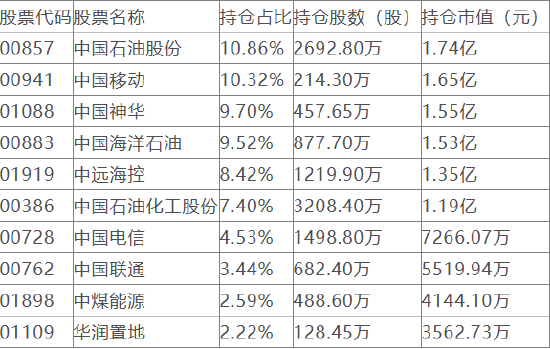
Core Viewpoint - The Hong Kong dividend assets are experiencing a correction, but the trend of capital inflow continues, driven by the demand for high-dividend assets from insurance companies under new accounting standards [1][2]. Group 1: Market Performance - As of November 21, the Hong Kong Stock Connect Dividend ETF (520900) fell by 1.74% with a trading volume of 33.55 million yuan [1]. - Over the past 10 days, the net inflow into the ETF was 104 million yuan, and over the past 20 days, it was 150 million yuan, with the latest fund size reaching 1.881 billion yuan [1]. Group 2: Fund Inflows and Trends - From October 13 to November 14, the ETF has seen continuous growth in shares for five consecutive weeks, with the latest share count at 1.728 billion [1]. - The demand for high-dividend stocks is expected to increase significantly as insurance companies switch to new accounting standards by 2026, with an estimated annual allocation of 250 to 500 billion yuan for high-dividend assets by five A-share listed insurance companies by 2027 [1]. Group 3: Investment Characteristics - The Hong Kong dividend assets exhibit a "defensive" characteristic in volatile markets, with a focus on high-dividend state-owned enterprises [2]. - The ETF tracks the CSI National New Hong Kong Stock Connect Central Enterprise Dividend Index, which emphasizes high-dividend state-owned enterprises, with the top three sectors being oil and petrochemicals (29.7%), telecommunications (21.2%), and transportation (13.5%) [2]. Group 4: Fund Details - The Hong Kong Stock Connect Dividend ETF (520900) was established on June 26, 2024, with a management fee of 0.50% and a custody fee of 0.10% [3]. - The current fund managers are Huo Huaming and Lv Xin, with returns of 12.68% and 26.76% respectively during their management periods [3]. Group 5: Top Holdings - The top holdings of the ETF include China Petroleum (10.86%), China Mobile (10.32%), and China Shenhua (9.70%), with significant market values for each [4]. - Investors focused on sustainable dividends and quality earnings can consider the ETF for a balanced exposure to high-dividend stocks in the Hong Kong market [4].




打造产业创新“策源地” 搭建国际合作“交汇场”
Nan Jing Ri Bao· 2025-11-21 02:20
Core Insights - The 2025 World Intelligent Manufacturing Conference will be held in Nanjing from November 27 to 29, marking its tenth anniversary since its inception in 2016, with a theme of "Digital Intelligence Drives New Quality Leadership" [1][2] - The conference aims to create a high-end, international platform for global intelligent manufacturing exchange and cooperation, showcasing the latest achievements in the field and discussing the integration of technological breakthroughs with industrial transformation [1][2] Group 1: Event Highlights - The conference will feature a main conference, a market-oriented exhibition, and 12 specialized activities, with participation from major companies like Dassault and JD.com, as well as 16 industry ecosystem activities [1][2] - Approximately 2000 attendees are expected, including nearly 200 important guests from domestic and international institutions, such as academicians and industry leaders [2][3] Group 2: Specialized Activities - The main conference will include the appointment ceremony for the new National Intelligent Manufacturing Committee, the release of the 2025 Intelligent Manufacturing Blue Book, and the announcement of the top ten technological advancements in intelligent manufacturing for the year [3][4] - A market-oriented exhibition will cover 55,000 square meters, featuring 452 companies from 18 countries and regions, with a focus on robotics, smart factories, industrial software, and intelligent equipment [4][5] Group 3: International Collaboration - The exhibition will introduce an international invited exhibition area for the first time, showcasing leading intelligent manufacturing technologies and solutions from global companies [5] - A series of specialized activities, including financial roadshows and technology exchanges, will be held to facilitate cooperation and win-win outcomes across the industry chain [5]


联通智网科技车辆智能网联研究院院长周光涛:海南自贸港发展智能交通前景广阔
Hai Nan Ri Bao· 2025-11-21 01:08
据了解,周光涛专注于车联网与智慧交通领域的技术研发与创新,是中国联通集团车联网及智慧交 通领域的学术带头人,在海南深度参与自贸港智慧交通建设。 海南日报海口11月20日讯(海南日报全媒体记者 曹马志)"海南自贸港发展智能交通前景广阔,我们 充满期待。"11月20日,从北京赶来海南参加2025第二十届中国智能交通大会的联通智网科技车辆智能 网联研究院院长周光涛化身"代言人",分享海南机遇。 "我们携手联通海南公司,推动在海南实现无人接驳、智慧泊车、远程驾驶等多元应用落地,助力 海南跻身全国首批'车路云一体化'应用示范区域。"周光涛在接受海南日报全媒体记者采访时表示,作 为中国联通在车联网与智慧交通领域的专业子公司,联通智网科技深度融合中国联通"云、大、物、 智、链、安"新一代数字基础设施能力,系统沉淀交通大数据治理、数字孪生建模、AI智能分析、全息 感知融合、车路协同预警等核心能力。 周光涛介绍,当前,该公司已构建形成覆盖车路协同示范应用、数字交通精准管控、网联车辆增值 服务三大业务领域的"车路云一体化"智慧交通产品体系。未来,将紧扣海南自贸港交通发展需求,联通 智网科技将持续深化在琼布局,推动5G、AI与大模 ...