
AGRICULTURAL BANK OF CHINA(01288)

Search documents
金融“贴息礼包”精准直达 农行深圳分行激发消费市场新活力
Nan Fang Du Shi Bao· 2025-12-23 23:12
Core Insights - The article highlights the role of financial institutions, particularly Agricultural Bank of China Shenzhen Branch, in stimulating consumer spending through the implementation of personal consumption loan interest subsidy policies [2] Group 1: Policy Implementation - The personal consumption loan interest subsidy policy aims to guide financial resources towards consumer spending and reduce credit costs, covering various consumption scenarios such as daily expenses, automotive purchases, education, and healthcare [3] - Eligible loans can receive an annual interest subsidy of 1%, with a maximum subsidy of 3,000 yuan per borrower [3] Group 2: Service Innovation - Agricultural Bank of China Shenzhen Branch emphasizes "precision" and "convenience" in policy execution, allowing customers to apply for loans through multiple channels, including mobile banking [3] - The bank has successfully integrated the subsidy policy with consumer needs, as demonstrated by a case where a customer received a loan for a car purchase with interest subsidies [4] Group 3: Customer Engagement - The bank has launched a lottery for customers who utilize the "Wangjie Loan," offering various cash prizes to enhance customer engagement and promote loan uptake [5] - The bank's proactive customer service approach has led to successful subsidy applications for multiple clients, showcasing its commitment to meeting consumer demands [4] Group 4: Future Directions - The bank plans to extend its services beyond individual consumers to support small and micro enterprises in the service sector, thereby enhancing the financial ecosystem [6] - The focus will remain on leveraging technology to optimize online services and embed financial support in various consumption scenarios, contributing to the development of Shenzhen as an international consumption center [6]



年内险资举牌39次:偏爱红利资产,科技板块迎布局机遇
2 1 Shi Ji Jing Ji Bao Dao· 2025-12-23 13:16
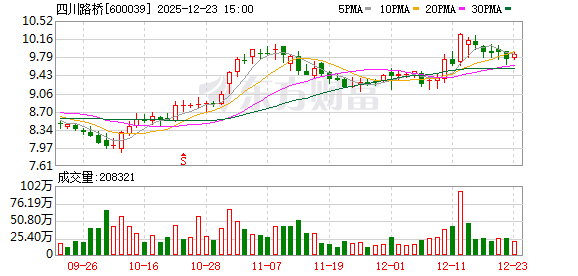
Core Insights - The article highlights the increasing trend of insurance capital (险资) in China, particularly focusing on the surge in shareholding activities, with a total of 39 instances of shareholding increases recorded in 2025, marking the second-highest level in history after 2015 [2][4]. Group 1: Shareholding Activities - Zhongyou Insurance has increased its stake in Sichuan Road and Bridge, reaching a total of 435 million shares, which constitutes 5.00% of the company's total equity, marking its fourth shareholding increase this year [3]. - Other insurance companies, such as Ruizhong Life and Taikang Life, have also engaged in similar shareholding activities, with Taikang Life triggering multiple shareholding increases in companies like Fuhong Hanlin and participating as a cornerstone investor in the IPO of Fengcai Technology [3][4]. - The trend of multiple shareholding increases by the same insurance company in a single target has been observed, with companies like Hongkang Life and Ping An Life making several increases in their holdings in banks [4]. Group 2: Investment Trends and Characteristics - The insurance capital's shareholding activities are characterized by a preference for high Return on Equity (ROE) and high dividend stocks, indicating a strategic focus on long-term investments that enhance the ROE of the insurance companies themselves [6]. - The asset allocation of insurance funds has seen an increase, with the proportion of stocks and funds rising to 15.5% by the third quarter of 2025, creating more room for shareholding activities [6]. - The insurance capital's preference for H-shares reflects a broader trend of favoring dividend-paying assets, which is expected to continue into 2026, with a potential shift towards growth sectors [7][8]. Group 3: Regulatory Support and Future Outlook - Recent regulatory changes, including the adjustment of risk factors for long-term holdings of certain equity assets, are expected to support the ongoing trend of shareholding increases by insurance companies [7]. - Analysts predict that the high frequency of shareholding activities will persist into 2026, with a gradual shift in focus towards more dynamic sectors, particularly technology stocks [8].



一次性信用修复影响多大?银行人称是场“多赢”
Di Yi Cai Jing· 2025-12-23 12:24
Group 1 - The central point of the news is the introduction of a one-time credit repair policy by the central bank, aimed at improving credit demand and asset quality for banks by allowing individuals with overdue debts to restore their credit status if they repay by a specified date [1][2][5] - The policy applies to overdue amounts not exceeding 10,000 RMB for loans taken between January 1, 2020, and December 31, 2025, and will be effective from January 1, 2026 [2][5] - The policy is expected to encourage overdue debtors to repay their debts, thereby improving banks' asset quality and potentially stimulating consumer spending [1][6][7] Group 2 - Banks are preparing for the implementation of the new policy by ensuring their credit report query functions are operational and enhancing the management of credit data reporting [3][4] - Financial institutions are advised to maintain a comprehensive approach to credit assessments, considering various factors beyond credit reports, to mitigate risks associated with the new policy [3][4][7] - The policy is designed to support small overdue amounts while maintaining credit constraints on larger overdue debts, ensuring the integrity of the credit system [5][6] Group 3 - The policy is expected to release pent-up financing demand from individuals previously affected by credit issues, leading to increased issuance of personal loans, including consumer loans and mortgages [6][7] - Concerns exist regarding the potential increase in default risk for banks when lending to individuals who have undergone credit repair, although experts believe the likelihood of significant defaults remains low [1][7] - The policy is seen as a strategic move to enhance consumer credit management and stimulate financial support in the consumption sector, aligning with broader economic recovery efforts [7]


国有大型银行板块12月23日涨0.62%,农业银行领涨,主力资金净流入1.14亿元
Zheng Xing Xing Ye Ri Bao· 2025-12-23 09:08
Group 1 - The core viewpoint of the news is that the state-owned large bank sector experienced a rise of 0.62% on December 23, with Agricultural Bank leading the gains [1] - On the same day, the Shanghai Composite Index closed at 3919.98, up 0.07%, while the Shenzhen Component Index closed at 13368.99, up 0.27% [1] - The net inflow of main funds into the state-owned large bank sector was 114 million yuan, while retail funds saw a net inflow of 6.48481 million yuan [2] Group 2 - The main funds in the state-owned large bank sector had a net outflow of 179 million yuan from speculative funds [2] - Detailed fund flow data for individual stocks in the state-owned large bank sector is available in the accompanying table [2]

中国农业银行取得视频传输方法专利
Sou Hu Cai Jing· 2025-12-23 07:52
天眼查资料显示,中国农业银行股份有限公司,成立于1986年,位于北京市,是一家以从事货币金融服 务为主的企业。企业注册资本34998303.3873万人民币。通过天眼查大数据分析,中国农业银行股份有 限公司共对外投资了16家企业,参与招投标项目5000次,财产线索方面有商标信息1308条,专利信息 5000条,此外企业还拥有行政许可119个。 来源:市场资讯 国家知识产权局信息显示,中国农业银行股份有限公司取得一项名为"一种视频传输方法、装置、设备 及存储介质"的专利,授权公告号CN115643255B,申请日期为2022年10月。 声明:市场有风险,投资需谨慎。本文为AI基于第三方数据生成,仅供参考,不构成个人投资建议。 ...
港股通央企红利ETF天弘(159281)涨0.40%,成交额3407.89万元
Xin Lang Cai Jing· 2025-12-23 07:12
Group 1 - The Tianhong CSI Hong Kong Stock Connect Central State-Owned Enterprises Dividend ETF (159281) closed at a 0.40% increase with a trading volume of 34.08 million yuan on December 23 [1] - The fund was established on August 20, 2025, with an annual management fee of 0.50% and a custody fee of 0.10% [1] - As of December 22, the fund's latest share count was 341 million shares, with a total size of 340 million yuan [1] Group 2 - The fund's recent trading activity shows a cumulative trading amount of 615 million yuan over the last 20 trading days, with an average daily trading amount of 30.75 million yuan [1] - The current fund manager is He Yuxuan, who has managed the fund since its inception, with a return of -0.22% during the management period [1] Group 3 - The top holdings of the fund include COSCO Shipping Holdings, Orient Overseas International, China National Foreign Trade Transportation Group, PetroChina, CITIC Bank, CNOOC, China Shenhua Energy, People's Insurance Company of China, China Unicom, and Agricultural Bank of China, with respective holding percentages [2] - The largest holding is COSCO Shipping Holdings at 0.85%, followed by Orient Overseas International at 0.40% and China National Foreign Trade Transportation Group at 0.33% [2]


中国银行、建设银行、工商银行、农业银行、交通银行、邮储银行,集体调整中长期存款产品!
Mei Ri Jing Ji Xin Wen· 2025-12-23 03:53
Core Viewpoint - Major Chinese banks, including Bank of China, China Construction Bank, Industrial and Commercial Bank of China, Agricultural Bank of China, Bank of Communications, and Postal Savings Bank, have collectively adjusted their deposit products, particularly reducing the availability of medium to long-term deposit offerings as year-end savings demand increases [1][3]. Group 1: Changes in Deposit Products - Many customers, such as a resident in Beijing, have reported difficulties in finding suitable 5-year large-denomination certificates of deposit (CDs) as these products are no longer displayed by major banks [3]. - The interest rates for 3-year related products have dropped to between 1.5% and 1.75% across various banks [3]. - Smaller banks are also following suit, with institutions like Meizhou Commercial Bank and Yilian Bank removing 5-year fixed deposit products from their offerings [5]. Group 2: Reasons for Adjustments - The withdrawal of long-term deposit products is a response to the ongoing decline in banks' net interest margins, driven by falling loan rates that have significantly reduced asset yields [5]. - Analysts suggest that banks are compelled to eliminate high-interest long-term products to avoid severe interest margin losses or potential deficits, which could threaten their long-term stability and pose systemic risks [5]. Group 3: Implications for the Banking Sector - The adjustments in deposit products are expected to enhance the certainty of banks' profit forecasts, providing fundamental support for valuation recovery, particularly for large banks with low-cost liabilities and high dividend yields [6]. - The reduction in deposit rates may lead to a "deposit migration" effect, where funds seeking higher returns move from the banking system to capital markets, potentially benefiting direct financing markets [6].

中国银行、建设银行、工商银行、农业银行、交通银行、邮储银行,集体调整!
Mei Ri Jing Ji Xin Wen· 2025-12-23 03:45
Core Viewpoint - The recent decrease in medium to long-term deposit products in the market is attributed to banks' responses to the ongoing decline in net interest margins, leading to a reduction in the availability of five-year large certificates of deposit (CDs) and lower interest rates on three-year products [3][5][6]. Group 1: Market Trends - There is a noticeable reduction in the availability of five-year large CDs among major banks, with interest rates for three-year products dropping to between 1.5% and 1.75% [3]. - Smaller banks are also adjusting their deposit offerings, with some, like Meizhou Commercial Bank, announcing the removal of five-year fixed deposit products [5]. - The trend of withdrawing long-term deposit products is not limited to national banks but is also seen in local and private banks [5]. Group 2: Banking Sector Implications - The withdrawal of long-term deposit products is a necessary response to the challenges posed by declining bank net interest margins, as banks face significant risks of interest margin losses if they do not eliminate high-interest long-term products [5]. - Analysts suggest that this shift will enhance the certainty of banks' profit expectations, particularly benefiting large banks with low-cost liabilities and high dividend yields, making them more attractive to long-term investors [6]. - The reduction in deposit rates may lead to a "deposit migration" effect, where funds move from the banking system to capital markets, potentially increasing liquidity in stocks, bonds, and funds, which could positively impact direct financing markets [6].


“百千万工程”推进路上的坚实金融后盾 ----农行广东分行倾力服务“百千万工程”
2 1 Shi Ji Jing Ji Bao Dao· 2025-12-23 00:58
Core Viewpoint - The Agricultural Bank of China Guangdong Branch is actively supporting the "Hundred Counties, Thousand Towns, and Ten Thousand Villages High-Quality Development Project" by providing substantial financial resources to promote rural revitalization and regional development in Guangdong Province [1][14]. Group 1: Financial Support and Achievements - As of October 2025, the Agricultural Bank of China Guangdong Branch has provided over 600 billion yuan in county loans and over 500 billion yuan in agricultural loans, with increases of 210 billion yuan and 160 billion yuan respectively since the project's initiation [1]. - The bank has been recognized as "Excellent" in the People's Bank of China's evaluation of financial services for rural revitalization for five consecutive years, establishing itself as a solid financial support for the "Hundred Counties, Thousand Towns" initiative [1]. Group 2: Systematic Approach and Collaboration - The bank has developed a comprehensive service system to ensure financial resources are effectively allocated to every corner of counties, towns, and villages, implementing four major actions tailored to the project's goals [2]. - It has established a regular communication mechanism with provincial departments to align financial services with policy directions and project needs, resulting in the issuance of 1 billion yuan in loans across 12 pilot counties [3]. Group 3: Focus Areas for Development - The bank is concentrating its credit resources on three key areas: industrial development, urban-rural construction, and increasing farmers' income, thereby enhancing the economic vitality of counties and towns [4]. - In the industrial development sector, the bank has provided over 32 billion yuan in loans for grain security, with a 38% increase since the beginning of the year, and has supported marine ranching projects with over 21 billion yuan in loans [4][6]. Group 4: Service Accessibility and Innovation - The bank is enhancing service accessibility by establishing 200 rural revitalization service stations and mobile service teams to reach underserved areas, ensuring that financial services are available to farmers [9]. - It has developed a diverse range of over 100 tailored financial products to meet the specific needs of rural industries, including customized loans for marine ranching and agricultural development [9]. Group 5: Case Studies and Impact - In Meizhou, the bank has supported the pomelo industry with 11.1 billion yuan in loans, benefiting over 5,700 farmers and contributing to an annual output value of nearly 10 billion yuan [11]. - In Qingyuan, the bank's "White Pigeon Loan" has facilitated the expansion of the local meat pigeon industry, with loans exceeding 28 million yuan, significantly boosting local farmers' incomes [13]. - The bank has also provided 1.5 billion yuan in credit to support the development of a comprehensive tourism resort in Huizhou, creating over 100 jobs and stimulating local economic activity [13].

智通港股通资金流向统计(T+2)|12月23日
智通财经网· 2025-12-22 23:32
Group 1 - Xiaomi Group-W (01810) had a net inflow of 904 million, representing a 17.60% increase in net inflow [1][2] - Meituan-W (03690) experienced a net inflow of 476 million, with a net inflow ratio of 20.69% [1][2] - Changfei Optical Fiber Cable (06869) saw a net inflow of 356 million, corresponding to a 12.70% increase [1][2] Group 2 - The top three stocks with the highest net outflow were: - Yingfu Fund (02800) with a net outflow of -1.42 billion, a decrease of -14.05% [1][2] - China Mobile (00941) with a net outflow of -1.295 billion, reflecting a -49.14% decrease [1][2] - Innovent Biologics (01801) with a net outflow of -271 million, a -32.88% decrease [1][2] Group 3 - The top three stocks with the highest net inflow ratio were: - Southern Hang Seng Index ETF (03037) with a net inflow ratio of 84.61% [1][2] - ICBC Southern China (03167) with a net inflow ratio of 75.00% [1][2] - Midea Real Estate (03990) with a net inflow ratio of 65.00% [1][2] Group 4 - The top three stocks with the highest net outflow ratio were: - Wan Guo Gold Group-Old (02979) with a net outflow ratio of -100.00% [1][3] - New Idea Network Group (01686) with a net outflow ratio of -71.51% [1][3] - Ruian Real Estate (00272) with a net outflow ratio of -71.45% [1][3]


