
MICROSOFT(04338)

Search documents
微软或重启招聘
Xin Lang Cai Jing· 2025-11-03 11:19
Core Insights - Microsoft CEO Satya Nadella indicated that the company may restart hiring within a year, contingent on existing employees learning to collaborate with artificial intelligence (AI) [2] - The transformation process involves "forgetting" outdated habits and "relearning" new skills to work effectively with AI tools [2] - Microsoft has made significant layoffs recently, cutting over 7% of its global workforce, while simultaneously investing heavily in AI [3][4] Group 1: Hiring and Workforce Transformation - Microsoft plans to focus on a complete overhaul of existing employee work methods before considering new hires [2] - Employees are expected to learn how to give precise instructions to AI and optimize AI outputs, shifting their focus to strategic decision-making and complex problem-solving [2] - The timeline for this transformation is estimated to take about a year, after which hiring can resume based on team needs [2] Group 2: Layoffs and Financial Performance - Microsoft has conducted multiple rounds of layoffs, including approximately 9,000 employees in July, affecting nearly 4% of its global workforce [3] - Cumulatively, Microsoft has reduced its workforce by over 7% since the beginning of the year, bringing the total employee count down to 219,000 [3] - Despite the layoffs, Microsoft continues to emphasize the importance of AI, with significant investments in the sector, including $13 billion in OpenAI since 2019 [4] Group 3: AI Investments and Market Response - Microsoft's net profit for the first quarter of fiscal year 2026 increased by 12% to $27.7 billion, with OpenAI investments contributing $3.086 billion to net profit, a 4.9-fold increase year-over-year [4] - The company secured a substantial Azure services contract valued at $250 billion following OpenAI's capital restructuring, solidifying its position as a major stakeholder [4] - Despite strong financial results, Microsoft's stock price fell, leading to a market capitalization drop of over $200 billion, with shares closing at $571.81, dropping out of the "4 trillion club" [4]


IREN宣布与微软签署97亿美元GPU云服务合同
Xin Lang Cai Jing· 2025-11-03 11:19
Core Insights - IREN has signed a multi-year GPU cloud service contract with Microsoft, valued at approximately $9.7 billion, which includes a 20% upfront payment [1] - IREN has also reached an agreement with Dell to procure GPUs and related equipment for about $5.8 billion [1] Group 1 - The contract with Microsoft spans five years and involves the provision of NVIDIA GB300 GPUs [1] - The total value of the contract with Microsoft is significant, indicating strong demand for GPU cloud services [1] - The agreement with Dell further emphasizes IREN's commitment to expanding its GPU capabilities [1]


纳德拉称微软或重启招聘,前提是员工用AI彻底改变工作方式
Sou Hu Cai Jing· 2025-11-03 10:30
Group 1 - Microsoft CEO Satya Nadella announced the potential for a hiring restart within a year, contingent on existing employees learning to collaborate with AI [1] - The transformation process involves "forgetting" outdated habits and "relearning" new skills to work effectively with AI tools [1] - Employees are expected to master how to give precise instructions to AI, review and optimize AI outputs, and focus more on strategic decision-making and creative problem-solving [1] Group 2 - Microsoft has undergone multiple rounds of layoffs, including approximately 9,000 employees in July, affecting nearly 4% of its global workforce [3] - Cumulatively, Microsoft has reduced over 7% of its global workforce since the beginning of the year, bringing the total employee count down to 219,000 [3] - Despite layoffs, Microsoft continues to heavily invest in AI, with a total investment of $13 billion in OpenAI since 2019 [3] Group 3 - Microsoft reported a 12% year-over-year increase in net profit to $27.7 billion, with the impact of its investment in OpenAI contributing $3.086 billion to net profit, a significant increase from $523 million the previous year [3] - The investment in OpenAI has solidified Microsoft's major shareholder status and resulted in a $250 billion Azure services deal [4] Group 4 - Following the release of better-than-expected financial results, Microsoft's stock price fell, leading to a market value drop of over $200 billion, with the stock closing at $571.81 and a market cap of $3.85 trillion [5]
安永荣获微软合作伙伴智能体创新大赛创新突破奖
Sou Hu Cai Jing· 2025-11-03 10:09
Core Insights - Ernst & Young (EY) China won the "Innovation Breakthrough Award" at Microsoft's "Partner Enterprise Intelligent Agent Innovation Competition" for its customer feedback analysis intelligent agent solution, which stands out for its unique AI operational approach and customer experience design [1] - The solution represents a benchmark practice in reconstructing enterprise service models and unlocking data asset value through intelligent agent technology [1] - EY aims to deepen its collaboration with Microsoft in the Chinese market, focusing on enterprise-level AI applications, intelligent agent construction, and trustworthy AI to drive digital transformation for businesses [1] Group 1: Customer Feedback Analysis Intelligent Agent - The deployment of AI agents at scale faces challenges such as low usage rates and slow iteration due to ineffective feedback analysis and insufficient manual analysis efficiency [2] - EY's intelligent agent supports universal, efficient, and flexible feedback analysis by integrating external feedback collection tools, providing deeper insights [2] - The innovative solution offers personalized feedback analysis reports based on user preferences, facilitating autonomous analysis and supporting efficient iteration of intelligent agents [2] Group 2: Comprehensive AI Consulting Services - EY provides a full range of AI consulting services from strategy formulation to implementation, helping enterprises achieve intelligent transformation [6] - The company builds a robust AI governance and operational framework, ensuring the reliability, safety, and ethical compliance of AI systems through standardized processes and compliance mechanisms [7] - EY offers end-to-end AI technology implementation services, covering demand analysis, data preparation, model development, system integration, testing, and continuous optimization [8] - Customized AI organizational transformation plans and capability enhancement programs are provided to improve employee AI skills and promote a data-driven and intelligent organizational culture [9]

研报掘金丨中金:上调微软目标价至586美元 长期看好其在AI科技革命中的深度协同效应
Ge Long Hui· 2025-11-03 08:08
Core Insights - Microsoft reported a total revenue of $77.7 billion for Q1 of FY2026, representing an 18% year-over-year growth, surpassing both market and internal expectations of 15% growth [1] - The GAAP net profit for the same quarter increased by 13% to $27.7 billion, aligning with expectations, driven by strong demand for AI products including Azure, M365, Windows, and search [1] - The company is optimistic about Microsoft's deep synergistic effects in the AI technology revolution, leading to an upward revision of revenue forecasts for FY2026 and FY2027 by 2.7% and 3.2% to $329.1 billion and $367.9 billion, respectively [1] - Net profit forecasts for FY2026 and FY2027 were also raised by 8.1% and 3.5% to $127.5 billion and $145.9 billion, respectively [1] - The rating remains "outperform" with a target price increase of 4.6% to $586 [1]
Xbox硬件收入暴跌29% 微软加速“去主机化”开放生态押注内容与服务
Xi Niu Cai Jing· 2025-11-03 08:03
Core Insights - Microsoft's Q1 FY2026 report indicates a significant decline in Xbox hardware sales, with revenue dropping 29% year-over-year, marking the fourth consecutive year of decline [2] - Overall gaming business revenue decreased by 2% to approximately $5.5 billion, reflecting a waning market appeal for Xbox Series X and Series S consoles [2] - In contrast, the content and services segment, primarily driven by Game Pass, saw a 1% year-over-year revenue increase, demonstrating resilience despite hardware sales struggles [2] Business Model Shift - Microsoft is actively adjusting its gaming business model by reducing reliance on hardware sales [2] - The company is supporting OEM manufacturers like ASUS with devices such as the ROG Ally, indicating a shift towards handheld gaming solutions [2] - A strong emphasis is being placed on cross-platform distribution strategies, aiming to broaden the player base for Xbox games [2]

Truist加入唱多微软(MSFT.US)阵营:AI“锄与铲”投资佳选之一
智通财经网· 2025-11-03 07:56
Core Viewpoint - Truist Securities maintains a "Buy" rating on Microsoft (MSFT) with a target price of $675, highlighting the company's financial flexibility and growth potential in the AI sector [1][2] Group 1: Financial Performance and Outlook - Microsoft reported strong demand acceleration across various end markets and product areas, particularly for its Azure cloud platform and commercial bookings [2] - Truist expresses confidence in the sustained growth momentum of Azure and commercial bookings, viewing Microsoft as a top choice for integrated growth and profitability in AI [2] Group 2: Analyst Ratings and Target Prices - Morgan Stanley reaffirms its "Overweight" rating on Microsoft, raising the target price from $625 to $650 [2] - JPMorgan also maintains an "Overweight" rating, slightly increasing the target price from $565 to $575 [2] - Bank of America reiterates its "Preferred Stock" buy rating with a target price of $640 [2] - Wedbush believes Microsoft is poised to join Nvidia in the $5 trillion market cap club, maintaining a "Outperform" rating with a target price of $625 [2]
微软CEO:若电力供应不足,AI芯片只能堆放成库存
Sou Hu Cai Jing· 2025-11-03 05:48
Core Insights - The current challenge in the AI industry is not an oversupply of computing resources but a lack of sufficient electricity to power GPUs, as stated by Microsoft CEO Satya Nadella [2] - The demand for electricity in AI data centers is projected to increase significantly, with a forecasted growth of 160% by 2030, leading to a need for an additional $50 billion in capital expenditure in the U.S. [2] - The competition for electricity resources among AI data centers is causing a rise in residential electricity costs, impacting ordinary citizens [5] Group 1: Electricity Supply and Demand - Nadella emphasized that the main issue is the inability to provide adequate power for the existing GPU inventory, rather than a shortage of chips [2] - Goldman Sachs reported that the share of electricity demand from U.S. data centers is expected to rise from 3% in 2022 to 8% by 2030 [2] - The U.S. Energy Information Administration (EIA) predicts an addition of 63 GW of power supply this year, with major AI companies accounting for approximately 41.3% of this new capacity [3] Group 2: Impact on AI Development - If electricity supply does not keep pace with the growing demand from AI data centers, it could become a bottleneck for AI development [4] - Dell Technologies noted that some clients have delayed delivery times for AI servers due to power supply issues, highlighting the critical need for sufficient energy alongside computing power [4] - OpenAI has called for the U.S. government to add 100 GW of generating capacity annually to maintain competitiveness with China in AI [5] Group 3: Future Considerations - There is speculation about the potential for advanced edge AI hardware to replace the need for large data centers, which could change the landscape of AI infrastructure [5] - Sam Altman mentioned the possibility of developing consumer hardware capable of running advanced AI models at low power, which could pose a risk to large centralized computing clusters [5]


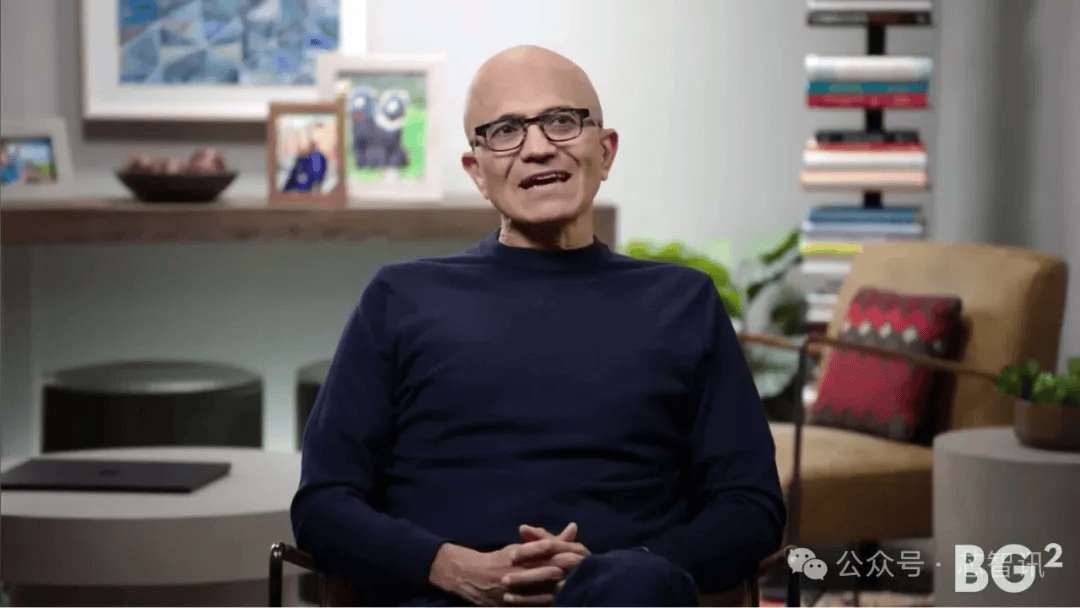
微软CEO纳德拉:电力短缺成AI算力扩张新瓶颈,大量芯片闲置在仓库里
Sou Hu Cai Jing· 2025-11-03 04:56
Core Insights - Microsoft CEO Satya Nadella highlighted that despite the high demand for AI chips, the company is facing limitations in power supply and physical space in data centers, leading to a backlog of AI chips that cannot be powered on [1][3][6] - The current bottleneck in the industry is not the supply of chips but rather the availability of sufficient power and cooling infrastructure to support new hardware [3][6] Group 1: Industry Challenges - The race for computational infrastructure has entered a new phase, with companies like Microsoft reaching physical and energy limits in their data centers [6] - Nvidia's systems are significantly increasing power density, with the next generation expected to see a 100-fold increase in thermal design power (TDP) per rack [6] - The exponential growth of AI models is leading to a potential infrastructure bottleneck, as energy networks may not support further expansion of data centers [6] Group 2: Market Implications - Nadella indicated that the energy shortage could impact the sales of Nvidia chips, as the ability to deploy orders may be hindered by the ongoing energy constraints [6] - The short-term demand for AI chips is difficult to predict and will heavily depend on the overall progress of the supply chain [6]
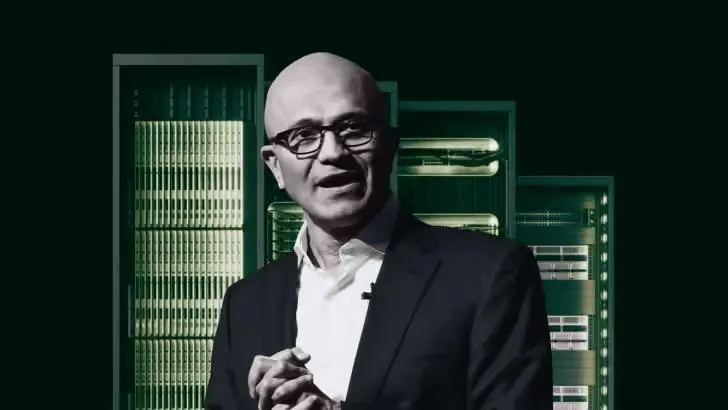
亚太科技_微软、谷歌与 Meta 供应链影响分析;增长势头强劲依旧-APAC Technology _Microsoft, Google & Meta supply chain implications;...__ Microsoft, Google & Meta supply chain implications; strong growth intact
2025-11-03 02:35
Summary of Key Points from Conference Call Records Industry Overview - The conference call discusses the technology sector, specifically focusing on major players: Microsoft, Google, and Meta, highlighting their cloud and AI supply-demand dynamics. The overall sentiment indicates strong growth prospects driven by AI applications and increased capital expenditures (capex) across these companies [1][20]. Microsoft 1. **Financial Performance**: - Microsoft reported F1Q26 sales of **US$77.7 billion**, an **18% YoY increase**, exceeding street expectations of **US$75.4 billion**. F2Q26 sales are guided to be between **US$79.5 billion and US$80.6 billion**, also above the street estimate of **US$80.0 billion** [2][4]. - Azure cloud growth reached **40% YoY**, surpassing expectations of **39%** and guidance of **37%** for F1Q26. F2Q26 guidance is set at **37%**, above the street's **36.4%** [2][4]. 2. **Capex Outlook**: - Capex for FQ226 was reported at **US$30.5 billion**, reflecting a **26% QoQ** and **53% YoY** increase. The full-year capex forecast was raised from **US$88 billion to US$120 billion** [4][5]. 3. **AI Demand**: - Microsoft continues to experience strong demand for AI, with the timeline to meet compute demand extended from the end of 2025 to mid-2026. The company noted that GPU and CPU capacity is not keeping pace with demand, which is expected to grow further [5][20]. Google 1. **Financial Performance**: - Google reported Q325 revenue of **US$102.4 billion**, a **16% YoY increase**, exceeding street expectations of **US$100.0 billion**. Google Cloud revenue grew **34% YoY** to **US$15.2 billion**, also above expectations [10][11]. 2. **Capex Increase**: - Google raised its full-year capex from **US$85 billion to US$91-93 billion**, with a significant increase expected for 2026. The company spent **US$24 billion** in Q325, above consensus estimates [10][11]. 3. **AI Developments**: - Google reported substantial growth in AI-related products, with **AI Mode** reaching **75 million daily active users** and **Gemini app** growing from **450 million to 650 million monthly active users** [10][11]. Meta 1. **Financial Performance**: - Meta's Q325 sales reached **US$51.2 billion**, a **26% YoY increase**, exceeding consensus estimates. However, the stock fell **7%** post-results due to in-line guidance for Q425 [14][15]. 2. **Capex and Spending**: - Meta's capex for Q325 was **US$18.8 billion**, up **128% YoY**. The company raised its 2025 capex guidance to **US$70-72 billion**, indicating aggressive investment in AI infrastructure [14][15]. 3. **AI Impact on Engagement**: - AI initiatives have led to increased user engagement, with time spent on Facebook up **5%** and video time on Instagram up over **30% YoY**. Meta AI now has over **1 billion monthly users** [16][20]. Supply Chain Implications - The overall tone across Microsoft, Google, and Meta indicates a consistent message of rising compute demand driven by AI. Despite increased capex, supply remains constrained, suggesting a continued investment environment through 2026 [20][23]. Additional Insights - The semiconductor and PCB sectors are expected to benefit from the strong demand for AI infrastructure, with companies like TSMC and MediaTek highlighted as key players in the supply chain [23]. - The report emphasizes the importance of monitoring AI-native companies like OpenAI, which could further influence growth and supply chain dynamics in the coming years [20]. This summary encapsulates the key financial metrics, growth outlooks, and strategic initiatives of the major technology players discussed in the conference call, providing a comprehensive overview of the current state and future prospects of the industry.