CEA(600115)

Search documents
全球最长航线即将启航
财联社· 2025-09-11 13:03
Core Viewpoint - The newly launched Shanghai-Auckland-Buenos Aires route will set a record as the longest direct flight in the world, enhancing connectivity between China and Argentina [1][2]. Group 1: Route Details - The route is the only direct flight between China and Argentina, covering a distance of 20,000 kilometers [2]. - The flight will be operated by Boeing 777, with two round trips per week: departing Shanghai on Mondays and Thursdays, and returning from Buenos Aires on Tuesdays and Fridays [2]. - The total flight time is 25 hours and 55 minutes for the outbound journey and 29 hours for the return journey [2]. Group 2: Advantages of the New Route - This route offers a shorter travel time compared to the traditional "Northbound Corridor" that requires transfers in Europe or North America [2]. - The "Southbound Corridor" via Auckland provides advantages such as reduced travel time and fewer layover issues [2]. - Eastern Airlines plans to apply for the fifth freedom rights on this route, allowing passenger and cargo boarding and alighting at Auckland, which will facilitate trade and personnel exchanges among China, New Zealand, and Argentina [2].


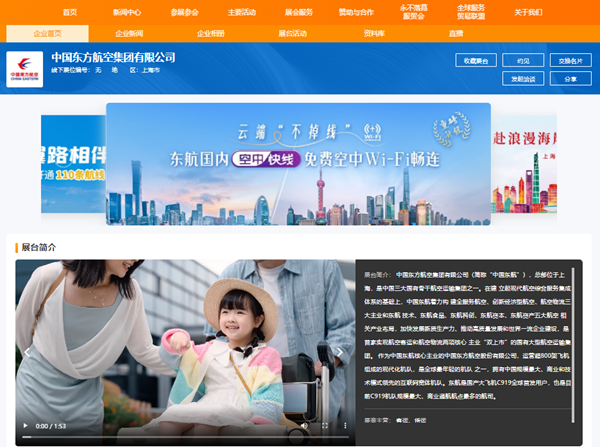
中国东航线上布展2025服贸会,展现航空服务创新成果
Zhong Guo Min Hang Wang· 2025-09-11 08:56
Core Viewpoint - The China Eastern Airlines (CEA) is enhancing its digital product capabilities and showcasing its innovative achievements at the 2025 China International Service Trade Fair, contributing to the country's high-level opening-up efforts [1][4]. Group 1: Event Overview - The 2025 China International Service Trade Fair is held in Beijing from September 10 to 14, themed "Digital Intelligence Leading, Service Trade Renewed" [1]. - The fair serves as the largest and most influential comprehensive exhibition in the global service trade sector, providing a high-end platform for domestic and international enterprises to connect and share market opportunities [4]. Group 2: Company Participation - CEA has participated in the fair for five consecutive years, focusing on building an online exhibition platform to present its contributions to international communication and travel experience enhancement [1][4]. - The online exhibition features multiple modules, including "Company Profile," "Image Advertising," "Promotional Video Screening," and "Products and Services," showcasing CEA's corporate image and diverse service offerings [4]. Group 3: Service Innovations - CEA adheres to the "Four Precision" service strategy, which includes meticulous service design, precise analysis of passenger needs, exquisite service quality presentation, and refined process management for a smooth experience [4]. - Highlighted projects for online promotion include "New Routes," "Pets in Cabin," "Eastern Airlines Mall," "Eastern Airlines Wallet," "Hotel Channel," "Yangtze River Delta and Surrounding Shuttle Routes," "In-flight Wi-Fi," and "In-flight Express Wi-Fi Privileges," covering various dimensions of air travel [4]. Group 4: Strategic Goals - CEA aims to leverage the advantages of the service trade fair platform to enhance international exchanges, seize new opportunities, and expand into new markets through active interaction on the online platform [4].
东航武汉公司与中国太平驻鄂机构签署战略合作协议
Zhong Guo Min Hang Wang· 2025-09-11 08:56
Core Viewpoint - The strategic cooperation agreement between Eastern Airlines Wuhan and China Taiping's three institutions in Hubei aims to enhance local services and explore innovative "insurance + aviation" service models for better travel and insurance experiences in the region [1][2]. Group 1: Strategic Cooperation - The partnership is a practical extension of the strategic cooperation framework between the two groups, focusing on resource sharing and complementary advantages [1]. - The collaboration is expected to deepen local services and align with the shared philosophy of serving the people [1]. Group 2: Service Innovation - The cooperation aims to create a more convenient, efficient, and comprehensive service experience for enterprises and residents in Hubei [1]. - Both parties will focus on insurance product innovation to enhance the travel experience for airline passengers and promote insurance products through aviation service scenarios [2]. Group 3: Economic Impact - The partnership is anticipated to contribute to the economic and social development of Hubei, improving the quality of life for residents [1]. - The collaboration seeks to explore value in areas such as financial and aviation service integration, risk management, employee welfare, and market expansion in Hubei [1].

国产支线飞机C909开通首条地区航线
Bei Jing Wan Bao· 2025-09-11 07:54
Core Points - The first regional route for the domestically produced aircraft C909 has officially opened, with China Eastern Airlines operating the inaugural flight from Nanchang to Macau [1] - The new route will operate three round trips weekly on Wednesdays, Fridays, and Sundays, enhancing connectivity between Jiangxi and Macau [1] - The C909 aircraft will be used for this route, marking its first commercial flight to Macau [1] Flight Details - The outbound flight MU865 is scheduled to depart from Nanchang Changbei International Airport at 10:00 AM and arrive in Macau at 11:45 AM [1] - The return flight MU866 is set to leave Macau International Airport at 12:55 PM and arrive back in Nanchang at 2:45 PM [1] - The inaugural flight was welcomed with a traditional water salute, signifying its importance [1]
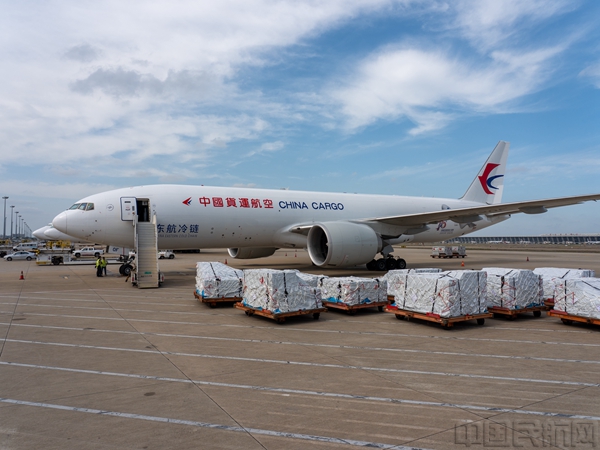
“法老包机”启程! 东航运送“古埃及文明大展”展品返回埃及
Zhong Guo Min Hang Wang· 2025-09-11 02:49
Core Viewpoint - China Eastern Airlines (CEA) successfully transported 50 pieces of Egyptian cultural relics weighing a total of 17.6 tons from Shanghai to Cairo, marking the first time the airline has used a "special cargo flight" for such a purpose [1][5]. Group 1: Transportation Details - The flight, designated CK291, was organized by China Eastern Airlines' logistics division and involved extensive preparation, including multiple coordination meetings with the Shanghai Museum to ensure safety and security during transport [5][6]. - The Boeing 777 cargo aircraft used for this operation was exclusively loaded with the Egyptian artifacts, enhancing the safety of the transport [6]. - The artifacts were placed in the front section of the cargo hold to minimize potential risks from turbulence during flight [6]. Group 2: Ground Support and Logistics - Ground support included a three-day advance preparation for document review, customs clearance, and assembly in a monitored isolation area [6]. - A specialized team was selected for the assembly and transport of the artifacts, utilizing vehicles with optimal shock absorption capabilities [6]. - The aircraft was positioned ahead of schedule, and loading was completed by the afternoon of September 10, ensuring operational safety [6]. Group 3: Cultural Significance and Future Collaboration - The successful transport of the artifacts is part of CEA's commitment to cultural exchange and "civilization mutual learning," showcasing the airline's capabilities in providing comprehensive logistics solutions for cultural relics [8]. - CEA has previously collaborated with the Shanghai Museum and other top cultural institutions, indicating a strong track record in handling cultural artifact transportation [8]. - Future plans include deeper cooperation with cultural institutions to enhance cultural industry collaboration and facilitate more cultural exchange activities [8].
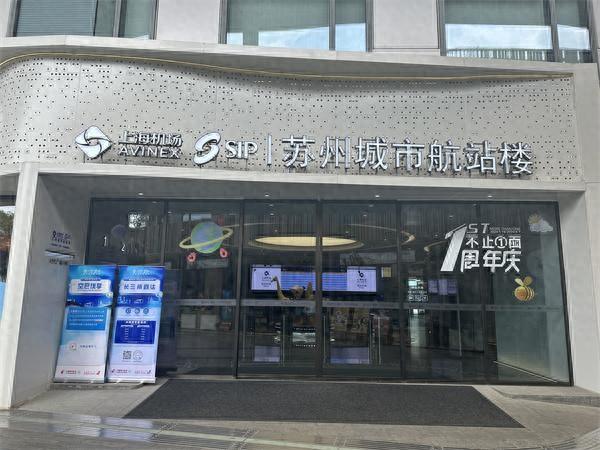
打造新时代出行超级枢纽 “空铁联运”任务清单发布
Zhong Guo Qing Nian Bao· 2025-09-10 23:18
Core Viewpoint - The integration of air and rail transport, known as "air-rail intermodal transport," is effectively unlocking consumer potential and enhancing accessibility to aviation services for residents in smaller cities [2][13]. Group 1: Development and Growth - The air-rail intermodal transport products have gained popularity across various regions in China since 2024, with new hub cities added and coverage extending to over 50 cities [2][4]. - The number of passengers using air-rail intermodal transport has significantly increased, with over 550,000 travelers served since its launch in August 2022, marking a year-on-year growth of over 130% in the first half of 2024 [4][13]. - The air-rail intermodal transport model is seen as a transformative approach to modern transportation, contributing to domestic demand expansion, regional coordination, and green low-carbon transition [3][14]. Group 2: Infrastructure and Services - The Shanghai Hongqiao comprehensive transportation hub exemplifies seamless integration, allowing passengers to transfer from air to rail in under 10 minutes, with daily passenger flow exceeding one million [5]. - The introduction of a unified ticketing system and mutual recognition of security checks has significantly improved the efficiency of passenger transfers [6][10]. - The recent "Task List" issued by the Civil Aviation Administration of China and the National Railway Group outlines key tasks to enhance air-rail intermodal transport, focusing on service standards, information sharing, and technical support [10][12]. Group 3: Economic Impact - Air-rail intermodal transport is crucial for expanding the reach of aviation services to smaller cities, stimulating potential consumer demand and enhancing tourism [13][14]. - The model is reshaping regional economic geography by connecting remote areas to national and global networks, thus providing more development opportunities [14]. - The development of air-rail intermodal transport aligns with the goals of building a modern, efficient, and sustainable transportation network in China, as outlined in national planning documents [14].
机票经济舱均价降至740元
2 1 Shi Ji Jing Ji Bao Dao· 2025-09-10 14:59
Core Viewpoint - The Chinese civil aviation market is experiencing growth in transport scale and competition, with overall transport turnover, passenger transport volume, and seat occupancy rate increasing year-on-year, despite challenges from excessive competition and a complex demand environment [1] Domestic Market - The domestic market is characterized by a "volume increase and price decrease" phenomenon, leading to a decline in operational revenue for most airlines on domestic routes [1][5] - In the first half of 2025, the total transport turnover in the domestic market grew by 11.4%, and passenger transport volume increased by 3.9%, while the average ticket price for economy class fell by 6.9% compared to the same period in 2024 [5] - Major airlines like China Southern Airlines, China Eastern Airlines, and Air China reported varying degrees of revenue growth, with respective revenues of 862.91 billion, 807.57 billion, and 668.22 billion yuan, reflecting year-on-year growth rates of 1.77%, 1.6%, and 4.09% [1][3] Profitability - Despite pressure on domestic route prices, factors like falling oil prices and currency appreciation have alleviated some cost pressures for airlines [2] - Among the three major airlines, China Eastern Airlines had the least net profit loss, while China Southern Airlines saw an increase in its net profit loss [2] - The four major private airlines showed varying degrees of improvement in profitability [2] International Market - The international market saw significant capacity expansion, with a net increase of 123 international routes and a 28.5% year-on-year growth in international passenger transport volume in the first half of 2025 [11] - The three major airlines increased their international route capacity by 24.38%, 16.7%, and 22.5%, respectively, leading to growth in international passenger revenue despite some decline in passenger kilometer revenue [12][14] - Private airlines also expanded their international capacity significantly, with Spring Airlines, Juneyao Airlines, and Hainan Airlines increasing their international capacity by 41.04%, 65.55%, and 60.09%, respectively [13][14] Operational Strategies - Airlines are focusing on expanding international routes, particularly in Northeast Asia and Southeast Asia, with significant capacity increases noted for routes to Japan and South Korea [15][16] - Domestic airlines are also enhancing their route networks, particularly in the Yangtze River Delta region, to improve connectivity and operational efficiency [16][17] Industry Regulations - The "anti-involution" policy has been initiated in the domestic aviation industry, with the release of the "Self-Regulation Convention for Air Passenger Transport" aimed at curbing unhealthy market practices [8][9]



国产飞机C909首飞澳门成功
Ge Long Hui· 2025-09-10 13:57
Group 1 - The core point of the article is the successful inaugural flight of China Eastern Airlines MU865 from Nanchang Changbei International Airport to Macau International Airport, marking the first commercial route operated by the domestic regional aircraft C909 to Macau [1] Group 2 - The flight took place on September 10 at approximately 11 AM, indicating a significant milestone for regional air travel in the Greater Bay Area [1] - This event highlights the growing connectivity and aviation capabilities within the region, potentially enhancing tourism and business travel between Nanchang and Macau [1] - The successful operation of the C909 on this route may pave the way for further utilization of domestic aircraft in commercial aviation, promoting local manufacturing and innovation in the aviation industry [1]
机票经济舱均价降至740元
21世纪经济报道· 2025-09-10 13:07
Core Viewpoint - The Chinese civil aviation market is experiencing growth in transport scale and competition, with a notable increase in transport turnover, passenger transport volume, and seat occupancy rate, but facing challenges from excessive competition and a complex demand environment [1][4]. Domestic Market Summary - The domestic market shows a "volume increase and price decrease" trend, leading to a decline in operational revenue for most airlines on domestic routes [1][4]. - In the first half of 2025, the total transport turnover increased by 11.4%, and passenger transport volume grew by 3.9%, while the average economy class ticket price fell by 6.9% compared to the same period in 2024 [4]. - Major airlines reported varying revenue growth: China Southern Airlines, Air China, and China Eastern Airlines achieved revenues of 862.91 billion, 807.57 billion, and 668.22 billion yuan, with year-on-year growth rates of 1.77%, 1.6%, and 4.09% respectively [1][3]. Profitability Situation - Despite pressure on domestic route prices, falling oil prices and currency appreciation have alleviated some cost pressures for airlines [2]. - Among the three major airlines, China Eastern Airlines had the least net profit loss, while China Southern Airlines' losses expanded [2]. - The profitability of the four major private airlines improved to varying degrees [2]. International Market Summary - The international market saw significant capacity expansion, with a net increase of 123 international routes and a 28.5% increase in passenger transport volume compared to the previous year [9]. - Major airlines increased their international route capacity: China Eastern Airlines by 24.38%, Air China by 16.7%, and China Southern Airlines by 22.5% [9][11]. - Despite a decline in passenger kilometer revenue, the increase in international passenger transport volume positively impacted revenue performance for these airlines [9]. Competitive Landscape - The domestic aviation industry continues to face intense competition, characterized by product service homogeneity and insufficient control over sales channels [4][6]. - The "anti-involution" policy has been initiated, with the release of the "Self-Discipline Convention for Air Passenger Transport" aimed at regulating unhealthy market behaviors [6][7]. Specific Airline Performance - Hainan Airlines and Spring Airlines increased their domestic route capacity by 2.67% and 3.61% respectively, while China Southern Airlines and Air China saw declines in passenger kilometer revenue [6]. - Huaxia Airlines significantly increased its domestic route capacity by 21.42%, resulting in a 27.13% increase in passenger turnover and a 12.41% revenue growth [5]. International Route Focus - Airlines are focusing on routes to Japan and Southeast Asia, with Spring Airlines reporting a 116.8% increase in capacity for Japanese routes [12]. - New international routes have been opened by various airlines, enhancing connectivity to Europe and countries involved in the Belt and Road Initiative [13].

航司上半年:国际淘金、国内以价换量,华夏航空“偏远”策略逆袭
2 1 Shi Ji Jing Ji Bao Dao· 2025-09-10 11:16
Core Insights - The Chinese civil aviation market is experiencing growth in transport scale, with key indicators such as total turnover, passenger transport volume, and seat occupancy rate showing year-on-year improvements, despite ongoing over-competition and a complex demand environment [1][4] - The domestic market is characterized by a "volume increase and price drop" phenomenon, leading to a decline in operational revenue for most airlines on domestic routes [1][4] - In the international market, airlines have increased capacity on international routes, resulting in a significant rise in passenger turnover, although some airlines have seen a decrease in revenue per passenger kilometer [1][8] Domestic Market Performance - The overall performance of the domestic market shows a trend of "volume increase and price drop," with the average economy class ticket price dropping by 6.9% year-on-year to 740 yuan [4][5] - Major airlines have adjusted their capacity, with China Eastern and China Southern increasing domestic capacity by 1.07% and 0.44%, respectively, while Air China reduced its capacity by 1.26% [5][7] - The domestic passenger transport volume increased by 3.9%, but operational revenue for most airlines declined due to falling ticket prices [4][5] Financial Performance of Major Airlines - China Southern Airlines reported revenue of 86.291 billion yuan, a year-on-year increase of 1.77%, but a net profit loss of 15.33 billion yuan, widening by 24.84% [3][2] - China Eastern Airlines achieved revenue of 66.822 billion yuan, a 4.09% increase, with a net profit loss of 14.31 billion yuan, improving by 48.30% [3][2] - Air China generated revenue of 80.757 billion yuan, a 1.6% increase, with a net profit loss of 18.06 billion yuan, improving by 35.11% [3][2] International Market Expansion - The international market saw a net increase of 123 international routes, with passenger transport volume growing by 28.5% year-on-year, surpassing pre-pandemic levels [8][9] - Major airlines increased their international capacity significantly, with China Eastern, China Southern, and Air China raising their capacity by 24.38%, 22.5%, and 16.7%, respectively [8][10] - Despite a decline in revenue per passenger kilometer, international passenger revenue for China Southern and Air China increased by 15.74% and 16.09%, respectively [8][10] Strategic Focus and Market Trends - Airlines are focusing on expanding international routes, particularly in Northeast Asia and Southeast Asia, with significant capacity increases noted for Spring Airlines and others [11][12] - The industry is witnessing a shift towards more structured competition, with the introduction of self-regulatory agreements aimed at curbing price dumping and promoting healthy market practices [7][8] - Domestic airlines are enhancing their route networks, particularly in the Yangtze River Delta region, to improve connectivity and operational efficiency [12][13]