BANK COMM(601328)

Search documents
交通银行广东省分行:深耕金融“五篇大文章” 擘画“十五五”新图景
2 1 Shi Ji Jing Ji Bao Dao· 2025-12-26 23:16
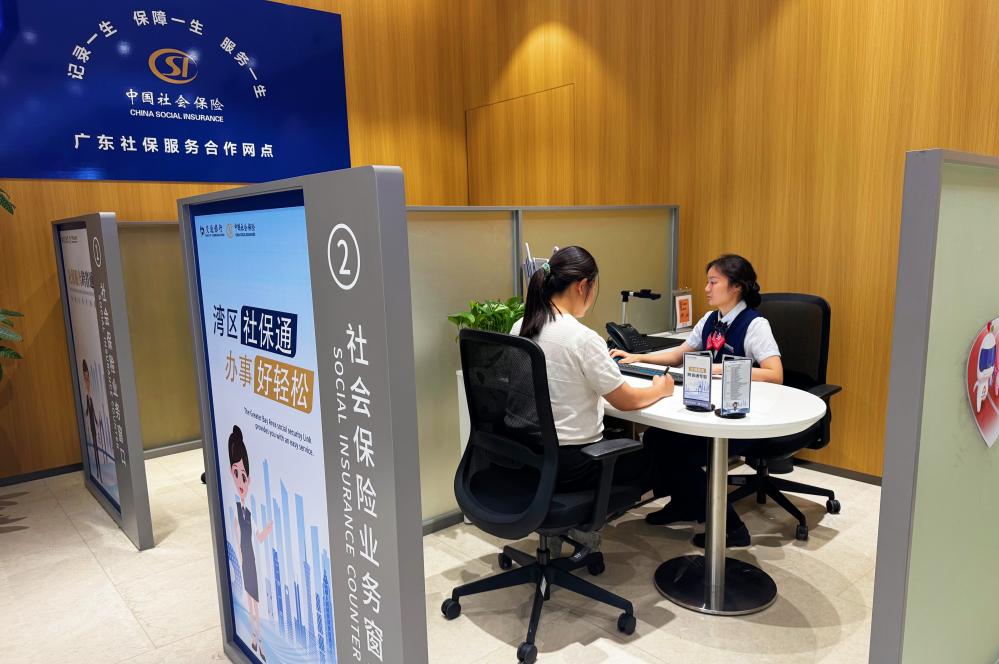
Core Insights - The Guangdong branch of Bank of Communications is committed to supporting the high-quality development of the Guangdong-Hong Kong-Macao Greater Bay Area through innovative financial services and green transformation initiatives [1][2][3]. Financial Services and Innovation - The bank has established a service structure that includes "centers + special teams + technology-focused branches" to enhance support for technology innovation [2]. - A new evaluation model for technology enterprises has been developed, allowing for better identification of innovation capabilities and financing needs, thus expanding financing opportunities for tech companies [2][3]. - The bank's technology enterprise loans increased by 12.8% year-on-year as of November 2025, maintaining a double-digit growth rate over the past three years [3]. Green Finance Initiatives - The bank has launched innovative financial products like "Lychee Loan" to support the agricultural sector, demonstrating its commitment to green finance [4][5]. - A dedicated green finance center has been established, and the bank has initiated several pioneering green financing projects, including loans for the ceramic industry and carbon credit financing [4]. - Green loans increased by approximately 18% year-to-date as of November, contributing to ecological and marine development in Guangdong [5]. Inclusive Finance - The bank has implemented initiatives to enhance financial accessibility, including the "Thousand Enterprises and Ten Thousand Households" outreach program, promoting various loan products tailored for small and micro enterprises [6][7]. - The average annual growth rate of inclusive loans has exceeded 30% over the past three years, providing substantial support to small businesses [7]. Elderly Care and Social Services - The bank has developed "elder-friendly" branches and partnered with social security services to enhance financial accessibility for the elderly [9]. - It has established 50 elder-friendly branches and introduced various financial products aimed at supporting the elderly population [9]. Digital Transformation - The bank has integrated digital services into its operations, deploying over a thousand "Yue Zhi Zhu" government service machines in rural areas to enhance financial service accessibility [10]. - The bank has also collaborated with local electric vehicle manufacturers to create an integrated credit service project, facilitating over 1.4 billion yuan in loans for green transportation [11]. - The application of digital currency is expanding, enhancing consumer experiences in various sectors [11].


国家金融监督管理总局北京监管局 关于颁发《中华人民共和国金融许可证》的公告
Jing Ji Ri Bao· 2025-12-26 22:18
简称:交通银行北京长阳支行 业务范围:经银行保险监督管理机构或其他有行政许可权的机构批准并经上级机构授权办理的业务。 批准日期:2025年12月17日 机构住所:北京市房山区长政南街1号院1号楼1F-18a、1F-18b、1F-18c 下列机构经国家金融监督管理总局北京监管局批准,颁发《中华人民共和国金融许可证》。现予以公 告: 交通银行股份有限公司北京长阳支行 许可证流水号:01119798 邮编:102442 电话:010-69368890 事由:设立 发证日期:2025年12月19日 机构编码:B0005S211000157 ...
交通银行股份有限公司第十一届董事会第四次会议决议公告
Shang Hai Zheng Quan Bao· 2025-12-26 21:12
交通银行股份有限公司 第十一届董事会第四次会议决议公告 交通银行股份有限公司(以下简称"交通银行"或"本行")董事会及全体董事保证本公告内容不存在任何 虚假记载、误导性陈述或者重大遗漏,并对其内容的真实性、准确性和完整性承担法律责任。 一、董事会会议召开情况 本行第十一届董事会第四次会议于2025年12月26日以现场和视频相结合的方式,在上海和北京召开。本 行于2025年12月16日以书面方式向全体董事发出本次会议通知。会议由任德奇董事长主持,应出席董事 15名,亲自出席董事14名,委托出席董事1名,廖宜建非执行董事书面委托陈绍宗非执行董事出席会议 并代为行使表决权。部分高管列席会议。本次会议的召开符合《中华人民共和国公司法》等法律法规和 《交通银行股份有限公司章程》的规定。 二、董事会会议审议情况 股票代码:601328 股票简称:交通银行 编号:临2025-080 (一)关于修订《交通银行股份有限公司非中管高管考核分配办法》的决议 会议审议批准了《关于修订〈交通银行股份有限公司非中管高管考核分配办法〉的议案》,同意予以施 行。 表决情况:同意15票,反对0票,弃权0票 (二)关于《2024年度董事薪酬方案 ...
交通银行河南省分行:持续强化零售信贷资产质量管理
Zheng Quan Ri Bao· 2025-12-26 16:50
Group 1 - The core viewpoint emphasizes the importance of maintaining asset quality in retail credit while promoting consumption initiatives [1] - The company has established a mechanism for the recovery of non-performing retail credit assets, focusing on resolving key risk issues [1] - There is a strong emphasis on post-loan management and the use of risk mitigation tools, including targeted repayment plans and loan restructuring [1] Group 2 - The company is coordinating the use of various disposal tools and resources to enhance the efficiency of non-performing asset management [1] - Ongoing efforts include the use of legal proceedings, write-offs, and asset securitization as part of the asset disposal strategy [1] - The company aims to fully leverage mediation mechanisms to improve the efficiency of non-performing asset resolution [1]
年终奖怎么投资?多家银行放出专属理财“大招”
Guo Ji Jin Rong Bao· 2025-12-26 15:25
Group 1 - The core viewpoint of the articles highlights that banks are launching "year-end bonus wealth management" plans to cater to the needs of employees receiving year-end bonuses, focusing on stable and low-risk investment products [1][2][3] - Several banks, including Postal Savings Bank, China Construction Bank, and Bank of Communications, are offering "one-stop" wealth management solutions that include deposits, investments, and insurance products [1][2] - The recommended investment products are primarily low-risk (PR1) or medium-low risk (PR2), with a focus on meeting customer needs and enhancing customer loyalty in a competitive market [2][3] Group 2 - This year, banks are incorporating various insurance products into their year-end wealth management plans, with some banks prioritizing conservative and stable insurance options alongside traditional investment products [3][4] - The overall trend in year-end wealth management plans is towards low volatility and stability, with higher risk products being less common [4] - Experts suggest that investors should analyze their financial situation, risk tolerance, and future funding needs to create a tailored investment plan that balances risk and return [4][5] Group 3 - For short-term funds, it is recommended to choose highly liquid cash management products, while medium-term funds can be allocated to low-risk fixed income products [5] - Long-term investments may include rights-based financial products, with diversification through funds being encouraged to achieve long-term return goals [5][6] - The global economic uncertainty is expected to persist, and the wealth management market is projected to continue expanding, necessitating investor education on asset allocation and investment strategies [6]


交通银行周恩静:坚守金融向善理念,积极构建金融助残生态圈
Xin Lang Cai Jing· 2025-12-26 12:21
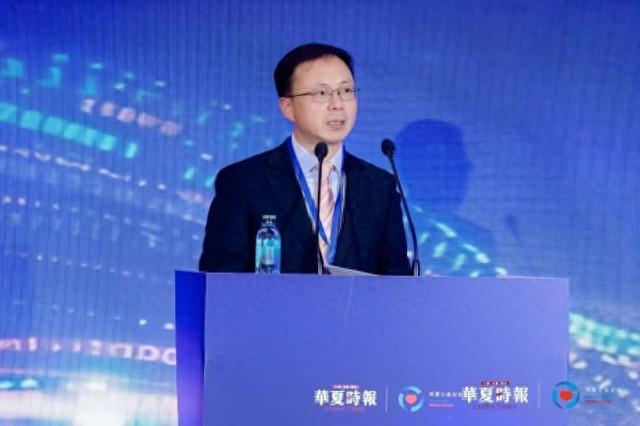
Core Viewpoint - The speech emphasizes the importance of supporting the 85 million disabled individuals in China as a crucial force for modernization and highlights the commitment of the Bank of Communications to social responsibility through financial services aimed at this demographic [1][2] Group 1: Financial Commitment - The Bank of Communications, as a state-owned bank, views caring for the disabled as a key responsibility and mission [1][2] - The bank has adhered to the principle of "finance for good" for 18 years, leading initiatives under the public welfare brand "Towards Tomorrow, Assisting the Disabled to Prosper" [1][2] Group 2: Areas of Focus - The bank collaborates with the China Disabled Persons' Federation to deepen efforts in four main areas: financial services, educational empowerment, employment assistance, and public welfare [1][2] - The aim is to actively build a financial ecosystem that supports the disabled, continuously exploring unique pathways for financial assistance tailored to their needs [1][2]
2025回顾| 猛涨450%,逼近万亿,定增大爆发!
Guo Ji Jin Rong Bao· 2025-12-26 12:02
Core Viewpoint - The A-share market has seen a significant increase in the scale and performance of private placements in 2025, with a total fundraising amount of 959.38 billion yuan, marking a 454.4% increase compared to the entire year of 2024 [2][6]. Group 1: Fundraising Activity - As of December 25, 2025, 164 A-share companies have implemented private placements, raising a total of 959.38 billion yuan, which is a substantial increase from the previous year [2][6]. - The approval rate for private placement projects has reached 100%, with nearly 90% of projects currently showing profits [2][12]. - The fundraising scale in 2025 is approaching the 1 trillion yuan mark, with the total exceeding 950 billion yuan, a significant recovery from the low of 173.05 billion yuan in 2024 [5][6]. Group 2: Sector and Company Distribution - The financial sector leads in fundraising, with 11 companies raising a total of 659.47 billion yuan, including major banks like China Bank and Postal Savings Bank [7][8]. - Among the 164 companies that have completed private placements, 118 are from the manufacturing sector, raising 189.66 billion yuan, indicating a strong demand for long-term funding in this industry [6][19]. - The top four state-owned banks have collectively raised 520 billion yuan, accounting for 52.5% of the total private placement fundraising this year [8][10]. Group 3: Market Performance - Approximately 88% of the private placement projects this year have shown profits, with 33 projects experiencing price increases exceeding 100% [12][16]. - Notable performers include companies like AVIC Chengfei, which has a premium rate of 820.23% [13]. - The overall enthusiasm for private placements is high, with public funds participating significantly, leading to a floating profit amount of 10.74 billion yuan for public funds [16]. Group 4: Approval and Regulatory Environment - The approval process for private placements has accelerated, with 133 projects approved by the end of 2025, reflecting a significant increase in efficiency compared to previous years [17][18]. - The "Six Merger Policies" have notably increased the proportion of financing for mergers and acquisitions, with 45 cases related to asset acquisitions [19]. - The reduction in the average review cycle for private placements has improved the responsiveness of the capital market to the needs of the real economy [18][19].


交通银行:第十一届董事会第四次会议决议公告
Zheng Quan Ri Bao· 2025-12-26 10:41
(文章来源:证券日报) 证券日报网讯 12月26日,交通银行发布公告称,交通银行第十一届董事会第四次会议审议通过《关于 修订的议案》《关于的议案》《关于的议案》等多项议案。 ...
交通银行周恩静:坚守金融向善理念,积极构建金融助残生态圈|聚焦2025(第五届)华夏公益论坛
Hua Xia Shi Bao· 2025-12-26 09:37
Core Viewpoint - The forum emphasizes the integration of artificial intelligence technology with public welfare, aiming to enhance the quality of public welfare development through technological innovation [2] Group 1: Company Initiatives - China Everbright Bank has been actively involved in supporting the disabled community for 18 years, contributing a total of 130 million yuan in charitable donations, benefiting over 240,000 disabled individuals and workers in the field [3][4] - The bank has developed a comprehensive support system for the disabled, transitioning from targeted charity to multi-dimensional financial services, enabling disabled individuals to integrate into society and share in development benefits [3][4] - The bank has launched 17 specialized financial service projects tailored for the disabled, including industry chain finance, cross-border finance, and digital currency wallets, to support the successful hosting of the National Special Olympics [4][6] Group 2: Educational Empowerment - Since 2007, the bank has collaborated with the China Disabled Persons' Federation to initiate the "Towards Tomorrow" scholarship program, aiding over 37,000 impoverished disabled students and improving conditions in 126 special education schools [5][6] - The bank has established the "Traffic Bank Special Education Teacher Award" to support special education training and competitions, benefiting over 50,000 disabled individuals and workers in the sector [5][6] Group 3: Employment Support - The bank has created a support system focusing on education, employment assistance, and competition to enhance the employability of disabled individuals, leading to the training of over 8,800 special education teachers and the recognition of 69 high-skilled disabled talents [6][7] - The "Beautiful Workshop" project has been funded for three consecutive years, providing employment skills training for disabled women and achieving significant sales during exhibitions [6][7] Group 4: Community Engagement - The bank has supported various community projects, including the renovation of homes for severely disabled individuals affected by earthquakes, benefiting 100 families [7][8] - The bank has also sponsored performances by the China Disabled Persons' Art Troupe, promoting social understanding and respect for disabled individuals [7][8] Group 5: Future Commitments - The bank aims to continue its strategic cooperation with the China Disabled Persons' Federation, focusing on comprehensive support for disabled individuals throughout their life stages [8][9] - The bank plans to develop more tailored financial products and services for disabled individuals and organizations, ensuring accessible and warm financial services nationwide [9]
商业银行出海,谁在悄然发力
21世纪经济报道· 2025-12-26 09:17
Core Viewpoint - Chinese banks are expanding their global presence, establishing a comprehensive service network that supports domestic enterprises going abroad, particularly in emerging markets along the Belt and Road Initiative [1][2]. Group 1: Global Expansion Strategy - Chinese banks are transitioning from focusing primarily on traditional markets in Europe and the US to diversifying their operations in emerging markets such as Southeast Asia, the Middle East, and Latin America [1]. - The overseas expansion strategy of Chinese banks has evolved from rapid growth through new branches and acquisitions before 2019 to a more focused approach on strategic value and risk control since 2020 [11]. Group 2: Bank Performance and Revenue - As of June 2025, Bank of China leads with 783.13 billion yuan in overseas revenue, marking a 14.4% increase from the previous year, with overseas revenue accounting for 23.77% of its total [14]. - Agricultural Bank of China reported a 21.03% increase in overseas revenue, while Construction Bank's overseas revenue grew by 40.92% [14][15]. - In contrast, Everbright Bank experienced a 12.72% decline in overseas revenue, indicating varying performance among banks [16]. Group 3: Regional Distribution and Focus - The distribution of overseas institutions varies among banks, with Bank of China having the most extensive network, followed by Industrial and Commercial Bank of China, which has a significant presence in 49 countries [4][5]. - Joint-stock banks tend to focus their internationalization efforts on key financial hubs like Hong Kong and London, aiming for niche markets in cross-border finance and wealth management [9]. Group 4: Challenges and Opportunities - Chinese banks face challenges in compliance with differing regulatory environments, cultural integration, and brand recognition in international markets [18]. - The demand for diversified financial services is increasing among Chinese enterprises going abroad, with a shift towards high-value industries and a need for localized services [19][20]. Group 5: Future Directions - To enhance competitiveness, Chinese banks must focus on global collaboration, local market adaptation, compliance risk management, and financial technology innovation [22]. - The future of internationalization for Chinese banks will hinge on their ability to create value in a complex global environment, moving from broad network expansion to deep operational excellence [22].