GWMOTOR(601633)

Search documents
长城汽车(02333) - 海外监管公告
2026-03-27 10:27
香港交易及結算所有限公司及香港聯合交易所有限公司對本公告的內容概不負責,對其準確性或完整性亦不發表任何 聲明,並明確表示,概不對因本公告全部或任何部份內容而產生或因倚賴該等內容而引致的任何損失承擔任何責任。 長 城 汽 車 股 份 有 限 公 司 GREAT WALL MOTOR COMPANY LIMITED* (於中華人民共和國註冊成立的股份有限公司) 股份代號:02333(港幣櫃台)及82333(人民幣櫃台) 此海外監管公告是根據香港聯合交易所有限公司證券上市規則第 13.10B 條發出。以下為長城汽 車股份有限公司於上海證券交易所網站(www.sse.com.cn)所刊發之「長城汽車股份有限公司 務報表及審計報告(2025年12月31日止年度)」。 承董事會命 長城汽車股份有限公司 公司秘書 李紅栓 海外監管公告 中國河北省保定市,2026 年 3 月27 日 於本公告日期,董事會成員如下: 執行董事: 魏建軍先生、趙國慶先生及李紅栓女士。 职工董事:盧彩娟女士。 非執行董事:何平先生。 獨立非執行董事: 樂英女士、 輝先生及鄒兆麟先生。 * 僅供識別 长城汽车股份有限公司 财务报表及审计报告 二零二 ...
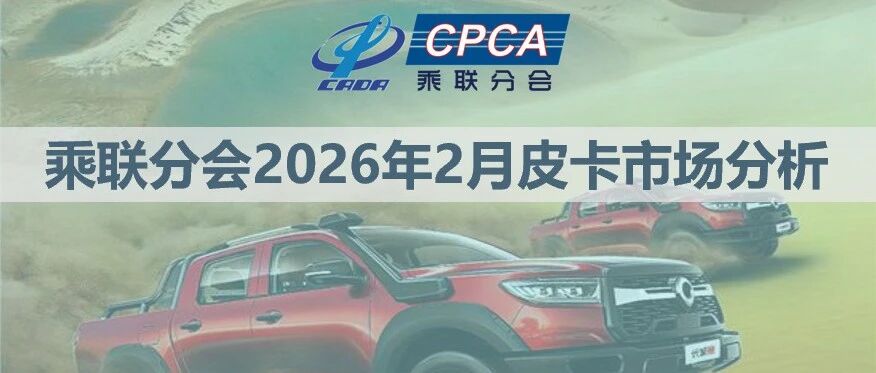
【乘联分会论坛】2026年2月皮卡市场分析
乘联分会· 2026-03-26 08:39
Core Viewpoint - The pickup truck market is experiencing fluctuations due to seasonal factors, with a notable decline in sales during February 2026, while exports continue to show strong growth, indicating a complex market landscape driven by both domestic and international demand [1][8][12]. Group 1: Pickup Truck Sales and Production - In February 2026, pickup truck sales reached 41,000 units, a year-on-year decrease of 13.2%, while production was 42,000 units, down 3.1% year-on-year [1]. - For January-February 2026, total sales were 91,000 units, reflecting a growth of 5.3%, marking a high level compared to the same period in the past five years [1]. - The sales performance of major manufacturers like Great Wall Motors remains strong, with a stable domestic and international presence [1][22]. Group 2: Export Performance - In February 2026, the national pickup truck export volume was 23,000 units, representing a year-on-year increase of 15%, while the cumulative export for January-February reached 50,000 units, up 30% year-on-year [1][12]. - The export share of total pickup truck sales is projected to reach 45% in 2024, 50% in 2025, and 56% in February 2026, indicating a robust growth trajectory for Chinese pickup brands in international markets [12][28]. Group 3: New Energy Pickup Trucks - In February 2026, new energy pickup truck sales were 5,000 units, down 6% year-on-year, while January-February sales totaled 11,000 units, reflecting a 5% increase year-on-year [2][14]. - The market for new energy pickups is gradually improving, with brands like BYD and Geely showing strong overseas sales, indicating a shift towards electrification in the pickup segment [2][14]. Group 4: Market Dynamics and Regional Analysis - The pickup truck market is characterized by a "one strong, many strong" competitive landscape, with Great Wall Motors holding nearly 50% of the domestic market share, while other brands like Jiangling and Zhengzhou Nissan maintain strong positions [22][25]. - The demand for pickups is primarily driven by the southwestern and northwestern regions, which account for approximately 48% of total demand, while eastern regions show a decline [16][18]. - The market is influenced by factors such as the economic activity in the western regions and the ongoing electrification trend, which is expected to enhance the demand for new energy pickups [18][30].


——周一刻钟,大事快评(W148):高油价对新能源需求撬动影响
Shenwan Hongyuan Securities· 2026-03-25 11:20
Investment Rating - The industry investment rating is "Overweight," indicating that the industry is expected to outperform the overall market [10]. Core Insights - High oil prices are driving a shift in automotive consumption towards energy-efficient and environmentally friendly vehicles, creating opportunities for Chinese electric vehicles (EVs) to expand internationally [5][2]. - The current high oil prices are expected to have a clear positive impact on the export of Chinese EVs, as they reduce the relative cost of using these vehicles compared to traditional fuel vehicles [5]. - The transition to EVs is constrained by the availability of charging infrastructure, with hybrid and fast-charging technologies providing feasible pathways for market entry [5]. - The impact of oil prices on corporate profitability is not linear; while rising oil prices can enhance demand for EVs, they also increase costs related to raw materials and shipping [5]. - Investment recommendations include focusing on companies that leverage AI and are positioned for international growth, such as Xpeng, NIO, and BYD, as well as traditional automakers undergoing reforms [5]. Summary by Sections High Oil Prices and EV Demand - The report highlights that historical oil crises have led to increased market shares for fuel-efficient vehicles, suggesting a similar trend for Chinese EVs in the current context of rising oil prices [5]. - The report quantifies the relationship between rising oil prices and the market share of Japanese brands during past oil crises, indicating a stable substitution effect [5]. Infrastructure Constraints - The report notes that the current export of EVs faces challenges due to inadequate charging infrastructure abroad, with hybrid vehicles serving as a transitional solution [5]. - Technologies such as BYD's fast-charging solutions are mentioned as ways to alleviate reliance on existing grid capacities [5]. Segment Effects of Oil Prices - The report discusses the segmented effects of oil prices on demand and profitability, emphasizing that while moderate increases can boost EV demand, excessively high prices may lead to cost pressures that could negatively impact profits [5]. Investment Analysis - The report recommends focusing on companies with strong international business support, such as BYD and Geely, and highlights the potential of companies involved in robotics and data centers [5]. - Specific companies are identified for investment based on their growth potential and market positioning, including both large-cap and small-cap firms [5].





长城汽车申请高压直流母线检测系统专利,抗干扰能力较强
Jin Rong Jie· 2026-03-25 04:17
Group 1 - The core point of the article is that Great Wall Motors Co., Ltd. has applied for a patent for a high-voltage direct current bus detection system and vehicle, indicating its focus on advanced voltage detection technology [1] - The patent application, published as CN121721352A, was filed on December 2025 and includes a system that consists of a sampling circuit, pulse signal generation circuit, isolation transmission circuit, and control circuit [1] - The system enhances safety and anti-interference capabilities by converting sampled voltage into pulse signals, which are then processed to determine the bus voltage [1] Group 2 - Great Wall Motors Co., Ltd. was established in 2001 and is primarily engaged in the automotive manufacturing industry, with a registered capital of approximately 855.89 million RMB [2] - The company has made investments in 75 enterprises and participated in 2,927 bidding projects, showcasing its active role in the automotive sector [2] - Great Wall Motors holds a significant amount of intellectual property, including 5,000 trademark records and 5,000 patent records, along with 640 administrative licenses [2]
汽车行业深度研究报告:出口千万,近在咫尺
Huachuang Securities· 2026-03-25 01:24
Investment Rating - The report maintains a "Buy" recommendation for the automotive industry, highlighting significant growth potential in exports and new energy vehicles [2]. Core Insights - China's automotive exports have achieved a continuous increase of over 1 million units annually for the past five years, with expectations for further growth driven by overseas market expansion and the competitive advantages of domestic brands [12]. - The report forecasts that by 2025, China's automotive exports will reach 7.06 million units, representing a year-on-year increase of 21%, with exports accounting for over 20% of wholesale volume for the first time [12]. - The penetration rate of new energy vehicles in China's exports is projected to reach approximately 40% by 2025, with significant growth expected in the coming years [19]. Summary by Sections Export Overview - China has seen a consistent increase in automotive exports, with a projected 7.06 million units in 2025, up 21% year-on-year, and a wholesale export ratio exceeding 20% [12]. - The first two months of 2026 have already recorded 1.35 million units exported, a 49% increase year-on-year, with a wholesale ratio of 33% [12]. Regional Market Analysis - The report details the automotive market capacity and Chinese brand shares in various regions, including Europe, Southeast Asia, and Latin America, indicating strong growth potential in these markets [6][25]. - In Europe, the automotive market is expected to exceed 16 million units, with a new energy penetration rate projected to reach 22.7% by 2025 [39]. - Southeast Asia's automotive market is anticipated to grow significantly, with a market size of 3-3.5 million units and a new energy penetration rate nearing 15% [52]. Future Export Potential - The report estimates that by 2030, China's automotive exports could grow from 8.33 million units in 2025 to 14.26 million units, with a potential increase of nearly 6 million units [7]. - The analysis suggests that the growth in exports will be driven by increasing demand in Southeast Asia, Africa, and Latin America, with significant market share gains expected for Chinese brands [7]. Investment Recommendations - The report recommends investing in companies such as BYD, Geely, Leap Motor, and Great Wall Motors, while also suggesting to keep an eye on Changan Automobile, SAIC Motor, and Chery Automobile [8].


日本汽车惨败,但中国就“赢”了吗
虎嗅APP· 2026-03-24 13:34
Core Viewpoint - The article discusses the significant milestone of Chinese automotive manufacturers surpassing Japanese companies in global sales, marking a shift in the global automotive landscape. However, it questions whether this achievement truly reflects a win for Chinese companies in terms of profitability and brand value [2][3][4]. Group 1: Sales Data - In 2025, Chinese automotive manufacturers are projected to achieve global sales of approximately 27 million vehicles, while Japanese manufacturers are expected to sell around 25 million vehicles, indicating a notable shift in market leadership [6][7]. - Specific sales figures for leading companies include BYD with 4.602 million units (+8%), SAIC with 4.507 million units (+12.3%), and Geely with 4.116 million units (+26%), while Toyota remains the top seller with 11.323 million units (+4.63%) [9][10]. Group 2: Market Share and Trends - China's global market share in the automotive sector is expected to reach 35.6% in 2025, up from 34.2% in 2024, highlighting a steady increase in dominance [10]. - The decline of Japanese automotive companies is attributed to strategic missteps, with a significant drop in market share in China, where Japanese brands now account for less than 9% of sales compared to 30% at their peak [11]. Group 3: Profitability and Brand Value - Despite leading in sales, Chinese companies like BYD have a net profit that is less than one-fifth of Toyota's, indicating a disparity in profitability [16]. - The overall profit margin for the Chinese automotive industry is only 4.1%, significantly lower than Toyota's operating profit margin of approximately 10% [17]. Group 4: Globalization and Market Presence - BYD's overseas sales reached 1.05 million units in 2025, a 145% increase, but this is still limited compared to Toyota's extensive global presence [19]. - The article emphasizes that while Chinese companies are making strides in international markets, their global strategy remains concentrated in Southeast Asia, the Middle East, and Latin America, with minimal penetration in North America [20]. Group 5: Future Challenges - The article warns that the automotive industry is shifting from a "price war" to a "value war," where success will depend on brand strength, profitability, and global operational capabilities, areas where Chinese companies currently lag [21][24]. - The true winners in the automotive sector will be those who can achieve not just high sales but also strong profits, brand recognition, and a robust global presence [25][26].
汽车行业:26年数据点评系列之四:乘用车连续两个月库存去化,出口增速表现亮眼
GF SECURITIES· 2026-03-24 07:06
Investment Rating - The report maintains a "Buy" rating for the automotive industry, consistent with the previous rating [2] Core Insights - The automotive industry is expected to experience a stable price increase and volume growth in 2026, despite a decline in terminal sales in January and February due to consumer hesitation [15][16] - The passenger vehicle inventory has decreased for two consecutive months, and export growth has been impressive, with a 53.3% year-on-year increase in exports for the first two months of 2026 [15] - The penetration rate of new energy vehicles (NEVs) in the domestic market is under pressure, but exports have surged by 113.0% year-on-year [15] Summary by Sections 1. Passenger Vehicle Sales and Market Dynamics - In January and February 2026, the cumulative sales of passenger vehicles were 2.642 million units, down 14.7% year-on-year, indicating a projected annual decline of 5.3% [15] - The average selling price (ASP) of passenger vehicles increased by 8.8% year-on-year, marking five consecutive months of positive growth [15] - The inventory of passenger vehicles stood at 4.346 million units by the end of February 2026, with a dynamic inventory-to-sales ratio of 2.34 [15] 2. New Energy Vehicle Performance - The cumulative export of new energy vehicles reached 572,000 units in the first two months of 2026, reflecting a 113.0% year-on-year increase [15] - The penetration rates for pure electric and plug-in hybrid vehicles were 23.4% and 15.0%, respectively, with year-on-year declines of 9.2 percentage points and 3.0 percentage points [15] 3. Investment Recommendations - The report suggests focusing on various automotive companies based on their market positioning: - Right-side targets include Geely, BYD, Seres, Chery, Xpeng, and Leap Motor [15] - Left-side targets include Li Auto and Changan [15] - Companies at inflection points include Great Wall Motors and SAIC Motor, with a recommendation to pay attention to JAC Motors [15] - In the upstream and downstream supply chain, recommended right-side targets include Minth Group, Yinlun, and others, while left-side targets include Yongda Automotive and New Coordinates [15]


汽车行业2026一季度业绩前瞻
2026-03-24 01:27
Summary of Automotive Industry Conference Call Industry Overview - The automotive industry is facing dual pressure on volume and profit in Q1 2026, with wholesale volume expected to decline by approximately 8% year-on-year, while new energy vehicle sales are projected to slightly decrease. Exports are the only bright spot, with a year-on-year increase of 55% [1][2][3]. Key Points Performance Expectations - **Overall Industry Performance**: Q1 2026 is anticipated to be the low point for volume and profit in the passenger car sector, with most automakers expected to see profit declines exceeding 20% year-on-year due to rising costs from copper, aluminum, lithium carbonate, and the appreciation of the RMB [1][2][3]. - **Geely Auto**: Expected to report profits exceeding 4 billion yuan, with a quarter-on-quarter increase of over 10%, driven by the high profitability of the Geely 9X model and a year-on-year export growth of 140% [1][4]. - **Heavy Truck Sector**: Strong export performance with a year-on-year increase of 30% in January-February 2026. China National Heavy Duty Truck Corporation (CNHTC) is expected to see a profit increase of 60% to 500 million yuan [1][2][3]. Segment Performance - **Intelligent Vehicle Sector**: Outperforming the overall vehicle sector, with Huayang Group expected to see a nearly 20% year-on-year growth, benefiting from Xiaomi's automotive sales and new product lines [1][7]. - **Parts Sector**: Mixed performance with leading companies like Fuyao Glass and Xingyu maintaining lower pressure due to strong overseas expansion. Companies like Kingood are expected to benefit from the rising aluminum prices [1][6]. Sales and Profitability - **Sales Disparities**: Despite overall industry decline, companies like NIO and Seres are expected to show significant sales growth due to new model launches, while BYD and XPeng are facing larger declines [2][3][4]. - **Profit Expectations**: Most passenger car companies are expected to see a year-on-year profit decline of over 20%. Geely is projected to stand out with a profit of over 4 billion yuan [4][5]. Market Trends - **Two-Wheeler Sector**: The sector continues to show strong growth in large-displacement exports, with Chuanfeng Power's exports expected to increase by 60% year-on-year, although overall performance is expected to remain flat due to tariff impacts [1][10]. Additional Insights - **Investment Strategy**: The investment strategy for 2026 focuses on performance and valuation, with recommendations in areas such as AIGC-enabled "power shortage," L4-level intelligence, and robotics. Key companies recommended include Weichai Power, Xpeng Motors, and Top Group [2]. - **Challenges**: The industry faces challenges from rising raw material costs and currency fluctuations, which are expected to negatively impact profitability in Q1 2026 [3][4]. This summary encapsulates the key insights and performance expectations for the automotive industry as discussed in the conference call, highlighting both opportunities and challenges within various segments.


全球视野看电车之五:基于能源安全视角看全球新能源增长潜力
Changjiang Securities· 2026-03-23 23:30
Investment Rating - The investment rating for the automotive and automotive parts industry is "Positive" and maintained [7] Core Insights - The rise in oil prices, influenced by the Middle East situation, has raised energy security concerns, prompting South Korea to initiate a resource security crisis alert and consider implementing vehicle restrictions [2][17] - The transportation sector accounts for a significant portion of oil consumption in many countries, and the current low penetration of new energy vehicles (NEVs) globally means that reliance on traditional fuel vehicles exacerbates risks associated with energy supply constraints. Diversifying the energy structure can mitigate these risks, and rising oil prices can accelerate the transition to NEVs in the global passenger vehicle market [2][19] - The potential for domestic NEVs to expand internationally is substantial, with projected sales for EVs, PHEVs, and HEVs in regions excluding China, the US, and Japan reaching 3.54 million, 1.4 million, and 4.62 million units respectively by 2025. If domestic NEVs capture 50%-60% of the market share in these categories, it could represent a growth potential of 4.3-5.3 times [23][24] Summary by Sections Global Energy Security Perspective - The recent increase in oil prices has raised energy security issues, with Brent crude oil futures reaching $108.65 per barrel, a 70% increase over the past two months. South Korea has raised its resource security crisis alert level and is considering measures such as vehicle restrictions to manage demand [17][19] New Energy Vehicle Market Potential - The transportation sector's oil consumption is significant, with many countries having low NEV penetration rates. High oil prices can drive the shift towards NEVs, as traditional fuel vehicles' dependence on oil resources increases risks associated with supply constraints [19][20] - Major regions for NEV exports from China include Western Europe, Southeast Asia, and Latin America, where leading companies like BYD, SAIC, and Geely are currently underrepresented in market share. As NEV penetration increases, these companies are expected to capture a larger share of the market [26][29]
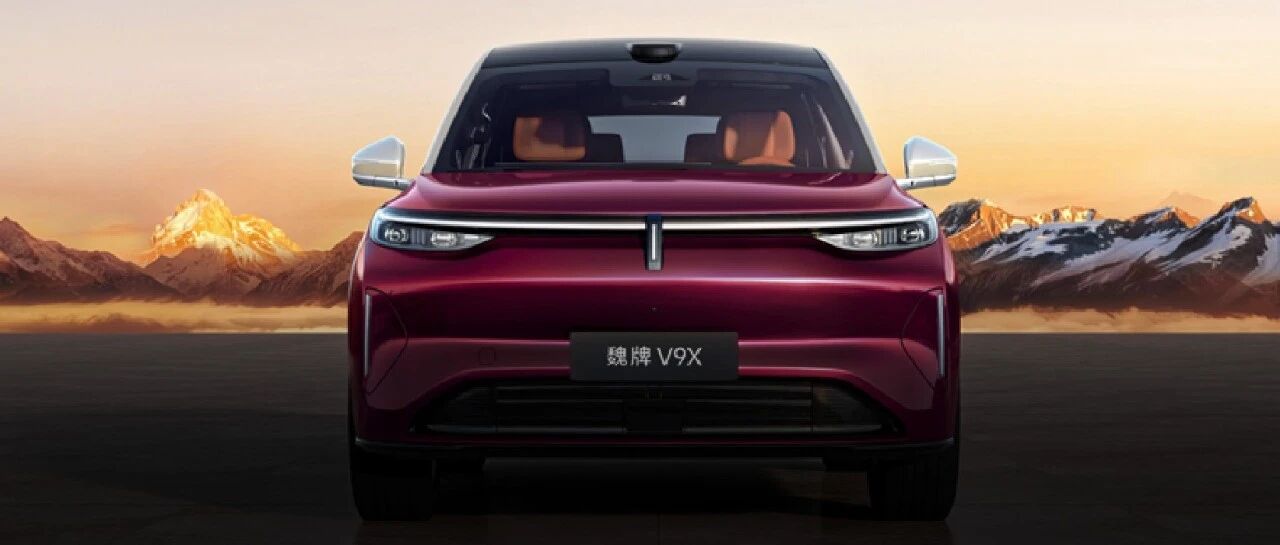
智能化后半场,魏牌V9X以AI智能体重新定义「汽车」
36氪· 2026-03-23 13:42
Core Viewpoint - The article emphasizes the transition of the Chinese automotive industry into a new era, termed the 4.0 era, driven by AI technology and the need for innovation to overcome challenges faced in the previous 3.0 era [3][6][32]. Group 1: Industry Evolution - The Chinese automotive industry has undergone three distinct phases: the 1.0 era dominated by joint ventures, the 2.0 era marked by the rise of electric and intelligent vehicles led by Tesla, and the 3.0 era where domestic brands began to drive change through innovation [3]. - The 3.0 era is showing signs of fatigue, with price wars eroding profits and leading to a decline in product quality and safety, necessitating a breakthrough to enter the 4.0 era [5][6]. Group 2: Technological Innovation - The Weipai V9X, built on the GAC's proprietary Guanyuan S platform, represents a significant leap in automotive technology, integrating AI to transform the vehicle from a mere tool to an active partner [2][10]. - The V9X features an AI assistant, "Xiao Wei," capable of proactive service through multi-modal data processing, moving beyond traditional command-response interactions [10][11]. Group 3: Performance and Quality - The V9X is equipped with a unique Super Hi4 hybrid system, combining a 2.0T engine with advanced transmission technology, ensuring high performance and efficiency across various driving conditions [18][30]. - The vehicle's design emphasizes quality, with a focus on performance metrics such as power response, chassis feel, and noise, vibration, and harshness (NVH) levels, supported by rigorous manufacturing standards [30]. Group 4: Design Philosophy - The design of the Weipai V9X reflects a commitment to user needs, featuring a spacious interior and practical elements like multiple storage spaces and advanced comfort features [26][28]. - The aesthetic approach draws from Eastern classical architecture, aiming for simplicity and elegance, which contrasts with the often flashy designs seen in the industry [25][29]. Group 5: Strategic Positioning - The article highlights the importance of a strong technological foundation and a clear understanding of automotive mechanics as essential for maintaining competitiveness in the evolving market [16][21]. - The Weipai V9X is positioned not just as a vehicle but as a representation of China's capability to create a luxury brand that embodies both cultural and technological confidence [33].