
GWMOTOR(601633)

Search documents
——汽车行业周报:宇树科技披露招股书,小米发布新一代SU7-20260323
Guohai Securities· 2026-03-23 09:06
Investment Rating - The report maintains a "Recommended" rating for the automotive industry [1] Core Insights - The automotive industry is experiencing a structural transformation with opportunities in high-end domestic brands and accelerated penetration of smart technologies. Despite challenges such as the reduction of new energy vehicle purchase tax incentives, the overall sentiment for 2026 remains optimistic [4][13] - The report highlights significant growth in companies like Yushu Technology, which reported a revenue of 1.71 billion yuan in 2025, a year-on-year increase of 335.4%, and a net profit of 600 million yuan, up 674.3% [11] - Xiaomi's new generation SU7 was launched with advanced safety and intelligent driving features, indicating a trend towards enhanced vehicle technology [12] Summary by Sections Recent Trends - The automotive sector's performance from March 16 to March 20 shows a decline of 4.4%, with passenger vehicles increasing by 0.8% while commercial vehicles decreased by 4.0% [14] - The report notes that the A-share automotive sector outperformed the Shanghai Composite Index during this period [14] Key Companies and Earnings Forecast - The report provides a detailed earnings forecast for key companies, recommending stocks such as BYD, Geely, and Great Wall Motors, with various ratings from "Buy" to "Increase" based on their projected earnings per share (EPS) and price-to-earnings (PE) ratios [6][54] - For instance, BYD is projected to have an EPS of 5.33 in 2026 with a "Buy" rating, while Great Wall Motors is expected to have an EPS of 1.70 with an "Increase" rating [54] Industry Indicators - In February 2026, the automotive production and sales figures were reported at 1.672 million and 1.805 million units respectively, showing a year-on-year decline of 20.5% and 15.2% [34] - New energy vehicles accounted for approximately 42.4% of total new vehicle sales, indicating a significant market share despite the overall decline [34]



未知机构:中信汽车欧洲油电价格差异更新260323VS1月德-20260323
未知机构· 2026-03-23 02:05
Summary of Key Points from the Conference Call Industry Overview - The report focuses on the automotive industry in Europe, particularly the impact of rising fuel prices on the cost competitiveness of electric vehicles (EVs) and plug-in hybrid electric vehicles (PHEVs) [1] Core Insights and Arguments - Fuel prices in Germany, Austria, Belgium, and Spain have increased significantly, with respective rises of 15.3%, 17.9%, 15.8%, and 19.5% as of January [1] - The oil-to-electricity cost ratio in Germany is projected to be 1.5 by March 2026, indicating that the operating cost of gasoline vehicles will be 50% higher than that of electric vehicles [1] - Other European countries show varying oil-to-electricity cost ratios, with Denmark at 2.7, Belgium at 2.1, and Austria at 1.8, suggesting a growing economic advantage for BEVs and PHEVs [1] - The increasing oil prices are expected to boost the sales of PHEVs, which are seen as more fuel-efficient alternatives [1] Additional Important Insights - The sustained high prices of crude oil are anticipated to enhance the competitiveness of both pure electric and PHEV models globally [1] - Chinese automotive companies are expected to leverage their technological advantages to increase their global market share [1] - Recommended companies for investment include BYD, Geely Automobile, Chery Automobile, Great Wall Motors, Xpeng Motors, and Leap Motor, indicating a focus on firms that are well-positioned to benefit from these market dynamics [1]




美国关税砸遍的废墟上,站着中国车企
虎嗅APP· 2026-03-21 02:48
Core Viewpoint - The article discusses the evolving dynamics in the global automotive industry, particularly how Chinese automakers are adapting to new trade realities and exploring collaborative models to enhance their international presence [3][21]. Group 1: Trade Dynamics and Challenges - The imposition of tariffs by the U.S. has significantly impacted the profitability of foreign manufacturing plants, such as Mercedes-Benz's East London factory in South Africa, which has faced existential threats due to increased tariffs on imports [5][6]. - South Africa's automotive production has declined sharply, with only 560,000 vehicles produced last year, a nearly 40% drop from peak levels, leading to a reliance on imports from countries like China and India [6][10]. - The South African government has raised tariffs on imported vehicles from China and India, with rates increasing from 25% to 50%, further complicating the local automotive market [6]. Group 2: Strategic Shifts in Automotive Manufacturing - Mercedes-Benz's East London factory has been upgraded with a €600 million investment, positioning it as a potential hub for multiple brands and battery recycling, reflecting a shift towards flexible manufacturing [7][8]. - Chinese automakers, such as Great Wall Motors, are transitioning from merely exporting products to integrating global production capabilities, seeking optimal solutions for cost and capacity [10][21]. - The article highlights the trend of Chinese companies exploring partnerships with traditional automakers to utilize idle production capacities, as seen in collaborations between Jaguar Land Rover and Chery, and between Geely and Renault in Brazil [13][17]. Group 3: Technological Collaboration and Innovation - The collaboration between Volkswagen and Xpeng to develop new electric vehicles signifies a shift towards technology sharing and innovation, with a focus on integrating advanced engineering from both parties [14]. - The partnership between Leap Motor and Stellantis aims to leverage Leap Motor's electric vehicle technology for use in Stellantis's European brands, marking a significant step in cross-border technological collaboration [17]. - The article emphasizes that the concept of "Manufacturing as a Service" is becoming a reality in the automotive sector, similar to trends seen in the electronics industry, where brand identity is less tied to manufacturing capabilities [18][21].


长城汽车董事长魏建军:三大路径促进行业公信力建设
Zhong Zheng Wang· 2026-03-20 11:32
Core Viewpoint - The chairman of Great Wall Motors, Wei Jianjun, emphasizes the importance of building credibility as a core strategy for the high-quality development and globalization of the automotive industry in China, which is transitioning from being a major player to a strong player in the global market [1] Industry Insights - China has established itself as the world's largest automotive producer and seller, but becoming a strong automotive nation requires excellence in technology innovation, industry globalization, product quality, and brand culture [1] - The shift in focus should be from product exports to industrial and cultural exports, aiming to build lasting trust in larger markets [1] Current Challenges - The automotive industry faces issues such as damaged trust in quality and zero-sum games within the supply chain, which pose significant credibility concerns [1] Recommendations - Companies should return to value creation by focusing on technology research and quality improvement [1] - It is essential to uphold safety and quality standards to restore consumer confidence [1] - Promoting symbiotic relationships within the supply chain is crucial for establishing a solid foundation of trust [1] - Localization of overseas operations should be prioritized to transition from merely entering markets to establishing a strong presence [1] Credibility as a Core Barrier - Credibility is identified as a key barrier to long-term industry development and a critical factor in reducing transaction costs, as technology can be caught up with, but credibility is difficult to replicate [1] Paths to Establish Credibility - Great Wall Motors proposes three main paths to build credibility: - Establishing trust with users by maintaining quality and being accountable [1] - Building trust within the industry by promoting collaboration and mutual benefit [1] - Enhancing global credibility through the localization of the entire supply chain to gain recognition from various stakeholders [1]
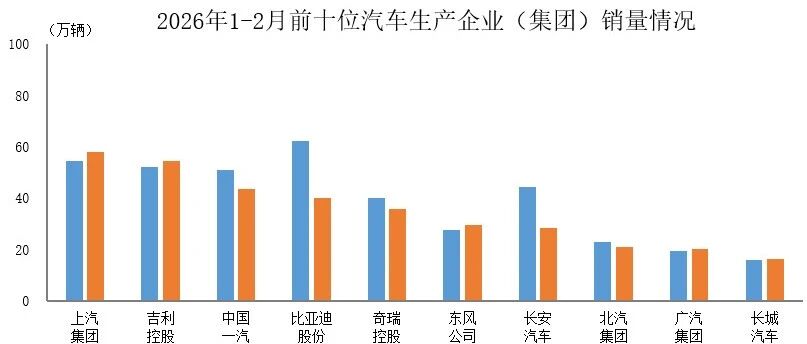
数据简报 | 2026年1-2月前十位汽车生产企业(集团)销售情况简析
中汽协会数据· 2026-03-20 07:23
Group 1 - The core viewpoint of the article highlights that the top ten automotive companies in China sold a total of 3.484 million vehicles in January and February 2026, accounting for 83.9% of the total automotive sales [2] - Among these ten companies, SAIC Motor, Geely Holding, Dongfeng Motor, GAC Group, and Great Wall Motors experienced varying degrees of sales growth compared to the same period last year [2] - In contrast, the other companies in the top ten saw a decline in sales during the same timeframe [2]



长城汽车董事长魏建军谈“立信” 中国汽车由大到强需筑牢信任基石
Zheng Quan Ri Bao Wang· 2026-03-20 05:58
Core Insights - The Chinese automotive industry is at a critical juncture, transitioning from a "big automotive nation" to a "strong automotive nation" as it approaches the start of the 14th Five-Year Plan in 2026 [1] - Wei Jianjun, Chairman of Great Wall Motors, emphasizes the need to establish credibility as a core strategy to address deep-seated challenges in the industry [1] Group 1: Industry Challenges - Four major challenges identified by Wei Jianjun include: deviation from the essence of car manufacturing by some companies, disordered competition undermining user trust, zero-sum games harming supply chain resilience, and lack of localized strategies in overseas markets [1] - Wei believes that while technology can be caught up, values and credibility are the hardest to replicate, making them essential for competitive advantage [1] Group 2: Vision for a Strong Automotive Nation - A strong automotive nation is characterized not only by leading sales but also by comprehensive success in technological innovation, global expansion, and cultural prosperity [1] - Wei proposes a twelve-character mantra: "Establish credibility through quality, convey credibility through collaboration, and establish credibility through actions" [1] Group 3: Practical Implementation of Credibility - Great Wall Motors is implementing the concept of "establishing credibility" through three main pathways: ensuring product quality and safety for users, promoting symbiotic relationships within the supply chain, and localizing operations in international markets [2] - The company advocates for a long-term vision of establishing credibility, which is seen as a core element in reducing transaction costs and serving as a competitive barrier for companies [2]
长城汽车魏建军:中国车企要对用户、产业及全球出海“立信”
Bei Ke Cai Jing· 2026-03-20 04:15
Core Viewpoint - The chairman of Great Wall Motors, Wei Jianjun, emphasizes that while technology can be caught up with, a company's values and credibility are the hardest to replicate, serving as a crucial moat for businesses. He advocates for Chinese automotive companies to establish trust in their relationships with users, the industry, and in global markets [1][3]. Group 1: Challenges in the Automotive Industry - The Chinese automotive industry faces several challenges, including excessive capital intervention and a focus on short-term profits that detracts from the essence of vehicle manufacturing [3]. - Some companies are sacrificing quality in a bid for scale, which erodes consumer trust in the industry [3]. - Zero-sum thinking among manufacturers is squeezing profit margins in the supply chain, damaging the resilience of the industry and undermining the credibility of finished vehicles [3]. - Chinese brands are still in the early stages of product export and lack deep localization, making them easily replaceable in international markets [3]. Group 2: Establishing Trust - Establishing trust with users involves a commitment to accountability and a willingness to take responsibility for product quality [3]. - Building trust within the industry requires collaborative empowerment to create a symbiotic ecosystem among manufacturers, suppliers, and dealers through standardization and capability development [3]. - For global trust, it is essential to localize operations and invest in long-term responsibilities to build lasting brand credibility, positioning Chinese brands as reliable partners in local markets [4].
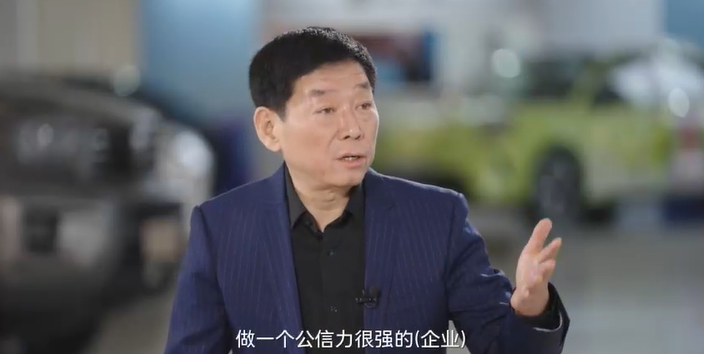
长城汽车魏建军解码中国汽车的“价值回归”
Zhong Guo Qing Nian Bao· 2026-03-19 12:15
Core Insights - The fundamental path for China's automotive industry to become stronger lies in establishing "trust" rather than merely focusing on temporary technological leadership or sales figures [2][3] Group 1: Industry Challenges - The automotive industry currently faces four core challenges: returning car manufacturers to the essence of value creation, restoring user confidence in products, shifting competition from zero-sum games to symbiotic win-win scenarios, and building credit in overseas markets [2] - All these challenges fundamentally revolve around the concept of "trust" [2] Group 2: Company Practices - Great Wall Motors provides a practical example by establishing full-process production bases in countries like Thailand and Brazil, promoting an ecosystem that integrates research, production, supply, sales, and service [2] - This long-term commitment has allowed Chinese brands to become trusted partners in local markets rather than merely replaceable products [2] - On the technical side, Great Wall Motors boasts a research and development team of 23,000, with one engineer for every four employees, and leads in both total patent authorizations and new energy vehicle patent authorizations among domestic automakers [2]
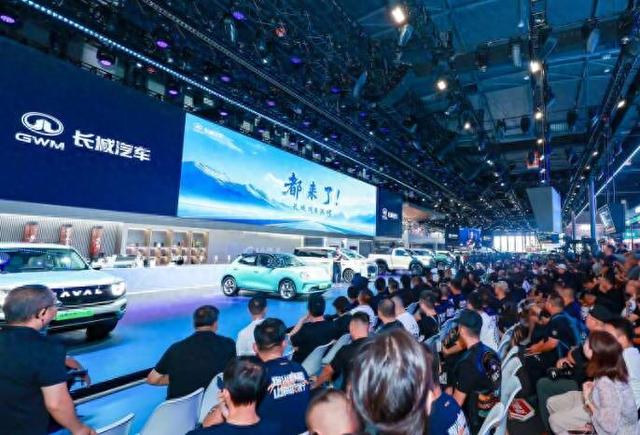
长城汽车董事长魏建军谈中国汽车未来发展方向
Bei Jing Ri Bao Ke Hu Duan· 2026-03-19 08:53
Core Viewpoint - The interview with Wei Jianjun, Chairman of Great Wall Motors, emphasizes the importance of building trust in the automotive industry as China transitions from a major automotive nation to a strong one, advocating for a comprehensive approach to quality, collaboration, and action to establish credibility [1][6]. Group 1: Industry Development - China has been the world's largest automotive producer and seller for several consecutive years [4]. - The transition from being a "big automotive country" to a "strong automotive country" requires a shift from "product export" to "industry output," integrating the entire industrial chain globally [6]. Group 2: Trust Issues - Wei Jianjun identifies four major trust concerns in the industry: 1. Returning car manufacturers to value creation 2. Restoring consumer confidence in products 3. Ensuring competition is based on real capabilities 4. Building trust in the industry for global expansion [6]. Group 3: Trust-Building Strategies - Great Wall Motors outlines three key paths for establishing trust: 1. Building trust with users by maintaining quality standards and being accountable for products 2. Building trust within the industry by promoting symbiotic relationships between manufacturers and suppliers, with independent operations of parts companies reinforcing industry credibility 3. Building global trust through "ecological outbound" strategies, localizing production and sales in countries like Thailand and Brazil to integrate deeply into local societies and earn respect in global markets [6].
2026年春季汽车行业投资策略:科技赋能下的换道再提速
Shenwan Hongyuan Securities· 2026-03-19 06:06
Core Conclusions - The automotive industry is expected to embrace technological advancements, with a limited impact from policy changes on demand, particularly in the mid-to-high-end segments, which are anticipated to see a significant recovery in demand [3] - The globalization of Chinese smart electric vehicles is underway, with overseas sales projected to approach 10 million units in five years, driven by engineering advantages [3] - Key players in the technology sector include Xiaopeng, NIO, and Li Auto, while established brands like BYD, Great Wall, and Geely are expected to lead the market [3] - The automotive parts sector represents a typical example of "high-end manufacturing" in China, with new applications in robotics, low-altitude economy, and AIDC becoming essential for growth [3] - The focus on robotics, low-altitude economy, and AIDC is expected to drive new industry directions, with significant developments anticipated by 2026 [3] - The trend of globalization remains a long-term growth path for excellent automotive parts companies, particularly in Europe, as domestic market saturation increases [3] - The automotive industry is undergoing dual transformations of electrification and AI integration, with AI expected to enhance driving, cabin, chassis, and power systems [3] Market Review - The automotive sector's performance has slightly lagged behind the CSI 300 index, with a cumulative increase of 0.5% from the end of 2025 to March 11, 2026 [11] - The automotive service, commercial freight, and parts sectors have shown notable growth, with increases of 6.21%, 3.84%, and 2.15% respectively [11] - The overall fund holding in the automotive sector increased to 3.29% in Q4 2025, with the parts sector contributing significantly to this growth [12] Vehicle Sector - The impact of policy changes on vehicle demand is limited, with a focus on technological advancements to drive growth [5] - The wholesale sales of passenger vehicles reached 30.06 million units in 2025, reflecting a year-on-year increase of 9.10%, while the first two months of 2026 saw a decline of 10.75% [18] - The penetration rate of new energy vehicles reached 51.50% in 2025, with a slight decrease to 45.25% in early 2026 [18] Parts Sector - The automotive parts sector is focusing on technological spillover and globalization, with strong horizontal expansion capabilities [3] - The sector is expected to benefit from shared resources and cost optimization through advanced manufacturing capabilities [3] AI Industry Trends - The automotive industry is entering the "Token era," where AI integration will redefine vehicle functionalities and consumer experiences [3] - The integration of AI in vehicles is expected to enhance user experience and operational efficiency, marking a significant shift in the industry [3]
