
CHINA TELECOM(601728)

Search documents
恒指季检结果:中国电信、京东物流、泡泡玛特获纳入
Ge Long Hui A P P· 2025-08-22 10:15
格隆汇8月22日|恒生指数公司发布季检结果:恒指纳入中国电信(0728.HK)、京东物流(2618.HK)、泡 泡玛特(9992.HK),成分股增至88只。恒生科技指数成份股没有变动,成份股数目维持30只。恒生中国 企业指数纳入泡泡玛特(9992.HK),剔除极兔速递(1519.HK)。 ...
A股“红包雨”刷屏!有公司拿71倍利润分红,20家股息率超5%
2 1 Shi Ji Jing Ji Bao Dao· 2025-08-22 09:29
Core Viewpoint - The A-share market experienced a significant rally, with the Shanghai Composite Index surpassing 3800 points and the Sci-Tech Innovation Board rising over 8%, marking a three-year high. The market is currently focused on mid-term dividend announcements from listed companies, with over 200 companies disclosing plans totaling more than 130 billion yuan in dividends [1][2]. Dividend Announcements - Major companies such as China Mobile, China Telecom, and Sinopec announced mid-term dividends exceeding 10 billion yuan, with China Mobile leading at 540.83 billion yuan [2][3]. - Sinopec plans to distribute over 10.67 billion yuan, while Dong-E E-Jiao has a remarkable dividend payout ratio of 99.94% [1][3]. High Dividend Payouts - A total of 15 companies reported dividend payout ratios exceeding 100%, with Shuoshi Biological's ratio reaching an extraordinary 7142.28%, despite a net profit of only 399,000 yuan [7][9]. - Companies like Jibite and Fuyao Glass also reported significant earnings growth alongside their dividend announcements, leading to stock price surges [6][8]. Dividend Yield Insights - As of August 21, 60 companies had dividend yields exceeding 3%, with 20 companies yielding over 5%. Notably, Siwei Likong's yield surpassed 10% [10]. - The dividend yield reflects a company's profitability, cash flow, and asset structure, indicating that companies with stable cash flows can support high dividend payouts [10]. Market Reactions - Following the announcement of mid-term earnings and dividend plans, several companies, including Fuyao Glass and Jibite, saw their stock prices hit the daily limit up [6][8]. - The market is closely monitoring the sustainability of these high dividend payouts, as some companies may resort to borrowing to finance dividends, raising concerns about their financial health [11].





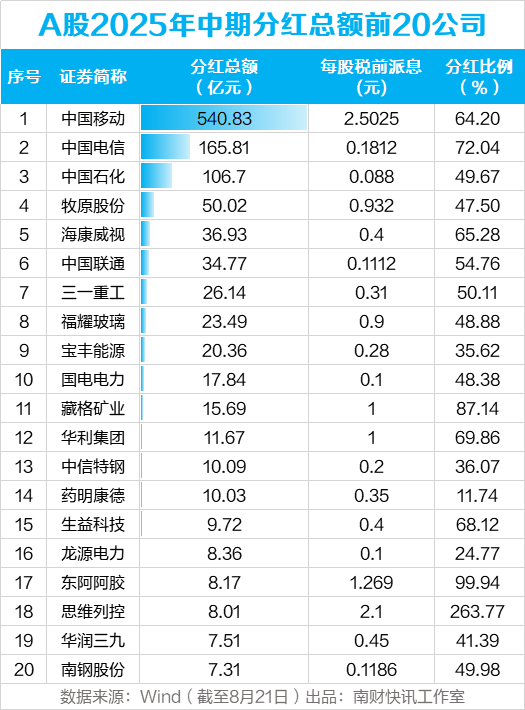
A股中期分红超1300亿,Top20分红名单出炉,20家股息率超5%
2 1 Shi Ji Jing Ji Bao Dao· 2025-08-22 09:28
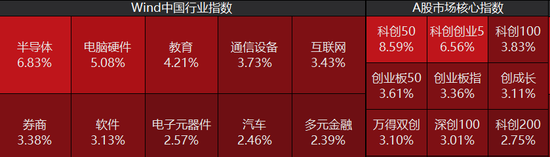
Market Overview - A-shares experienced a strong upward trend on August 22, with the Shanghai Composite Index surpassing 3800 points and the Sci-Tech 50 index rising over 8%, reaching a three-year high [1] - Key sectors such as computing power, semiconductors, and securities saw significant gains, with companies like Cambrian Intelligence hitting their historical highs [1] Dividend Announcements - As of August 21, over 200 A-share companies announced mid-term dividend plans, totaling over 130 billion yuan, with 14 companies declaring dividends exceeding 1 billion yuan [3] - Notable companies like Sinopec proposed dividends exceeding 10.6 billion yuan, while Dong-Ah Ejiao announced a staggering 99.94% dividend payout ratio [2][3] Top Dividend Payers - China Mobile leads with a proposed mid-term dividend of 54.08 billion yuan, followed by China Telecom at 16.58 billion yuan and Sinopec at 10.67 billion yuan [4] - Other significant dividend payers include Muyuan Foods, Hikvision, and China Unicom, each with dividends exceeding 3 billion yuan [5] High Dividend Ratios - A total of 15 companies reported dividend payout ratios exceeding 100%, with Shuoshi Biological's ratio reaching an extraordinary 7142.28% [8][10] - Companies like Thinking Control and Yiyu Chen also reported high payout ratios, indicating aggressive dividend policies despite varying profit performances [10] Stock Performance Post-Dividend Announcements - Companies such as Fuyao Glass and Gigabit saw their stock prices surge by 10% following the announcement of their mid-term dividend plans [7] - The trend suggests a correlation between dividend announcements and stock price increases, highlighting investor sentiment towards dividend-paying stocks [7] Dividend Yield Insights - As of August 21, 60 companies reported dividend yields exceeding 3%, with 20 companies yielding over 5%, including Thinking Control with a yield of over 10% [11] - High dividend yields often indicate stable cash flows and strong financial health, making these companies attractive to investors [11] Conclusion - The current A-share market is characterized by robust dividend announcements and significant stock price movements, reflecting investor confidence and the potential for continued growth in dividend-paying stocks [1][3][5]


A股中期分红超1300亿,Top20分红名单出炉,20家股息率超5%
21世纪经济报道· 2025-08-22 09:25
Core Viewpoint - The A-share market has shown significant upward movement, with the Shanghai Composite Index surpassing 3800 points and the Sci-Tech Innovation 50 Index rising over 8%, marking a three-year high. Key sectors such as computing power, semiconductors, and securities have led the gains, with notable stocks like Cambrian and CloudWalk hitting their daily limits [1][2]. Group 1: Market Performance - On August 22, the A-share market experienced a strong rally, with the Shanghai Composite Index reaching above 3800 points and the Sci-Tech Innovation 50 Index increasing by over 8% [1]. - The computing power sector saw a broad surge, with stocks like CloudWalk hitting their daily limit, while semiconductor and securities sectors also performed well [1][2]. Group 2: Dividend Announcements - As of August 21, over 200 A-share companies have announced mid-term dividend plans, totaling over 130 billion yuan, with 14 companies planning dividends exceeding 1 billion yuan [3][5]. - China Mobile leads with a proposed dividend of 54.083 billion yuan, followed by China Telecom at 16.581 billion yuan, and China Petroleum at 10.67 billion yuan [5][6]. Group 3: High Dividend Companies - Notably, 15 companies have announced dividend ratios exceeding 100%, with Shuoshi Biological's ratio reaching an extraordinary 7142.28%, despite a net profit of only 399 million yuan [11][12]. - Companies like Jibite and Fuyou Glass have also reported significant dividends, with Jibite proposing a cash dividend of 66 yuan per 10 shares, amounting to 4.74 billion yuan [6][7]. Group 4: Dividend Yield - As of August 21, 60 companies have a dividend yield exceeding 3%, with 20 companies yielding over 5%. Notably, Thinking Control has a yield of over 10% [13][14]. - The dividend yield reflects the company's profitability and cash flow stability, indicating a potential for sustainable dividends [15].



171家上市公司披露半年度分红预案 拟合计派现超1200亿元
Cai Jing Wang· 2025-08-22 02:36
Core Viewpoint - The focus on cash dividends has intensified among A-share listed companies, with a total proposed distribution of 124.58 billion yuan for the first half of 2025, reflecting a growing trend in dividend payouts and an expanding participant base [1][2]. Group 1: Dividend Distribution - A total of 171 A-share listed companies have disclosed their dividend plans, with 15 companies proposing dividends exceeding 1 billion yuan [1]. - China Mobile and China Telecom are the two companies proposing dividends over 10 billion yuan, with China Mobile planning to distribute over 54 billion yuan and China Telecom proposing 16.58 billion yuan [1]. - Seven companies are set to distribute over 2 billion yuan, with notable amounts including 5 billion yuan from Muyuan Foods and over 4 billion yuan from CATL [2]. Group 2: Investor Sentiment and Company Strategy - Companies are implementing mid-term dividends to enhance investor satisfaction, with Muyuan Foods indicating that its proposed cash dividend of 5 billion yuan represents 47.5% of its net profit for the first half of the year [2]. - Companies are expected to adjust their dividend ratios based on market conditions, cash flow, and capital expenditure plans, aiming to align shareholder returns with company development stages [2]. Group 3: Policy and Market Implications - High mid-term dividends signal positive market sentiment and reflect deeper changes in the capital market, with policies encouraging such practices [3]. - Future increases in dividend payouts are anticipated, supported by regulatory incentives and a need for companies to integrate dividend policies into their strategic planning [3].


三大电信运营商2025年中期业绩分析
Zhong Guo Chan Ye Jing Ji Xin Xi Wang· 2025-08-22 00:46
Performance Overview - The three major telecom operators in China have shown steady growth in their operating performance in the first half of 2025, despite complex external challenges [1] - China Telecom reported operating revenue of 271.5 billion yuan, a year-on-year increase of 1.3%, with communication service revenue reaching 249.1 billion yuan, up 1.2% [2] - China Mobile's communication service revenue was 467 billion yuan, growing by 0.7%, while China Unicom's total revenue surpassed 200 billion yuan, with a 1.5% increase [3] Infrastructure Development - China Telecom has established 2.39 million 5G base stations and over 9.88 million 10G PON ports for gigabit optical networks [4] - China Mobile has more than 2.59 million 5G base stations and gigabit broadband coverage reaching 500 million households [5] - China Unicom has implemented 5G-A commercial use in over 330 cities and has piloted 10G optical networks in 106 cities [6] Connectivity and IoT - China Telecom's visual network revenue grew by 46.2% year-on-year, while China Mobile's visual network connections increased by 20.9%, serving over 69 million smart connected vehicles [7][8] - China Unicom's IoT connections increased by over 60 million, totaling 690 million, with 86 million connections in the vehicle network [8] Intelligent Computing - China Telecom's self-owned intelligent computing capacity reached 43 EFlops, while China Mobile's total intelligent computing capacity reached 61.3 EFlops, and China Unicom's total was 30 EFlops [9][10][11] AI Initiatives - China Telecom has implemented the "AI+" initiative, forming a comprehensive AI development layout [12] - China Mobile has developed over 50 industry-specific large models and has over 60 million active users of its Lingxi intelligent assistant [13][25] - China Unicom has created a multi-modal coexisting meta-scenario large model and over 30 trusted data spaces [14] Cloud Business - China Telecom's Tianyi Cloud revenue reached 57.3 billion yuan, while China Mobile's cloud revenue was 56.1 billion yuan, and China Unicom's cloud revenue reached 37.6 billion yuan [15][16][17] Digital Transformation - China Telecom's industrial digitalization revenue reached 74.9 billion yuan, with a year-on-year growth of 7.4% [18] - China Mobile's digital transformation revenue was 156.9 billion yuan, growing by 6.6% and accounting for 33.6% of communication service revenue [18] - China Unicom's intelligent computing business revenue was 45.4 billion yuan, with a 4.3% increase [18] Network Upgrades - The three operators are advancing network infrastructure construction, upgrading mobile networks from 5G to 5G-A and broadband networks from gigabit to 10-gigabit [19][20] - China Telecom's gigabit residential coverage exceeds 96%, while China Mobile's total connections reached 3.815 billion, a year-on-year increase of 8.9% [20] AI Integration in Services - China Telecom is enhancing customer service through AI technology, embedding intelligent service capabilities into 10,000 customer service hotlines [34] - China Mobile has launched various AI-driven products and services, with over 1.3 billion customers benefiting from AI-integrated offerings [35] - China Unicom is focusing on improving customer service quality through intelligent upgrades and expanding its service offerings [36] International Expansion - China Telecom's international business revenue reached 9.5 billion yuan, growing by 18.8%, with significant investments in international infrastructure [37] - China Mobile's international business revenue was 14 billion yuan, a year-on-year increase of 18.4%, emphasizing the importance of global market expansion [38] - China Unicom's international business revenue reached 6.8 billion yuan, with a focus on enhancing global network robustness and security [39]
171家上市公司中期拟合计派现超1200亿元
Zheng Quan Ri Bao· 2025-08-21 16:39
Core Viewpoint - The focus of investors has shifted towards cash dividends as A-share listed companies disclose their semi-annual reports, with a total proposed distribution of 124.58 billion yuan across various industries [1][2]. Group 1: Dividend Distribution - A total of 171 A-share listed companies have disclosed their semi-annual dividend plans, with 13 companies already implementing them [1]. - Among these, 15 companies plan to distribute over 1 billion yuan, with China Mobile proposing over 54 billion yuan and China Telecom proposing 16.58 billion yuan [1]. - Seven companies are set to distribute over 2 billion yuan, including Moutai Foods with 5 billion yuan and Ningde Times with over 4 billion yuan [1][2]. Group 2: Investor Sentiment and Company Strategy - Companies are implementing mid-term dividends to enhance investor satisfaction, with Moutai Foods indicating that its proposed cash dividend of 5 billion yuan accounts for 47.5% of its net profit [2]. - The high mid-term dividends are seen as a positive signal to the market, reflecting deeper changes in the capital market and encouraging long-term capital inflow [2][3]. - Companies are encouraged to integrate dividend policies into their strategic planning, considering cash flow and investment needs to enhance governance and value [3].
AI眼镜,这次能成吗?
3 6 Ke· 2025-08-21 11:05
Core Insights - The year 2025 is anticipated to be the "year of AI glasses," with significant growth projected in both global and Chinese markets [1] - Major companies like Xiaomi, Alibaba, and China Telecom are entering the AI glasses market, indicating a competitive landscape [1][2][3] - Despite initial consumer enthusiasm, there are notable concerns regarding product quality and functionality, leading to negative feedback from early adopters [1][11] Group 1: Market Overview - IDC forecasts that global smart glasses shipments will reach 14.5 million units in Q1 2025, with China accounting for 2.9 million units, representing year-on-year growth of 42.5% and 121.1% respectively [1] - Xiaomi's AI glasses sold over 10,000 units within 12 hours of launch, topping sales charts [2] - Alibaba's Quark AI glasses will integrate deeply with its ecosystem, offering unique features compared to existing products [2] Group 2: Product Developments - China Telecom launched its Tianyi AI smart glasses, featuring advanced imaging technology and a competitive price point [3] - HTC introduced the VIVE Eagle AI smart glasses, emphasizing long battery life and high-quality audio capabilities [4] - Li Auto is developing AI glasses in collaboration with Goertek, focusing on advanced imaging and payment functionalities [5] Group 3: Supply Chain Dynamics - The AI glasses market is characterized by a "hundred glasses war," with a focus on resolving core technology issues such as chips and AI capabilities [6] - The cost of AI glasses is significantly influenced by the chip, which accounts for 30% to 40% of the total product cost [6] - Various chip architectures are being explored to balance performance and cost, including SoC and dual-core solutions [6][7] Group 4: Challenges and Consumer Feedback - Early sales data indicates a decline in demand for Xiaomi's AI glasses, with a high return rate of 40% to 50% due to performance issues [11] - Common complaints include poor battery life, slow response times, and inadequate user experience [11][12] - Historical precedents, such as Google Glass and Microsoft's HoloLens, highlight ongoing challenges in the wearable tech space [12][13][14] Group 5: Future Outlook - For AI glasses to succeed, manufacturers must address hardware supply chain issues and enhance AI technology [15] - Consumer concerns include high prices, software performance, and data privacy, which need to be addressed for broader adoption [15] - The concept of "killer applications" for AI glasses is still under exploration, with suggestions for a shift from traditional apps to more streamlined interactions [15]



通信服务板块8月21日涨1.34%,*ST亿通领涨,主力资金净流入2.93亿元
Zheng Xing Xing Ye Ri Bao· 2025-08-21 08:38
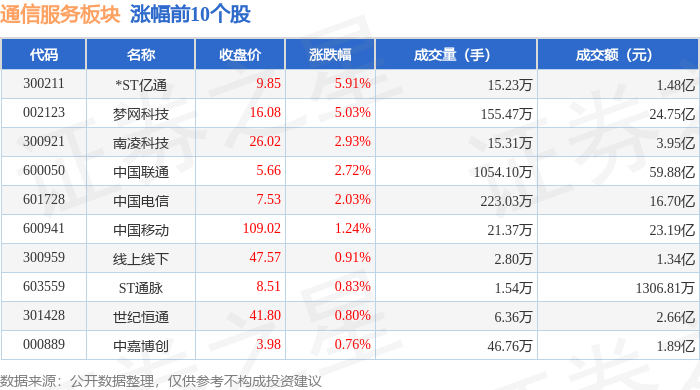
证券之星消息,8月21日通信服务板块较上一交易日上涨1.34%,*ST亿通领涨。当日上证指数报收于 3771.1,上涨0.13%。深证成指报收于11919.76,下跌0.06%。通信服务板块个股涨跌见下表: | 代码 | 名称 | 收盘价 | 涨跌幅 | 成交量(手) | 成交额(元) | | | --- | --- | --- | --- | --- | --- | --- | | 300211 | *ST亿通 | 9.85 | 5.91% | 15.23万 | | 1.48亿 | | 002123 | 梦网科技 | 16.08 | 5.03% | 155.47万 | | 24.75 乙 | | 300921 | 南凌科技 | 26.02 | 2.93% | ● 15.31万 | | 2556'E | | 600050 | 中国联通 | 5.66 | 2.72% | 1054.10万 | | 59.88 65 | | 601728 | 中国电信 | 7.53 | 2.03% | 223.03万 | | 16.70亿 | | 600941 | 中国移动 | 109.02 | 1.24% | 21.37万 | ...


受益Micro LED光模块技术突破,电信ETF基金(560690)涨超1%
Xin Lang Cai Jing· 2025-08-21 05:35
Group 1 - Microsoft research team launched the Micro LED optical module transmission solution MOSAIC, compatible with existing standards and supporting bandwidth expansion from 800Gbps to 3.2T, with a 68% reduction in power consumption, benefiting optical module and chip companies [1] - Yangtze Communication analysis indicates that optical modules are a core consumable in the AI era, with a stable industry pattern, and the exchange chip market is seeing new opportunities under the AI scale-up trend, highlighting the critical role of optical modules in infrastructure [1] - As of August 21, 13:00, the telecom ETF fund (560690.SH) rose by 2.18%, with its associated index, the China Telecom index (931235.CSI), increasing by 1.33%; major constituent stocks such as China Unicom, Silver Zhi Jie, ZTE, China Telecom, and New Yi Sheng saw gains ranging from 1.71% to 6.63% [1] Group 2 - GF Securities noted that the North American technology companies in the communication industry continued to report excellent performance, with the communication industry PE-TTM at 39.75 times, ranking 8th among all Shenwan first-level industries, while the CSI 300 PE-TTM was 13.42 times [2] - Debon Securities highlighted the satellite internet industry chain, including China Satcom and China Telecom, and emphasized the need to monitor the progress of satellite internet construction and policy implementation risks [2] - Both brokerages focus on the fundamentals of the communication industry and the dynamics of industry chain development [2] Group 3 - Related products include various ETFs such as telecom ETF (560690), semiconductor ETF (159813), and others [3] - Related stocks include China Unicom, China Mobile, China Telecom, ZTE, and others [3]


