Sugon(603019)

Search documents
寄给“十五五”的明信片丨数字赋能 智启新篇
He Nan Ri Bao· 2025-12-28 23:20
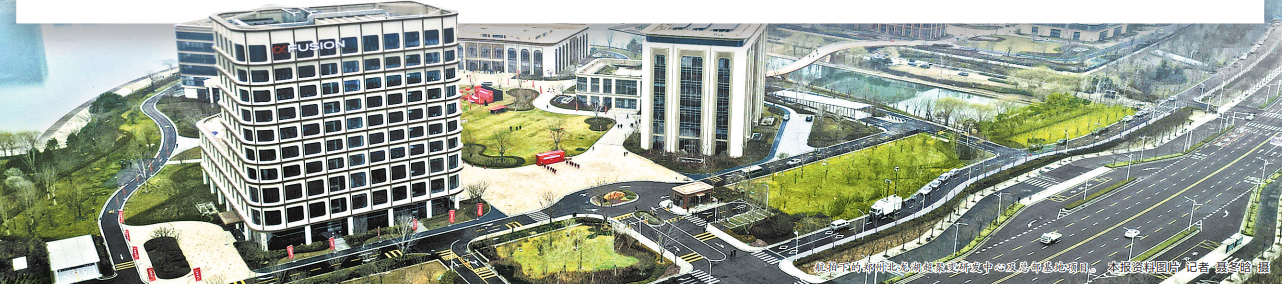
Core Insights - In the past year, Henan has made significant strides in digital development, focusing on building a strong digital economy and leveraging the national data element pilot zone to enhance its digital infrastructure [2][3] Group 1: Data Industry Ecosystem - The construction of a "data bank" in Zhengzhou aims to facilitate the marketization of data elements, providing a model for national data market allocation [3] - The "data bank" infrastructure supports the development of data resources, data elements, and data products, contributing to the foundational support for data market reforms [3] - The data trading scale reached 120 million yuan, with related data product contracts exceeding 1 billion yuan, indicating a robust data market in Henan [4] Group 2: Digital Economy Growth - The digital economy in Henan is projected to exceed 2 trillion yuan by 2024, with the core industries' added value expected to increase by 2.5 percentage points of GDP during the 14th Five-Year Plan [4] - The province's rich data resources and diverse application scenarios create a natural "testing ground" for releasing the value of data elements [4] Group 3: Intelligent Manufacturing and Robotics - The establishment of the Central Plains Embodied Intelligence Laboratory marks a significant step in humanoid robot development, showcasing Henan's capabilities in cutting-edge technology [5][6] - The laboratory has achieved notable successes, including participation in competitions and the development of robots for specific applications, such as grain storage inspections [6][7] Group 4: Domestic Software Stack Development - The domestic software stack team at Sugon Information Industry (Henan) is addressing fragmentation in the application software field, aiming to create a stable core for software applications [8][9] - The team has successfully reduced application migration time from three months to as little as one day, enhancing performance stability [9][10] Group 5: Smart City Initiatives - The city of Hebi has implemented a comprehensive IoT perception platform, enhancing urban management and efficiency in transportation and governance [11][12] - The deployment of over 27,000 sensing devices and integration of AI algorithms have significantly improved traffic flow and reduced waiting times at major intersections [12]


12月机构调研活跃,两大题材受关注
Huan Qiu Wang· 2025-12-28 01:25
Group 1 - During the period from December 1 to December 27, a total of 745 listed companies in Shanghai, Shenzhen, and Beijing received institutional research, indicating active efforts by institutional investors to seek investment opportunities and uncover potential value in the current market environment [1] - Among the companies, Boying Special Welding stood out with the highest number of institutional visits, totaling 14 times, followed by Ice Wheel Environment with 9 visits, and Jerry Shares and Weili Transmission with 8 and 7 visits respectively [3] - The top ten companies by institutional visit volume included Zhongke Shuguang and Haiguang Information, both receiving 365 visits, while Chang'an Automobile ranked third with 258 visits [3] Group 2 - Recent research indicates a surge in interest in commercial aerospace and robotics sectors, with stocks like Guangting Information, Nord Shares, and others receiving significant attention from institutions [3] - The net inflow of funds on December 26 showed that the top ten stocks with institutional net inflow included Aerospace Development, Demingli, and others, highlighting the growing interest in these sectors [3] - Guosheng Securities suggests that "space computing power" has commercial value potential, with related projects already underway, emphasizing the importance of early positioning in the industry [4] - According to Zhongtai Securities, "space computing power" is transitioning from concept to commercial reality, driving growth in the commercial aerospace industry, particularly as it integrates with artificial intelligence [4]



本周超百家公司披露机构投资者调研记录 超300家机构盯上领益智造
Zhong Guo Zheng Quan Bao· 2025-12-27 23:38
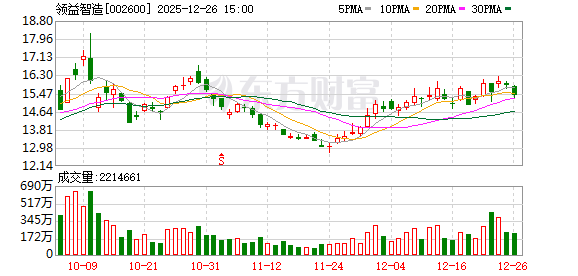
Group 1 - Nearly 150 listed companies disclosed institutional investor research records this week, with Lingyi iTech leading with over 100 inquiries due to its acquisition announcement, which has attracted significant market attention [2][3] - In December, approximately 800 companies received institutional research, with Zhongke Shuguang being the most researched, totaling 365 inquiries [3][5] Group 2 - Lingyi iTech announced it will acquire a 35% stake in Dongguan Liminda Electronics Technology Co., Ltd. for 875 million yuan, gaining control of 52.78% of voting rights through a voting rights entrustment [3][4] - During the research period, Lingyi iTech was asked about Liminda's business in server segments and its client base, which includes major overseas clients like NVIDIA and Google [4] Group 3 - The top ten A-share companies by the number of institutional inquiries this week include Lingyi iTech with 106 inquiries, followed by Pulite with 76 and Guangting Information with 66 [5][7] - In December, the most active institutional research was conducted by CITIC Securities, with a total of 115 inquiries, focusing on companies like Jinfatech, Lian Micro, and Zhongke Shuguang [8] Group 4 - Companies' development plans for 2026 have been a focal point during the inquiries, with Minxin Co. indicating a diversification of pressure products into the smartphone sector and Wave Optoelectronics emphasizing growth in semiconductor and laser businesses [10]

本周超百家公司披露机构投资者调研记录 超300家机构盯上中科曙光
Zhong Guo Zheng Quan Bao· 2025-12-27 23:38
Group 1 - Nearly 150 listed companies disclosed institutional investor research records this week, with Lingyi iTech leading with over 100 inquiries due to its acquisition announcement [2][3] - In December, around 800 companies received institutional research, with Zhongke Shuguang being the most researched, totaling 365 inquiries [3][5] - Lingyi iTech announced it will acquire 35% of Dongguan Liminda Electronic Technology Co., Ltd. for 875 million yuan, gaining control over 52.78% of voting rights [3] Group 2 - During the research period, Lingyi iTech was asked about Liminda's business in server segments and its client base, which includes major overseas clients like NVIDIA and Google [4] - Liminda specializes in thermal management solutions for enterprise-level servers, offering products such as liquid cooling connectors and heat management hardware [4] - The focus of institutional inquiries included companies' development plans for 2026, with attention on product diversification and market expansion strategies [6][7]
研报掘金丨国海证券:维持中科曙光“买入”评级,国产AI万卡超集群首次亮相
Ge Long Hui· 2025-12-26 05:31
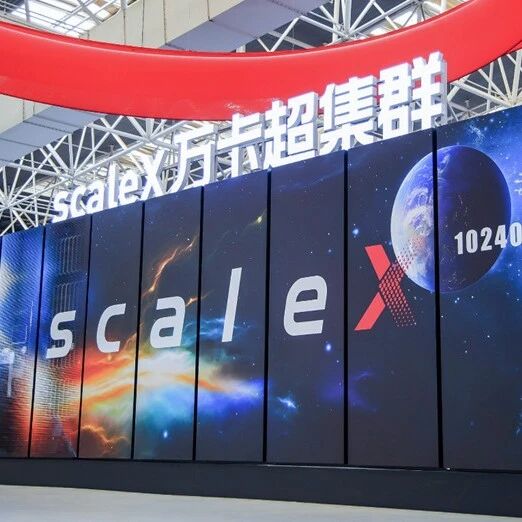
Core Viewpoint - The report from Guohai Securities highlights the launch of the scaleX万卡超集群 by Zhongke Shuguang, marking a significant advancement in domestic AI supercomputing capabilities, with the system surpassing the 2027 roadmap of similar overseas products [1] Group 1: Product Overview - The scaleX万卡超集群 is a system composed of multiple scaleX640 supernodes interconnected via the scaleFabric high-speed network [1] - It features a global first with a single cabinet-level 640-card supernode, enabling a total deployment of 10,240 AI accelerator cards [1] - The overall computing power exceeds 5 EFlops, showcasing a breakthrough in computing, networking, and storage integration [1] Group 2: Competitive Advantage - Some technologies and capabilities of the scaleX万卡超集群 have already surpassed the 2027 NVL576 milestone of similar overseas products [1] - The core advantages include the innovative architecture and high performance, positioning Zhongke Shuguang favorably in the AI supercomputing market [1] Group 3: Market Outlook - The ongoing growth of national intelligent computing projects and CSP capital investments is expected to benefit Zhongke Shuguang as a leader in the domestic computing ecosystem [1] - The company's main business value is anticipated to be reassessed in light of the advancements in AI technology [1] - The report maintains a "buy" rating, reflecting confidence in the company's future prospects [1]
中科曙光:目前公司经营正常
Zheng Quan Ri Bao· 2025-12-25 12:51
证券日报网讯 12月25日,中科曙光在互动平台回答投资者提问时表示,目前公司经营正常。股价波动 受多重因素影响,公司将根据市场情况和公司实际情况,采取有效措施维护市值,保护广大投资者的利 益。 (文章来源:证券日报) ...
中科曙光:公司持续提升自研产品比例及核心部件自研能力
Zheng Quan Ri Bao Wang· 2025-12-25 11:42
Group 1 - The company, Zhongke Shuguang, is continuously developing high-end computers and key components based on domestic processors [1] - The company is focused on increasing the proportion of self-developed products and enhancing the self-research capabilities of core components [1]
中科曙光:截至12月19日公司股东总户数为355287户
Zheng Quan Ri Bao Wang· 2025-12-25 11:42
证券日报网讯12月25日,中科曙光(603019)在互动平台回答投资者提问时表示,截至12月19日,公司 股东总户数为355287户。 ...
国产万卡超集群亮相:中国人工智能,迈入新阶段
半导体芯闻· 2025-12-25 10:20
Core Viewpoint - The first HAIC2025 conference highlighted the challenges and innovations in AI computing architecture, emphasizing the need for collaboration and system-level solutions to meet the demands of large model training [2][4][13]. Group 1: AI Computing Challenges - The rapid evolution of large model technology has created unprecedented demands on computing equipment, particularly in memory capacity, bandwidth, energy efficiency, and system stability [2]. - The slowdown of Moore's Law has made it increasingly difficult for single-node solutions to meet the computational needs of AI, necessitating a shift towards system-level engineering [4][11]. - Companies are focusing on creating tightly integrated systems that can handle the complexities of AI applications, including the need for high-speed data transfer and energy efficiency [8][12]. Group 2: Innovations and Strategies - The introduction of the "Dual-Core Strategy" by Haiguang aims to enhance AI product diversity and deepen ecosystem connections within China, focusing on customized and application-specific solutions [5][6]. - The launch of the scaleX640 super node, which features advanced cooling and power supply technologies, represents a significant advancement in AI computing infrastructure, achieving a power usage effectiveness (PUE) of 1.04 [11][12]. - The scaleX super cluster, capable of deploying over 10,240 AI accelerator cards, showcases a total computing power exceeding 5 EFlops, marking a milestone in domestic AI cluster systems [11][12]. Group 3: Future Directions - The collaboration between Haiguang and Zhongke Shuguang aims to build a robust AI ecosystem by sharing technology and creating open standards for AI software stacks, which could lead to a "Chinese version of CUDA" [13][14]. - The focus on developing high-performance, reliable networks and systems is crucial for supporting the growing demands of AI applications and ensuring long-term operational reliability [13][14]. - The ongoing efforts in the AI sector reflect a commitment to overcoming international competition and establishing a prominent position for China's AI capabilities on the global stage [14].
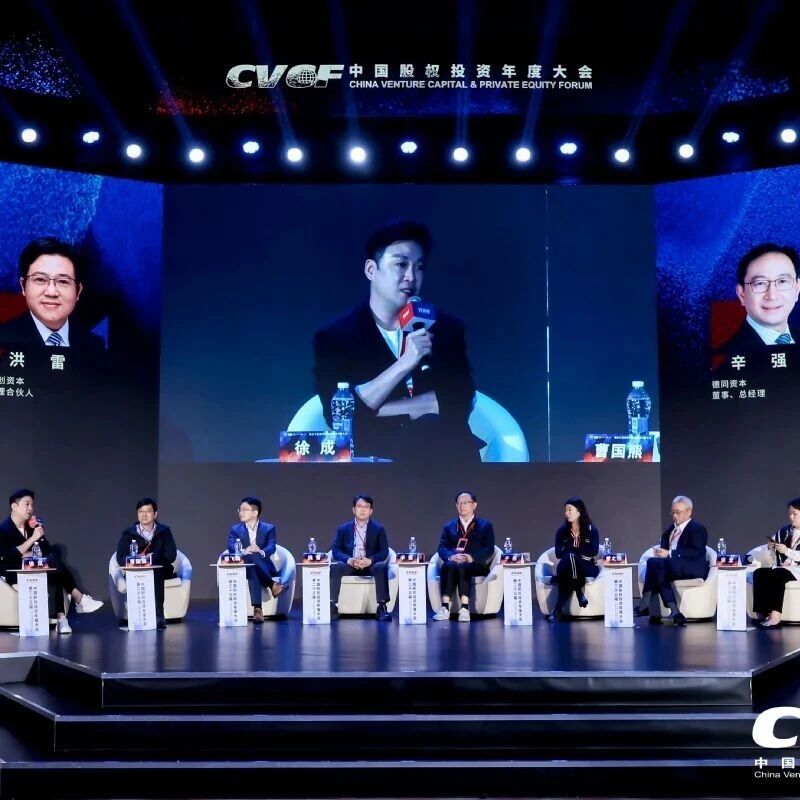
一级市场退出之战
投资界· 2025-12-25 08:29
Core Viewpoint - The article discusses the challenges and strategies related to exit opportunities in the investment landscape, particularly focusing on private equity and venture capital exits in China, highlighting the need for adaptive strategies in a changing economic environment [2][10]. Group 1: Exit Challenges and Strategies - The current economic downturn has created significant challenges for exits, with many funds facing systemic exit difficulties, particularly for projects invested in 2014, where 70% have yet to exit [10][11]. - The exit environment has changed drastically compared to previous years, necessitating proactive management and strategic planning for exits rather than a passive approach [8][10]. - The need for organizational restructuring within investment firms has been emphasized to better manage the complexities of the current exit landscape [8][9]. Group 2: Investment Focus and Performance - Various investment firms have reported their focus areas, with East Capital managing 63 funds totaling 390 billion yuan, and Puhua Group focusing on early-stage investments in healthcare, new energy, and hard technology [3][4]. - Tianchuang Capital has successfully listed 25 portfolio companies and maintains an annual investment of 300-400 million yuan, focusing on hard technology sectors [5][6]. - The performance of exits varies, with some firms achieving notable success while others struggle, indicating a mixed landscape of exit opportunities [7][10]. Group 3: Regulatory and Market Support - Recent regulatory changes, such as the updated merger loan management measures, are expected to enhance support for mergers and acquisitions, with increased leverage ratios and more flexible financing options [12][13]. - The bond market is also seen as a potential source of lower-cost funding for mergers, with current interest rates being favorable compared to traditional loans [13]. - The overall sentiment is cautiously optimistic regarding the future of exits, with expectations of a more favorable market environment in 2026, particularly for IPOs and mergers [23][24]. Group 4: Future Outlook and Recommendations - The article suggests that investment firms should establish closer collaborations with listed companies to better align acquisition targets and exit strategies [16][17]. - There is a call for clearer investment strategies, focusing on companies with high growth potential and stable cash flows, to facilitate smoother exits [17][18]. - The importance of continuous communication with founders and portfolio companies is highlighted to ensure accurate assessments of business performance and exit timing [27][28].