ZGXT(000831)

Search documents
稀土价格指数正式上线 行业迎来新标准景气度持续走高(附概念股)
Zhi Tong Cai Jing· 2026-01-12 00:32
Group 1 - The Baotou Rare Earth Products Exchange (referred to as "Rare Exchange") officially launched its rare earth price index on January 9, 2025, utilizing its own trading data and extensive compliance trade data [1] - The index covers mainstream rare earth products such as lanthanum, cerium, praseodymium, and neodymium, and is compiled using a rigorous index model from research institutions [1] - Baotou Steel (600010) and Northern Rare Earth (600111) announced an adjustment of the rare earth concentrate transaction price to 26,834 yuan/ton (excluding tax), a 2.4% increase from the previous period [1] Group 2 - Northern Rare Earth is the largest supplier of light rare earth products in China and globally, with China's rare earth resources accounting for approximately 40% of global reserves [2] - From Q3 2024, the price of rare earth concentrates has been raised six consecutive times, with significant price increases observed in various rare earth products [2] - Northern Rare Earth reported a revenue of 30.292 billion yuan for the first three quarters of 2025, a year-on-year increase of 40.50%, and a net profit of 1.541 billion yuan, up 280.27% [2] Group 3 - The demand for rare earth permanent magnets is the largest consumption area for rare earths, with the electric vehicle sector expected to account for about 50% of future demand for high-performance neodymium-iron-boron magnets [3] - The CAGR for rare earth demand is projected to exceed 13% over the next three years, driven by rapid growth in electric vehicles, energy-efficient motors, and wind power generation [3] Group 4 - Jinli Permanent Magnet (300748) expects a net profit of 505 million to 550 million yuan for the first three quarters of 2025, representing a year-on-year increase of 157% to 179% [4] - China Rare Earth (00769) is primarily engaged in the manufacturing and sales of rare earth and refractory products, including metal oxides and fluorescent products [4] Group 5 - Minmetals Resources (01208) is expected to achieve revenues of 48.3 billion, 64.5 billion, and 68.7 billion HKD from 2025 to 2027, with net profits projected at 5.6 billion, 10.4 billion, and 12.1 billion HKD respectively [5] - China Aluminum (601600) is a leading enterprise in the aluminum industry, involved in the exploration and mining of bauxite and coal, as well as the production and sales of alumina, primary aluminum, and carbon products [5]


有色金属周报:珍惜彭博调参机会,坚定买入有色牛市-20260111
SINOLINK SECURITIES· 2026-01-11 13:37
Group 1: Copper - The LME copper price increased by 1.94% to $12,702.0 per ton, while Shanghai copper rose by 3.23% to 101,400 yuan per ton [1] - Domestic copper inventory increased by 6.29% week-on-week, marking six consecutive weeks of accumulation, with total inventory up by 168,100 tons year-on-year [1][12] - The operating rate of the yellow copper rod industry decreased by 0.61% to 46.98%, while the enameled wire industry saw a decline of 0.66% in operating rate to 74.87% [1][12] Group 2: Aluminum - The LME aluminum price rose by 2.22% to $3,088.00 per ton, and Shanghai aluminum increased by 6.13% to 24,300 yuan per ton [2][13] - The operating rate of domestic aluminum processing leading enterprises increased by 0.2% to 60.1%, indicating a mixed performance across different aluminum processing sectors [2][13] - The total production capacity of metallurgical-grade alumina reached 110.32 million tons per year, with an operating rate of 80.51% [2][13] Group 3: Gold - COMEX gold price increased by 3.36% to $4,487.9 per ounce, with SPDR gold holdings rising by 2 tons to 1,067.13 tons [3][14] - Geopolitical risks, including U.S. military actions in Venezuela and unrest in Iran, have contributed to a strong and volatile market for gold [3][14] Group 4: Rare Earths - The price of praseodymium and neodymium oxide increased by 2.90%, with November exports of rare earth permanent magnets rising by 12% month-on-month and 28% year-on-year, reaching a historical high for the month [4][36] - The expectation of more relaxed export policies and ongoing supply constraints are likely to support future demand and price increases in the rare earth sector [4][36] Group 5: Lithium - The average price of lithium carbonate increased by 11.5% to 131,800 yuan per ton, while lithium hydroxide rose by 10.9% to 126,900 yuan per ton [4][60] - Total lithium carbonate production reached 22,500 tons, with a slight increase of 0.01 million tons week-on-week [4][60] Group 6: Cobalt - The price of cobalt in the Jiangxi market rose by 1.1% to 460,000 yuan per ton, with cobalt intermediate prices also showing slight increases [5][63] - The overall cobalt market remains strong, with supply tightness expected to continue, supporting price stability [5][63] Group 7: Nickel - LME nickel price increased by 1.8% to $17,100 per ton, while Shanghai nickel rose by 4.3% to 138,000 yuan per ton [5][64] - Nickel market sentiment turned optimistic due to potential tightening of nickel ore quotas in Indonesia, leading to price increases [5][64]


稀土指数,正式上线
券商中国· 2026-01-11 11:51
Core Viewpoint - The Baotou Rare Earth Products Exchange (referred to as "Rare Exchange") has officially launched a rare earth price index, which aims to provide timely, accurate, and transparent price references for the rare earth industry, reflecting overall price trends and changes in specific varieties [1]. Group 1: Price Index Launch - The rare earth price index is based on the exchange's trading data and extensive collection of compliant trade data, developed using rigorous index models from research institutions [1]. - The index covers mainstream rare earth products such as lanthanum, cerium, praseodymium, and neodymium, and has gained significant attention since its announcement [1]. - The exchange plans to continuously optimize the index content, enrich the index system, and expand its application to serve the development of a unified national market for rare earths [1]. Group 2: Historical Context and Company Information - The Rare Exchange was established with contributions from 13 major rare earth enterprises and institutions, officially opening in March 2014 after passing national inspections [2]. - In January 2026, Baogang Co. and Northern Rare Earth both announced an increase in the associated transaction price for rare earth concentrates to 26,834 yuan/ton (excluding tax) [2][3]. - The price adjustment mechanism indicates that for every 1% change in REO (Rare Earth Oxide), the price will increase or decrease by 536.68 yuan/ton [3]. Group 3: Price Trends - The price of rare earth concentrates has been on the rise since 2024, with the fourth quarter of 2025 seeing a 37% increase from the previous quarter, adjusting to 26,205 yuan/ton [4][5]. - Rare earths are classified into light and heavy rare earths, with heavy rare earths being rarer and more unevenly distributed, primarily concentrated in China [5].


稀土价格指数在多家平台正式上线!
Xin Lang Cai Jing· 2026-01-11 07:56
Core Viewpoint - The Baotou Rare Earth Products Exchange (referred to as "Rare Exchange") has officially launched a rare earth price index, which aims to provide timely, accurate, and transparent price references for the rare earth industry in China [1]. Group 1: Price Index Launch - The rare earth price index is based on the exchange's trading data and extensive collection of compliant trade data, utilizing a rigorous index model developed by research institutions [1]. - The index covers mainstream rare earth products such as lanthanum, cerium, praseodymium, and neodymium, reflecting the overall price trends and market changes of rare earth products in China [1]. - The index was announced on December 5, 2025, during the 2025 Entrepreneurs Forum in Boao, and has garnered significant attention from the rare earth industry [1]. Group 2: Future Developments - The Rare Exchange plans to continuously optimize the index content, enrich the index system, expand the index platform, and enhance the promotion of index applications [1]. - The goal is to establish the index as an indispensable "barometer" and "weather vane" for the circulation of rare earth products in China, contributing to the development of a unified national market for the rare earth industry [1]. Group 3: Company Background - The Rare Exchange was established with contributions from 13 major rare earth enterprises and related institutions, including Northern Rare Earth and China Rare Earth [2]. - The exchange was officially launched on March 28, 2014, after passing national inspections and has since received recognition as a national high-tech enterprise in 2022 [2]. Group 4: Price Adjustments - On January 9, 2026, Baogang Co. and Northern Rare Earth announced an increase in the associated transaction price for rare earth concentrates for the first quarter of 2026 to 26,834 yuan/ton (excluding tax, dry weight, REO=50%) [2][3]. - The price adjustment mechanism indicates that for every 1% change in REO, the price will increase or decrease by 536.68 yuan/ton [3]. - The previous quarter's price was set at 26,205 yuan/ton, reflecting a 37% increase compared to the prior quarter [3]. Group 5: Market Trends - Since the beginning of 2024, the trading prices of rare earth concentrates have been on the rise [4]. - Rare earth elements are classified into light and heavy rare earths, with heavy rare earths being rarer and more unevenly distributed, primarily concentrated in China [4].
中国稀土公司,绕开国内管制,向西方继续出口就是资敌行为
Sou Hu Cai Jing· 2026-01-11 03:30
Core Viewpoint - Chinese rare earth companies are circumventing domestic regulations to export products to Western countries, prioritizing personal profits over national strategic security, which is considered an act of aiding adversaries [1][4][25]. Group 1: Industry Context - Rare earth elements, particularly those refined through complex processes like neodymium, dysprosium, and terbium, are not ordinary industrial additives but are critical resources that influence the efficiency of wind power equipment and the performance of advanced military aircraft like the F-35 [7][9]. - The significance of rare earths was highlighted in 2010 when China halted exports to certain countries due to diplomatic tensions, causing panic in Japan's automotive and electronics industries, demonstrating the strategic leverage China holds in this sector [9][4]. Group 2: Export Practices - Recent reports indicate that some companies have evolved their methods to sophisticated operations resembling espionage, using intricate logistics to smuggle rare earths disguised as ordinary materials [11][13]. - These companies are employing tactics such as mislabeling shipments and embedding rare earth metals in inexpensive products to evade strict export controls, aiming to satisfy the insatiable demand from Western buyers [15][17]. Group 3: Economic Implications - The underground market offers immediate responses to overseas clients, with profits potentially reaching multiples of legal trade, incentivizing companies to take significant risks [17][19]. - Following the announcement of stricter export controls in April 2025, official statistics showed a dramatic 90% drop in shipments to the U.S. within a month, raising concerns within the U.S. Department of Defense about finding alternative sources [19][20]. Group 4: Strategic Risks - The transfer of core technologies related to rare earth processing to foreign entities poses a significant risk, as it could enable Western countries to replicate China's supply chain capabilities, undermining China's strategic advantages [29][34]. - The potential loss of control over both raw materials and technological leadership could turn China's strategic assets into liabilities, facilitating adversaries' capabilities [34][36]. Group 5: Regulatory Response - In response to these challenges, the Chinese government has initiated crackdowns on illegal trade networks and is developing a "rare earth fingerprint" system for tracking the entire supply chain from extraction to export [38][40]. - This ongoing battle between regulatory authorities and smugglers reflects a broader struggle between national interests and corporate greed, as the demand for Chinese rare earth resources remains high among Western nations [40][42].
特朗普顾问摊牌:美国在用时间换稀土,目的是废除中国稀土王牌
Sou Hu Cai Jing· 2026-01-11 02:42
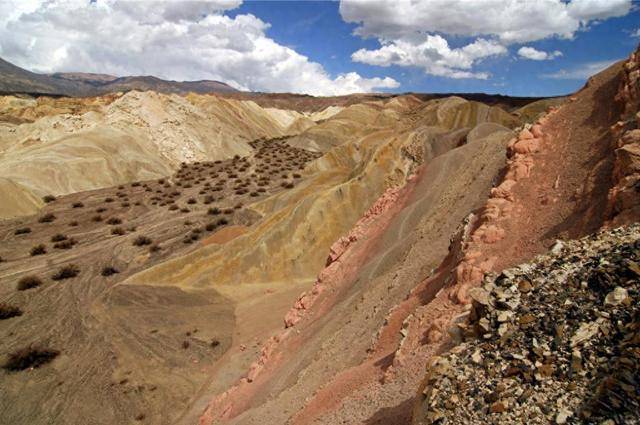
Group 1 - The core viewpoint is that the U.S. is strategically engaging with China regarding rare earths to buy time while working on alternative supply chains and innovations to reduce dependency on China [1][3] - Navarro's comments suggest that the U.S. is not genuinely softening its stance but is instead using diplomacy to stabilize rare earth supplies from China while preparing to break free from this reliance [3][5] - The U.S. is facing a significant challenge as it currently imports 75% of its rare earths from China, and rebuilding a domestic supply chain could take at least 15 years and require substantial financial investment [8][10] Group 2 - The U.S. is attempting to form a coalition with allies to create a supply chain that does not rely on China, indicating a shift towards international collaboration in rare earth sourcing [11][13] - Despite these efforts, the U.S. remains heavily dependent on Chinese supplies, and any disruption could severely impact its industries [13][16] - China's recent price increases for rare earths signal its awareness of the geopolitical dynamics and its control over the market, reinforcing its strategic position [16][18] Group 3 - The competition over rare earths is not just a resource battle but also encompasses technology and strategic positioning, highlighting the complexity of U.S.-China relations [18] - Both countries are in a state of interdependence, where U.S. high-tech industries rely on Chinese supply chains, while China needs Western technology for its industrial upgrades [18]
终于来了,“日企购买中国稀土被拒”
Guan Cha Zhe Wang· 2026-01-10 10:22
Group 1 - Chinese state-owned enterprises selling rare earths have notified some Japanese companies that they will not sign new contracts, marking the first confirmation of Japanese companies being denied rare earth purchases [1] - The Chinese Ministry of Commerce announced on January 6 that it will strengthen export controls on dual-use items to Japan, prohibiting all dual-use items for military users and any other end-users that contribute to enhancing Japan's military capabilities [1][2] - The spokesperson for the Ministry of Commerce criticized Japanese Prime Minister Fumio Kishida's remarks regarding Taiwan, stating that they infringe on China's sovereignty and territorial integrity, and accused Kishida of promoting a "re-militarization" agenda that threatens regional and global peace [1] Group 2 - The Chinese government emphasizes its commitment to fulfilling international non-proliferation obligations and asserts that the export ban on dual-use items to Japan is a legitimate measure to prevent re-militarization and nuclear ambitions [2] - The Chinese government reassures that normal civil trade will not be affected by these measures, indicating that there is no need for concern among parties engaged in legitimate civil trade [2]
出手即王炸!中国稀土级管控钨,涉台错误言论代价:军工材料断供
Sou Hu Cai Jing· 2026-01-10 04:46
Core Viewpoint - The Chinese government has announced a ban on all dual-use item exports to Japan, particularly targeting military users, due to Japan's erroneous statements regarding Taiwan and its over-reliance on Chinese tungsten resources. This situation raises questions about whether China's control over tungsten resources can become a new leverage point in geopolitical dynamics [1]. Group 1: Tungsten's Strategic Importance - Tungsten is recognized as a critical industrial material due to its unique physical properties, including a melting point of 3422°C and hardness close to that of diamond, making it irreplaceable in high-end manufacturing [3]. - Tungsten is essential in various applications, such as ultra-hard drill bits for drilling through rock layers and turbine blades in jet engines, which must withstand extreme temperatures [4]. - The strategic value of tungsten is further emphasized in advanced technologies, including commercial spaceflight, where key components rely on tungsten [5]. Group 2: Global Tungsten Resource Distribution - China dominates the global tungsten market, holding 70% of the world's tungsten reserves and accounting for 82.7% of global production, meaning that 8.3 tons of every 10 tons of tungsten produced worldwide comes from China [8]. - Unlike silver, which relies on imports, tungsten is a core reserve resource for China, which has established a complete industrial chain from mining to recycling, allowing it to control both upstream and downstream resources [10]. - Vietnam's Nguon Tungsten Mine poses the only significant threat to China's tungsten market dominance, making Vietnam the second-largest tungsten producer globally, although its companies have not been profitable in this sector [12]. Group 3: Implications of Export Controls - Starting January 1, 2026, China will elevate tungsten export controls to the same level as rare earths, requiring clear documentation of export destinations and purposes, reflecting long-term considerations of global geopolitical dynamics and national security [15]. - The tightening of export controls aims to prevent illegal flows of tungsten into military applications and strengthen China's control over the global tungsten supply chain, impacting countries like the U.S. and Europe that heavily rely on imported tungsten [17]. - In the context of U.S.-China competition, tungsten has emerged as a strategic asset for China, with its monopolistic advantages in tungsten resources being more reliable than those in rare earths, thus enhancing its role in global industrial upgrades and international order [19].
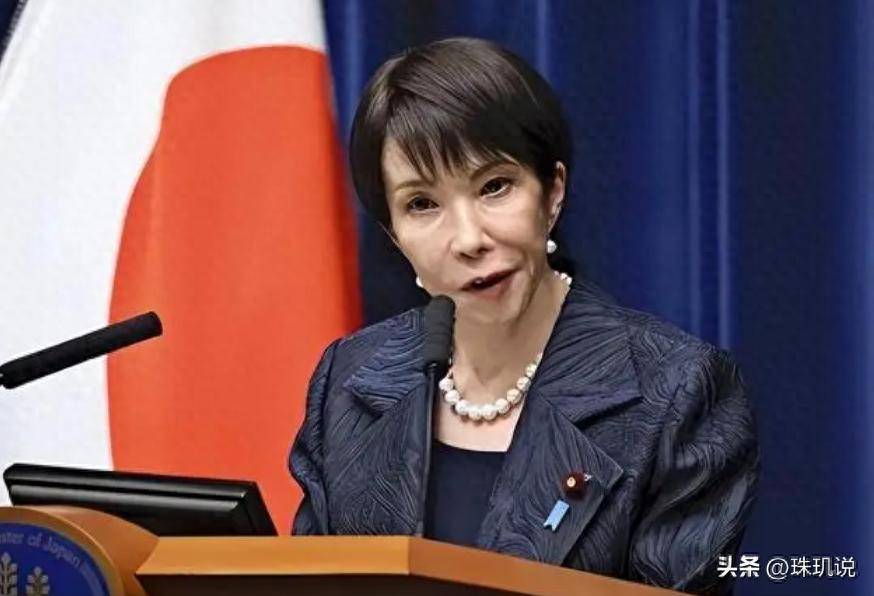
日本要去“叫家长”:美日要剥夺中国稀土“武器化”能力
Guan Cha Zhe Wang· 2026-01-10 02:02
Core Viewpoint - Japan is seeking to establish a rare earth supply chain in collaboration with the US and Europe, aiming to reduce its dependence on China and counteract China's influence in the rare earth market [1][5]. Group 1: Japan's Actions and Statements - Japanese Finance Minister Shunichi Suzuki announced plans to visit the US to discuss critical mineral issues with counterparts from "democratic countries" [1]. - Suzuki expressed concerns about Japan's reliance on Chinese rare earths, stating that without action, China would continue to pose a threat to Japan's economy [1][5]. - The Japanese government aims to create a rare earth market composed of "normal democratic countries and market economies" [1]. Group 2: China's Response and Economic Impact - China has implemented export controls on dual-use products to Japan and initiated anti-dumping investigations on certain Japanese imports [5]. - Analysts estimate that if China restricts rare earth exports to Japan for three months, it could result in a loss of approximately 660 billion yen, impacting Japan's nominal and real GDP by 0.11% [7]. - If the restrictions last for a year, the losses could escalate to 2.6 trillion yen, leading to a 0.43% decrease in GDP [7]. Group 3: Broader Implications and Market Reactions - The G7 countries, including Japan, have not abandoned plans to intervene in rare earth pricing, with discussions about setting a price floor and imposing tariffs on Chinese exports [2]. - UBS analysts noted that if rare earths are included in trade restrictions, the impact would be widespread, particularly affecting the automotive, electronics, and precision instruments sectors [7]. - Japan's reliance on Chinese heavy rare earths for electric vehicle motors is nearly 100%, indicating significant vulnerability to supply disruptions [7].

特朗普立法逼7国弃俄油抢市场,中国稀土反制,美高端产业遇断粮
Sou Hu Cai Jing· 2026-01-09 14:12
Core Viewpoint - The U.S. is intensifying sanctions against Russia by targeting seven major oil-importing countries, aiming to disrupt their purchases of Russian oil and thereby weaken Russia's economy [1][3][20]. Group 1: U.S. Strategy and Legislative Actions - The U.S. is moving beyond verbal threats and administrative orders to implement legislative measures aimed at restricting oil purchases from Russia by key countries, including China and India [3][20]. - The strategy involves a "decapitation of the terminal buyers," where the U.S. plans to impose high tariffs on countries that continue to buy Russian oil, making it economically unfeasible for them [7][13]. Group 2: Impact on Global Energy Market - The U.S. aims to fill the market void left by Russian oil by promoting its own oil and gas companies, leveraging its position as a top global energy producer due to the shale oil revolution [11][20]. - The U.S. is attempting to establish a new energy order where it controls the distribution and pricing of energy resources globally, akin to a feudal system [20][21]. Group 3: China's Position and Response - China, as the largest energy importer, holds significant leverage in the global energy market and is unlikely to be easily swayed by U.S. sanctions [23][25]. - The U.S. risks losing access to the Chinese market, which could have severe repercussions for its own energy companies if it attempts to force a shift in energy supply chains [25][29]. Group 4: Broader Implications and Strategic Considerations - The conflict over energy resources is not just about oil but also involves broader issues of national security and economic independence for emerging economies like China and India [29][31]. - The need for diversification in energy supply and independent payment systems is emphasized to avoid becoming vulnerable to U.S. sanctions, similar to the situation faced by Venezuela [31][33].