
AMD(AMD)

Search documents
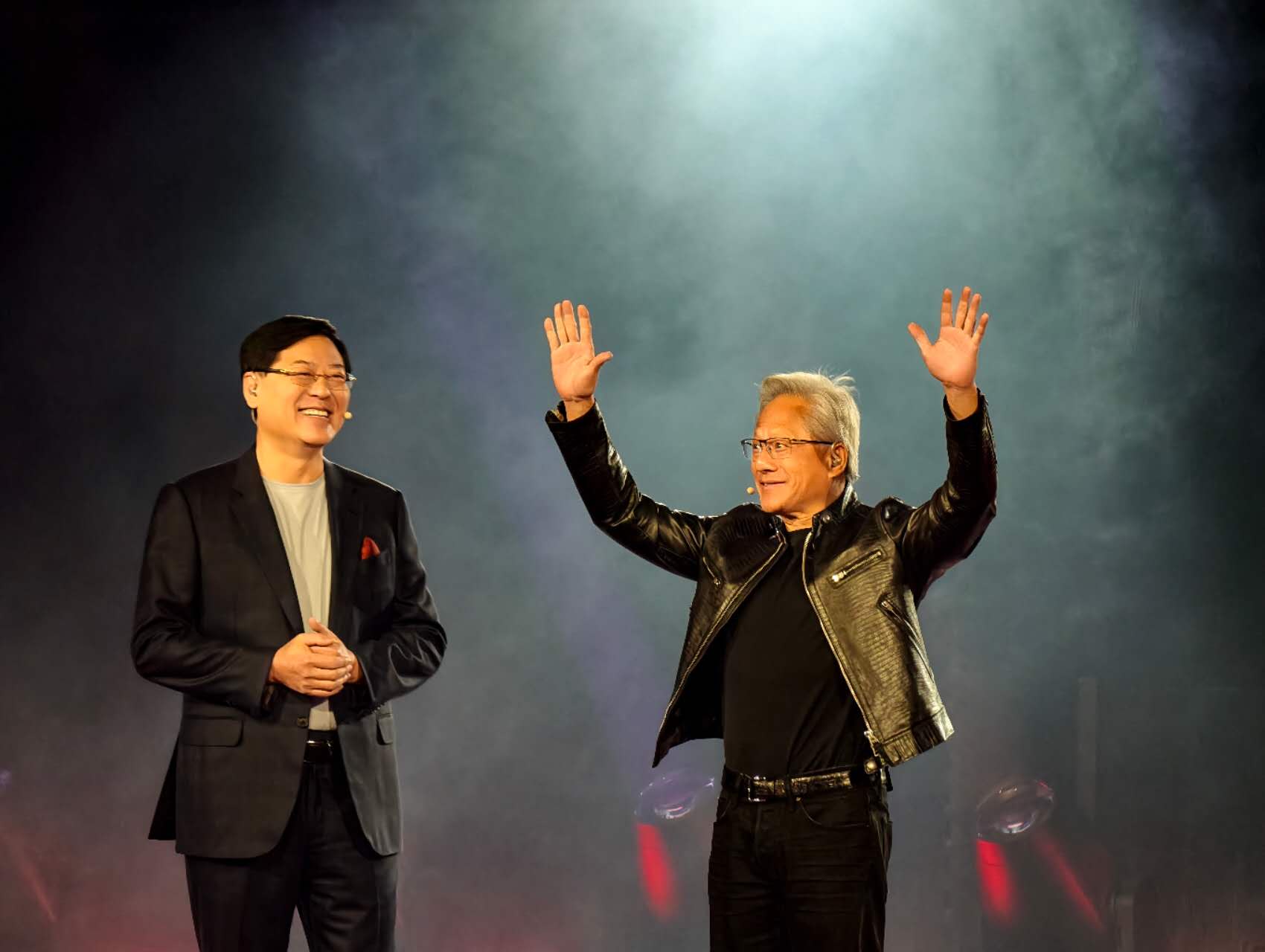
一次集齐四大芯片巨头CEO,联想成了“最大公约数”
Di Yi Cai Jing· 2026-01-07 06:48
Core Insights - The gathering of the four major chip giants—NVIDIA, Intel, AMD, and Qualcomm—at the Lenovo Tech World during CES 2026 highlights the evolving dynamics of the semiconductor industry, where collaboration and competition coexist in the AI narrative [1] - The focus is shifting from individual chip manufacturers to system-level players that can integrate diverse computing power and facilitate the deployment of intelligent hardware solutions [1] Group 1: Industry Transformation - Jensen Huang, CEO of NVIDIA, emphasized the significance of AI as a foundational architecture akin to operating systems, marking a new platform shift in computing [4] - The IT industry has invested approximately $10 to $15 trillion over the past thirty years, necessitating a complete overhaul to adapt to AI applications [5] - Huang and Lenovo's CEO, Yang Yuanqing, announced a new collaboration plan to create a "Lenovo AI Cloud Super Factory," aiming to standardize AI infrastructure and transition from highly customized deployments to industrialized solutions [5][7] Group 2: Competitive Landscape - AMD's CEO, Lisa Su, introduced the Helios rack-level AI platform, positioning it as a direct challenge to NVIDIA's GPU-centric approach, highlighting the need for robust system-level infrastructure to support larger models and higher throughput [8] - Intel's new CEO, Pat Gelsinger, showcased the Aura Edition AI PC, which integrates the latest Intel processors, indicating a shift from traditional PCs to data centers and cloud computing [9][10] - Qualcomm's focus on AI-native endpoints, particularly in wearable devices, reflects a broader trend towards personal intelligent companions that require low power consumption and continuous connectivity [10] Group 3: Collaborative Ecosystem - The collaboration among the four chip giants illustrates a new industry consensus that the true value of AI lies not in possessing the most powerful chip but in transforming computing power into usable capabilities for enterprises and users [11] - Lenovo's role as a "system integrator" and "scene amplifier" is crucial in this collaborative ecosystem, as it bridges the various offerings from NVIDIA, AMD, Intel, and Qualcomm [11] - The wearable device market is projected to exceed one billion units, showcasing the potential for growth in AI-driven consumer technology [11]



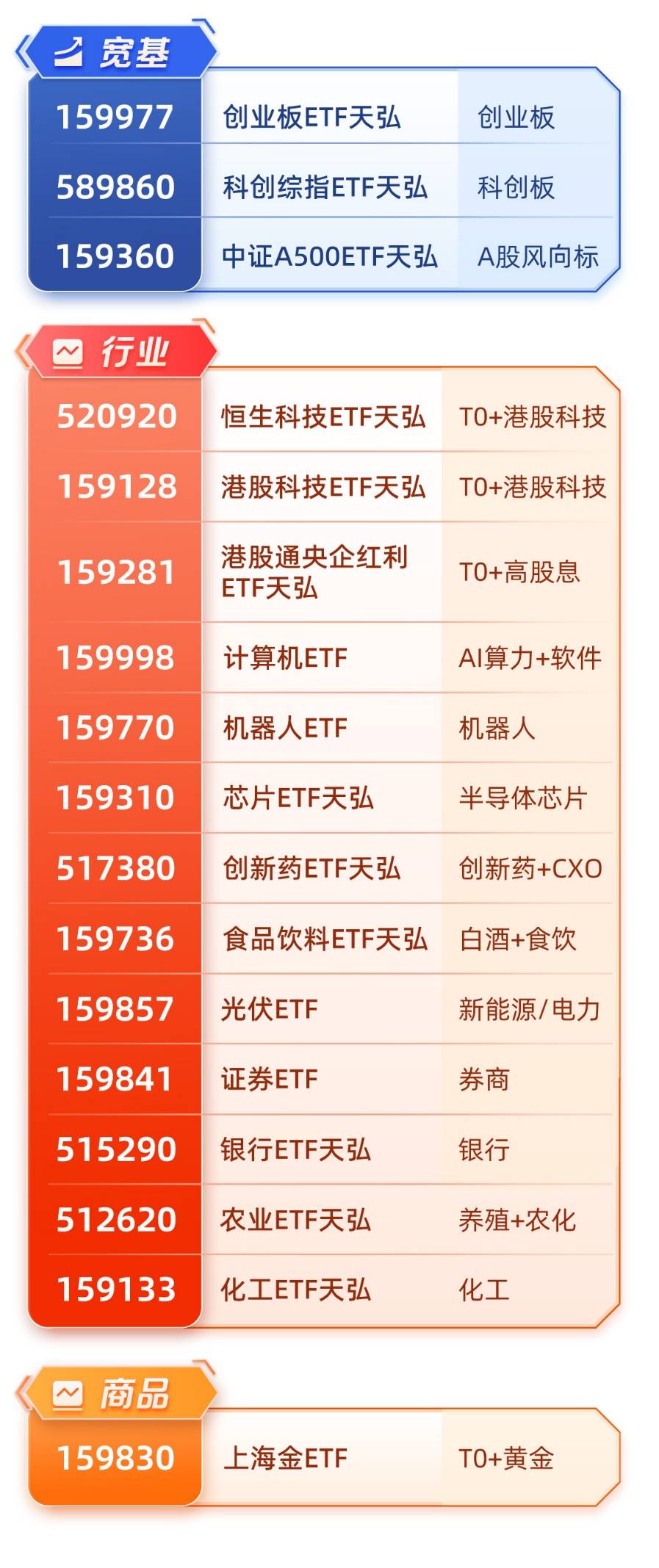
AMD CEO喊话算力百倍提升!芯片ETF天弘(159310)标的指数劲升涨超2%,科创综指ETF天弘(589860)标的指数冲击三连阳,全球芯片巨头火力全开
Sou Hu Cai Jing· 2026-01-07 05:13
Core Insights - The semiconductor ETF Tianhong (159310) saw a trading volume of 14.87 million yuan, with the index tracking the semiconductor industry rising over 2% [1] - The Tianhong semiconductor ETF has experienced a significant growth of 17.05 million yuan over the past two weeks [1] - The Tianhong Sci-Tech Index ETF (589860) had a turnover rate of 7.56% and a trading volume of 23.45 million yuan, with the index rising by 1.49% [1][2] Product Highlights - The Tianhong semiconductor ETF (159310) tracks the CSI Semiconductor Industry Index, reflecting the overall performance of listed companies in the semiconductor sector [1] - The Tianhong Sci-Tech Index ETF (589860) covers 97% of the market capitalization of the Sci-Tech Board, providing a balanced industry distribution to adapt to rapid market changes [2] Key Events - AMD CEO Lisa Su stated that global computing power needs to increase by 100 times in the next five years to meet AI development demands, with a projected leap from Zetta to 10 YottaFLOPS [3] - AMD's next-generation AI chip MI455 GPU will utilize 2nm and 3nm processes, aiming for a 1000-fold increase in AI performance over four years [4] - Intel launched its first mass-produced 2nm client chip, the Core Ultra Series 3, with a performance increase of up to 60% compared to the previous generation [5] Institutional Views - According to Zhongyin Securities, the global semiconductor materials market is expected to exceed $87 billion by 2029, with domestic companies accelerating capacity and technology development in key areas [6]
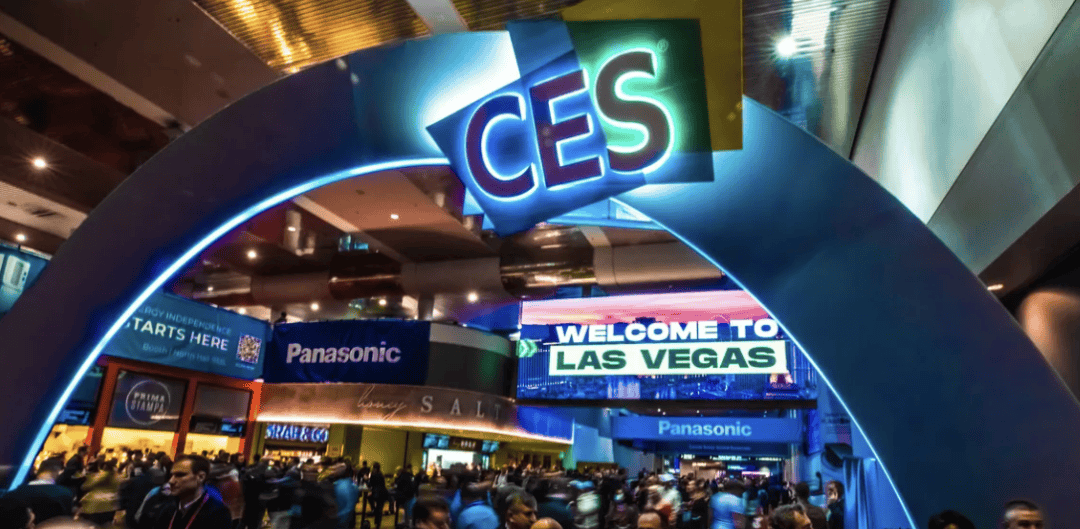
人工智能主导拉斯维加斯消费电子展
Huan Qiu Shi Bao· 2026-01-07 04:50
Core Insights - The CES 2026 is expected to showcase a significant focus on AI applications that are "human-centered," reflecting the industry's shift towards practical AI implementations across various sectors [1][2] - Over 3,500 exhibitors are anticipated to participate, highlighting advancements in robotics, healthcare, automotive, wearables, and gaming [1] - The event will serve as a testing ground for consumer acceptance of AI-driven products, particularly humanoid robots, which are expected to be more prevalent than ever before [2] Group 1: AI and Technology Trends - AI will be a primary selling point for many products at CES, moving beyond being a supplementary feature [2] - The event will feature a significant number of robots, especially humanoid robots designed for both home and industrial applications [2] - AI's impact on healthcare and autonomous mobility will be key topics at the exhibition [2] Group 2: Chip Industry Competition - A notable focus of CES will be the competition among major AI chip manufacturers, including NVIDIA and AMD, with both companies showcasing their latest AI processing technologies [3] - NVIDIA's CEO announced the full production of their next-generation AI supercomputer chip platform, Vera Rubin, with customer deliveries expected later this year [3] - The presence of CEOs from major chip manufacturers like Intel and Qualcomm indicates an impending "chip war" at the event [3] Group 3: Global Participation and Market Dynamics - Chinese companies are gaining prominence at CES, with their displays increasingly occupying high-profile areas traditionally dominated by South Korean firms like Samsung and LG [5] - The interest in AI-driven vehicles, particularly from Chinese automaker Geely, reflects a growing global curiosity about AI innovations in the automotive sector [5] - Observations from attendees suggest that the rapid iteration of tech consumer products in China has set a high expectation for AI integration at CES [6]
直击CES:AI,加速影响物理世界
Zhong Guo Zheng Quan Bao· 2026-01-07 04:44
Group 1: AI Technology and Developments - AI has become the central theme at CES 2026, with discussions focusing on extending AI into the physical world [2][3] - NVIDIA's CEO Jensen Huang announced that the company's open-source physical AI model "Cosmos" has reached one million downloads, indicating a significant shift in AI capabilities [2] - AMD introduced several new AI products, including the MI455X GPU AI chip and Ryzen AI processors, with plans to launch the MI500 series chip in 2027, aiming for a 1000-fold increase in AI performance over the next four years [2] - Qualcomm's new high-performance robot processor, the Snapdragon IQ10 series, is designed for industrial autonomous mobile robots and advanced humanoid robots [2][3] Group 2: Robotics and Smart Products - The humanoid robot TORA-ONE showcased at CES 2026 demonstrates strong adaptability in new retail scenarios, featuring advanced tactile sensors with high precision and sampling rates [4] - Companies like 松延动力 are targeting key global markets for their products, aiming for significant overseas expansion in 2026 [5] - The exhibition highlighted various smart home products, including robotic lawn mowers and pool cleaning robots, indicating a growing market for AI-integrated home appliances [6] Group 3: Autonomous Driving - The maturity of technology is pushing L4-level autonomous driving into everyday life, with significant advancements in AI driving this trend [7] - Huang announced the Alpamayo R1, an open-source VLA inference model for assisted driving, suggesting that autonomous driving may become a mainstream application of physical AI [7]

联想发布,一系列AI大动作!
Zhong Guo Zheng Quan Bao· 2026-01-07 04:41
Core Insights - Lenovo's Chairman and CEO, Yang Yuanqing, introduced the concept of "hybrid AI" during the 2026 CES, emphasizing the need for collaboration among tech companies [1] Group 1: Hybrid AI Concept - The hybrid AI integrates personal, enterprise, and public intelligence to create a personalized and diverse AI experience, which is seen as the ultimate path for AI accessibility [2] - Lenovo unveiled three core technologies: Intelligent Model Orchestration, Agent Core, and Multi-agent Collaboration, which form the technical foundation of hybrid AI [2] - The personal AI superintelligence, Lenovo Qira, was launched to connect and coordinate multiple smart devices seamlessly [2] Group 2: AI in Enterprise Applications - Yang highlighted that the new wave of computing power will stem from the explosion of AI inference, which will be crucial for enterprise competitiveness [4] - Lenovo announced a collaboration with AMD to launch the AI inference server ThinkSystem SR675i, aimed at enhancing AI deployment efficiency and reducing operational costs [4][5] - The company also introduced a range of inference-optimized server products to help enterprises deploy AI models locally and at the edge [5] Group 3: Strategic Partnerships - Lenovo and NVIDIA announced a partnership to create the "Lenovo AI Cloud Super Factory," which aims to industrialize AI infrastructure and significantly reduce deployment time [7] - The collaboration with NVIDIA is expected to quadruple business scale over the next 3 to 4 years [7] - Lenovo is also working with Qualcomm to innovate in the AI-native wearable device sector, with a market potential exceeding one billion units [7] Group 4: Market Trends and Predictions - The integration of AI technology in smart hardware is anticipated to drive growth, with predictions indicating that AI penetration rates in smartphones and PCs could reach 45% and 62% respectively by 2026 [7] - The edge AI market is projected to grow from 321.9 billion yuan in 2025 to 1.22 trillion yuan by 2029, with a compound annual growth rate of 40% [7]
AMD董事会主席苏姿丰:联想将成为首批采用AMD Helios机架级AI架构的系统供应商
Mei Ri Jing Ji Xin Wen· 2026-01-07 04:17
Core Insights - The 2026 International Consumer Electronics Show (CES) officially opened in Las Vegas on January 6, 2026, coinciding with Lenovo's largest annual technology innovation conference, "Lenovo Tech World" [1] - AMD's CEO, Lisa Su, announced that Lenovo will be one of the first system vendors to adopt AMD's Helios rack-level AI architecture, highlighting the growing importance of AI in various sectors [1][2] Group 1 - The global demand for AI is increasing, with enterprises needing flexible deployment options across cloud, on-premises, and edge environments [1] - Companies are looking for the best combination of CPU, GPU, and software tailored to their specific business needs [1] - AMD launched its latest rack-level computing platform, Helios, which is seen as a challenge to Nvidia [1] Group 2 - The need for larger models and higher throughput systems is driving the demand for rack-level AI infrastructure [2] - Lenovo's partnership with AMD positions it strategically in the evolving AI landscape [2]
CES 2026 正式开幕;英伟达挑战特斯拉FSD,马斯克:希望他们成功;小米公布 KOL 事件处理结果|极客早知道
Sou Hu Cai Jing· 2026-01-07 03:52
Group 1: CES 2026 Highlights - CES 2026 opened on January 6, showcasing over 4,100 exhibitors, including major companies like Nvidia, AMD, Qualcomm, Lenovo, and TCL, with expected attendance surpassing 150,000 [3] - The event emphasized the integration of AI across various consumer electronics sectors, moving beyond basic applications to fundamentally reshape chips, displays, appliances, and transportation [3] - Key focus areas included "Robotics and Embodied Intelligence," "Smart Vehicles," "AI Hardware," and "Fun Tech" [3] Group 2: xAI Funding and User Growth - Elon Musk's AI startup xAI announced the completion of a $20 billion Series E funding round, exceeding its initial target of $15 billion, with participation from investors like Valor Equity Partners and Qatar Investment Authority [4] - xAI reported approximately 600 million monthly active users on its X platform and Grok, planning to use the new funding to expand data center capacity and further develop the Grok model [4] Group 3: AI Industry Predictions - AMD CEO Lisa Su predicted that the AI industry will grow to over 5 billion daily users within five years, with a significant increase in computing power expected to exceed 10 YottaFLOPS [6] - Since the launch of ChatGPT, active AI users have surged from 1 million to 1 billion, a milestone that took the internet decades to achieve [6] Group 4: AI in Healthcare - Over 40 million Americans reportedly use ChatGPT daily for health and medical information, with many viewing it as a helpful ally in navigating the complexities of the healthcare system [7] - In remote areas with limited medical resources, users send nearly 600,000 health-related messages weekly, with about 70% of these conversations occurring outside traditional office hours [7] Group 5: Strategic Partnerships - Boston Dynamics and Google DeepMind announced a new AI partnership to integrate the Gemini Robotics AI model with Boston Dynamics' Atlas humanoid robot [8] - Qualcomm and Google deepened their decade-long collaboration in the automotive sector, focusing on integrating Snapdragon digital chassis solutions with Google’s automotive software and cloud services [9][10] Group 6: Innovations in Automotive Technology - Nvidia introduced the Alpamayo series of open AI models aimed at addressing autonomous driving safety challenges, with plans to launch on U.S. roads later this year [11] - A new foldable steering wheel designed for Level 4 autonomous driving was unveiled, which folds away when the vehicle is in self-driving mode, enhancing passenger experience [19][21] Group 7: AI Content Growth on Social Media - Douyin reported a 200% increase in viewership of AI learning content, with significant growth in the number of users engaging with technology-related videos [15] - The platform's AI content interest user base grew by 105%, reflecting a rising trend in AI-related content creation and consumption across all age groups [15]

AI 供应链:CES 展会影响、ASIC 芯片生产、中国 AI 芯片-Asia-Pacific Technology-AI Supply Chain CES implications, ASIC production, China AI chips
2026-01-07 03:05
Summary of Key Points from the Conference Call Industry Overview - The focus is on the **AI semiconductor industry**, particularly the dynamics surrounding **AI GPUs** and **AI ASICs**. The demand for these components is expected to be strong in 2026, driven by supply factors such as memory availability and TSMC's 3nm technology [1][4][42]. Core Insights - **Nvidia's Production**: Nvidia's management reported that the **Rubin** compute board is in "full production," with assembly time significantly reduced from approximately **2 hours** for Blackwell to about **5 minutes** for Rubin. The launch is anticipated in the **second half of 2026** [2][54]. - **China's AI Chip Demand**: There is a forecast of around **2 million units** of H200 chips demanded by Chinese customers, with ongoing licensing processes. Companies like **ByteDance** are actively developing AI server racks compatible with both Nvidia and local chips [4][84]. - **Market Size Projections**: The total AI chip market is projected to reach **US$550 billion** by **2029**, which includes both AI GPUs and ASICs. This reflects a significant growth trajectory for the sector [5][42]. Capacity and Production Dynamics - **TSMC's CoWoS Capacity**: TSMC is expected to expand its CoWoS capacity by **20-30%** in 2026, with a revised forecast of **125kwpm** by the end of the year, marking a **79% increase** from previous estimates [12][43]. - **ASE/SPIL and Amkor**: Both ASE/SPIL and Amkor are also expanding their CoWoS capacities to meet rising demand from key customers like Nvidia, AMD, and AWS [13][14]. - **Google TPU Production**: Google is accelerating the production of its next-generation **TPU** chips, moving the timeline from **4Q26** to **3Q26**. Broadcom has also booked **30k** of CoWoS-S capacity to meet TPU demand [26][28]. Financial Outlook - **Revenue Growth**: TSMC is projected to generate **US$107 billion** from AI chip foundry services by 2029, which would account for about **43%** of its total revenue [44]. - **Cloud Capex Spending**: Estimated cloud capital expenditure for 2026 is projected to reach **US$632 billion**, indicating robust investment in AI infrastructure [45]. Risks and Considerations - **Supply Chain Risks**: The primary concerns for 2026 are expected to be shortages in memory, T-Glass, and TSMC's 3nm wafers, rather than CoWoS capacity itself [43][42]. - **China's Localization Efforts**: China is expected to increase its local chip production to support AI development, which may create additional demand for both local and foreign chips [81][82]. Additional Insights - **ByteDance's AI Server Racks**: At a recent conference, ByteDance showcased its **256-node AI server racks**, which are designed to work with both Nvidia and local AI chips, highlighting the competitive landscape in China's AI market [84]. - **Market Dynamics**: The AI semiconductor market is characterized by rapid growth and evolving dynamics, with significant implications for companies involved in chip production and supply chain management [42][43]. This summary encapsulates the key points discussed in the conference call, providing insights into the current state and future outlook of the AI semiconductor industry.


苏妈和李飞飞炸场CES,AMD AI全栈野心显露:从云端到个人PC,AI芯片性能四年要飙1000倍
3 6 Ke· 2026-01-07 02:55
今年的 CES 真可谓是八仙过海,黄仁勋、苏姿丰、陈力武等"经典面孔"齐亮相; 不过台上谈的已不只限于显卡、算力和制程,还在于 AI 接下来要被带 去哪里。 在 AMD 的专场演讲中,苏妈甩出一个大胆判断: "未来五年内,将有 50 亿人每天使用 AI,超过世界人口的一半。" ——什么概念?就是这个增长速度将远超互联网早期阶段,自 ChatGPT 在 2022 年底发布以来,AI 活跃用户已从 100 万暴涨至 10 亿 +。 值得一提的是,这场演讲还请来了"AI 教母"李飞飞。 李飞飞并不是来站台新品的,她和苏妈主要探讨空间智能和世界模型,这也是她已耕深 20 余年的领域。 对于云端,基于下一代 MI455 GPU 的 Helios 机架级平台成为全场焦点:单机架集成 72 块 AI GPU,算力高达 2.9 ExaFLOPS,可通过成千上万个机架拼接 成超大训练集群,直指千亿参数大模型的核心战场。 谈到云端算力的未来,苏姿丰毫不掩饰 AMD 的野心: "全球人工智能运行在云端,而云端运行在 AMD 平台上。" 另外,她还指出,下一代 Instinct 数据中心 AI 加速器平台 MI500 系列,将在 2 ...

AMD苏姿丰:联想是Helios AI架构的首批系统供应商|直击CES
Xin Lang Cai Jing· 2026-01-07 02:40
Core Viewpoint - AMD and Lenovo are collaborating to launch AI inference servers based on AMD's Helios rack-level AI architecture, addressing the growing demand for AI solutions in enterprises [1][2][3]. Group 1: Collaboration and Product Launch - Lenovo will be one of the first system suppliers to adopt AMD's Helios rack-level AI architecture [1][4]. - AMD and Lenovo will introduce the ThinkSystem SR675i AI inference server powered by AMD EPYC processors, aimed at enhancing local AI inference capabilities for enterprises [1][3]. Group 2: Market Demand and Infrastructure - There is an increasing need for larger models and higher throughput systems as inference demand accelerates, making rack-level AI infrastructure crucial [2][4]. - Companies are seeking to deploy AI flexibly across cloud, on-premises, and edge environments, allowing them to choose the best combination of CPU, GPU, and software based on their specific business needs [1][3].