BHP(BHP)

Search documents
铁矿石风波让澳洲人慌了!澳媒喊话,情况变了,美元地位有待观察
Sou Hu Cai Jing· 2025-10-07 13:56
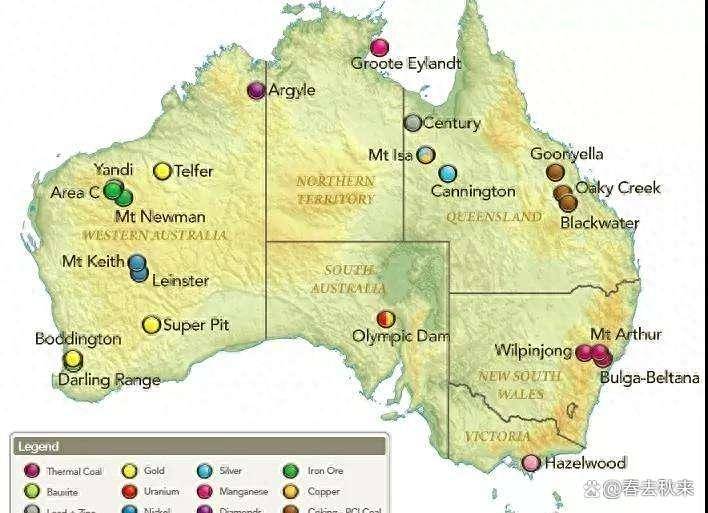
Group 1 - China's iron ore production is not optimistic, leading to heavy reliance on imports, particularly from Australia, which accounts for approximately 60% of China's iron ore imports [1][4] - BHP, a major player in the Australian iron ore sector, exports about 80% of its iron ore to China, making it vulnerable to changes in China's purchasing decisions [4][6] - Following China's decision to halt purchases of BHP's iron ore priced in USD, BHP's stock price plummeted, resulting in a market value loss of nearly 12 billion AUD, approximately 57 billion RMB [6] Group 2 - The decision to suspend purchases was influenced by the failure of the seventh round of economic and trade consultations between China and Australia, where Australia did not meet China's demands [6][10] - China requested that long-term procurement agreements be priced in RMB instead of USD, while BHP insisted on maintaining USD pricing and even proposed a 15% price increase, which China viewed as unreasonable [8][10] - The ongoing negotiations highlighted the power dynamics in the iron ore market, with Australia holding significant leverage due to its dominance in iron ore exports [11] Group 3 - China's iron ore resources are abundant but often of lower quality, making it reliant on higher-quality Australian iron ore, which is easier to extract and has a higher iron content [13] - The situation reflects broader geopolitical tensions, including the struggle for resource control and the dominance of the USD in international trade [14][20] - China is actively seeking to diversify its import sources and reduce reliance on Australia, as evidenced by its establishment of trade relationships with multiple countries and the construction of port storage facilities [16][24] Group 4 - The push for RMB pricing in trade is part of China's strategy to reduce dependence on the USD and enhance the international standing of the RMB [22][25] - BHP's insistence on USD transactions is driven by the advantages of the USD and the potential for profit from currency fluctuations, highlighting the competitive nature of international trade [22] - China's efforts to promote RMB settlements aim to strengthen its economic position and mitigate the impact of potential US sanctions [24][27]


问题来了?中方刚要拿回铁矿石定价权,西芒杜铁矿就出事暂停运行
Sou Hu Cai Jing· 2025-10-07 09:46
Core Viewpoint - The ongoing confrontation between China and Australia's BHP over iron ore procurement is not merely a commercial negotiation but a strategic battle aimed at redefining the long-standing pricing power in the global iron ore market [3][5][30] Group 1: Market Dynamics - The global iron ore supply is predominantly controlled by three major companies: BHP, Rio Tinto, and Vale, which together account for 61% of global seaborne exports [5][9] - China, as the largest buyer, has hundreds of steel companies acting independently, leading to a fragmented purchasing power that disadvantages them in negotiations [7][9] - It is estimated that this pricing imbalance could cost China over a thousand billion dollars in additional expenses for importing Australian iron ore this year [7] Group 2: Strategic Moves by China - In 2022, China established the China Mineral Resources Group (CMSG) to consolidate procurement from state-owned steel companies, transforming the negotiation dynamics from many small buyers to a single large buyer [9][12] - The Simandou iron ore project in Guinea, with over 2 billion tons of proven reserves and an average grade of 65%, is seen as a critical asset for China to enhance its bargaining power [12][14] - China has invested over 30 billion dollars in the Simandou project, which is expected to produce 12 million tons annually, representing about 10% of China's total iron ore imports [14][18] Group 3: Recent Developments - A recent fatal accident at the Simandou site has led to a suspension of operations, which could weaken China's negotiating position against BHP [16][18] - BHP's strong stance is under pressure as 70% of its iron ore exports are dependent on the Chinese market, and attempts to find alternative markets have been largely unsuccessful [20][22] Group 4: Currency and Geopolitical Implications - China's demands include establishing a new pricing mechanism closer to the spot market and using the renminbi for transactions, challenging the long-standing dominance of the US dollar in international commodity markets [26][28] - The internal divisions among Australian mining companies, with some like FMG agreeing to use renminbi for transactions, indicate a shift in alliances that could further weaken BHP's position [22][24] - The broader implications of this struggle extend beyond commercial interests to geopolitical dynamics, as the US has expressed concern over the potential shift in currency usage for strategic commodities [26][30]
在人民币结算令下,澳大利亚矿业巨头必和必拓与力拓的态度差异引发了广泛关注。
Sou Hu Cai Jing· 2025-10-07 07:45
Core Viewpoint - The sudden shift by Chinese buyers to demand payment in RMB instead of USD for iron ore from BHP has created significant turmoil in the iron ore trade, highlighting the ongoing capital market dynamics and the contrasting responses of major mining companies [1][3]. Group 1: Company Responses - Rio Tinto quickly agreed to the RMB settlement, reflecting its deep financial ties to the Chinese market, which accounts for over half of its revenue and has seen record procurement levels [1]. - BHP, on the other hand, has resisted the shift to RMB, influenced by its American shareholders who are concerned about the potential erosion of the USD's dominance in mineral trade [3]. Group 2: Market Dynamics - The global iron ore market is transitioning from a seller's market to a buyer's market, with increasing supply from countries like Guinea and Brazil, which could threaten BHP's market position if it remains inflexible [5]. - The pricing power in the iron ore market is shifting, with China's Dalian Commodity Exchange now having a trading volume eight times that of Singapore, indicating the emergence of a new pricing center in China [5].


刚暂停购买澳洲矿石,西芒杜铁矿就出事暂停运行,巧合还是意外?
Sou Hu Cai Jing· 2025-10-07 05:30
Core Viewpoint - The Chinese Mineral Resources Group (CMRC) has requested domestic buyers to suspend purchases of BHP's iron ore priced in USD, indicating a strategic shift in China's approach to iron ore supply chains and pricing [1][3]. Group 1: Strategic Decisions - The decision to suspend purchases follows unsuccessful negotiations between China and Australia, signaling China's intent to reshape the iron ore supply chain and assert pricing power [3][5]. - By pricing iron ore in RMB, China aims to reduce costs, increase profits, and facilitate the internationalization of the RMB [4][12]. Group 2: Impact of the Guinea Mine Incident - A safety accident at the Simandou iron ore mine in Guinea, involving the death of three workers, has led to the suspension of operations and safety inspections [4][13]. - The timing of this incident is critical, as it coincides with China's negotiations with BHP, potentially affecting China's bargaining position [13]. Group 3: Market Dynamics - China's demand for iron ore constitutes over 70% of Australia's iron ore exports, making it a crucial customer for Australian suppliers [8][11]. - The emergence of the Simandou mine as a viable alternative source of high-quality iron ore (with a total resource of 5 billion tons and over 66% grade) strengthens China's negotiating position against BHP [11][12]. Group 4: Future Considerations - The ongoing negotiations and market dynamics surrounding iron ore pricing will continue, with China determined to maintain its stance regardless of external factors [15].
中国掌控矿贸主动权!拒购必和必拓美元货,三大变化来袭
Sou Hu Cai Jing· 2025-10-07 04:07
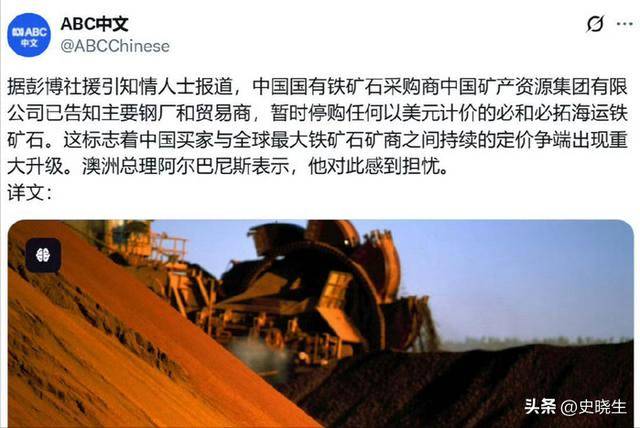
Core Viewpoint - The recent decision by China Mineral Resources Group to halt the purchase of BHP's dollar-denominated iron ore shipments signifies a strategic shift in the global iron ore market, indicating that China is ready to assert its negotiating power and reshape the existing trade dynamics [2][10]. Group 1: China's Position in Iron Ore Market - China is the largest importer of iron ore globally, with an annual import volume of 1.2 billion tons, accounting for nearly half of the global iron ore trade [4]. - Historically, China has faced unfair treatment in iron ore transactions, often paying significantly higher prices compared to the low extraction costs of mining giants like BHP [5]. - The reliance on dollar-denominated transactions has resulted in substantial financial risks for Chinese steel mills, with potential annual losses of up to $640 million due to unfavorable exchange rate fluctuations [7]. Group 2: Strategic Moves by China - China is diversifying its sources of iron ore to break the supply monopoly held by Australia and Brazil, which previously accounted for 80% of its imports [10]. - New suppliers, such as Guinea's Simandou mine and increased exports from Russia, are expected to enhance China's bargaining power and reduce dependency on a single supplier [12]. - The establishment of a Chinese pricing index, the "North Iron Index," aims to provide a more accurate reflection of market conditions and facilitate transactions in RMB [14]. Group 3: Economic Implications - The shift in iron ore procurement strategy is projected to significantly impact Australia's economy, with iron ore export revenues expected to decline from AUD 116 billion in 2025 to AUD 105 billion [25]. - The anticipated increase in RMB-denominated transactions in iron ore trade, from 5% in 2023 to potentially over 40% by 2026, indicates a growing acceptance of the RMB as a global trade currency [22]. - This change is expected to foster a more balanced and equitable trade relationship between China and Australia, moving away from a heavily dependent economic model [25][29]. Group 4: Future Outlook - The actions taken by China in the iron ore market may set a precedent for other commodities, potentially leading to a broader adoption of non-USD currencies in global trade [29]. - By asserting its rights as a major buyer, China is not only changing the dynamics of iron ore trade but also signaling a shift towards a more rational and fair global trading system [27][29].

Global Markets Brace for Impact as U.S. Government Shutdown Deepens, Supply Chains Falter, and Geopolitical Tensions Rise
Stock Market News· 2025-10-06 23:38
Government Shutdown - The U.S. federal government is in a partial shutdown for the second week due to a political stalemate, with the Senate failing to pass funding bills [2][9] - Republicans propose funding until November 21, while Democrats seek funding until October 31, contingent on extending Affordable Care Act tax credits [3] - The White House warns of potential layoffs for federal workers and critical programs may exhaust funding [3] Ford Motor Company - Ford faces significant operational disruptions expected to last for months due to a fire at its major supplier, Novelis, which supplies approximately 40% of the automotive industry's aluminum sheet demand [4][5] - Production halts for Ford's best-selling vehicles, including the F-150 pickup truck, may occur, potentially leading to temporary layoffs for thousands of workers [5] BHP Group - BHP is navigating geopolitical risks, including political interference that could jeopardize its mining agreements and a reported Chinese ban on its iron ore [6][9] - The company is also monitoring potential policy shifts under a future Trump administration, which may include tariffs affecting global trade flows [7] - A union at BHP's Cerro Colorado copper mine in Chile has rejected the latest contract offer, raising the possibility of a strike [7] Israeli and Hamas Peace Talks - Indirect peace talks between Israeli and Hamas officials have begun in Egypt, focusing on a U.S.-drafted plan to end the Gaza war [8][10] - The initial phase of the U.S. plan includes a rapid cessation of hostilities and the release of Israeli hostages, with key issues remaining around Hamas disarmament and Gaza governance [11]


力拓重大接纳人民币结算,必和必拓为何坚决说不?中澳铁矿石博弈内幕披露
Sou Hu Cai Jing· 2025-10-06 23:03
Core Insights - Rio Tinto has adopted a new settlement scheme using the Chinese yuan, while BHP Billiton has chosen to maintain its existing settlement model, highlighting a stark contrast in strategic approaches between the two Australian mining giants [1][3] - The choice of settlement currency has become a significant indicator of a company's strategic flexibility, especially in the context of the deepening demand for stable mineral resource supply from the Chinese market [1][3] Group 1: Company Strategies - Rio Tinto's decision is based on a thorough consideration of real interests, having established a long-term investment presence across multiple sectors in the Chinese market [1] - The company has set up a dedicated yuan account in the Shanghai Free Trade Zone, indicating a forward-looking strategy with a 36-month implementation period [1] - BHP Billiton's decision reflects a tighter connection to international capital markets, with a significant dollar-denominated debt structure that could be adversely affected by a shift in settlement currency [1][3] Group 2: Market Dynamics - The iron ore trade transcends mere commercial transactions, involving complex international relations, particularly between Australia and China [1] - The ongoing fluctuations in exchange rates pose a risk to profitability, with annual iron ore trade volumes exceeding hundreds of millions of tons [3] - The strategic decisions of both companies will be tested over time, with upcoming financial data serving as a critical observation point for market expectations [1]

铁矿石风波让澳洲人慌神了!澳媒喊话,事情变了,美元地位有待观察
Sou Hu Cai Jing· 2025-10-06 19:27
Core Viewpoint - China's recent ban on Australian iron ore trade, valued at 116 billion AUD, has significantly impacted the Australian economy, highlighting the importance of iron ore trade between the two countries and indicating a strategic shift in China's procurement approach [1][3]. Group 1: Trade Dynamics - The Chinese government has mandated a halt on all iron ore purchases priced in USD from BHP, a major Australian mining company, which has led to a sharp decline in BHP's stock price by approximately 3.4%, resulting in a market capitalization loss of over 12 billion AUD [3]. - Iron ore exports account for about 5% of Australia's GDP, with 85% of its iron ore exports directed towards China, emphasizing the critical nature of this trade relationship [3]. Group 2: Pricing and Negotiation - BHP's insistence on continuing USD settlements and a 15% price increase contrasts sharply with China's demand for RMB settlements and pricing based on current market rates, leading to a stalemate in negotiations [3]. - The recent trade negotiations ended without agreement, reflecting the significant divergence in positions between the two parties [3]. Group 3: Supply Chain Alternatives - China's diversification of iron ore supply sources has been successful, with over 65% of imports now coming from various countries, including a long-term agreement with Brazil's Vale for 50 million tons annually [7]. - The completion of a 650 km railway from the Mangdu iron mine to Matakong port in Africa by China Railway Construction is expected to enhance China's alternative supply options by November 2025 [5]. Group 4: Market Trends - The global iron ore market is undergoing a transformation, with a projected price decline of nearly 20% from 2024 to 2025, and BHP's annual profits hitting a five-year low, prompting cuts in exploration spending [9]. - The shift in steel demand from construction to manufacturing has altered the quality requirements for iron ore, putting lower-grade Australian ores at risk of being phased out in favor of higher-grade alternatives like the Simandou project in Guinea [9]. Group 5: Strategic Implications - The establishment of China Mineral Resources Group has transformed the negotiation landscape, consolidating procurement needs from over 600 steel companies into a unified purchasing strategy, thereby enhancing China's bargaining power [6]. - Australia's reliance on the USD settlement system is under pressure, as accepting China's terms could disrupt long-standing practices, while refusal may result in a permanent loss of market share in China [12].

有关消息称,中国暂停采购必和必拓铁矿石,这貌似全球贸易战的外延,其实是汇率战的前奏曲
Sou Hu Cai Jing· 2025-10-06 17:28
Core Viewpoint - The suspension of iron ore procurement by China signals a shift towards the use of the Renminbi in pricing, indicating a potential currency war rather than a simple commercial dispute [1][7]. Group 1: Iron Ore Market Dynamics - China is the largest importer of iron ore globally, with imports exceeding 1.1 billion tons in 2023, accounting for 70% of global seaborne iron ore trade [3]. - BHP holds approximately 20% market share in China, alongside Rio Tinto and Vale, indicating a near monopoly on high-grade ore [3]. - The shift from USD to Renminbi pricing in iron ore could disrupt traditional pricing mechanisms, as seen with the limited volume of Renminbi contracts in 2023 [3][5]. Group 2: Broader Economic Implications - The transition to Renminbi pricing in raw materials could undermine the dollar's dominance, especially as the U.S. faces persistent inflation and high interest rates [5]. - China's Producer Price Index (PPI) has shown negative growth, indicating deflationary pressures that could alter pricing strategies for exports when denominated in Renminbi [5]. - The potential for "input deflation and output inflation" arises as the pricing logic shifts with Renminbi settlements [5]. Group 3: Market Reactions and Future Outlook - The capital markets have begun to react, with the Renminbi strengthening against the dollar and a notable decline in global mining stocks following the procurement news [8]. - Australia's forecast for iron ore prices has been adjusted downward, reflecting expectations that China will not continue to place orders unconditionally [10]. - The implications of this shift could extend beyond iron ore to other commodities like oil and gas, with early signs of Renminbi settlements emerging in the Middle East [10]. Group 4: Challenges Ahead - The internationalization of the Renminbi may increase capital flow and exchange rate volatility, necessitating robust risk management mechanisms [12]. - The strategic implications of halting procurement could escalate tensions with major players like BHP, Australia, and the U.S., raising questions about the extent of Renminbi pricing adoption in global commodity markets [13].

东大开始全面应对暂停澳铁矿石进口!大豆和铁矿重点被中国掌握了
Sou Hu Cai Jing· 2025-10-06 16:59
Core Viewpoint - The recent announcement from China Mineral Resources Group has halted all iron ore shipping contracts priced in US dollars, signaling a significant shift in the iron ore trade dynamics between China and Australia [1][2]. Group 1: Trade Dynamics - China has been the world's largest buyer of iron ore, importing 70% of global supply, but has had little influence over pricing [2][3]. - The cost of iron ore is significantly lower than the price at which it is sold to China, leading to substantial financial losses for the Chinese steel industry over the years [3][5]. - Australia's major mining companies have historically resisted price negotiations, relying on China's dependence on iron ore for its economic growth [5][6]. Group 2: Strategic Moves - The establishment of China Mineral Resources Group in 2022 aimed to consolidate purchasing power among Chinese steel mills to strengthen negotiation positions [6][8]. - China has been actively seeking alternative sources of iron ore globally, with significant discoveries in West Africa, particularly the Simandou mine, which could produce 120 million tons annually [9][11]. - The first shipment from the Simandou mine is expected to arrive in China by November, further reducing reliance on Australian iron ore [12][13]. Group 3: Economic Implications - The global economic slowdown has led to decreased demand for commodities, with iron ore prices falling from last year's highs, while Australia continues to maintain high prices [14][15]. - If China ceases its purchases, Australia could face a significant economic crisis, as its economy heavily relies on mineral exports [16][20]. - The immediate market reaction saw a decline in the stock prices of major mining companies like BHP, indicating investor concern over the potential fallout from this trade dispute [17][20]. Group 4: Negotiation Power Shift - The Australian government is in a precarious position, facing increasing economic losses and limited options for assistance from other countries [20][22]. - Previous retaliatory measures by China, such as restrictions on Australian soybean exports, have already impacted Australia's economy, highlighting the vulnerability of its key economic sectors [20][22]. - The current situation has shifted the negotiation power away from Australia, making it imperative for them to seek a resolution quickly [20][22].