BHP(BHP)

Search documents
BHP CEO Mike Henry: Expect copper demand to grow by up to 70% by 2050
CNBC Television· 2025-10-08 12:39
Copper Demand & Supply - Growing demand for copper is discussed [1] - AI boom's impact on copper demand is examined [1] - The report addresses supply deficit in the copper market [1] - Weaknesses in critical mineral supply chains are highlighted [1] BHP's Projects & Operations - Status of the Resolution Copper Project is provided [1] Policy & Regulations - The need for permitting reforms is emphasized [1] - Impact of tariffs on the industry is analyzed [1]



BHP CEO Mike Henry: Expect copper demand to grow by up to 70% by 2050
Youtube· 2025-10-08 12:39
Core Viewpoint - The copper industry is experiencing a significant demand surge driven by factors such as population growth, economic expansion, and the energy transition, with expectations of demand growth up to 70% by 2050 [3] Group 1: Copper Demand and Supply - The demand for copper is being fueled by traditional growth drivers and new sectors like AI data centers and electric vehicles, leading to a compounding effect on demand [3] - BHP, as the world's largest copper producer, is well-positioned to capitalize on this demand due to its scale and resources [3][8] - The company is optimistic about its growth options, particularly a project in Arizona that could supply 25% of the US's copper demand for decades [4] Group 2: Project Development and Challenges - The Resolution Mine project in Arizona has faced court challenges but is progressing, with hopes for resolution soon to enable significant investment decisions [5][6] - The permitting process in the US is a major challenge for new mining projects, and BHP is advocating for policy reforms to expedite this process [9][11] Group 3: Government Involvement and Policy - The US government is taking measures to secure critical mineral supply chains, including potential equity stakes in smaller mining companies, which BHP views as a complex but necessary approach [10][14] - BHP believes that while it can operate independently, government support is crucial for addressing the supply chain challenges in the mining sector [12][14] Group 4: Global Market Dynamics - China's economic growth remains strong, with expectations to meet a 5% growth target, sustaining demand for metals like copper and iron ore [18][19] - BHP does not focus on gold as a primary growth area but benefits from gold as a byproduct of copper production, which enhances overall revenue [20][21] Group 5: Future Investments - BHP is investing upwards of $12 billion in Canada to become one of the world's largest potash producers by 2027, indicating a strategic diversification in its growth commodities [22]
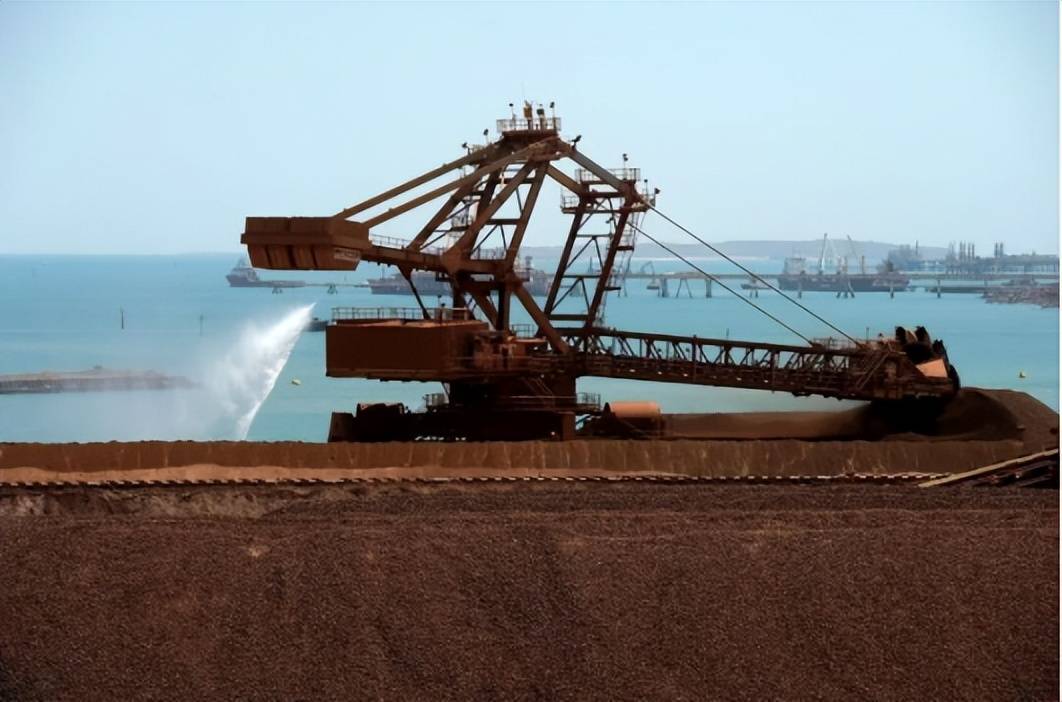
中方动真格,订单全部叫停,必和必拓蒸发千亿,澳总理求助无门
Sou Hu Cai Jing· 2025-10-08 12:03
Core Viewpoint - The suspension of iron ore orders from BHP by China signifies a strategic shift rather than a mere commercial dispute, reflecting China's proactive stance in the global iron ore market [2][4]. Group 1: Supply Chain Diversification - China has been heavily reliant on Australia and Brazil for iron ore, which has limited its bargaining power. The recent developments aim to break this monopoly and diversify supply sources [6][10]. - The Guinea Simandou iron ore project, led by China, is expected to produce 120 million tons annually starting next year, significantly altering the global supply landscape [8][10]. - Additional projects in Peru and Cameroon are projected to add over 10 million tons of supply this year, contributing to an estimated global increase of nearly 50 million tons in iron ore production [10][12]. Group 2: Financial Independence and Currency Settlement - The suspension of dollar-denominated orders is aimed at promoting the use of the Renminbi (RMB) in iron ore transactions, which has historically been dominated by the US dollar [13][15]. - Currently, RMB accounts for about 5% of iron ore transactions, with projections suggesting it could rise to 25% by the end of this year and potentially exceed 40% by next year [15][19]. - Brazil's Vale has already begun using RMB for 28% of its trade with China, indicating a clear trend towards RMB settlement [17][19]. Group 3: Organizational Strength and Negotiation Power - The establishment of the China Mineral Resources Group (CMRG) consolidates purchasing power among domestic steel companies, allowing for unified negotiations with major suppliers like BHP [23][25]. - The shift to quarterly contracts instead of annual agreements allows for price adjustments based on market fluctuations, enhancing negotiation leverage [25][27]. - BHP's market share in China is expected to decline from over 15% to below 10% as a result of these strategic moves, indicating a significant shift in market dynamics [27][29]. Group 4: Broader Implications - The iron ore market's transition away from dollar dependence is likely to influence other commodities, accelerating the diversification of global trade settlement systems towards a multi-currency framework [31][32]. - This shift represents a broader change in global economic power dynamics, moving from a seller-dominated market to one where demand dictates pricing [32][34].
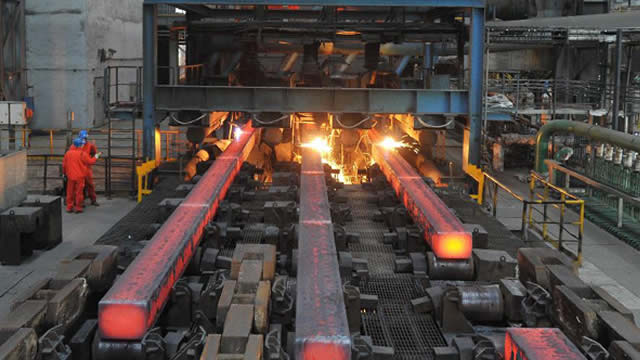
掀桌子!中国开始清算澳洲铁矿石的“二十年血债” 大人,世界变了
Sou Hu Cai Jing· 2025-10-08 03:26
Core Viewpoint - The global commodity market is experiencing unprecedented turbulence due to China's sudden shift in iron ore procurement strategies, signaling a significant transformation in the resource game and altering the balance of power in global trade [1][14]. Group 1: Historical Context - For two decades, the pricing power in iron ore trade has been dominated by three major mining groups, leaving China, the largest importer, in a passive position during negotiations [3][5]. - China's massive procurement volume has not translated into pricing power, leading to compressed profits for steel mills and increased cost pressures due to currency fluctuations [3][5]. Group 2: Changes in Pricing Mechanism - The shift from long-term contracts to index-based pricing has introduced volatility and speculation in iron ore prices, complicating China's ability to unify its purchasing strategy [5][11]. - The establishment of the China Mineral Resources Group in 2022 marks a pivotal change, allowing Chinese steel companies to consolidate their purchasing power and begin to challenge the pricing dominance of sellers [5][11]. Group 3: Strategic Developments - The upcoming production of the Simandou iron ore mine in Guinea is a crucial part of China's overseas resource strategy, providing a stable supply of high-grade iron ore [7][11]. - The push for transactions in RMB instead of USD represents a direct challenge to the existing global commodity settlement system, enhancing China's financial sovereignty and elevating the RMB's status in international markets [7][14]. Group 4: Market Reactions - The suspension of purchases from BHP by the China Mineral Resources Group has led to a freeze in new contracts among domestic steel mills and traders, causing significant disruptions in the global market [9][11]. - Australia's economy, heavily reliant on iron ore exports, faces severe challenges as it struggles to pivot to alternative markets amid declining demand [9][16]. Group 5: Broader Implications - The shift in China's procurement strategy is not merely a commercial negotiation but a fundamental reshaping of the global resource landscape, challenging the long-standing seller-dominated market [14][18]. - The emergence of buyer alliances is expected to drive changes in pricing power across various sectors, indicating a critical moment for rewriting international trade and financial rules [16][18].

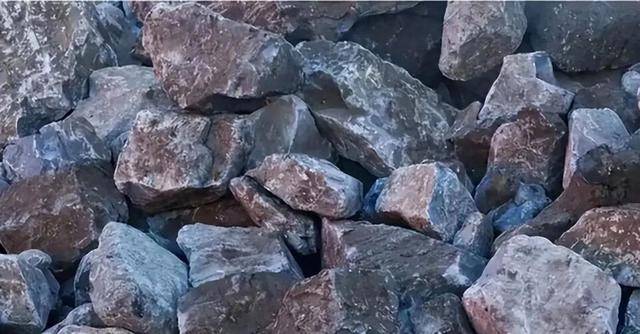
中国为啥暂停部分澳矿采购?铁矿石定价权博弈,到了一个关键时刻
Sou Hu Cai Jing· 2025-10-08 02:46
Core Insights - China's suspension of iron ore purchases from BHP Billiton marks a significant shift in the global iron ore market, highlighting China's growing assertiveness in negotiating pricing and settlement methods [1][7] - The disparity in profitability between BHP Billiton and China's steel industry underscores the long-standing issue of pricing power in the iron ore market, with BHP's EBITDA for iron ore reaching $26 billion and a profit margin of 53%, while China's steel industry reported a total profit of only 40 million [3][4] - The shift from long-term contracts to the Platts pricing index has led to increased costs for Chinese steelmakers, with iron ore prices rising from $60 per ton in 2009 to $110 per ton, resulting in an additional cost burden of 400 billion RMB [5][4] Industry Dynamics - The iron ore pricing mechanism has evolved from long-term agreements to a more volatile index-based pricing system, which has been criticized for its lack of transparency and potential for manipulation [4][5] - China's steel industry has faced significant challenges, with average profit margins below 1% and nearly half of the industry reporting losses in 2024, contrasting sharply with the high profit margins enjoyed by Australian miners [3][5] - The average monthly salary for Australian miners is approximately 80,000 RMB, while Chinese steelworkers earn less than 4,000 RMB, highlighting the stark income disparity driven by the current pricing structure [3] Strategic Moves - China's recent negotiations with BHP Billiton for long-term contracts have focused on two main demands: settlement in RMB and a base price aligned with current spot prices, reflecting a strategic shift towards greater control over pricing [5][7] - The development of the Simandou iron ore project in Guinea, led by Chinese enterprises, is set to produce high-grade iron ore and is part of China's strategy to diversify its supply sources [6][9] - China's efforts to reduce reliance on Australian iron ore have been successful, with dependence dropping from 62% in 2020 to 53.1% in 2024, aided by increased imports from Brazil and Russia [9][11] Financial Implications - The push for RMB settlement in iron ore transactions aims to reduce the cost of currency exchange and mitigate risks associated with exchange rate fluctuations, which currently exceed $100 billion annually for commodity imports [11] - The establishment of the "Beijing Iron Ore Index," which focuses on RMB-denominated pricing, is part of China's broader strategy to create a pricing benchmark that reflects domestic supply and demand [11]
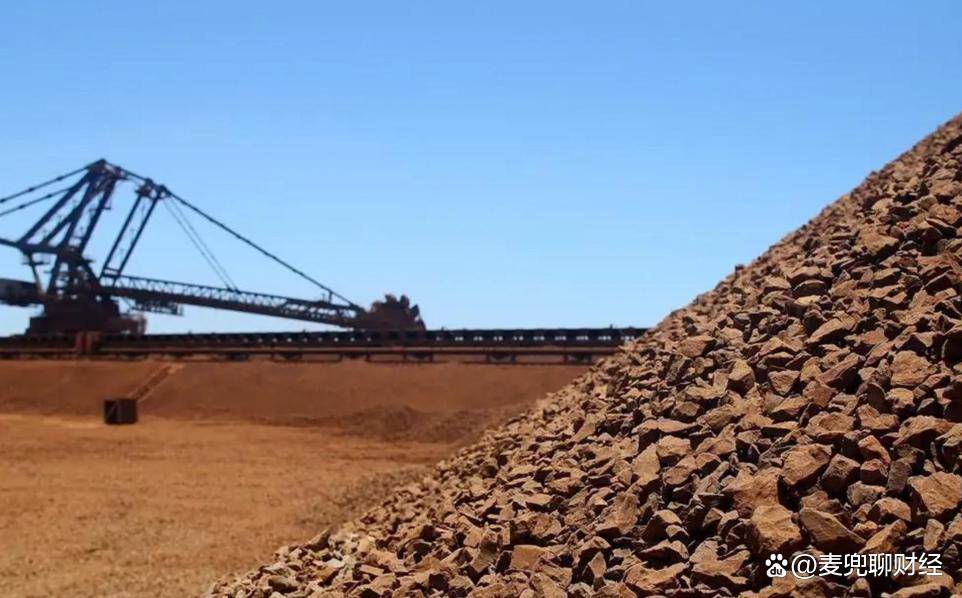
中国叫停美元铁矿订单,澳洲慌了,规则变了谁还认旧账?
Sou Hu Cai Jing· 2025-10-07 20:26
Core Viewpoint - The strategic move by China Mineral Resources Group to halt the purchase of iron ore priced in USD from BHP has sent shockwaves through the global iron ore market, significantly impacting Australia's economy and the iron ore trade dynamics [1][3]. Group 1: Market Impact - Following the announcement, BHP's stock price plummeted by 3.4%, resulting in a market capitalization loss exceeding 12 billion AUD (approximately 60 billion RMB) [3]. - Australia's Treasury estimates that if the supply halt continues until 2026, iron ore export revenues could decline by 11 billion AUD, potentially dragging down the national GDP growth by 0.3 to 0.8 percentage points [7]. Group 2: Pricing Dynamics - China, holding a 75% market share in global seaborne iron ore, has historically lacked pricing power despite being the largest buyer [5]. - In 2024, BHP generated a staggering profit of 224 billion RMB from the Chinese market, averaging 620 million RMB in daily revenue, highlighting the significant profit margin disparity [5]. Group 3: Strategic Developments - China's ability to assertively halt USD-denominated transactions is supported by its diversified supply network, including the Simandou project in Guinea, which is expected to produce 60 million tons annually starting in late 2025 [9]. - China has also signed a long-term procurement agreement with Vale for 50 million tons annually, with imports from Brazil rising to 27.8% in 2024 [9]. Group 4: Currency and Trade Relations - The directive to pause USD transactions, while allowing RMB-denominated trades, reflects a strategic intent to promote the internationalization of the RMB, aiming to establish a closed-loop settlement system in the iron ore market [11]. - The proportion of RMB settlements in Australia's iron ore exports reached 60% in 2024, indicating a shift towards local currency transactions [11]. Group 5: Industry Challenges - The steel industry in China has been under pressure from high iron ore prices, with iron ore accounting for 54% of the cost of iron production in the first half of 2024, leading to an average profit margin of only 1.1% for major steel companies [13]. - The establishment of the "China Mineral National Chain" platform aims to eliminate intermediaries and curb speculation, while the construction of a national iron ore spot trading center will enhance price transparency [13].
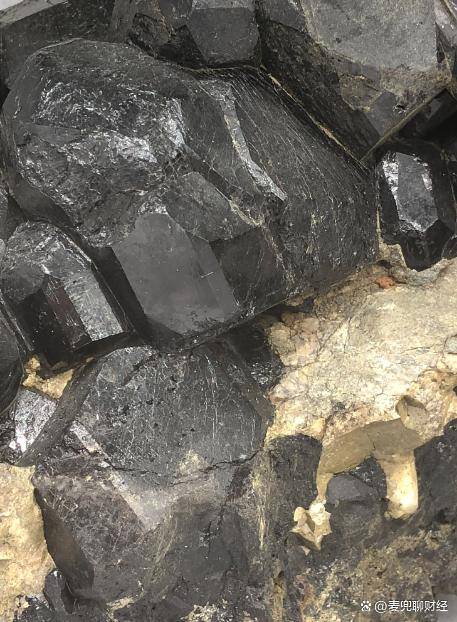
澳大利亚猛然惊醒:铁矿石改规矩了,美元订单停了,最大买家要走
Sou Hu Cai Jing· 2025-10-07 18:16
Core Viewpoint - BHP, the Australian iron ore giant, has been officially "cut off" by China, with all state-owned steel mills instructed to suspend purchases of BHP's iron ore priced in USD, leading to a significant drop in BHP's stock price and market value [1][3]. Group 1: BHP's Pricing Strategy - Despite a global decline in iron ore prices, BHP insisted on a long-term contract price of $109.5 per ton, which is nearly 15% higher than the market price of around $80 per ton [3]. - If this pricing strategy were to be accepted, it would result in an additional cost of over $20 billion for Chinese steel companies, given that China imported 740 million tons of iron ore from Australia last year [3]. Group 2: China's Response and Strategy - China has established the China Mineral Resources Group to unify procurement from hundreds of steel companies, allowing for a stronger negotiating position against BHP [7][9]. - China's diversification of iron ore sources has reduced Australia's share of imports from a peak of 62% to 51%, with significant contributions from Brazil and Guinea [11]. - The Chinese government has made it clear that future business with BHP will require pricing at market rates and settlement in RMB, not USD [11][16]. Group 3: Economic Implications for Australia - Approximately 85% of Australia's iron ore exports go to China, and a 10% reduction in Chinese purchases could lead to a 1.2% decline in Australia's GDP [13][14]. - Australian Prime Minister Albanese's initial disappointment reflects the critical importance of the iron ore trade to both nations, as no other country can absorb Australia's iron ore exports at the same scale [14]. Group 4: Shift in Market Dynamics - The iron ore pricing and trading dynamics are shifting, with Chinese futures markets gaining prominence, indicating a transfer of pricing power from Australia to China [16]. - The potential for RMB to become a settlement currency in commodity trading poses a significant challenge to the dominance of the USD, which could have severe implications for the US economy [16][19].

外媒发出感慨,中方的最新声明直接挑明,丝毫不考虑美国利益了
Sou Hu Cai Jing· 2025-10-07 18:16
Core Insights - The global commodity trade landscape is undergoing a profound structural transformation, particularly influenced by China's strategic decisions regarding currency diversification and procurement channels [1][3][12] Group 1: Iron Ore Market - BHP's stock experienced a significant drop of 6% on October 1, coinciding with a 4% decline in Singapore iron ore futures, triggered by China's directive to halt all dollar-denominated iron ore purchases from BHP [1][3] - China has signed a long-term supply agreement with Brazil's Vale, adding 50 million tons of new orders with a notable increase in RMB settlement to 28%, indicating a shift away from the dollar-dominated settlement system [3][10] - BHP's reliance on the U.S. market is substantial, with over 60% of its revenue coming from exports to China, making the recent changes particularly challenging for the company [3][10] Group 2: Soybean Trade - In the first seven months of 2025, China imported 16.57 million tons of soybeans from the U.S. compared to 42.26 million tons from Brazil, widening the gap to 2.6 times, which poses a significant threat to U.S. agriculture [5][8] - China's shift towards South American suppliers is driven by Brazil's stable supply, cost control, and secure settlement options, with a currency swap agreement worth 190 billion yuan enhancing RMB settlement in soybean trade [7][11] - The U.S. soybean market is facing severe challenges, with nearly 100 farms declaring bankruptcy and a loss exceeding $1 billion for U.S. soybean farmers due to declining exports [8][11] Group 3: Broader Implications - The adjustments in commodity procurement and settlement by China reflect a strategic shift towards prioritizing supply chain security and cost control over traditional diplomatic balancing [7][12] - The changes in iron ore and soybean trade are indicative of a broader trend where the dominance of the dollar in global commodity transactions is being challenged, leading to a potential reconfiguration of global trade rules [12][15] - The U.S. Treasury's concerns regarding the implications of these changes highlight the potential for a significant shift in the balance of power in global commodity markets, as other resource-exporting countries may consider similar moves towards RMB settlement [3][10][15]

必和必拓硬扛中国,市场遭反击:提价和拒人民币结算!中矿集团出手了
Sou Hu Cai Jing· 2025-10-07 17:12
Group 1 - BHP's recent decision to increase the long-term contract price for iron ore by 15% to $109.5 per ton for 2025, despite a current market price drop to around $80 per ton, is seen as counter to market trends [1] - This price adjustment will result in an additional cost of nearly $20 billion for domestic steel companies in China, raising concerns among industry stakeholders [3] - The shift in pricing strategy has led to a call from China Minmetals Group for domestic buyers to suspend purchases of BHP's dollar-denominated shipments, which could significantly impact BHP's sales in China, accounting for 9.7% of China's iron ore imports [5] Group 2 - The proportion of iron ore transactions settled in RMB has increased from less than 5% in 2022 to 18% in 2025, with competitors like Rio Tinto adapting to this trend, while BHP remains firm on dollar settlements [3] - Industry observers suggest that BHP's rigid stance may push customers towards other miners, indicating a potential loss of market share if the company does not adapt to changing market dynamics [3][5] - The current iron ore market is characterized by increased competition, and there is a growing sentiment that respecting market prices and adapting to settlement trends is essential for long-term success [5]
中国停购澳大利亚铁矿石,理由很“硬气”
Sou Hu Cai Jing· 2025-10-07 16:39
Core Viewpoint - The article discusses how China, as the largest consumer of iron ore, is seeking to gain more bargaining power against Australian suppliers, particularly BHP and Rio Tinto, who dominate the market and have significant pricing power [1][4][5]. Group 1: China's Iron Ore Consumption and Import Dependency - China consumes approximately 75% of the global seaborne iron ore imports, with an import volume of 1.237 billion tons in 2024, accounting for 60.2% of the global total [2]. - The import dependency on Australia is high, with 720 million tons imported from BHP and Rio Tinto, representing 85% of Australia's iron ore exports [2]. Group 2: Bargaining Power Dynamics - Australia's significant control over pricing is evident, as China's reliance on Australian iron ore limits its negotiating power [4]. - In the 2019-2020 fiscal year, Australia's iron ore export revenue was $102 billion, with $84.9 billion (approximately 548.5 billion RMB) coming from China, highlighting China's limited influence on pricing [5]. Group 3: China's Strategic Response - China has initiated a halt in purchasing iron ore from BHP, demanding a shift from annual pricing to a quarterly pricing mechanism linked to the spot market, aiming to save approximately $20 billion annually [8][9]. - The move is also intended to challenge the dominance of the US dollar in trade settlements, as BHP insists on dollar transactions while other suppliers have begun accepting RMB [9]. Group 4: Alternative Supply Sources - Brazil has increased its iron ore exports to China, with a 20.7% year-on-year increase in the first two months of 2024, providing a reliable alternative supply [10]. - China has also secured mining rights in Guinea and has access to high-grade iron ore from Russia, which further strengthens its position [11][15]. Group 5: Implications for Australia - The Australian Prime Minister expressed concern over the potential impact of China's purchasing halt, emphasizing the importance of iron ore exports to both economies [16].