BMW(BMWYY)

Search documents
新平台首款电动车将亮相慕尼黑,宝马“赌上全部身家”
Guan Cha Zhe Wang· 2025-09-03 09:24
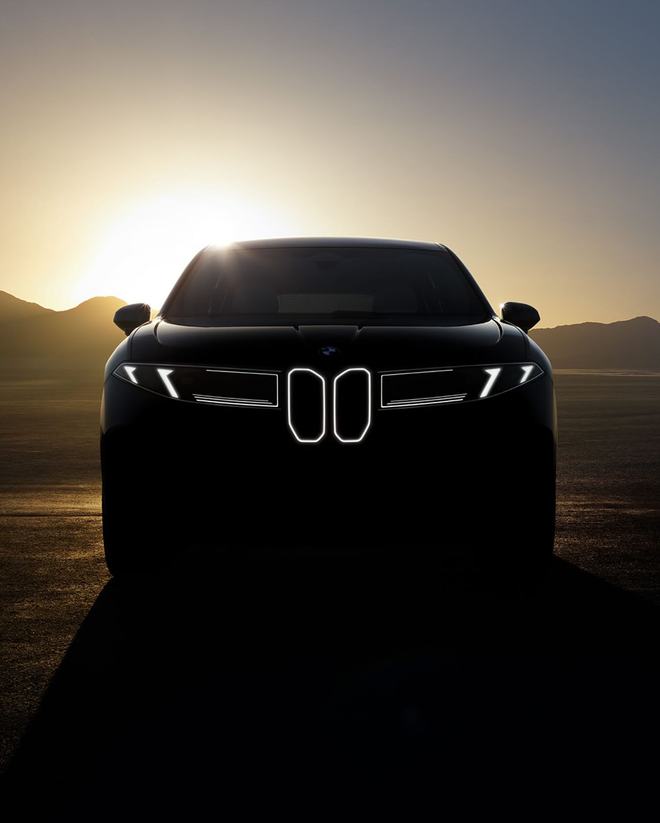
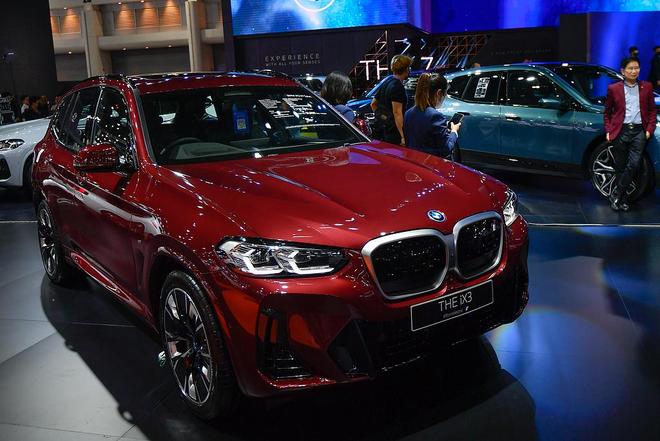
Core Insights - The all-new BMW iX3 will debut at the 2025 Munich Auto Show, marking the first model developed on the Neue Klasse platform, which was introduced four years ago [1][3] - BMW CEO Oliver Zipse stated that the iX3 will set a benchmark in the industry, showcasing significant advancements in all relevant technology areas [3] Neue Klasse Platform - The Neue Klasse platform, conceptualized in 2021, supports electric, fuel, and hybrid vehicles, and is designed for various models including sedans and SUVs [4] - Key features of the platform include a 20% increase in energy density, a 30% improvement in range (up to 900 km), a 30% faster charging speed, and a 50% reduction in production costs [4] - The platform utilizes an 800V architecture, allowing for 300 km of range to be charged in just 10 minutes [4] - It incorporates a high-performance computing system referred to as the "super brain," which manages core user functions such as entertainment, autonomous driving, and vehicle dynamics [4] Production and Market Strategy - The first production model based on the Neue Klasse platform is set to be manufactured in Hungary in 2025, with production in Shenyang, China, starting in 2026 [6] - The new iX3 will maintain the design language of the Vision Neue Klasse X concept, featuring dimensions of 4780 mm in length, 1895 mm in width, and 1635 mm in height, with a drag coefficient of 0.25 Cd [6] Technological Advancements - The iX3 will feature a panoramic iDrive display with a near-field projection technology that creates a nearly 40-inch, 4K resolution image on the windshield [8] - It will be powered by a sixth-generation powertrain, achieving a WLTP range of 800 km and providing over 350 km of range in just 10 minutes of charging [8] - The vehicle will utilize large cylindrical batteries co-developed with CATL and EVE Energy, enhancing energy density and charging speed [8] Electric Vehicle Sales and Market Position - BMW has achieved a global cumulative sales milestone of over 3 million electrified vehicles, with pure electric models exceeding 1.5 million [9] - In the first half of the year, electrified models accounted for over 25% of BMW's total global sales, outperforming competitors like Mercedes and Volkswagen in Germany [9] - The European market has seen rapid growth, with electric vehicles making up over 40% of BMW's sales, and a notable 18.3% year-on-year increase in South Korea [9] Investment in Technology - BMW has invested significantly in smart and electric technologies, including a €300 million investment in a future mobility development center in Sokolov, Czech Republic [10] - The company is advancing AI applications across various sectors, with hundreds of cutting-edge AI use cases already in place [10] - Since 2019, BMW has established centers for battery cell technology, manufacturing, and recycling, covering the entire battery lifecycle [10] Future Outlook - Analyst Stephen Reitman suggests that the Neue Klasse platform could represent a "giant leap" for BMW, potentially transforming the automotive industry and perceptions of Western automakers' software capabilities [11] - However, BMW faces significant challenges in regaining market dominance in the world's largest automotive market, particularly against leading Chinese electric vehicle manufacturers [11]

挑战中国对手,“赌上全部身家”
Guan Cha Zhe Wang· 2025-09-03 07:06
这类车最重要的特征是采用集中式计算机系统取代硬件。"新世代平台"的技术将使车辆算力达到当前车 型的20倍以上,并大幅降低汽车电子设备的复杂程度。 除了长达800公里的电动续航里程、更快的充电速度,"新世代平台"系列车型还将搭载4个"超级大脑", 极大地改善车内通信、信息娱乐显示、自动驾驶和其他车辆功能。 【文/观察者网 阮佳琪】 据英国《金融时报》3日报道,德国宝马集团正押注由"超强大脑"驱动的软件控制电动汽车,为此已投 入超过100亿欧元。这也是当前陷入困境的传统车企中,为抗衡中国竞争对手与美国车企特斯拉所做出 的"最具雄心的尝试之一"。 报道称,长期以来,欧洲、美国与日本的传统汽车集团,在软件开发领域长期落后于小米、小鹏等新一 代中国汽车制造商,以及马斯克的特斯拉。为此,宝马于2021年首次公布了"新世代平台"(Neue Klasse)的概念。 不过报道提到,即便"新世代平台"带来诸多技术突破,宝马能否缩小与中国竞争对手的差距仍未可知。 而且,传统车企还面临另一大劣势:中国车企生产电动车的成本远低于前者。 与大众等竞争对手不同,宝马不自主生产电池电芯,但会自主开展电芯与电池化学领域的研究,同时与 宁德时代 ...
X @TechCrunch
TechCrunch· 2025-09-02 06:13
I’m driving my i4 back to the dealership as my lease is over. I'm surprised to say I can't wait. https://t.co/kRebFkLkrq ...
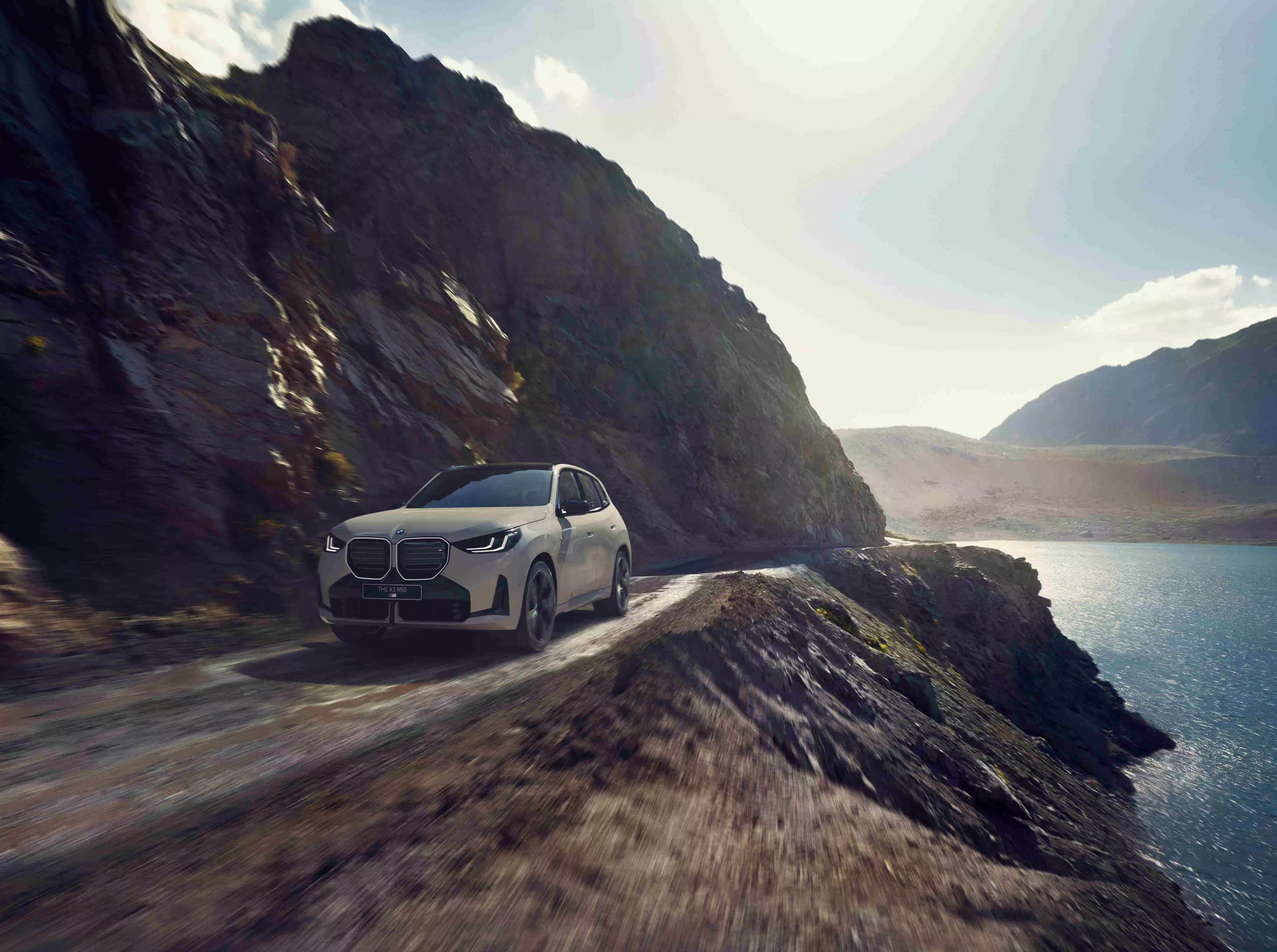
全新BMW M2 CS双门轿跑车领衔,4款BMW M家族车型成都车展上市
Guan Cha Zhe Wang· 2025-09-02 03:48
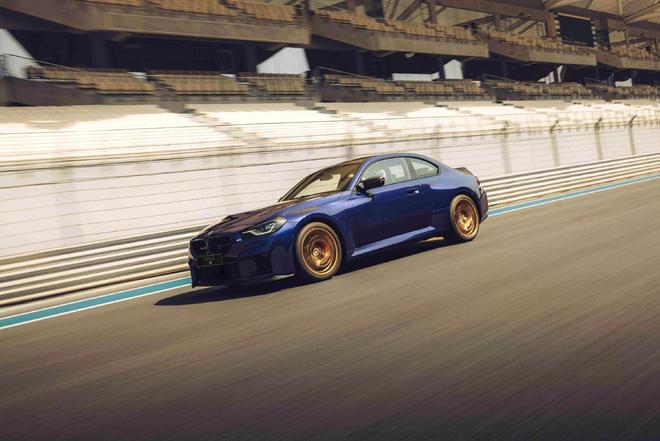
Core Insights - BMW Group showcased its brands BMW, BMW M, and MINI at the 2025 Chengdu Auto Show, launching several new models including the BMW M2 CS, BMW XM Label, BMW X3 M50, and BMW i4 M60 [1] Group 1: New Model Launches - The all-new BMW M2 CS, based on the second-generation BMW M2, set a new record for compact production cars at the Nürburgring with a time of 7 minutes and 25.534 seconds [1] - The new BMW XM Label features a 4.4L V8 twin-turbo engine combined with a high-performance electric motor, delivering a maximum power of 550 kW and peak torque of 1000 Nm [7] - The new BMW i4 M60 is equipped with a BMW eDrive system featuring a silicon carbide inverter, achieving a maximum power of 442 kW, a 0-100 km/h acceleration time of 3.7 seconds, and a range of 609 km (CLTC standard) [7] Group 2: Performance Enhancements - The BMW M2 CS incorporates significant weight reduction through carbon fiber components, resulting in an overall weight reduction of approximately 30 kg [3] - The BMW X3 M50's engine power has been increased to 293 kW with a peak torque of 540 Nm, improving its 0-100 km/h acceleration time by 0.6 seconds compared to the previous model [4] - The BMW X3 M50 features a specially tuned chassis with enhanced shock absorber settings and a variable sports steering system for improved handling and comfort [4][5] Group 3: Design and Features - The BMW M2 CS includes a unique carbon fiber rear trunk lid with a "ducktail" design, painted in the same color as the body, enhancing its aesthetic appeal [3] - The new MINI electric JCW Monte Carlo Night 60th Anniversary Edition features a chili red body with a white roof, integrating a silicon carbide motor and an integrated chassis control system [9] - The new BMW X5 and BMW X3 long-wheelbase version come with the "曜夜套装" (Night Package) as standard, enhancing their visual appeal [9]
宝马(中国)召回部分进口iX、M760Le汽车
Cai Jing Wang· 2025-09-01 07:21
Group 1 - BMW (China) Automotive Trade Co., Ltd. has filed a recall plan with the State Administration for Market Regulation in accordance with the regulations on defective automotive products [1] - The recall, numbered S2025M0132V, will commence on November 1, 2025, affecting 4 imported iX vehicles produced between September 23 and September 30, 2021, and 1 imported M760Le vehicle produced on June 21, 2023 [1] - The affected vehicles may experience damage to the high-voltage battery module frame due to production deviations, potentially leading to the shutdown of the vehicle's high-voltage electrical system and displaying fault warning messages [1] Group 2 - In extreme cases, the battery module may experience thermal runaway, posing safety risks [1] - BMW (China) Automotive Trade Co., Ltd. will replace the affected battery modules free of charge to eliminate safety hazards [1]
车展速递丨四款BMW M家族车型上市 X家族主力引入“曜夜套装”
Mei Ri Jing Ji Xin Wen· 2025-08-30 08:07
Group 1 - The 2025 Chengdu International Auto Show featured the launch of four new BMW M family performance models: the BMW M2 CS, BMW XM Label, BMW X3 M50, and BMW i4 M60 [1] - The BMW M2 CS, based on the second generation M2, has a 0-100 km/h acceleration time of 3.8 seconds and is priced at 808,000 yuan, with a limited sale of 200 units in China [1] - The BMW X3 M50 is equipped with the most powerful B58 engine, achieving a maximum power of 293 kW and peak torque of 540 Nm, with a 0.6-second improvement in acceleration time compared to its predecessor, priced at 599,900 yuan [1] - The BMW XM Label features a 4.4L V8 twin-turbo engine combined with a high-performance electric motor, priced at 2.45 million yuan [1] - The BMW i4 M60 has a maximum power of 442 kW and a comprehensive range of 609 km under CLTC standards, priced at 549,900 yuan [1] Group 2 - The BMW X family introduced new "Night Package" options for models including the new BMW X5, the long-wheelbase version of the new BMW X3, and the new BMW X1, with the new BMW X5's package being standard across all variants [4] - The 9th generation BMW operating system has been updated to integrate commonly used applications, enhancing the vehicle's capabilities with DeepSeek technology [4] Group 3 - The MINI brand celebrated the year of JCW (John Cooper Works) with the global debut of the electric MINI JCW Monte Carlo Night 60th Anniversary Edition, featuring a classic chili red body and a white roof [6] - BMW emphasizes that the M brand represents the pure driving pleasure, the X family embodies the spirit of exploration, and MINI stands for individuality and cultural expression, committing to the core value of "evolving driving" towards a "new generation" [11]
成都车展 | 全新宝马M2 CS、享界S9T增程版等热门轿车汇总
Zhong Guo Zhi Liang Xin Wen Wang· 2025-08-29 09:58
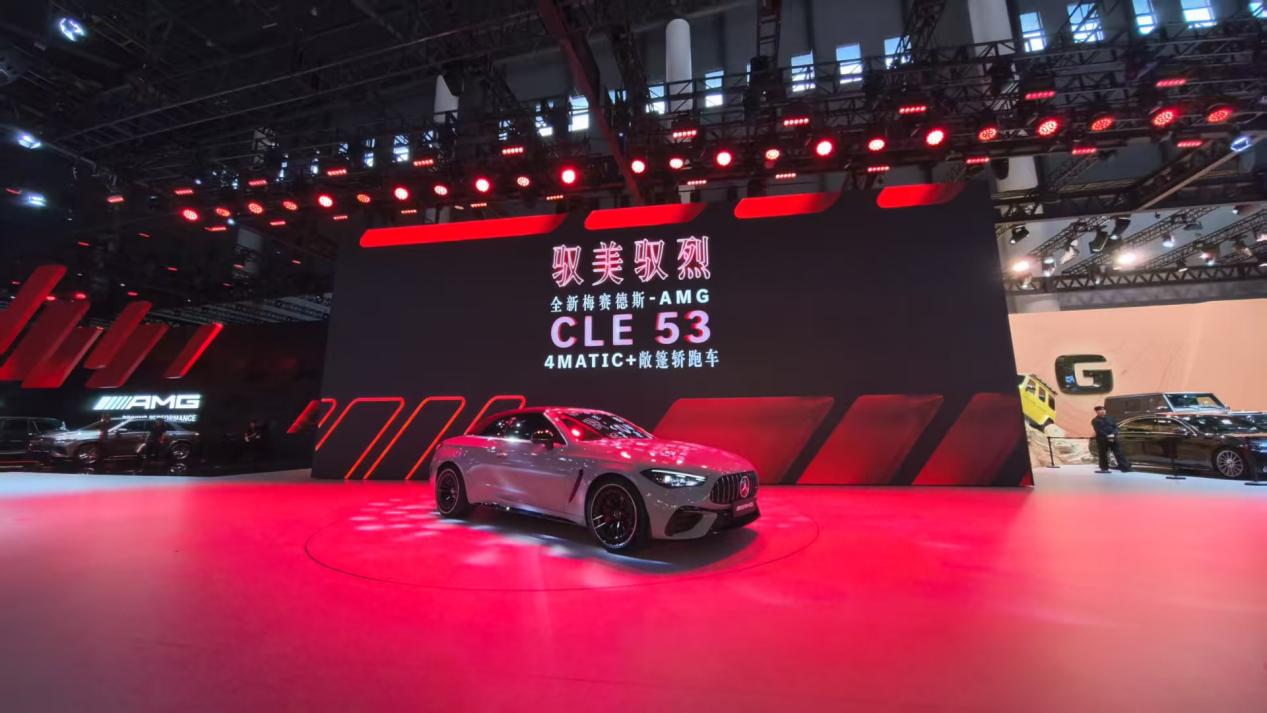
Core Viewpoint - The 2025 Chengdu Auto Show features nearly 120 automotive brands and over 1,600 vehicles, highlighting several notable new car models that attract significant attention from the industry and consumers [1]. Group 1: New Car Launches - The all-new Mercedes-AMG CLE 53 4MATIC+ convertible coupe was launched at the show, priced at 780,000 yuan, emphasizing elegant design and powerful performance [1]. - The new BMW M2 CS, priced at 808,000 yuan, is recognized for its outstanding performance and track-oriented design, setting a record for compact production cars at the Nürburgring [4]. - The Xiangjie S9T range-extended version, as the first travel car from Hongmeng Zhixing, showcases family design and Huawei smart technology, becoming a popular choice at the show [7]. Group 2: Design and Features - The Mercedes-AMG CLE 53 features a sporty aesthetic with a distinctive front grille and aerodynamic enhancements, while its interior combines luxury and technology with a 3.0T inline-six engine [3]. - The BMW M2 CS incorporates a recognizable front with a frameless kidney grille and a lightweight design, enhancing its track performance [6]. - The Xiangjie S9T boasts a spacious design with a long wheelbase of 3050mm, and its interior is equipped with advanced smart technology, including a 16.1-inch central control screen [9]. Group 3: Performance Specifications - The Mercedes-AMG CLE 53 is powered by a 3.0T inline-six engine with a maximum power of 330 kW and peak torque of 560 N·m, capable of reaching 600 N·m in overboost mode [3]. - The BMW M2 CS features a 3.0L twin-turbo inline-six engine with a maximum power of 530 horsepower, paired with an 8-speed automatic transmission [6]. - The Xiangjie S9T offers both pure electric and range-extended versions, with a maximum range of 1305 km for the range-extended model [9]. Group 4: Market Positioning - The 2026 BYD Seal 07 DM-i was unveiled, maintaining its design language while enhancing competitiveness in the market [10]. - The new generation of FAW-Volkswagen Sagitar L features an upgraded design and dimensions, appealing to consumers seeking a blend of technology and aesthetics [13]. - The new Changan fourth-generation Yidong is positioned with a starting price of 74,900 yuan, targeting budget-conscious consumers while offering modern design elements [26].



优美科携手宝马与Solid Power推动固态电池技术迈向现实应用
鑫椤锂电· 2025-08-28 07:55
Core Viewpoint - The collaboration between BMW, Solid Power, and Umicore aims to advance solid-state battery technology, marking a significant step towards commercial application and industry transformation [1][2][3]. Group 1: Collaboration and Innovation - Solid-state batteries replace traditional liquid electrolytes with solid electrolytes, offering advantages in safety, efficiency, and energy density [2]. - Umicore is actively pushing the development of advanced cathode materials for next-generation battery cells through its partnership with Solid Power [2]. - The BMW i7 vehicle's testing with solid-state batteries represents a key outcome of this collaboration [2][3]. Group 2: Testing and Validation - BMW plays a crucial role in validating solid-state battery technology through real-world driving tests of the BMW i7 in Munich [3]. - The testing aims to comprehensively assess the performance of solid-state batteries in actual driving conditions [3]. - Umicore's strategy emphasizes early partnerships to drive sustainable and scalable applications in the solid-state battery market [3]. Group 3: Industry Leaders' Perspectives - Umicore's Vice President, Karena Cancilleri, highlights the potential of solid-state batteries to surpass traditional lithium-ion batteries, enhancing electric mobility's performance and sustainability [3]. - BMW's Vice President, Martin Schuster, underscores the importance of open technological thinking and collaboration in advancing new battery technologies [3]. - Solid Power's Vice President, Berislav Blizanac, expresses pride in contributing to the significant milestone of the BMW i7 testing vehicle powered by their solid-state battery technology [3].

两大车企突然要联手合作!背后原因究竟为哪般?
Zhong Guo Qi Che Bao Wang· 2025-08-27 04:22
Core Viewpoint - Mercedes-Benz and BMW, once competitors, are in advanced negotiations for engine collaboration, potentially starting in 2027, to reduce R&D costs and meet new Euro 7 emission standards [2][3][4]. Group 1: Collaboration Details - The collaboration focuses on BMW supplying a new generation of gasoline engines to Mercedes-Benz, covering several key models [3]. - The partnership aims to lower R&D costs significantly, with estimates suggesting over 30% savings for Mercedes-Benz by utilizing BMW's existing engine technology [6]. - Mercedes-Benz's current engine limitations necessitate this collaboration, as their existing 1.5T engine cannot meet the demands for plug-in hybrid vehicles [3][4]. Group 2: Market and Financial Implications - Approximately 60% of Mercedes-Benz's global sales in 2024 are expected to come from gasoline and hybrid vehicles, making compliance with Euro 7 standards critical to avoid losing a substantial customer base [4]. - BMW's B48 engine has a production capacity exceeding 2 million units annually, providing a cost-effective solution for Mercedes-Benz while optimizing BMW's idle production capacity [6]. Group 3: Strategic and Technological Trends - The collaboration reflects a broader trend in the automotive industry, moving from full in-house development to strategic partnerships to manage rising R&D costs [8]. - By focusing on engine collaboration, Mercedes-Benz can allocate more resources to high-margin technologies like six-cylinder engines and solid-state batteries, which have a higher profit margin compared to lower-tier engines [9]. - The partnership may evolve into deeper collaborations in other areas such as transmission and electric drive systems, indicating a shift towards more integrated industry relationships [10].

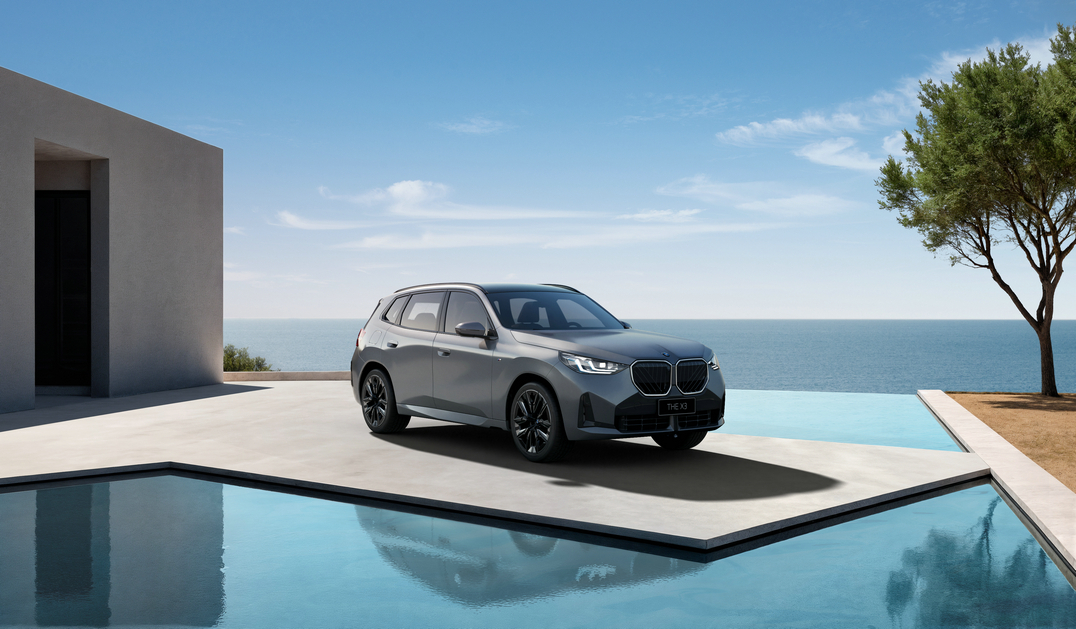
BMW X开启“黑化”、接入DeepSeek,全面解锁智能驾趣新形态
Zhong Guo Jing Ji Wang· 2025-08-26 05:29
Group 1 - The BMW X family, particularly the new BMW X3 long wheelbase version, showcases the brand's innovative spirit and commitment to luxury and performance since its inception in 1999 [1][3] - The introduction of the "曜夜套装" (Night Package) enhances the visual appeal of the BMW X1, X3 long wheelbase, and X5 models, emphasizing a sporty and personalized aesthetic that aligns with customer preferences for luxury and style [3][5] - The new BMW X3 long wheelbase version maintains its price while introducing a new "personalized matte pure gray" paint option, and features a wheelbase of 2,975 millimeters, comparable to the standard wheelbase of the BMW X5 [5] Group 2 - The aerodynamic design of the new BMW X3 has been optimized, resulting in a 7% reduction in drag coefficient compared to the previous generation, enhancing driving efficiency [5] - Upcoming enhancements include the integration of the BMW Intelligent Personal Assistant with DeepSeek functionality, expanding the vehicle's digital capabilities [5] - The 9th generation BMW operating system will unlock new applications and features, providing a seamless digital experience, including lane-level navigation and 3D mapping for urban driving [5]