
CDL(CDEVY)

Search documents
中央重磅文件提及房地产,专家:对于下一阶段城市发展具有战略意义
Mei Ri Jing Ji Xin Wen· 2025-09-04 06:26
Core Viewpoint - The document from the Central Committee and State Council emphasizes the transition of urbanization in China from rapid growth to stable development, focusing on improving existing urban areas rather than expanding them [1] Group 1: Urban Development Strategy - The document highlights the importance of constructing "good houses" and complete communities, aiming to better meet the diverse housing needs of the population [1] - It calls for a comprehensive enhancement of housing design, construction, maintenance, and service levels, promoting safe, comfortable, green, and smart housing [1] - The strategy includes steady progress in the renovation of urban villages and dilapidated housing, supporting self-renovation of old housing, and the continuous promotion of the renovation of old urban communities [1] Group 2: Economic Implications - Experts believe that the document signifies the strategic importance of the real estate industry for the national economy, shifting the focus from merely having housing to ensuring the quality of housing [1] - The emphasis on activating urban stock resources, including old factories and inefficient buildings, is seen as a positive step for the next round of real estate development [2] - The clarity in urban development goals and pathways is expected to enhance the effectiveness of local initiatives [3]

加快构建与城市发展相适应的治理体系 提升城市开发建设和市域社会服务现代化水平
Xi An Ri Bao· 2025-09-04 03:00
Group 1 - The mayor emphasizes the transition of urban development from large-scale expansion to quality improvement and efficiency enhancement, advocating for a high-quality development system that aligns with this change [1] - The focus is on improving land acquisition, demolition, and compensation standards, as well as establishing planning and facility standards to enhance urban development and social service modernization [1] - The mayor calls for a thorough review of compensation policies and management processes, ensuring strict oversight of development and compensation responsibilities, and exploring new paths to balance livelihood, development, and risk prevention [1] Group 2 - In the Doumen Reservoir project, the mayor highlights the importance of planning, industry management, standards, and technical services in the development process, advocating for comprehensive management from land planning to public service optimization [2] - The goal is to create quality housing and communities that meet the needs of residents, aiming for higher quality, sustainability, and effectiveness in development [2]
【榆林】“清爽”破题 激活城市发展新动能
Shan Xi Ri Bao· 2025-09-02 22:49
Core Viewpoint - Yulin, an important energy base in China, is diversifying its tourism and cultural offerings through the "Refreshing Yulin" series of activities, aiming to enhance its image beyond coal mining and attract more visitors [1][2][5]. Group 1: Tourism Development - The "Refreshing Yulin" initiative has been ongoing since 2016, focusing on promoting the city's diverse cultural and natural attractions to boost tourism [1]. - The "Cultural Performance + Scenic Tour" ticket package in Jingbian County has facilitated a one-stop experience for visitors, combining cultural exhibitions with scenic exploration [2]. - The Wave Valley scenic area has received 266,700 visitors this year, with over 90,000 in July and August alone, showcasing the effectiveness of the tourism strategy [2]. - The Boluo Fortress, a historical military site, has seen a significant increase in visitors, with 1.4075 million guests since its reopening in January last year [3]. Group 2: Cultural Events - The 2025 "Refreshing Yulin" star concert attracted 28,000 attendees, featuring performances from well-known artists, which has helped elevate the city's cultural profile [4]. - The Long Wall Rock Music Festival drew 42,000 music lovers, enhancing Yulin's reputation as a cultural destination and stimulating local tourism [5]. Group 3: Economic Impact - The implementation of pedestrian management in Yulin Ancient City has led to increased visitor numbers, with the "Intangible Cultural Heritage + Food" initiative driving significant foot traffic [6]. - The "Refreshing Yulin" series has resulted in a daily revenue peak of 60,000 yuan during the food festival, indicating a positive economic impact on local businesses [6]. - From January to July, Yulin's retail sales of consumer goods reached 12.872 billion yuan, a year-on-year increase of 13.6%, with the restaurant sector seeing a remarkable growth of 36.1% [7].
兰州新区:半程马拉松成功举办 体育赛事与城市发展共振
Zhong Guo Jin Rong Xin Xi Wang· 2025-09-02 09:26
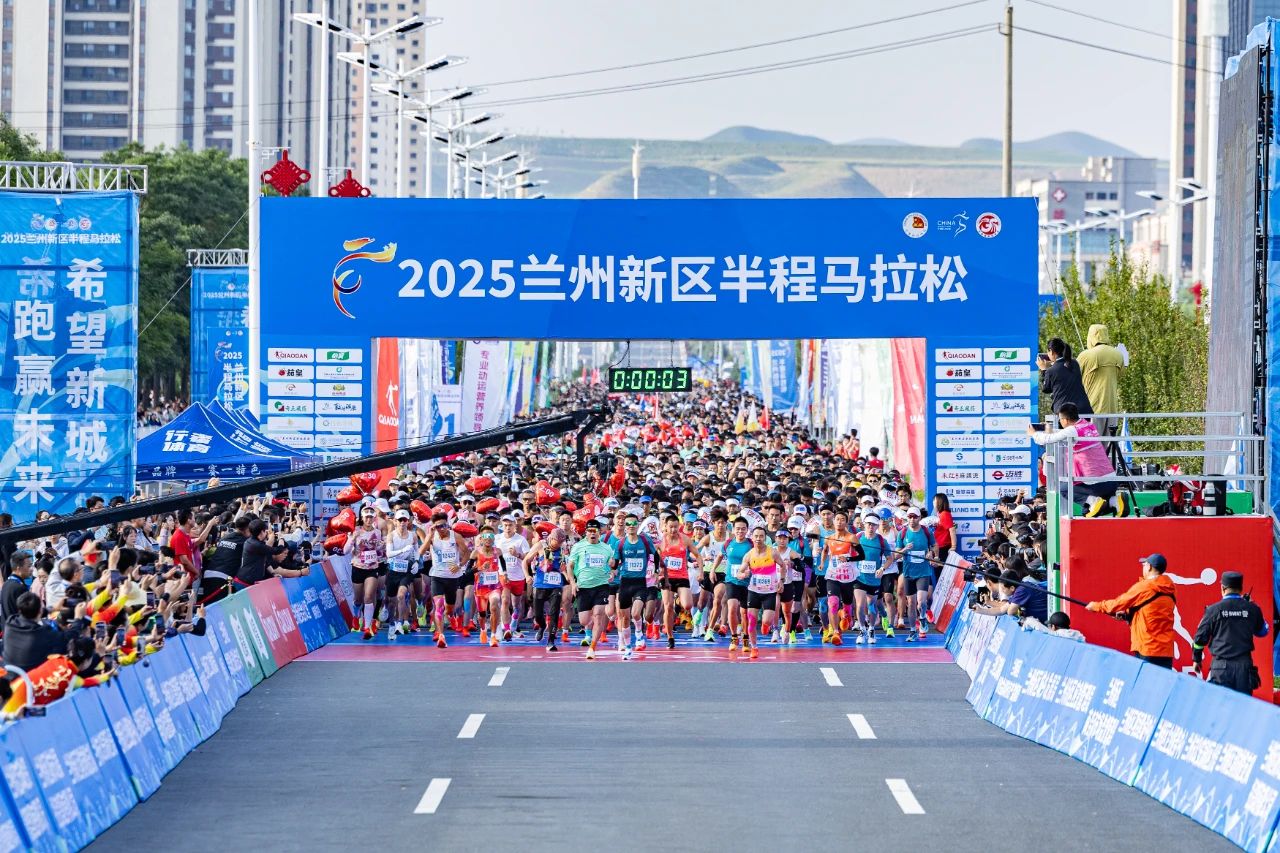
转自:新华财经 近日,2025兰州新区半程马拉松在栖霞湖广场鸣枪开跑,本届赛事以"希望新城·跑赢未来"为主题,设置半程马拉松和健康跑/家庭跑两个项目,吸引了1.2 万跑者共赴这场亚高原的赛事体验,用激情点燃希望新城。 编辑:穆皓 本届赛事由中国田径协会认证,甘肃省田径协会指导,兰州新区管理委员会主办,兰州新区教育和卫生健康委员会(疾病和预防控制局)承办,甘肃行者体 育管理有限公司运营。赛事设置半程马拉松(21.0975公里)和健康跑/家庭跑(约5公里)两个项目。 兰州新区党工委相关负责人介绍,今年的赛道展现了兰州新区的规划之美与发展之速,从栖霞湖广场出发,跑者们沿着中川街、峨眉山路、黄河大道等城市 主干道一路驰骋。这条精心设计的赛道,是兰州新区生态景观、产业园区与城市地标的经纬线,跑者跃步其间,直观感受昔日盐碱荒滩到如今科技新城的沧 桑巨变。 2025兰州新区半程马拉松的成功举办,超越了赛事本身,它是一场全民健身的生动实践,更是一次城市综合实力和精神风貌的集中展示。体育是城市软实力 的重要标志,兰州新区以赛事为媒,不仅推动了体育事业与全民健身的深度融合,更有效提升了城市的知名度、美誉度和影响力。 下一步,兰州 ...

国家砸下城市发展“新规矩”!房地产不扛旗了,你家门口要变样?
Sou Hu Cai Jing· 2025-09-02 01:45
Core Viewpoint - The recent national policy marks a significant shift in China's urban development paradigm, moving away from real estate as the main driver of growth towards a focus on enhancing quality of life, convenience, and resilience for citizens [1][5][40]. Group 1: Policy Shift - The document titled "Opinions on Promoting High-Quality Urban Development" emphasizes a transition from a material-centric approach to a people-centric one, prioritizing education, healthcare, and social welfare over real estate and land finance [5][31]. - The real estate sector is being repositioned as a tool for social welfare rather than a profit-driven industry, indicating a fundamental change in its role within the economy [7][9]. Group 2: Urban Development Focus - The new urban development strategy aims to create a "15-minute living circle," ensuring essential services like markets, schools, and healthcare facilities are within a short walking distance from residents' homes [15][17]. - The policy encourages community participation in urban renewal and emphasizes the importance of improving urban resilience, including infrastructure upgrades to prevent flooding and enhance emergency response [19][21]. Group 3: Evaluation Metrics - New assessment criteria for urban governance will focus on residents' happiness, convenience, community service quality, and population inflow, moving away from traditional metrics like GDP and land sales [25][40]. - The document highlights the need for a balanced distribution of educational and healthcare resources to alleviate issues like "school seat grabbing" and improve overall community well-being [23][31]. Group 4: International Comparison - The policy document contrasts Western capital-driven urban models and Hong Kong's high-turnover real estate approach, advocating for a unique Chinese path that prioritizes human investment over speculative real estate practices [27][29]. - This comparison serves as a reminder for China to avoid pitfalls seen in other urban models, focusing instead on sustainable and inclusive urban development [29][40]. Group 5: Implementation Challenges - The transition to this new urban model faces challenges, including local government capacity to execute the central government's vision and potential conflicts arising from urban renewal processes [38][40]. - The shift from a growth-at-all-costs mentality to a more sustainable approach reflects a commitment to long-term urban quality and livability [38][42].

中央砸下城市发展 “新规矩”!房地产不扛旗了,你家门口要变样?
Sou Hu Cai Jing· 2025-08-31 23:40
数据摆在那儿,从2012年城市化率53.1%,到2024年爬到67%,涨了快14个点,扩张期基本到头了。接 着就是城市病扎堆,人多房少或者房多人少,雾霾堵车,学校医院抢破头。靠人口红利和地产拉动的 路,碰壁了。中央看准了,得从快增长转稳发展,从盖新楼扩新区,转到盘活现有资源、提质增效。高 质量发展这词儿,不是空喊,经济从高增速追好质量,城市也一样。房地产潮水要退,不能比谁楼盖得 多、城区摊得多,得比谁日子过得舒坦。 2025年8月28日,中共中央和国务院联合发了《关于推动城市高质量发展的意见》。这不是随便一纸通 知,它直击过去40年城市化的老毛病。以前的城市化,简单说就是土地和钱绑一块儿,目标就俩字:增 速。建大路是为了货车跑得顺,盖楼是为了卖地补财政,城中村就搁那儿当廉价宿舍,留住打工仔。结 果呢?一大堆问题冒头,三四线地方冒出鬼城,小区建好了,晚上黑灯瞎火没人住。睡城更常见,北京 边上的燕郊、上海旁的昆山,好多人每天通勤俩小时,白天市区干活,晚上回去就睡,日子过得紧巴 巴。 位,只拧螺丝的城市没戏。城市核心是人,不是水泥堆。不管居民早餐孩子托班老人养老,GDP再高留 不住人,谈啥发展。只有管幸福感,高质量 ...
城市发展与AI战略顶层设计出炉,“外卖大战”影响初显丨一周热点回顾
Di Yi Cai Jing· 2025-08-30 03:24
Group 1: Urban Development Policies - The central government has released guidelines for promoting high-quality urban development, aiming for significant progress by 2030 and basic completion by 2035 [1][2] - Key measures include enhancing urban competitiveness, fostering new development drivers, and improving urban living quality through better infrastructure and public services [1][2] Group 2: Artificial Intelligence Initiatives - The State Council has issued a roadmap for the "Artificial Intelligence+" initiative, focusing on six key actions, including technology, industry development, and global cooperation [3][4] - By 2030, the goal is for AI applications to exceed 90% penetration, establishing AI as a crucial growth driver for the economy [3][4] Group 3: Carbon Market Development - A new policy has been introduced to accelerate the construction of a national carbon market, with plans to cover major industrial sectors by 2027 [5][6] - The market will transition from intensity control to total control, combining free and paid allocation methods for carbon emissions [5][6] Group 4: Real Estate Market Adjustments - Shanghai has announced adjustments to its real estate policies, including lifting purchase limits for certain residents outside the city’s outer ring [7] - The changes aim to stimulate the housing market and improve buyer sentiment, following similar moves in other major cities [7] Group 5: Industrial Profit Trends - Industrial profits for large enterprises fell by 1.5% year-on-year in July, but the decline rate has narrowed for two consecutive months, indicating a potential recovery [8][9] - Notably, profits for medium and small enterprises improved, suggesting the effectiveness of policies aimed at supporting these businesses [8][9] Group 6: Stock Market Developments - Cambrian Technology's stock surged by 15.73%, surpassing Kweichow Moutai to become the new stock king in A-shares, with a total increase of 133.86% since late July [10][11] - The company reported significant revenue growth of 4347.82% year-on-year, indicating a strong performance despite potential risks related to stock price volatility [10][11] Group 7: Food Delivery Industry Financials - Major players in the food delivery sector, including Meituan and JD, reported significant profit declines due to intense competition, with Meituan's net profit down 89% [12][13] - Alibaba's financial results also showed a decrease in operating profit, attributed to increased investments in user experience and technology [13]
西藏城市发展投资股份有限公司
Sou Hu Cai Jing· 2025-08-29 18:48
Core Viewpoint - The company has released its 2025 semi-annual report, highlighting its operational performance, financial status, and future development plans, emphasizing a focus on quality improvement and return on investment amidst regulatory challenges in the real estate sector [1][4][17]. Company Overview - The company is engaged in real estate development and has faced ongoing regulatory adjustments in the industry, prompting a shift towards high-quality development and innovative operational strategies [18][19]. - As of the end of the reporting period, the company had no new real estate land reserves and no new construction projects initiated [11][12]. Financial Data - The company reported a total of 29 contract sales with an area of 0.31 million square meters and a sales amount of approximately 57.96 million yuan during the second quarter of 2025 [13]. - The company achieved a rental income of approximately 9.70 million yuan from its leased properties during the same period [15]. Significant Events - The company held its 10th Supervisory Board's 7th meeting on August 28, 2025, where the semi-annual report and the special report on the use of raised funds were approved [3][4][6]. - The company has established a "Quality Improvement and Return on Investment" action plan for 2025, focusing on enhancing operational efficiency and asset management [17][20]. Fundraising and Usage - The company raised approximately 999.99 million yuan through a stock issuance in March 2024, with a net amount of about 986.48 million yuan available for use [29][30]. - As of June 30, 2025, the company had utilized approximately 661.86 million yuan of the raised funds, with a remaining balance of about 333.66 million yuan [30][32]. Governance and Compliance - The company has revised its governance structure to align with regulatory requirements, ensuring clear responsibilities among its governance bodies [21][22]. - The company emphasizes the importance of shareholder returns, maintaining a cash dividend policy that has seen an average payout ratio of 50.28% over the past three years [23][24]. Information Disclosure - The company is committed to transparent information disclosure and investor relations management, adhering to relevant regulations and enhancing communication channels with investors [25].


详解城市高质量发展“路线图”:培育壮大城市发展新动能
2 1 Shi Ji Jing Ji Bao Dao· 2025-08-29 13:34
Group 1 - The core viewpoint of the article is the release of the "Opinions on Promoting High-Quality Urban Development," which outlines a roadmap for urban development in China, emphasizing the transformation of urban development methods and the enhancement of urban quality by 2030 and 2035 [1][2] - The "Opinions" set specific goals for urban development, including improving living quality, advancing green transformation, and enhancing governance levels, with a total of 23 specific tasks outlined [1][3] - Key tasks include promoting urban agglomeration integration, enhancing the competitiveness of mega cities, and improving the capacity of small and medium-sized cities and towns [1][3][5] Group 2 - The article highlights the need for a shift from rapid urban growth to steady growth, focusing on structural optimization and quality improvement, with an emphasis on the attractiveness of cities to retain and attract populations [4][5] - The "Opinions" stress the importance of enhancing the comprehensive competitiveness of mega cities by refining their core functions and controlling their scale, while also promoting innovation and technology [5][6] - The article discusses the activation of urban stock resource potential as a key aspect of fostering new urban development momentum, emphasizing the need for tailored strategies based on local conditions [7][8] Group 3 - The "Opinions" advocate for a sustainable urban construction and operation financing system, encouraging the participation of social capital in urban development projects to alleviate reliance on government funding [9][10] - The article points out the necessity of optimizing the management of existing urban resources, such as land and infrastructure, to enhance their efficiency and effectiveness in urban development [8][9] - It emphasizes the importance of establishing a collaborative mechanism for cross-regional cooperation to facilitate resource flow and functional complementarity among cities [6][7]
北京首创城市发展集团公布1-6月净利润
Jing Ji Guan Cha Bao· 2025-08-29 11:43
Group 1 - The core viewpoint of the article is that Beijing Capital Urban Development Group Co., Ltd. has reported significant financial figures in its 2025 interim report, indicating challenges in profitability and high inventory levels [1][2] Group 2 - As of June 30, 2025, the company's total assets amounted to 151.826 billion yuan, with current assets totaling 116.626 billion yuan [1] - The company's inventory assets reached 75.745 billion yuan, representing a high proportion of both current assets and total assets at 64.95% and 49.89% respectively [1] - For the first half of 2025, the company reported a net profit of -3.497 billion yuan, indicating a loss [2]