Hesai(HSAI)

Search documents
5家坤元资产FOF生态伙伴闪耀CES 2026 中国智造称霸国际舞台
Cai Fu Zai Xian· 2026-01-13 08:58
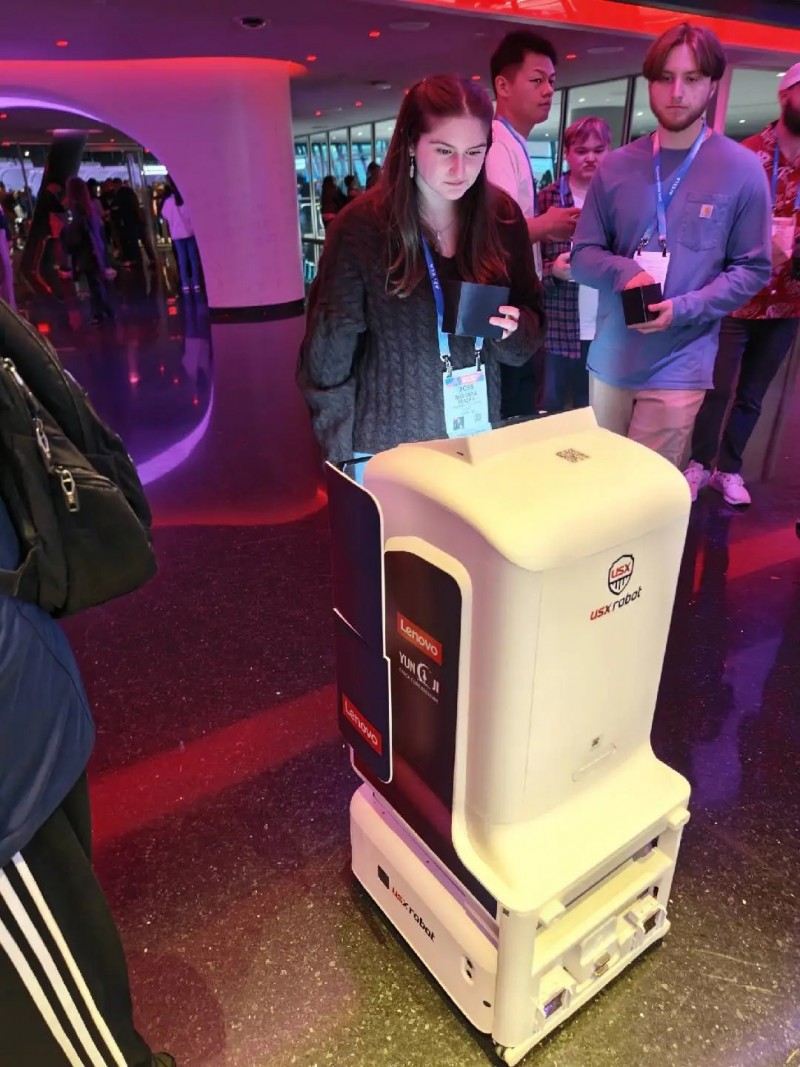
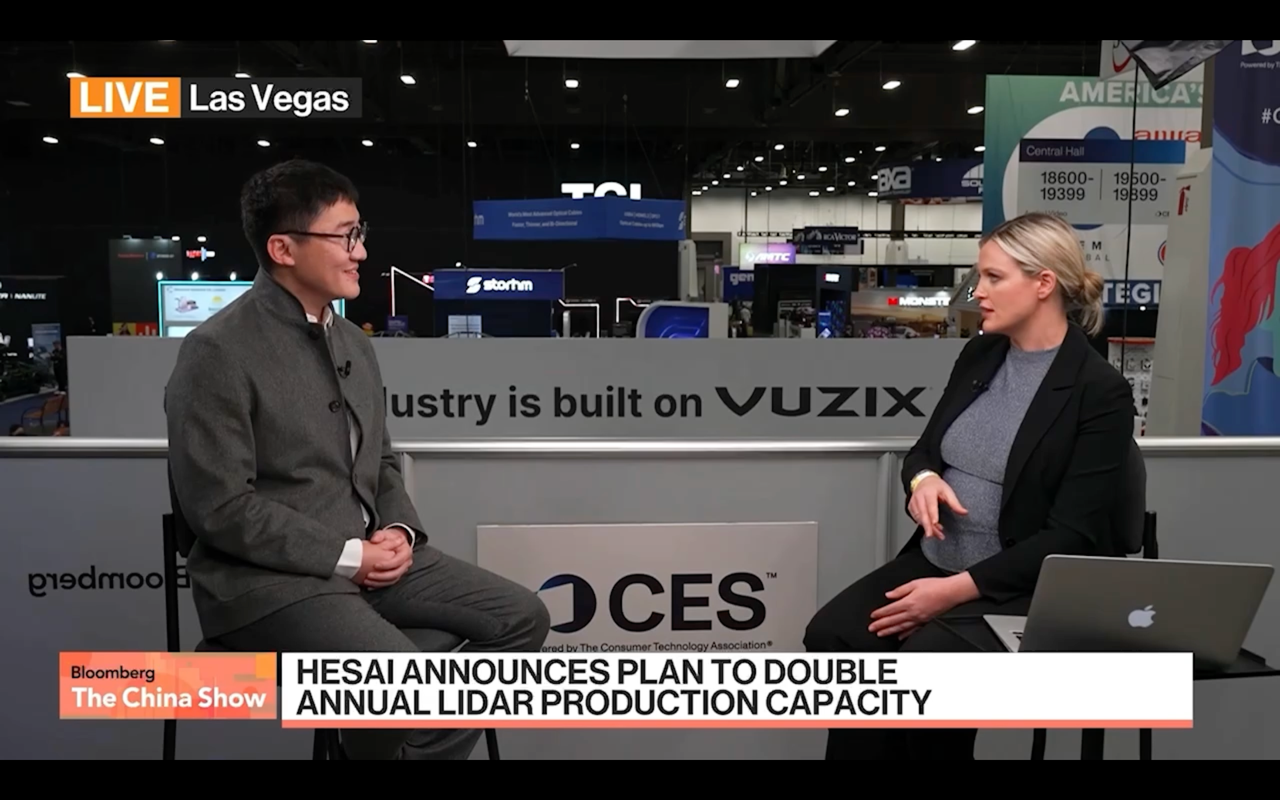
Core Insights - The 2026 International Consumer Electronics Show (CES) showcased groundbreaking technologies and products, highlighting the advancements in AI, robotics, and smart living, with a significant presence of Chinese manufacturing companies [1][2][10]. Group 1: Event Overview - CES 2026 featured over 4,500 companies from more than 150 countries, focusing on AI, chips, automotive, and robotics, with a notable emphasis on the integration of AI and hardware [2]. - Chinese exhibitors numbered 942, accounting for 22% of the total, reflecting a new landscape of "full industry chain coverage" and increased global influence of Chinese manufacturing [2]. Group 2: Key Exhibitors and Technologies - Cloudwalk Technology showcased its UP robot, marking the first large-scale service by a Chinese service robot at a global landmark [4]. - Yushun Technology presented a series of humanoid robots, including the G1 combat robot, which drew significant attention for its agility and performance [4]. - Hesai Technology displayed its upgraded ATX laser radar, featuring enhanced performance metrics, including a range of 230 meters and a point frequency of 3.84 million points per second [7][8]. Group 3: Market Position and Growth - Hesai Technology announced plans to double its laser radar production capacity from 2 million units in 2025 to 4 million units in 2026, with a new factory in Bangkok expected to start production in early 2027 [8]. - Black Sesame Intelligence demonstrated its A2000 driving assistance chip and showcased its multi-dimensional intelligent computing platform, emphasizing its role in the smart automotive sector [9]. Group 4: Industry Trends and Future Outlook - The collective presence of Chinese tech firms at CES 2026 signifies a shift from "individual efforts" to "ecosystem collaboration," showcasing a higher maturity and openness in global operations [10]. - The report indicates that by 2025, China's overseas sales of automobiles, particularly electric vehicles, are expected to reach 2.32 million units, marking a 52% year-on-year increase [11]. - The global market for humanoid robots is projected to see over 13,300 units shipped in 2025, with Chinese manufacturers contributing over 90% [11]. Group 5: Capital and Investment - The success of Chinese tech firms at CES 2026 is attributed to long-term capital support, with 90% of companies on the Sci-Tech Innovation Board receiving venture capital investments [13]. - The Chinese government is focusing on integrating technology innovation with industrial development, emphasizing early and sustained investment in hard tech [13][14]. - Kun Yuan Asset has supported 95 companies in entering capital markets, with a significant portion in the hard tech sector, demonstrating a strong ecosystem effect [14].


人形机器人:参与者布局梳理-Humanoid Robotics Who plays where
2026-01-13 02:11
Summary of Humanoid Robotics Industry Analysis Industry Overview - The analysis covers the humanoid robotics sector, focusing on approximately 150 global players, including OEMs and parts suppliers [1][2][3]. Key Characteristics of the Humanoid Robotics Ecosystem 1. **Supply Chain Structure** - Humanoid robotics companies are categorized into OEMs and parts suppliers, with a supply chain structure similar to the automotive industry, featuring multiple actuator suppliers [1]. 2. **Key Know-Hows** - Hardware expertise centers on robotic design, while software involves distinct layers: "robotic models" (brain and locomotion algorithms) and "world models" (simulation environments) [1]. 3. **Vertical Integration** - Most OEMs design critical components in-house, with varying degrees of outsourcing for production. Unitree is noted for its unique approach, focusing on hardware with integrated locomotion algorithms [1]. 4. **Competition and Differentiation** - The industry has a high number of participants, indicating low entry barriers. However, differentiation is possible through quality, agility, and cost, particularly in robotic models and actuators [1]. 5. **China vs. the West** - China is emerging as a significant player in humanoid robotics, with more participants than the rest of the world combined. China leads in most areas of the value chain, except for AI chips and simulation environments [1]. Competitive Landscape - **Non-Chinese Humanoid Robot OEMs** - Key players include Tesla, Boston Dynamics, and Agility Robotics, with varying capabilities in hardware and software [2]. - **Non-Chinese Humanoid Parts Suppliers** - Major suppliers include NVIDIA, Google, and Intel, providing essential components like AI chips and actuators [3]. - **Chinese Humanoid Robot OEMs** - Notable companies include Unitree Robotics, UBTech, and XPeng, with a focus on various hardware and software capabilities [4]. - **Chinese Humanoid Parts Suppliers** - Key suppliers include Hesai and RoboSense, contributing to the hardware and software needs of the industry [6][9]. Investment Implications - Recommendations include: - **Outperform**: Shuanghuan, Hesai, Tuopu, Inovance, Harmonic Drive - **Market-Perform**: Sanhua - **Underperform**: Leader Drive [10]. Financial Metrics - Specific financial metrics and projections for key companies are provided, including EPS and P/E ratios for 2024-2026 [11]. Conclusion - The humanoid robotics industry is characterized by rapid growth, significant competition, and a clear divide between Chinese and Western players. Investment opportunities exist, particularly in companies that demonstrate strong differentiation and technological capabilities.






【招商电子】CES 2026跟踪报告:AI赋能依旧是主旋律,聚焦穿戴/IoT、智能车、机器人等新品创新
招商电子· 2026-01-12 12:03
Core Viewpoint - CES 2026 showcased significant advancements in AI-driven consumer electronics, with a focus on wearable devices, automotive technology, robotics, and IoT innovations, highlighting the integration of AI across various sectors [2][5][6]. Group 1: Wearable/IOT - AI glasses and camera headphones remain focal points in wearable technology, with over 50 companies participating, primarily from mainland China, emphasizing design improvements and multi-modal interactions [2][10]. - Headphone innovations shifted from audio performance to a combination of sound quality, AI integration, and multi-modal capabilities, with products featuring cameras and environmental awareness [2][13]. - New IoT categories, including smart imaging devices and AI home products, are gaining traction, with many startups entering the market [2][16]. Group 2: Automotive - AI is driving a comprehensive upgrade in automotive technology, with high-level autonomous driving expected to scale commercially [3][19]. - NVIDIA introduced the Alpamayo series of open-source AI models, enhancing the development of autonomous driving capabilities [3][19]. - Major automotive companies like Geely and Great Wall showcased their AI systems, while international brands are partnering with AI giants to enhance their offerings [3][24][26]. Group 3: Robotics - The robotics sector is evolving from household and service robots to humanoid collaboration, with significant participation from electronic companies [4][34]. - Innovations in household robots include advanced cleaning capabilities and a broader range of applications, while humanoid robots are becoming more sophisticated in interaction and movement [4][34]. - Chinese electronic companies are increasingly showcasing key components and technologies in robotics at CES 2026 [4][34]. Group 4: PC/Smartphone - Lenovo launched its first personal super intelligent system, Lenovo Qira, and announced a partnership with NVIDIA for AI infrastructure [4][36]. - Chip manufacturers like Intel, Qualcomm, and AMD are upgrading their products to enhance AI performance and user experience in PCs [4][39]. - The focus on AI integration in smartphones and PCs is expected to drive innovation and market growth in the coming years [4][39].






家用电器行业周度跟踪:消费机器人向具身智能迈进,供应链国产替代下降本可期-20260111
Western Securities· 2026-01-11 10:52
Investment Rating - The industry investment rating is "Overweight" [5][9] Core Insights - The report highlights Midea's acquisition of Carestream Health's global business, which is expected to create synergies with Midea's existing medical business in terms of channels and equipment resources [5][6] - The consumer robotics sector is advancing towards embodied intelligence, with a notable decline in domestic supply chain substitution expected [2][4] - The report emphasizes the performance of major brands in the vacuum cleaner market, noting a significant sales decline for some brands while others, like Roborock, have shown growth [2][3] Summary by Sections White Goods - Midea's acquisition of Carestream Medical's global business is expected to enhance its existing medical operations through effective resource synergy [5][6] Consumer Robotics - December sales data shows a year-on-year decline of 29% for the overall market, with leading brands like Ecovacs and Roborock experiencing varying sales changes [2] - New product launches at CES include Roborock's G-Rover, which is the world's first stair-climbing vacuum robot, and Ecovacs' T90 pro omni, which features upgraded roller lengths and new pre-spray functions [3] Laser Technology in Robotics - Hesai Technology announced that it will lead the market in 3D LiDAR shipments for lawn mowing robots by 2025, showcasing its new models at CES 2026 [4] - The integration of digital all-solid-state LiDAR in new lawn mowing robots was highlighted by Ninebot and other companies [4] Investment Recommendations - The report recommends focusing on white goods, particularly Haier, Midea, and Gree, due to their strong market positions and potential benefits from the current economic environment [7] - It also suggests selecting consumer technology stocks like Ecovacs and others, while keeping an eye on companies like TCL Electronics for overseas growth opportunities [7]



Hesai: Positive Industry And Corporate Developments
Seeking Alpha· 2026-01-09 15:42
Core Insights - The article discusses the Asia Value & Moat Stocks research service, which targets value investors looking for significant discrepancies between stock prices and intrinsic values, focusing on deep value balance sheet bargains and wide moat stocks [1] Group 1: Investment Strategy - The service emphasizes investing in stocks that are undervalued, such as net cash stocks, net-nets, low price-to-book (P/B) stocks, and those with sum-of-the-parts discounts [1] - It also highlights the importance of wide moat stocks, which are characterized by strong earnings power at discounted prices, including high-quality businesses and hidden champions [1] Group 2: Market Focus - The research service specializes in the Asian equity market, particularly the Hong Kong market, leveraging over a decade of experience in both buy and sell sides [1] - Monthly updates and watch lists are provided to keep investors informed about potential investment opportunities [1]

Allianz Taps Anthropic to Help Deploy AI Throughout Its Insurance Business
PYMNTS.com· 2026-01-09 15:41
Core Insights - Allianz is partnering with Anthropic to integrate artificial intelligence (AI) across its global insurance operations, with initial projects already in progress [2][4]. Group 1: Partnership and Implementation - The collaboration aims to incorporate Anthropic's Claude models into Allianz's internal AI platform, enhancing software development and data integration for employees [3]. - Custom AI agents are being developed to automate workflows and streamline processes such as documentation intake and claims processing, allowing employees to manage complex cases more effectively [4]. Group 2: Focus on Compliance and Safety - Allianz and Anthropic are co-developing AI systems that ensure traceability and compliance by logging decisions, rationales, and data sources related to AI-driven actions [4][5]. - The partnership addresses critical challenges in the insurance sector, emphasizing safety and transparency in AI applications [5]. Group 3: Market Context and Growth - Anthropic reported significant growth, with over 300,000 business accounts and a run-rate revenue increase from approximately $1 billion in early 2025 to over $5 billion by August [6]. - The insurance industry is increasingly adopting generative AI models to combat sophisticated fraud techniques, highlighting the urgency and importance of AI integration [7].

CES 2026,这20个产品有意思
36氪· 2026-01-09 13:09
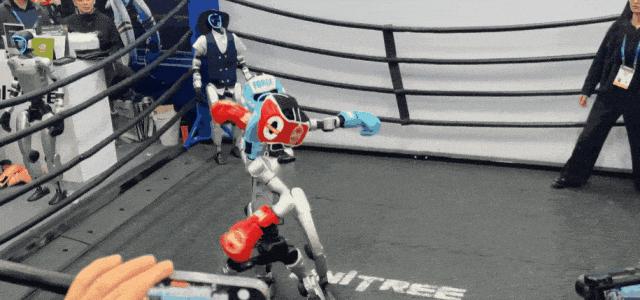
Core Insights - The article highlights the significant advancements in AI technology showcased at CES 2026, emphasizing the transition of AI capabilities from screens into the physical world [7]. Group 1: Event Overview - CES 2026 took place in Las Vegas from January 6-9, featuring over 4,500 exhibitors, with approximately 1,000 being Chinese companies [6]. - The event showcased a diverse range of AI hardware, indicating a growing trend of AI integration into everyday life [7]. Group 2: Notable Exhibits - Sharpa introduced the humanoid robot Sharpa North, capable of performing complex tasks such as playing table tennis and folding origami, utilizing its advanced dexterous hand technology [10][11]. - Boston Dynamics' Atlas robot made its public debut, demonstrating its ability to lift up to 50 kg and perform tasks in a modern automotive factory setting [16][17]. - Vbot, a language-understanding robotic dog, showcased its ability to navigate and assist owners in various tasks, including shopping [20][21]. - The X60 series of robotic vacuum cleaners by追觅 was launched, featuring a stair-climbing robot and a multi-jointed robotic arm for enhanced cleaning capabilities [26][27]. - HeSai presented a "mini robot community" at CES, featuring robots equipped with advanced 3D LiDAR technology for autonomous navigation and obstacle avoidance [31][32]. Group 3: Innovative AI Products - Onero H1, a household robot, can perform various tasks such as meal preparation and organizing, while coordinating with other smart devices [35][36]. - LG's CLOiD robot can interact with users and perform household chores, marking a significant upgrade from previous models [39][40]. - Samsung's Ballie robot, despite previous delays, continues to be a focal point for smart home integration [43][44]. - Fraimic, an AI "artist," can generate artwork based on user input and environmental factors, showcasing the creative potential of AI [50]. - BreakReal introduced an AI cocktail machine that creates personalized drink recipes based on user preferences [53]. Group 4: Emerging Trends - The article notes the increasing presence of AI in pet care, with products like Satellai's AI collar that tracks pet health and behavior [63]. - The introduction of AI-driven educational tools, such as Mooni Pro, aims to enhance children's learning experiences through interactive engagement [66]. - Mui's wall-mounted device combines sleep monitoring with smart home control, reflecting a trend towards integrated health and home management solutions [89][90].

美股异动丨禾赛盘前续涨超1% 获中金看好并上调目标价
Ge Long Hui· 2026-01-09 09:42
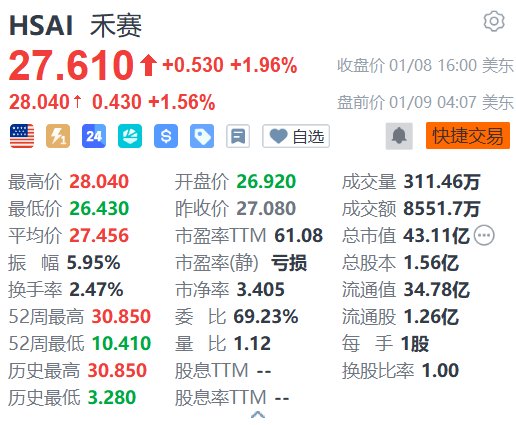
Group 1 - Hesai (HSAI.US) shares rose by 1.96% yesterday and continued to increase by 1.56% in pre-market trading today, reaching $28.04 [1] - The company showcased its latest lidar technology at CES 2026 and updated its delivery capacity, production planning, and strategic partnerships [1] - Hesai's mass production and delivery capabilities are leading the industry, with steady progress in domestic and international production capacity [1] Group 2 - The L3 model has received approval from the Ministry of Industry and Information Technology, which is expected to increase the number of lidar units per vehicle [1] - The next wave of physical AI, including Robotaxi and robotics, positions lidar as a critical engine for growth [1] - CICC maintains its revenue forecast for Hesai for 2025 while raising the 2026 revenue forecast by 6.4% [1] Group 3 - The target price for Hesai's stock has been raised to $31.56, reflecting an upward adjustment in the valuation center for the intelligent driving and robotics sectors [1]
CES 2026|李一帆:禾赛的最大对手是“不想用激光雷达的人”
Jin Rong Jie· 2026-01-09 09:41
Core Insights - The collaboration between Hesai Technology and NVIDIA on the Hyperion 10 platform is described as a long-anticipated formal announcement, providing OEM customers with a validated, complete, and low-risk autonomous driving solution, significantly reducing integration difficulty and development risk [1][6]. Group 1: Strategic Initiatives - Hesai's "dual supply chain" strategy aims to serve the domestic market in China while establishing a factory in Thailand, expected to be operational by 2027, to meet global OEM demand and ensure compliance with local regulations [1][10]. - The company emphasizes its core strategy of leveraging scale manufacturing, vertical integration, and cost control developed in the competitive Chinese automotive market to empower various industries with standardized products [2][13]. Group 2: Market Opportunities and Competition - The Chinese automotive market is estimated to be between 25 million and 28 million vehicles, while the global market exceeds 80 million, indicating significant potential beyond the Chinese market [8]. - Hesai faces competition not only from peers but also from those who do not utilize lidar technology. The company aims to convince this group by showcasing safety data, indicating that lidar can prevent up to 90% of accidents in critical scenarios [11][12]. - The cost of lidar has dramatically decreased from over $50,000 to below $200, enabling penetration into broader markets, including affordable products like robotic lawnmowers priced around €800 [11][12]. Group 3: Future Directions - Hesai is expanding into humanoid robotics and supporting various applications, including Robotaxi, while maintaining a focus on standardized technology to empower diverse robotic applications [13]. - The company believes that the market size and profitability from emerging robotic applications may eventually surpass that of the automotive business [2][13].
CES变成中国科技秀:机器人跳舞、熊猫获奖
3 6 Ke· 2026-01-09 08:24
Group 1: Core Themes of CES 2026 - The main theme of CES 2026 is "human-centered" AI applications, marking a shift from traditional consumer electronics to AI-centric technological transformations [1] - Chinese companies are increasingly taking center stage at CES, with 942 exhibitors, accounting for approximately 22% of the total, maintaining their position as the second-largest exhibiting nation [1] - In specific sectors, Chinese firms dominate, with 55% of humanoid robot exhibitors and nearly 70% of AI glasses brands coming from China [1] Group 2: Robotics and AI Innovations - Chinese manufacturers are expected to continue leading in cost reduction and efficiency improvements in humanoid robots, showcasing their capabilities in unstructured environments [2] - Notable products include the Unitree H1 humanoid robot with advanced sensing capabilities and the latest generation of the "绝影" series robotic dogs, which excel in indoor navigation [4][11] - The "Care-bot" humanoid robot by Fourier demonstrates embodied intelligence in real-life interaction scenarios [7] Group 3: Consumer Electronics and Smart Devices - Over 80% of global smart glasses supply chain manufacturers are from China, with 16 Chinese companies showcasing their products at CES [15] - Innovations in smart home devices include the AI-driven "安安" companion robot designed for elderly and cognitively impaired individuals [16] - Companies like Alibaba and XREAL are launching advanced AI glasses, with features such as ultra-lightweight designs and integration with various AI services [19][20] Group 4: Automotive and AI Integration - The automotive industry is transitioning from "software-defined" to "AI-defined" vehicles, with companies like Geely and Great Wall showcasing new technologies [28] - Geely's G-ASD smart driving solution and Great Wall's focus on new energy technologies highlight the industry's shift towards AI integration [30][32] - New products like the AI-driven logistics solutions from New Stone and advanced lidar technology from Hesai demonstrate the growing importance of AI in transportation [34][35] Group 5: Home Appliances and AI - Hisense introduced new RGB-Mini LED display technology and AI-controlled smart refrigerators, showcasing the integration of AI in home appliances [41] - TCL's innovations in display technology, including the world's first printed OLED car screen, reflect advancements in consumer electronics [43][44] - Companies are increasingly focusing on AI capabilities in home security and smart home management systems [51][49] Group 6: Overall Impact of AI - CES 2026 emphasizes the profound impact of AI on the consumer electronics industry, with expectations for AI user numbers to grow significantly [59] - The event serves as a platform for global tech companies to set the foundation for future technological development and transformation [59] - The integration of AI into various sectors, including robotics, automotive, and consumer electronics, indicates a trend towards deeper AI adoption in everyday life [59]