Intel(INTC)

Search documents
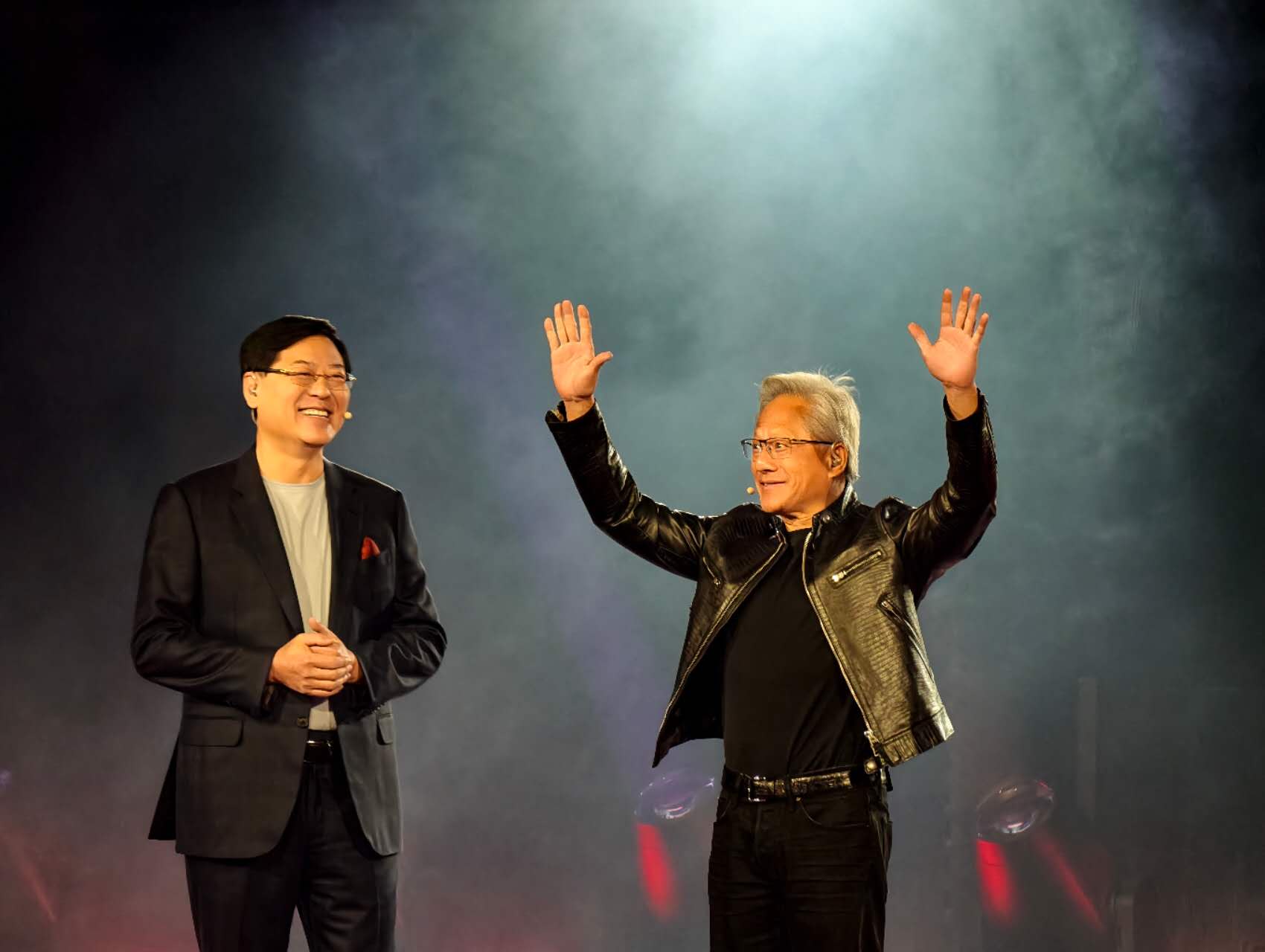
四大芯片巨头CEO罕见同台
第一财经· 2026-01-07 08:06
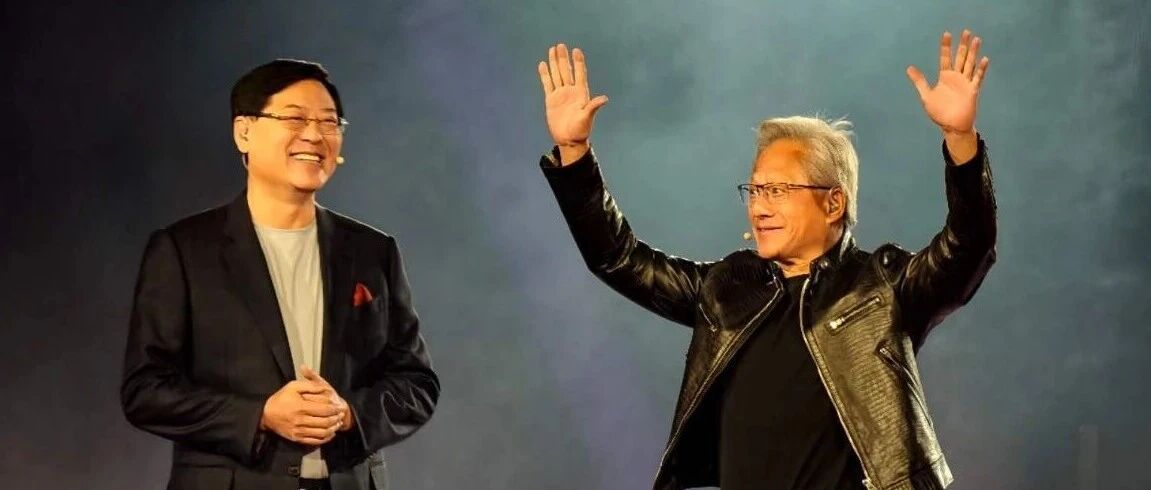
Core Viewpoint - The article highlights the collaboration and competition among major chip manufacturers, including NVIDIA, Intel, AMD, and Qualcomm, during the Lenovo Tech World event, emphasizing the shift in the AI landscape from training to inference and the need for integrated systems that can leverage diverse computing power [3][4]. Group 1: Collaboration and New Opportunities - NVIDIA's CEO Jensen Huang and Lenovo's Chairman Yang Yuanqing aim to quadruple their business collaboration over the next three years, reflecting a long-standing partnership that has evolved through various technological shifts [5][6]. - The collaboration focuses on the "Lenovo AI Cloud Super Factory," which aims to standardize AI infrastructure, transforming highly customized AI deployments into industrialized solutions [6][8]. - This partnership is expected to help cloud service providers reduce the "time to first token" for AI deployment and scale up to support trillion-parameter models [8]. Group 2: Competitive Landscape - AMD's CEO Lisa Su introduced the Helios rack-level AI platform, positioning it as a challenge to NVIDIA's GPU-centric approach, emphasizing the need for robust system-level infrastructure to support larger models and higher throughput [10][11]. - Intel's new CEO Pat Gelsinger announced the Aura Edition AI PC, showcasing a shift from traditional PCs to AI-enhanced computing experiences, indicating a blend of legacy computing with new AI paradigms [11]. - Qualcomm's CEO Cristiano Amon focused on AI-native endpoints, highlighting the evolution of wearable devices into "personal intelligent companions," which aligns with Lenovo's strengths in ecosystem and global channels [12]. Group 3: Industry Trends and Insights - The article notes that the market for wearable devices is expected to exceed one billion units, indicating significant growth potential in this segment [13]. - The collaboration among the four chip giants illustrates a new industry consensus that the true value of AI lies not in having the most powerful chip, but in the ability to transform computing power into usable capabilities for businesses and users [13].




AI泡沫退潮、落地为王,芯片巨头“拉帮结派”激战CES 2026
Tai Mei Ti A P P· 2026-01-07 08:01
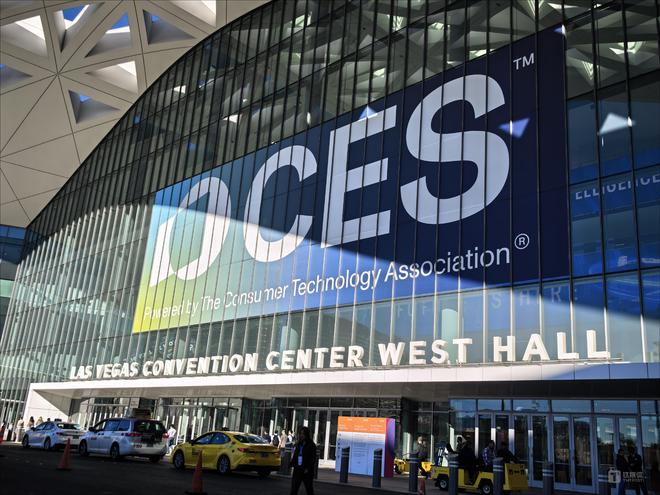
Group 1 - NVIDIA's founder Jensen Huang emphasized the shift of AI from mere model competition to practical applications, focusing on "last mile" implementations during his keynote at CES 2026 [2][6] - The industry is transitioning from a "technology demonstration phase" to a "value realization phase," centering around real user scenarios [2] - AI technology is moving from "cloud-side intelligence" to "edge-side integration," becoming a fundamental infrastructure for human-computer interaction [2][6] Group 2 - CES serves as a platform for both tech giants and startups, particularly for Chinese companies to convert algorithms and technologies into tangible hardware [3] - AMD's CEO Lisa Su highlighted that AI is becoming a default capability in PCs, with AI performance improved by 1000 times over the past four years [9] - Intel introduced its third-generation AI PC processor, showcasing advancements in energy efficiency and CPU performance [11] Group 3 - Qualcomm launched the Snapdragon X2 Plus platform, featuring a 35% increase in single-core performance and a 43% reduction in power consumption [13] - IDC predicts that global AI PC shipments will reach 150 million units by 2027, with a penetration rate of 79% [13] - Major home appliance brands are now integrating AI into their products, focusing on enhancing core functionalities rather than superficial features [18] Group 4 - Companies like Hisense and TCL are showcasing advanced display technologies and AI-integrated home appliances at CES, with Hisense's RGB-Mini LED technology expected to see a significant increase in shipments [18][20] - Samsung plans to increase the number of mobile devices equipped with Google Gemini AI to 800 million by 2026 [22] - The competition among chip manufacturers is intensifying as they seek to define the future of physical AI [17] Group 5 - The CES 2026 highlighted the emergence of embodied intelligent robots and AI+AR glasses, indicating a shift from demonstration to market-ready products [29][34] - Startups are increasingly participating in CES to showcase innovative technologies and seek market opportunities [45] - The event serves as a critical platform for companies to adapt their strategies in response to rapid industry changes [47]
印度芯片强国梦:越努力,越遥远?
3 6 Ke· 2026-01-07 07:53
Group 1 - The core point of the article discusses the ongoing struggle between multinational corporations and India in the semiconductor industry, highlighting a recent strategic alliance between Intel and Tata Group to explore local production and advanced packaging technology in India [1][3]. - India has been attempting to attract foreign investment to become a technology powerhouse, but past efforts have often ended in disappointment, with many high-profile projects failing to materialize [3][20]. - The historical context reveals that India had a strong start in the semiconductor industry in the 1960s but has since faced numerous setbacks, including bureaucratic inefficiencies and a lack of core technology development [6][10]. Group 2 - The article outlines the cyclical nature of India's semiconductor ambitions, emphasizing that despite high expectations, the country has not made significant progress in core technology, leading to a hollowed-out industry [11][22]. - The "market for technology" strategy employed by India has proven to be fragile, as evidenced by the withdrawal of major players like Foxconn from significant projects due to unmet expectations and bureaucratic delays [22][39]. - The lack of core technology and reliance on low-value-added activities has left India in a precarious position, with the country unable to produce advanced semiconductor manufacturing equipment [35][36]. Group 3 - The article identifies structural challenges within India's semiconductor industry, including inefficiencies in governance, resource management issues, and a talent paradox where skilled workers often migrate abroad [40][46]. - India's infrastructure problems, such as inadequate power supply and water management, hinder the establishment of a robust semiconductor manufacturing ecosystem [45][46]. - The article concludes that for India to succeed in its semiconductor ambitions, it must address foundational issues rather than merely promoting partnerships with multinational corporations [50].

英特尔要打造掌机芯片?
半导体芯闻· 2026-01-07 07:46
Core Insights - Intel's Panther Lake processor has achieved over 70% performance improvement, marking a significant advancement in integrated graphics for handheld devices [1] - The new Intel Arc B390 integrated graphics outperform the previous Lunar Lake Arc 140V by up to 77%, and also exceed AMD's Ryzen AI 9 HX 370 by 73% [2] - Intel plans to launch custom Panther Lake CPU chips, named "Intel Core G3," specifically designed for handheld devices, indicating a strong push into the handheld gaming PC market [3] Performance Enhancements - The Panther Lake processor was initially claimed to have a 50% improvement in gaming performance over Lunar Lake, but this was later revised to a 77% increase for the Arc B390 integrated graphics [2] - The Arc B390 integrated graphics are also reported to be 10% better than the RTX 4050 mobile version, showcasing the competitive edge of Intel's integrated graphics [2] Market Strategy - Intel is collaborating with companies like MSI, Acer, Microsoft, and others to create a comprehensive handheld gaming ecosystem, which is expected to lead to more Intel-powered handheld gaming devices entering the market [1][5] - The introduction of the Intel Core G3 processor is seen as a potential game-changer that could challenge AMD's dominance in the handheld gaming sector [3][4] Competitive Landscape - Previous attempts by Intel in the handheld market, such as the MSI Claw series, faced challenges, but the new G3 processor could help regain market share [4] - The competition between Intel and AMD in the gaming space is expected to benefit consumers by driving performance improvements [5]
一次集齐四大芯片巨头CEO,联想成了“最大公约数”
Di Yi Cai Jing· 2026-01-07 06:48
Core Insights - The gathering of the four major chip giants—NVIDIA, Intel, AMD, and Qualcomm—at the Lenovo Tech World during CES 2026 highlights the evolving dynamics of the semiconductor industry, where collaboration and competition coexist in the AI narrative [1] - The focus is shifting from individual chip manufacturers to system-level players that can integrate diverse computing power and facilitate the deployment of intelligent hardware solutions [1] Group 1: Industry Transformation - Jensen Huang, CEO of NVIDIA, emphasized the significance of AI as a foundational architecture akin to operating systems, marking a new platform shift in computing [4] - The IT industry has invested approximately $10 to $15 trillion over the past thirty years, necessitating a complete overhaul to adapt to AI applications [5] - Huang and Lenovo's CEO, Yang Yuanqing, announced a new collaboration plan to create a "Lenovo AI Cloud Super Factory," aiming to standardize AI infrastructure and transition from highly customized deployments to industrialized solutions [5][7] Group 2: Competitive Landscape - AMD's CEO, Lisa Su, introduced the Helios rack-level AI platform, positioning it as a direct challenge to NVIDIA's GPU-centric approach, highlighting the need for robust system-level infrastructure to support larger models and higher throughput [8] - Intel's new CEO, Pat Gelsinger, showcased the Aura Edition AI PC, which integrates the latest Intel processors, indicating a shift from traditional PCs to data centers and cloud computing [9][10] - Qualcomm's focus on AI-native endpoints, particularly in wearable devices, reflects a broader trend towards personal intelligent companions that require low power consumption and continuous connectivity [10] Group 3: Collaborative Ecosystem - The collaboration among the four chip giants illustrates a new industry consensus that the true value of AI lies not in possessing the most powerful chip but in transforming computing power into usable capabilities for enterprises and users [11] - Lenovo's role as a "system integrator" and "scene amplifier" is crucial in this collaborative ecosystem, as it bridges the various offerings from NVIDIA, AMD, Intel, and Qualcomm [11] - The wearable device market is projected to exceed one billion units, showcasing the potential for growth in AI-driven consumer technology [11]
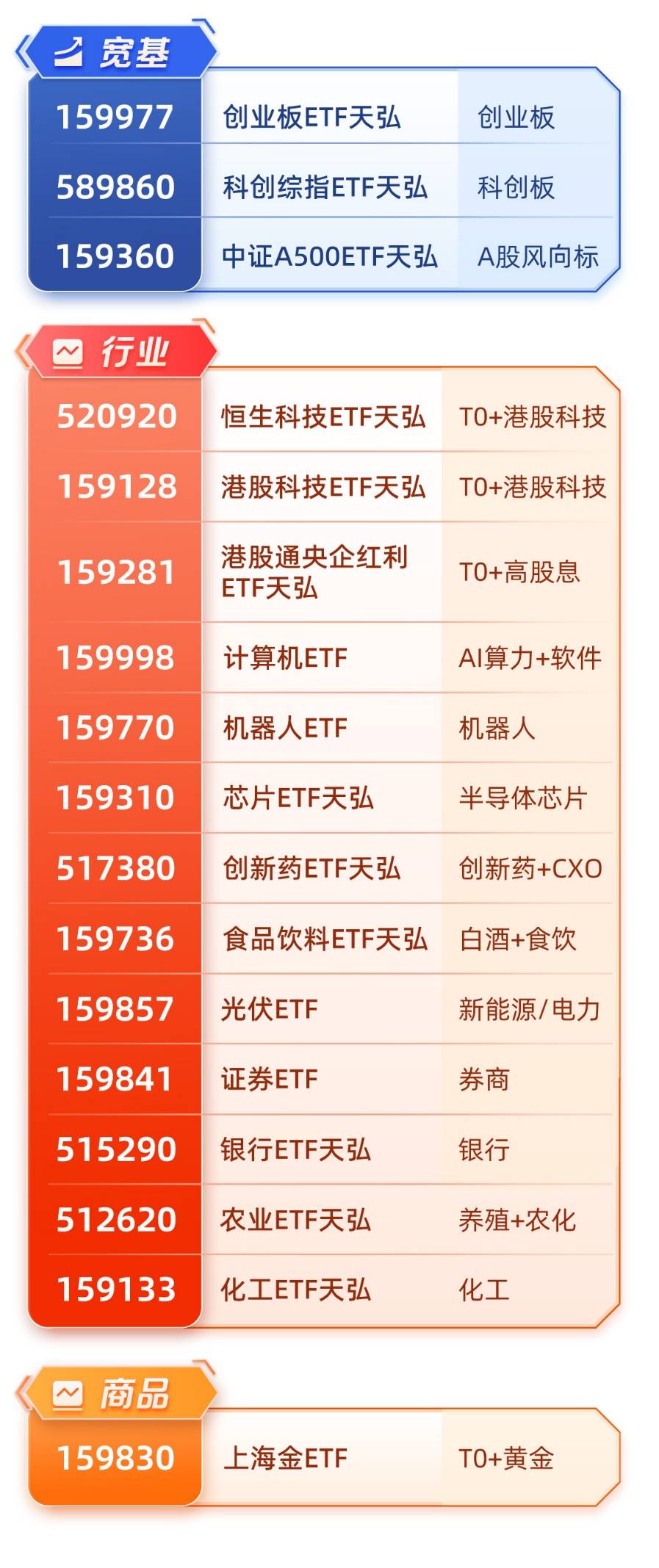
AMD CEO喊话算力百倍提升!芯片ETF天弘(159310)标的指数劲升涨超2%,科创综指ETF天弘(589860)标的指数冲击三连阳,全球芯片巨头火力全开
Sou Hu Cai Jing· 2026-01-07 05:13
Core Insights - The semiconductor ETF Tianhong (159310) saw a trading volume of 14.87 million yuan, with the index tracking the semiconductor industry rising over 2% [1] - The Tianhong semiconductor ETF has experienced a significant growth of 17.05 million yuan over the past two weeks [1] - The Tianhong Sci-Tech Index ETF (589860) had a turnover rate of 7.56% and a trading volume of 23.45 million yuan, with the index rising by 1.49% [1][2] Product Highlights - The Tianhong semiconductor ETF (159310) tracks the CSI Semiconductor Industry Index, reflecting the overall performance of listed companies in the semiconductor sector [1] - The Tianhong Sci-Tech Index ETF (589860) covers 97% of the market capitalization of the Sci-Tech Board, providing a balanced industry distribution to adapt to rapid market changes [2] Key Events - AMD CEO Lisa Su stated that global computing power needs to increase by 100 times in the next five years to meet AI development demands, with a projected leap from Zetta to 10 YottaFLOPS [3] - AMD's next-generation AI chip MI455 GPU will utilize 2nm and 3nm processes, aiming for a 1000-fold increase in AI performance over four years [4] - Intel launched its first mass-produced 2nm client chip, the Core Ultra Series 3, with a performance increase of up to 60% compared to the previous generation [5] Institutional Views - According to Zhongyin Securities, the global semiconductor materials market is expected to exceed $87 billion by 2029, with domestic companies accelerating capacity and technology development in key areas [6]
联想发布,一系列AI大动作!
Zhong Guo Zheng Quan Bao· 2026-01-07 04:41
Core Insights - Lenovo's Chairman and CEO, Yang Yuanqing, introduced the concept of "hybrid AI" during the 2026 CES, emphasizing the need for collaboration among tech companies [1] Group 1: Hybrid AI Concept - The hybrid AI integrates personal, enterprise, and public intelligence to create a personalized and diverse AI experience, which is seen as the ultimate path for AI accessibility [2] - Lenovo unveiled three core technologies: Intelligent Model Orchestration, Agent Core, and Multi-agent Collaboration, which form the technical foundation of hybrid AI [2] - The personal AI superintelligence, Lenovo Qira, was launched to connect and coordinate multiple smart devices seamlessly [2] Group 2: AI in Enterprise Applications - Yang highlighted that the new wave of computing power will stem from the explosion of AI inference, which will be crucial for enterprise competitiveness [4] - Lenovo announced a collaboration with AMD to launch the AI inference server ThinkSystem SR675i, aimed at enhancing AI deployment efficiency and reducing operational costs [4][5] - The company also introduced a range of inference-optimized server products to help enterprises deploy AI models locally and at the edge [5] Group 3: Strategic Partnerships - Lenovo and NVIDIA announced a partnership to create the "Lenovo AI Cloud Super Factory," which aims to industrialize AI infrastructure and significantly reduce deployment time [7] - The collaboration with NVIDIA is expected to quadruple business scale over the next 3 to 4 years [7] - Lenovo is also working with Qualcomm to innovate in the AI-native wearable device sector, with a market potential exceeding one billion units [7] Group 4: Market Trends and Predictions - The integration of AI technology in smart hardware is anticipated to drive growth, with predictions indicating that AI penetration rates in smartphones and PCs could reach 45% and 62% respectively by 2026 [7] - The edge AI market is projected to grow from 321.9 billion yuan in 2025 to 1.22 trillion yuan by 2029, with a compound annual growth rate of 40% [7]
英特尔取得向量处理器专利
Jin Rong Jie· 2026-01-07 03:29
国家知识产权局信息显示,英特尔(中国)研究中心有限公司取得一项名为"向量处理器"的专利,授权 公告号CN119576414B,申请日期为2025年2月。 天眼查资料显示,英特尔(中国)研究中心有限公司,成立于2004年,位于北京市,是一家以从事住宿 业为主的企业。企业注册资本610万美元。通过天眼查大数据分析,英特尔(中国)研究中心有限公司 专利信息25条,此外企业还拥有行政许可3个。 声明:市场有风险,投资需谨慎。本文为AI基于第三方数据生成,仅供参考,不构成个人投资建议。 本文源自:市场资讯 作者:情报员 ...
英特尔CEO陈立武:AI正在重塑软硬件市场格局
Xin Lang Cai Jing· 2026-01-07 02:57
Core Viewpoint - The event highlights the collaboration between Intel and Lenovo in developing AI-driven PC experiences, emphasizing the transformative impact of AI on the hardware and software market [1][2]. Group 1: AI and Market Impact - Intel's CEO, Chen Liwu, stated that AI is reshaping the entire hardware and software market landscape, enhancing user experiences through continuous iteration [1][2]. - The focus on AI is expected to drive significant advancements in daily life experiences for users [1][2]. Group 2: Product Launches - During CES 2026, Intel and Lenovo unveiled the Aura Edition AI PC and the FIFA-branded gaming laptop, Legion Pro 7i, which are products of their joint development efforts [1][2]. - The Aura Edition product line will feature Intel's first chip built on its proprietary 18A process technology, the Core Ultra 300 series processor [1][2]. Group 3: Future Collaboration - Chen Liwu indicated that Intel and Lenovo plan to deepen their collaboration in the areas of PCs, data centers, and cloud computing in the future [1][2].
CES2026半导体杀疯了,四大巨头齐出AI王炸,PC、机器人赛道全面开火
3 6 Ke· 2026-01-07 01:59
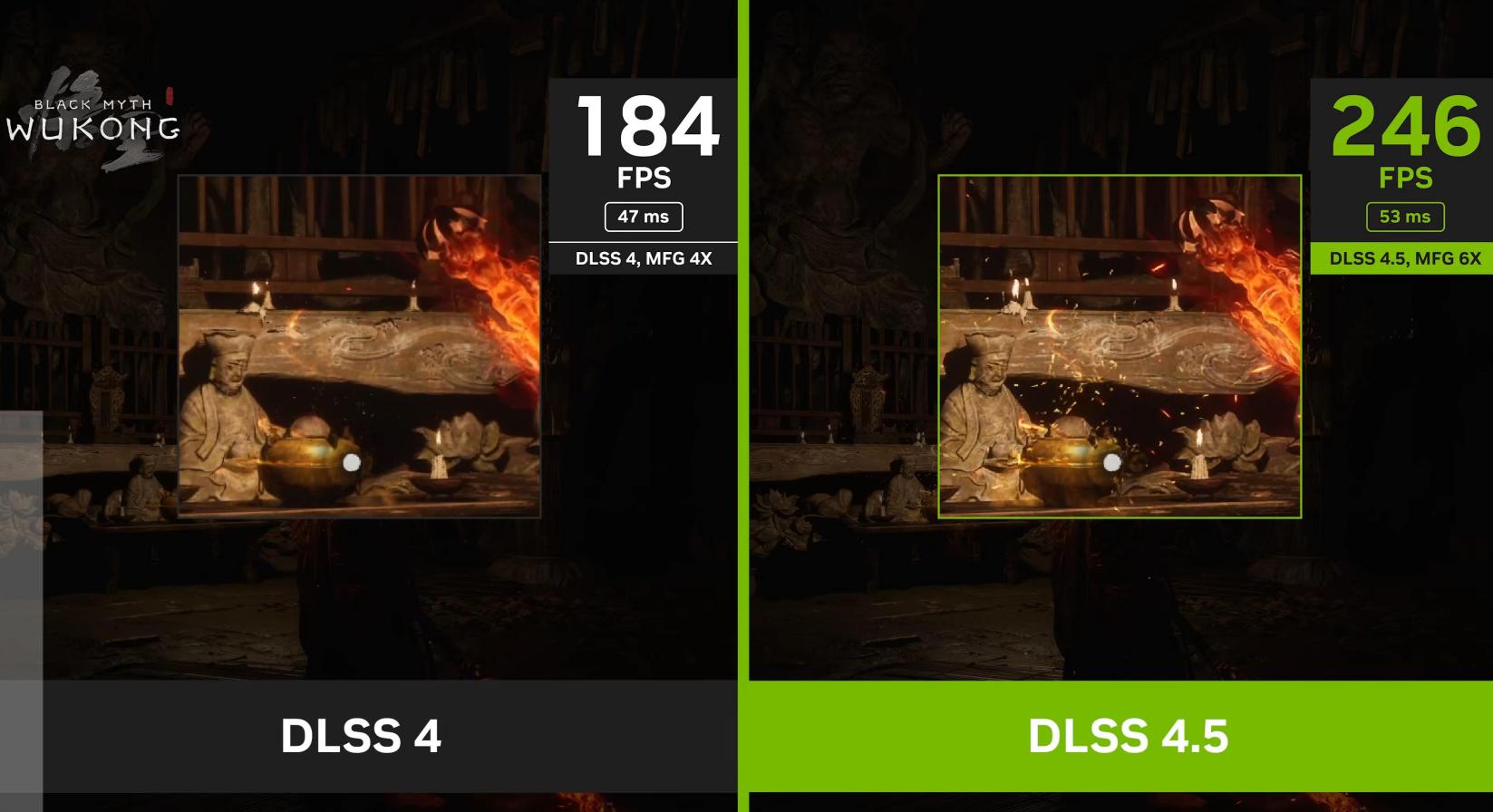
Core Insights - The CES 2026 showcased a shift in focus among semiconductor companies towards AI, with hardware innovations taking a backseat to AI advancements [1][26]. Nvidia - Nvidia's RTX 50 Super series was notably absent from CES 2026, disappointing gamers who had anticipated its release [2]. - The company introduced DLSS 4.5, enhancing frame generation capabilities from 4 to 6 frames, providing a 50% performance boost for RTX 50 series users [2][4]. - The Vera Rubin platform was highlighted as a significant advancement, featuring a CPU with 88 cores and a GPU with 336 billion transistors, achieving a 5x increase in FP4 inference performance [6][4]. - The platform aims to reduce AI inference costs by 90%, making AI applications more accessible [6][4]. Qualcomm - Qualcomm launched the Snapdragon X2 Plus, designed for mid-range markets, featuring a 43% reduction in power consumption and a 35% increase in single-core performance [7][9]. - The Dragonwing IQ10, a new high-performance processor for robotics, was introduced, boasting a 30% improvement in energy efficiency compared to competitors [11][12]. Intel - Intel unveiled the third-generation Core Ultra processors, utilizing the new Intel 18A process technology, which offers a 15% performance increase per watt and a 30% increase in chip density [13][16]. - The new processors demonstrate a 60% performance boost over the previous generation and significantly lower power consumption during 4K video playback [16][20]. - Intel's advancements in AI capabilities allow for the deployment of large AI models directly on devices, enhancing its competitive position in the AI PC market [20][21]. AMD - AMD introduced the Ryzen AI 400 series, featuring seven new processors with AI capabilities up to 60 TOPS, targeting lightweight AI PCs [21][23]. - The Ryzen AI Max+ series was updated to include more GPU cores, enhancing performance for portable AI applications [23][24]. - The Ryzen 7 9850X3D was launched as a gaming-focused processor, offering a balance of performance and efficiency, outperforming competitors in gaming benchmarks [24][25]. Industry Trends - The semiconductor industry is increasingly prioritizing AI capabilities, with a focus on making computing power more efficient and cost-effective [26]. - The CES 2026 highlighted a clear direction towards high-efficiency, long-lasting AI PCs, indicating a significant shift in the PC ecosystem [26].