
L'Oreal(LRLCY)

Search documents
333亿!欧莱雅拿下恺芮得、巴黎世家等香水品牌独家授权
Nan Fang Du Shi Bao· 2025-10-20 15:33
Core Insights - Kering and L'Oréal have announced a strategic partnership in the luxury beauty and health sector, with a total transaction value of €4 billion (approximately ¥33.3 billion), marking L'Oréal's largest acquisition to date [1][3] - This move is seen as a significant step for Kering's new CEO, Luca de Meo, in optimizing the group's finances and focusing on its core fashion business [1][3] - For L'Oréal, this acquisition is a major investment in building a high-end beauty and fragrance portfolio, potentially disrupting the global beauty market [1][3] Transaction Details - L'Oréal will acquire the British luxury perfume brand Creed, which Kering purchased for €3.5 billion in 2023, along with a 50-year exclusive license to develop, produce, and distribute perfumes and beauty products for Kering's brands, including Bottega Veneta and Balenciaga [3][5] - L'Oréal will take over the license for Gucci's fragrance and beauty products after the current agreement with Coty expires in 2028 [3][5] - The transaction is expected to be completed in the first half of 2026 and will be paid in cash, with L'Oréal also paying royalties based on sales [5] Strategic Implications - L'Oréal currently holds the beauty and fragrance license for Yves Saint Laurent, acquired for €1.7 billion in 2008, and aims to replicate this success with the newly acquired brands [5] - Kering's beauty division has shown promise, with beauty revenue reaching €323 million in 2024, primarily from Creed, despite a 16% decline in total revenue for Kering [8] - The partnership will also involve the establishment of a 50-50 joint venture to explore business opportunities in the beauty and health sectors [5] Market Context - Kering's beauty business has been a rare highlight amid declining financial performance, with a significant drop in net profit and revenue for its core brand, Gucci [8][10] - L'Oréal has been actively expanding its high-end beauty portfolio, including recent acquisitions and partnerships with brands like Prada and Jacquemus [11][13] - The collaboration between Kering and L'Oréal exemplifies a strategic shift in the luxury sector, focusing on specialization and resource sharing to navigate market challenges [13]


欧莱雅332亿拿下开云美妆,全球美妆加速洗牌
FBeauty未来迹· 2025-10-20 15:11
Core Insights - Kering Group and L'Oréal Group announced a long-term strategic partnership in the luxury beauty and health sector, involving a total transaction value of €4 billion (approximately ¥33.25 billion) for the sale of the Creed brand and licensing of iconic brands, expected to be completed in the first half of 2026 [1][5][6] - This collaboration reflects a significant transformation in the beauty industry, where leading groups are restructuring the competitive landscape through "selling non-core assets" and "targeted acquisitions" [1][5] Partnership Details - The agreement includes three main components: L'Oréal's acquisition of the Creed brand, obtaining beauty and fragrance licenses for several Kering brands, and the establishment of a joint venture to explore business opportunities in health and longevity [5][6] - L'Oréal will receive exclusive licenses for Gucci, Bottega Veneta, and Balenciaga's beauty and fragrance lines, with immediate effect for Bottega Veneta and Balenciaga after the transaction, while Gucci's license will commence after the expiration of the current agreement with Coty [5][6] Strategic Focus - Kering's CEO Luca de Meo emphasized the aim to focus on core strengths in brand creativity and appeal, while allowing a professional partner to manage the beauty business and explore new health avenues [7][10] - For L'Oréal, this partnership not only solidifies its leading position in luxury beauty but also opens growth opportunities in niche fragrances and health sectors [7][10] Industry Trends - The beauty sector is witnessing a trend of major companies divesting and restructuring to focus on core businesses and enhance profitability, as seen with Unilever and Coty [12][14][19] - The global beauty market's top rankings are shifting, with L'Oréal maintaining its lead, while Coty has dropped in rankings due to strategic evaluations and divestitures [20][21][22] Market Dynamics - The competitive landscape is intensifying, with top companies like L'Oréal recognized for their luxury beauty operational capabilities, while smaller brands face increasing pressure [22][23] - Emerging local brands, such as Proya, are also making strides in the global market, indicating a potential shift in market dynamics as larger companies focus on high-margin and differentiated products [23]

Massive Amazon Web Services outage shows signs of easing, Apple upgraded to Buy from Loop Capital
Youtube· 2025-10-20 14:37
Group 1: Amazon Web Services Outage - A significant outage at Amazon Web Services (AWS) affected major online platforms including Coinbase, Robin Hood, and Disney Plus, with nearly 100 services impacted [2][6][8] - AWS has reported that the outages are easing and recovery is underway, indicating that the situation is improving [1][7] - The outage highlights the reliance of many companies on a few dominant cloud providers, raising concerns about the interconnectedness of internet services [10][12] Group 2: Earnings Season and Market Outlook - Investors are optimistic about upcoming earnings reports from major companies such as Netflix, Coca-Cola, and Tesla, with futures indicating gains across the board [2][19][22] - Tesla is expected to report a revenue of approximately $27 billion for Q3, reflecting a 26.27% increase year-over-year, driven by record sales of 497,000 units [24][25] - General Motors anticipates a revenue of $45.16 billion, down 7% from the previous year, with a focus on its electric vehicle (EV) business and upcoming investments [27][28] Group 3: Consumer Price Index and Federal Reserve - The delayed September Consumer Price Index (CPI) report is set to be released, which is crucial for assessing inflation ahead of the Federal Reserve's rate decision [3][31] - The core CPI is expected to hold steady at 3.1%, while the headline CPI is projected to rise to 3.1% year-over-year, indicating inflation remains above the Fed's target [32][33] - The government shutdown has hindered data collection, complicating the Fed's ability to make informed monetary policy decisions [4][30] Group 4: Corporate Developments - Apple has received upgrades from analysts due to strong demand for the iPhone 17 series, which has outperformed the previous generation by 14% in initial sales [35][36] - Kering is selling its beauty division to L'Oreal for $4.7 billion, aiming to enhance its competitive position in the luxury market [36][37] - BNP Paribas shares have fallen to a six-month low following a court ruling that could lead to significant financial liabilities related to human rights violations [39][40]



French luxury brand Kering sells beauty division to L'Oreal in $4.66 billion deal
Fastcompany· 2025-10-20 13:41
Core Insights - Kering is selling its beauty division to L'Oreal for 4 billion euros ($4.66 billion) [2] - The acquisition includes the House of Creed and licenses for Kering brands like Gucci, Bottega Veneta, and Balenciaga [2] - A strategic committee will be established to ensure coordination between Kering brands and L'Oreal [2] - Both companies are exploring joint business opportunities in the wellness and longevity market [2] - The deal is expected to close in the first half of 2026, with L'Oreal paying royalties to Kering for the use of its licensed brands [2] Company Specifics - L'Oreal's CEO highlighted Creed as a fast-growing player in the niche fragrance market [2] - Kering's CEO emphasized the potential for growth in fragrance and cosmetics for its major houses through this partnership [2] - The deal follows a precedent where L'Oreal acquired the beauty license for Kering's Yves Saint Laurent brand in 2008 [2]
法国开云集团同意将美妆业务出售给欧莱雅
Sou Hu Cai Jing· 2025-10-20 13:29
Core Points - Kering Group has agreed to sell its beauty division to L'Oréal for €4 billion, approximately ¥33.2 billion, to address debt issues and refocus on its core fashion business [1][2] - The deal marks L'Oréal's largest acquisition to date and is expected to be completed in the first half of 2026 [1] - The agreement includes the acquisition of the Creed fragrance brand and a 50-year exclusive license for Kering's brands Gucci, Bottega Veneta, and Balenciaga for fragrance and beauty product development, production, and distribution [1] Financial Context - Kering's net debt stood at €9.5 billion, approximately ¥79 billion, as of June 30, with an additional €6 billion, about ¥49.9 billion, in long-term lease liabilities [2] - The company's revenue declined by 16% year-on-year in the first half of the year, and net profit fell by 46%, with Gucci's growth struggling to reverse, increasing pressure on the group [2] - Luca de Meo, the newly appointed CEO of Kering, has committed to measures including business rationalization and potential restructuring to reduce the group's debt [2]
开云40亿欧元将美妆卖给欧莱雅,还有古驰的50年授权
Di Yi Cai Jing· 2025-10-20 13:11
Core Viewpoint - Kering Group has agreed to sell its beauty division to L'Oréal for €4 billion, marking a significant strategic shift under the new CEO, aimed at reducing debt and focusing on core luxury goods [1][7]. Group 1: Transaction Details - The sale includes the high-end perfume brand Creed and a 50-year exclusive licensing agreement for producing beauty products for Kering's brands like Gucci, Balenciaga, and Bottega Veneta [3]. - The transaction is expected to be completed in the first half of 2026 [1]. Group 2: Financial Context - Kering's beauty segment accounted for only 2% of its total revenue, which highlights its limited contribution to the overall business [4]. - Kering's revenue fell by 16% to €7.587 billion in the first half of 2025, with net profit dropping 46% to €474 million [6]. - Kering's debt reached €9.5 billion by mid-2023, prompting the need for financial restructuring [6]. Group 3: Industry Trends - The acquisition signifies a shift from brand-led to platform-led ecosystems in the luxury and beauty sectors, with brands focusing on creativity and brand value while outsourcing operations to specialized groups [3][7]. - The luxury sector is experiencing intensified competition, leading companies to divest non-core businesses and concentrate on primary areas like leather goods and high fashion [7]. Group 4: L'Oréal's Strategy - L'Oréal aims to enhance its position in the high-end beauty market by integrating multiple luxury brands into its portfolio, following its successful acquisition of Yves Saint Laurent's beauty business in 2008 [8]. - L'Oréal's fragrance division has shown strong growth, with a reported 11% increase in sales, indicating a robust market potential [10].
高端香水大洗牌,欧莱雅300亿抢走Gucci授权,还要对葆蝶家下手
3 6 Ke· 2025-10-20 12:55
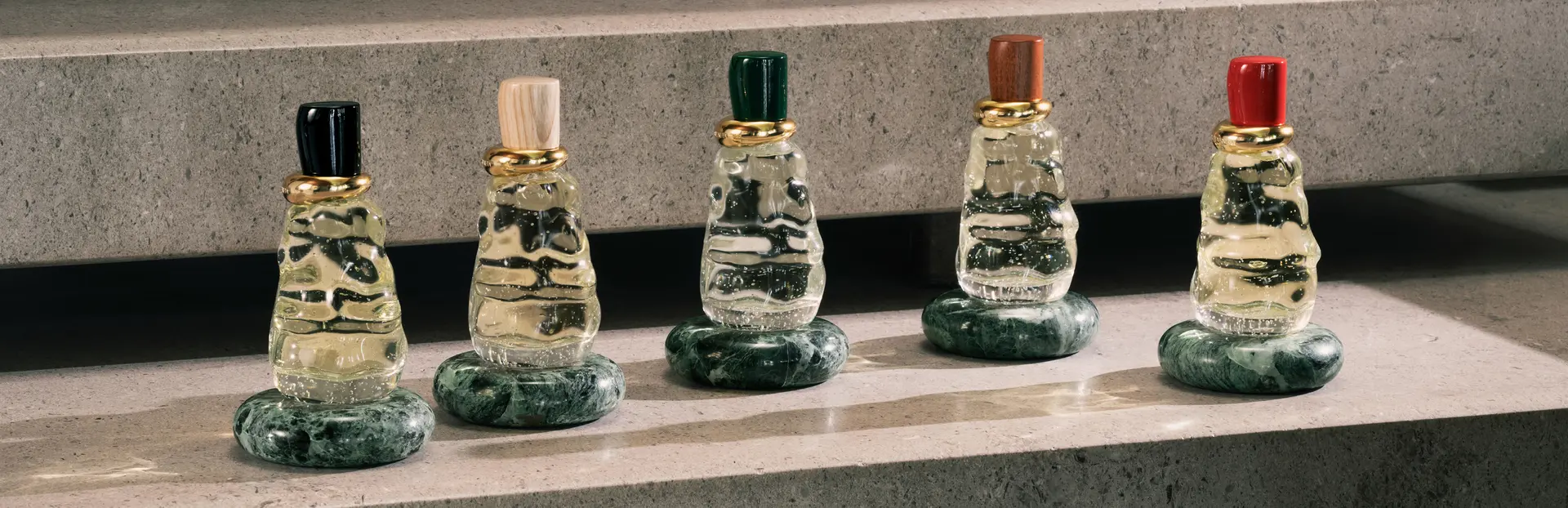
全球高端香水与美妆市场竞争格局迎来一次重构。 10月20日,欧莱雅集团与开云集团官宣达成长期战略合作,协议总价值达40亿欧元(折合人民币约332.5亿元)。 拆解来看,欧莱雅本次打出了"收购+长期授权+合资公司"的组合拳。一方面,收购开云旗下香水品牌Creed;另一方面,拿下开云旗下古驰Gucci、葆蝶家 Bottega Veneta、巴黎世家Balenciaga等品牌的香水及美妆产品的研发、生产与分销权,授权期限长达50年。 同时,两家公司还计划成立一家股权各占50%的独家合资公司,发力健康与长寿领域。 该交易预计于2026年上半年以现金支付完成,据悉,为确保本次合作的达成,并监督进展,欧莱雅还将与开云成立专门的战略委员会。 抢走MiuMiu后,欧莱雅又对Gucci动手 此次被欧莱雅收购的Creed成立于1760年,是高级香水领域的经典品牌,于2021年进入中国市场,在全球拥超千家分销网点。 值得注意的是,Creed刚被开云收入囊中不久。2023年6月,开云集团收购Creed,彼时据媒体报道,收购价格高达35亿欧元。开云管理层提及,Creed具有 巨大的增长潜力,2023年销售额已达到2.5亿欧元(折合人民 ...
300亿,今年美妆最大并购诞生
3 6 Ke· 2025-10-20 12:20
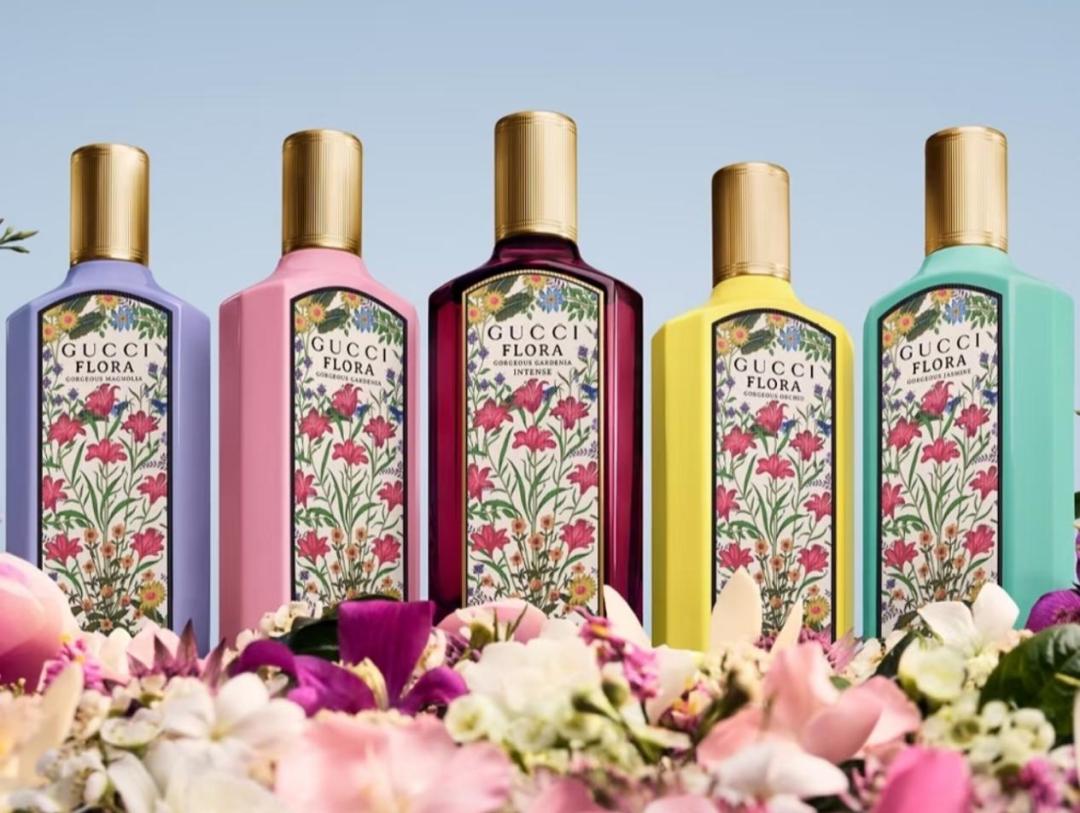
Core Insights - Kering Group and L'Oréal Group have announced a long-term strategic partnership in the luxury beauty and health sector, involving L'Oréal's acquisition of the Creed brand and licensing agreements for Kering's renowned brands, with a total deal value of €4 billion (approximately ¥33.2 billion) [1][4][6] Group 1: Strategic Partnership Details - The partnership includes Kering selling its beauty business, including the Creed brand, to L'Oréal, along with a 50-year licensing agreement for Kering's iconic perfume stores [5][6] - Creed, a historic perfume brand founded in 1760, was acquired by Kering for €3.5 billion just four months prior to this new deal [5][6] - L'Oréal will also gain exclusive rights to develop, produce, and distribute Gucci's beauty products, as well as create and distribute fragrances for Bottega Veneta and Balenciaga under a separate 50-year licensing agreement [6][7] Group 2: Financial Context and Implications - Kering is under pressure from both debt and performance issues, with a reported 62% decline in net profit and a net debt of €9.5 billion as of June 2025 [7][8] - The sale of Creed and other businesses is seen as a way for Kering to alleviate financial pressure and refocus on its core strengths [7][8] - L'Oréal's acquisition of Creed is part of its broader ambition to become a major player in the fast-growing high-end perfume market, following several strategic acquisitions in recent years [7][8][11] Group 3: Market Position and Future Outlook - L'Oréal's recent acquisitions, including Aesop for $2.525 billion (approximately ¥17 billion), highlight its aggressive expansion strategy in the luxury beauty sector [8][11] - The partnership is expected to solidify L'Oréal's position as the world's largest luxury beauty company and explore new opportunities in the health sector [11][12]
40亿欧元交易引奢侈品美妆变局:开云“回血”、欧莱雅“扩局”、科蒂2028年失Gucci授权,但赢家难定
Mei Ri Jing Ji Xin Wen· 2025-10-20 11:58
Core Viewpoint - Kering Group announced a significant transaction with L'Oréal Group, involving the sale of its fragrance and beauty division for a total of €4 billion (approximately ¥33.2 billion), which includes the acquisition of the Creed brand and a 50-year exclusive licensing agreement for several luxury brands [1][6]. Group 1: Transaction Details - The agreement allows L'Oréal to acquire the Creed brand and obtain exclusive rights to develop, produce, and distribute beauty products for Gucci, Bottega Veneta, and Balenciaga [1][6]. - The transaction is expected to be completed in the first half of 2026 and will be paid in cash [1][6]. - Kering's beauty division, which was established in 2023, has shown high growth potential, making the sale surprising to industry experts [2][9]. Group 2: Financial Implications - The sale is seen as a way to alleviate Kering's financial pressure, especially as the company has faced declining revenues, with a 15% drop in Q2 revenue to €3.7 billion [7][9]. - Kering's beauty division generated €323 million in revenue in 2024, primarily from Creed, indicating its importance to the group's overall performance [3][9]. - The sale may provide Kering with more resources to focus on its core brands, particularly Gucci, which has been experiencing a decline in sales [7][9]. Group 3: Market Reactions and Future Outlook - Industry experts express skepticism about the sale, suggesting it may hinder Kering's diversification strategy and limit future growth opportunities in the luxury market [2][9]. - The acquisition price of €4 billion is considered high for a company and brands that are perceived to be past their peak, raising concerns about the long-term value of the investment for L'Oréal [6][10]. - The sale will also impact Coty Group, which currently holds the licensing rights for Gucci beauty products until 2028, potentially leading to strategic shifts for Coty following the loss of this key brand [11][14].
Analysts Laud L’Oréal-Kering Beauty Deal
Yahoo Finance· 2025-10-20 10:40
Core Insights - The sale of Kering Beauty to L'Oréal for 4 billion euros marks a significant strategic shift for Kering and strengthens L'Oréal's position in the beauty and wellness sector [1][3] Group 1: Transaction Details - The agreement includes the acquisition of the House of Creed, which accounts for approximately 93% of Kering Beauty's sales [6] - L'Oréal will gain a 50-year exclusive license for Gucci's fragrance and beauty products, starting after Kering's current license with Coty Inc. expires in 2028 [2] - The partnership also encompasses a 50-year exclusive license for Bottega Veneta and Balenciaga, effective upon transaction closure, expected in the first half of 2026 [3] Group 2: Market Reaction - Following the announcement, L'Oréal's stock rose by 0.6% to 392.90 euros, while Kering's stock increased by 3.6% to 320.55 euros [4] - Analysts expressed surprise at Kering's shift away from its in-house beauty strategy, which had previously aimed to replicate the success of Kering eyewear [4] Group 3: Financial Implications - Citi estimates that the transaction will lead to a high single-digit percentage reduction in Kering's FY26E EBIT and a mid-single-digit percentage decrease in EPS [5] - Kering's financial leverage is projected to improve to about 1.5 times net debt to EBITDA, down from approximately 2.5 times, which is viewed positively given past concerns over elevated financial leverage [5]